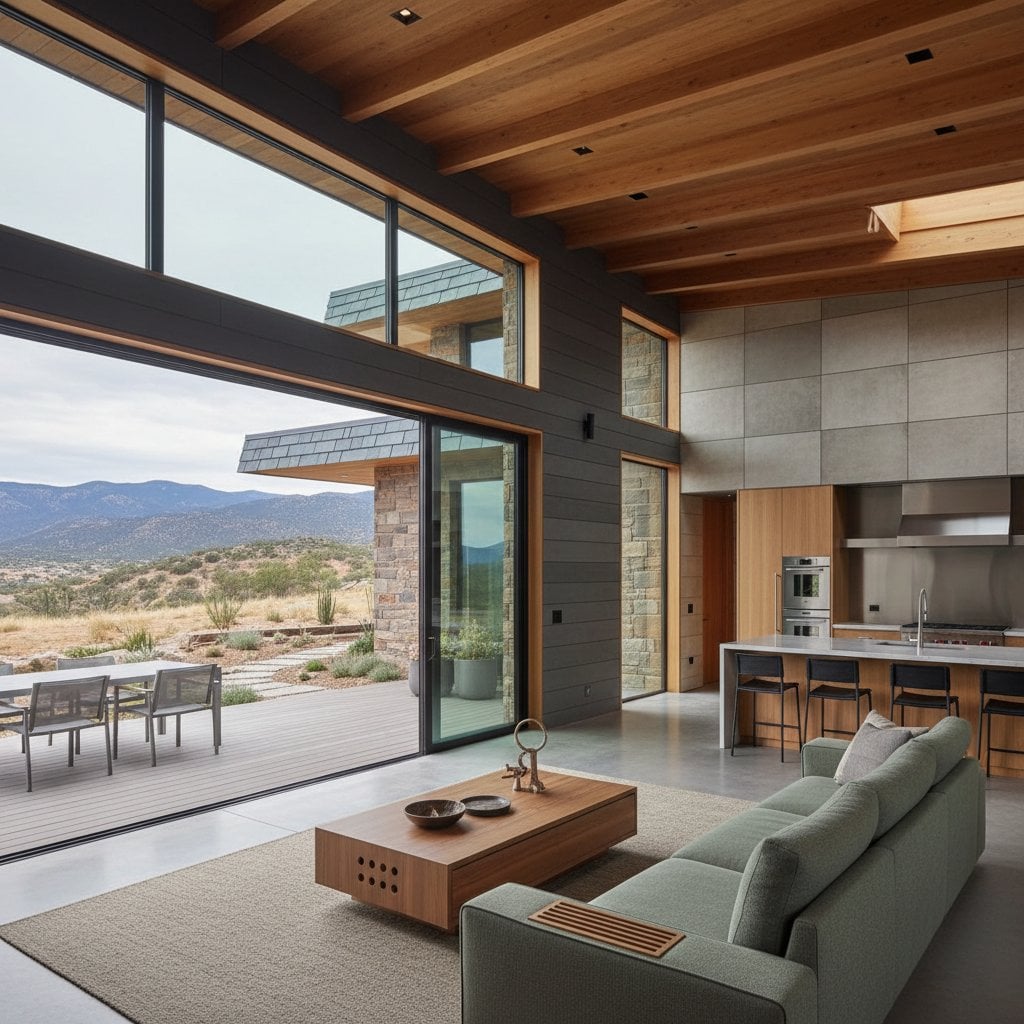
Fire-Resistant Materials for Home Protection in 2026
Wildfires pose an increasing threat to homes in many regions. Homeowners seek durable solutions that withstand intense heat and flying embers. This guide explores advanced fire-resistant materials available in 2026, focusing on practical applications for roofing, siding, decking, and insulation. These options not only enhance safety but also integrate energy efficiency and aesthetic appeal.
Selecting the right materials requires understanding their fire ratings and performance in real-world conditions. Class A fire-rated products offer the highest level of protection against ignition and flame spread. Builders and homeowners can combine these materials to create defensible spaces around properties.
Roofing Solutions for Ember Resistance
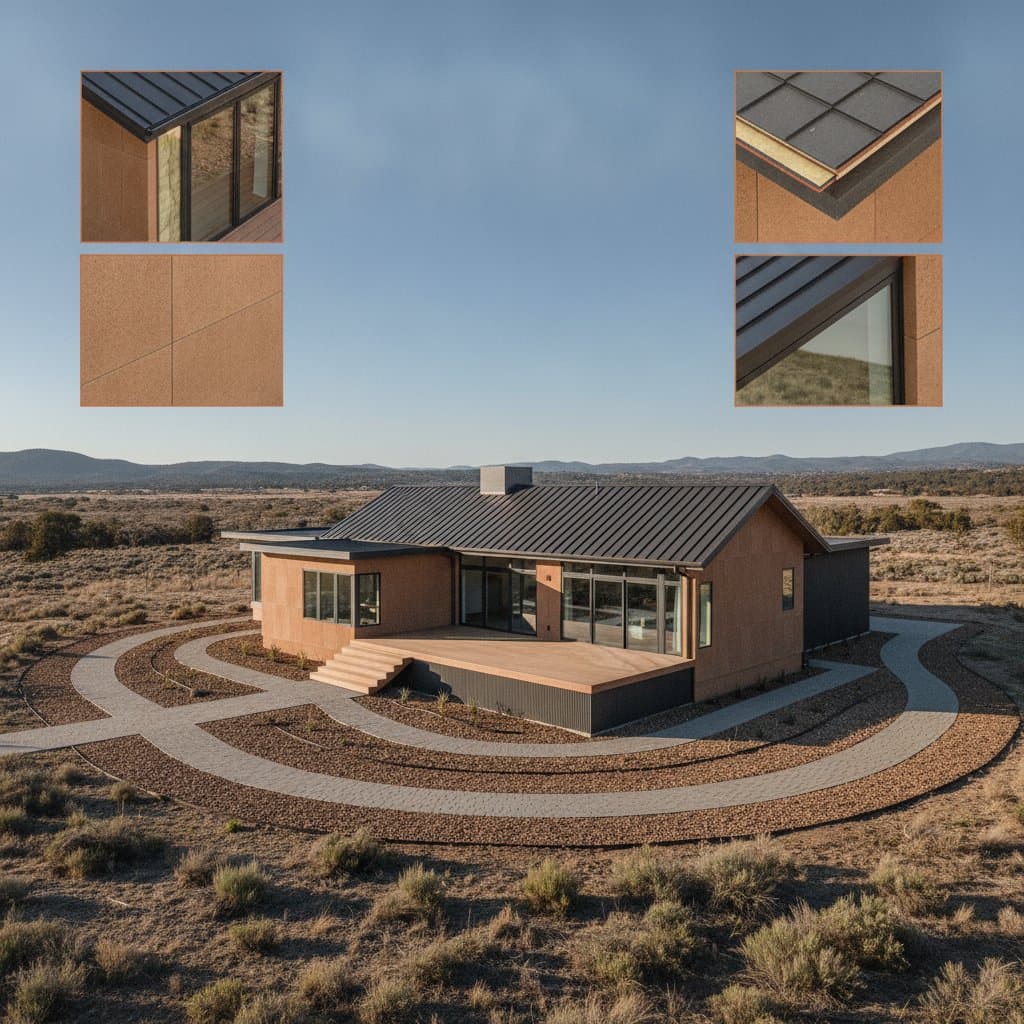
Roofing serves as the first line of defense against airborne embers during wildfires. Traditional asphalt shingles often fail under extreme heat, but modern alternatives provide superior durability. Metal roofing, such as standing seam panels made from steel or aluminum, achieves Class A ratings and reflects radiant heat effectively.
Tile roofing, particularly concrete or clay varieties, resists cracking and melting at high temperatures. Install fire-rated deck sheathing, like Type X gypsum or fiber cement boards, beneath these coverings to prevent ember penetration into the attic. This assembly maintains structural integrity even when exposed to direct flames for extended periods.
Energy performance remains a key advantage. Metal and tile roofs regulate interior temperatures by minimizing heat absorption, which lowers cooling costs in summer months. Homeowners report up to 20 percent reductions in energy bills after retrofitting with these systems.
Installation Tips for Roofing
- Ensure proper underlayment with self-adhering membranes rated for fire resistance.
- Seal all roof penetrations, including vents and chimneys, with metal flashing.
- Schedule professional inspections to verify compliance with local building codes.
Siding Options That Withstand Heat
Exterior siding faces direct exposure to radiant heat and embers. Fiber cement siding emerges as a top choice in 2026, offering a Class A fire rating while mimicking the look of wood or stucco. This material contains silica and cellulose fibers that prevent flame spread and require minimal upkeep.
Stucco applications, reinforced with wire mesh, provide a seamless barrier against ignition. For a modern touch, integrate stone veneers or cultured stone panels, which naturally resist combustion due to their mineral composition. These sidings endure temperatures exceeding 1,000 degrees Fahrenheit without degrading.
Practical benefits extend beyond fire safety. Fiber cement and stucco contribute to thermal mass, stabilizing indoor climates and reducing reliance on heating systems. During remodels, these materials install over existing surfaces, preserving the home's original architecture.
Decking and Outdoor Structures
Decks and patios often ignite from ground-level fires or ember accumulation. Composite decking boards, formulated with fire-retardant polymers and mineral fillers, replace vulnerable wood options. These products achieve Class A ratings and resist warping under heat stress.
Metal railings and aluminum framing complement deck surfaces, eliminating ignition points. For elevated structures, use fire-resistant joist hangers and ledger boards made from galvanized steel. This combination ensures the entire outdoor area remains protected without compromising usability.
Maintenance proves straightforward. Clean decks annually with mild detergents to remove debris that could fuel fires. Avoid treatments with flammable oils, opting instead for factory-applied inhibitors.
Insulation for Interior Safeguards
Interior insulation prevents fire spread from exterior breaches. Install mineral wool batts or spray foam with intumescent additives that expand when heated, sealing gaps and blocking oxygen. These materials maintain their form up to 2,000 degrees Fahrenheit, far surpassing traditional fiberglass.
During new construction, prioritize cavity walls filled with rockwool insulation, which also provides soundproofing and moisture resistance. Retrofitting existing homes involves blowing cellulose treated with borate compounds into attics and walls. This approach enhances safety without altering the home's exterior appearance.
Energy efficiency improves significantly. High-performance insulation reduces heat transfer, leading to consistent indoor temperatures and lower utility expenses. Homeowners appreciate the dual role in both protection and comfort.
Color and Finish Considerations
Color choices influence heat absorption and overall resilience. Lighter shades, such as soft whites or pale grays, reflect solar radiation, keeping surfaces cooler during heatwaves. Darker tones absorb more warmth, potentially accelerating wear in fire-prone areas.
Opt for matte or low-gloss finishes that conceal soot and ash residue from nearby fires. High-quality paints formulated with ceramic microspheres offer heat resistance and UV protection, extending the lifespan of siding and trim. Coordinate colors across elements for visual harmony.
Recommended palettes include earthy neutrals like warm greige, sage green, and dusty taupe. These tones blend with natural surroundings, reducing the home's visibility to wildlife while promoting a serene aesthetic. Test samples in varying light to ensure they suit the local environment.
Tips for Choosing Finishes
- Prioritize paints certified for extreme weather and fire exposure.
- Apply multiple thin coats for even coverage and durability.
- Consult color charts from manufacturers specializing in fire-rated products.
Maintenance and Landscaping Strategies
Ongoing care amplifies the effectiveness of fire-resistant materials. Inspect roofs and siding biannually for cracks or loose components that could allow ember entry. Clear gutters and downspouts of dry leaves and debris to prevent hidden ignition sources.
Landscaping plays a crucial role in creating defensible space. Plant low-growing, fire-resistant species like succulents and native grasses within 30 feet of the home. Maintain a 5-foot clear zone around structures, free of mulch or flammable plants.
Incorporate hardscaping elements, such as gravel paths and stone borders, to minimize fuel loads. Water-efficient irrigation systems keep vegetation hydrated without excessive moisture that could damage materials. These practices reduce wildfire risk while enhancing curb appeal.
Investing in Long-Term Safety
Adopting fire-resistant materials represents a strategic investment in home security and value. Properties equipped with these solutions often qualify for lower insurance premiums and faster resale. Families gain confidence knowing their living spaces withstand environmental challenges.
Consult certified builders to tailor selections to specific site conditions. The result yields homes that balance protection, efficiency, and elegance, ensuring peace of mind in an unpredictable climate.