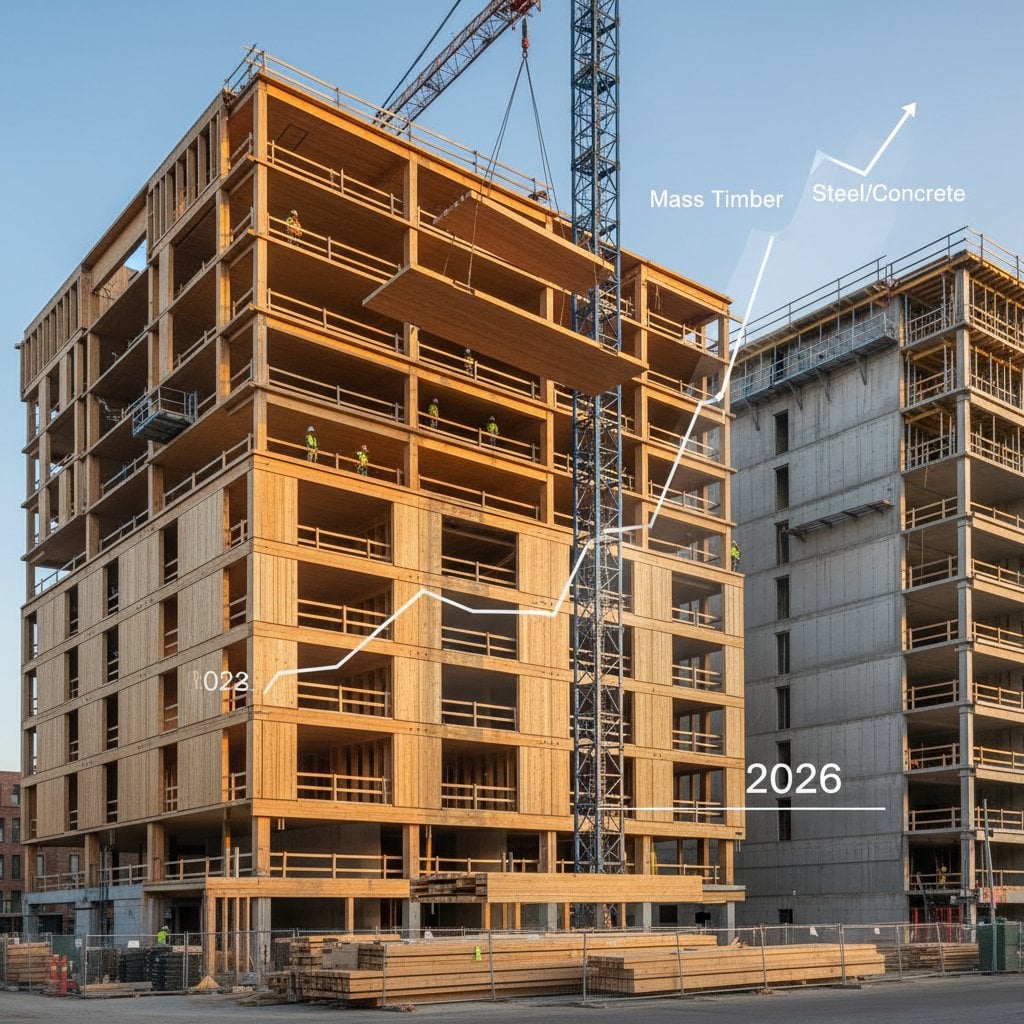
Mass Timber Costs: Aligning with Steel and Concrete by 2026
Mass timber transitions from experimental choice to mainstream structural material. Builders, architects, and developers increasingly evaluate its potential to compete with established options like steel and concrete. An analysis of cost drivers, market shifts, and value propositions reveals when mass timber delivers optimal results for specific projects.
Defining Mass Timber and Its Core Advantages
Mass timber encompasses engineered wood products built for load-bearing applications. Key types include cross-laminated timber (CLT), glued-laminated timber (glulam) beams, and nail-laminated timber (NLT). These elements consist of lumber layers pressed and bonded to form robust panels or beams suitable for mid-rise commercial structures and beyond.
This material excels in strength, environmental responsibility, and assembly efficiency. Structures using mass timber weigh less than equivalents in concrete or steel, which often allows for simpler foundations. Prefabrication enables quick on-site installation, minimizing labor demands and timelines. Additionally, mass timber sequesters carbon throughout its lifecycle, aligning with global sustainability mandates. Cost evaluations, however, reveal variability, prompting scrutiny of its path to price equivalence.
Breaking Down the Cost Components of Mass Timber
True cost assessment extends past initial material expenses to encompass production, logistics, workforce, planning, and upkeep. Industry maturation influences each area, fostering reductions over time.
Material Production and Sourcing Expenses
Producing mass timber demands dedicated facilities for milling, drying, and adhesive application. Current limitations in manufacturer numbers elevate prices due to scarcity and extended shipping routes. Emerging facilities promise increased rivalry and localized supply, which will compress these expenses.
In contrast, steel and concrete leverage entrenched distribution networks for consistent regional access. Mass timber gains ground through growing domestic output and uniform panel dimensions. Such developments forecast diminished differentials in procurement and delivery charges.
Planning and Technical Design Costs
Mass timber integration necessitates distinct engineering approaches for load distribution, joints, and fire safety. Initial projects incur elevated design fees from scarce specialist knowledge. Proficiency accumulates rapidly, enabling streamlined simulations, standardized connectors, and reduced revision cycles.
Digital platforms now feature comprehensive mass timber databases, accelerating computations and interdisciplinary alignment. These tools yield timetable efficiencies that lower overall expenditures.
Workforce and Build Timeline Efficiencies
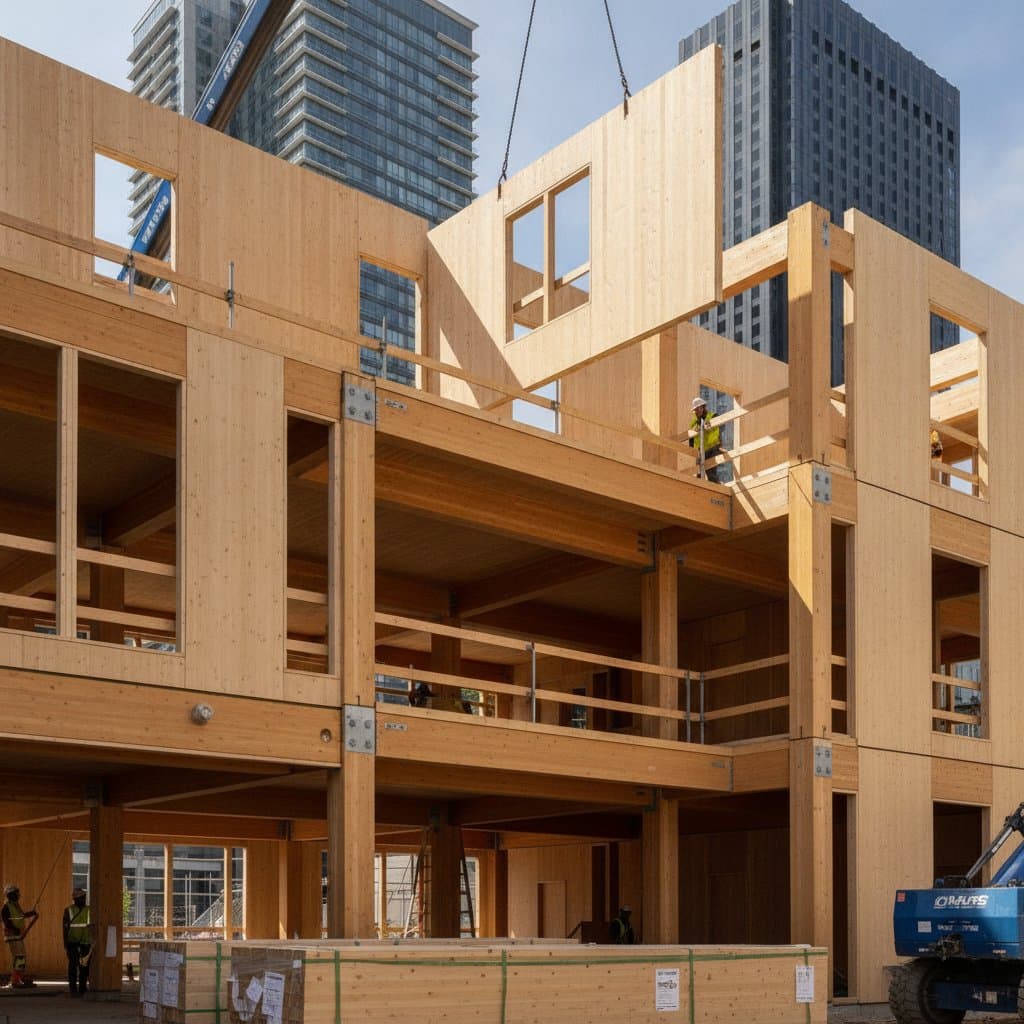
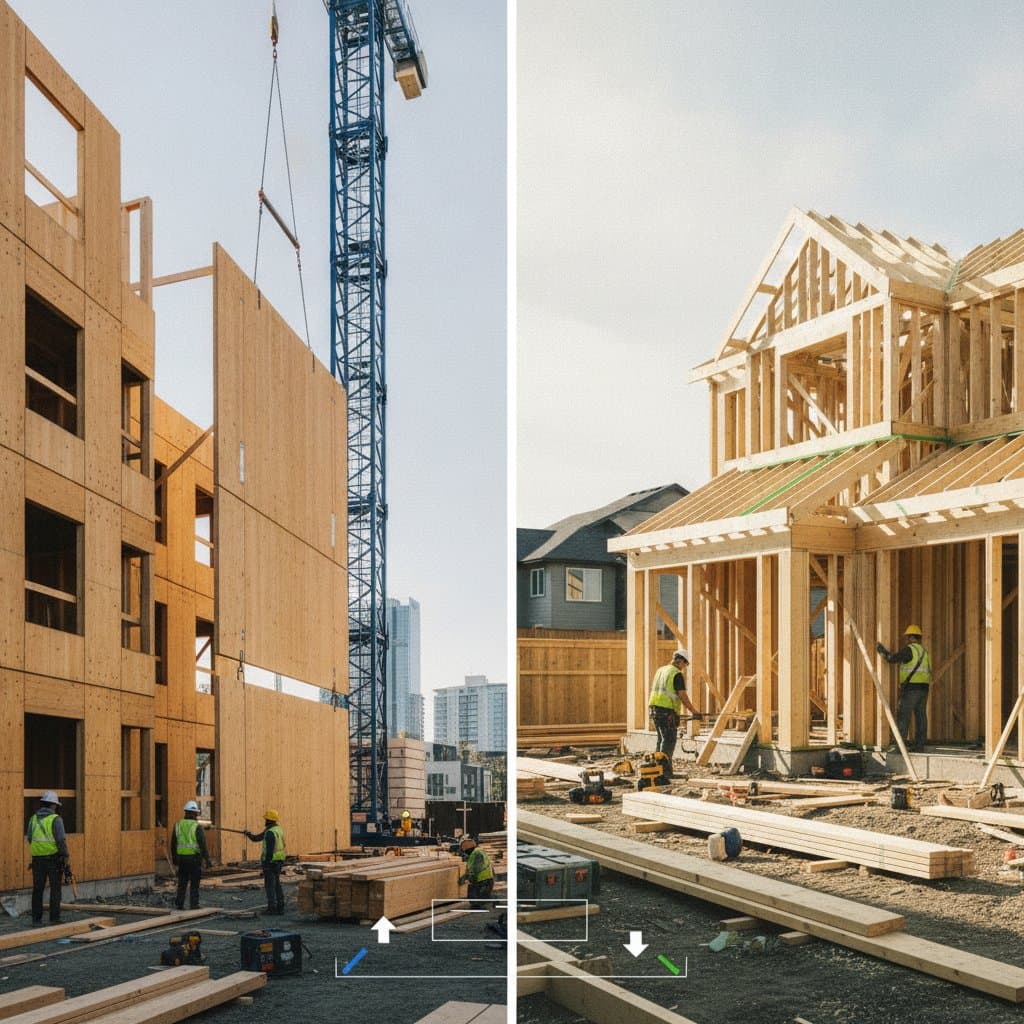
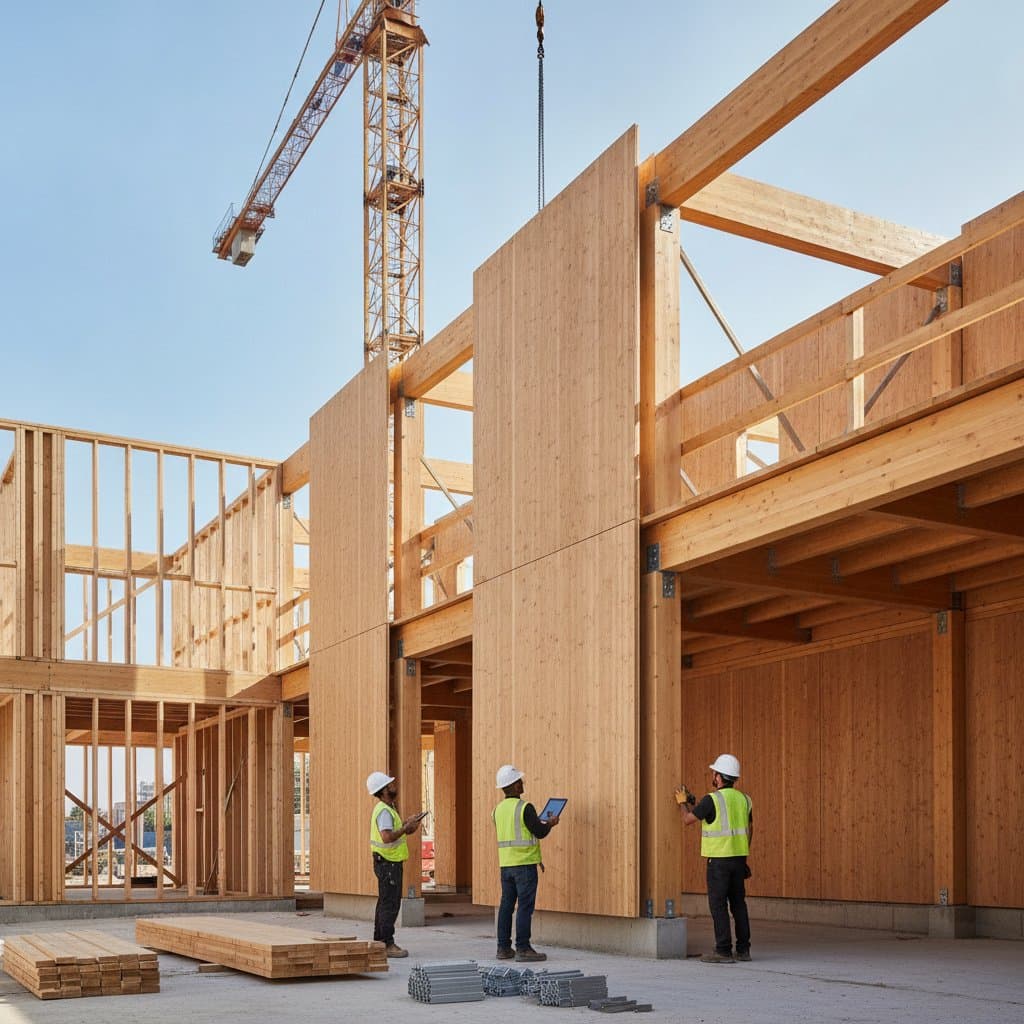
Prefabrication stands as mass timber's premier economic edge. Components arrive with integrated features for openings and utilities, slashing fieldwork intensity. Accelerated schedules cut financing burdens, particularly for ventures tied to prompt completion.
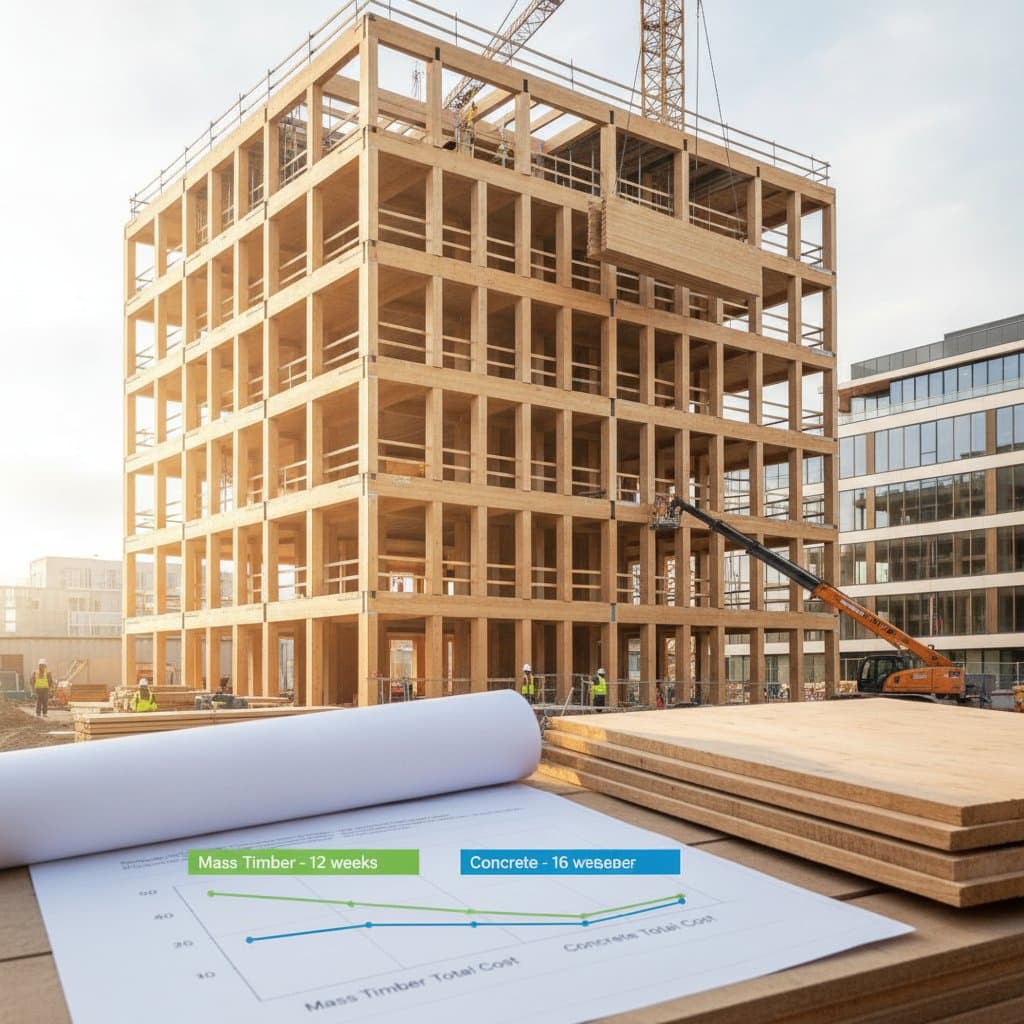
Consider a six-story office structure: mass timber framing typically advances two to four weeks ahead of concrete methods. This acceleration yields tangible savings. Crew familiarity with timber erection further boosts output rates.
Shipping and Supply Chain Management
Though sizable, mass timber elements prove lightweight, facilitating transport with proper planning. Proximity to production sites optimizes logistics; distant sourcing inflates fees and extends waits. Strategic supplier selection mitigates these hurdles.
Local manufacturing hubs streamline operations and shorten procurement horizons. Integrating suppliers during schematic phases allows sequenced arrivals that prevent schedule disruptions and added costs.
Compliance Costs for Fire and Sound Control
Regulatory adherence introduces further financial layers. Mass timber demonstrates resilience in blaze scenarios via charring that shields interiors. Nonetheless, validation, approvals, and coverage may increment outlays in conservative locales.
Sound isolation requires attention, as timber assemblies conduct vibrations more readily than concrete. Supplementary damping or flooring treatments incur minor additions but integrate routinely. Progressive codes and insurer data will alleviate these surcharges.
Evaluating Costs Across Project Applications
Square-foot metrics alone obscure nuances tied to scale, geography, and intricacy. Emerging benchmarks illustrate mass timber's proximity to equilibrium in holistic terms.
Commercial Office and Hybrid Developments
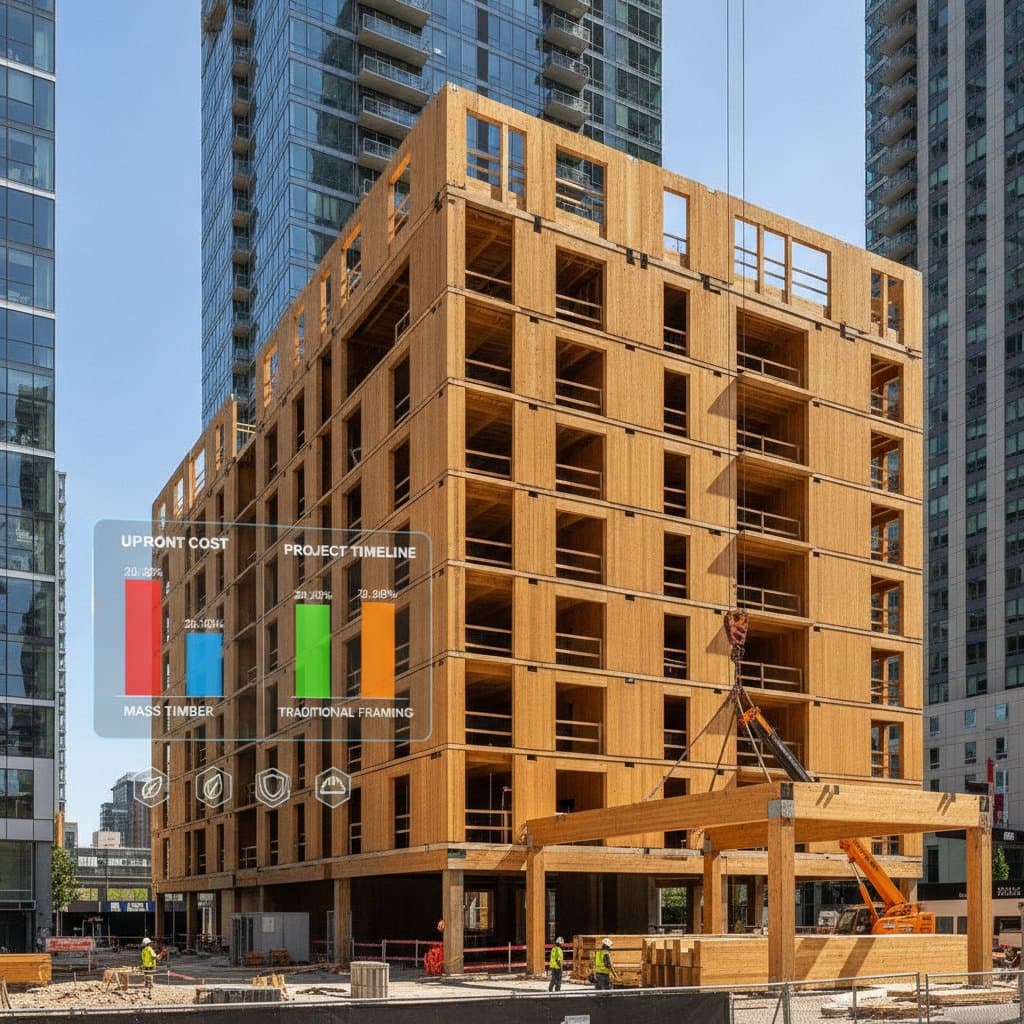
Mid-rise offices approach cost balance when viewing full budgets. Time reductions, foundation economies, and waste minimization counterbalance panel premiums. Enhanced marketability and occupant draw amplify fiscal merits.
Residential Multi-Unit Complexes
Apartments thrive with mass timber in supply-rich areas. Modular units suit dense settings, enabling swift erection with minimal interference. Reduced structural loads ease foundation demands. Acoustic enhancements and regulatory hurdles narrow with precedent accumulation.
Public Educational and Community Facilities
Institutions like schools and halls frequently adopt mass timber to fulfill eco-objectives. Marginal initial premiums yield to enduring gains in efficiency and emissions. Lifecycle assessments underscore superior returns.
Industry Dynamics Accelerating Price Alignment
Economic pressures and sectoral evolutions propel mass timber toward equivalence. Tracking these aids in timing project adoption.
Scaling Production Infrastructure
New factories enhance volume and cut haul distances. Localized operations foster accessibility and price competition. Uniform specifications minimize scraps and ease engineering.
Regulatory Progress and Incentives
Standards increasingly affirm mass timber's reliability, lifting height caps and clarifying protocols. Streamlined reviews lower administrative burdens. Public subsidies for green methods bolster uptake.
Growing Confidence Among Stakeholders
Successful implementations encourage repetition, refining processes and assurance. Lenders adapt to timber financing, potentially easing capital terms.
Pricing Stability Amid Market Variations
Traditional materials swing with fuel and commodity tides. Timber draws from replenishable stocks, offering steadier patterns. Scaled output tempers fluctuations for reliable forecasting.
Lifecycle Benefits Beyond Initial Outlays
Contemporary premiums fade against comprehensive valuations favoring mass timber.
Ecological Footprint Reduction
Wood inherently captures carbon, contrasting emission-heavy alternatives. Responsibly harvested sources ensure renewability and diminished impact. Compliance with certification programs follows naturally.
Enhanced User Comfort
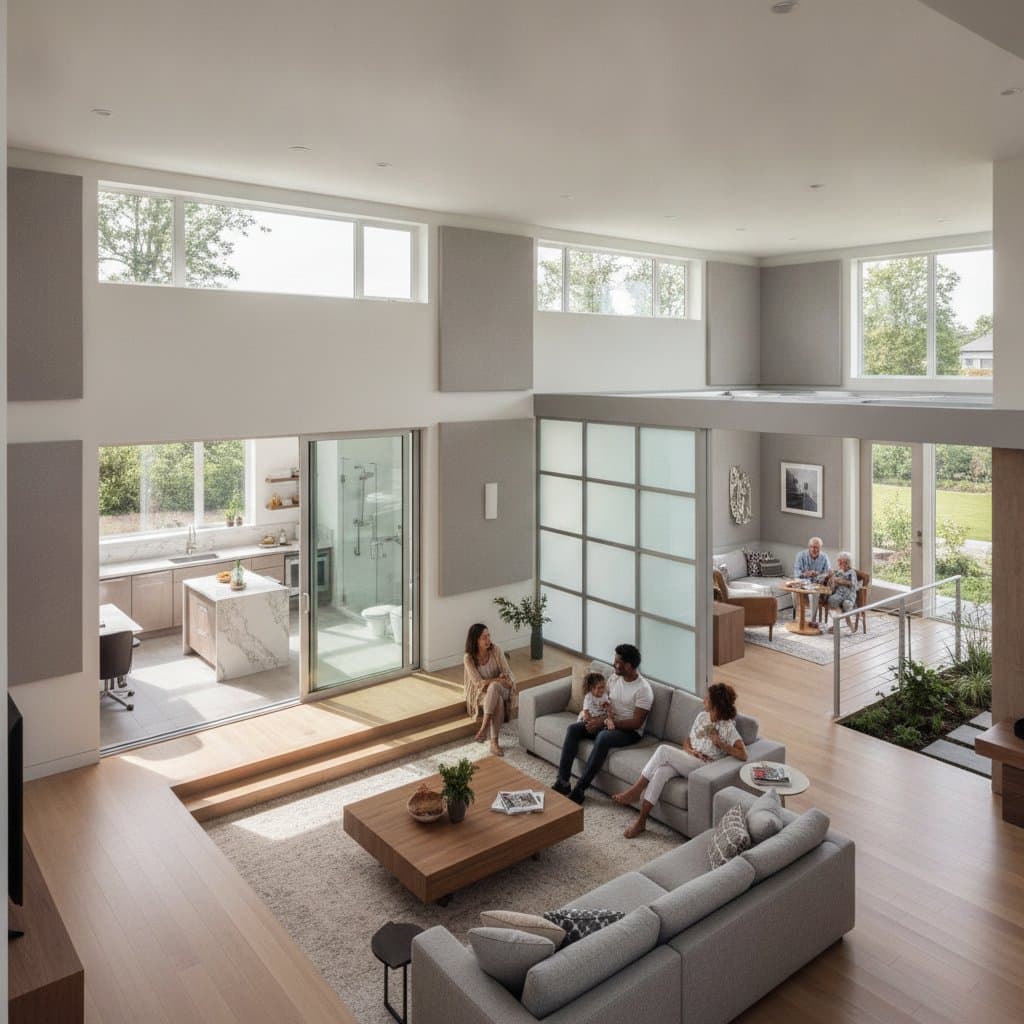
Exposed timber fosters inviting environments linked to better focus and satisfaction. Empirical findings affirm wood's role in elevating space quality, benefiting productivity in professional or learning venues.
Longevity and Upkeep Simplicity
Proper detailing guards against decay, ensuring resilience. Factory precision yields secure assemblies for sustained integrity. Maintenance parallels conventional systems, emphasizing barrier integrity.
Remaining Obstacles to Universal Parity
Advancements persist, yet hurdles linger in select scenarios.
- Sparse regional suppliers prolong logistics and waits.
- Jurisdictional hesitancy delays tall-structure permits.
- Skilled installers remain in demand, though programs proliferate.
- Coverage rates adjust as data solidifies.
Collaborative efforts in training and advocacy address these systematically.
Implementing Mass Timber Effectively
Prospective users can maximize efficiencies through targeted actions.
Assemble Experienced Collaborators from Inception
Involve timber-savvy architects, engineers, and builders early. This alignment leverages material attributes and forestalls expensive adjustments.
Prioritize Local Procurement Strategies
Select vendors within viable radii to curb transport fees. Advance supplier dialogues secure timed deliveries matching build phases.
Conduct Thorough Feasibility Analyses
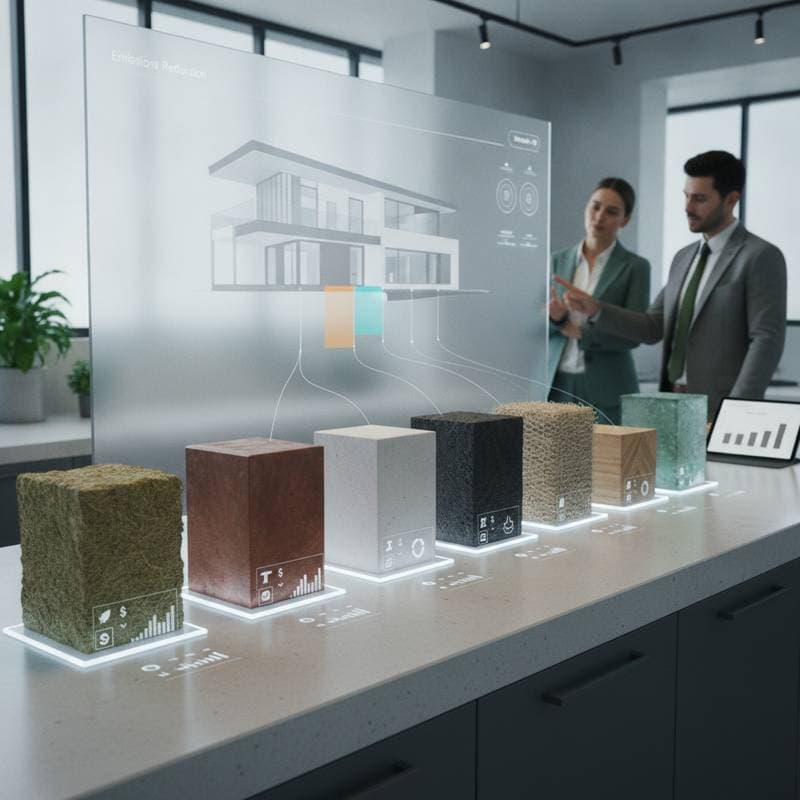
Model total costs incorporating timelines and intangibles. Pilot elements in designs to test integrations and refine estimates.
Monitor Evolving Standards
Stay informed on code revisions and incentives. Adapt specifications to capitalize on new opportunities for savings.
Realizing Sustainable Construction Gains
Mass timber's trajectory to 2026 parity unlocks versatile, responsible building. Projects embracing it secure economic, ecological, and experiential edges. Forward-thinking teams position themselves for leadership in efficient, resilient development.