The Real 2026 Costs for Aging-in-Place Upgrades
Quick Answer Box
Aging-in-place remodeling enables individuals to reside safely and comfortably within their homes as they age. Common projects encompass grab bars, walk-in showers, wider doorways, and enhanced lighting. A modest project might cost a few hundred dollars. Comprehensive home accessibility renovations could total tens of thousands of dollars. Most projects require one to three weeks. Risks range from moderate to high, particularly with electrical, plumbing, and structural modifications that demand professional expertise. Engage licensed professionals for plumbing, electrical, or significant construction tasks.
Step-by-Step Instructions
1. Assess Your Current Home
Examine each room meticulously and identify obstacles, narrow doorways, or uneven surfaces. Document areas that pose safety concerns or hinder mobility.
Check: A detailed list of problem areas exists, complete with precise measurements.
2. Prioritize Safety Upgrades
Focus initially on the most pressing hazards. Bathrooms, staircases, and entryways present the greatest fall risks.
Check: Top-priority upgrades, such as grab bars, improved lighting, or step-free entries, have been identified.
3. Plan Your Budget
Calculate costs for materials and labor in each targeted area.
Typical price ranges include:
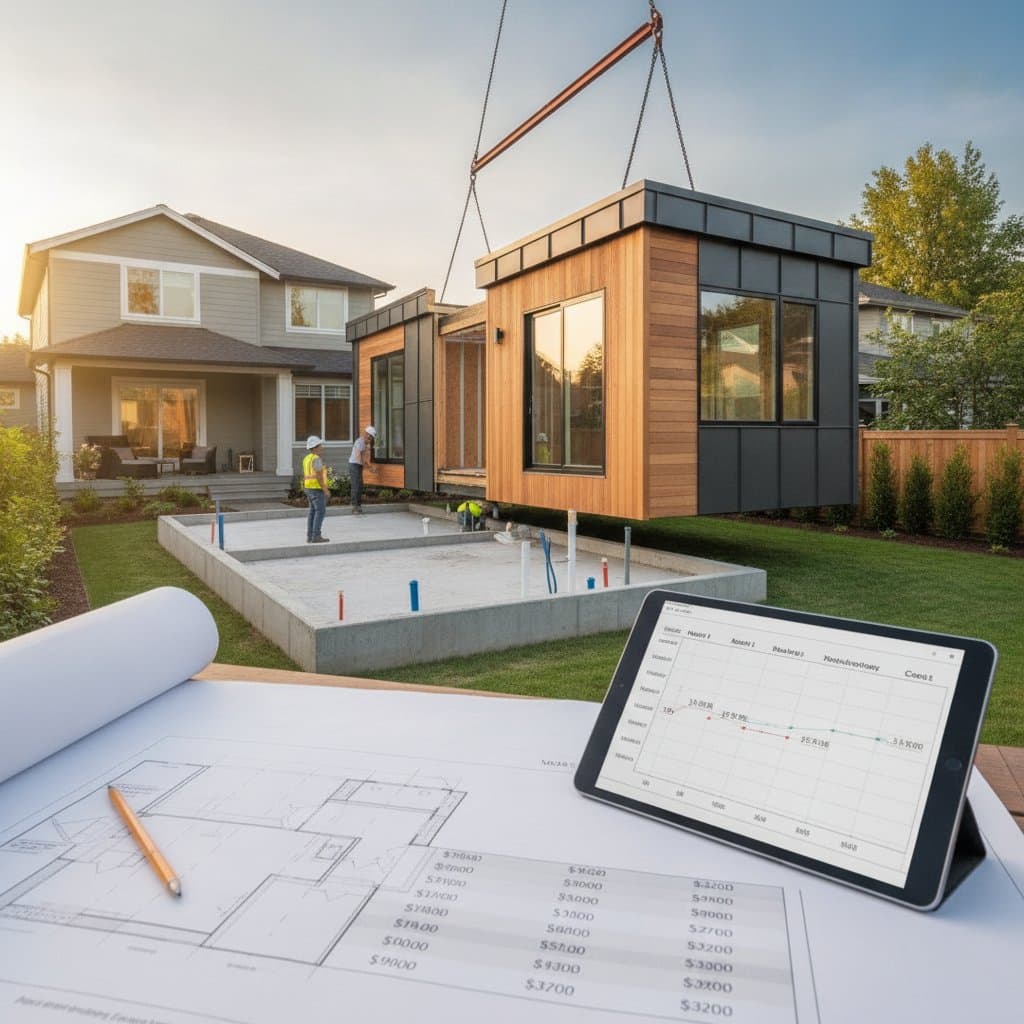
- Grab bars: $100 to $300 installed per bar
- Lever handles: $40 to $120 each
- Walk-in shower: $5,000 to $12,000
- Stair lift: $3,000 to $9,000
- Wheelchair ramp: $2,000 to $6,000
- Widened doorway: $700 to $2,500
Incorporate an additional 10 to 15 percent to cover unforeseen expenses.
Check: The budget accounts for labor, materials, and necessary permits.
4. Hire Professionals for Technical Work
Select licensed electricians, plumbers, and general contractors for tasks involving:
- Relocating plumbing lines
- Installing new circuits or outlets
- Mounting lifts or ramps that secure to the home's framing
- Altering structural walls
Check: Licenses and insurance have been verified for all professionals.
5. Upgrade Entryways
Substitute steps with a ramp or create a no-step entry. Employ slip-resistant materials and maintain a slope no steeper than 1 inch rise per 12 inches of run.
Check: Safe entry and exit occur without the need to lift feet excessively.
6. Improve Bathroom Accessibility
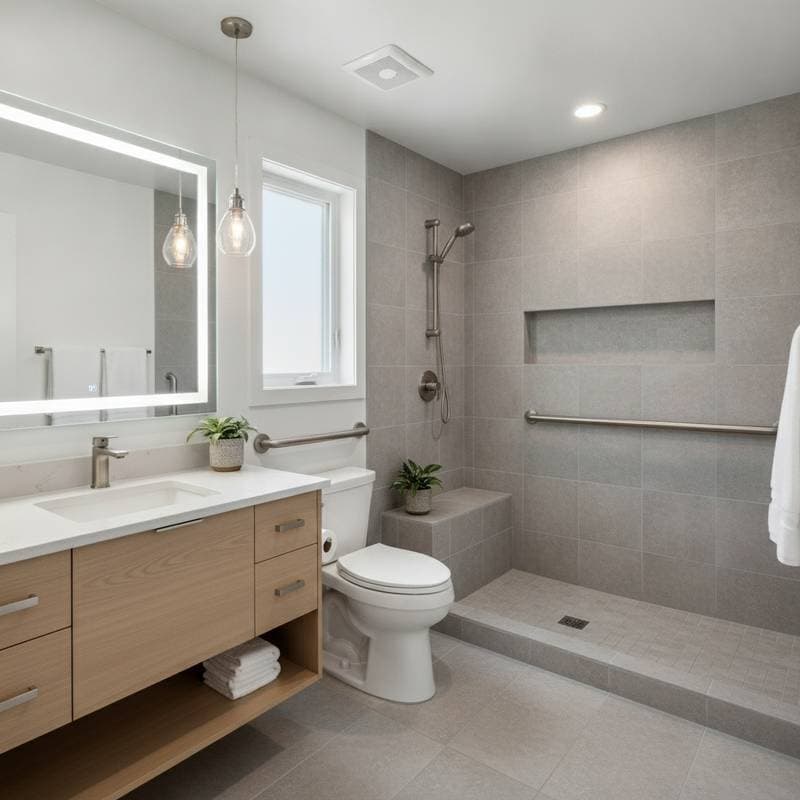
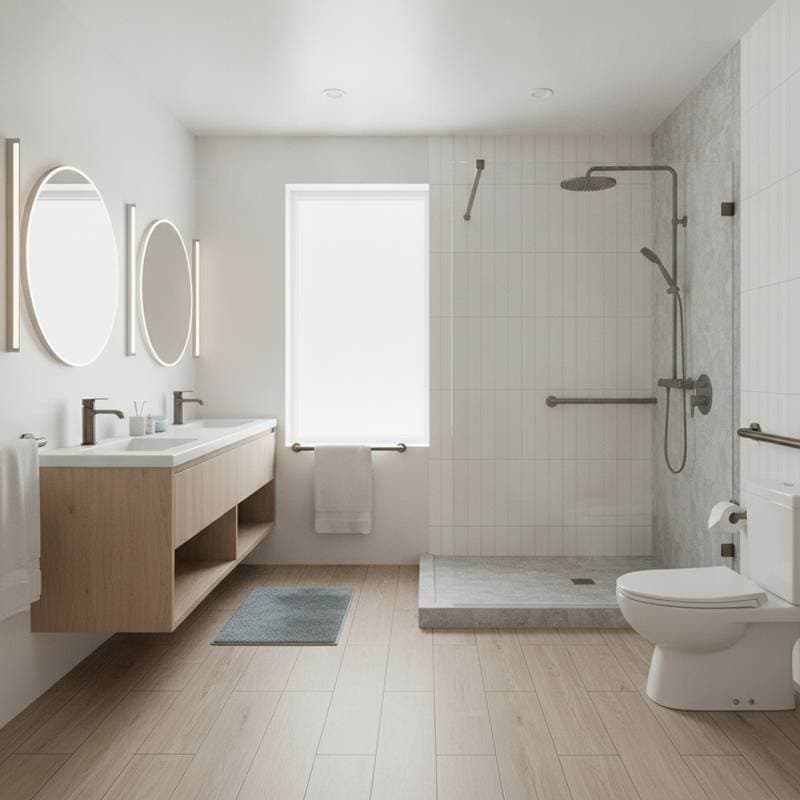
- Convert a bathtub to a walk-in or roll-in shower.
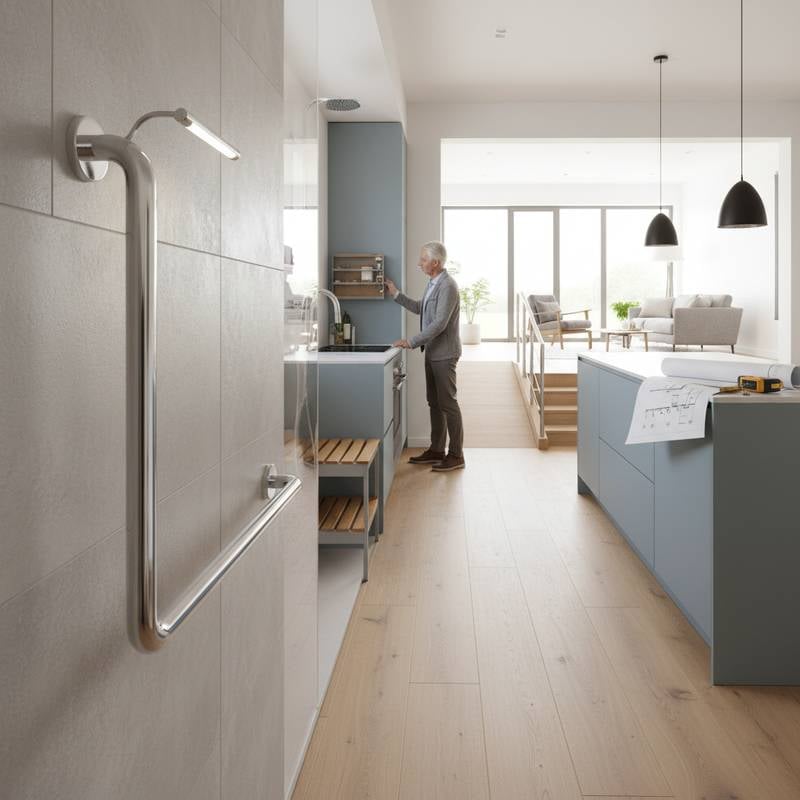
- Position grab bars adjacent to the toilet and shower.
- Select non-slip flooring with a coefficient of friction of 0.6 or higher.
- Position shower controls within reach from a seated position.
Check: The bathroom supports use without bending or stepping over obstacles.
7. Widen Doorways and Hallways
Aim for doorways at least 32 inches wide to accommodate wheelchairs. Opt for swing-clear hinges to maximize space without complete reframing where feasible.
Check: Mobility devices navigate passages with ease.
8. Replace Knobs with Lever Handles
Lever handles demand less grip strength and accommodate hands affected by arthritis. Install them on doors, faucets, and cabinets.
Check: Doors and faucets operate with minimal physical effort.
9. Install Better Lighting
Incorporate bright, uniform illumination in hallways, stairways, and bathrooms. Select LED fixtures with a color temperature of 3000 to 4000 Kelvin to mimic natural light. Integrate motion sensors or nightlights for convenience.
Check: Clear visibility prevails in all areas, free from glare or shadows.
10. Adjust Countertops and Cabinets
Reduce countertop height to 34 inches for wheelchair accessibility. Incorporate pull-out shelves or lazy Susans to facilitate reaching items.
Check: All essentials remain accessible from seated or standing positions.
Quality Checks and Troubleshooting
Common Problems
- Loose grab bars: Secure them by anchoring into wall studs or employing rated toggle anchors.
- Water leaks at new fixtures: Tighten connections or install new washers.
- Uneven ramps: Reconstruct with the proper slope and handrails on both sides.
Simple Fixes
- Swap burned-out bulbs for LEDs suitable for damp environments.
- Apply non-slip tape to slick floor surfaces.
- Modify door thresholds that cause scraping or dragging.
Performance Test
Evaluate modifications by traversing spaces, using mobility aids if applicable. Solicit feedback from a family member to assess accessibility from varied viewpoints.
Check: Safe and comfortable movement occurs throughout every area.
When to Call a Pro
Engage a licensed contractor or specialist for:
- Modifications to structural framing or load-bearing walls
- Relocation or expansion of plumbing or electrical systems
- Installation of stair lifts, platform lifts, or elevators
- Suspected presence of mold, asbestos, or rot beneath flooring or behind walls
Typical Professional Costs
- Licensed electrician: $90 to $150 per hour
- Plumber: $80 to $140 per hour
- General contractor for full remodel: $40,000 to $100,000, based on home size and design elements
How to Vet a Contractor
- Confirm license and insurance through state or local authorities.
- Obtain itemized estimates that delineate labor and materials.
- Request references from comparable accessibility projects.
- Clarify warranty conditions for workmanship and materials.
Pro Tips for Success
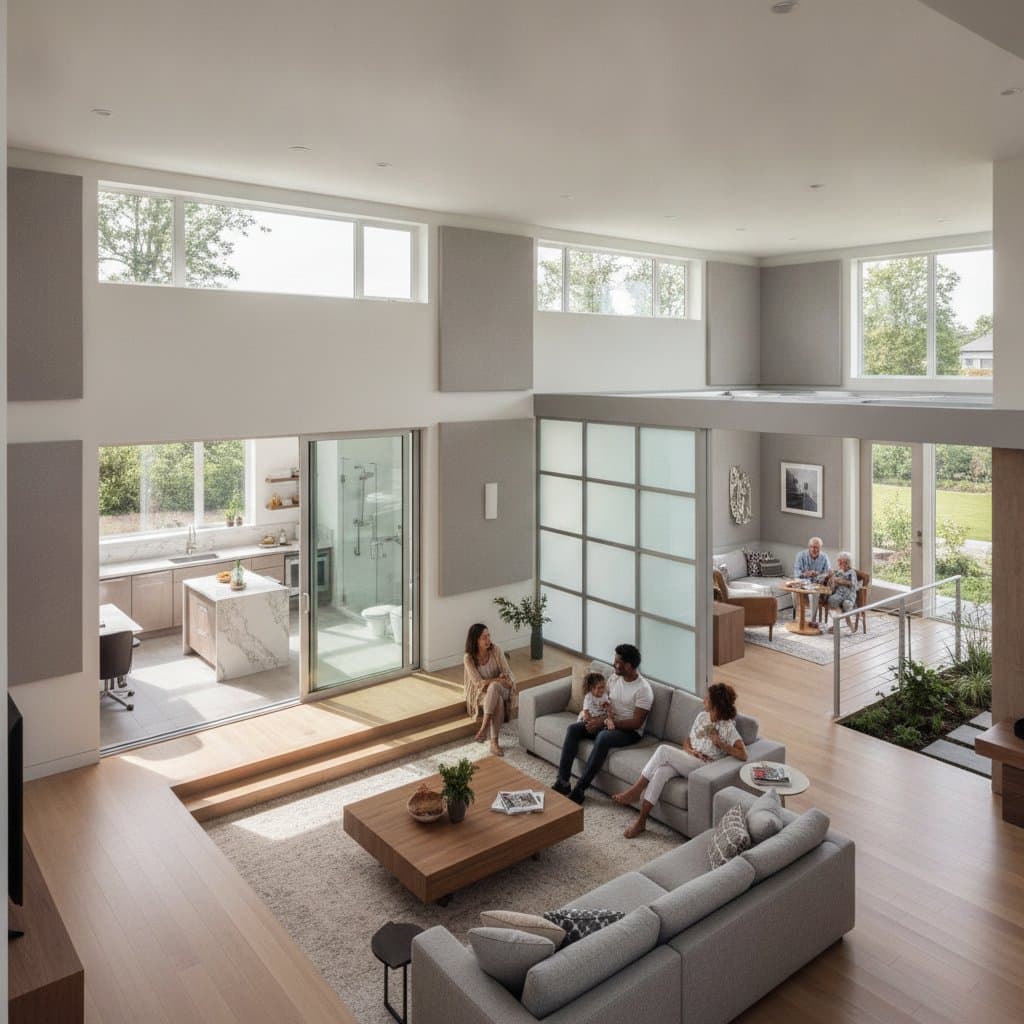
- Plan for flexibility. Design spaces that adapt readily, even if mobility aids seem unnecessary at present.
- Choose durable materials. Opt for vinyl plank flooring, quartz countertops, and acrylic shower walls that withstand moisture and daily use.
- Use contrast. Pair light walls with darker floors to delineate depth and reduce missteps.
- Keep pathways clear. Eliminate clutter and area rugs that invite tripping.
- Budget realistically. Minor updates often fall under $5,000, whereas whole-home conversions may surpass $60,000. Prioritize safety in decision-making.
Implementing Your Plan
Aging-in-place upgrades represent an investment in safety, comfort, and sustained independence. Actual expenses vary according to home layout, personal health requirements, and the extent of self-performed work. Initiate with straightforward enhancements like grab bars, superior lighting, and lever handles. Subsequently, address substantial alterations such as no-step entries or accessible bathrooms as needs progress. Adhere to local building codes, utilize appropriate safety equipment, and consult licensed professionals for complex tasks.
Proper execution transforms the home into a navigable and maintainable sanctuary. Thoughtful planning paired with expert input fosters an environment that aligns with evolving lifestyles across all life stages.
FAQs
What is aging-in-place remodeling?
Remodeling that facilitates safe and independent living in the home as one ages.
How much does a full aging-in-place remodel cost?
Anticipate $40,000 to $100,000, influenced by size, materials, and structural adjustments.
Do I need a permit?
Permits become necessary for alterations to plumbing, electrical systems, load-bearing walls, or exterior ramps.
Can I install grab bars myself?
Installation proves feasible if wall studs are located and rated anchors are used. Professionals assist if placement or support raises concerns.
What flooring is safest for aging in place?
Non-slip vinyl or textured tile with a friction rating of 0.6 or higher offers optimal safety.
How long does remodeling take?
Small upgrades require one to two days. Comprehensive remodels span several weeks.