Aging-in-Place Remodels: Achieve Strong ROI by 2026
Aging-in-place remodeling enables homeowners to stay in their residences with ease and security as requirements evolve. These modifications surpass enhancements to daily living; they also generate substantial financial benefits. Through deliberate selections in accessibility and aesthetics, individuals safeguard autonomy, elevate property worth, and diminish future care expenditures.
This resource outlines remodeling initiatives with optimal returns, strategies for orchestrating successful renovations, and indicators for engaging specialists.
Understanding Aging-in-Place Remodeling
Aging-in-place remodeling emphasizes safety, accessibility, and ease without compromising visual appeal. Such efforts equip residences for shifts in mobility and wellness while upholding market desirability and potential resale gains. Intentional planning simplifies navigation, minimizes tumble risks, and fosters self-reliance.
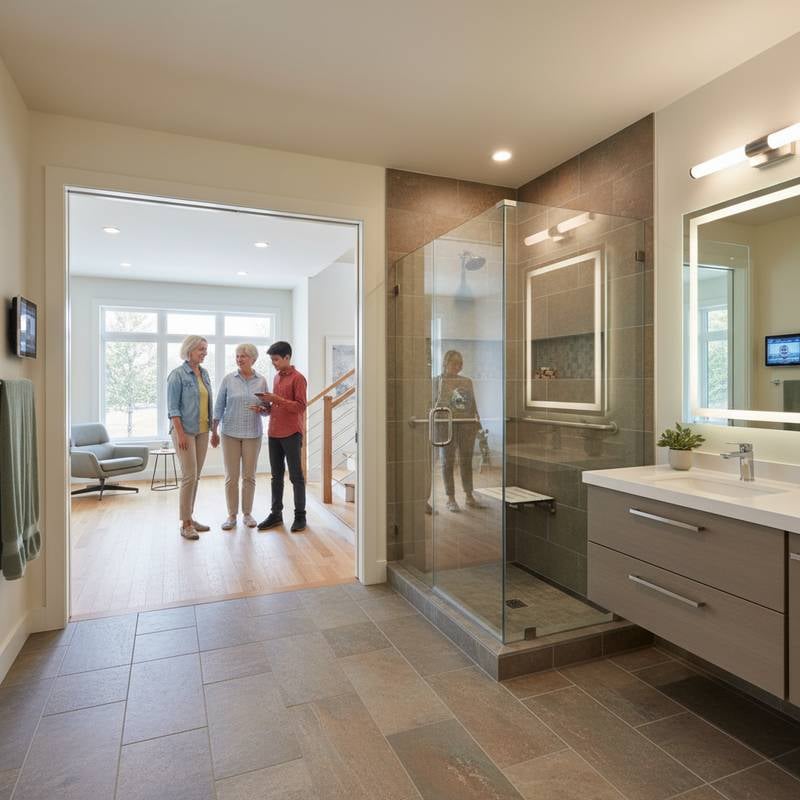
Studies by housing and renovation authorities indicate that properties featuring accessibility elements transact more swiftly and draw diverse purchasers. Households managing elderly members or pursuing intergenerational arrangements frequently prioritize homes pre-configured for movement and protection.
Key Remodeling Projects for Maximum Impact
Targeted upgrades address prevalent challenges in aging homes. The following sections detail essential areas, recommended modifications, rationale, expense estimates, and execution considerations.
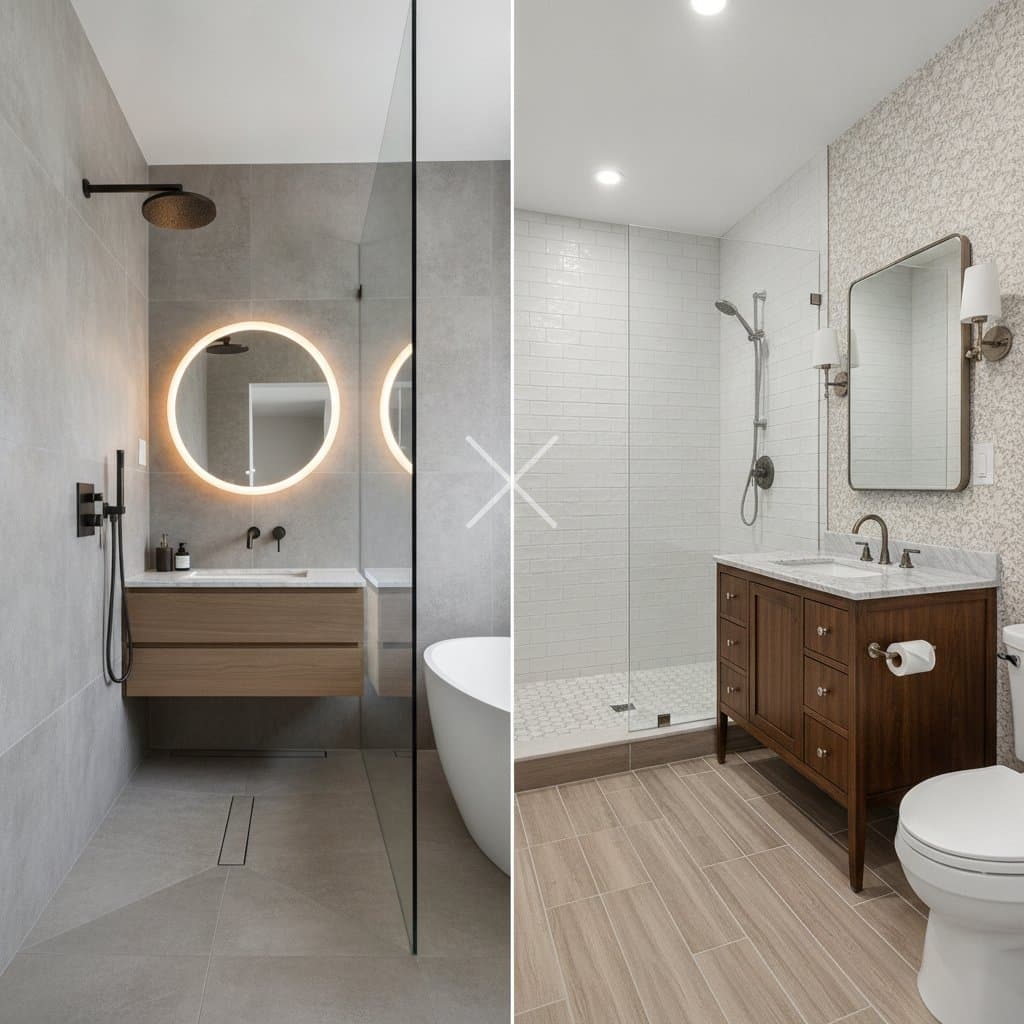
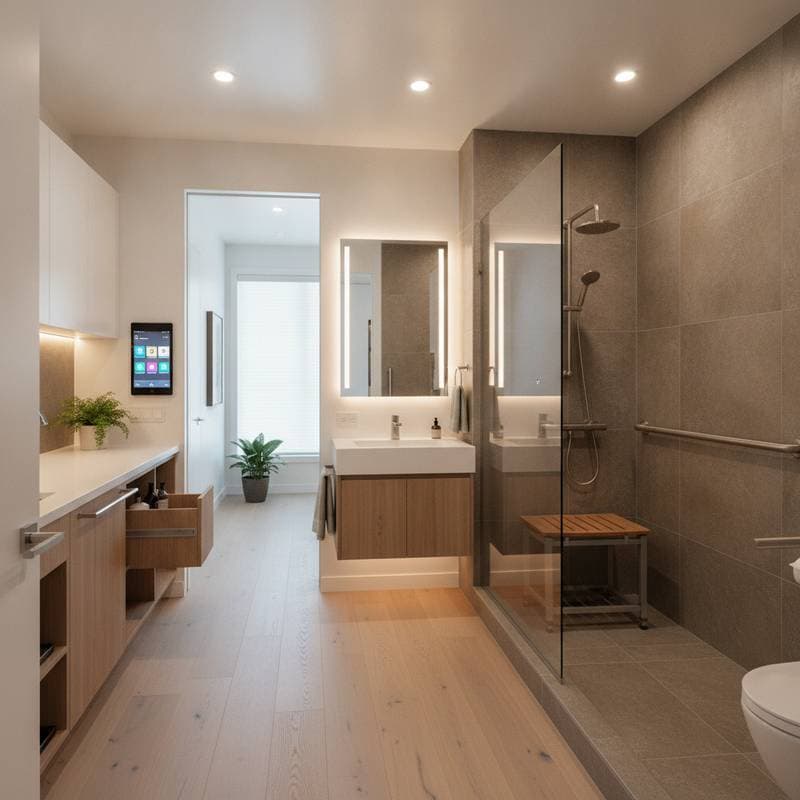
1. Bathroom Accessibility Enhancements
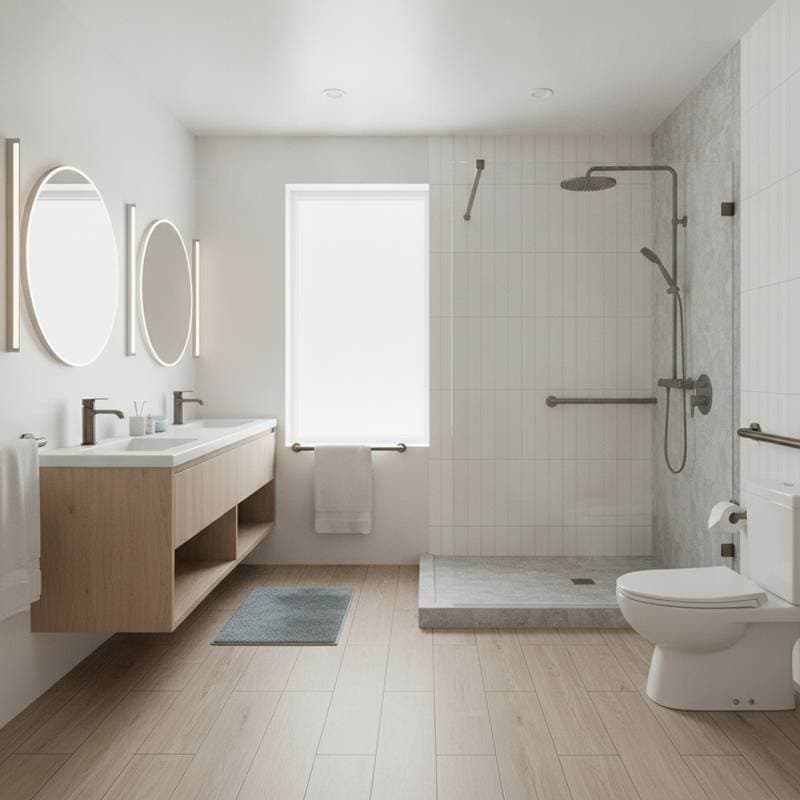
Bathrooms rank among the highest-risk zones for slips and falls, particularly for those with reduced mobility.
Essential modifications:
- Install grab bars near toilets, showers, and bathtubs
- Convert tub-shower combinations to curbless, roll-in showers
- Add fold-down benches and handheld showerheads
- Replace standard toilets with comfort-height models
Rationale: These alterations facilitate secure bathing and toileting, preventing injuries that lead to medical expenses. Accessible bathrooms broaden appeal to buyers seeking low-maintenance features, potentially increasing home value by 5 to 15 percent.
Expense estimates: Grab bars and hardware run $200 to $500 each; full shower conversions range from $10,000 to $25,000 based on size and plumbing needs.
Execution guidance: Hardware installations suit DIY efforts with proper tools, yet shower or toilet overhauls demand plumbing expertise to comply with codes.
2. Entryway and Door Modifications
Step-free entrances and expansive doorways enhance mobility and lessen tripping hazards.
Essential modifications:
- Substitute steps with sloped pathways or ramps
- Fit threshold-free exterior doors
- Expand interior doorways to a minimum of 36 inches
- Incorporate lever-style handles over traditional knobs
Rationale: Such adjustments accommodate wheelchairs, walkers, or strollers and serve visitors across generations. Properties with enhanced entry access frequently command up to a 10 percent premium in buyer perception.
Expense estimates: Door expansions average $800 to $1,500 per opening. Ramps or entry regrading span $2,500 to $6,000, influenced by materials and site configuration.
Execution guidance: Basic hardware changes and threshold fixes prove feasible for DIY, but structural alterations or outdoor grading necessitate professional assessment and approvals.
3. Kitchen Adaptations for Ease of Use
Kitchens demand adjustments to support standing, reaching, and maneuvering without strain.
Essential modifications:
- Lower countertops or install pull-out sections for seated preparation
- Add adjustable-height cabinets and open shelving
- Incorporate touchless faucets and side-opening ovens
- Ensure clear pathways of at least 36 inches between appliances
Rationale: These features promote efficient cooking and reduce physical exertion, vital for long-term home use. Kitchens designed for accessibility attract multigenerational families, boosting resale appeal and value retention.
Expense estimates: Counter adjustments cost $1,500 to $5,000; full cabinetry overhauls range from $15,000 to $40,000 depending on scope and finishes.
Execution guidance: Simple faucet or hardware swaps allow DIY completion, whereas cabinet modifications or appliance integrations require skilled carpenters and electricians.
4. Lighting and Visibility Improvements
Adequate illumination proves crucial for security and well-being. Dim spaces heighten fall risks and visual fatigue.
Essential modifications:
- Deploy LED recessed lights for uniform illumination
- Position motion-activated night lights in corridors
- Integrate under-cabinet illumination in kitchens
- Utilize dimmable controls to manage glare
Rationale: Enhanced sightlines avert mishaps and elevate ambiance. Lighting upgrades represent economical interventions with significant practical advantages.
Expense estimates: Comprehensive home lighting refreshes total $3,000 to $8,000, varying by fixture choices and electrical routing.
Execution guidance: Bulb or fixture replacements qualify as straightforward DIY projects, but circuit additions or rewiring mandate a certified electrician.
5. Flooring and Surface Upgrades
Slippery or uneven floors pose substantial dangers, especially in high-traffic zones.
Essential modifications:
- Select slip-resistant materials like textured vinyl or cork
- Eliminate area rugs in favor of seamless, low-pile options
- Ensure level transitions between rooms
- Add padding under carpets for cushioning
Rationale: Stable, grippy surfaces prevent slips and support mobility aids. Durable flooring endures daily wear, preserving home integrity and market value.
Expense estimates: Room-scale flooring replacements cost $3 to $10 per square foot, totaling $2,000 to $7,000 for average areas.
Execution guidance: Surface cleaning and minor fixes suit DIY, yet full installations or subfloor leveling require professional flooring specialists.
Expense Estimates and Budget Strategies
Aging-in-place renovations fluctuate in cost according to residence dimensions, existing state, and project extent. Typical ranges include:
- Basic enhancements: $5,000 to $10,000 covering grab bars, lighting, and fixtures
- Moderate overhauls: $25,000 to $50,000 for bathroom and entry adjustments
- Comprehensive adaptations: $80,000 to $150,000 for total accessibility integration
For prudent financial planning:
- Focus initially on vulnerable spaces like bathrooms and entrances.
- Obtain quotes from three or more contractors versed in universal design principles.
- Explore staged implementation to distribute expenses across periods.
- Investigate grants or regional programs supporting accessibility initiatives.
Strategies to Optimize Expenses
- Integrate initiatives: Merge accessibility elements with scheduled updates to economize on workforce and authorizations.
- Leverage incentives: Energy-saving lights or appliances may qualify for rebates that reduce outlays.
- Opt for balanced materials: Mid-tier selections frequently match the durability and efficacy of luxury counterparts at reduced prices.
- Anticipate flexibility: Embed reinforcements in walls during initial work for subsequent grab bars or hoists, averting expensive later interventions.
- Uphold current infrastructure: Routine care of plumbing, wiring, and climate systems forestalls unforeseen replacements amid renovations.
Frequently Addressed Inquiries
What defines universal design?
Universal design crafts environments accessible to everyone, irrespective of age or capability. It prioritizes usability, security, and convenience without institutional aesthetics.
Do aging-in-place renovations necessitate approvals?
Yes, structural shifts, electrical updates, or plumbing alterations typically require permits. Verify stipulations with local authorities prior to commencement.
Is accessibility possible without extensive building?
Yes. Incremental changes such as lever handles, enhanced lighting, and traction mats yield substantial improvements. Progressive additions accommodate evolving needs.
How do these enhancements influence market value?
Accessible attributes expand buyer pools, particularly among seniors or families with mobility issues. Tasteful implementations elevate worth and accelerate transactions.
What durability do accessibility installations offer?
Grab bars, ramps, and elevators endure decades under correct setup and care. Periodic reviews sustain reliability and safety.
Preserving Renovation Value
Aging-in-place renovations serve as wellness and financial investments. Ongoing care upholds protection and equity.
Periodic upkeep schedule:
- Examine grab bars and handrails biannually for firmness.
- Clean traction surfaces to sustain grip.
- Review lighting and swap faded bulbs immediately.
- Verify motion detectors and reserve power units.
- Arrange yearly evaluations of ramps, elevators, and automated features.
Enduring advantages:
- Diminished healthcare costs from fall prevention.
- Decreased reliance on external living arrangements through prolonged self-sufficiency.
- Heightened property appeal and transaction speed.
- Amplified routine ease and tranquility.
Committing to accessibility today secures a secure, hospitable dwelling for the future. From modest tweaks to thorough transformations, each considered step bolsters autonomy and resilience. Through meticulous preparation, expert counsel, and fiscal acumen, aging-in-place remodeling yields comfort alongside tangible investment returns.