Understanding Costs for 2026 Aging-in-Place Bathroom Remodels
Aging-in-place remodels transform bathrooms into safe, accessible spaces that support long-term independence. These projects address common challenges such as mobility limitations and fall risks through targeted upgrades. In 2026, expect total costs to range from $12,000 for basic enhancements to $38,000 for comprehensive overhauls, influenced by bathroom size, material quality, and regional labor rates.
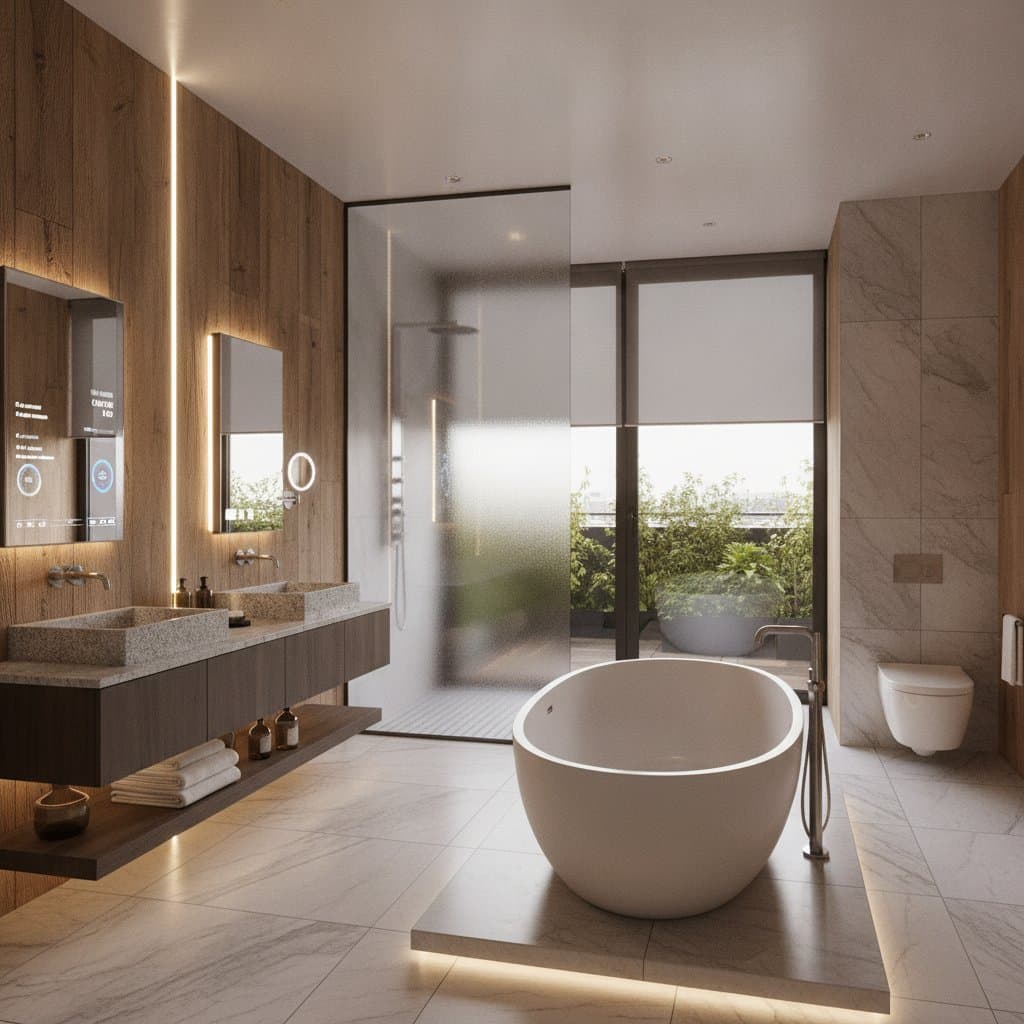
Break down the expenses for clarity. Basic remodels, focusing on grab bars and non-slip flooring, start at $12,000 to $18,000. Mid-range options, including walk-in showers and improved lighting, fall between $20,000 and $28,000. Luxury setups with custom cabinetry and advanced fixtures reach $30,000 to $38,000. Factor in material costs, which account for 40 to 50 percent of the budget, and labor at $60 to $120 per hour.
Timelines typically span two to four weeks, depending on project scope and any unforeseen issues like outdated plumbing. Moderate to advanced difficulty levels apply, with electrical and plumbing work demanding licensed professionals to mitigate risks such as leaks or shocks. Plan ahead to align with these projections and avoid budget overruns.
Preparation Steps Before Beginning Your Remodel
Navigating Permits and Building Codes
Secure necessary permits for any plumbing, electrical, or structural modifications to ensure compliance and safety. Contact your local building department early to verify requirements, as regulations vary by location. Inspections often follow installation of new wiring, outlets, or pipes, so schedule them in advance to prevent delays.
Essential Safety Precautions
Prioritize safety throughout the process. Shut off power at the main breaker before handling electrical components to avoid shocks. Wear footwear with non-slip soles on potentially wet surfaces to reduce fall risks. Protect your eyes with safety glasses during tasks like tile cutting, and enlist assistance for heavy items such as bathtubs or toilets to prevent strains.
Assessing Skills, Time, and Resources
Evaluate your experience level before diving in. Skilled DIY enthusiasts can manage installations like grab bars or flooring updates, but complex tasks such as layout alterations or pipe rerouting require professional expertise. Allocate two to four weeks based on the project's scale, building in buffer time for inspections or material delays.
Gather essential tools and materials upfront. Include a tape measure, level, drill with bits, tile cutter or wet saw, caulk gun with silicone sealant, safety glasses, and gloves. Stock up on GFCI outlets suitable for damp areas, slip-resistant flooring options, grab bars, shower seats, comfort-height toilets, and walk-in shower kits. These items form the foundation for a durable, accessible bathroom.
Detailed Step-by-Step Remodel Guide
-
Design and Layout Planning
Measure the bathroom precisely and sketch a layout that accommodates mobility aids like wheelchairs or walkers. Ensure at least 36 inches of clear floor space around the toilet and shower for easy maneuvering. Verify the design promotes safe movement, such as positioning fixtures to minimize reaching or twisting. -
Enhancing Lighting and Electrical Outlets
Swap out outdated fixtures for energy-efficient LED lights that provide bright, even illumination without glare. Position lights over key areas like the shower and vanity for optimal visibility. Install GFCI-protected outlets near water sources, and test each one with a circuit tester after reconnecting power to confirm functionality. -
Installing Durable, Slip-Resistant Flooring
Carefully remove existing tiles or vinyl, taking care to avoid damaging subfloors. Select and lay down flooring with a textured, non-slip surface, such as porcelain tiles or luxury vinyl planks rated for wet environments. Seal all edges thoroughly and use a level to ensure the surface remains even, preventing trip hazards. -
Securing Grab Bars and Support Rails
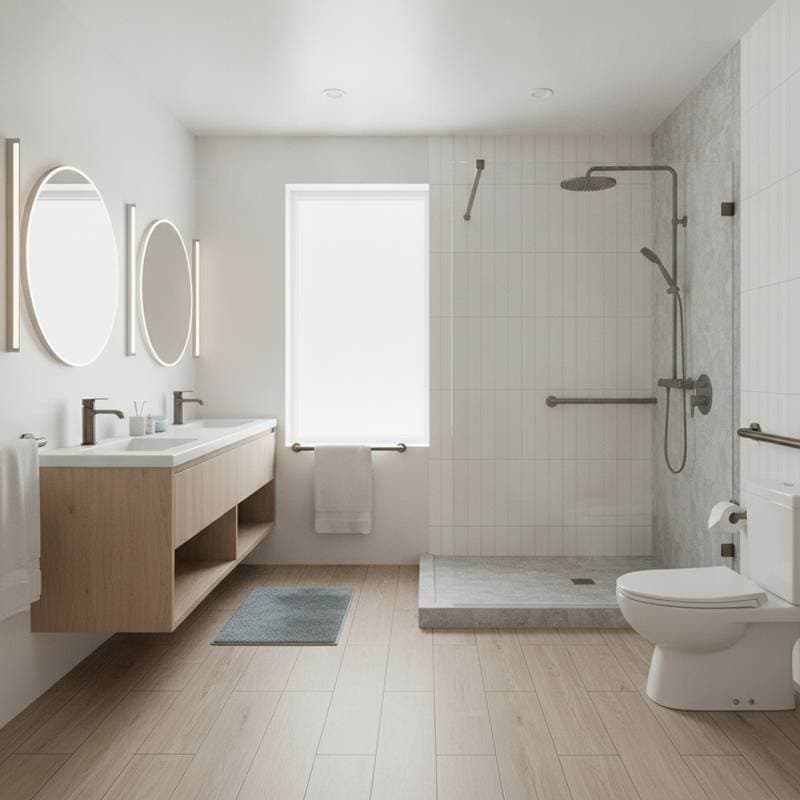
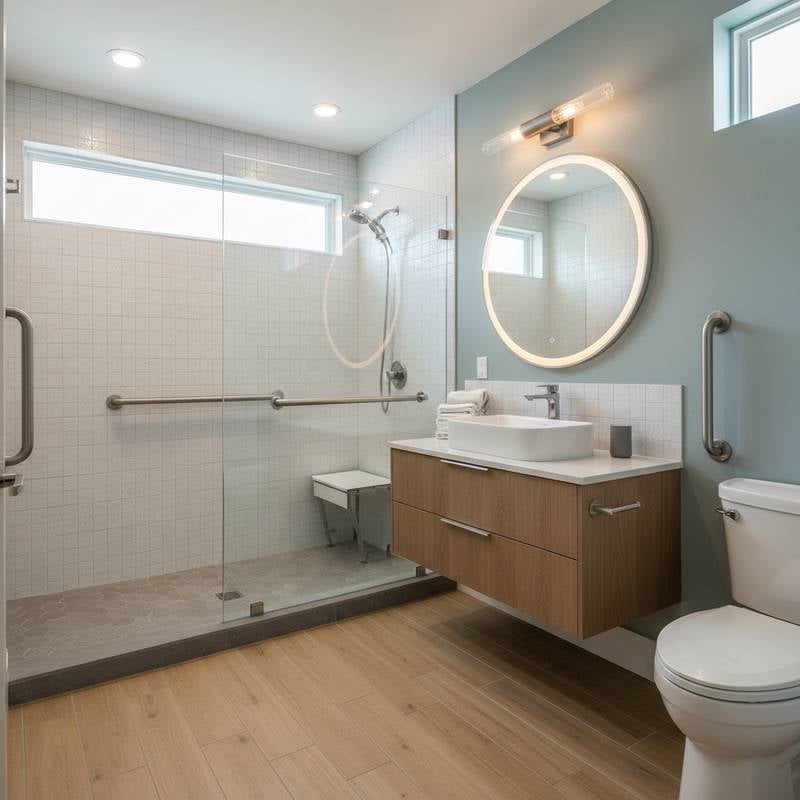
Locate wall studs for maximum stability and mount grab bars using corrosion-resistant stainless steel screws. Place bars near the toilet, shower entry, and along walls for comprehensive support. Test each installation by applying full body weight to verify it holds securely before regular use. -
Modernizing the Shower or Tub Area
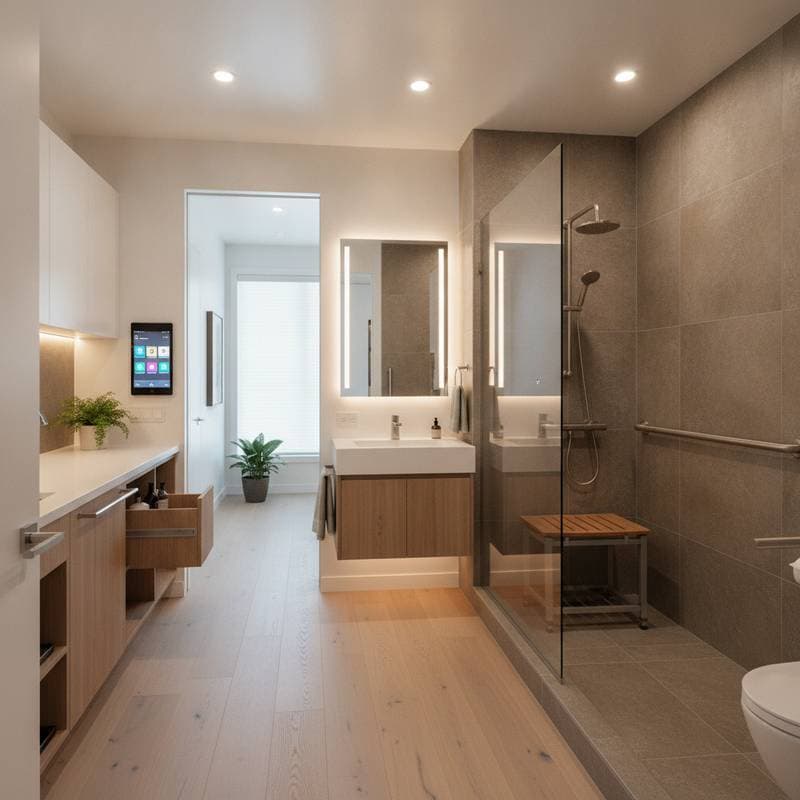
Opt for a curbless walk-in shower with a zero-threshold entry to facilitate easy access. Incorporate a fold-down seat, adjustable handheld showerhead, and anti-scald valves for added safety. After installation, run water to check drainage efficiency and inspect seals for watertight integrity. -
Fitting a Comfort-Height Toilet
Choose a toilet with a seat height of 17 to 19 inches to reduce bending and straining. Anchor it firmly to the floor using bolts and wax rings for stability. Perform a leak test by flushing multiple times and examining the base for any water seepage.
Post-Installation Cleanup and Waste Management
Handle disposal responsibly by transporting old fixtures to local recycling centers or designated construction waste facilities. Thoroughly sweep and mop the area to eliminate dust and debris. Flush all new plumbing lines with water to clear out any residual particles, ensuring smooth operation from day one.
Inspection, Troubleshooting, and Final Verification
Conduct thorough quality checks once the remodel completes. Re-examine joints and seals for leaks after initial use, tightening connections as needed. Verify that lighting fixtures operate smoothly and water temperatures mix correctly at each outlet. Address any persistent issues immediately by consulting a licensed plumber or electrician to safeguard reliability.
Ongoing Maintenance for Longevity
Preserve your investment through regular upkeep. Wipe down grab bars and floors weekly using a gentle detergent to prevent buildup. Inspect caulk and grout every six months, resealing cracks promptly to maintain waterproofing. With consistent care, expect fixtures to endure 10 to 20 years, adapting to evolving needs over time.
Knowing When Professional Help Is Essential
Engage a licensed contractor for tasks involving plumbing relocations, wall modifications, or electrical upgrades to comply with codes and avoid hazards. Professional rates range from $60 to $120 per hour, so obtain multiple quotes. Request verification of licensing, insurance coverage, and client references to select a trustworthy team.
Strategies to Maximize Accessibility and Value
Focus on features that enhance daily comfort, such as lever-style faucets for easier gripping and widened doorways for unobstructed passage. Integrate motion-sensor lighting to illuminate paths automatically and keep surfaces clutter-free for unobstructed navigation. These thoughtful upgrades not only foster independence but also elevate your home's market appeal and resale potential.