Prefab ADUs: Costs, Permits, and Key Expectations
Prefab accessory dwelling units provide an efficient solution for adding living space without undertaking a complete home renovation. Homeowners select these units to generate rental revenue, accommodate relatives, or establish dedicated areas for professional or leisure activities. Prefabricated approaches deliver accelerated timelines and reliable budgeting compared to conventional on-site builds. This overview details the planning process for a prefab ADU, encompassing expense estimates, regulatory obligations, and choices that influence enduring benefits.
Defining Prefab ADUs
A prefab ADU undergoes construction in a factory setting before transport and assembly at the destination site. These structures span from efficient studio configurations to spacious two-bedroom arrangements and may stand independently or connect to the primary residence. Factory-based fabrication promotes streamlined operations, uniform standards, and minimal interruptions from environmental factors.
Prefab ADUs come in distinct configurations:
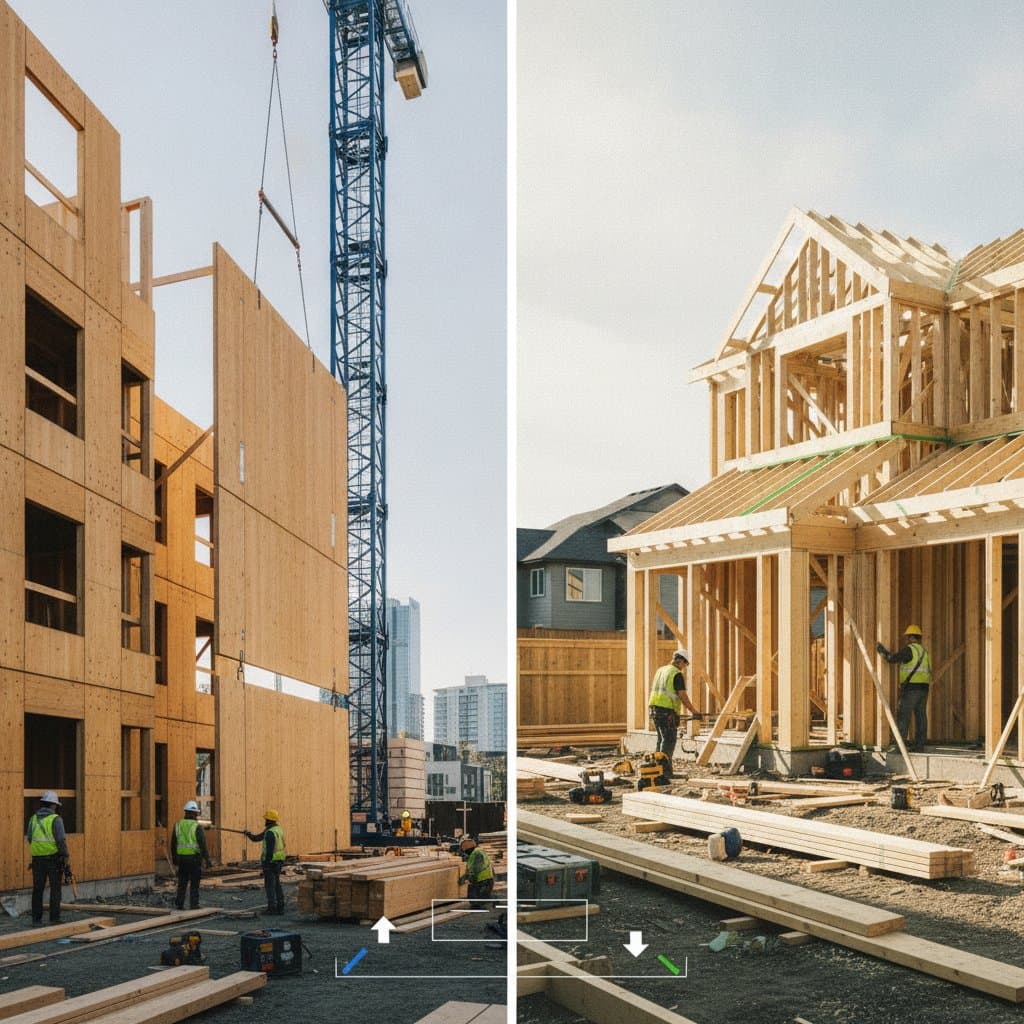
- Modular units: Fabricated in segments for on-site integration.
- Panelized systems: Factory-produced wall and roof components erected over a base structure.
- Fully manufactured units: Arrive in near-complete form for positioning on a prepped surface or base.
These variations influence financial outlays, compliance with regional standards, and assembly demands.
Navigating Permits and Zoning Regulations
Local municipalities enforce specific guidelines for ADU developments. Prior to selecting a prefab design, verify that the property satisfies criteria related to land utilization, boundary distances, vehicle accommodations, and service integrations.
Standard Permitting Procedures
- Initial consultation: Engage with the community planning office to validate alignment with zoning policies.
- Documentation submission: Submit property layouts, base schematics, and infrastructure diagrams. Many prefab providers furnish necessary technical certifications.
- Construction authorization: Secure endorsement for building and placement activities.
- Verification checks: Officials examine the groundwork, integrations, and overall setup prior to habitation approval.
Prevalent Zoning Criteria
- Property dimensions: Jurisdictions set varying minimum land areas.
- Boundary offsets: Requirements typically range from 4 to 10 feet.
- Elevation restrictions: Structures often limited to 16 to 20 feet.
- Vehicle provisions: Exemptions may apply in transit-accessible zones.
- Resident mandates: Select areas stipulate primary occupant presence.
Determine if the unit necessitates independent metering for services or integration with current setups. Proactive dialogue with authorities averts expensive setbacks.
Preparing the Site and Handling Installation
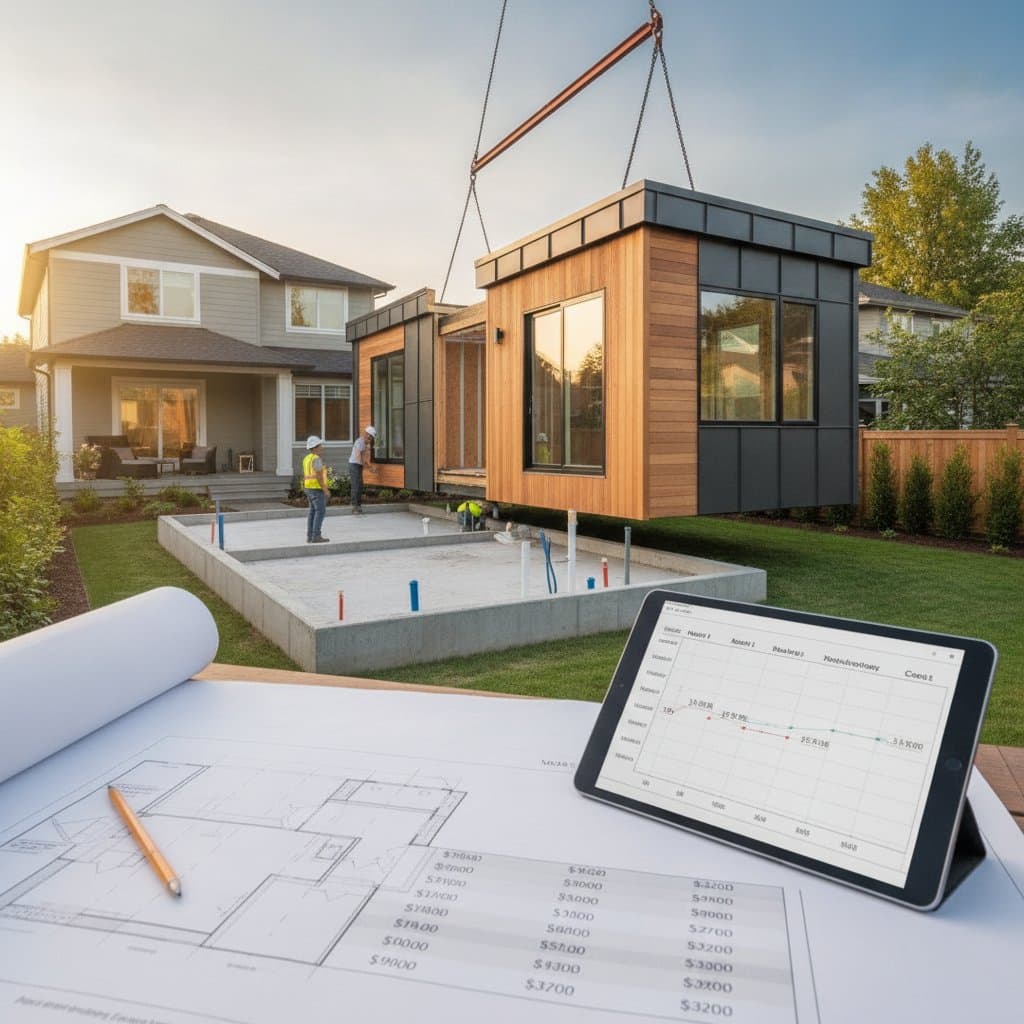
Prefab ADUs demand a stable, reachable location suitable for heavy equipment access. The assembly phase generally spans one to three weeks following base completion.
Essential Installation Phases
- Property assessment and leveling: Confirm borders and optimize water runoff.
- Base development: Concrete pads or elevated supports serve most installations.
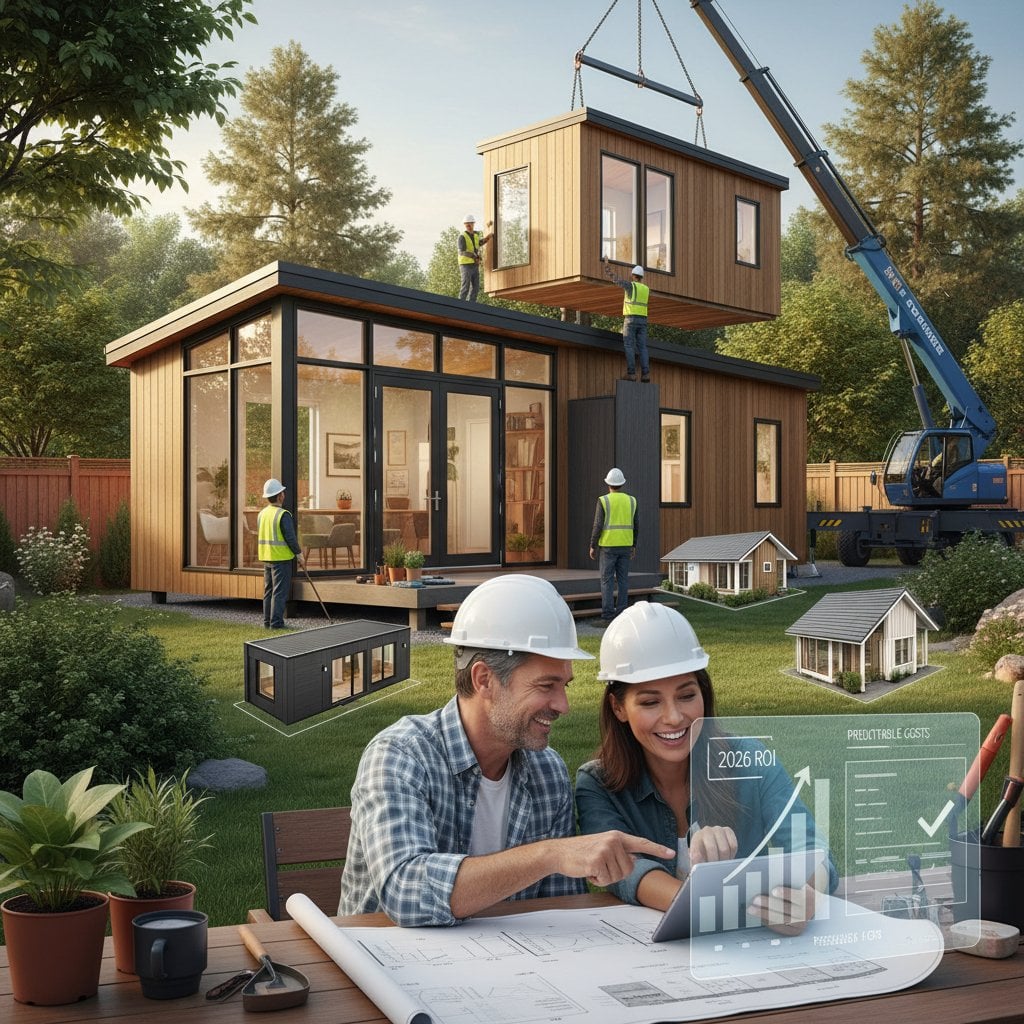
- Transport and positioning: Specialized vehicles or lifting devices align components.
- Service connections: Qualified personnel link plumbing, waste, and power supplies.
- Completion touches: Add perimeter details, platforms, or access features.
With primary fabrication off-site, the process generates less disturbance than standard builds and concludes more swiftly.
Enhancing Value and Investment Returns
An ADU holds potential for steady leasing proceeds or elevated market appeal. Strategic selections in scale and amenities optimize financial outcomes.
Tactics for Stronger Gains
- Emphasize sustainability: Incorporate advanced thermal barriers and efficient heating solutions to cut operational expenses and attract renters.
- Select robust components: Resilient surfaces minimize ongoing repairs.
- Align with local aesthetics: Harmonious styling preserves or boosts asset worth.
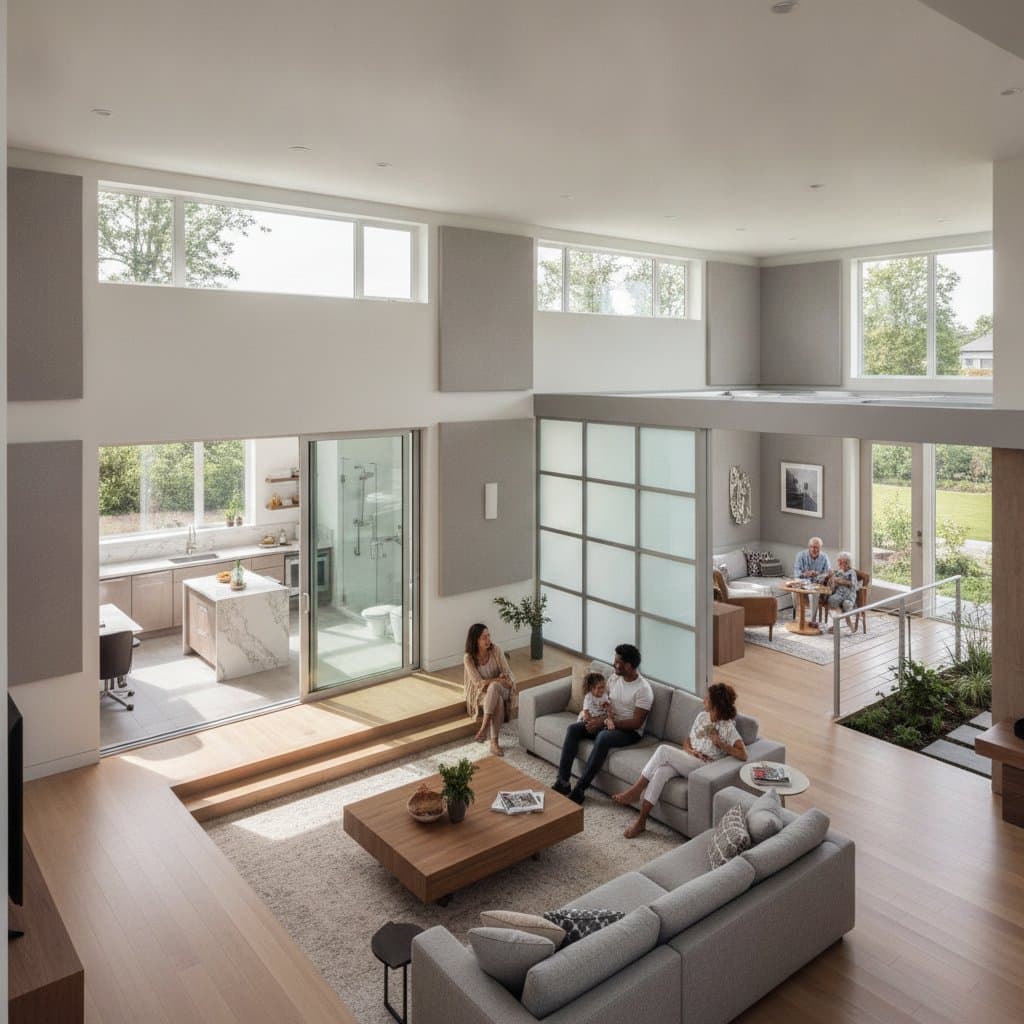
- Design adaptable interiors: Incorporate adjustable dividers or multipurpose zones to suit diverse users.
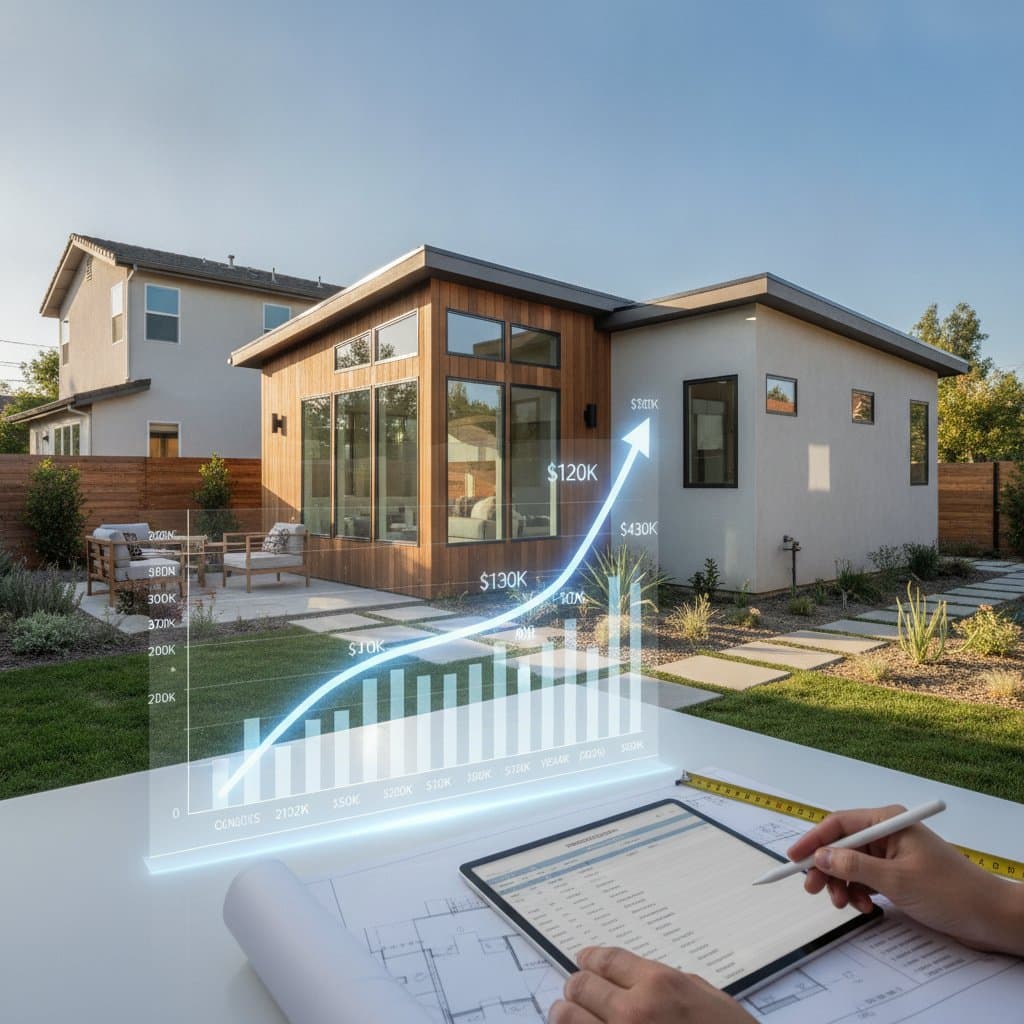
Appraisal experts note that a quality ADU may elevate total property valuation by 20 to 30 percent, depending on location and execution.
Engaging Professionals Effectively
Prefab ADU initiatives span design, production, and oversight stages that benefit from unified management. A general contractor or specialized ADU coordinator streamlines interactions among stakeholders.
Selecting a Qualified Contractor
- Confirm valid credentials and coverage.
- Review portfolios of prior prefab installations.
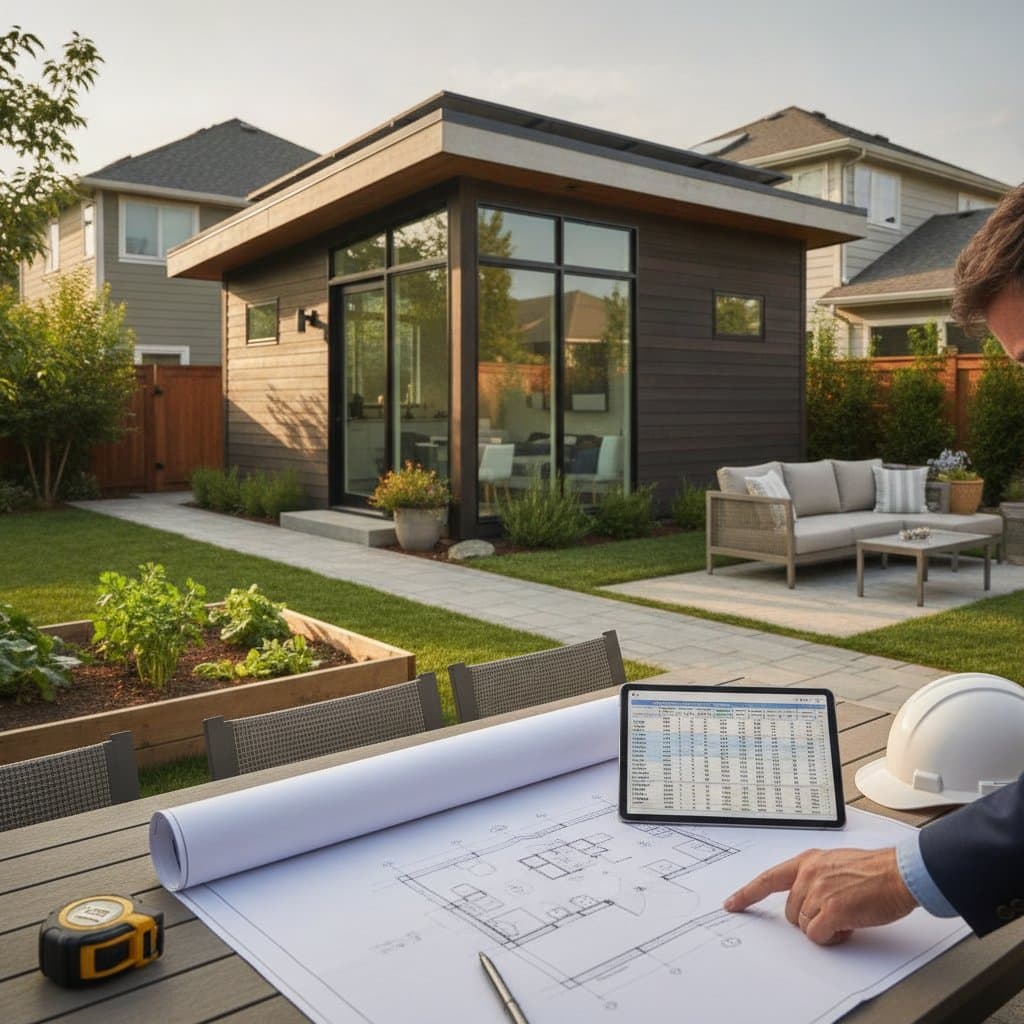
- Obtain detailed bids delineating groundwork, transport, and setup costs.
- Ensure responsibility for regulatory filings and compliance reviews.
Collaboration with seasoned experts mitigates discrepancies between off-site manufacturing and property readiness.
2026 Cost Projections and Budgeting Essentials
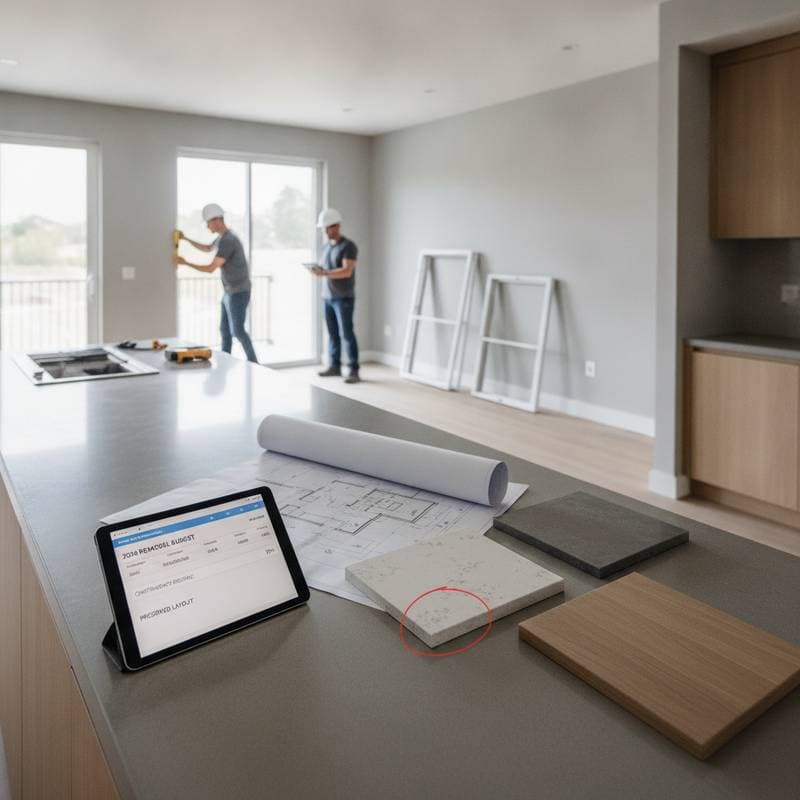
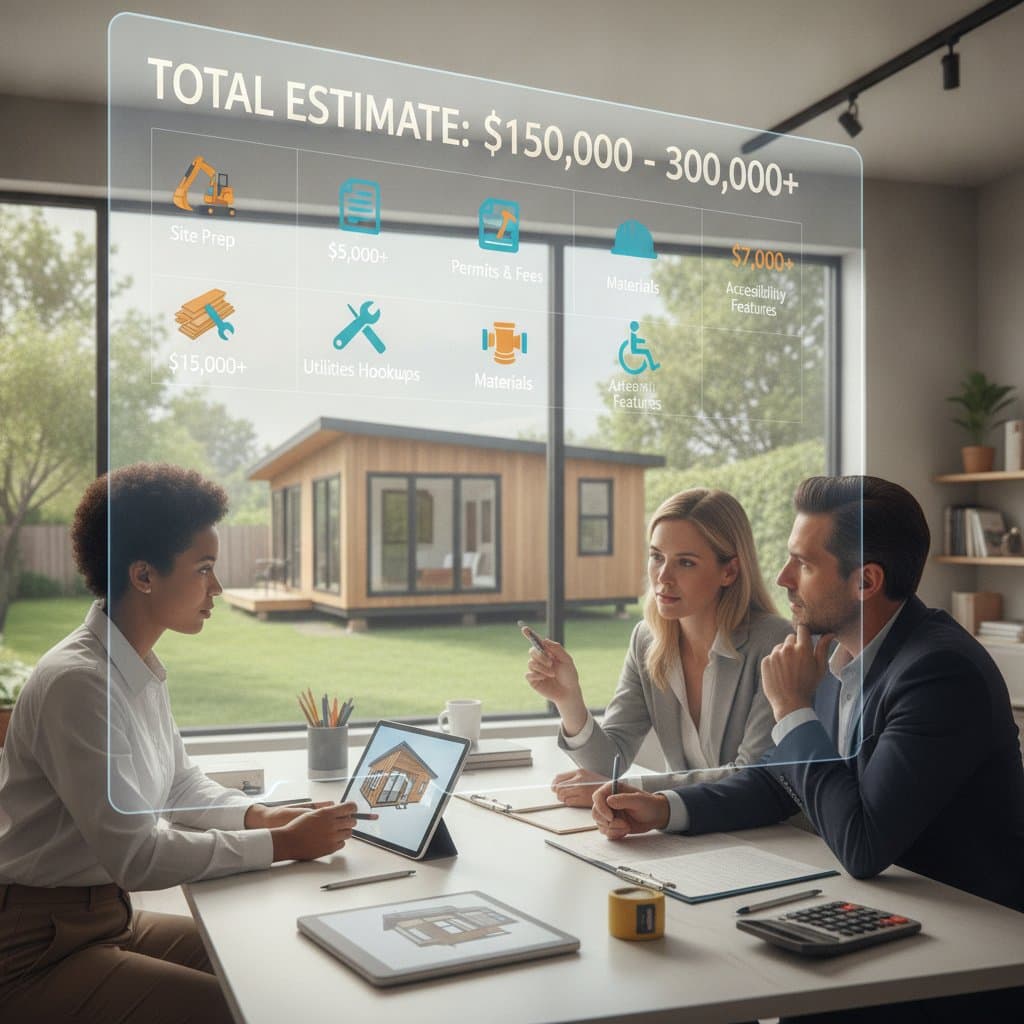
Anticipated expenses for prefab ADUs in 2026 range from $150,000 for basic studios to $300,000 for larger, feature-rich models, excluding site modifications. Factory pricing accounts for 60 to 70 percent of totals, with remaining funds allocated to foundations, utilities, and approvals. Factor in regional variations, such as higher labor rates in urban areas, and potential incentives like tax credits for energy-efficient builds to refine your financial plan.
Maintenance and Long-Term Care
Post-installation upkeep ensures durability and habitability. Schedule annual inspections for structural integrity, sealants, and systems to prevent issues. Budget 1 to 2 percent of the unit's value yearly for repairs, focusing on weatherproofing and appliance servicing to sustain performance and appeal.
Frequently Addressed Queries
Do prefab ADUs face identical permitting as traditional builds?
Yes. Authorities review the base, connections, and assembly regardless of off-site origins.
Is relocation feasible for a prefab ADU?
Certain modular formats allow disassembly and transport, though permanent utility ties often discourage moves.
Can a prefab ADU blend with the primary structure?
Providers customize exteriors, materials, and roofing to achieve seamless integration.
What is the timeline from order to occupancy?
Projects typically span 6 to 12 months, influenced by approvals and site factors.
Launching Your Prefab ADU Initiative
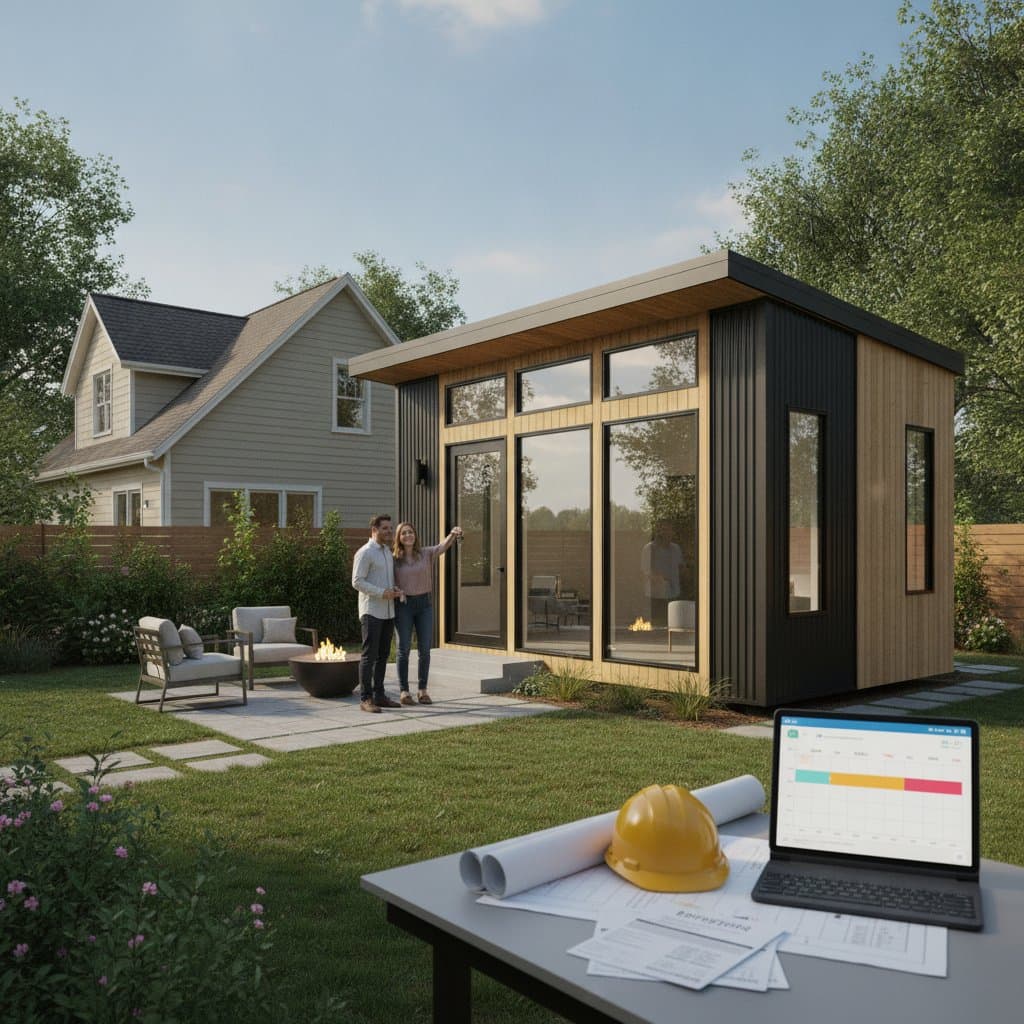
Prefab ADUs present a viable means to augment property utility and worth. Thorough preparation, precise financial allocation, and expert involvement facilitate seamless advancement from idea to realization. Start with zoning verification, professional assessments, and vendor evaluations to advance your project efficiently.