Stay Independent: Universal Design for Aging in Place
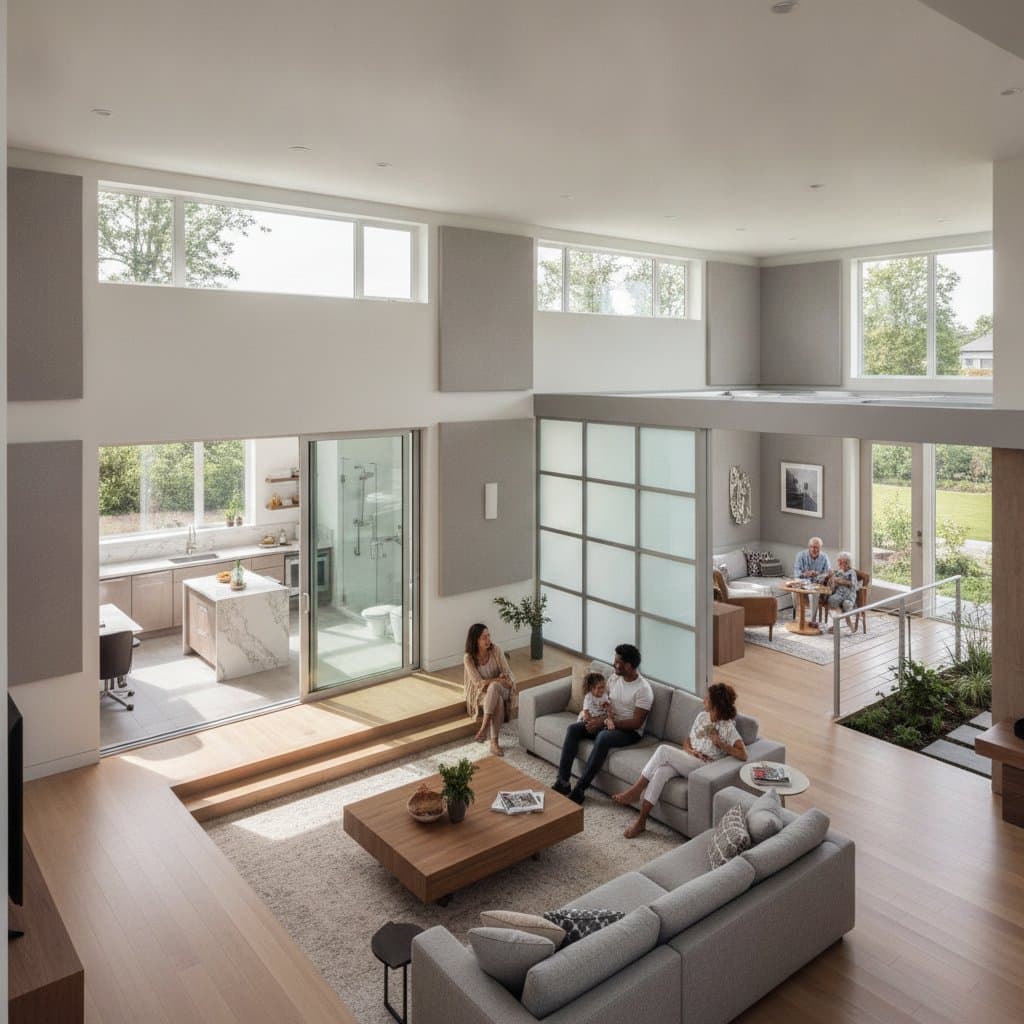
A home that supports independence enhances comfort and security as individuals age. Universal design principles create spaces usable by people of all ages and abilities, enabling residents to remain in their homes with greater ease and assurance. This method integrates accessibility with aesthetic appeal, ensuring the environment remains functional and inviting.
Knowledge of essential universal design elements allows for targeted remodeling that addresses present and future requirements without compromising visual harmony. The objective involves crafting an environment that serves all occupants effectively on a daily basis.
Key Features for an Accessible Home
Remodeling efforts for aging in place emphasize layouts, materials, and fixtures that facilitate effortless movement, provide stability, and offer convenience. The subsequent sections highlight areas that yield the most significant improvements.
1. Step-Free Entryways
Zero-step entries permit seamless access for walking, rolling, or transporting items into the residence without obstacles. Such designs accommodate wheelchairs, walkers, or strollers effectively.
This configuration minimizes fall hazards and obviates the necessity for provisional ramps.
Incorporate gently sloped pathways, doors at least 36 inches wide, and covered porches to shield against inclement weather. Select slip-resistant materials like textured concrete or pavers with a coefficient of friction exceeding 0.6 for optimal traction.
2. Wider Doorways and Hallways
Doorways measuring at least 32 inches clear width, paired with hallways of 42 to 48 inches, enable fluid navigation.
These dimensions simplify the transport of furniture or simultaneous passage by multiple individuals. Mobility aids navigate without requiring awkward maneuvers.
Opt for pocket doors or sliding barn doors to conserve space and introduce architectural flair. Employ neutral-toned trim to visually expand the perception of openings.
3. Lever Handles and Easy-Use Hardware
Lever-style handles demand minimal grip strength compared to traditional knobs, proving simpler for those with reduced dexterity.
This design assists individuals burdened with packages or guiding carts by allowing operation through a straightforward downward push.
Select durable finishes such as brushed nickel or oil-rubbed bronze for contemporary elegance. Apply the same approach to kitchen faucets, bathroom fixtures, and cabinet hardware to maintain uniformity.
4. Non-Slip Flooring Surfaces
Uniform, level flooring mitigates tripping risks and bolsters support for assistive devices. Eliminate abrupt transitions between adjoining rooms.
Such surfaces diminish fall probabilities and enhance equilibrium during spatial shifts.
Consider luxury vinyl tile mimicking hardwood, resilient cork underfoot, or low-pile Berber carpet atop firm padding. Sustain a cohesive color palette across interiors to foster visual flow.
5. Barrier-Free Bathrooms
Bathrooms represent elevated slip hazards, necessitating decisions guided by safety and ergonomic principles.
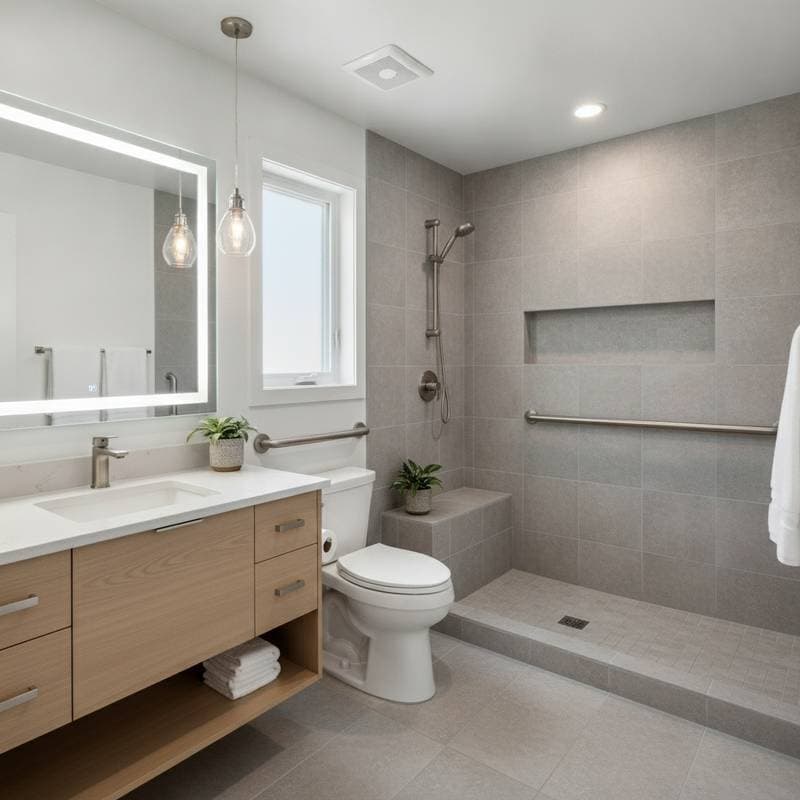
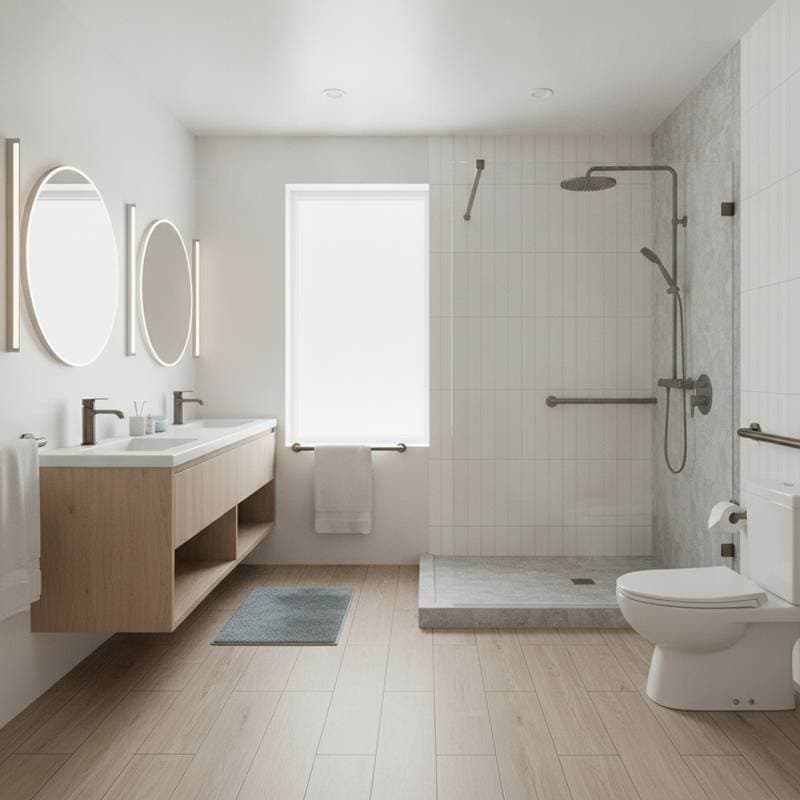
Walk-in showers equipped with integrated benches and strategically placed grab bars deliver both repose and support. Adjustable-height handheld showerheads provide versatile cleansing options.
Install porcelain tiles featuring a high dynamic coefficient of friction, around 0.42 or greater when wet. Utilize grout in contrasting hues to delineate boundaries for those with visual impairments. Position fixtures at 17 to 19 inches for toilets and 34 inches for sinks to optimize reach.
6. Adaptable Kitchen Layouts
Kitchens engineered for accessibility empower cooking, cleaning, and socializing with reduced exertion.
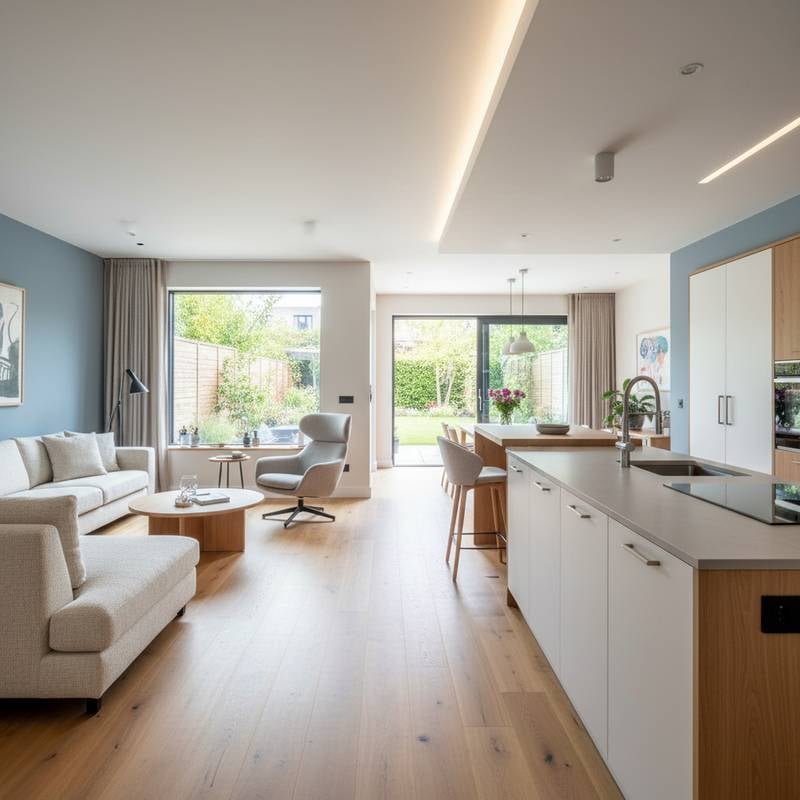
Variable-height countertops at 28 to 34 inches, along with pull-out pantry shelves and toe-kick illumination, accommodate tasks from standing or seated postures.
Pair pale cabinetry with darker granite or quartz surfaces to boost contrast and visibility. Integrate front-control ranges with induction elements and wall ovens at mid-height to avert bending and burns.
7. Good Lighting and Visibility
Stratified illumination schemes alleviate eye fatigue and elevate safety margins. Employ combinations of overhead ambient lights, focused task fixtures, and subtle accent sources throughout the dwelling.
Adequate, diffused illumination averts stumbles and eases visual demands for presbyopic eyes.
Install dimmable LED fixtures emitting 2700K warm white light to foster coziness. Incorporate automatic sensors in corridors, lavatories, and wardrobes to activate upon motion, particularly during nocturnal hours.
8. Accessible Storage and Organization
Storage solutions positioned at reachable heights preserve autonomy in routine activities.
This arrangement curtails excessive bending or overhead reaching, which may exacerbate joint stress or disequilibrium.
Mount adjustable shelving units in wardrobes with pull-down rods at 48 to 54 inches. Equip base cabinets with full-extension drawers on soft-close glides, and reserve open cubbies for everyday essentials.
9. Smart Home Integration
Technological enhancements prolong self-sufficiency by automating routines and fortifying security protocols.
Voice-activated controls for illumination, climate regulation, and surveillance permit home management devoid of physical effort.
Commence with foundational elements like Wi-Fi-enabled bulbs or intercom doorbells compatible with Alexa or Google Assistant. Scale integrations progressively, ensuring user familiarity precedes advanced features like automated medication dispensers.
10. Contrasting Colors for Clarity
Strategic color differentiation delineates edges, thresholds, and furnishings, aiding spatial orientation.
This technique bolsters depth perception and wayfinding, particularly under subdued illumination.
Apply mid-tone wall paints such as Benjamin Moore's Revere Pewter alongside crisp white baseboards or deeper slate floors. Shun high-sheen surfaces prone to reflections; favor eggshell or satin sheens. Harmonize selections with organic elements like oak cabinetry or limestone accents.
Integrating Style and Comfort
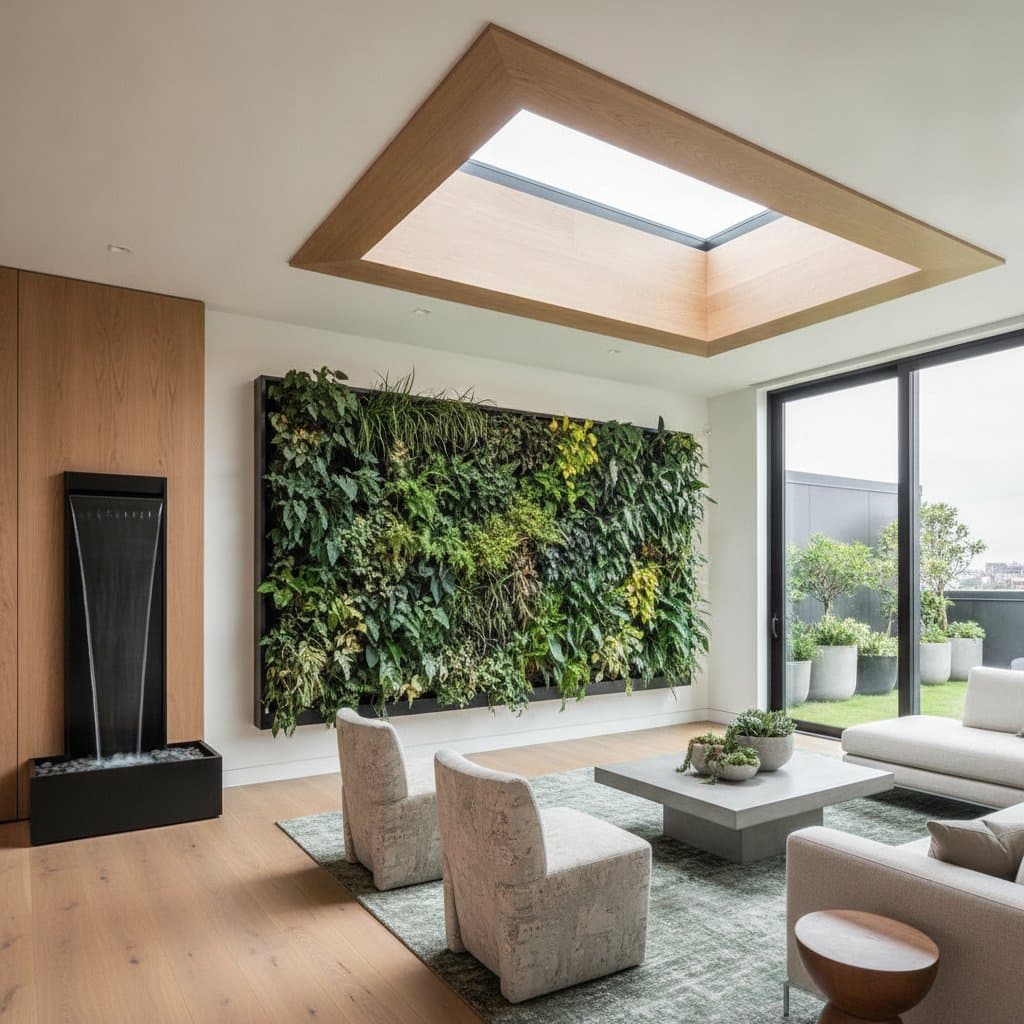
Universal design principles harmonize with aesthetic refinement, yielding renovations that exude sophistication alongside practicality. View these updates as a fusion of ergonomic utility and enduring elegance.
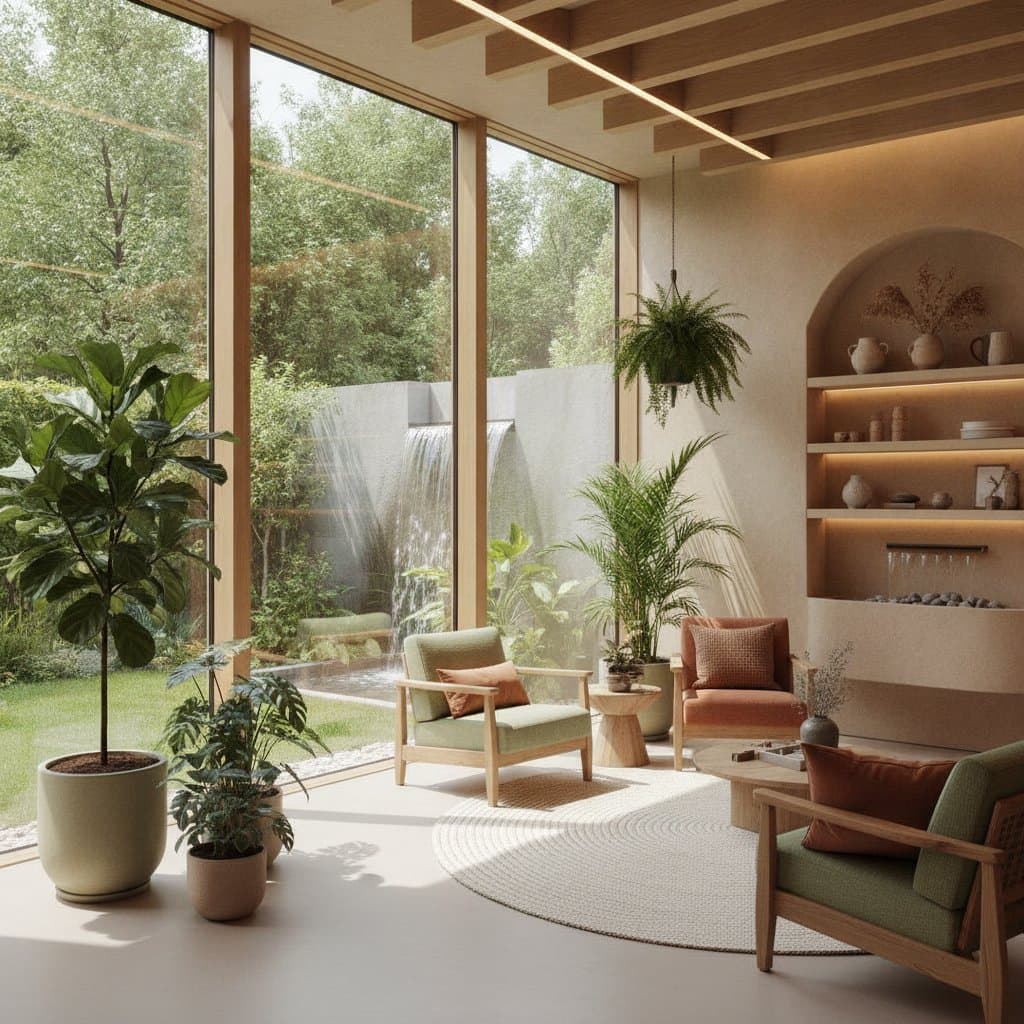
Warm neutral palettes, including shades like Benjamin Moore's Edgecomb Gray or Sherwin-Williams Alabaster, establish serene foundations. Matte-finish hardware and appliances convey modernity without starkness. Incorporate organic textures from reclaimed wood paneling, river-washed stone hearths, or linen upholstery to infuse vitality.
Layered lighting not only delineates focal points but also modulates ambiance, from invigorating daylight simulations to soothing evening glows. Thoughtful color applications influence psychological responses, promoting tranquility through balanced schemes while injecting vitality via subtle accents. This synergy renders spaces both utilitarian and emotionally resonant.
Planning Costs and Implementation
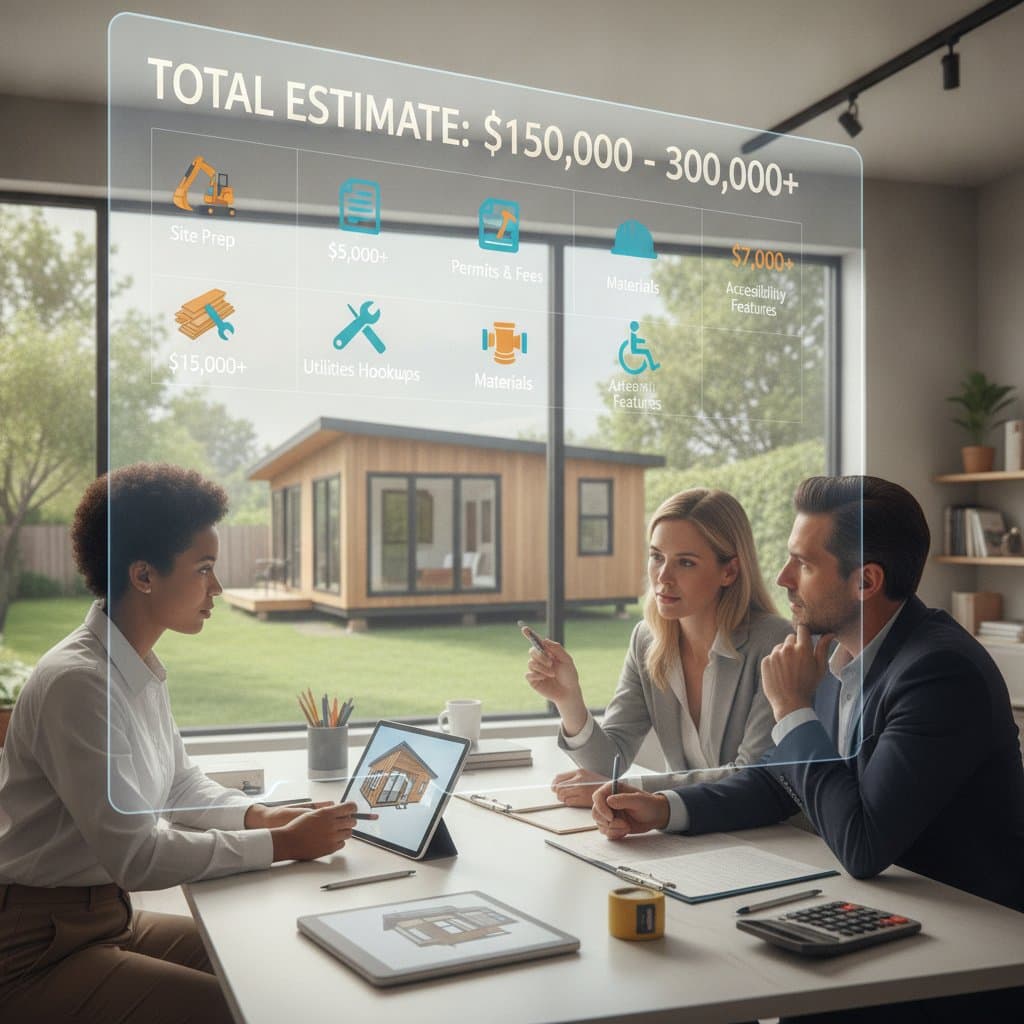
Remodeling expenses for aging in place fluctuate based on project scale, material quality, and labor involvement. Modifying hardware or installing lighting often qualifies as cost-effective, self-directed endeavors under $500 per room. Structural modifications, including doorway expansions or entry ramp installations, typically necessitate certified professionals and range from $2,000 to $15,000.
Engage contractors versed in universal design to guarantee adherence to standards like the ADA and local building codes. Professionals assess load-bearing capacities, reroute plumbing lines, and upgrade electrical panels to support enhanced demands.
Allocate budgets by addressing urgent safety elements first, such as reinforced shower walls for grab bars or anti-slip mats, before advancing to enhancements like automated blinds or ergonomic seating nooks.
Applying Color Theory and Material Selection
Comprehending light-color dynamics informs the creation of navigable yet visually compelling interiors.
Complementary pairings, such as navy walls against warm beige floors, establish clear demarcations for safe passage. Analogous schemes in greens and blues cultivate soothing retreats suitable for repose areas. Neutral bases in grays or beiges permit textures in woven rugs or etched glass to emerge prominently.
Prioritize resilient materials that withstand daily use with ease. Satin-finish latex paints repel smudges effectively. Moisture-resistant options like porcelain tile, luxury vinyl plank, or bamboo composites outperform traditional hardwoods in humid zones. These choices ensure enduring safety and allure with routine maintenance like annual sealing.
Addressing Common Concerns
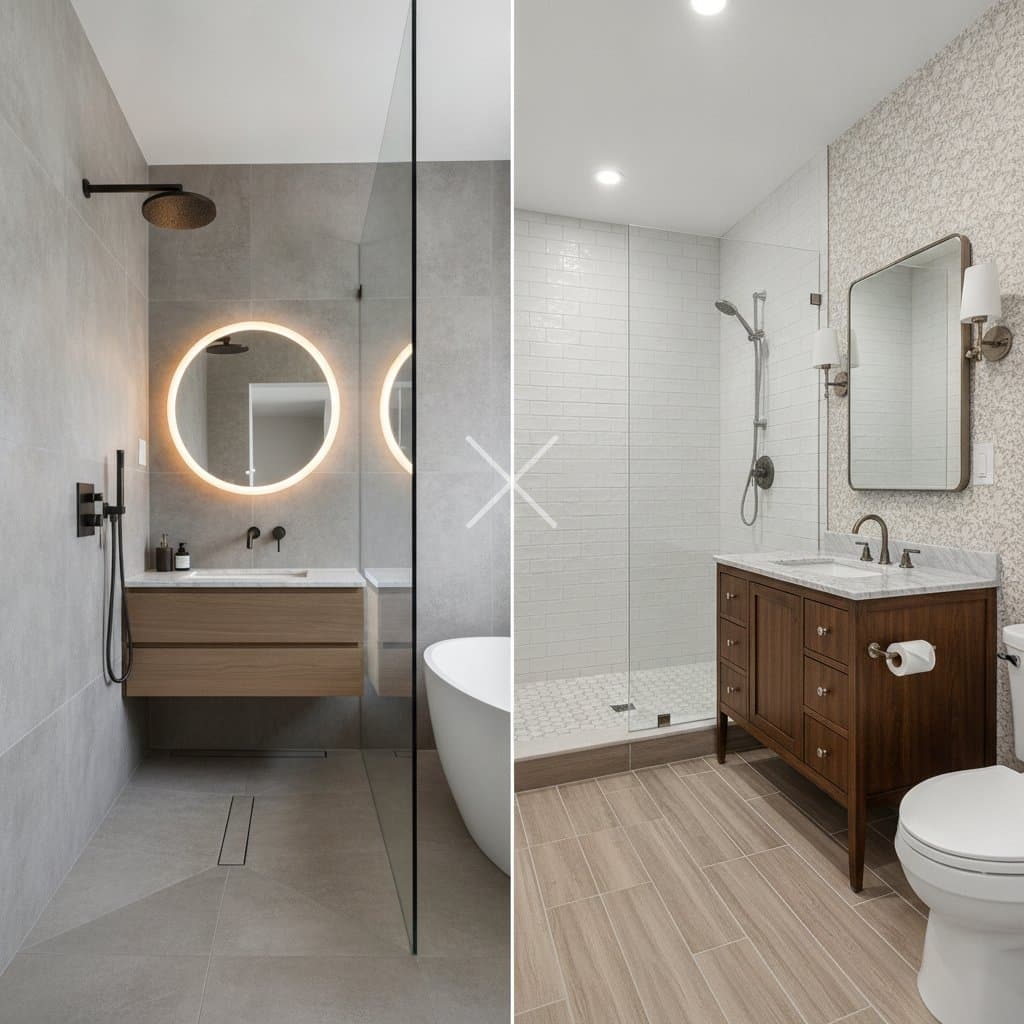
How should one select trim colors to complement wall hues? Opt for subtle contrasts: lighter shades like off-white against medium grays sharpen outlines, whereas deeper tones like charcoal frame lighter walls for definition.
Does universal design influence property resale value? Affirmative; accessible features broaden market appeal to families, seniors, and multigenerational households, often elevating value by 5 to 10 percent through perceived longevity.
What options exist if immediate implementation of all features proves unnecessary? Design with adaptability: pre-wire for lifts, fortify framing for future supports, and select modular cabinetry that reconfiguration without demolition.
Sustaining Independence Through Design
Homes incorporating universal design foster autonomy, security, and well-being across life's phases. Targeted room refreshes or comprehensive overhauls alike yield profound impacts through incremental adjustments.
Emphasize enhancements that integrate seamlessly, eschewing institutional aesthetics in favor of personalized motifs. Each element should enhance mobility, productivity, and leisure while echoing the residence's inherent character.
Early adoption of these tenets yields a domicile that evolves in tandem with occupants, delivering not merely utility but enduring serenity in a space that endures beautifully.