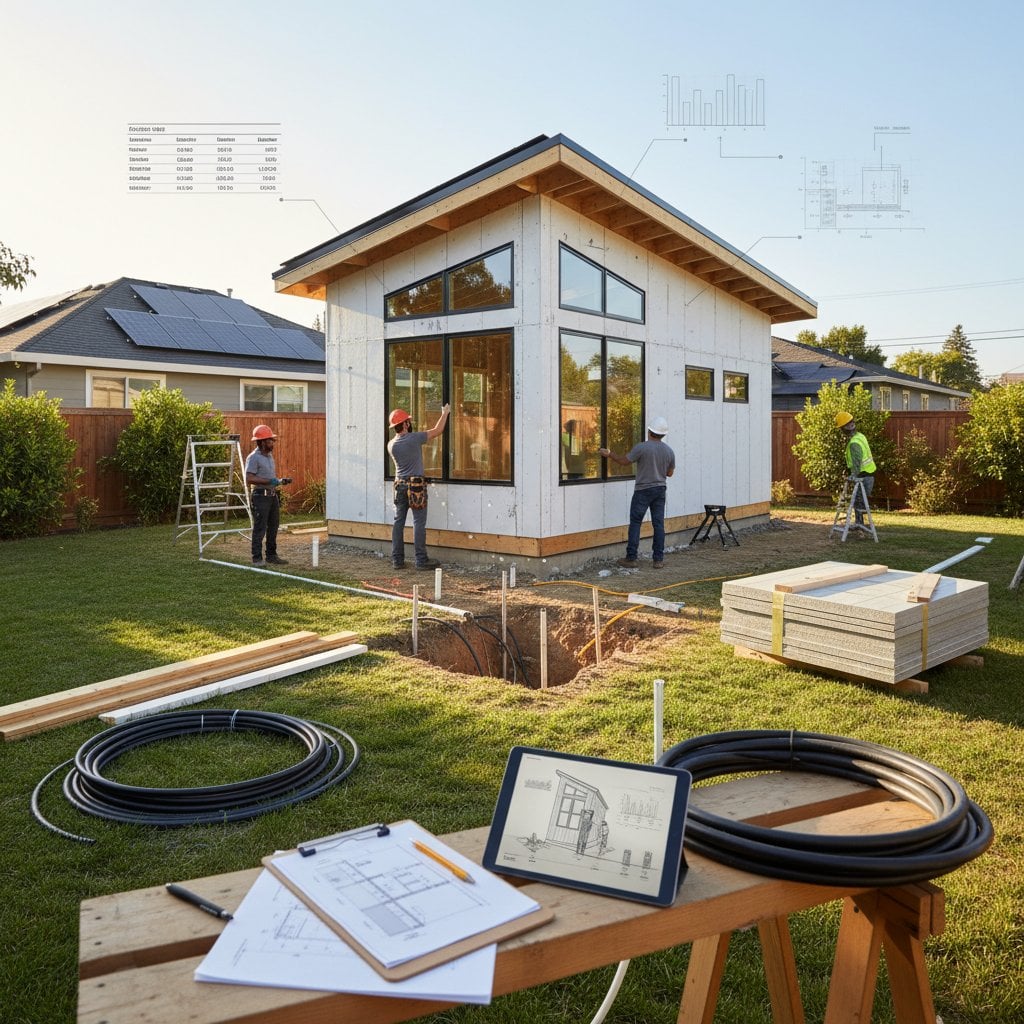
Understanding ADU Costs in 2026: Essential Insights
Constructing an Accessory Dwelling Unit (ADU) represents a strategic investment for enhancing property utility and value. Homeowners often pursue options such as a backyard cottage for rental purposes, an in-law suite for family members, or additional living space for personal use. A thorough grasp of cost components enables informed decision-making and minimizes unforeseen expenditures throughout the project lifecycle.
This resource details the primary elements contributing to ADU expenses, examines how design selections and site characteristics influence budgets, and outlines expectations from initial planning to final completion.
ADU Cost Ranges by Construction Type
Different ADU configurations present unique expense profiles. Familiarity with these variations assists in aligning project choices with property constraints and financial parameters.
Detached Backyard Cottage
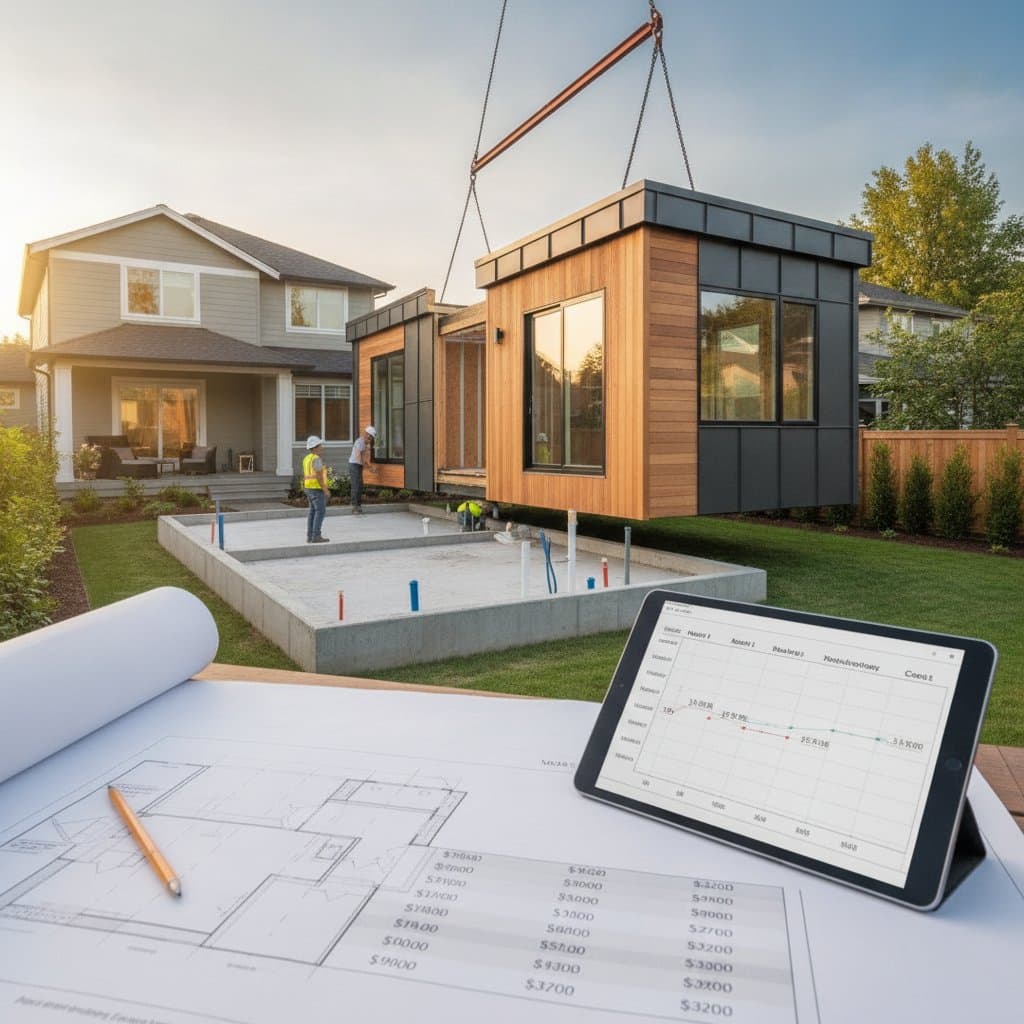
A standalone ADU, commonly referred to as a granny flat, provides maximum independence and adaptability in usage. This configuration incurs higher costs due to the necessity of a dedicated foundation, complete exterior walls, and an independent roof system. Expenditures encompass framing materials, insulation layers, and comprehensive utility connections, including water, sewer, and electrical services. Such units prove particularly advantageous for generating rental revenue or accommodating extended family arrangements.
Attached ADU
This variant integrates with the primary residence by sharing at least one exterior wall, which typically results in lower overall expenses compared to detached models. Shared infrastructure, such as existing utility lines and foundational supports, reduces duplication of efforts and materials. Homeowners favor attached ADUs for creating distinct guest or family quarters while maintaining convenient access to the main household.
Garage Conversion
Repurposing an existing garage into an ADU often emerges as the most economical pathway, given the pre-established structural framework. Primary costs arise from foundation reinforcement to meet habitability standards, enhanced insulation for energy efficiency, and the addition of essential systems like plumbing fixtures and electrical wiring. Expense variability depends on the garage's current condition, with older structures potentially requiring more extensive upgrades for compliance.
Basement or Interior Conversion
Transforming an underutilized basement or interior area into a functional ADU offers another viable, space-efficient alternative, especially in densely populated regions with limited outdoor lots. Focus areas for budgeting include moisture-resistant waterproofing membranes, installation of emergency egress windows for safety, and creation of independent entry points. These conversions appeal to owners seeking to maximize existing square footage without expansive new builds.
Strategies to Reduce ADU Expenses While Maintaining Standards
Achieving an ADU that balances affordability with durability requires deliberate planning. The following approaches allow for substantial savings without compromising structural integrity or aesthetic appeal.
-
Opt for Pre-Approved Blueprints
Standard designs from reputable builders comply with building codes and streamline the approval process. These templates eliminate custom architectural fees and accelerate permitting timelines, often saving thousands in preliminary expenses. -
Adopt Simple Geometric Forms
Rectangular layouts with pitched roofs minimize material waste and simplify construction techniques. Avoiding intricate angles or multi-level designs reduces labor hours and framing costs by up to 20 percent in many cases. -
Select Practical, Mid-Tier Materials
Resilient options like luxury vinyl tile for flooring, laminate surfaces mimicking stone for countertops, and fiber cement siding provide visual elegance and longevity at a fraction of high-end alternatives. These choices endure daily wear while keeping initial outlays manageable. -
Optimize Utility Layouts
Positioning wet areas, such as kitchens and bathrooms, in vertical alignment shortens pipe runs and wiring paths. This configuration cuts down on excavation needs and material lengths, directly lowering installation expenses. -
Incorporate Selective DIY Elements
Tasks like interior painting, basic landscaping adjustments, or fixture mounting suit skilled homeowners with available time. Always delegate complex elements, including load-bearing modifications, electrical installations, and plumbing connections, to certified professionals to ensure safety and code adherence. -
Collaborate with ADU-Specialized Contractors
Professionals experienced in compact residential projects identify potential pitfalls early and recommend efficient alternatives. Their expertise prevents expensive revisions, such as reworking foundations due to overlooked soil conditions, fostering a smoother and more predictable budget trajectory.
Selecting a Dependable Construction Partner
The choice of builder significantly impacts project efficiency, final quality, and adherence to budget. Prioritize contractors with a proven track record in ADU developments or similar small-scale builds. Request portfolios of recent completions, client testimonials, and a detailed walkthrough of their workflow from site assessment to handover.
During bid evaluations, ensure all proposals encompass identical deliverables, including permitting applications, utility integrations, and finish selections. Bids appearing unusually low may omit essentials like impact fees or contingency allowances for weather delays. A comprehensive, itemized contract instills assurance that the quoted figure accurately represents the entire scope.
Navigating Permitting and Regulatory Requirements
Municipal ordinances exert a profound effect on ADU feasibility and finances, often exceeding expectations for many property owners. Certain jurisdictions facilitate expedited reviews for ADUs to encourage housing density, whereas others mandate rigorous environmental or aesthetic evaluations. Factors such as minimum setbacks from property lines, maximum allowable heights, and mandatory parking provisions directly dictate design boundaries.
Engage with the local planning office prior to finalizing any conceptual drawings. Early clarification of these stipulations enables your builder to craft compliant plans, circumventing the need for iterative redesigns that inflate professional fees and delay timelines.
Maximizing Long-Term Value from Your ADU
Upon completion, an ADU delivers ongoing adaptability and potential revenue streams, whether configured for leasing, occasional guests, or familial support. The structure's utility persists well beyond construction, provided owners prioritize resilient features from the outset.
Incorporate elements like superior drainage systems around the foundation, weather-resistant exterior coatings, and scheduled upkeep routines to safeguard against deterioration. Routine tasks, including gutter clearing, window seal inspections, and trim refreshes, preserve appearance and functionality with minimal effort.
For rental applications, integrate energy-conserving appliances and wipeable surface treatments that simplify tenant turnover. These enhancements not only attract reliable occupants but also diminish operational expenses over the unit's lifespan, amplifying the investment's overall return.