
2026 Prefab ADU Costs: Maximize Backyard ROI
Quick Answer Box
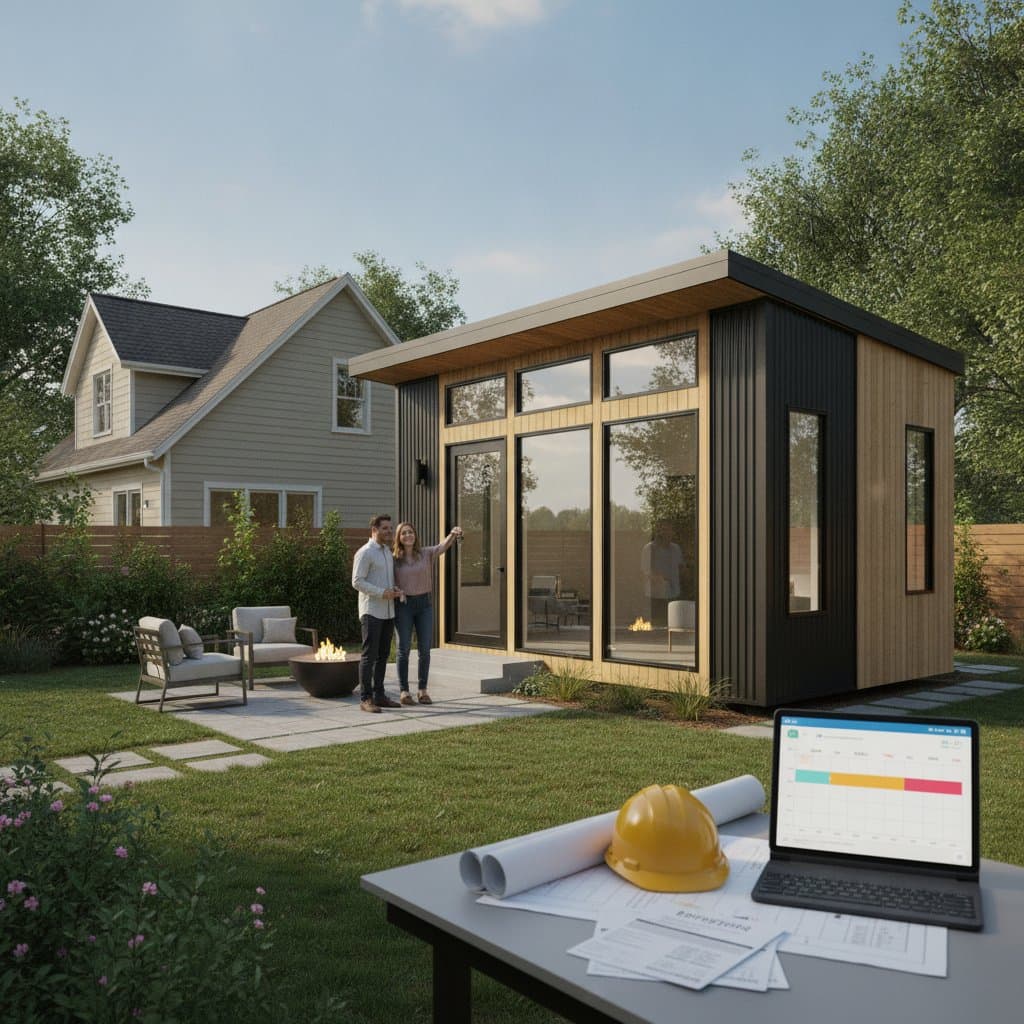
A prefab accessory dwelling unit, or ADU, serves as a compact, factory-assembled structure positioned on your property to generate rental income or provide additional living space for family members. Homeowners typically complete the installation process with a licensed contractor within two to four months. Total expenses range from $180,000 to $350,000, influenced by factors such as unit size, interior finishes, and site preparation requirements. The project presents moderate difficulty. Budget-conscious individuals may manage planning and initial site preparation independently, yet all utility connections demand the expertise of licensed professionals. Primary risks include electrical and plumbing dangers, foundation inaccuracies, and zoning infractions.
Step-by-Step Instructions
1. Confirm Zoning and Property Eligibility
Examine local zoning maps and review specific ADU regulations in your area. Certain municipalities impose restrictions on unit dimensions or mandate owner occupancy. Contact your local planning department directly to obtain guidance before committing to any purchases.
Success check: Secure written confirmation that your property complies with ADU eligibility criteria.
2. Plan Layout and Utility Connections
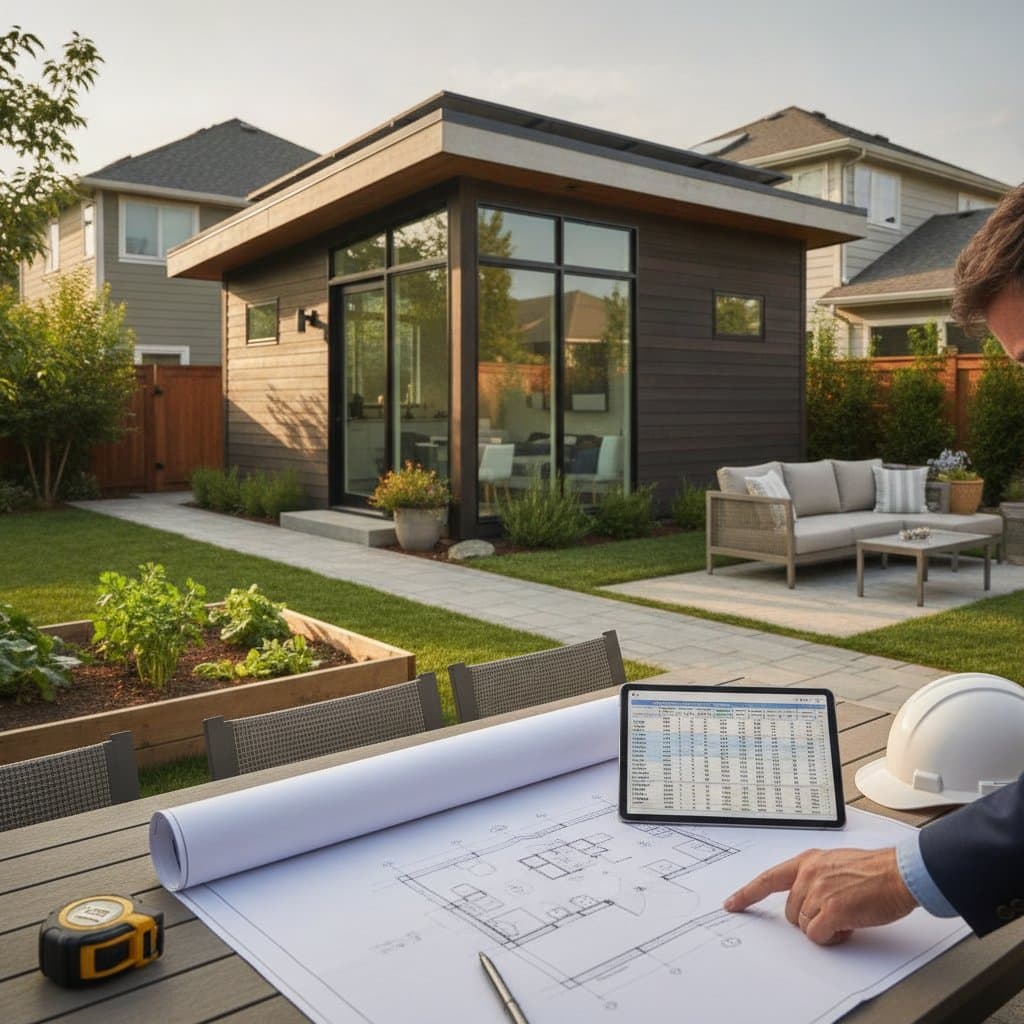
Draft a preliminary sketch indicating the ADU position in relation to your primary residence, property boundaries, and existing utility pathways. Ensure straightforward access to the main sewer, water supply, and electrical grid. Confirm that the prefabricated design aligns with your site's topography and natural drainage patterns.
Success check: Develop a scaled site plan that adheres to building codes and facilitates unobstructed utility access.
3. Obtain Permits and Approvals
Prepare and submit architectural drawings, manufacturer specifications, and foundation blueprints to the local building department. Cover all associated permit fees and arrange for necessary inspections. In some jurisdictions, separate authorizations apply to electrical, plumbing, and mechanical installations.
Success check: Acquire all approved permits along with scheduled inspection dates prior to commencing any groundwork.
4. Prepare the Site
Warning: Excavation Risk. Engage your local utility marking service to identify underground lines before any excavation begins. Contacting these lines may result in severe injuries or interruptions to essential services.
Clear away vegetation and achieve a level surface. Compact the soil thoroughly to establish a firm base, and incorporate gravel or crushed stone where drainage improvements prove necessary.
Success check: Verify that the site remains level, compacted, and cleared of debris, with utility markers clearly visible.
5. Build or Pour the Foundation
Prefabricated ADUs commonly utilize concrete slabs, pier blocks, or perimeter foundations. Adhere strictly to the manufacturer's provided drawings for anchor placements and load distribution pathways. Incorporate rebar reinforcement and concrete mixtures suitable for structural applications.
Success check: Ensure the foundation achieves levelness within one-quarter inch and successfully passes inspection.
6. Schedule Delivery and Crane Placement
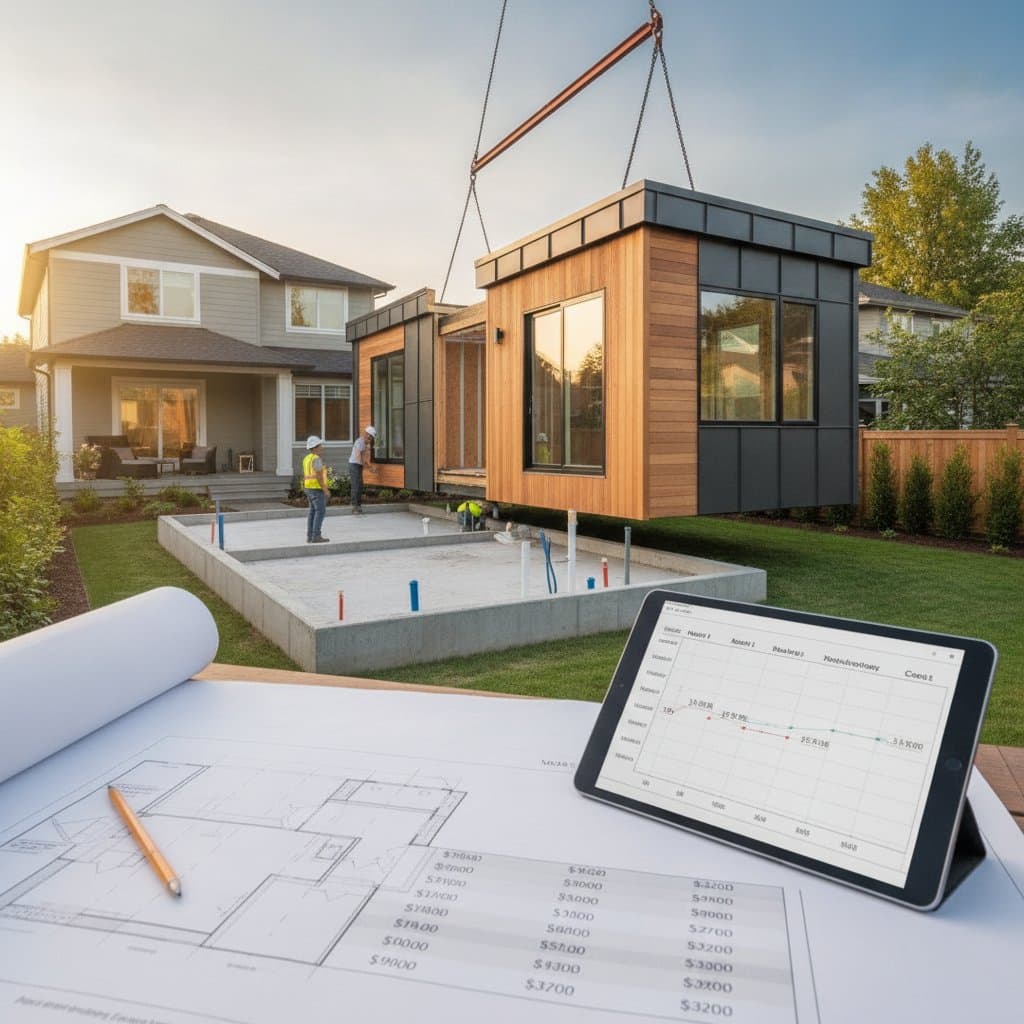
Prefabricated units generally arrive in modular sections transported via flatbed trucks. The delivery team employs a crane to position these modules onto the prepared foundation. Remove any overhead obstructions, such as tree limbs or electrical wires, in advance of the delivery date.
Success check: Confirm that the modules align squarely and secure firmly to the foundation.
7. Connect Utilities
Warning: Licensed Work Required. Engage only certified electricians and plumbers for connections to primary service lines. Validate grounding integrity, drainage gradients, and pressure specifications prior to activating any systems.
Success check: All utility connections undergo inspection and operate without issues.
8. Seal and Finish the Exterior
Apply siding, roofing materials, and flashing elements according to the manufacturer's guidelines. Apply caulk to all joints and seams to block water penetration. Coat or seal any exposed surfaces for added protection.
Success check: The exterior achieves full watertightness and a consistent appearance.
9. Complete Interior Finish
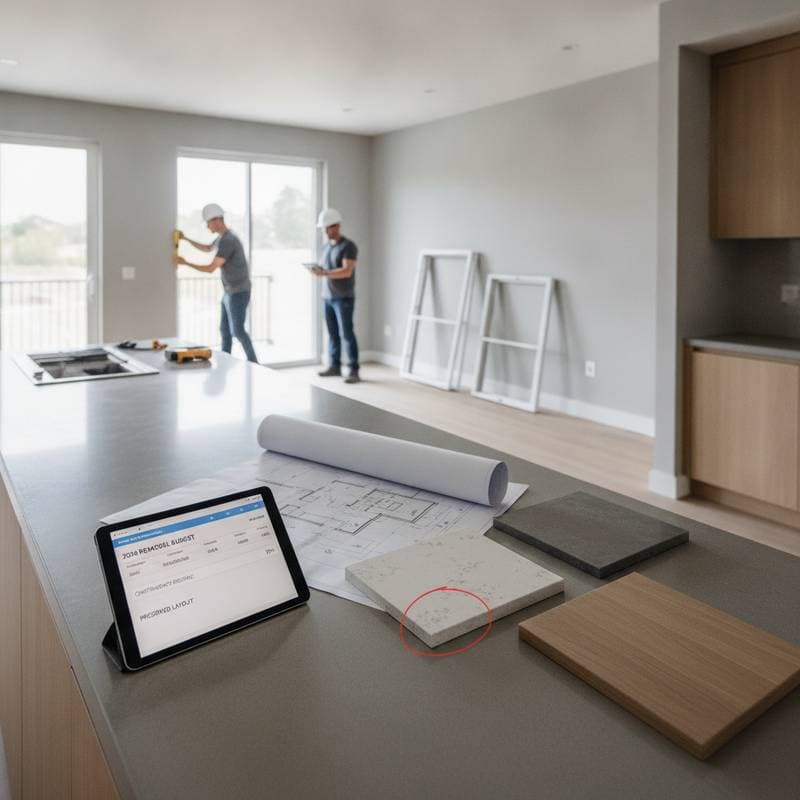
Install flooring, trim elements, lighting fixtures, and appliances. Test every outlet and switch for functionality. Position smoke and carbon monoxide detectors in all mandated locations.
Success check: Interior elements stand complete and fully operational.
10. Schedule Final Inspection
Coordinate with your contractor to facilitate the inspector's review of structural integrity, energy efficiency standards, and safety features. Retain all permit documentation for insurance purposes.
Success check: Obtain a certificate of occupancy or comparable official approval.
Quality Checks and Troubleshooting
Common Failure Points
- Uneven foundation: Results in misalignment of doors and windows.
- Poor drainage: Provokes cracking in slabs or persistent moisture issues.
- Incorrect utility slope: Causes backups in sewers or reductions in water pressure.
- Insufficient sealing: Permits water entry and subsequent mold development.
Simple Fixes
- Employ shims or adjustable hinges to realign and level doors.
- Direct downspouts to extend at least five feet away from the structure.
- Reapply caulk to any visible gaps in siding joints.
- Integrate ventilation fans to mitigate indoor humidity levels.
When to Call a Pro
Mandatory Professional Work
- Connections for electrical service or upgrades to panels.
- Installations involving gas or propane lines.
- Alterations to structural elements or load-bearing components.
- Corrections to major drainage systems or site grading.
Typical Cost Ranges
- Electrical hookup: $3,000 to $6,000
- Plumbing connection: $2,000 to $5,000
- Foundation pour: $10,000 to $25,000
- Crane delivery and placement: $2,500 to $7,000
- Permits and inspections: $5,000 to $12,000
Contractor Vetting
Request the following from potential contractors:
- Valid license and proof of insurance.
- References from at least three recent local projects.
- A detailed written estimate outlining labor, materials, and timelines.
- Documentation of training or certification specific to the prefab system.
Withhold full payment until the final inspection receives approval. Hold back 10 percent of the total until resolution of any remaining punch-list tasks.
Pro Tips for Success
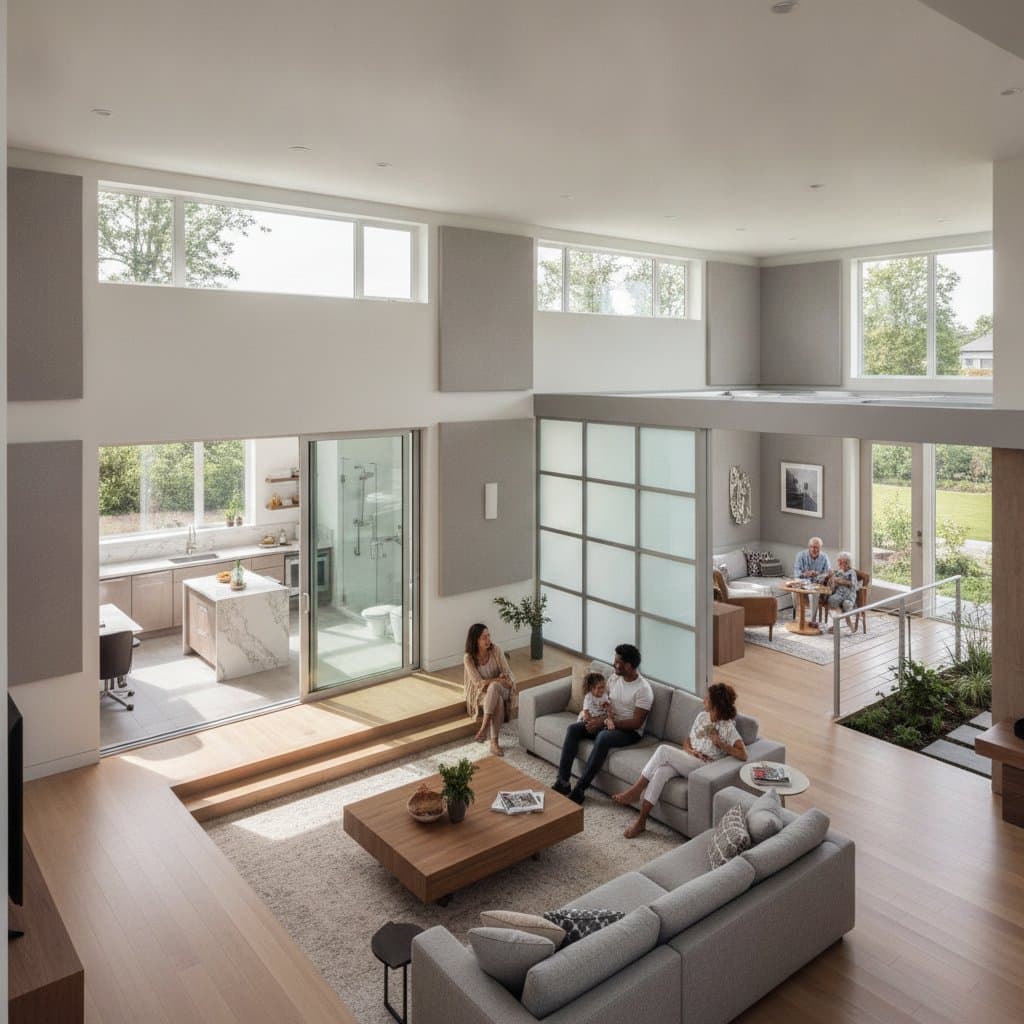
- Design for access. Incorporate a dedicated private pathway and independent entryway to accommodate tenants comfortably.
- Plan for maintenance. Position the water heater, electrical panel, and shutoff valves in easily reachable areas.
- Add storage. Integrate built-in shelving or loft spaces to enhance usability in compact units.
- Stay code compliant. Adhere to regional regulations on ADU height, dimensions, and parking provisions to prevent penalties.
- Track expenses. Maintain records of all receipts for potential tax benefits or resale documentation.
- Think long term. Select durable finishes resistant to moisture, pet activity, and regular wear.
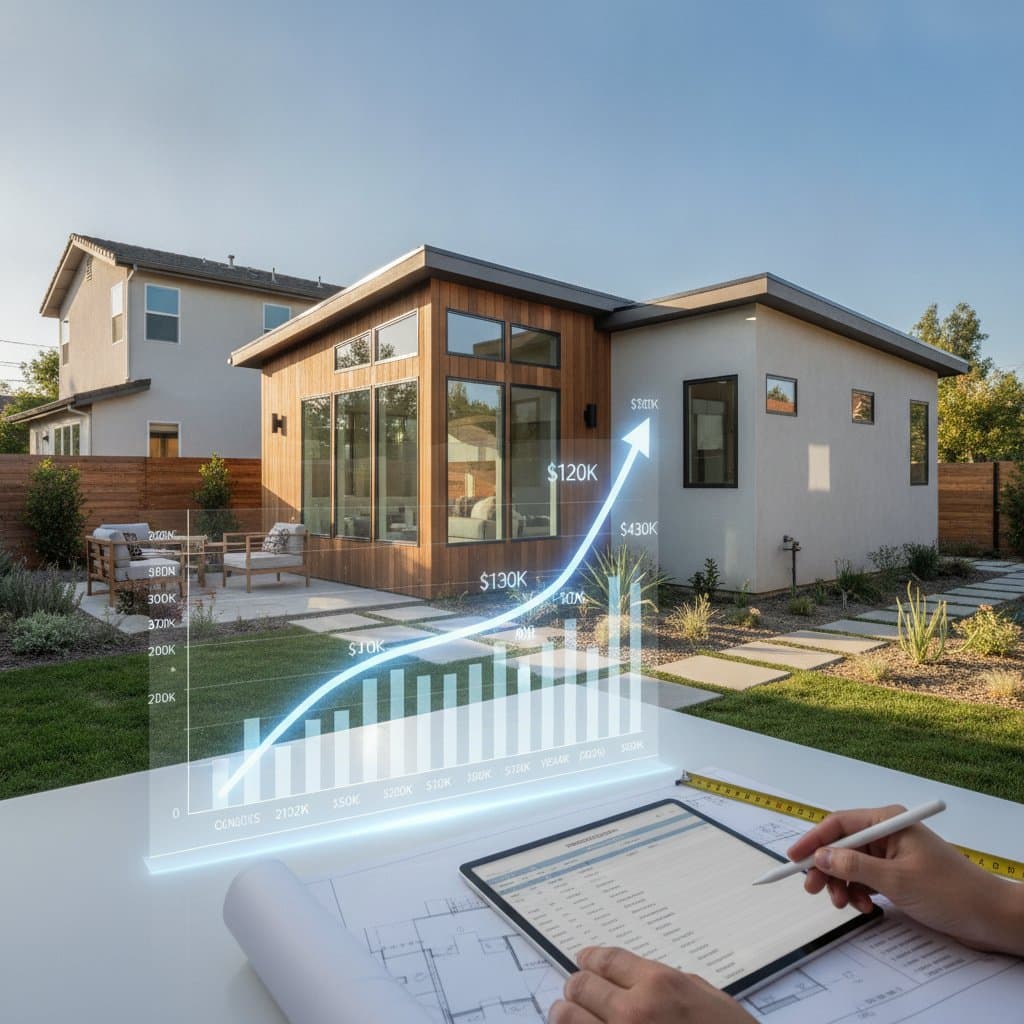
Properly executed prefab ADUs yield substantial returns, yet shortcuts in site preparation or utility integration may undermine initial savings. Rigorous installation quality and adherence to permitting processes safeguard your investment and maintain property compliance.
Your Next Steps
If zoning criteria align with your property, initiate comparisons among prefab manufacturers and contractors experienced in ADU projects. Solicit comprehensive quotes that delineate factory-built costs from on-site expenditures. Evaluate sample floor plans to suit your spatial requirements and aesthetic preferences.
Upon completion, the prefab ADU functions as a revenue-generating rental, accommodating guest quarters, or adaptable workspace. Through meticulous planning, secure implementation, and ongoing upkeep, transform idle backyard areas into enduring assets of convenience and economic value.