Understanding Prefab and Site-Built ADUs
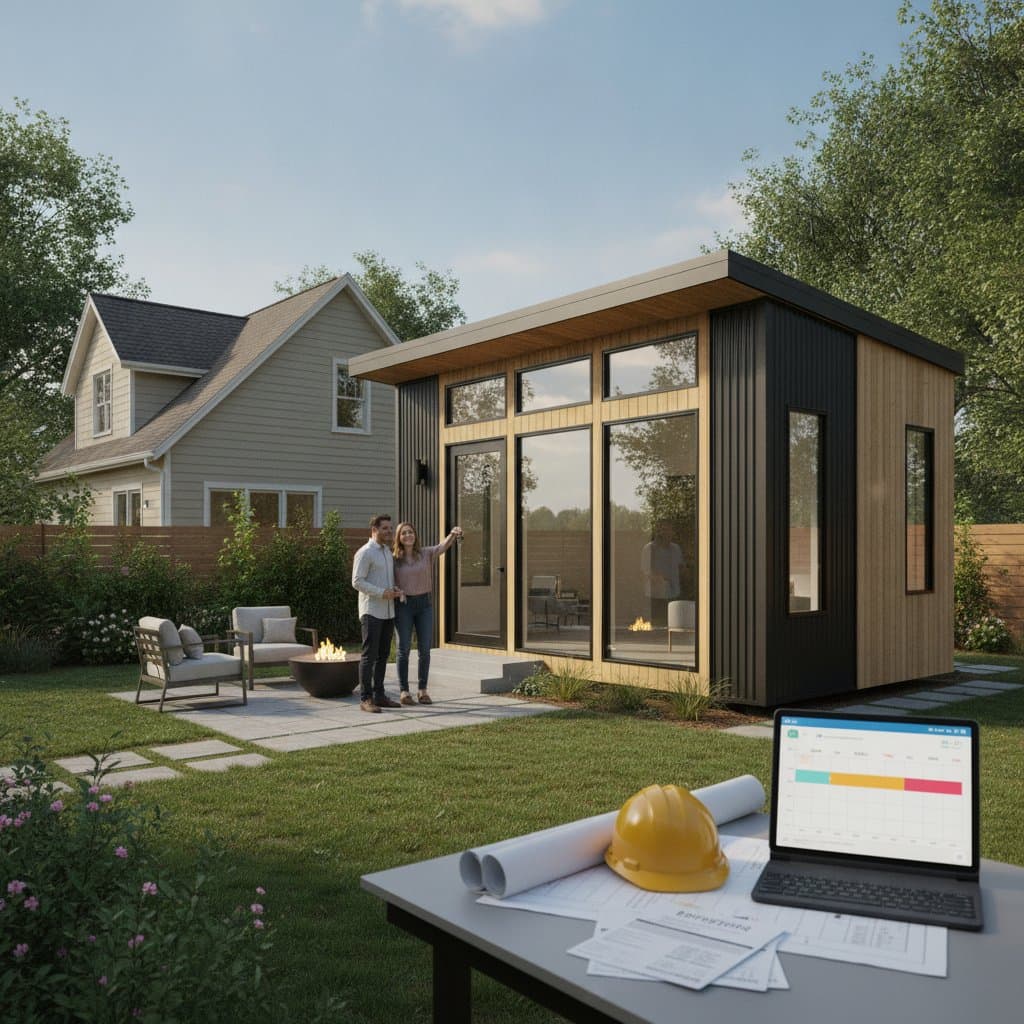
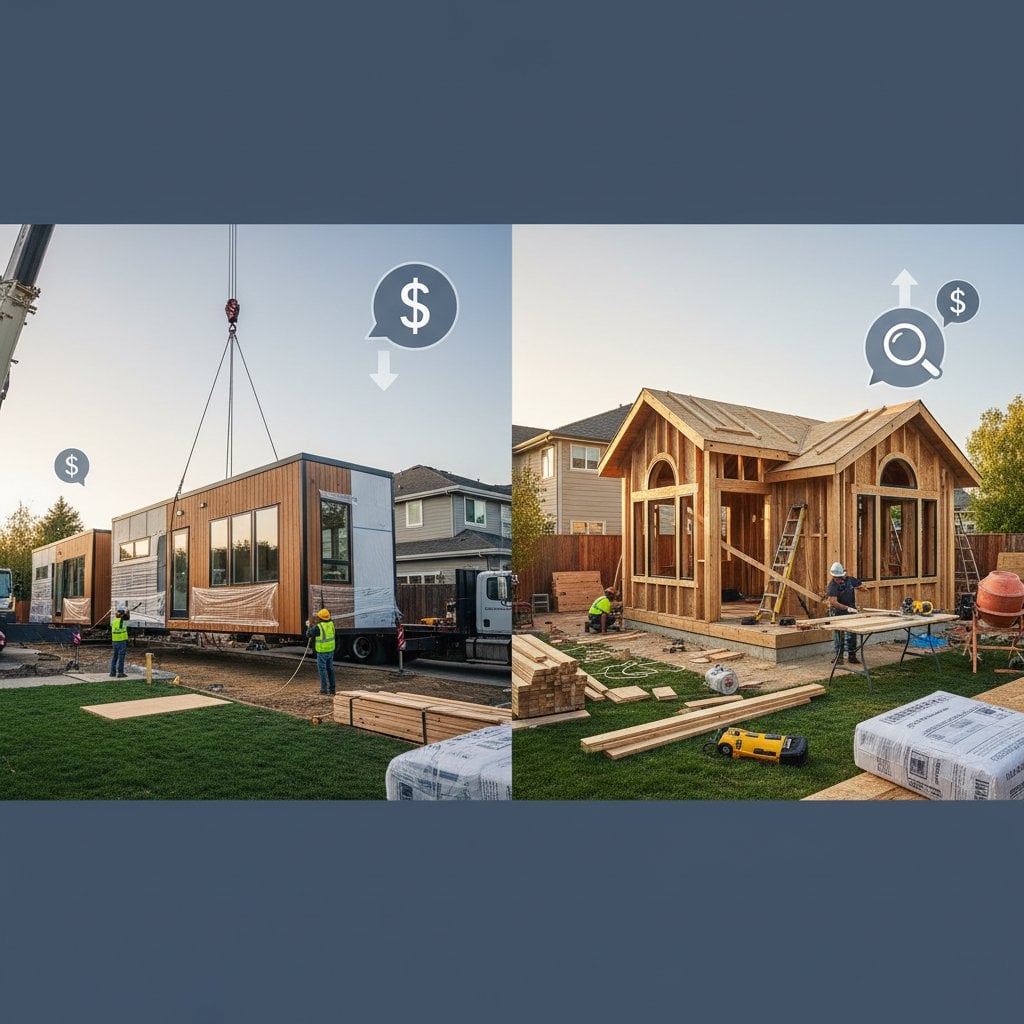
Prefab accessory dwelling units arrive from a factory with significant portions already assembled, which streamlines the on-site process. In contrast, site-built ADUs receive full construction directly on the property, enabling tailored adaptations. For 2026 projections, prefab models typically range from $150,000 to $250,000, influenced by dimensions and material selections, while site-built versions span $250,000 to $400,000 or more, reflecting bespoke elements and labor intensity.
Prefab installations often complete in weeks, minimizing disruption, yet they restrict modifications to predefined configurations. Site-built projects extend over months, providing opportunities to align precisely with the existing home's architecture and functionality. Both necessitate adherence to local codes, professional oversight, and connections to utilities, with moderate complexity arising from foundational stability and integration challenges.
Detailed Comparison Guide
1. Assess Property Suitability
Begin by reviewing local zoning ordinances, including setback distances, allowable square footage, and proximity to utilities. Measure the proposed area, ensuring at least 10 feet from boundaries unless variances apply, and consult municipal records for ADU eligibility. Contact the planning department early to identify any restrictions based on lot size or neighborhood density.
This evaluation prevents costly surprises. For instance, sloped terrains may require additional engineering for prefab foundations.
Success Indicator: Obtain documented approval confirming compliance with all zoning criteria.
2. Explore Design Possibilities
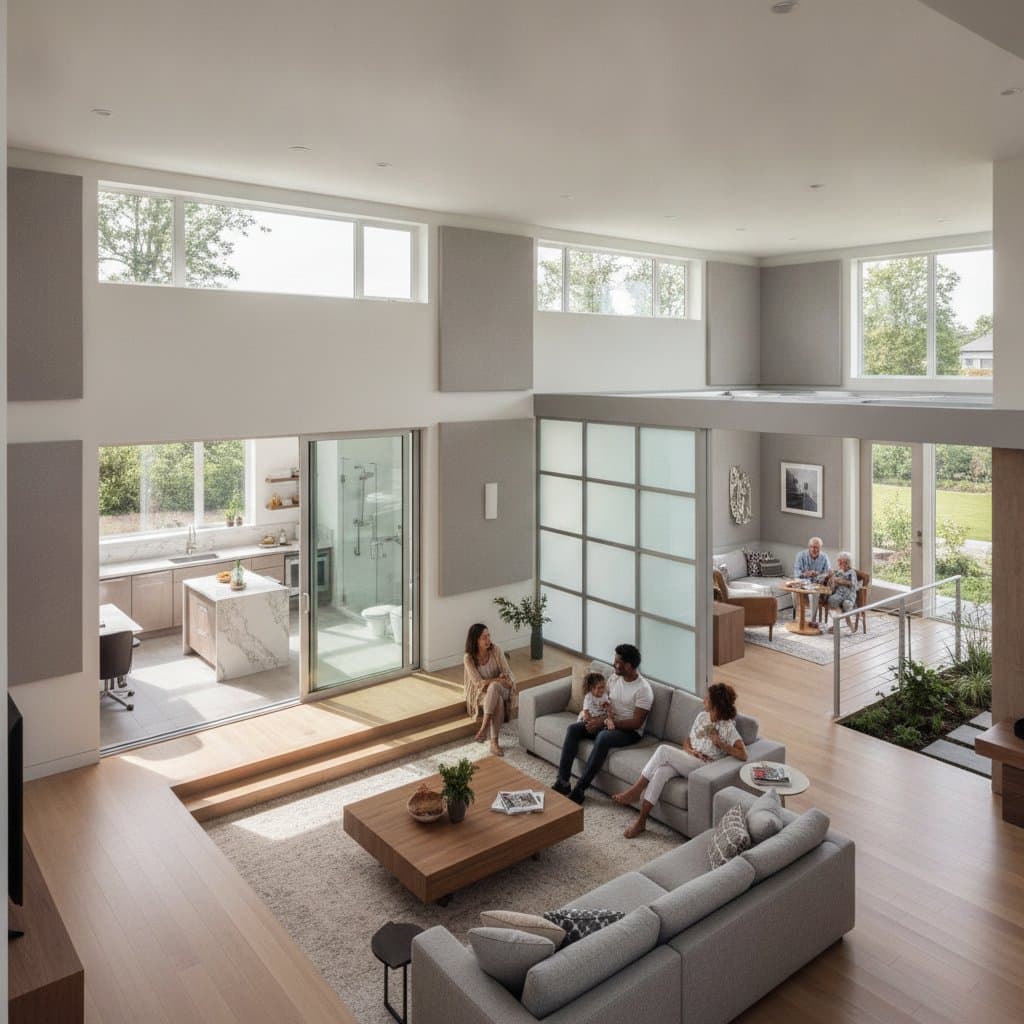
Prefab ADUs feature standardized floor plans, such as one-bedroom layouts around 600 square feet, with options limited to cataloged exteriors and interiors. Site-built designs permit full creativity, from open-concept kitchens to multi-level configurations that echo your home's style. Gather brochures from multiple prefab manufacturers to compare modular sizes and features like energy-efficient windows.
Engage an architect for site-built concepts if integration with landscaping or rooflines matters. Budget for design fees, which add 5 to 10 percent to total costs but yield personalized results.
Success Indicator: Secure preliminary sketches or models that accommodate your financial limits and site features.
3. Calculate Comprehensive Expenses
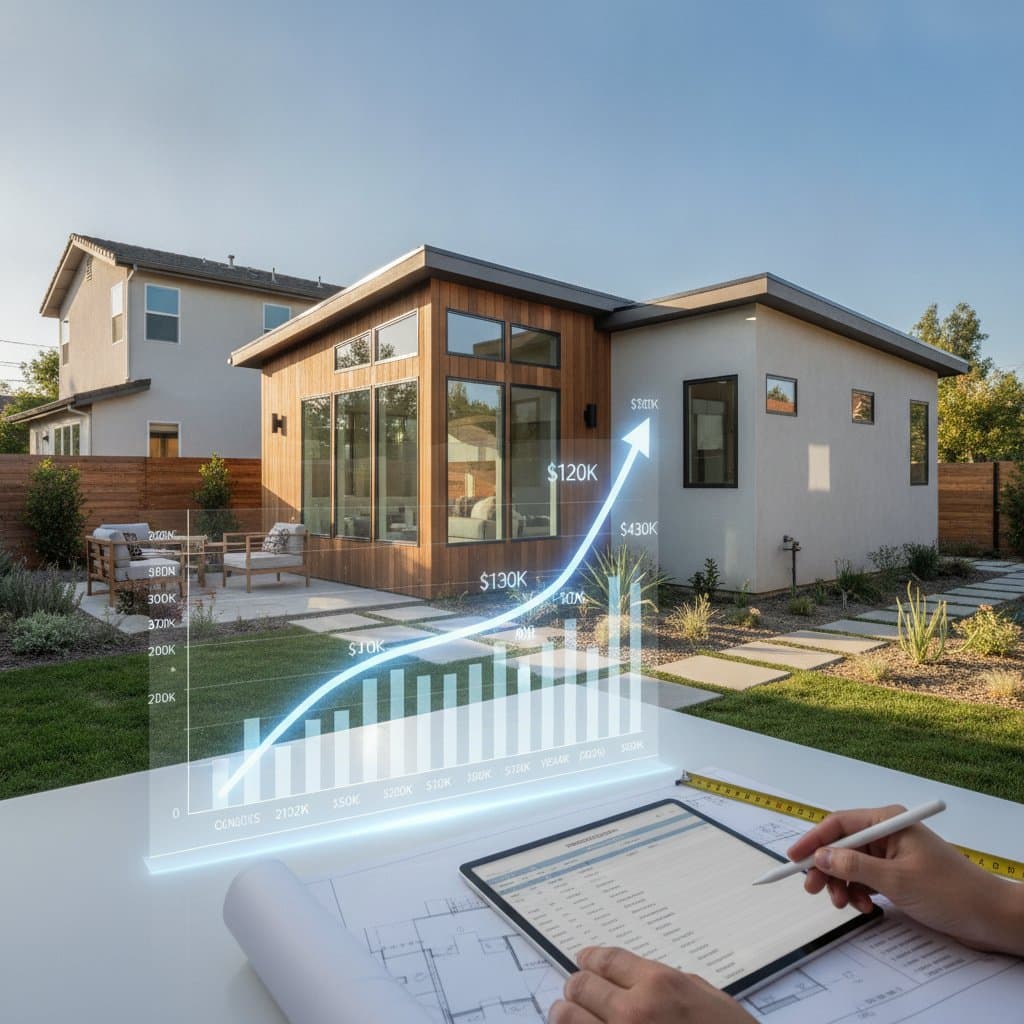
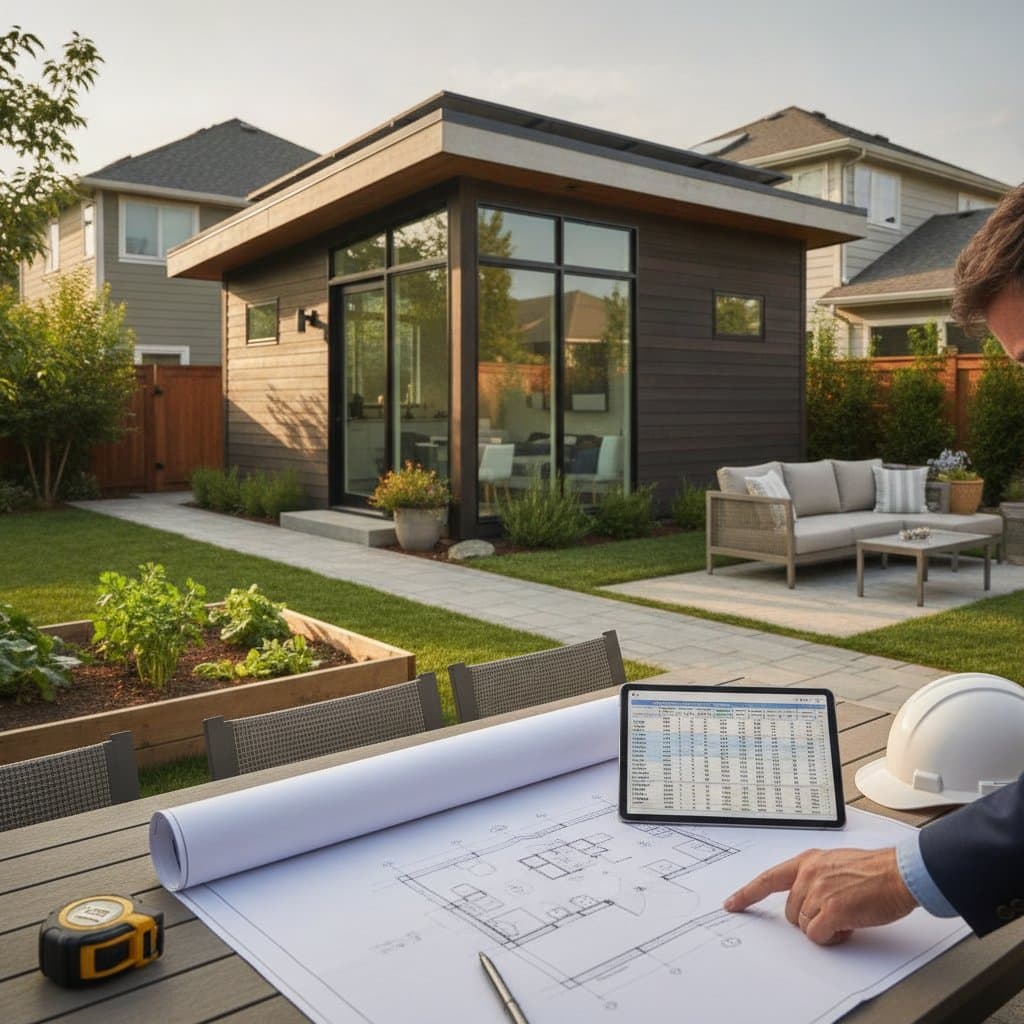
Factor in every element: site preparation, permitting fees averaging $5,000 to $10,000, foundational work, transportation for prefabs, utility extensions, and interior detailing. Prefab costs allocate 60 to 70 percent to factory production, leaving 30 to 40 percent for local assembly and connections, potentially saving $100,000 compared to site-built equivalents. Site-built expenses distribute evenly between materials and on-site labor, with variables like custom cabinetry inflating totals.
Include ongoing costs such as property tax adjustments and insurance premiums, which rise 10 to 20 percent post-construction. Use detailed spreadsheets to track line items and secure quotes from suppliers.
Success Indicator: Compile a comprehensive budget document listing all anticipated expenditures, including contingencies for unforeseen issues.
4. Select Qualified Experts
Engage contractors holding valid licenses for specialized trades, including structural engineering, electrical, and plumbing. Verify credentials via state licensing portals, and demand certificates of insurance covering at least $1 million in liability. Solicit references from three recent projects similar in scope to build confidence in their reliability.
A general contractor coordinates the team, ensuring seamless collaboration. For prefabs, confirm experience with modular deliveries to avoid alignment errors.
Success Indicator: Execute binding agreements with vetted professionals prior to any groundwork.
5. Ready the Construction Site
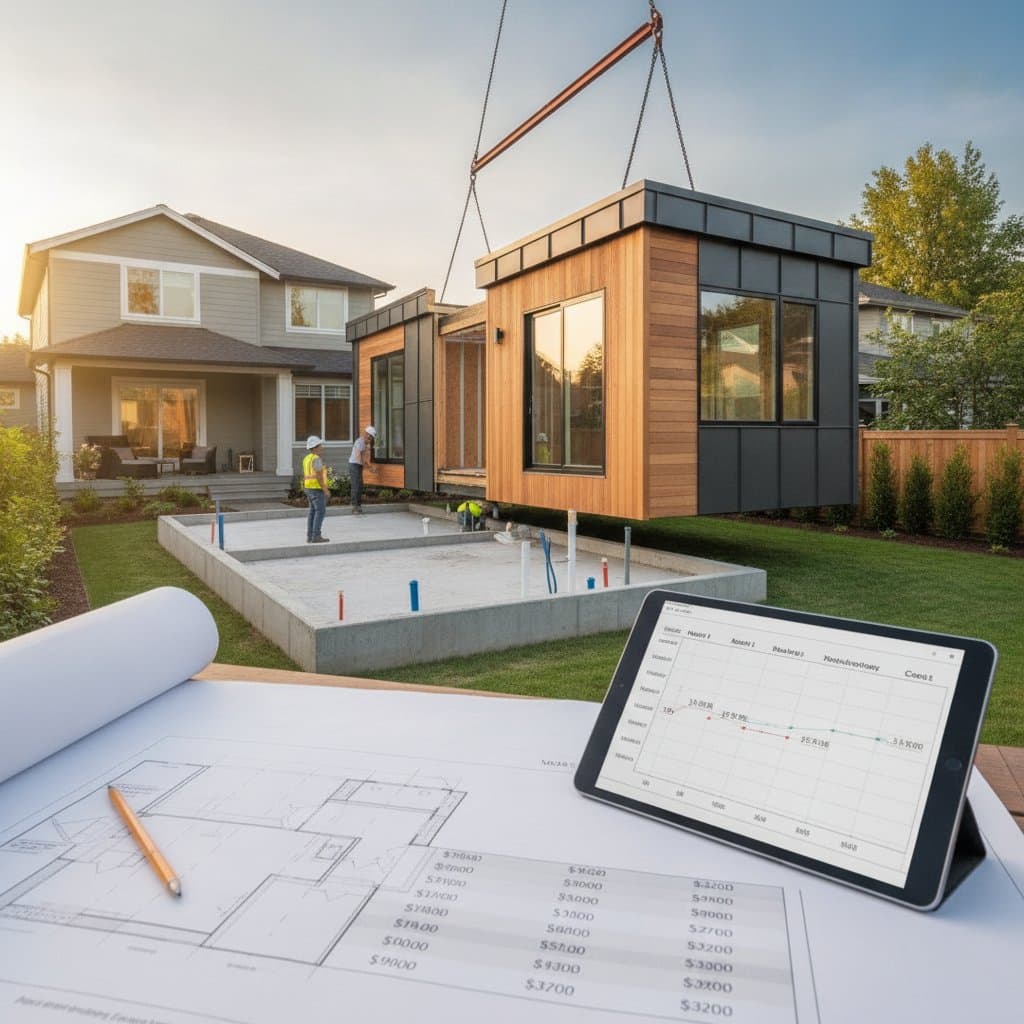
Remove obstacles like trees or debris, then grade the soil to achieve a flat surface within one inch of level across the footprint. Install temporary fencing if near public areas, and arrange for utility locates to mark underground lines. Prefab sites demand wide access paths for trucks and cranes, often requiring permits for oversized loads.
Site-built preparations involve excavating for footings, typically 24 inches deep in stable soils, followed by concrete pours per engineered plans. Schedule soil tests if the ground shows instability.
Success Indicator: Achieve a certified level pad, cleared of hazards, and approved by initial inspections.
6. Assemble or Erect the Structure
Prefab sections transport via flatbed trucks and position using cranes rated for the unit's weight, often 20 to 30 tons for a full module. Secure the unit to the foundation with anchor bolts, then apply sealants to joints for weatherproofing. Coordinate with the supplier for precise timing, as delays from weather can extend installation by days.
Site-built construction commences with framing lumber or steel, progressing layer by layer under daily supervision. Monitor progress against the timeline to address material shortages promptly.
Success Indicator: Pass structural and utility connection inspections, verifying stability and code adherence.
7. Complete Interior and System Integrations
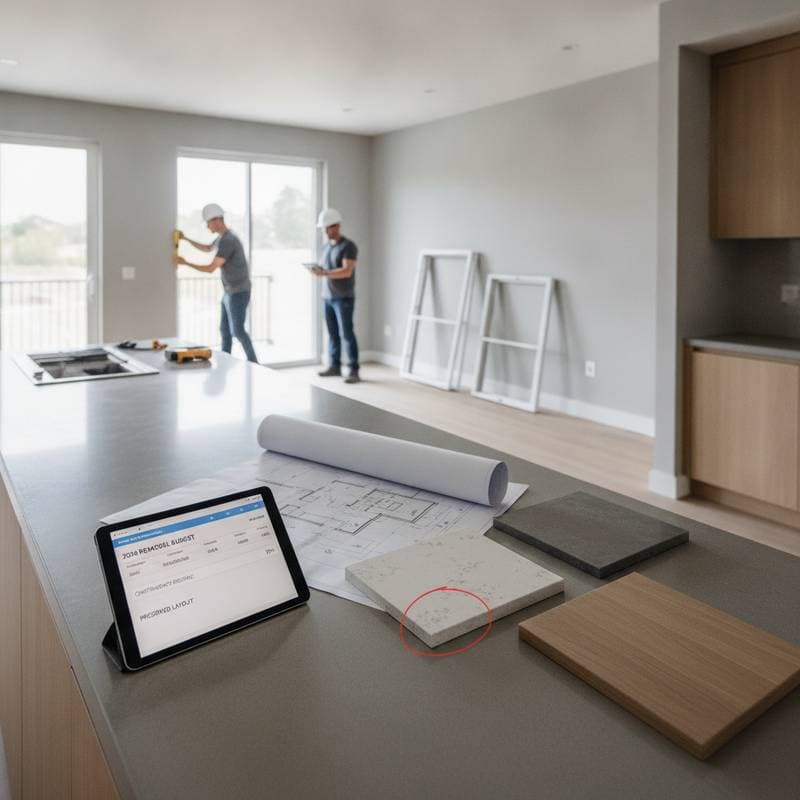
Outfit the space with durable flooring like vinyl plank, custom cabinetry, and modern fixtures selected for efficiency. Licensed specialists handle final plumbing runs, electrical panel upgrades to 200 amps if needed, and HVAC ducting for balanced airflow. Test all systems, including carbon monoxide detectors, to meet safety standards.
Address aesthetic touches, such as paint matching the main house, to enhance overall appeal. Allow one to two weeks for these finishes in prefab scenarios.
Success Indicator: Receive occupancy certification after comprehensive final walkthroughs confirm functionality.
Essential Quality Assurance and Fixes
Monitor for foundation settling, where cracks under 1/8 inch often resolve naturally; consult engineers for wider fissures indicating shifts. Address moisture infiltration at prefab joints by applying silicone-based sealants annually. Persistent electrical faults, like frequent breaker trips, signal overloads requiring professional rewiring.
Vibrations or unusual noises stem from loose fastenings; inspect and torque base connections to specifications. Document all issues with photos for warranty claims.
Scenarios Requiring Expert Intervention
Summon a licensed general contractor for projects entailing load-bearing modifications, foundations on expansive soils, or utility trenches exceeding three feet. Electrical service expansions beyond 100 amps demand certified assessments to prevent hazards. Gas line additions or propane setups involve precise pressure testing by qualified technicians.
These complexities ensure safety and longevity, avoiding DIY pitfalls that lead to rework.
Strategies for Optimal Outcomes
Solicit bids from no fewer than three providers for each ADU type to benchmark fair pricing. Demand detailed timelines from prefab vendors, outlining factory lead times of 8 to 12 weeks plus on-site setup. Maintain regular dialogue with permitting officials to preempt revisions that stall progress.
Provision for construction-phase needs, such as portable sanitation and electrical generators, to sustain workflow. Scrutinize warranties covering structural integrity for 10 years and appliances for 5 years before disbursing final payments.
Opt for prefab ADUs when timelines tighten and budgets constrain, particularly on accessible lots. Choose site-built paths for properties where aesthetic harmony and adaptive features elevate resale potential and daily living quality.