Multigen Home Remodel: 2026 Cost Estimates Revealed
Multigenerational home remodels enable families to reside together while preserving privacy and autonomy. These projects accommodate aging parents, adult children, or extended family members, fostering stronger bonds and elevating property values. This guide details 2026 cost projections, essential design elements, and expert recommendations to facilitate effective planning for a durable multigenerational renovation.
What You Will Learn
- Average expenses for multigenerational remodels and expansions
- Effective layout configurations for dual-residence setups
- Guidance on engaging professionals versus managing minor modifications
- Strategies to control expenses and evaluate return on investment
- Essential frequently asked questions regarding multigenerational home construction or updates
Overall Cost Breakdown for 2026
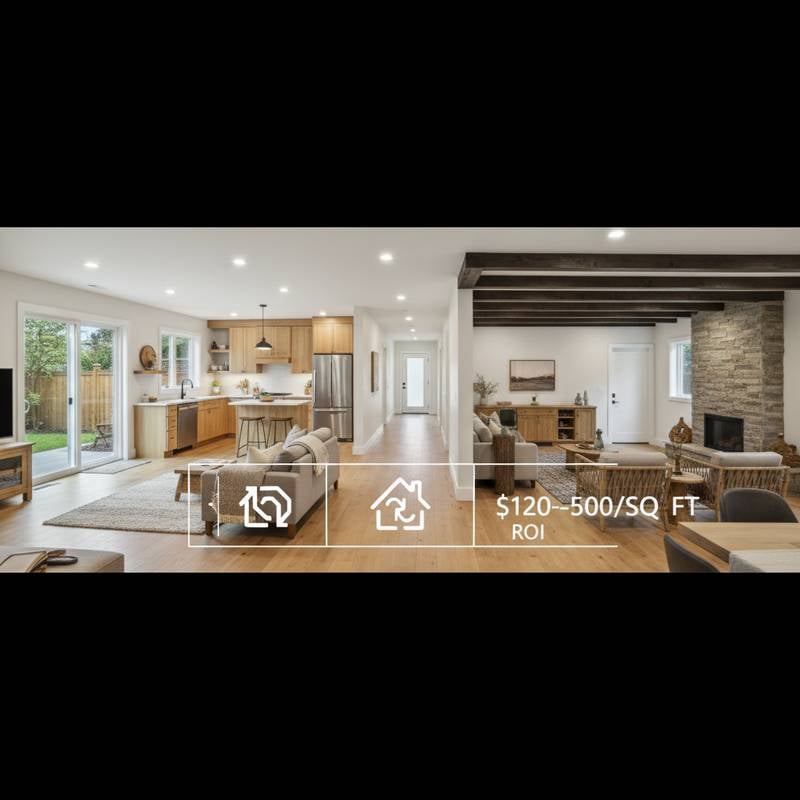
Multigenerational remodel costs in 2026 range from $120 to $500 per square foot, influenced by project scope, location, and material selections. Basic interior updates, such as converting a basement into a suite, fall toward the lower end at $120 to $250 per square foot. Extensive additions like accessory dwelling units push expenses higher, reaching $300 to $500 per square foot due to structural and utility demands.
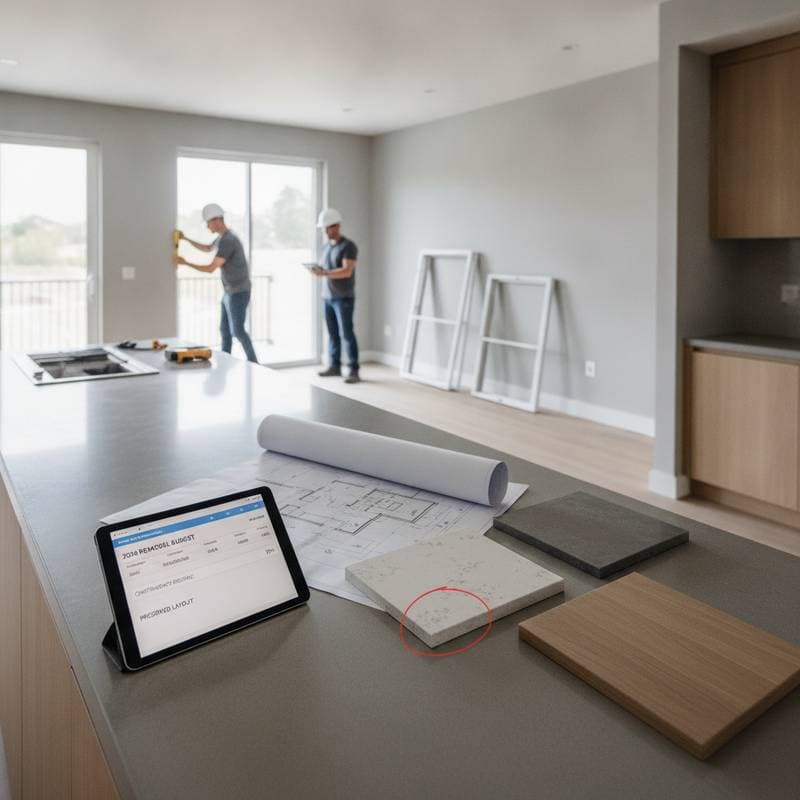
Factors driving these costs include labor rates, which vary by region, and material quality. For a 600-square-foot remodel, anticipate total expenditures of $72,000 to $300,000. Early budgeting incorporates permits, inspections, and potential unforeseen adjustments to maintain financial control.
Key Design Features for Multigenerational Living
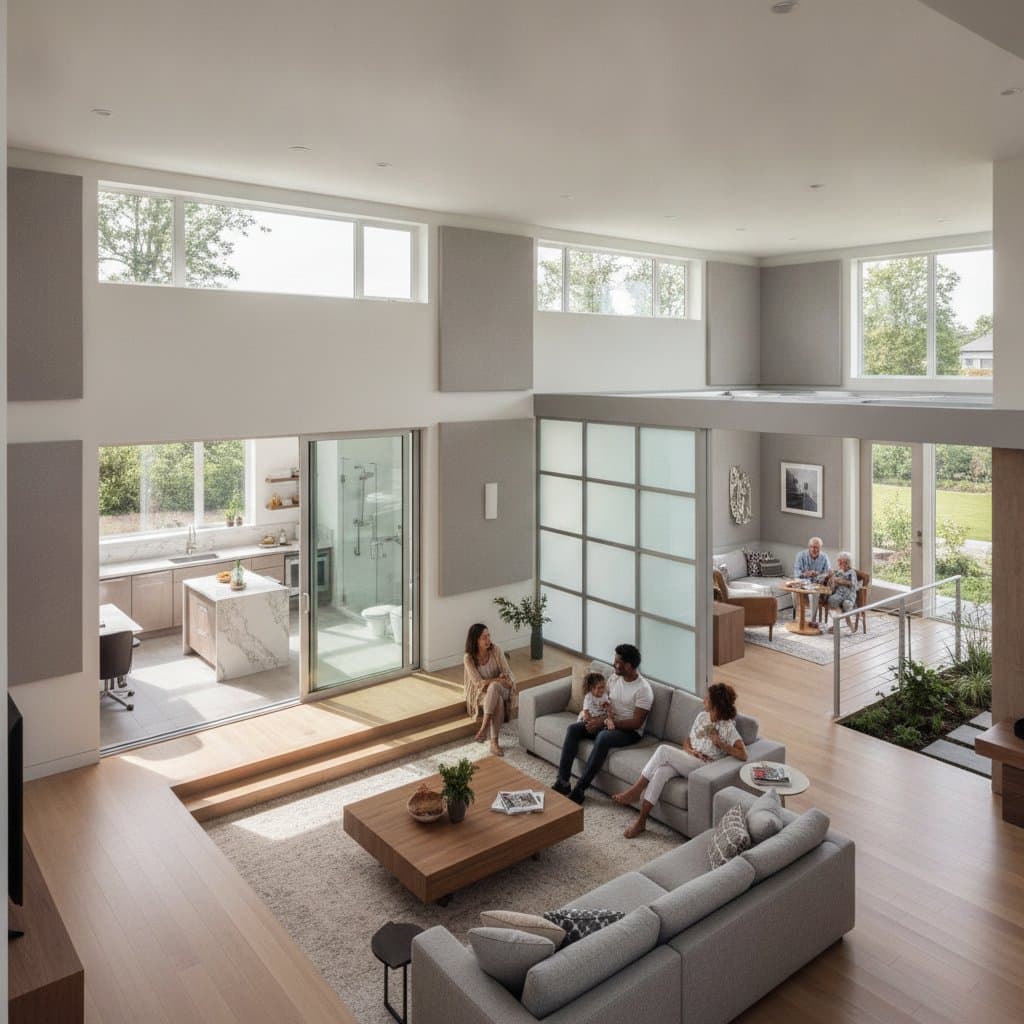
Successful multigenerational remodels integrate privacy, accessibility, and communal areas seamlessly. Planners prioritize layouts that support independent living alongside family interaction.
Separate Entrances and Shared Cores
Incorporate a dedicated entrance for secondary living spaces to promote autonomy, while linking to communal areas like the kitchen or outdoor patio. This dual-access approach proves ideal for accessory dwelling units or basement conversions. Such configurations minimize daily disruptions and enhance overall household harmony.
Accessible Design Elements
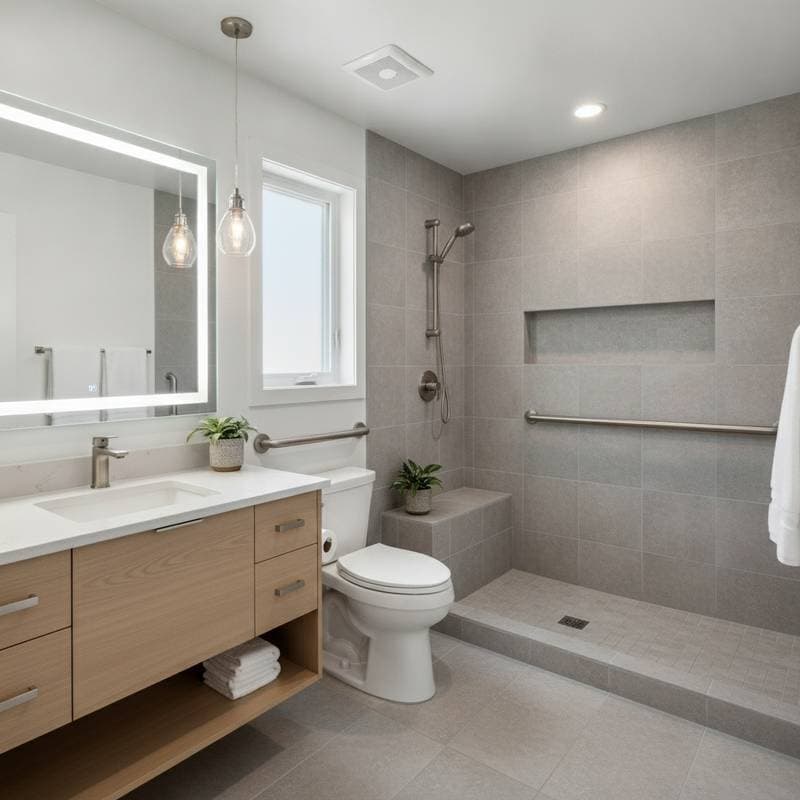
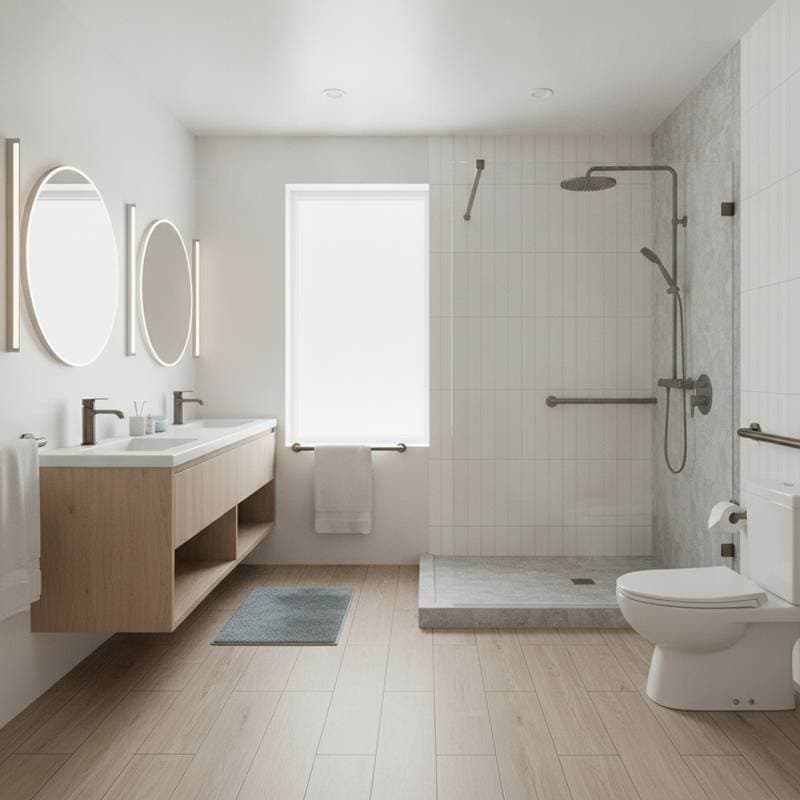
Universal design principles enhance safety and convenience across age groups. Essential features encompass zero-threshold entries, doorways at least 36 inches wide, curbless showers equipped with grab bars, lever-style door handles, and slip-resistant flooring materials. These elements eliminate the need for future modifications and accommodate visitors with varying mobility levels.
Kitchenette or Full Kitchen Options
Equip secondary spaces with a compact kitchen featuring a cooktop, refrigerator, and sink for self-sufficient meal preparation. Midrange installations cost $15,000 to $35,000, depending on appliance efficiency and countertop selections. This setup supports daily independence without duplicating full-scale kitchen facilities.
Soundproofing and Privacy Measures
Install insulated walls, solid-core doors, and acoustic underlayments beneath flooring to reduce sound transmission. These enhancements add $2 to $4 per square foot to the budget yet significantly elevate living comfort. Professional installation ensures optimal performance and code adherence.
ADU Additions and Secondary Suites
Accessory dwelling units, known as in-law suites or backyard cottages, offer complete independence on the property. These structures suit families seeking separation with proximity.
Cost and Construction Details
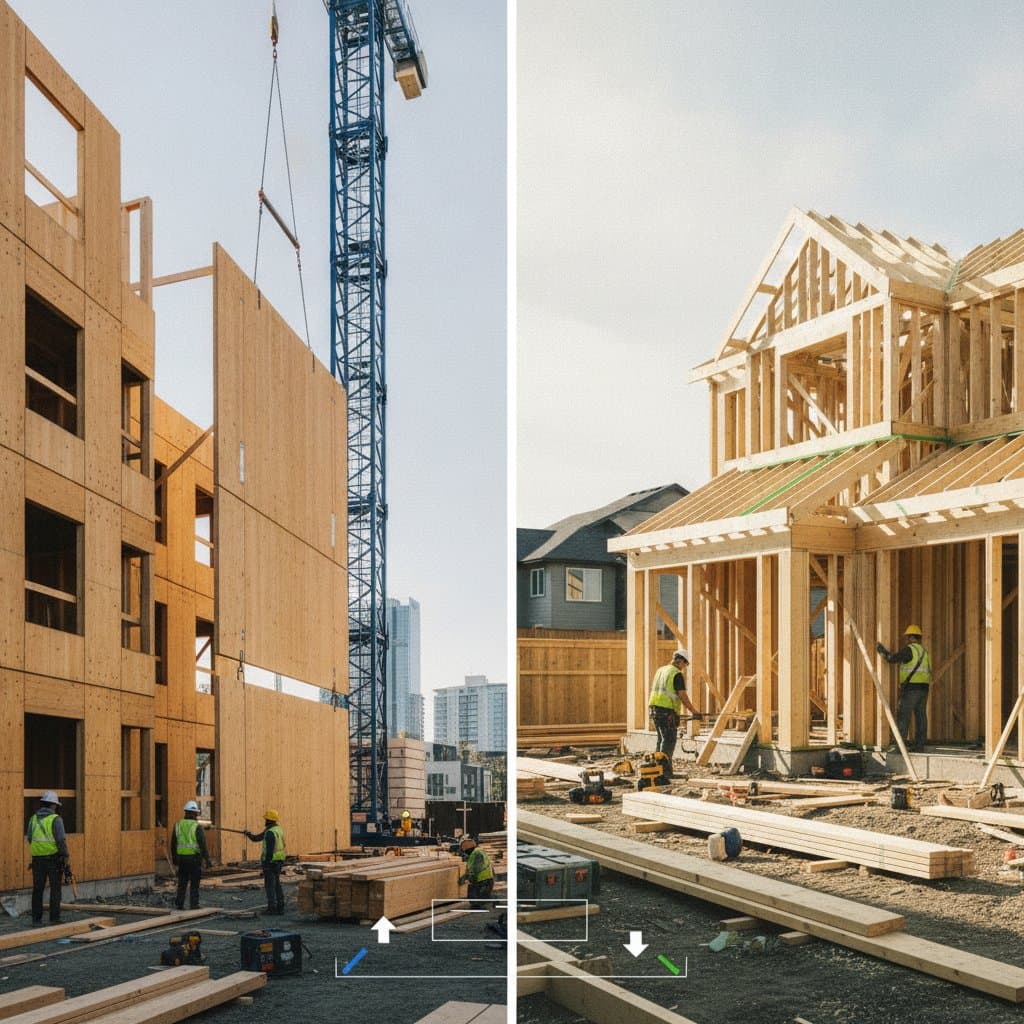
Constructing a detached accessory dwelling unit costs $180,000 to $350,000 in 2026, based on size and finish levels. A one-bedroom model spanning 500 to 700 square feet includes a modest kitchen and bathroom. Prefabricated options reduce expenses by 20 to 30 percent, though they constrain personalization opportunities.
Site preparation involves foundation work, utility extensions, and exterior finishing. Select modular designs for faster timelines, typically completing in 8 to 12 weeks compared to 4 to 6 months for site-built units.
Permits and Codes
Local authorities mandate building permits, independent utility hookups, and rigorous inspections for accessory dwelling units. Review zoning ordinances to confirm allowable sizes and placements. Engage contractors experienced in these regulations to avoid permit denials and associated rework expenses.
DIY vs Professional Work
Certain remodel aspects suit capable homeowners, whereas others necessitate expert intervention for safety and compliance.
Suitable for DIY
- Interior painting and trim installation
- Flooring placement or cabinet assembly
- Basic landscaping adjustments
These tasks require standard tools and allow cost savings of 30 to 50 percent on labor.
Best Left to Professionals
- Structural modifications and foundation reinforcements
- Electrical system expansions and plumbing rerouting
- HVAC partitioning and ventilation installations
- Basement waterproofing and moisture barriers
Licensed specialists guarantee adherence to building standards and mitigate risks such as electrical hazards or structural failures. Design-build companies streamline the process by managing design, approvals, and execution cohesively.
Ways to Reduce Costs and Maximize Value
Multigenerational projects represent substantial investments, yet deliberate choices optimize budgets and enhance returns.
Plan for Future Use
Develop versatile spaces adaptable to evolving needs, such as transforming an in-law suite into a rental or office. This foresight boosts resale appeal and potential income generation. Consult architects early to incorporate modular walls or multipurpose furnishings.
Leverage Shared Utility Lines
Integrate new areas with existing plumbing and electrical infrastructure to bypass separate metering fees. This method saves $5,000 to $10,000 in utility setup costs. Engineers assess compatibility to ensure system capacity supports additional loads without upgrades.
Select Durable Materials
Opt for resilient, low-maintenance options like vinyl plank flooring, quartz surfaces, and fiber-cement exteriors. These choices withstand heavy use while minimizing repair needs. Balance aesthetics with longevity to achieve cost efficiency over decades.
Energy Efficiency Upgrades
Incorporate double-pane windows, LED fixtures, and high-efficiency heating systems to decrease utility expenses. Qualifying improvements access tax credits or rebates, recouping 10 to 20 percent of initial outlays. Energy audits identify high-impact areas for targeted investments.
When to Hire a Professional
Selecting qualified contractors safeguards project quality and timeliness. Follow these steps to assemble a reliable team.
- Verify state licensing and comprehensive insurance coverage.
- Examine portfolios of completed multigenerational or accessory dwelling unit projects.
- Obtain itemized bids detailing materials, labor, and permit fees.
- Inquire about dedicated project oversight for subcontractor coordination.
- Confirm guarantees on craftsmanship and post-completion support.
Clear contracts outline timelines, payment schedules, and change order protocols to prevent disputes.
Common Questions About Multigen Remodels
How large should a multigenerational suite be?
A functional one-bedroom suite requires at least 400 square feet, encompassing a bedroom, bathroom, and compact living zone. Larger configurations up to 800 square feet accommodate additional storage or hobby areas.
Can I convert my garage into a living space?
Garage conversions qualify as viable options, provided insulation, ventilation, and emergency exits comply with codes. Completion costs range from $80,000 to $150,000, including heating and electrical enhancements.
Do I need separate utilities for an ADU?
Separate meters prove unnecessary in many cases, especially for non-rental uses. However, rental intentions or local mandates may require independent connections; consult municipal guidelines.
Will adding a multigen suite increase property taxes?
Additions typically elevate assessments proportional to expanded square footage or revenue potential. Contact the local tax assessor for precise impact projections.
What permits are required?
Standard requirements include building, electrical, plumbing, and mechanical approvals. Contractors manage submissions, expediting reviews and ensuring completeness.
Implementing Your Multigenerational Vision
Multigenerational remodels demand precise planning, realistic budgeting, and expert collaboration. Assess family requirements to craft designs emphasizing seclusion, ease, and adaptability. Secure competitive bids, confirm regulatory compliance, and prioritize robust materials.
This approach transforms your residence into an inclusive haven that nurtures generations and appreciates in worth over time.