ADU Construction Costs: $150,000 to $350,000 in 2026
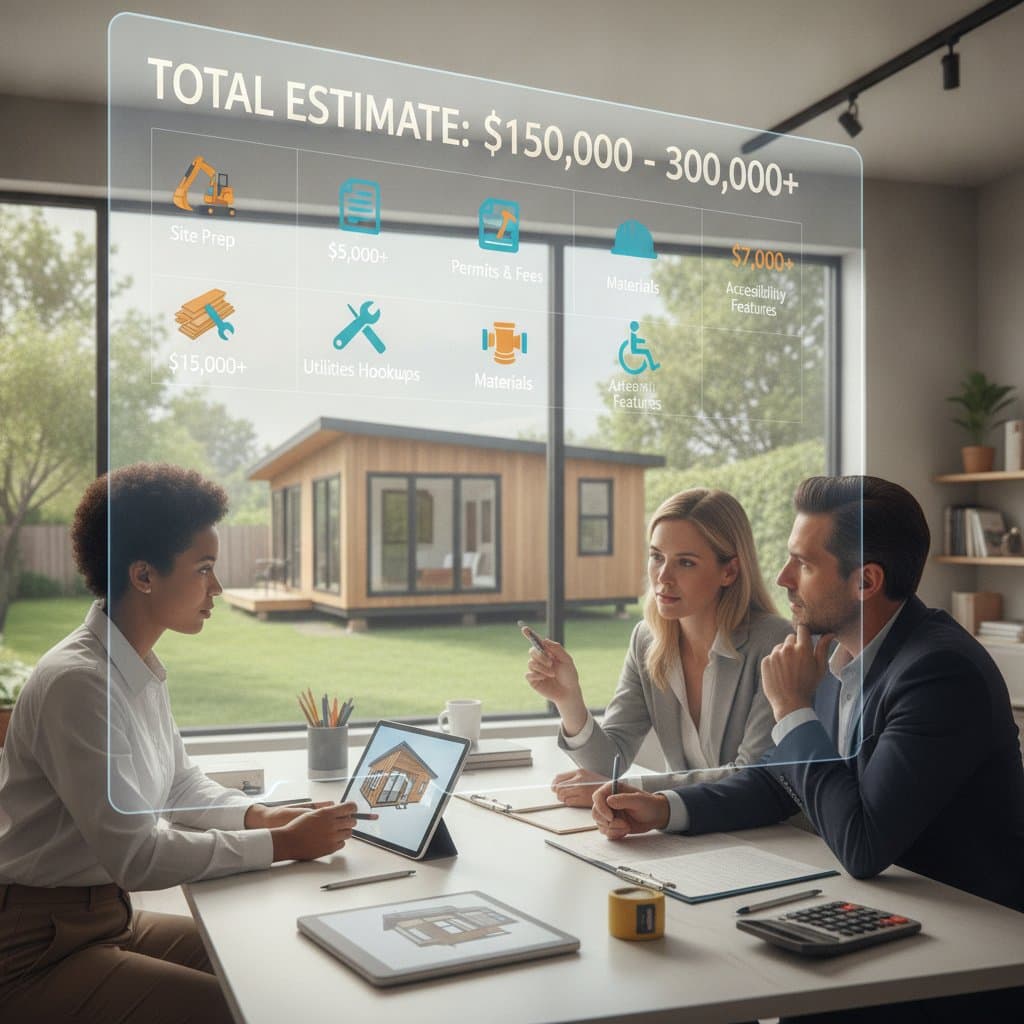
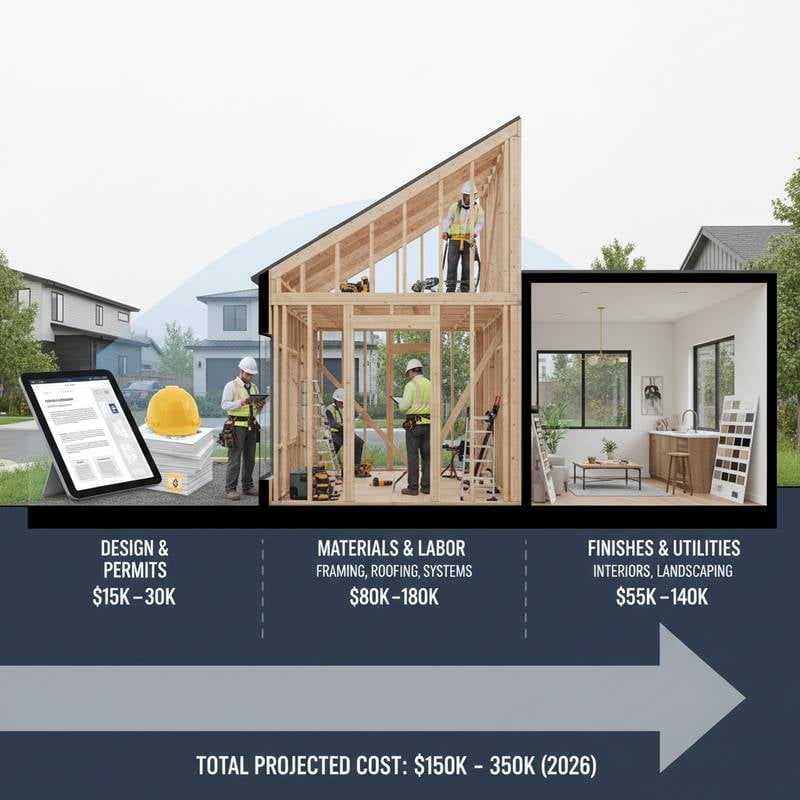
Building an accessory dwelling unit (ADU) offers homeowners a versatile way to expand living space, generate rental income, or accommodate family members. In 2026, expect total costs to range from $150,000 to $350,000, depending on size, location, and customization. This guide breaks down the key elements influencing these figures and provides practical steps to manage your budget effectively.
Understanding ADU Basics
An ADU, often called a granny flat or in-law suite, is a secondary housing unit on the same property as a primary residence. These structures vary in size from 400 to 1,200 square feet and must comply with local zoning laws. Homeowners choose ADUs for multigenerational living, home offices, or investment properties that enhance property value.
Costs reflect not only construction but also preparatory steps like site assessment and permitting. Regional differences play a significant role; urban areas with high labor rates see prices at the upper end of the spectrum. Rural locations may offer savings through lower material transport fees.
Key Factors Influencing ADU Costs in 2026
Several variables determine the final price tag for an ADU project. Material selections, labor availability, and regulatory requirements all contribute to the overall expense.
Size and Design Complexity
Larger ADUs naturally cost more due to increased material needs and labor hours. A basic 600-square-foot unit might start at $150,000, while a 1,000-square-foot model with custom features could reach $350,000.
Simple designs with standard layouts keep expenses down. Intricate architectural elements, such as vaulted ceilings or multi-room configurations, add 20 to 30 percent to the budget. Consult an architect early to balance aesthetics with affordability.
Location and Site Preparation
Property location affects costs through varying building codes and utility connections. Coastal regions often require elevated foundations to meet flood standards, increasing expenses by $20,000 or more.
Site preparation includes grading, excavation, and utility extensions. Flat, accessible lots minimize these costs, which can range from $10,000 to $50,000. Conduct a soil test to identify potential issues like poor drainage that could escalate prices.
Materials and Finishes
Choosing durable, energy-efficient materials impacts both upfront and long-term costs. Standard framing with vinyl siding and asphalt roofing keeps projects under $200,000.
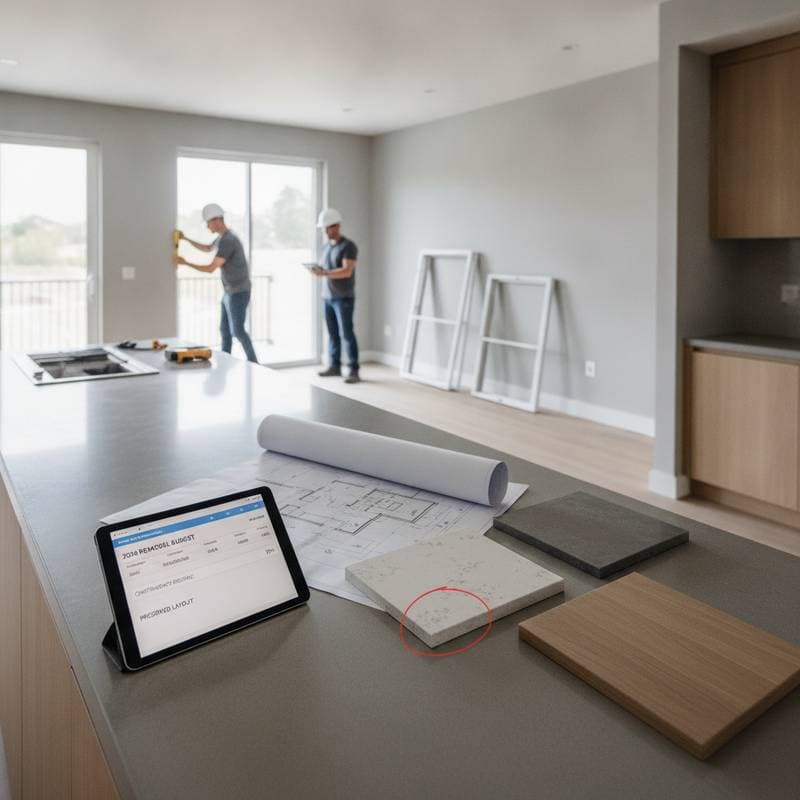
Premium options like hardie plank siding or metal roofing add $30,000 to $60,000. Interior finishes follow suit: basic laminate countertops versus quartz surfaces can differ by $15,000. Prioritize insulation and windows for energy savings that offset initial investments.
Cost Breakdown for a Typical ADU
A standard 800-square-foot ADU in 2026 provides a clear view of expense distribution. This example assumes a mid-range build in a suburban setting.
- Permitting and Design: $10,000 to $25,000. Includes architectural plans, engineering reviews, and local approvals, which take 2 to 6 months.
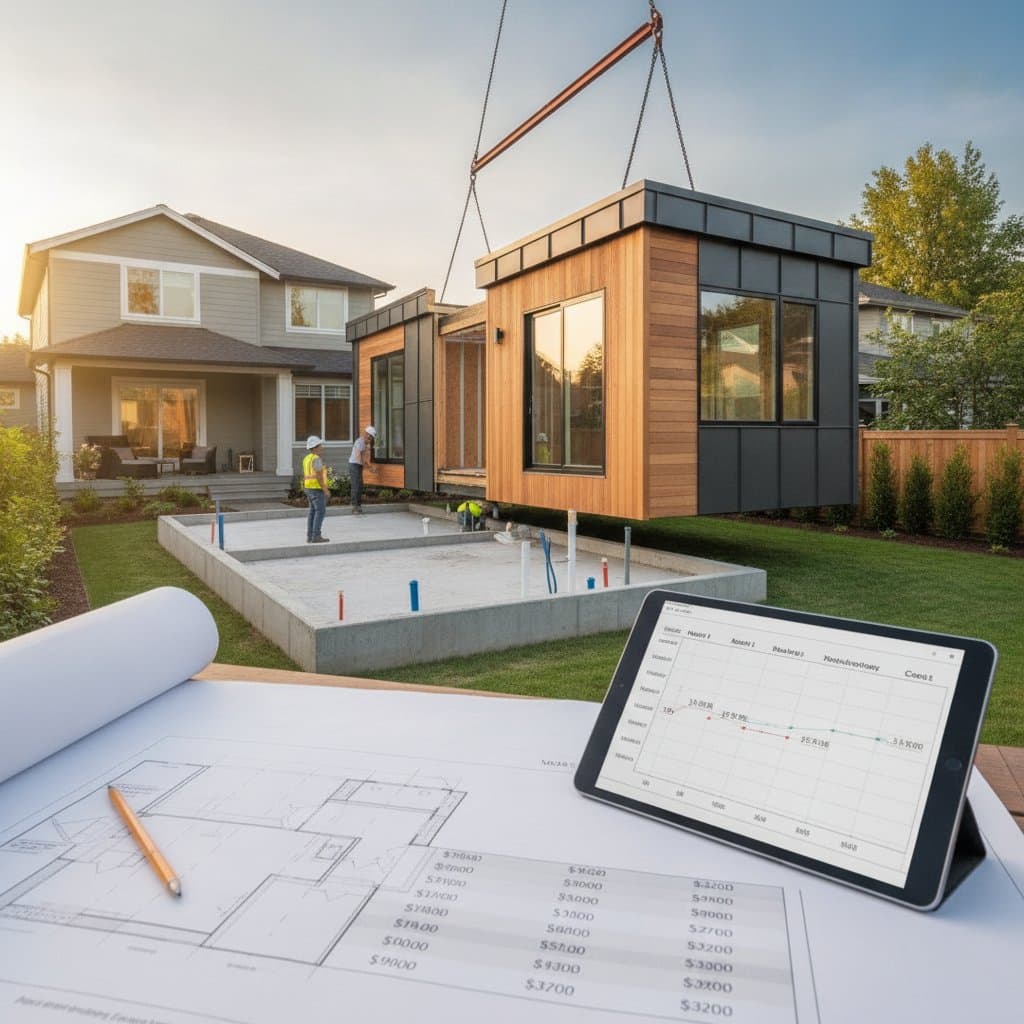
- Foundation and Framing: $40,000 to $80,000. Concrete slabs or pier foundations form the base, with wood framing for walls and roof.
- Plumbing, Electrical, and HVAC: $30,000 to $60,000. Essential systems ensure habitability; septic additions for off-grid sites add $20,000.
- Interior and Exterior Finishes: $50,000 to $100,000. Covers drywall, flooring, cabinetry, and siding to create a functional space.
- Contingency and Fees: 10 to 15 percent of total. Accounts for unexpected delays or material price fluctuations.
Total for this build: Approximately $200,000 to $300,000. Adjust based on specific needs.
Timelines and Professional Involvement
ADU projects typically span 6 to 12 months from planning to completion. Permitting alone can consume the first 3 months, followed by 3 to 6 months of construction.
Hiring a general contractor streamlines the process and ensures code compliance, though it adds 15 to 20 percent to costs. DIY approaches suit minor tasks like painting but risk delays and fines for complex work. Evaluate your skills and local regulations before deciding.
Budgeting Tips and Cost-Saving Strategies
Effective planning prevents budget overruns. Start with a detailed cost estimator tool or consult local builders for quotes.
- Research incentives: Many areas offer tax credits or grants for ADUs that promote affordable housing.
- Phase the project: Build the shell first, then add finishes later to spread expenses.
- Select modular construction: Prefabricated units reduce on-site labor by 30 percent, potentially saving $50,000.
- Optimize energy efficiency: Solar panels and efficient appliances qualify for rebates and lower utility bills.
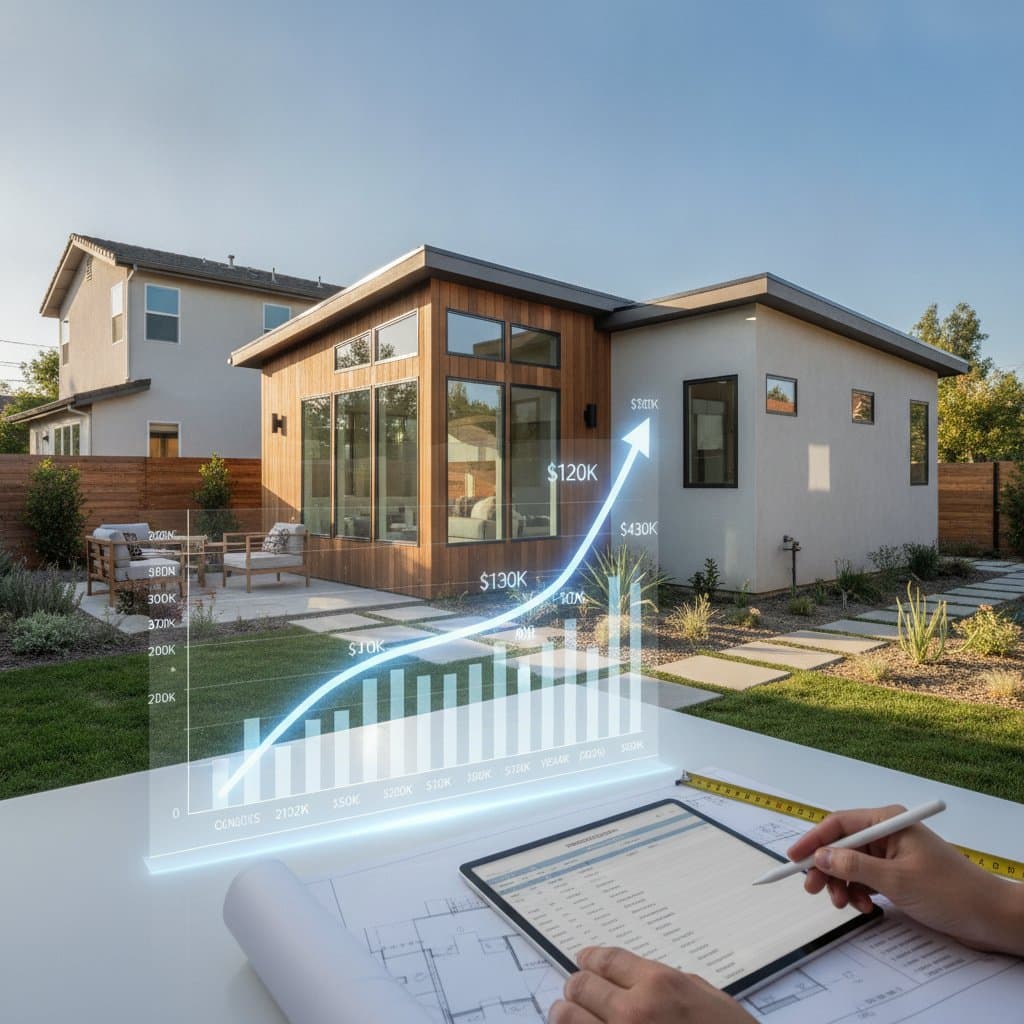
Track expenses with a spreadsheet that includes quotes from multiple vendors. Secure financing options like home equity loans early to lock in rates.
Maximizing Value from Your ADU Investment
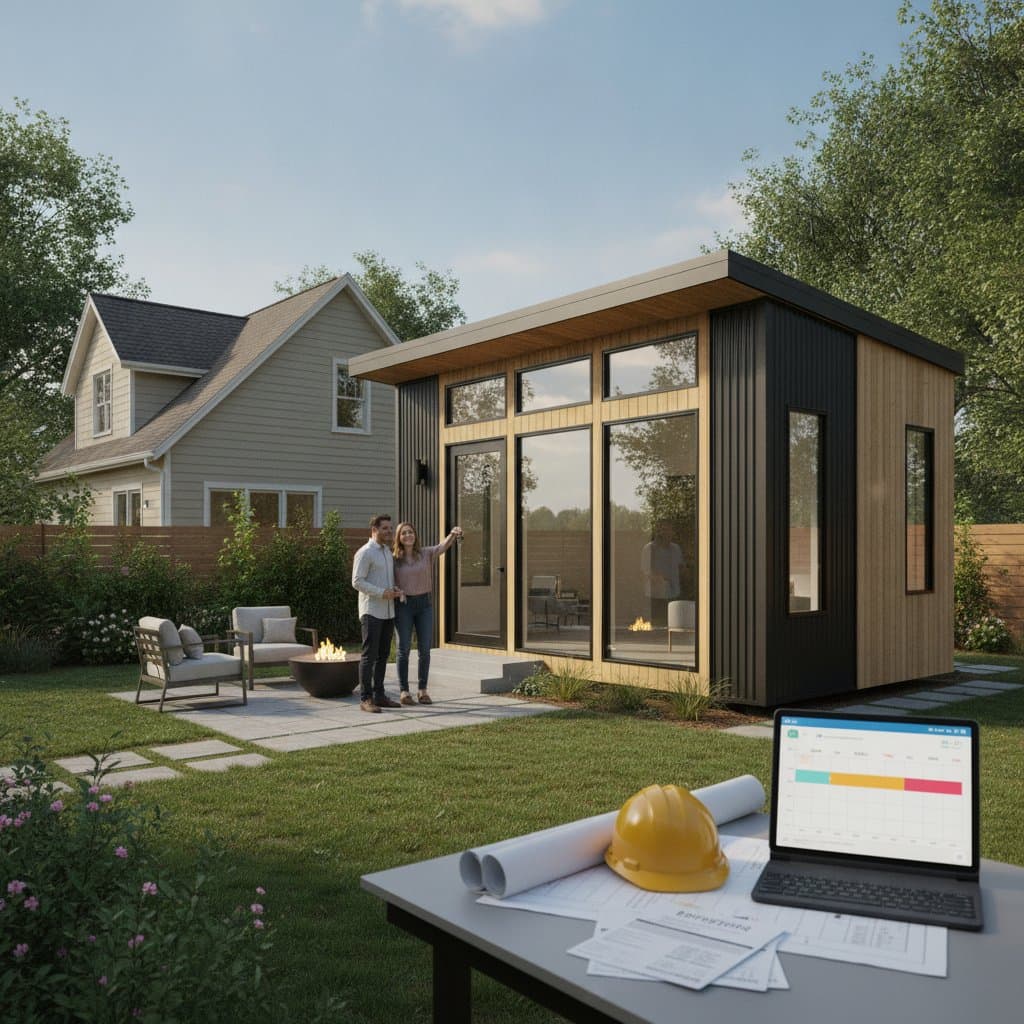
An ADU not only expands your home but also boosts property resale value by 20 to 50 percent. Rental potential in high-demand areas can yield $1,500 to $3,000 monthly income.
Focus on versatile designs that adapt to future needs, such as aging-in-place features. Regular maintenance preserves the unit's appeal and functionality. With thoughtful planning, your ADU becomes a smart, enduring asset.