Prefab ADUs: Reduce Costs and Enhance Returns in 2026
Essential Overview
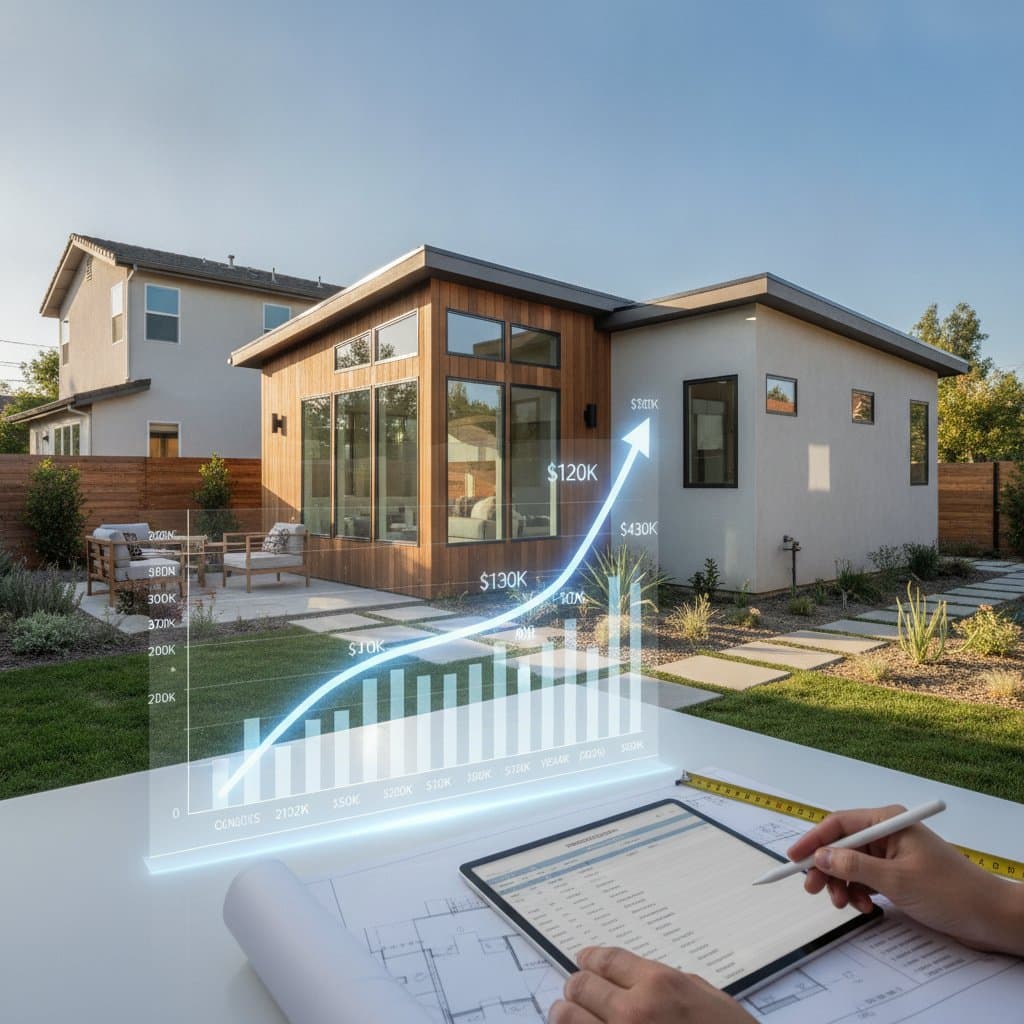
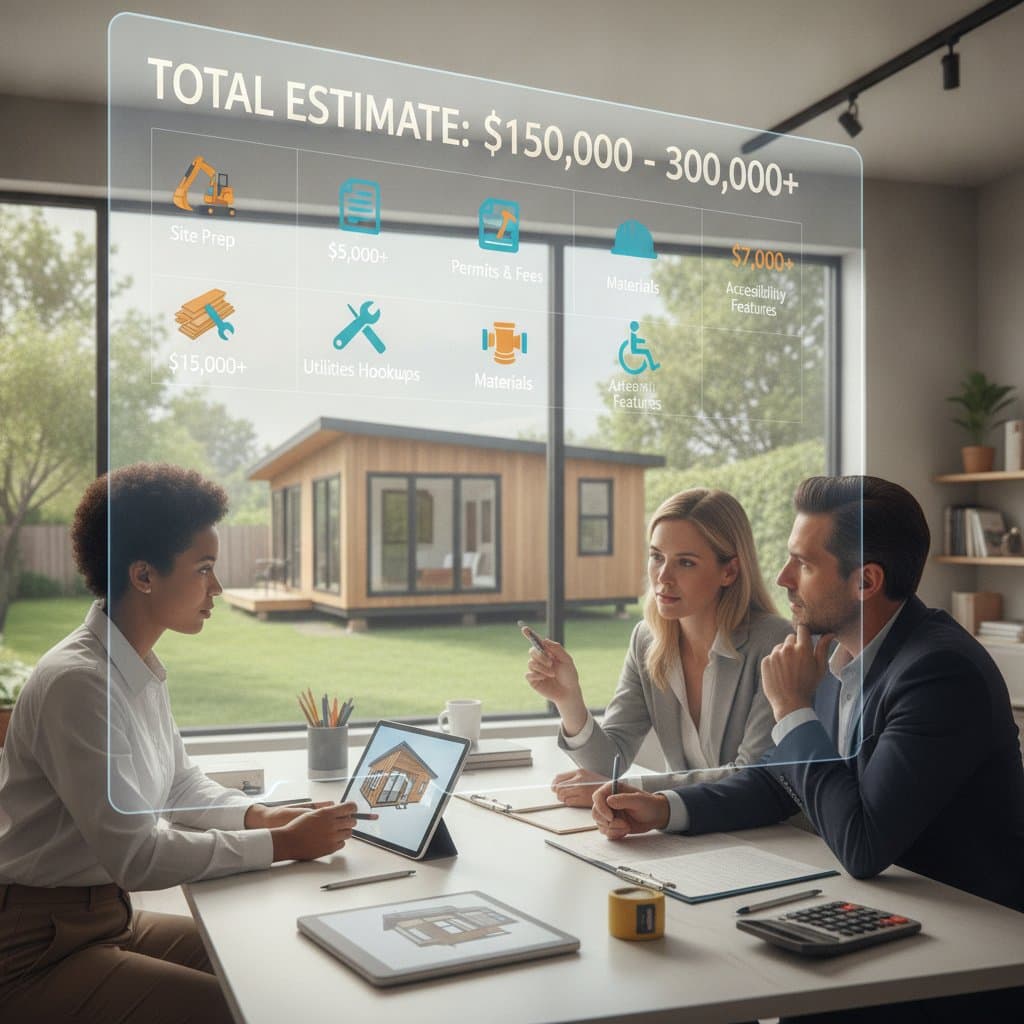
Prefab accessory dwelling units represent factory-constructed compact residences placed on existing properties. Property owners deploy them as rental properties, guest quarters, or dedicated workspaces. These units incur lower expenses compared to traditional on-site constructions and require less time for assembly. Anticipate overall expenses ranging from $120,000 to $220,000, influenced by dimensions and interior quality. Projects typically span six to twelve weeks following permit approval. Planning and site preparation demand moderate effort, while installation remains straightforward. Potential challenges encompass adherence to building codes, integration of utilities, and foundation execution.
Detailed Installation Guide
1. Verify Zoning Regulations and Setback Requirements
Determine if your local zoning permits an accessory dwelling unit on the property. Assess distances from boundaries and primary buildings to comply with setback rules.
Verification Step: Obtain documented zoning approval or official confirmation from municipal authorities.
2. Prepare the Installation Site
Remove plants, refuse, and substantial stones from the designated area. Ensure the ground achieves a level surface suitable for the foundation.
Verification Step: Confirm soil compaction and direct slopes away from structures to facilitate proper drainage.
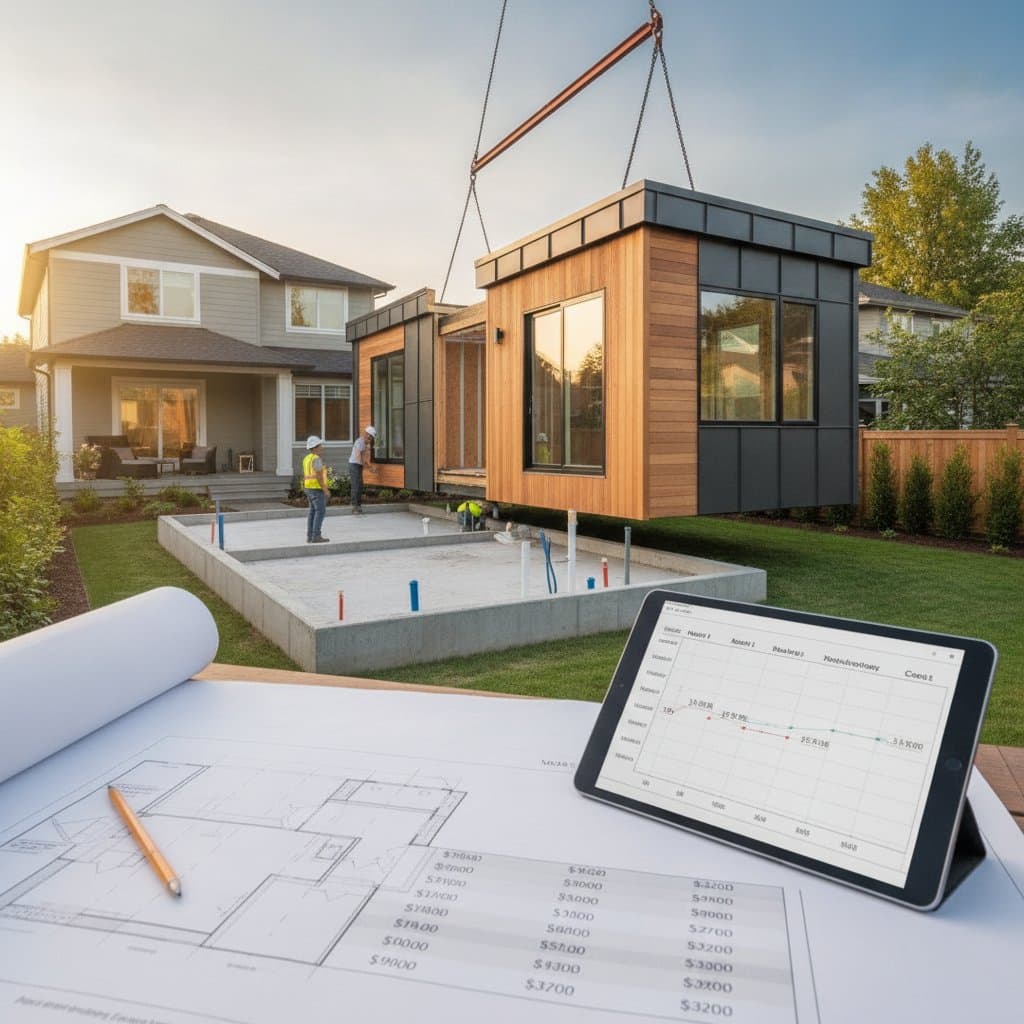
3. Construct or Position the Foundation
Adhere to the prefabricated unit manufacturer's specified foundation blueprint. Common options include concrete slabs, pier foundations, or continuous footings.
- Ensure compliance with regional frost line depths and seismic standards.
- Arrange necessary inspections prior to concrete placement.
Verification Step: Match foundation measurements precisely to the unit's base specifications.
4. Arrange Utility Infrastructure
Excavate pathways for water supply, sewage, electricity, and broadband connections. Clearly designate each excavation path.
Caution: Refrain from excavation until professionals locate and mark all subsurface utilities.
Verification Step: Align conduits and pipelines to required depths, securing inspections prior to backfilling.
5. Receive and Examine the Prefabricated Modules
Upon arrival, scrutinize each component for structural integrity. Consult the manufacturer's provided inspection protocol.
Verification Step: Account for all wall sections, roofing elements, and attachment hardware, confirming absence of defects.
6. Position the Modules Securely
Engage a certified crane specialist or rigging team to lower modules onto the foundation.
- Fasten components per the manufacturer's guidelines.
- Confirm level alignment at all corners prior to securing joints.
Verification Step: Ensure modules form perfect squares and that entryways function without obstruction.
7. Integrate Utility Services
Employ qualified professionals for every connection task.
- An electrician links the power supply to the primary distribution panel.
- A plumber attaches lines for water, drainage, and natural gas where relevant.
Verification Step: Validate that all systems clear inspections and operate as intended.
8. Complete Exterior Integrations
Apply certified flashing and durable sealant to joints between modules. Affix decorative trim and exterior cladding.
Verification Step: Eliminate visible separations and coordinate siding aesthetics with the primary residence if preferred.
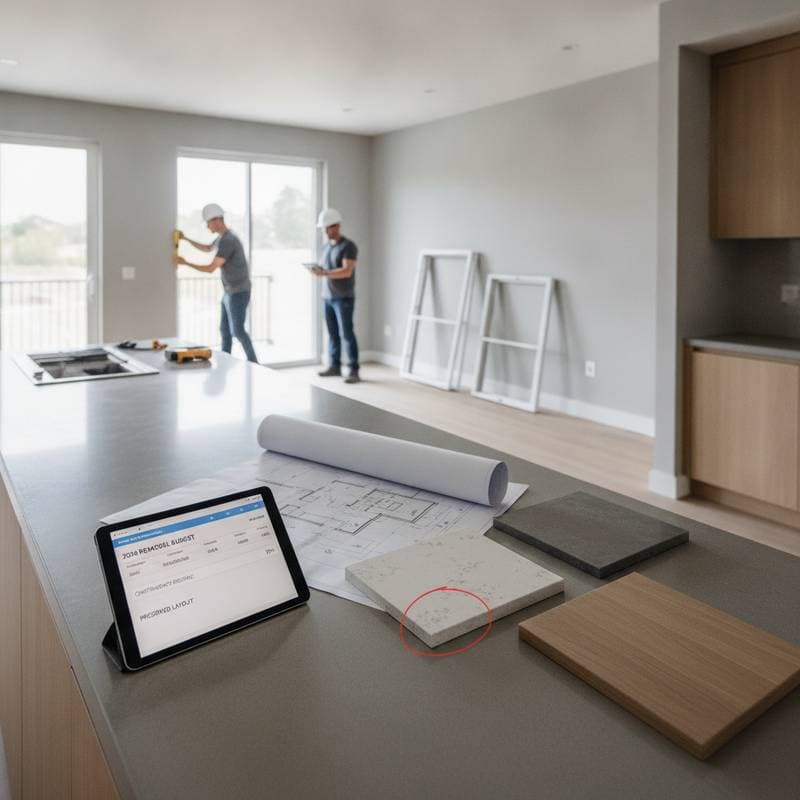
9. Apply Interior Completions
Secure flooring elements, install door hardware, and attach plumbing and electrical fixtures.
Verification Step: Inspect surfaces for evenness and test fixtures for reliable operation.
Inspection Protocols and Issue Resolution
Frequent Challenges
- Misaligned Doors or Windows: Insert shims to correct frames displaced during positioning.
- Water Accumulation Around Base: Incorporate additional earth and adjust grading to promote runoff.
- Intermittent Electrical Output: Evaluate circuit breaker capacity or summon a certified electrician.
Operational Verifications
- Examine every electrical receptacle and illumination source.
- Activate water taps and monitor for any seepage.
- Assess heating, ventilation, and air conditioning systems for quiet performance and consistent temperature control.
Ongoing Maintenance and Durability
Conduct thorough inspections of the prefab ADU biannually. Clear debris from gutters and downspouts. Examine sealant applications and apply fresh material to any fissures. Perform annual cleaning of exterior surfaces. Exchange air filters in climate control units quarterly. Regular upkeep enables these structures to endure comparably to conventional residences.
Indicators Requiring Intervention
- Fissures appearing at module interfaces
- Ongoing moisture beneath the structure
- Doors that bind or expanding separations in frames
Promptly resolve these concerns to safeguard integrity and preserve market value.
Professional Assistance Thresholds
Summon a licensed contractor for any noticeable structural movement, roofing breaches, or foundation fissures exceeding one-quarter inch in width. Repair expenditures may range from $2,000 to $8,000 based on complexity. For enhancements to systems or efficiency improvements, select accredited specialists. Request written proposals, verification of credentials, and evidence of coverage in all cases.
Frequently Asked Questions
Require Prefab ADUs Building Permits?
Permanent installations necessitate building permits in all jurisdictions.
What Is the Typical Installation Duration?
Assembly occurs over one to three days once foundations and utilities stand prepared.
Is Financing Available for Prefab ADUs?
Lenders provide specialized loans or equity-based financing options for such projects.
Will Property Taxes Increase with an ADU?
The additional structure elevates the assessed valuation, though generated revenue frequently compensates.
Can Rental Use Begin Right Away?
Occupancy commences only after successful final review and issuance of an occupancy certificate.
Optimizing Investment Outcomes
Prefab ADUs yield substantial benefits via diminished construction outlays and accelerated timelines. Factory-based assembly minimizes labor demands and material waste, further controlling budgets. Strategically placed units produce reliable rental revenue or elevate property desirability. To maximize returns, select resilient materials, incorporate energy-saving technologies, and align designs harmoniously with the existing home architecture.