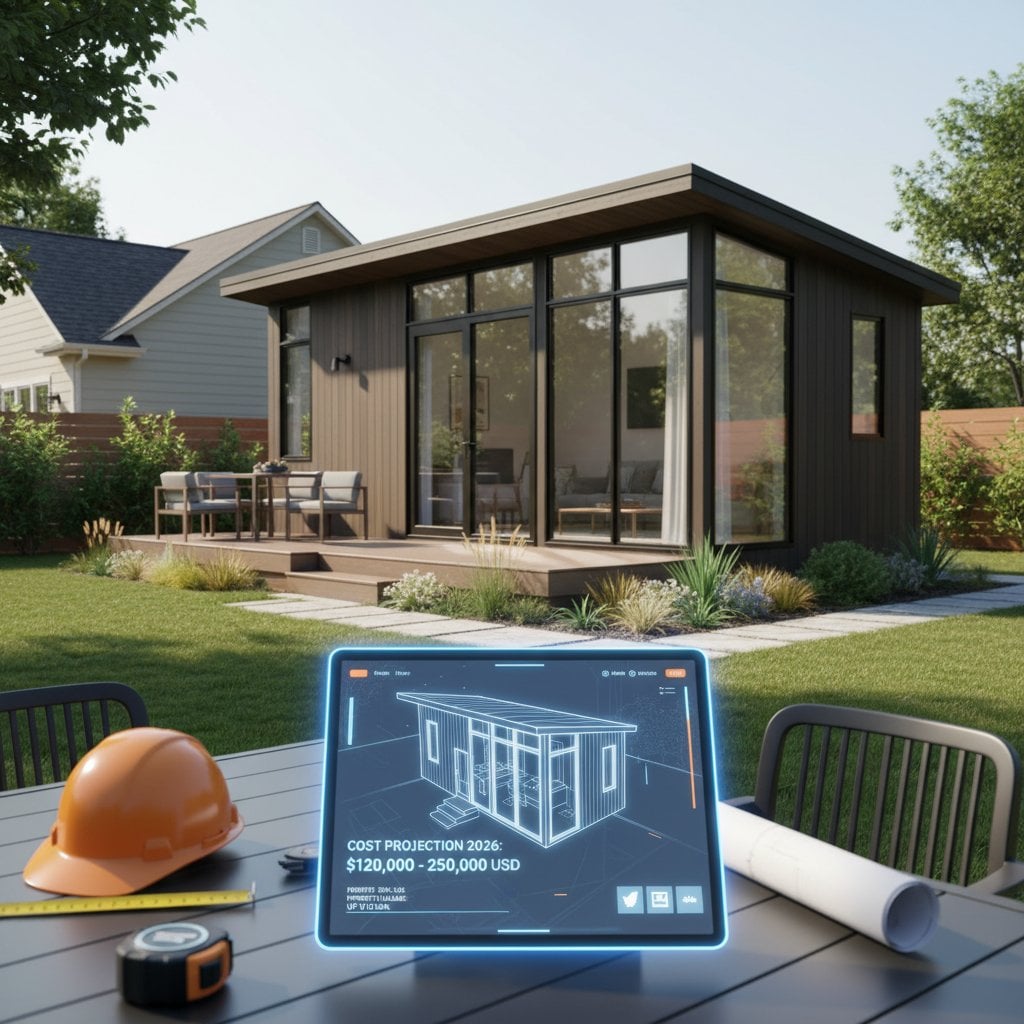
Prefab ADU Costs Drop to $120K to $250K in 2026
Understanding Prefab ADUs
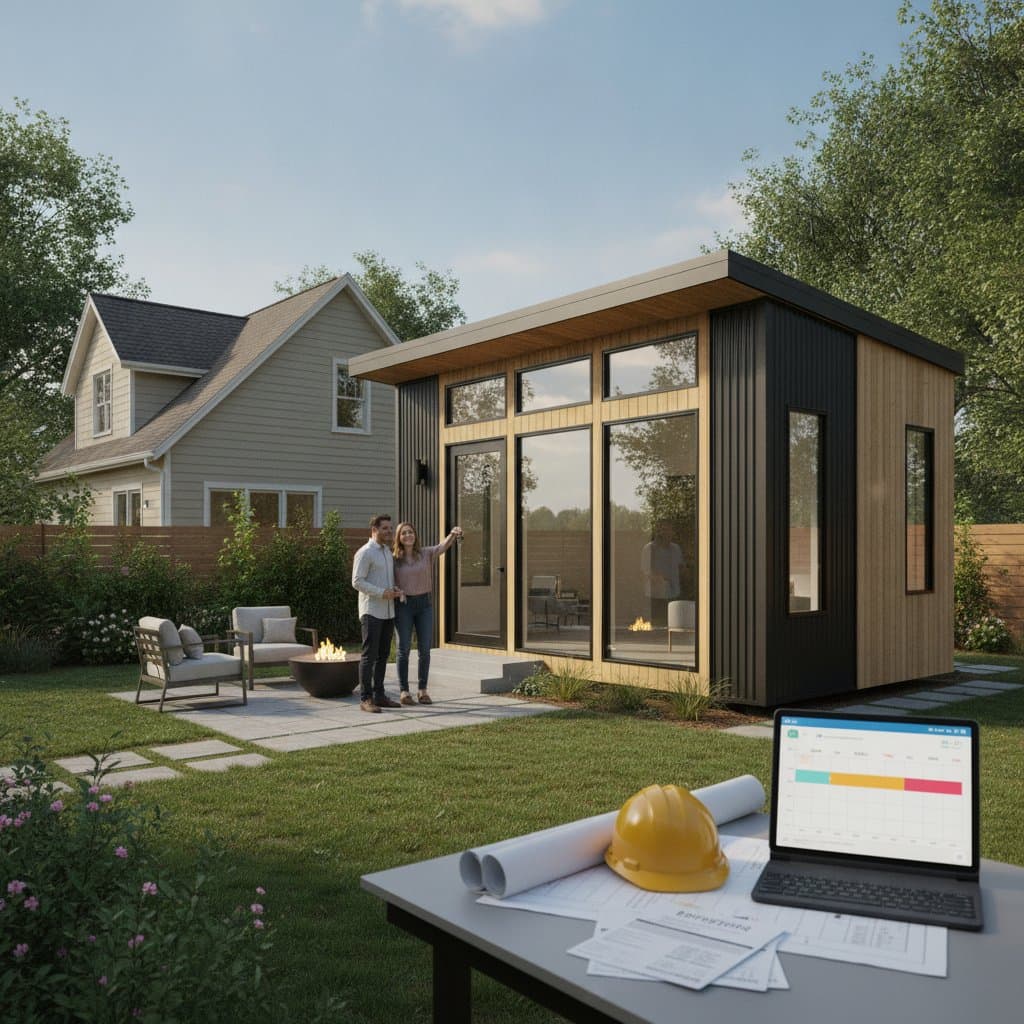
Prefab accessory dwelling units represent a modern approach to expanding living space. These structures arrive pre-assembled from factories, which reduces construction time and minimizes on-site disruption. Homeowners choose prefab ADUs for their efficiency, especially in urban areas where space constraints demand creative solutions.
The appeal lies in customization options that fit various needs, from guest houses to home offices. In 2026, advancements in manufacturing lower entry barriers, making these units accessible to more property owners. This shift promises quicker builds without sacrificing quality or design.
Key Cost Factors in 2026
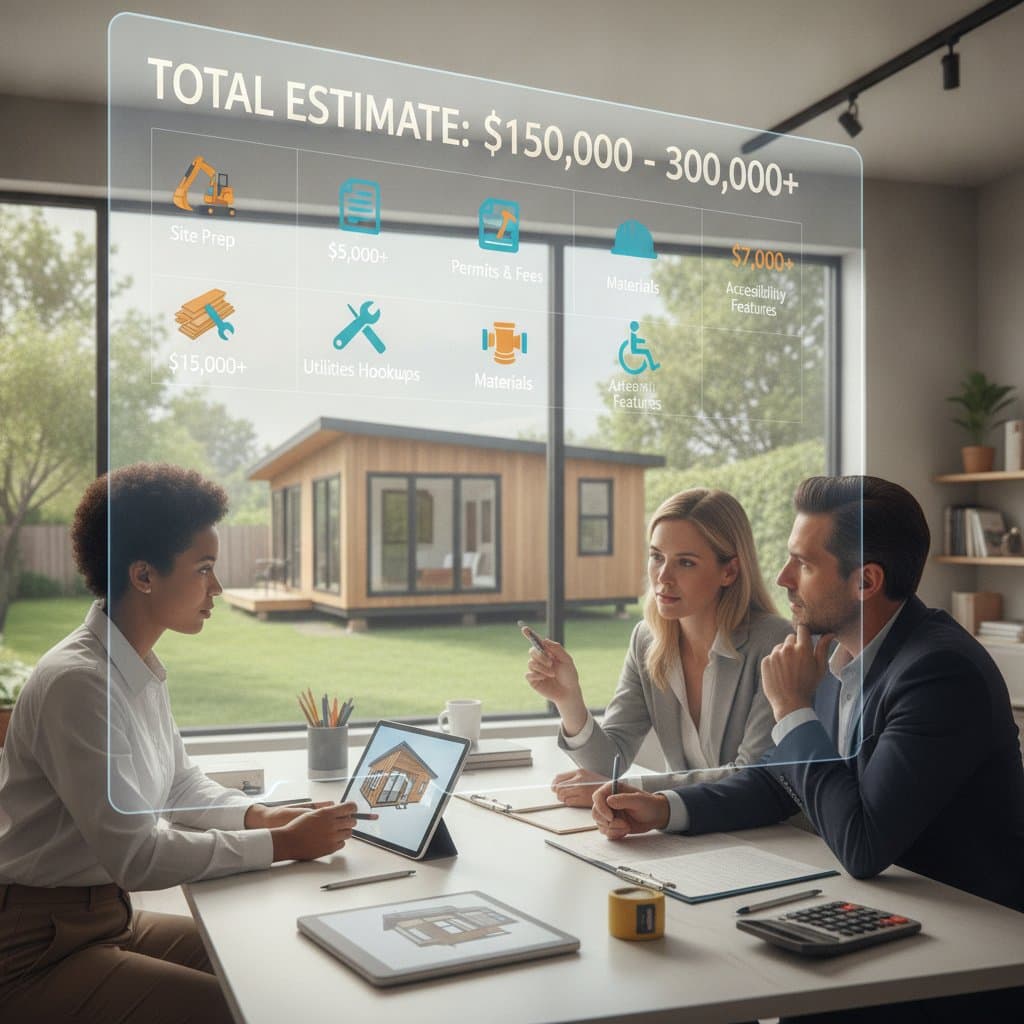
Prefab ADU prices range from $120,000 to $250,000, depending on several variables. Base models start at the lower end for compact units around 400 square feet, while larger or luxury versions push toward the upper limit. Manufacturers streamline production to cut material and labor expenses, contributing to this affordability.
Size plays a central role in pricing. A 500-square-foot unit with basic finishes might cost $150,000, whereas a 1,000-square-foot model with premium features could reach $220,000. Site preparation adds another layer, as uneven terrain or utility connections increase expenses by 10 to 20 percent.
Finishes and appliances influence the total as well. Standard kitchens and bathrooms keep costs down, but upgrades like quartz countertops or energy-efficient systems add $10,000 to $30,000. Location matters too; coastal or seismic zones require reinforced designs that elevate prices.
Breaking Down the Budget
Unit Acquisition and Delivery
The core prefab unit itself accounts for 60 to 70 percent of the budget. In 2026, expect to pay $80,000 to $150,000 for the shell and interior basics. Delivery fees vary by distance, typically $5,000 to $15,000 for cross-country transport.
Foundation and Site Work
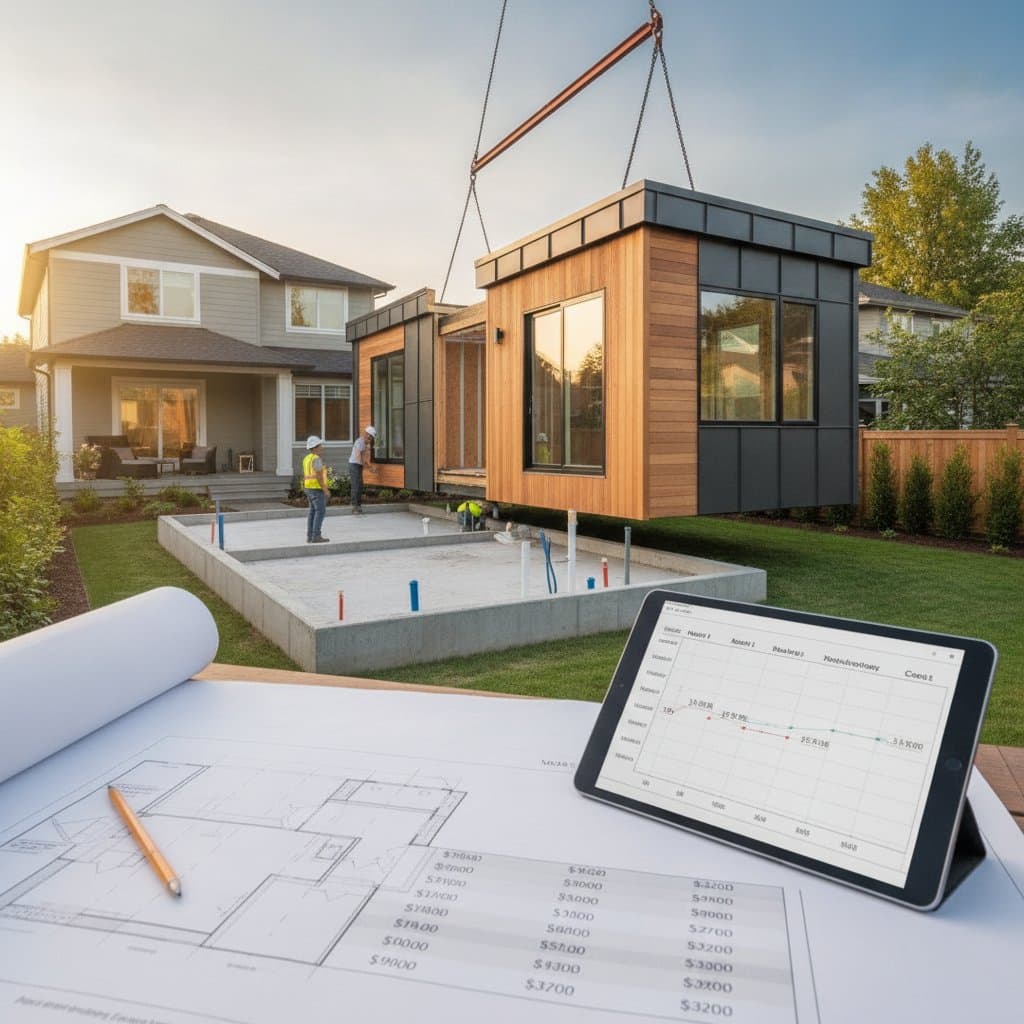
Foundations demand careful planning. A simple concrete slab costs $10,000 to $20,000, suitable for flat lots. More complex setups, such as pier-and-beam for sloped sites, range from $25,000 to $40,000. Utility hookups for water, electricity, and sewage add $8,000 to $15,000.
Permits and Compliance
Permitting fees span $3,000 to $12,000 across jurisdictions. Urban areas impose stricter reviews, while rural spots streamline approvals. Compliance with zoning laws ensures smooth progress; consult local codes early to avoid delays that inflate costs by thousands.
Navigating the Permitting Process
Start by reviewing local regulations. Most municipalities require ADUs to meet setback rules and height limits. Submit plans through online portals or building departments, including site surveys and engineering drawings.
The review timeline lasts 30 to 90 days. Address any feedback promptly to prevent setbacks. Hiring a permit expediter can shorten this phase for $2,000 to $5,000, saving weeks of hassle.
Inspections follow approval. Schedule foundation, framing, and final checks to confirm safety standards. Energy codes often mandate insulation and ventilation upgrades, which prefab designs incorporate seamlessly.
Practical Budgeting Strategies
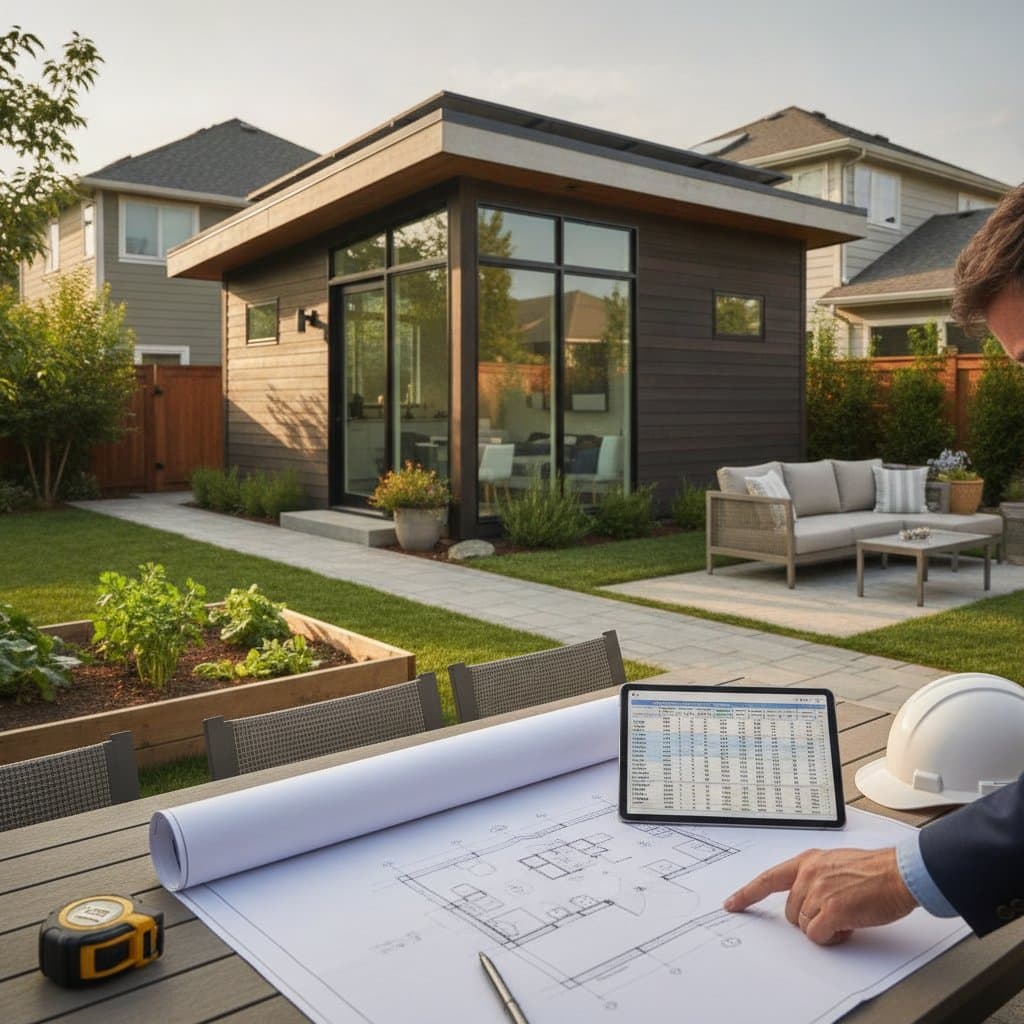
Create a detailed spreadsheet to track expenses. Allocate 10 percent for contingencies, as unexpected site issues arise. Compare quotes from multiple prefab suppliers to secure competitive rates.
Financing options abound. Home equity loans cover 80 to 90 percent of costs at 5 to 7 percent interest. Some states offer grants for energy-efficient builds, reducing out-of-pocket spending by up to $20,000.
Prioritize energy features for long-term savings. Solar panels and high-efficiency HVAC systems lower utility bills by 30 percent annually. These investments pay off within five years through reduced operating costs.
Maximizing Property Value Through Prefab ADUs
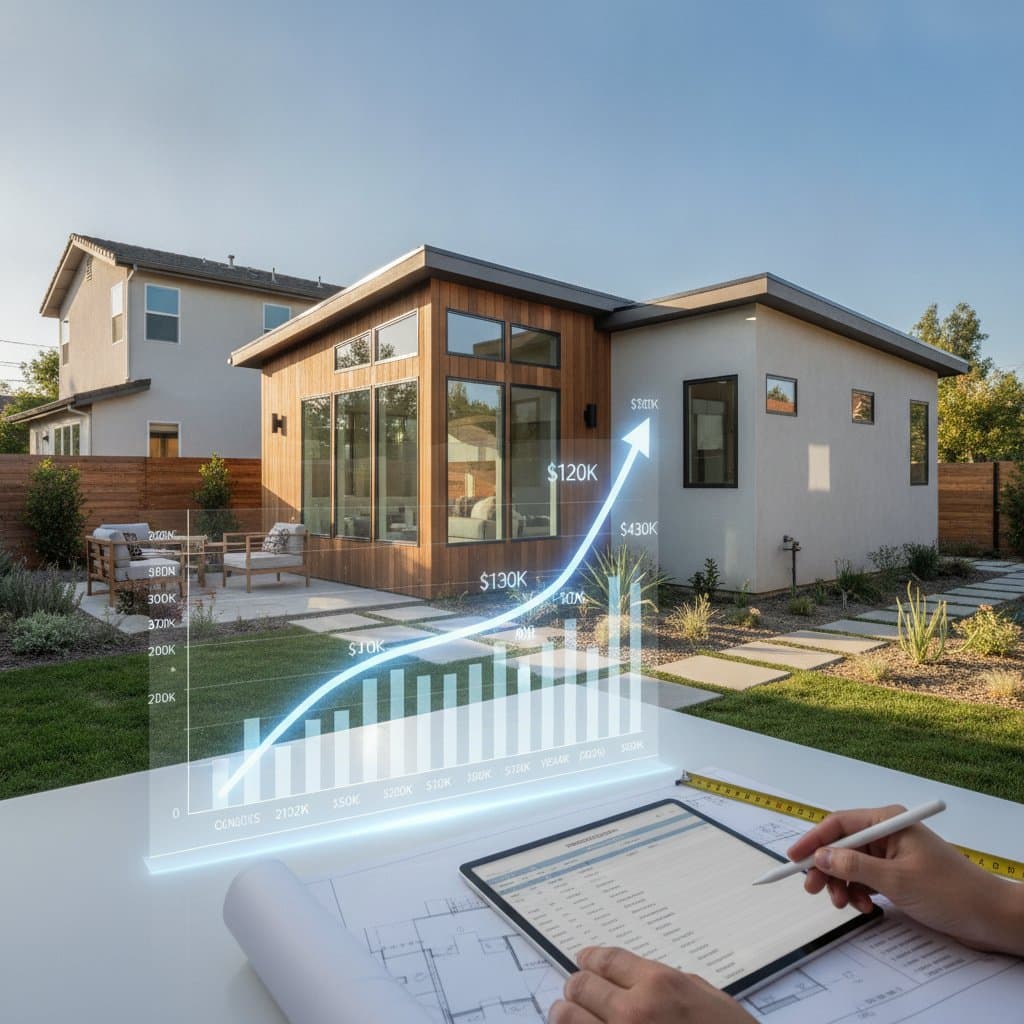
Prefab ADUs enhance real estate appeal. Appraisers value these additions at 70 to 80 percent of construction cost, potentially increasing home worth by $100,000 or more. Rental potential generates $1,500 to $3,000 monthly income, depending on location.
Energy-efficient models attract eco-conscious buyers. Features like LED lighting and smart thermostats align with green building trends. Proper integration with the main property boosts curb appeal and functionality.
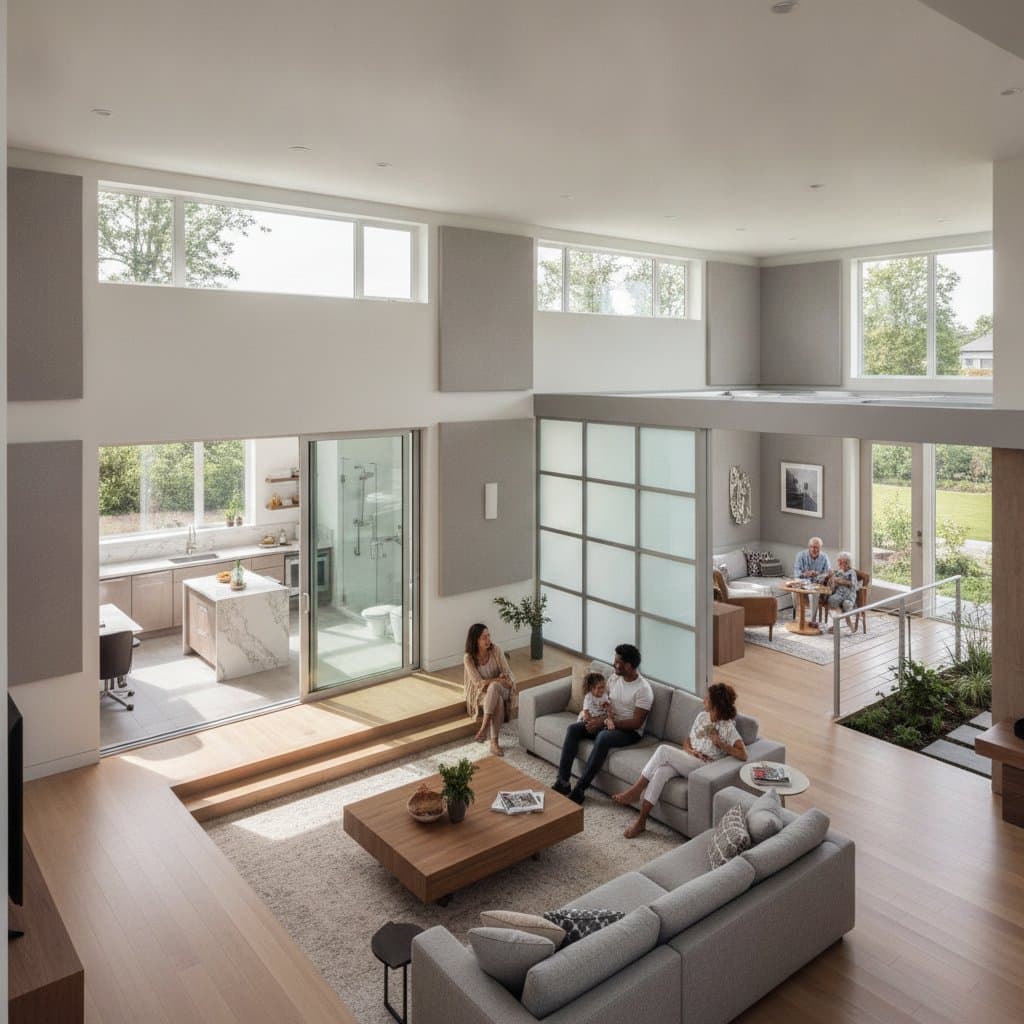
Long-term returns stem from versatility. Use the ADU as an in-law suite, rental, or workspace. With rising housing demands, these units future-proof investments against market shifts.
Steps to Launch Your Prefab ADU Project
Assess your property first. Measure available space and evaluate utility access. Engage an architect or designer to tailor the prefab to your vision.
Select a reputable manufacturer next. Review portfolios and warranties, aiming for units certified by industry standards. Secure financing and permits in parallel to maintain momentum.
Oversee installation with a general contractor. Prefab assembly takes one to two weeks, followed by finishing touches. Final walkthrough ensures everything meets expectations.
Investing in a prefab ADU delivers immediate space and enduring financial benefits. Strategic planning turns this addition into a cornerstone of property enhancement.