Introduction to Mass Timber in Modern Construction
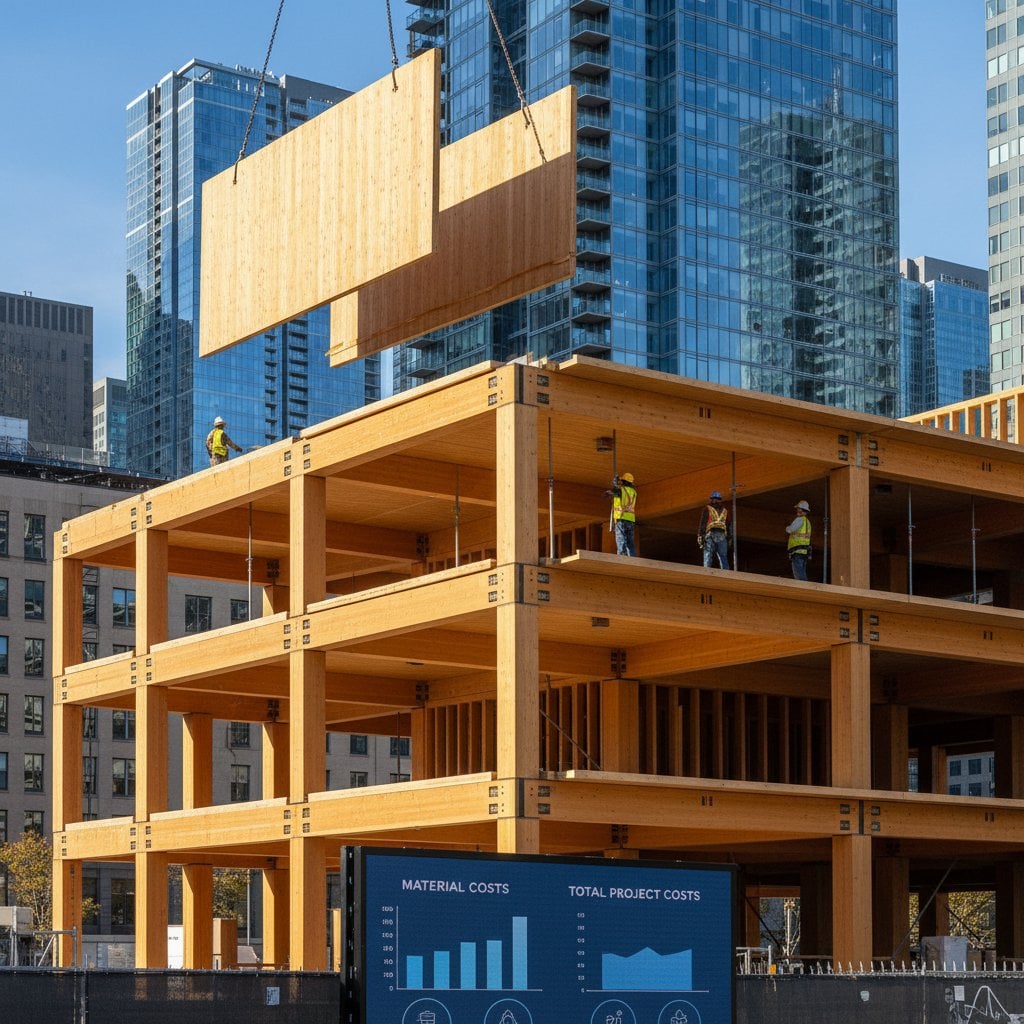
Mass timber represents a innovative approach to building that utilizes large, engineered wood panels such as cross-laminated timber (CLT) and glued-laminated timber (glulam). These materials enable the creation of sturdy, multi-story structures that challenge traditional options like steel and concrete. Developers increasingly turn to mass timber for projects that demand both efficiency and environmental responsibility.
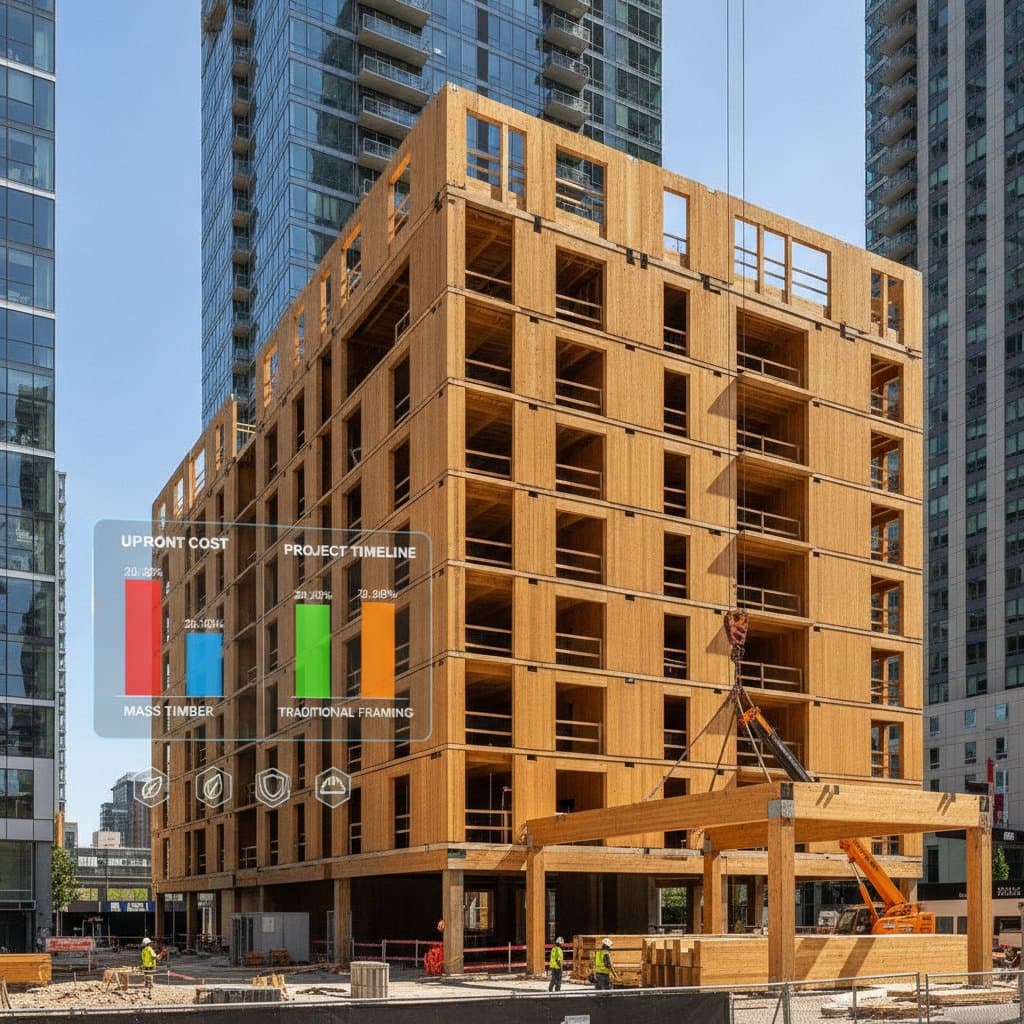
The appeal lies in its ability to balance upfront costs with long-term advantages. While initial material prices may vary, the overall economics often favor mass timber due to streamlined processes. This article examines how mass timber aligns with steel in cost while surpassing it in speed and sustainability.
Understanding Mass Timber Fundamentals
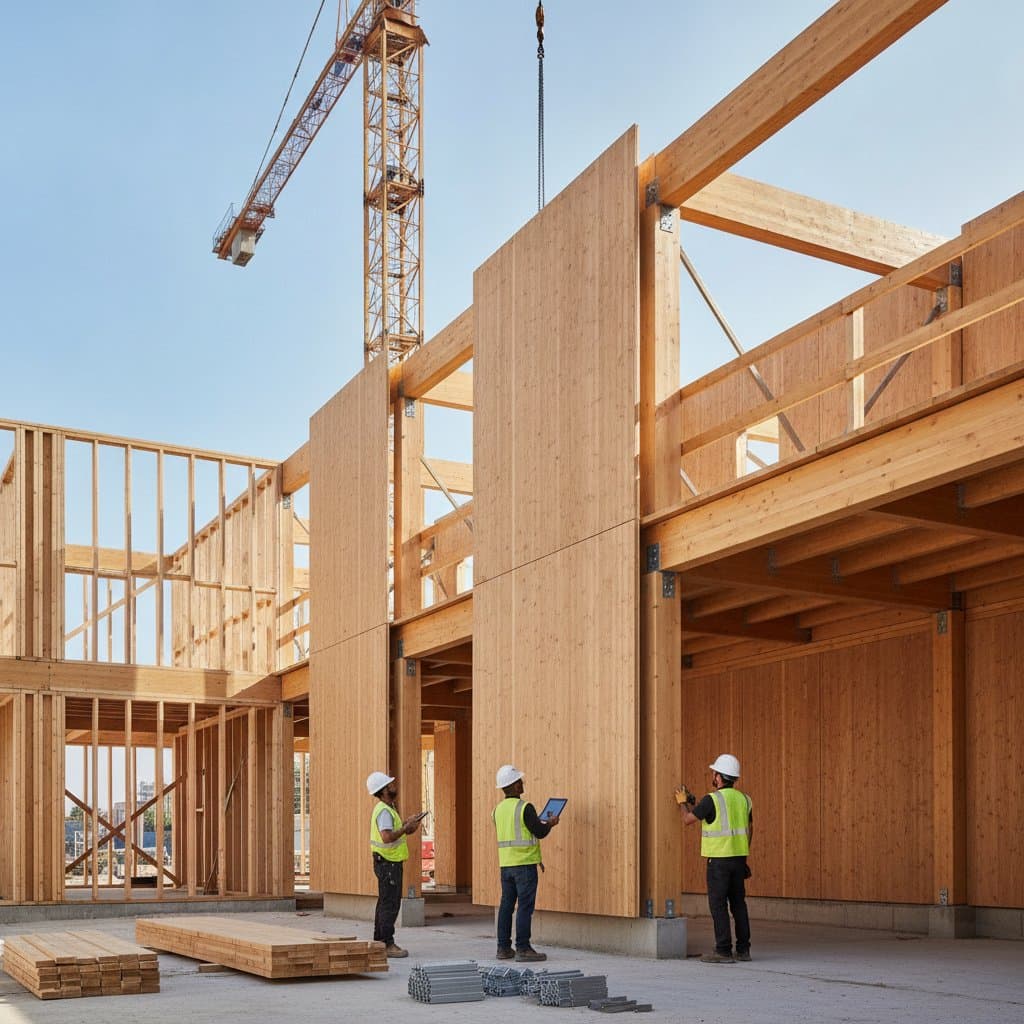
Mass timber consists of layers of lumber bonded under pressure to form strong, stable components. Unlike conventional wood framing, these prefabricated elements arrive on-site ready for assembly, much like steel beams. This prefabrication reduces on-site complexity and accelerates timelines.
Key types include CLT for walls and floors, and glulam for beams and columns. These products meet rigorous building codes, including fire resistance standards through charring mechanisms that protect inner layers. Architects appreciate the material's versatility, allowing for open spans and aesthetic warmth in designs.
Sourcing from sustainably managed forests ensures renewability, setting mass timber apart from resource-intensive alternatives. Certification bodies verify these practices, providing assurance for eco-conscious projects.
Cost Comparison: Mass Timber Versus Steel and Concrete
At first glance, steel holds a reputation for cost-effectiveness in high-rise construction, with prices fluctuating based on market conditions. Concrete offers durability at a seemingly low initial outlay but requires extensive formwork and curing time. Mass timber enters this landscape at approximately $290 per square foot for mid-rise buildings, positioning it competitively.
Direct material costs for mass timber can match or undercut steel when economies of scale apply, particularly for volumes over 100,000 square feet. Labor expenses drop significantly because assembly resembles puzzle pieces rather than welding or pouring. Hidden savings emerge in reduced foundation needs, as wood's lighter weight lessens structural demands.
Over the project lifecycle, mass timber delivers further value through energy-efficient insulation properties. These attributes lower operational costs, enhancing return on investment compared to steel's thermal bridging issues or concrete's higher embodied energy.
Breaking Down Per-Square-Foot Economics
- Material Acquisition: Mass timber sourcing benefits from regional mills, minimizing transportation fees that inflate steel imports.
- Installation Labor: Teams complete framing 30 to 50 percent faster with mass timber, cutting payroll by weeks.
- Ancillary Expenses: Fewer cranes and less waste mean ancillary costs align closely with steel, often below concrete levels.
These factors combine to make total costs comparable, with mass timber edging ahead in balanced budgets.
Speed Advantages in Construction Timelines
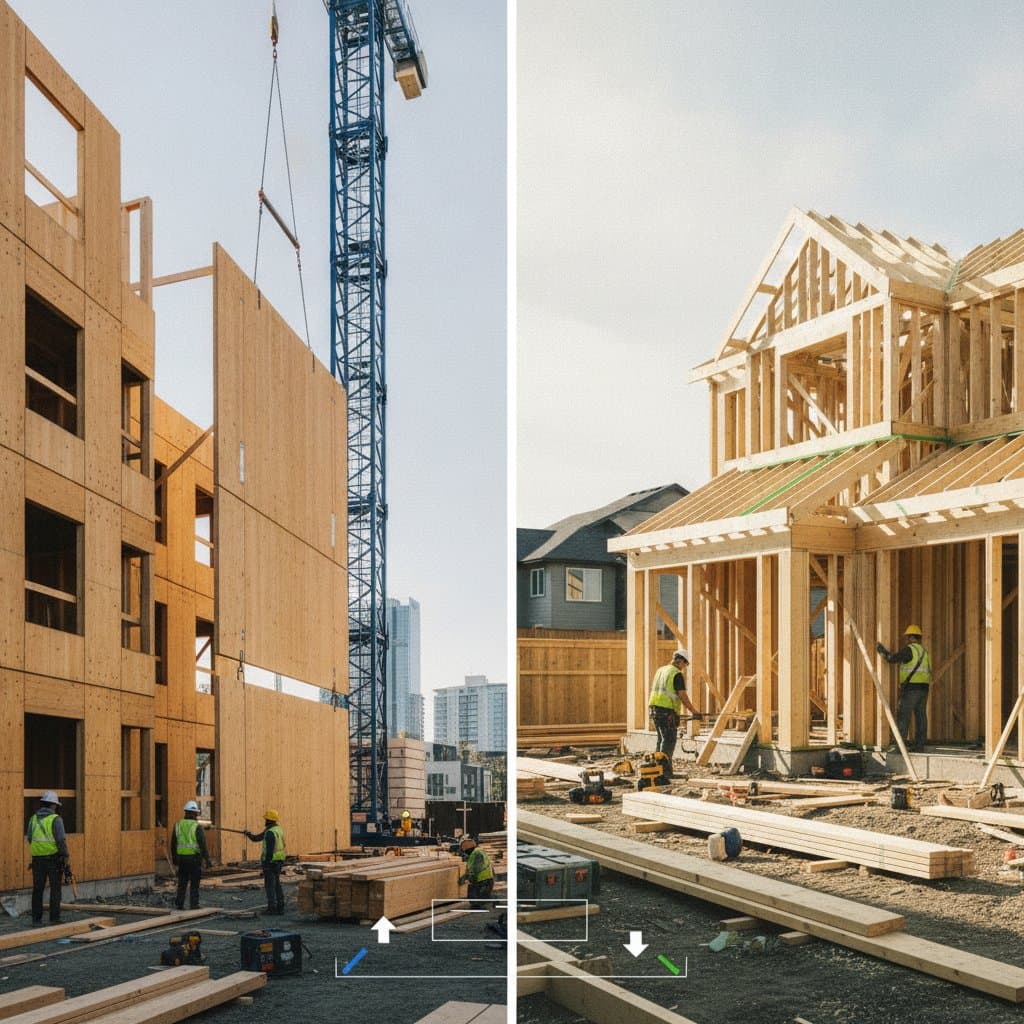
Steel construction demands precise welding and bolting, which weather delays can extend. Concrete pours require sequential stages, tying up schedules for days or weeks per level. Mass timber flips this script by enabling parallel workflows: prefabrication occurs off-site while site preparation advances.
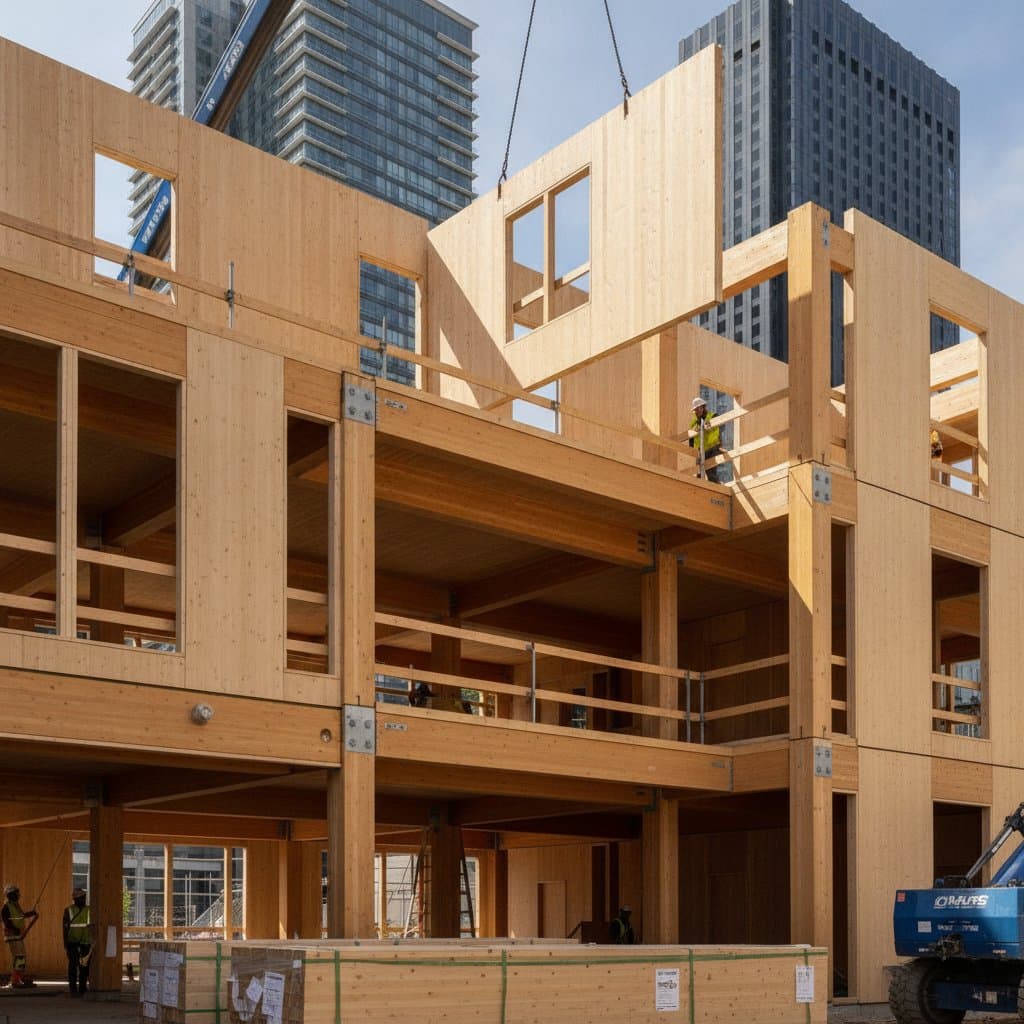
Installation rates reach up to four stories per week in optimal conditions, outpacing steel's two to three. This velocity stems from simple mechanical connections, like screws and brackets, that avoid specialized trades. Projects in urban settings benefit most, as quicker erection minimizes disruptions to surrounding areas.
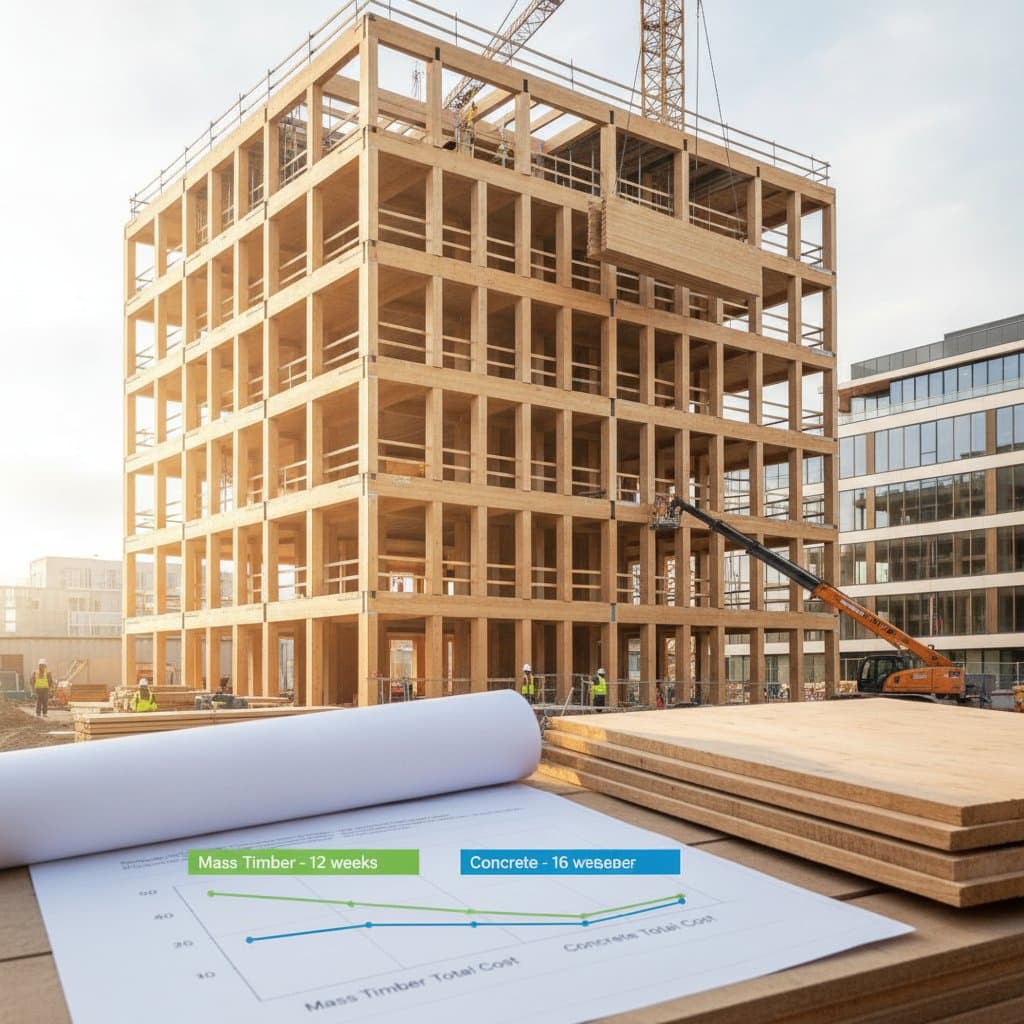
Real-world examples demonstrate these gains. A six-story office building in Portland completed framing in 10 weeks using mass timber, versus an estimated 16 for steel. Such efficiencies translate to earlier occupancy and revenue generation for owners.
Sustainability Edge Over Traditional Materials
Steel production relies on energy-intensive smelting, contributing substantial carbon emissions. Concrete's cement manufacturing exacerbates this, accounting for eight percent of global CO2 output. Mass timber sequesters carbon during growth, with each cubic meter storing about one ton of CO2.
Life-cycle assessments reveal mass timber's lower environmental footprint. From harvest to demolition, it demands less energy and generates recyclable waste. Developers pursuing LEED certification find mass timber aligns seamlessly with green building credits.
Beyond emissions, the material supports biodiversity through responsible forestry. It also enhances indoor air quality with natural VOC emissions far below synthetic alternatives.
Quantifying Environmental Impacts
- Carbon Footprint: Mass timber reduces embodied carbon by 45 percent compared to steel in equivalent structures.
- Resource Use: Renewable sourcing contrasts with steel's finite ore dependencies.
- End-of-Life: Wood components repurpose easily, unlike landfill-bound concrete debris.
These metrics appeal to stakeholders prioritizing planetary health alongside profitability.
Strategies for Maximizing Mass Timber Value
To harness mass timber's advantages, developers must integrate it from the conceptual phase. Collaborate with architects experienced in wood design to optimize structural layouts. This early involvement prevents costly redesigns and unlocks creative possibilities.
Partner with local suppliers and contractors familiar with mass timber logistics. Regional expertise ensures compliance with codes and access to skilled labor pools. Conduct value engineering sessions to identify synergies, such as combining mass timber with hybrid elements for taller builds.
Efficient planning tools, like BIM software, streamline coordination. Model the entire assembly to anticipate clashes and refine sequences. Budget for training if teams lack experience, as the learning curve proves short with proper guidance.
Unlocking Long-Term Project Returns
Mass timber not only matches steel costs but elevates project outcomes through holistic savings. Faster timelines reduce financing interest and accelerate cash flow. Sustainability features attract tenants willing to pay premiums for green spaces.
Investors see enhanced asset values in markets valuing resilience and low maintenance. The material's seismic performance and fire safety further bolster insurance and resale prospects. For developers, adopting mass timber signals forward-thinking leadership in an evolving industry.
In summary, the convergence of cost parity, speed, and eco-benefits positions mass timber as a strategic choice. Projects that embrace this material achieve superior economics and lasting impact.