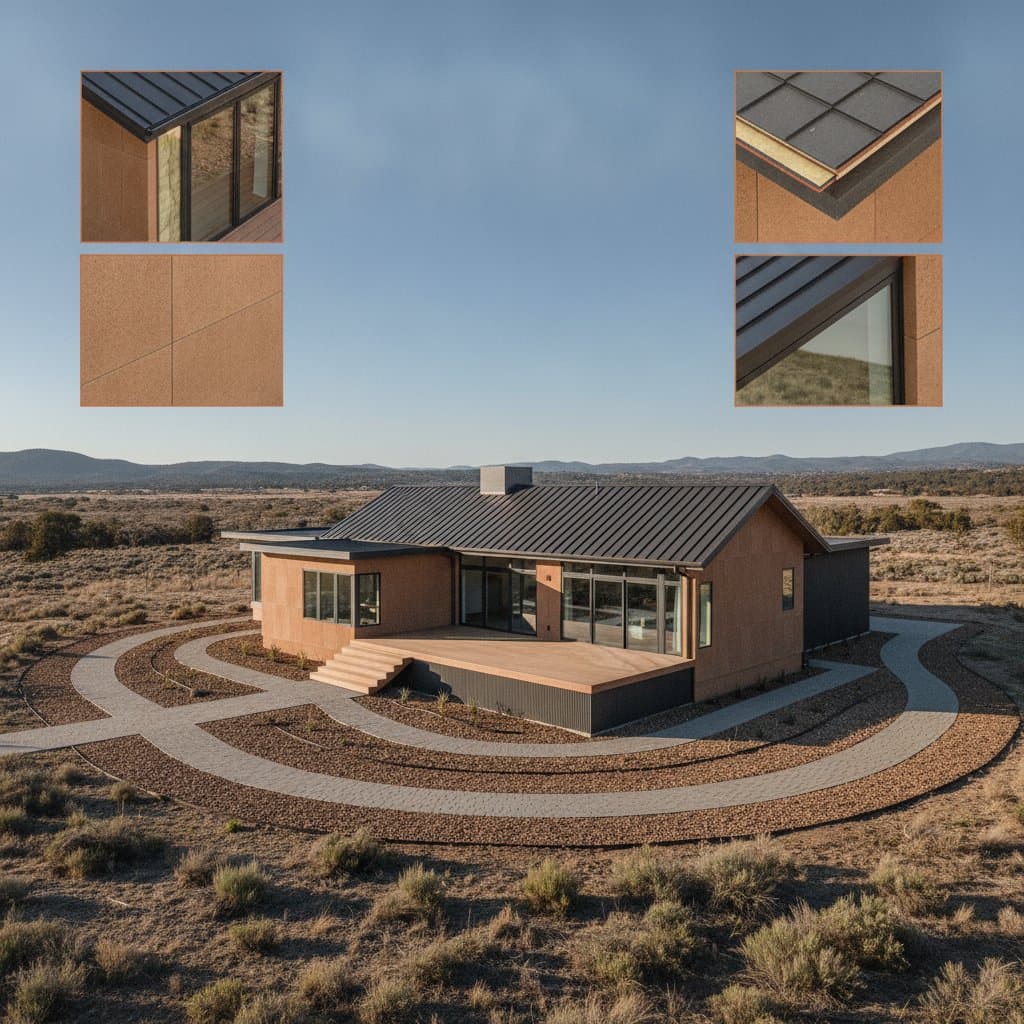
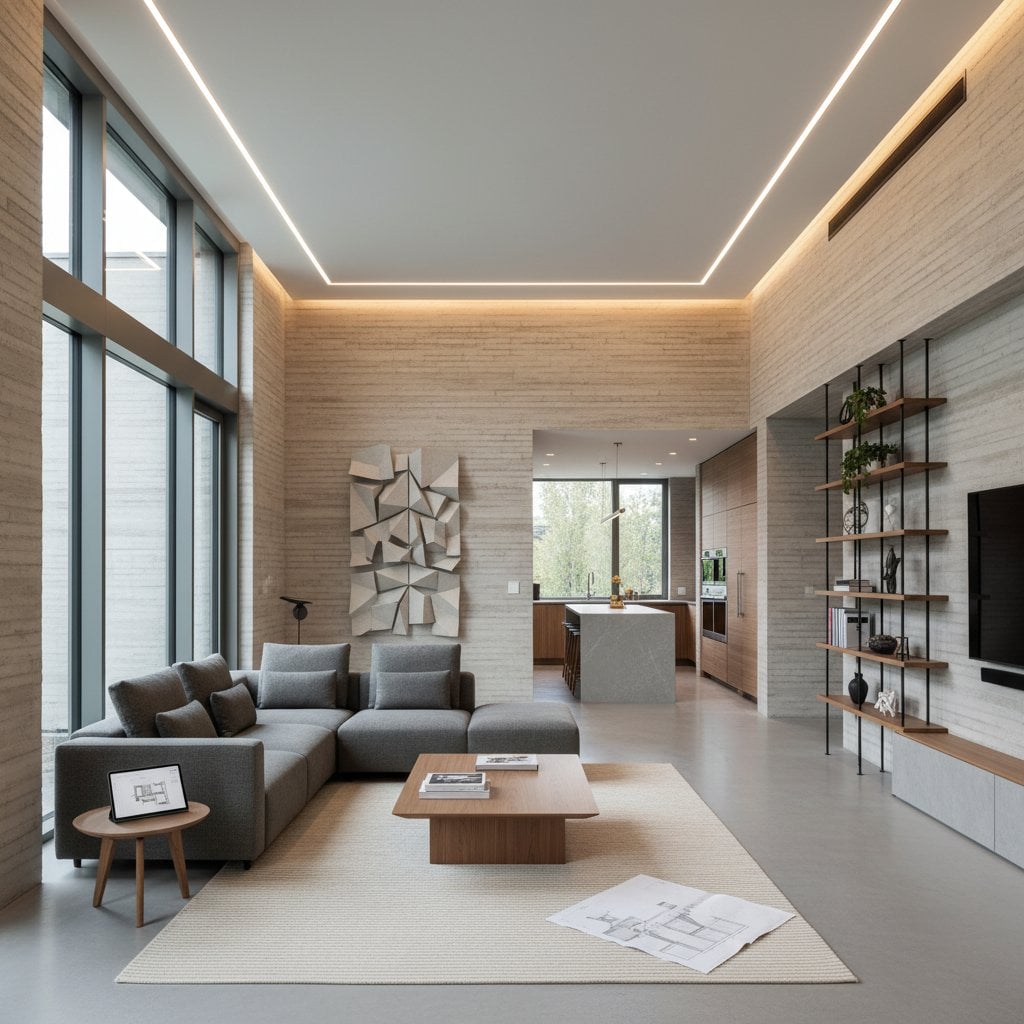
The Real Costs of Building a 3D-Printed Home
Quick Overview
A 3D-printed home employs automated construction equipment to deposit concrete or composite materials in successive layers, creating walls and structural components. This method reduces labor expenses and accelerates the building process. For typical projects, expenses range from $150 to $350 per square foot. A modest single-story residence may finish in four to eight weeks, contingent on the design and permitting timeline. The endeavor demands advanced expertise, encompassing mechanical integration, electrical systems, and adherence to building codes. Engage a licensed contractor or engineer to manage the printing phase, foundation work, and utility installations.
Step-by-Step Guide to Construction
1. Evaluate Site Conditions
Examine soil stability, drainage patterns, and access routes for heavy machinery. The printing equipment requires a firm, even base to function effectively.
Verification Step: Confirm the site can bear the printer's weight and provides unobstructed access around the planned structure.
2. Design and Structural Planning
Collaborate with a licensed architect or engineer versed in additive manufacturing techniques. The blueprint should specify wall thicknesses, reinforcement locations, and connection points for plumbing, electrical, and HVAC systems.
Verification Step: Ensure printed components satisfy local standards for structural loads and seismic resilience.
3. Secure Permits and Approvals
Present detailed plans to the municipal building authority, incorporating material analyses, equipment specifications, and engineering validations.
Verification Step: Withhold all construction activities until authorities grant full approval.
4. Prepare the Foundation
Dig, form, and pour the concrete foundation in line with engineering directives. The printer aligns to this slab for precise positioning.
Verification Step: Measure levelness to within 1/8 inch over the entire print zone to avoid distortions.
5. Set Up the Printer
Place the printer on the marked footprint per the design coordinates. Adjust guide rails, sensors, and extrusion nozzles for optimal performance. Trained personnel alone should handle setup and calibration.
Verification Step: Conduct a trial run without material to assess motion precision and extrusion consistency.
6. Mix and Load Printing Material
Blend the certified mixture to exact proportions. The slurry needs sufficient viscosity to maintain layer integrity without deformation.
Warning: Refrain from modifying ratios absent engineer consent, as this compromises overall integrity.
Verification Step: Deposit an initial layer to observe form retention and seamless adhesion.
7. Begin Printing the Walls
Initiate the automated sequence, where the machine extrudes material incrementally. Operators monitor for blockages, flow irregularities, or positional errors in real time.
Verification Step: Gauge wall elevation and layer dimensions at regular intervals to uphold design fidelity.
8. Integrate Reinforcement and Utilities
Interrupt the print cycle at designated points to insert steel rebar, wire mesh, or protective conduits.
Electrical Hazard: Install only empty conduits during this phase; avoid energized components.
Verification Step: Align the printer meticulously upon restart to eliminate bonding discontinuities.
9. Cure and Inspect Printed Structure
Permit the walls to harden per manufacturer protocols, typically involving controlled environmental conditions. Examine for fissures, gaps, or inconsistencies.
Verification Step: Test surface compressive strength to verify it aligns with specified thresholds prior to further assembly.
10. Install Roof and Finishes
Secure the roofing system, along with windows, doors, and thermal barriers. Apply interior treatments such as drywall, coatings, or veneers.
Verification Step: Align all penetrations precisely with the printed framework to prevent leaks or misfits.
Quality Assurance and Troubleshooting
Frequent Challenges:
- Irregular Layers: Stem from improper slurry viscosity or nozzle misalignment. Realign the equipment and fine-tune extrusion speeds.
- Fissures or Gaps: Arise from inadequate interlayer adhesion. Monitor ambient temperature and hydration levels closely.
- Offset Walls: Result from mechanical drift or base settling. Recalibrate systems and recheck foundation stability.
- Textured Surfaces: Address through manual smoothing or abrasive finishing post-curing.
Remediation Strategies:
- Seal minor imperfections with engineer-approved repair mortars.
- Abrade protrusions to achieve even profiles before cladding.
- Coat exteriors with weather-resistant barriers to mitigate water penetration.
Engaging Professional Expertise
Certain project elements necessitate certified specialists:
- Electrical Systems: Licensed electricians oversee wiring, panels, and compliance testing.
- Plumbing Infrastructure: Qualified plumbers manage pipework, fixtures, and pressure assessments.
- Structural Validation: Engineers review and endorse reinforcement strategies and load calculations.
- Printer Management: Manufacturer-certified operators control setup, execution, and upkeep.
Estimated specialist fees include:
- Design and engineering consultations: $10 to $30 per square foot
- Electrical and plumbing integrations: $20 to $60 per square foot in total
- Printing execution and raw materials: $100 to $200 per square foot
- Roofing, finishes, and ancillary systems: $50 to $100 per square foot
Regional factors and project intricacy influence these ranges. Obtain itemized quotes and validate credentials, including bonds and liability coverage.
Strategies for Optimal Results
- Pre-Print Meticulousness: Map every utility route, aperture, and contour in advance. Mid-process alterations inflate expenses significantly.
- Environmental Regulation: Sustain steady moisture and thermal conditions during hardening to bolster interlayer cohesion.
- Prototype Testing: Fabricate trial segments to validate material performance and aesthetic outcomes.
- Record Maintenance: Archive batch compositions, operational parameters, and quality assessments digitally.
- Equipment Safeguarding: Erect enclosures to shield mechanisms from contaminants and environmental hazards.
Achieving a Durable 3D-Printed Residence
Constructing with 3D printing demands synchronized efforts, exacting standards, and deliberate pacing. Balance automation's efficiencies against investments in bespoke tools and skilled supervision. Projects thrive when seasoned builders partner with informed clients who acknowledge technological boundaries. Prioritize robust planning, validated components, and regulated processes to yield a residence that matches traditional builds in resilience, energy performance, and architectural versatility.