Mass Timber's Advantages Over Steel in 2026
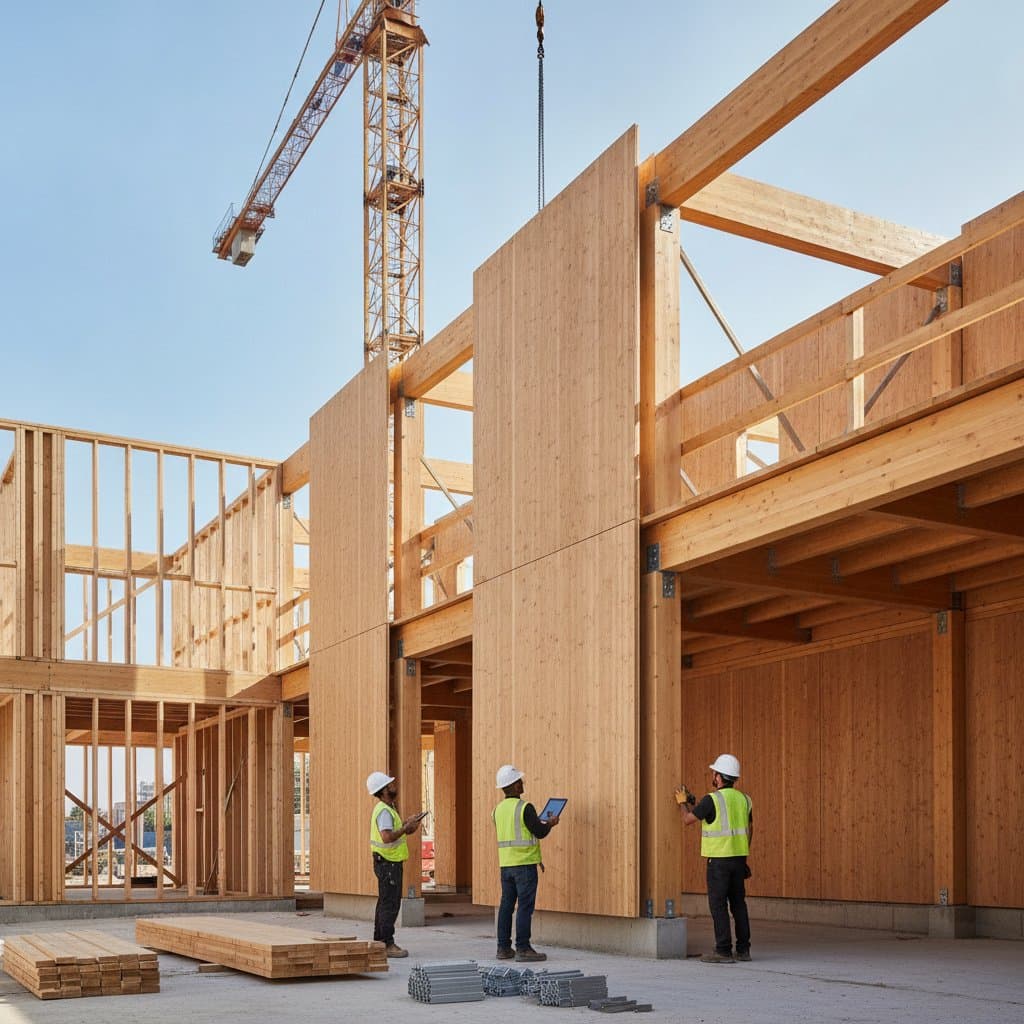
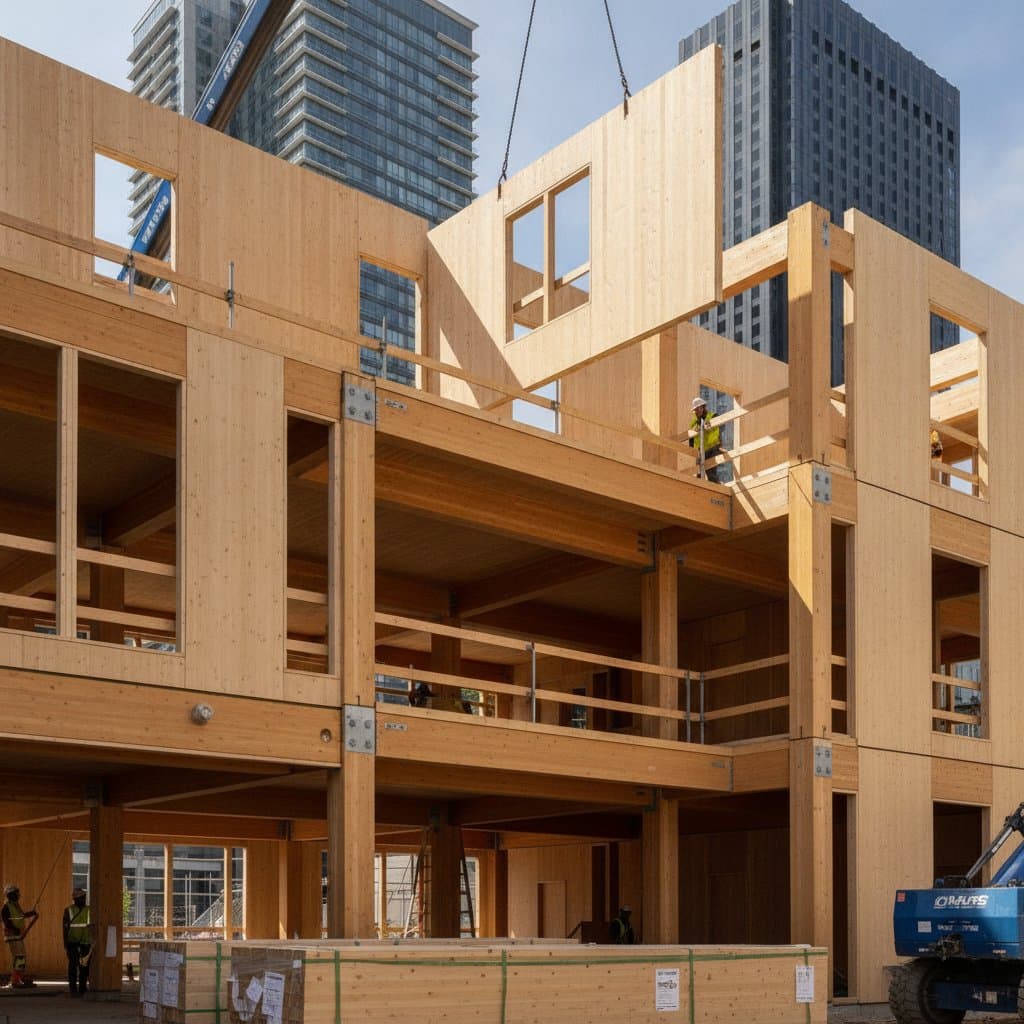
Mass timber emerges as a viable alternative to steel framing in both commercial and residential projects. Builders and developers increasingly select cross-laminated timber, known as CLT, to lower expenses, shorten schedules, and align with environmental objectives. Although steel provides established strength and longevity, mass timber delivers comparable performance through enhanced efficiency, rapid assembly, and reduced ecological impact.
This overview compares mass timber and steel across cost, functionality, and enduring benefits. It further details scenarios where mass timber proves economically advantageous and outlines project planning approaches to optimize its advantages.
Key Benefits and Insights
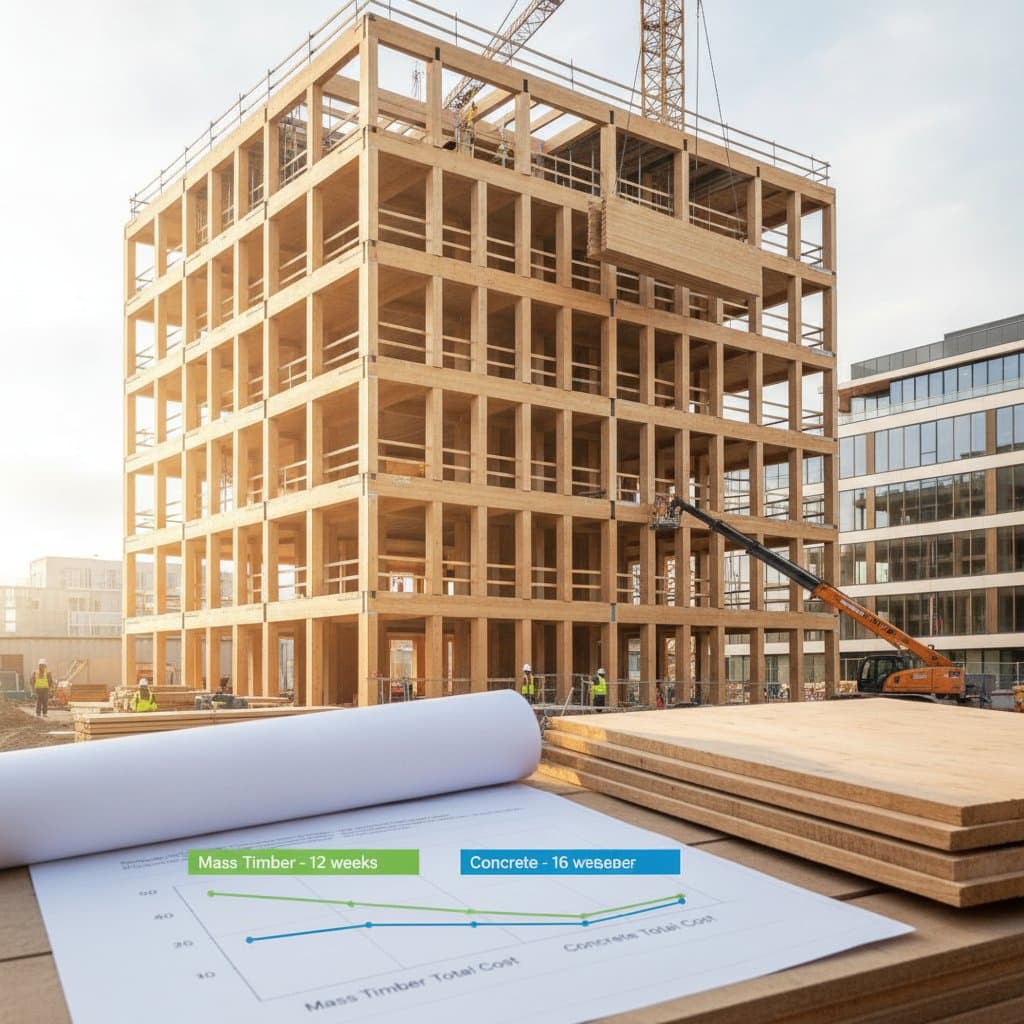
- Prefabricated timber panels shorten installation by as much as 25 percent relative to steel frameworks.
- CLT assemblies weigh under half as much as similar steel structures, which decreases foundation requirements.
- Timber constructions sequester carbon, whereas steel manufacturing releases it, altering environmental assessments.
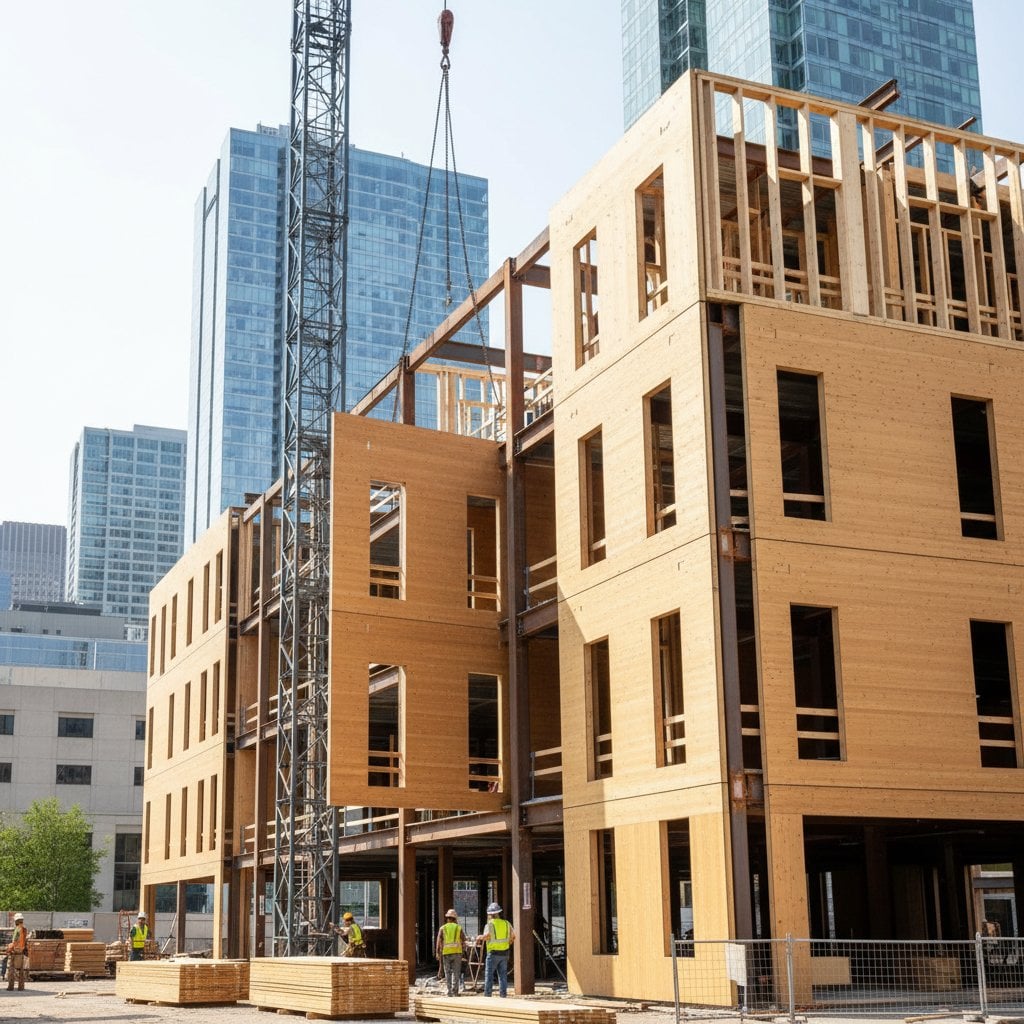
- Hybrid configurations integrating CLT with steel elements balance expenses and structural demands.
- Updated building regulations permit greater heights for mass timber edifices, expanding options for developers.
Contractor Expenses and Assembly Duration
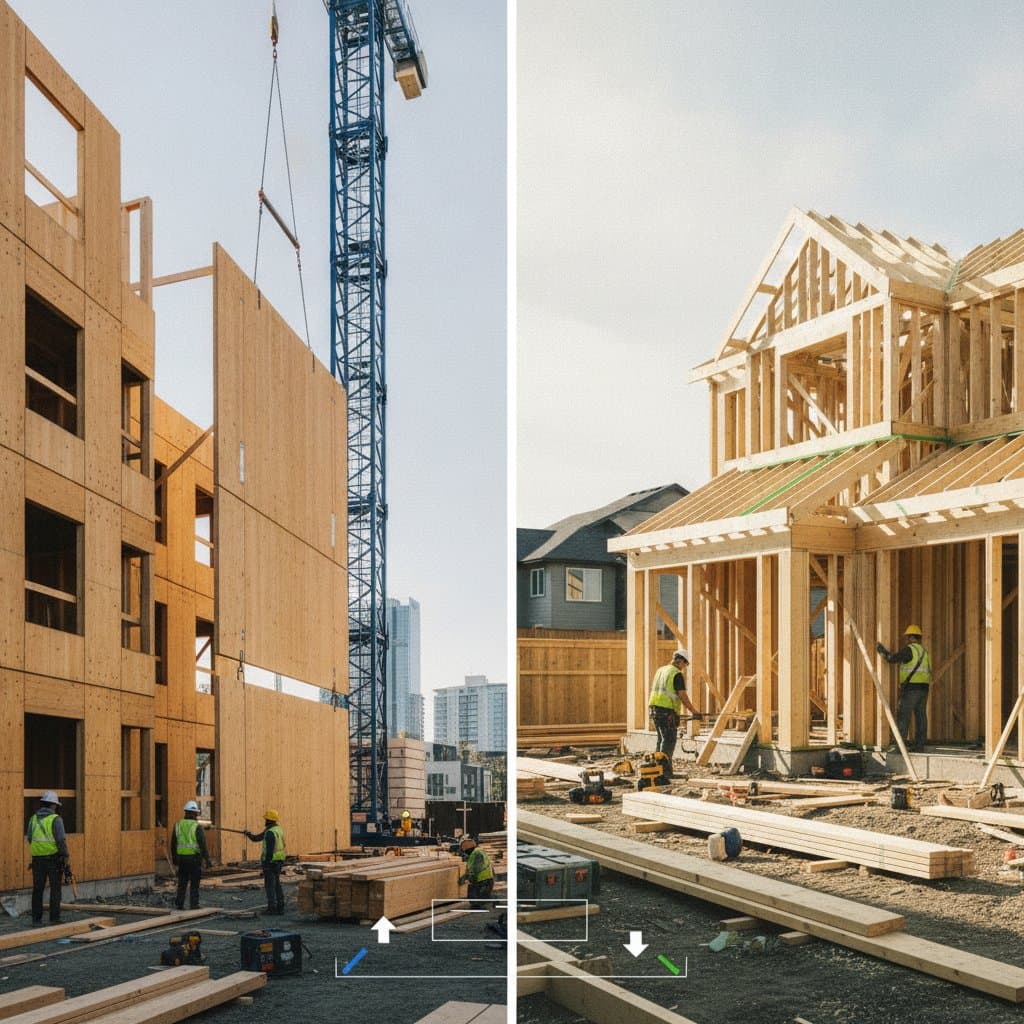
The prefabricated quality of mass timber alters contractor scheduling and trade sequencing. Panels arrive on site prepared for placement, which limits on-site preparation and curbs material waste.
Labor Evaluation:
- CLT framing demands 20 to 30 percent less labor time than steel assembly.
- Teams install up to five CLT floor panels daily, in contrast to steel installations that involve welding, bolting, and precise alignment.
- Diminished equipment demands reduce crane leasing and setup expenditures.
Contractors experience fewer interruptions from weather, as CLT panels enable swift enclosure after placement. This acceleration compresses overall timelines, yielding substantial savings in developer financing.
Strategies for Cost Reduction
Savings from mass timber hinge on thorough preparation and collaboration. Design teams that integrate CLT from the outset facilitate material optimization.
Effective Cost-Control Measures:
- Adopt modular layouts: Maintain panel dimensions within standard production ranges to minimize scraps.
- Streamline joints: Limit bespoke hardware or concealed connectors to shorten assembly duration.
- Engage manufacturers promptly: Preliminary sketches reveal potential issues prior to production.
- Apply finishes in advance: Exposed timber surfaces obviate the need for gypsum board or suspended ceilings.
- Implement hybrid approaches: Pair CLT flooring with steel vertical elements for equilibrated cost and stability.
Such tactics lower overall outlays by 5 to 15 percent without sacrificing aesthetic or functional standards.
Professional Installation Versus Self-Managed Efforts
Mass timber projects demand expertise beyond typical self-directed undertakings. CLT panels necessitate accurate maneuvering, dedicated hoisting gear, and certified linkages. Suitable applications for proficient homeowners or modest teams include auxiliary elements like visible CLT partitions or wooden risers.
Expense Variations:
- Expert CLT placement: $25 to $40 per square foot in labor charges.
- Self-directed or limited-team placement: $10 to $20 per square foot, applicable solely to ancillary parts.
Engaging qualified specialists guarantees adherence to load, fire, and regulatory criteria. This choice averts expensive mistakes that might undermine stability or approvals.
Basis for Cost Analysis
The figures presented derive from sector benchmarks, contractor projections, and current tender evaluations for CLT and steel applications in commercial and multi-unit developments. Estimates encompass full systems: materials, workforce, coatings, and site provisions. Local market rates, regulatory variances, and logistics may adjust final figures.
Frequently Asked Questions
What is the cost of a mass timber structure relative to steel?
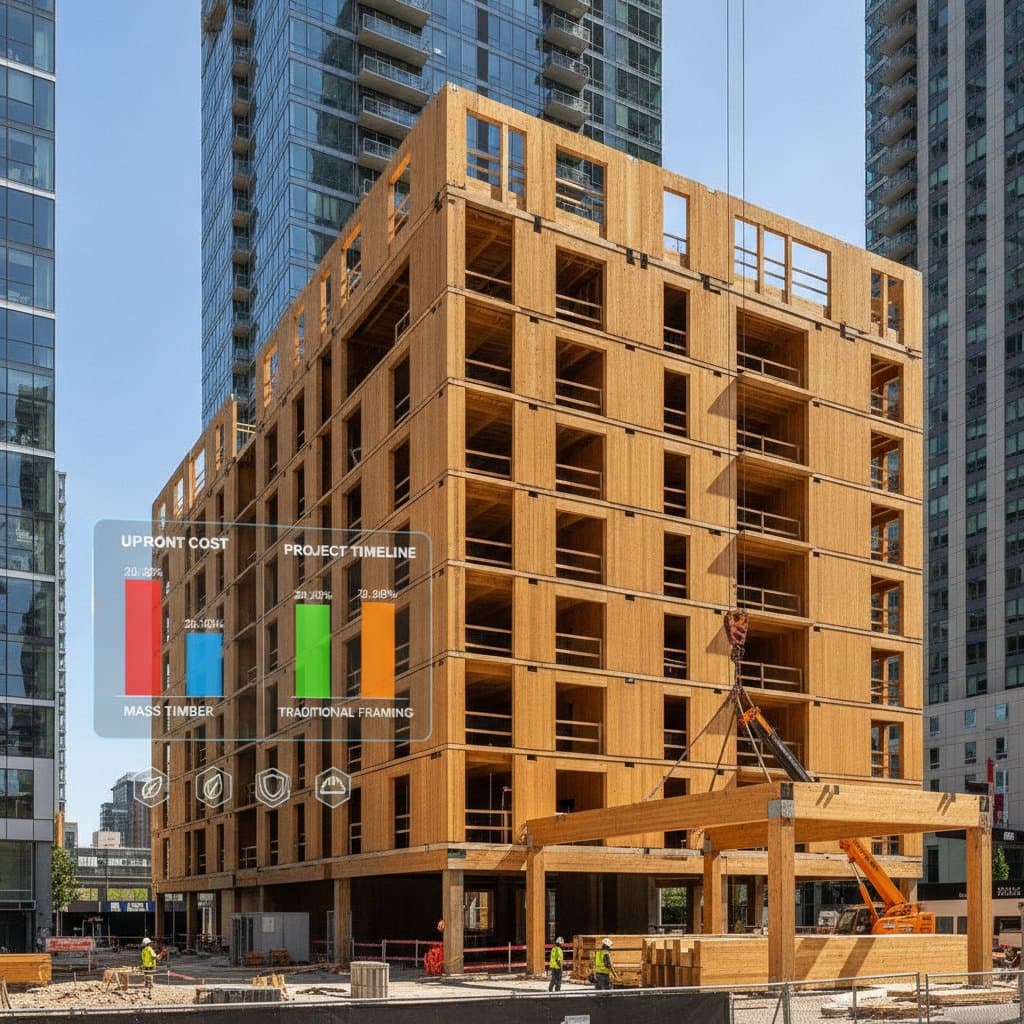
Mass timber edifices range from $250 to $400 per square foot, compared to $300 to $450 for steel. Variations arise from design intricacy and regional wages.
Does CLT match steel's strength?
CLT exhibits robust strength-to-weight properties, excelling in compression and flexion, although steel surpasses it in density-based power.
Are mass timber buildings fire-resistant?
Affirmative. CLT chars at a steady pace, upholding integrity over prolonged exposure when designed correctly.
What heights do mass timber structures reach?
Contemporary standards support mid-rise and higher elevations, contingent on jurisdiction.
Does mass timber aid in obtaining sustainability credentials?
Indeed. CLT initiatives accrue credits in eco-certifications through carbon retention and renewable origins.
Do mass timber projects face insurance or approval hurdles?
Certain areas demand extra scrutiny or records, yet increasing familiarity streamlines processes.
Preserving Mass Timber Structures
After completion, mass timber buildings benefit from proactive upkeep to sustain functionality and appearance. Periodic checks for water penetration, connection soundness, and finish degradation promote extended service life. Periodic application of sealants to visible timbers averts discoloration and bolsters resilience.
Owners should track interior moisture to mitigate wood movement. Routine measures ensure CLT elements remain visually appealing and structurally sound for generations.
Selecting mass timber represents a strategic commitment to streamlined, eco-conscious building. Through meticulous design, professionals harness it to manage budgets, expedite delivery, and produce resilient structures that rival steel in fiscal and planetary merits.