Mass Timber vs. Traditional Framing: A Detailed Cost Comparison
Building materials play a pivotal role in determining the initial expenses and enduring performance of any structure. Mass timber and traditional wood or steel framing represent two prominent construction approaches, each suited to distinct budgets and objectives. By examining differences in pricing, labor demands, and installation processes, builders and homeowners can select the method that best aligns with their project needs.
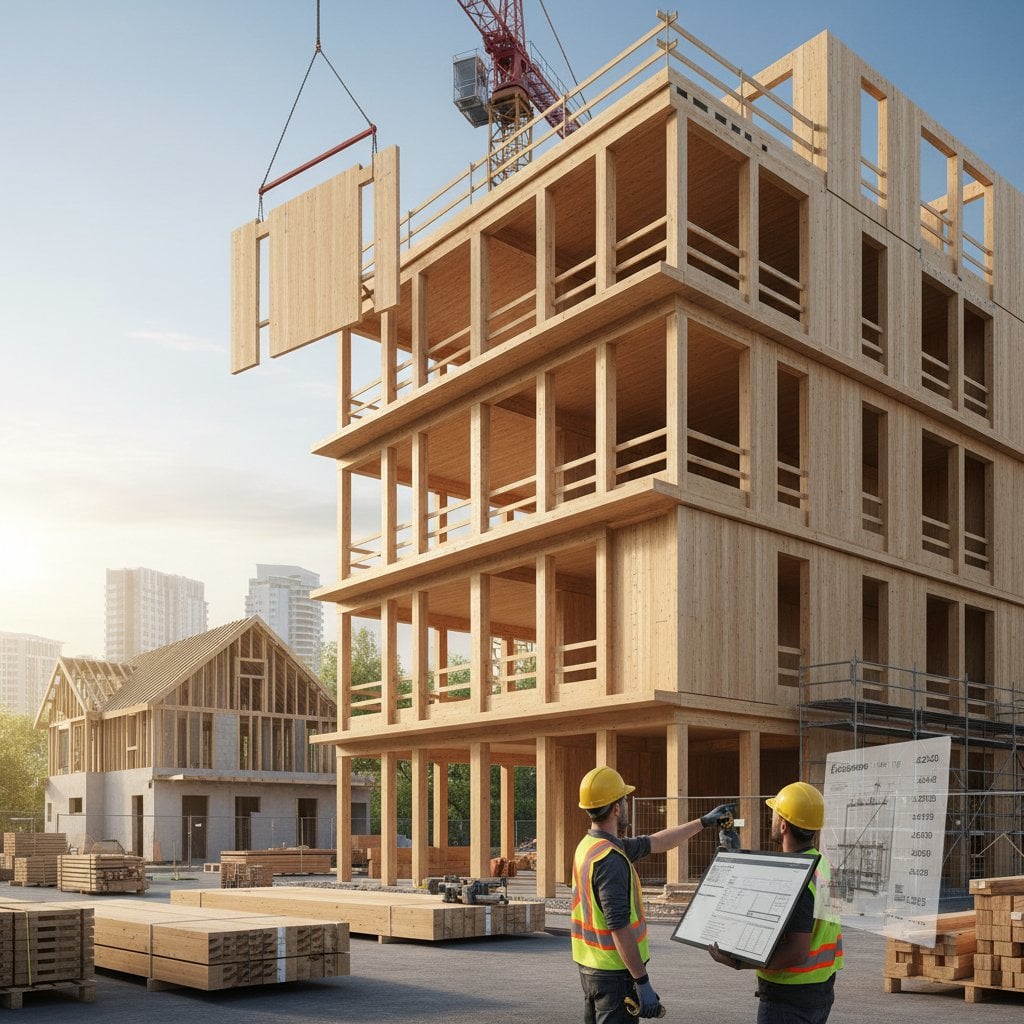
Mass timber, composed of engineered products like cross-laminated timber (CLT) and glued-laminated timber (glulam), emphasizes sustainability and rapid assembly. Traditional framing, relying on dimensional lumber or metal studs, offers familiarity and cost efficiency for standard applications. This analysis draws on industry data to illuminate trade-offs, enabling informed decisions that optimize value over time.
Key Highlights and Insights
Several factors distinguish mass timber from traditional framing in terms of cost and efficiency:
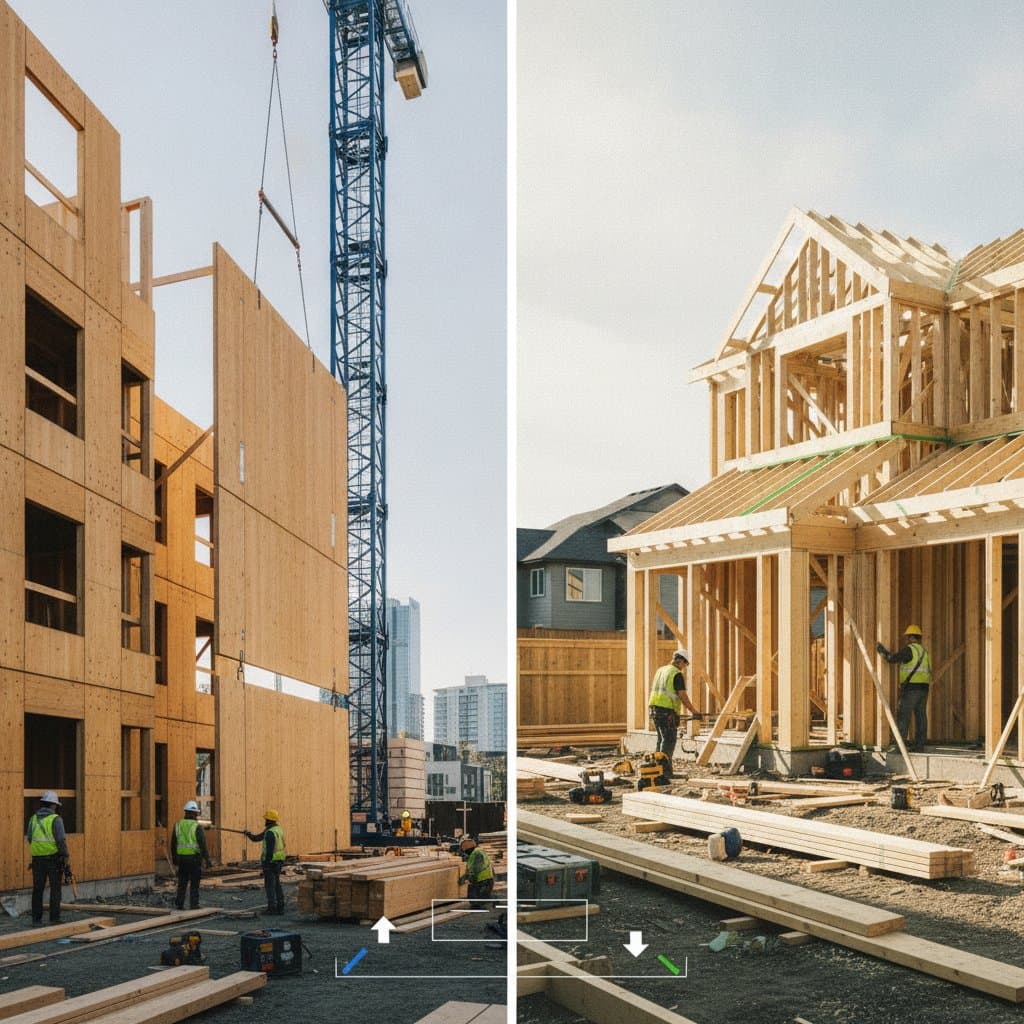
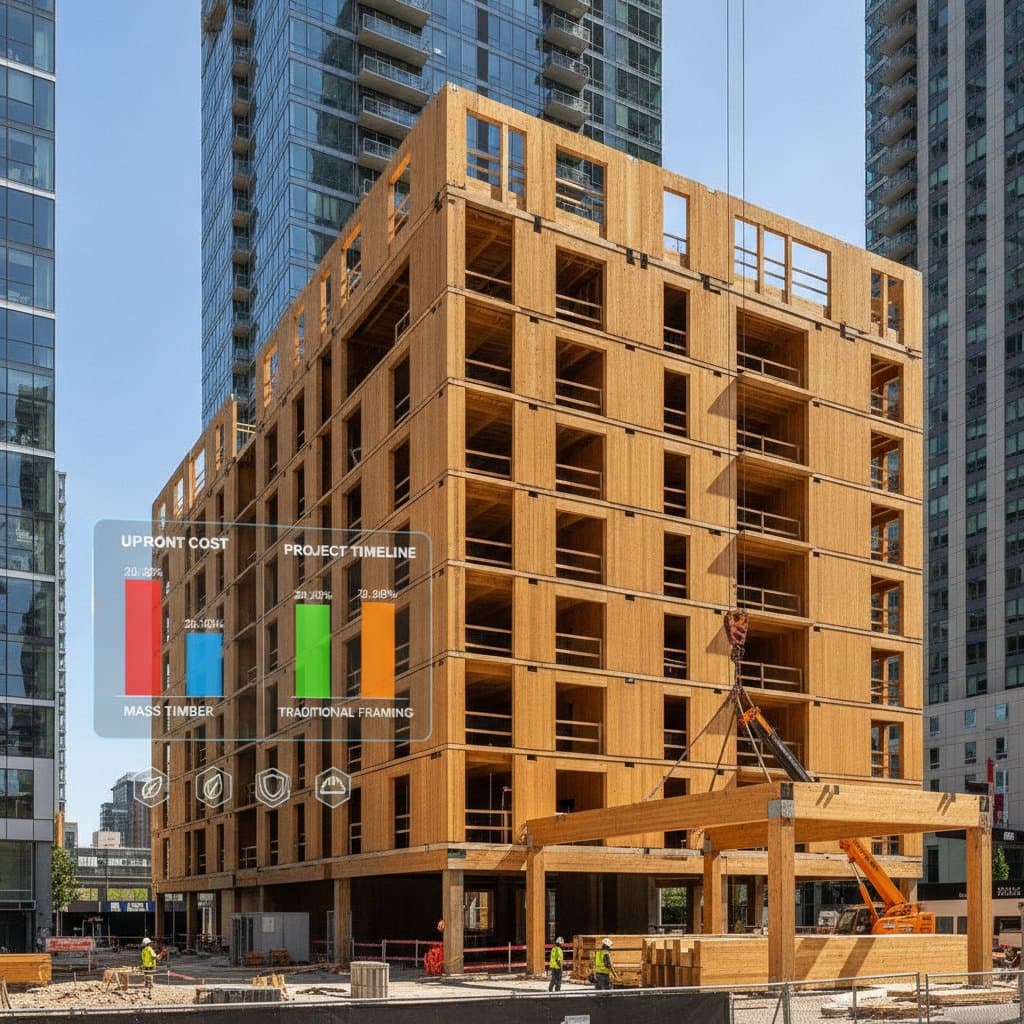
- Mass timber incurs elevated material expenses yet accelerates on-site installation by up to 50 percent compared to conventional methods.
- Traditional framing proves more economical for single-family homes and modest additions, where simplicity reduces overhead.
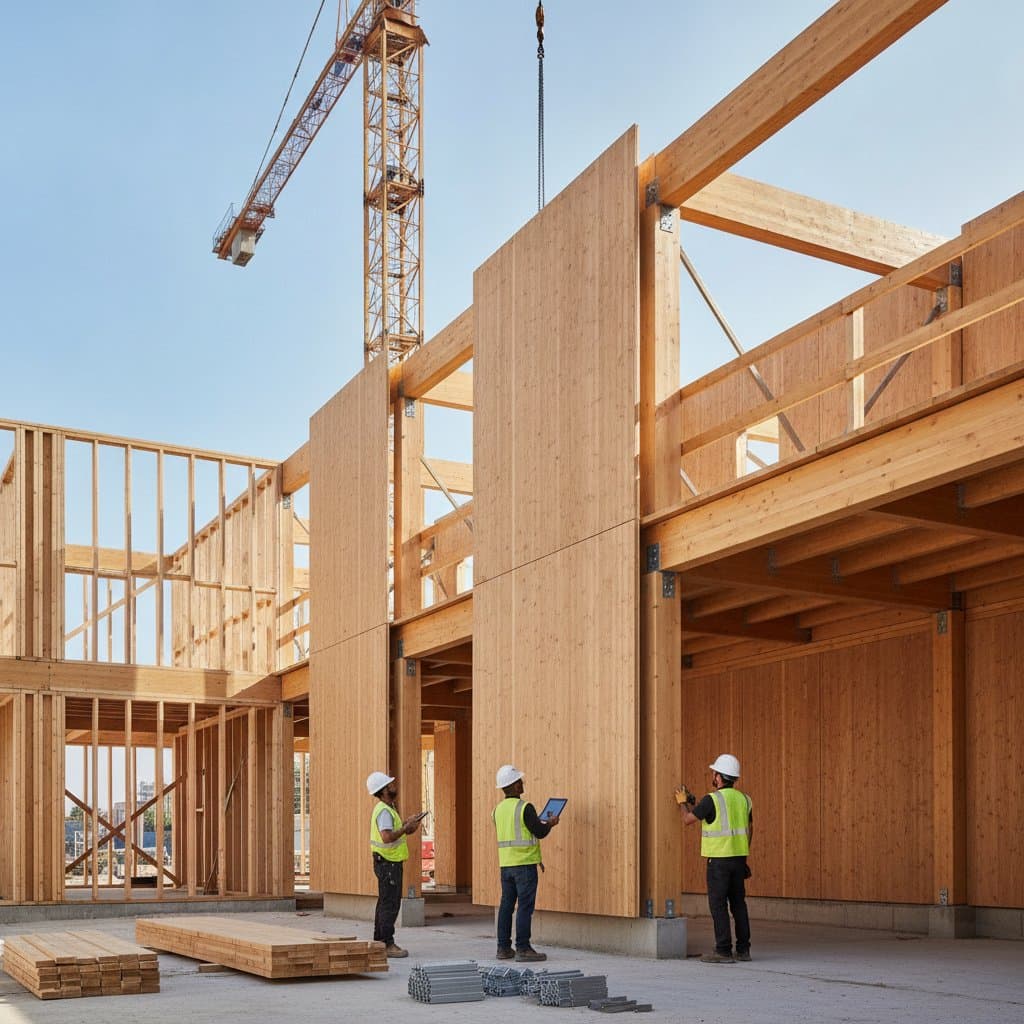
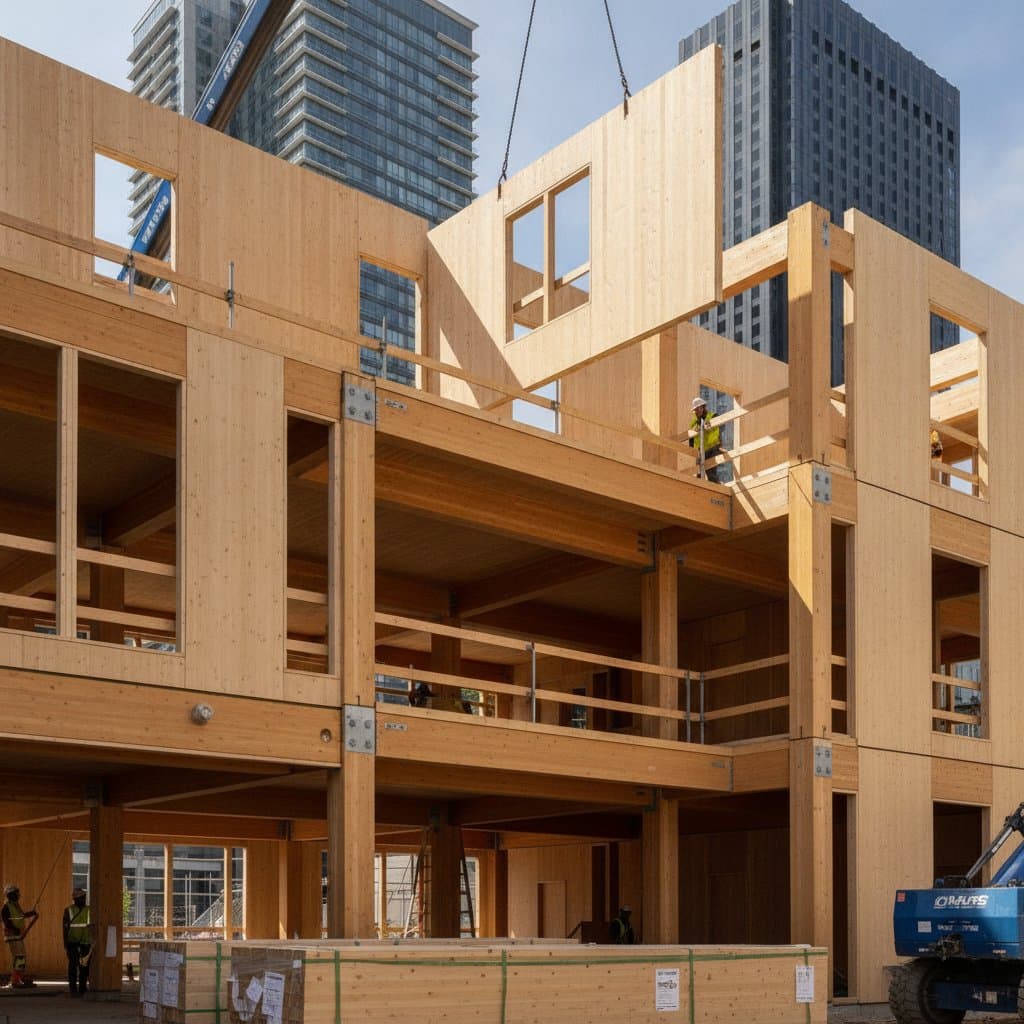
- Prefabricated CLT panels facilitate off-site assembly, which minimizes weather-related delays but necessitates meticulous design alignment.
- Availability of skilled labor and proximity to timber sources significantly affect overall project budgets.
- Compliance with building codes, including enhanced fire-resistance standards, may introduce additional expenses for mass timber implementations.
- Long-term benefits of mass timber, such as superior seismic resilience and reduced carbon footprint, often justify initial investments in environmentally conscious builds.
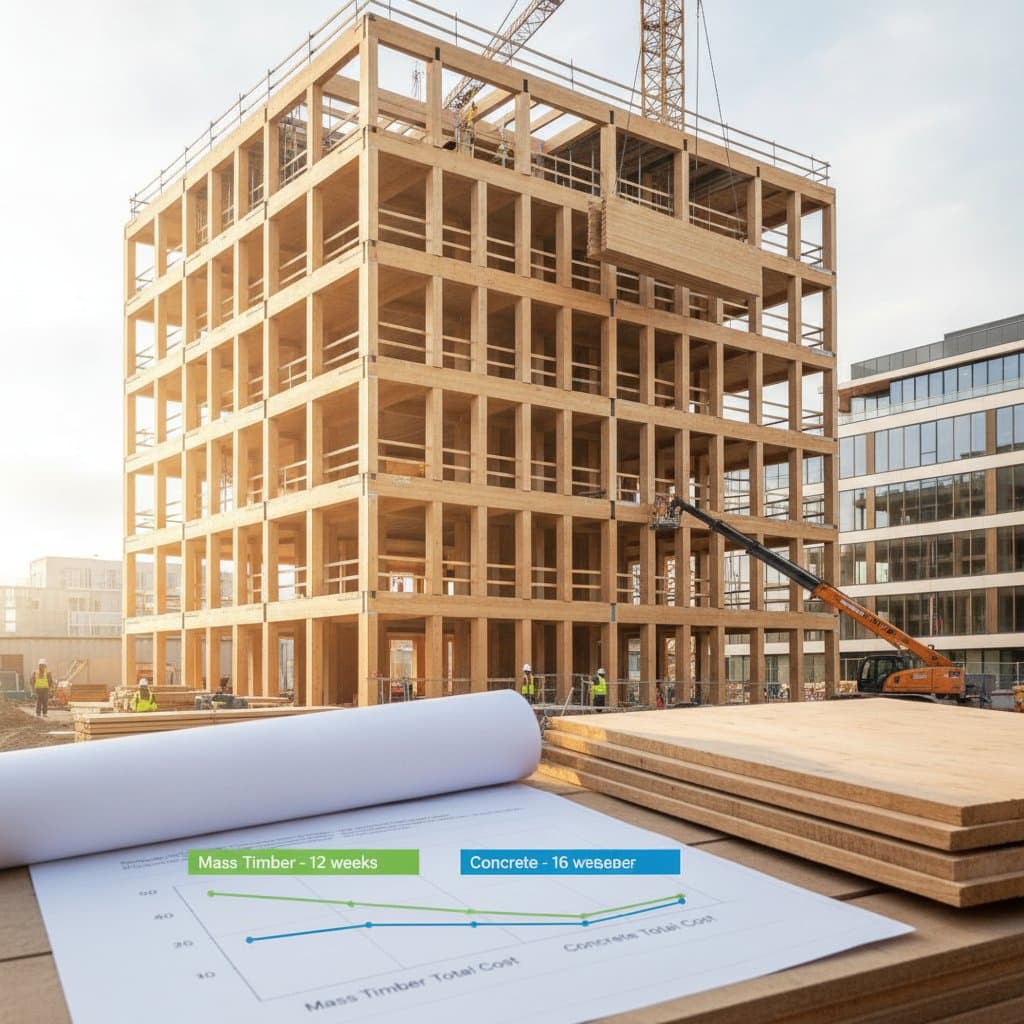
These elements highlight how project scale influences the choice between systems, with mass timber excelling in multi-story or urban developments.
Contractor Expenses: Professional Installation Versus Do-It-Yourself Options
Mass timber demands expertise that extends beyond basic carpentry. Engineers must oversee connections, while installers require cranes and rigging for heavy panels. Consequently, contractors experienced in CLT or glulam command premiums of 10 to 20 percent over rates for standard framing crews.
In traditional framing, general contractors or skilled carpenters handle most tasks, with labor comprising 35 to 45 percent of the total budget. Mass timber shifts this dynamic: off-site prefabrication lowers on-site labor to 25 to 30 percent, as workers focus on assembly rather than cutting and fitting.
For do-it-yourself enthusiasts, traditional framing suits accessory structures like sheds or garages, potentially cutting costs by 20 to 30 percent. However, core residential or commercial builds mandate licensed professionals to meet safety codes. Mass timber precludes DIY entirely, given its reliance on certified engineering and precise tolerances that prevent structural failures.
Homeowners considering these options should evaluate local regulations early. Hiring a contractor versed in both systems ensures seamless integration and avoids rework, which can inflate expenses by 15 percent or more.
Strategies to Reduce Costs and Maximize Efficiency
Builders can mitigate the higher price tag of mass timber through targeted approaches that enhance value without compromising quality:
- Adopt hybrid designs. Integrate mass timber elements, such as floors and walls, with steel framing or concrete foundations to leverage strengths while controlling expenditures.
- Select standard panel dimensions. Opt for modular sizes that align with common building modules, thereby decreasing waste from on-site modifications and associated shipping fees.
- Involve contractors from the outset. Early collaboration between architects, engineers, and builders streamlines workflows, averting delays that arise from mismatched prefabricated components.
- Procure materials regionally. Partner with nearby mills or distributors to access competitive rates on timber products and framing lumber, often 10 to 15 percent below national imports.
- Incorporate repetitive layouts. Standardize beam spacing and floor plans to simplify fabrication, reducing material diversity and engineering iterations.
These tactics not only trim budgets but also promote sustainability by minimizing resource use. For instance, hybrid projects in seismic zones have demonstrated 20 percent faster completion times over pure traditional builds.
Basis for Cost Estimates
This report aggregates national averages derived from verified contractor bids, material supplier catalogs, and completed project analyses. Figures encompass raw materials, labor, and essential finishes, while omitting site acquisition, permitting, or bespoke design elements. Variations occur regionally; for example, timber-rich areas like the Pacific Northwest may see 15 to 25 percent lower mass timber costs due to abundant supply chains.
Estimates assume standard conditions, such as mid-rise structures in compliant zones. For precise budgeting, consult local experts to account for variables like inflation or supply disruptions, which have recently elevated lumber prices by up to 10 percent annually.
Frequently Asked Questions
How do the costs of mass timber compare to those of traditional framing?
Mass timber typically ranges from $250 to $400 per square foot for complete assemblies, whereas traditional framing spans $150 to $250 per square foot, reflecting differences in material density and preparation.
What drives the higher expense of mass timber?
The premium stems from advanced prefabrication processes, specialized transport logistics, and rigorous engineering certifications. These factors enable quicker builds and diminished ongoing upkeep, potentially recouping 20 to 30 percent of the differential through operational savings.
Is mass timber suitable for residential applications?
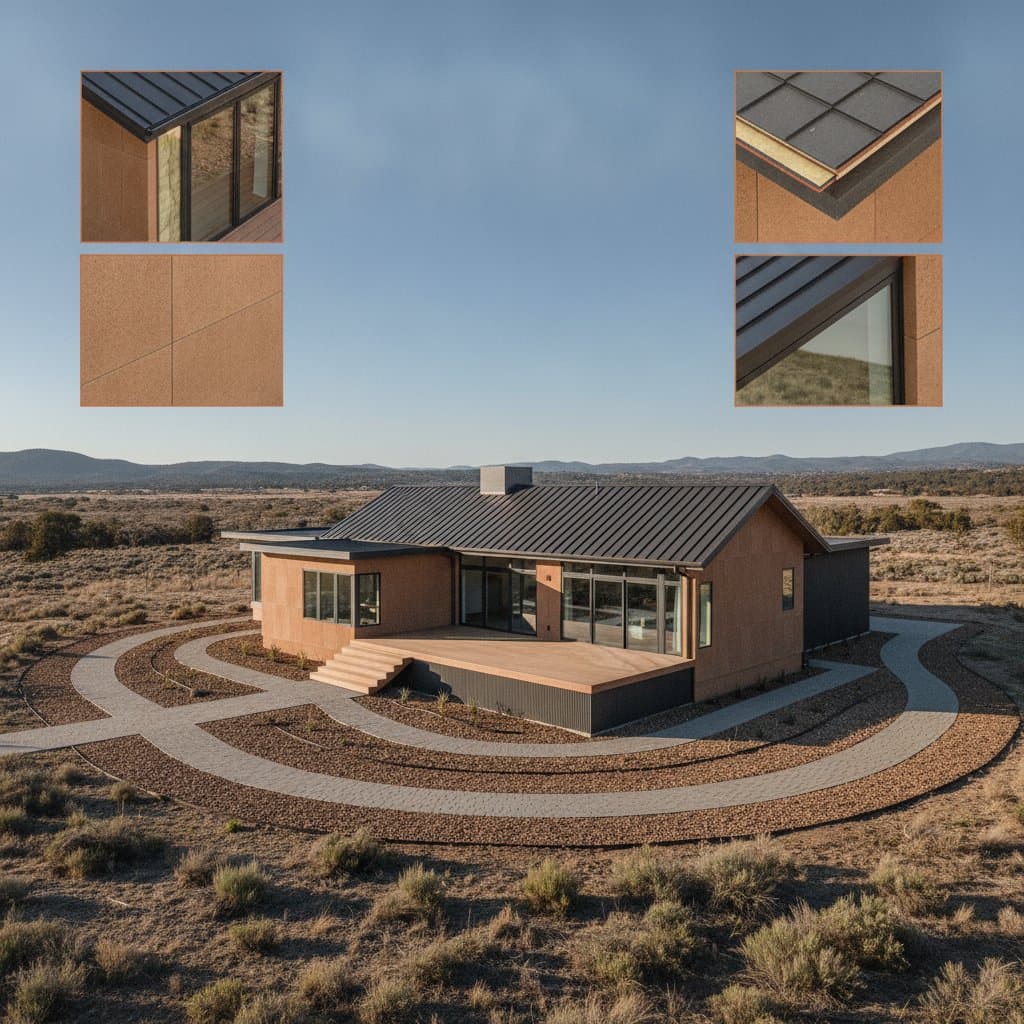
Absolutely, particularly in modern homes emphasizing eco-friendliness. It appears more frequently in multi-unit residences or custom designs, where its aesthetic warmth and acoustic benefits enhance livability.
What maintenance does mass timber require?
Protection against moisture is essential; apply sealants to exposed areas and conduct annual inspections for joint integrity. With proper care, it endures comparably to treated framing, often exceeding 50 years without major interventions.
How does construction speed factor into the decision?
Mass timber panels arrive ready for erection, allowing crews to enclose structures in weeks rather than months. This acceleration reduces financing costs and enables earlier occupancy, a key advantage for commercial timelines.
Securing Long-Term Value in Your Build
Select a contractor with proven experience in mass timber or framing to navigate complexities effectively. Insist on itemized proposals that delineate material sourcing, labor allocation, and contingency allowances. Such transparency empowers you to pinpoint efficiencies and prioritize investments that deliver durability, speed, and sustainability for generations.