Future-Proof Your Home for Lifelong Independence
A home must evolve as life changes occur. To support lifelong independence, create spaces that remain comfortable, safe, and functional across all stages. Achieve this through thoughtful design and practical upgrades that enhance accessibility and usability.
This guide details how to incorporate universal design during new construction or remodeling. Readers will discover features that boost mobility, minimize maintenance, and foster an inclusive environment for years to come.
Understanding Universal Design
Universal design emphasizes usability for individuals of all ages and abilities. It eliminates potential barriers by integrating accommodations into the core structure and layout from the outset.
The approach avoids a sterile or institutional appearance. Instead, it incorporates subtle enhancements that elevate comfort and convenience while preserving aesthetic appeal. Examples include wider doorways, flush thresholds, enhanced illumination, and intelligent storage solutions that benefit all occupants, regardless of specific mobility needs.
Key Areas to Focus On
Target spaces that influence daily routines when adapting a home for enduring independence. Prioritize kitchens, bathrooms, entryways, and pathways to minimize risks and maximize ease, all while upholding design integrity.
1. Entryways and Access Points
An accessible entry establishes a secure foundation for the entire home. Seamless transitions facilitate entry and exit, whether managing mobility aids, strollers, or everyday loads like groceries.
- Zero-step entry: Flush thresholds remove tripping risks and enable smooth passage for wheelchairs, carts, or other devices.
- Covered porch or overhang: Shields users from weather elements during key access moments.
- Wider doorways (minimum 36 inches): Provide sufficient space for aids and larger items.
- Lever handles: Offer superior grip compared to traditional knobs, aiding those with reduced hand strength.
Integrate motion-activated lighting to illuminate pathways and surfaces effectively, enhancing both security and convenience.
2. Accessible Pathways and Flooring
Unobstructed movement throughout the home promotes self-reliance. Strategic flooring and pathway designs significantly impact navigation.
- Uniform flooring materials: Apply consistent surfaces in primary areas to avoid uneven joints that snag feet or wheels.
- Non-slip textures: Opt for matte or patterned finishes to lower fall risks on wet or dry surfaces.
- Wide hallways (at least 42 inches): Accommodate mobility devices with room to spare.
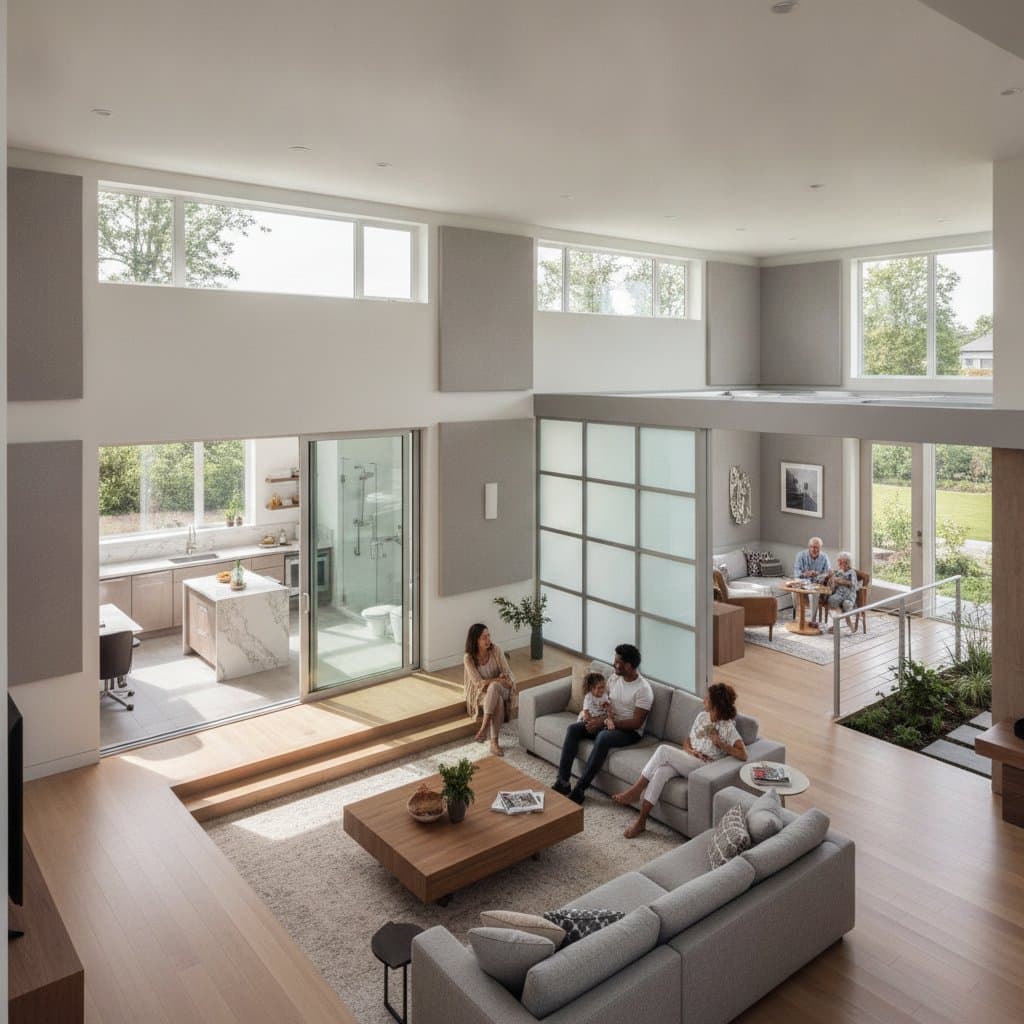
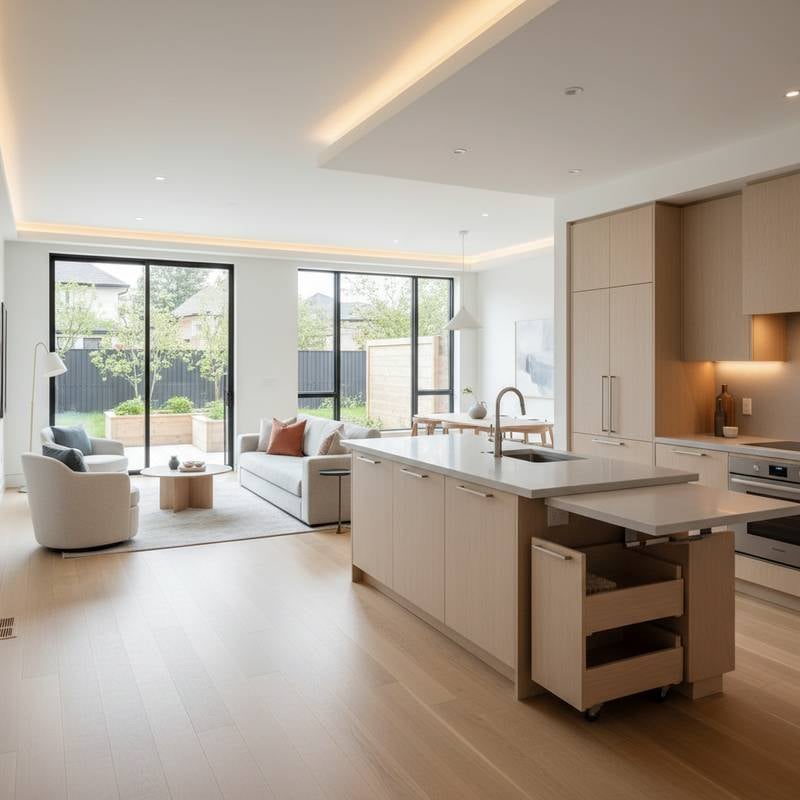
- Open layouts: Reduce walls and corners to facilitate fluid navigation and maintain open, light-filled interiors.
Select resilient, low-maintenance options such as luxury vinyl planks, low-pile carpets, or sealed hardwoods for lasting comfort and simplicity in upkeep.
3. Kitchen Solutions for All Ages
Kitchens demand versatility to accommodate varying heights and abilities. Incorporate adjustable elements to sustain functionality over time.
- Varied counter levels: Blend standard heights with lowered sections for seated preparation.
- Pull-out shelving and drawers: Position items at accessible heights, eliminating excessive bending or stretching.
- Side-opening ovens and under-counter microwaves: Position at ergonomic waist levels to prevent burns and strains.
- D-shaped pulls on cabinets: Facilitate operation for users with arthritis or dexterity limitations.
Under-cabinet task lighting sharpens focus for precise activities like slicing or label reading. Prioritize appliances featuring prominent digital interfaces and oversized, tactile controls.
4. Bathroom Comfort and Safety
Bathrooms present the highest slip hazards, making targeted renovations essential for prolonged autonomy.
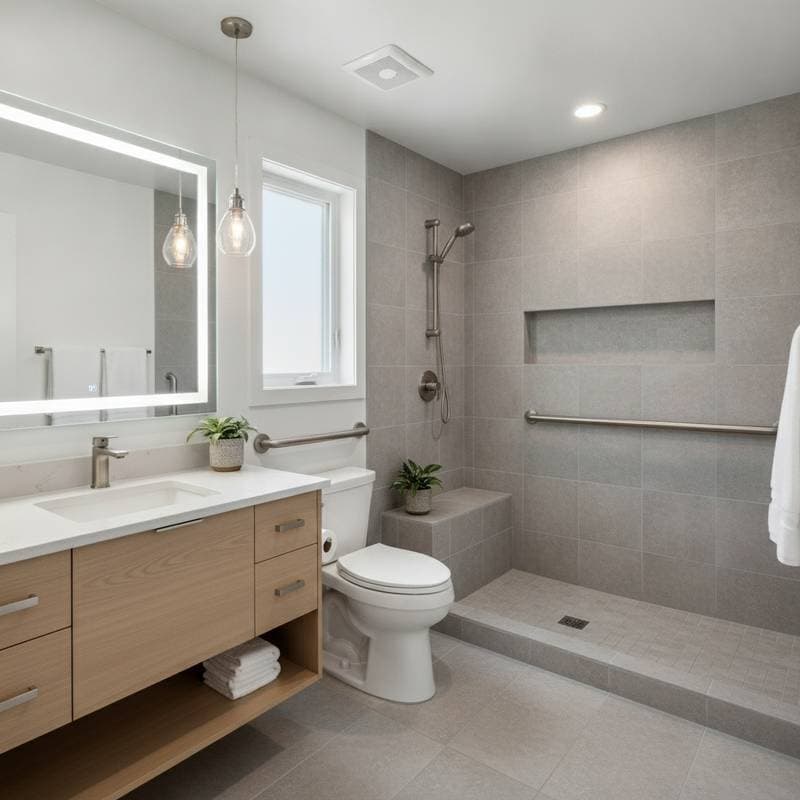
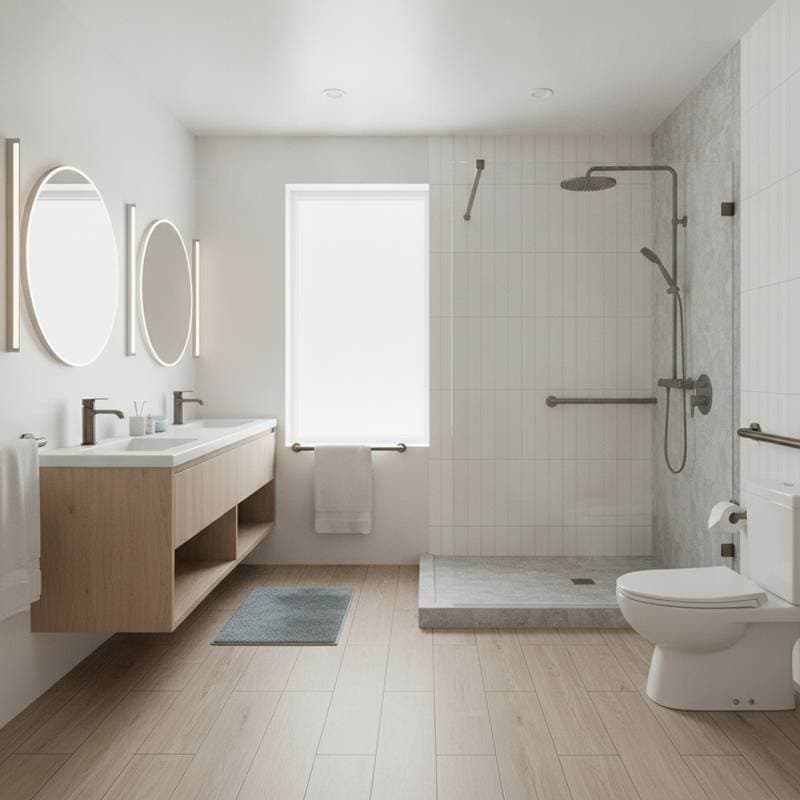
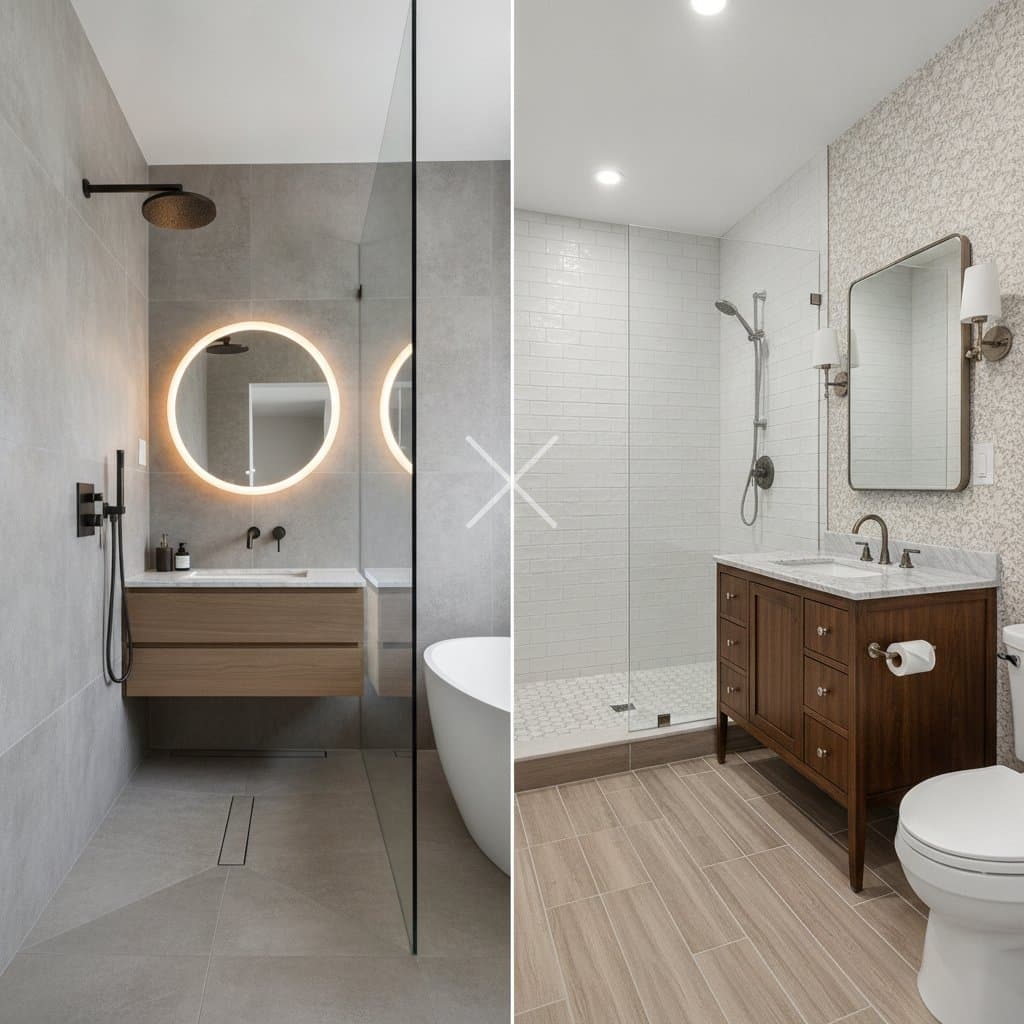
- Curbless shower enclosures: Remove barriers for wheelchair entry, complemented by linear drains for modern aesthetics.
- Reinforced grab bars: Position near toilets and showers; select designs that align with decorative towel rods.
- Elevated toilets: Higher seats ease pressure on joints during sitting and rising.
- Adjustable showerheads: Support versatile use from seated or standing positions.
Non-slip flooring and soft ambient lighting finalize the setup. Add built-in seating and thermostatic valves to regulate water temperature and prevent scalding.
5. Bedroom and Living Areas
Design restful zones to be serene, organized, and navigable with minimal effort.
- Uncluttered paths: Maintain 36 inches of open space around beds and key furniture.
- Accessible storage: Install adjustable closet rods and descending shelves for easy reach.
- Automated lighting: Use remote or voice commands to illuminate spaces without traversing darkness.
- Seamless floor changes: Eliminate loose rugs or raised edges that pose tripping dangers.
In communal areas, position seating to encourage open circulation. Select upholstered pieces with stable bases, supportive arms, and sufficient depth for safe transitions.
6. Lighting and Visibility
Effective illumination bolsters safety and eases visual tasks, reducing fatigue. Employ layered approaches with general, focused, and decorative sources for optimal coverage.
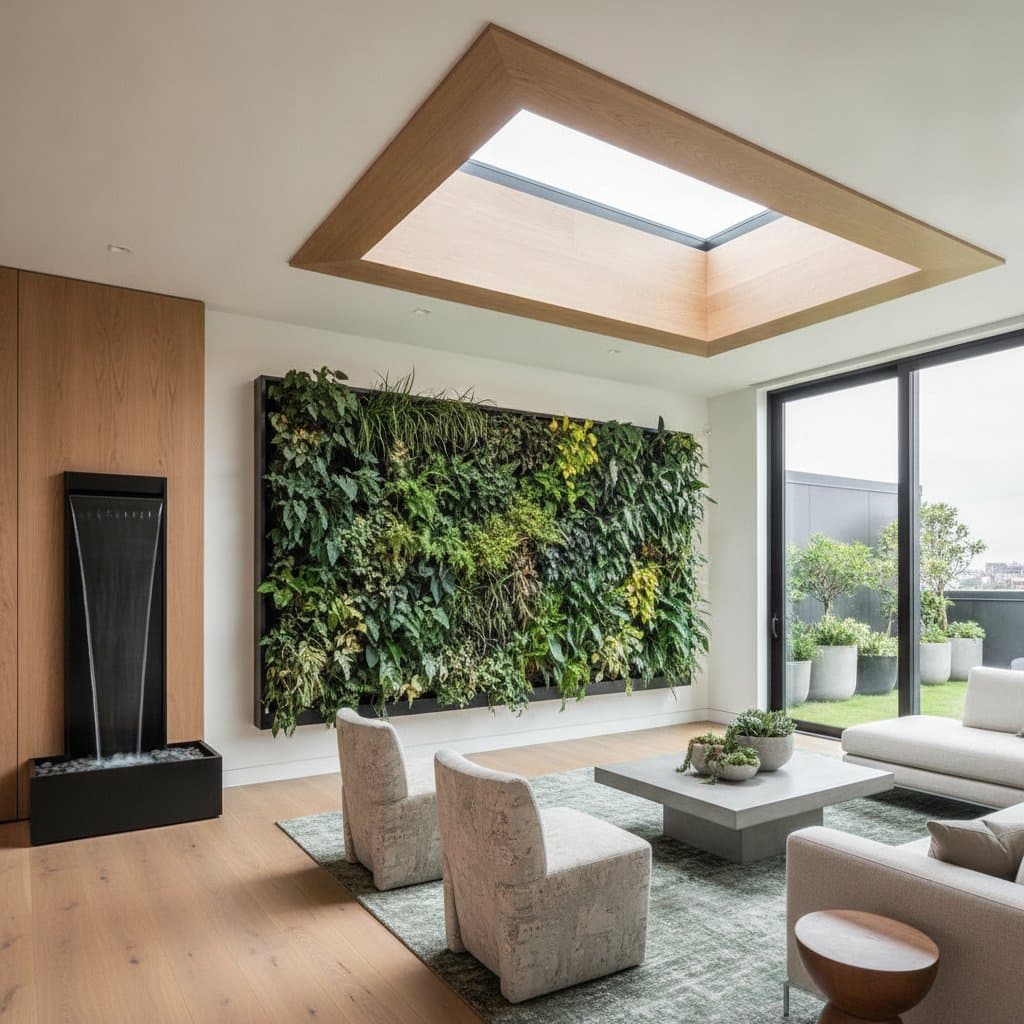
- Maximized natural light: Incorporate expansive windows and doors to draw in daylight.
- Uniform brightness: Minimize shadows that obscure depth perception on floors and stairs.
- Adjustable and sensor-based controls: Customize intensity and activate automatically for efficiency.
- Visual cues through contrast: Differentiate floors, walls, and edges with color variations for clear boundaries.
Such arrangements create an inviting, reassuring atmosphere that sustains mobility confidence as vision evolves.
7. Smart Technology and Automation
Integrated smart systems streamline operations, alleviating physical demands while enhancing security.
- Voice-activated interfaces: Control illumination, appliances, and audio without manual intervention.
- Intercom door systems: Monitor and grant access remotely for added peace.
- Adaptive climate controls: Automate temperature settings for consistent comfort and efficiency.
- Remote-operated shades: Manage privacy and light exposure effortlessly via devices.
Select user-friendly platforms with intuitive designs and failover options to ensure reliability during power interruptions.
8. Outdoor Living Spaces
Extend accessibility outdoors to nurture health and enjoyment. Craft areas that invite use at any ability level.
- Flush patios and decks: Align exterior levels with interiors for barrier-free passage.
- Secure handrails: Provide stability while preserving scenic views.
- Elevated planters: Enable gardening from standing or seated positions without strain.
- Ergonomic outdoor furniture: Feature wide arms and firm cushions for easy rising.
Employ weather-resistant composites and textured stones to withstand elements and maintain traction.
Planning for Adaptability
Implement changes incrementally to avoid overwhelming commitments. Focus on foundational preparations that allow future modifications with ease.
- Wall reinforcements: Strengthen surfaces in bathrooms for secure grab bar installations.
- Strategic electrical placements: Position outlets at multiple heights to accommodate evolving tech.
- Reserved expansion zones: Designate areas for potential ramps or vertical lifts.
- Flexible plumbing configurations: Arrange pipes to support fixture relocations without extensive rework.
These proactive measures enable seamless adjustments as circumstances shift, controlling costs and disruptions.
Balancing Style and Function
Universal design enhances rather than compromises aesthetics. Seamlessly weave accessibility into the overall vision for an elegant, purposeful result.
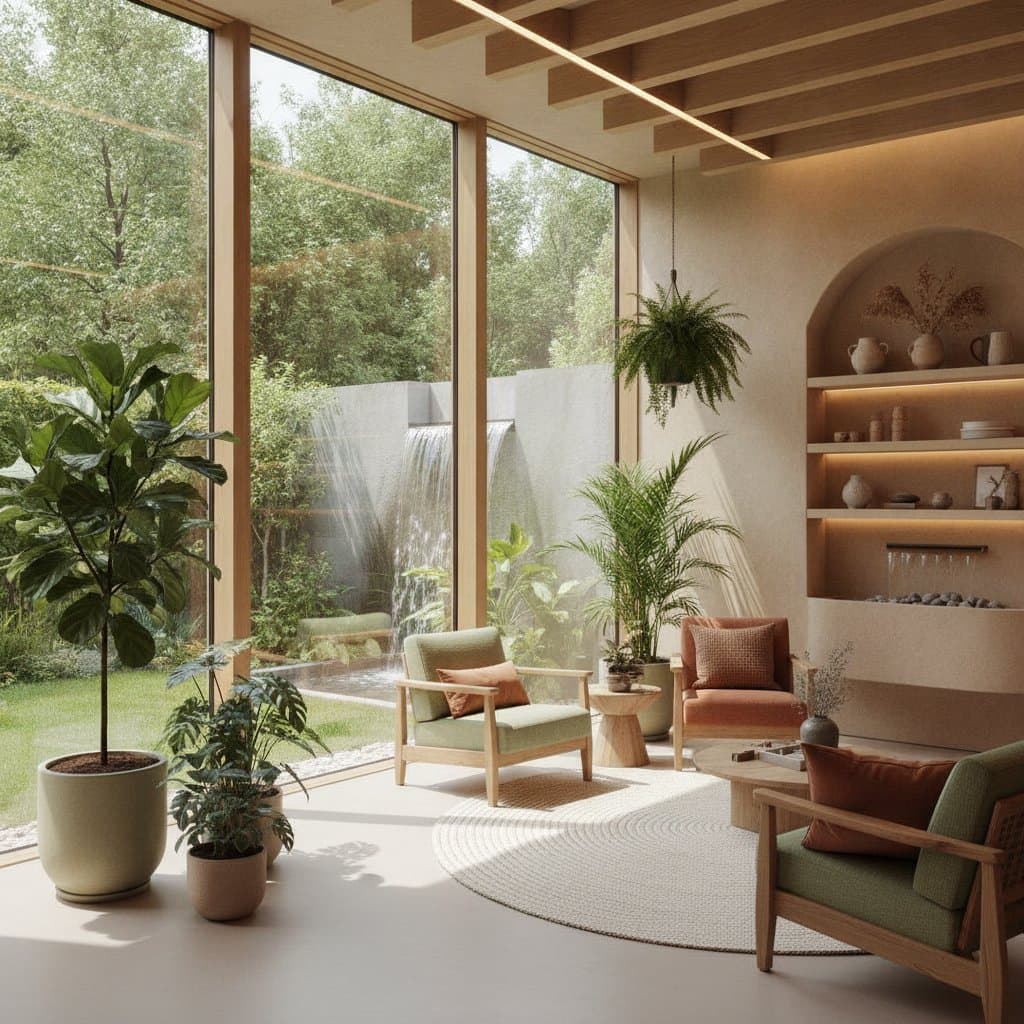
- Neutral palettes: Employ warm tones to amplify light and foster tranquility.
- Textural variety: Mix surfaces to guide movement visually and tactilely.
- Unified hardware: Coordinate pulls, bars, and fixtures in matching finishes.
- Integrated lighting schemes: Layer sources for depth and ambiance.
The outcome welcomes all with subtle sophistication, where functional elements blend naturally into the decor.
Cost and Effort Considerations
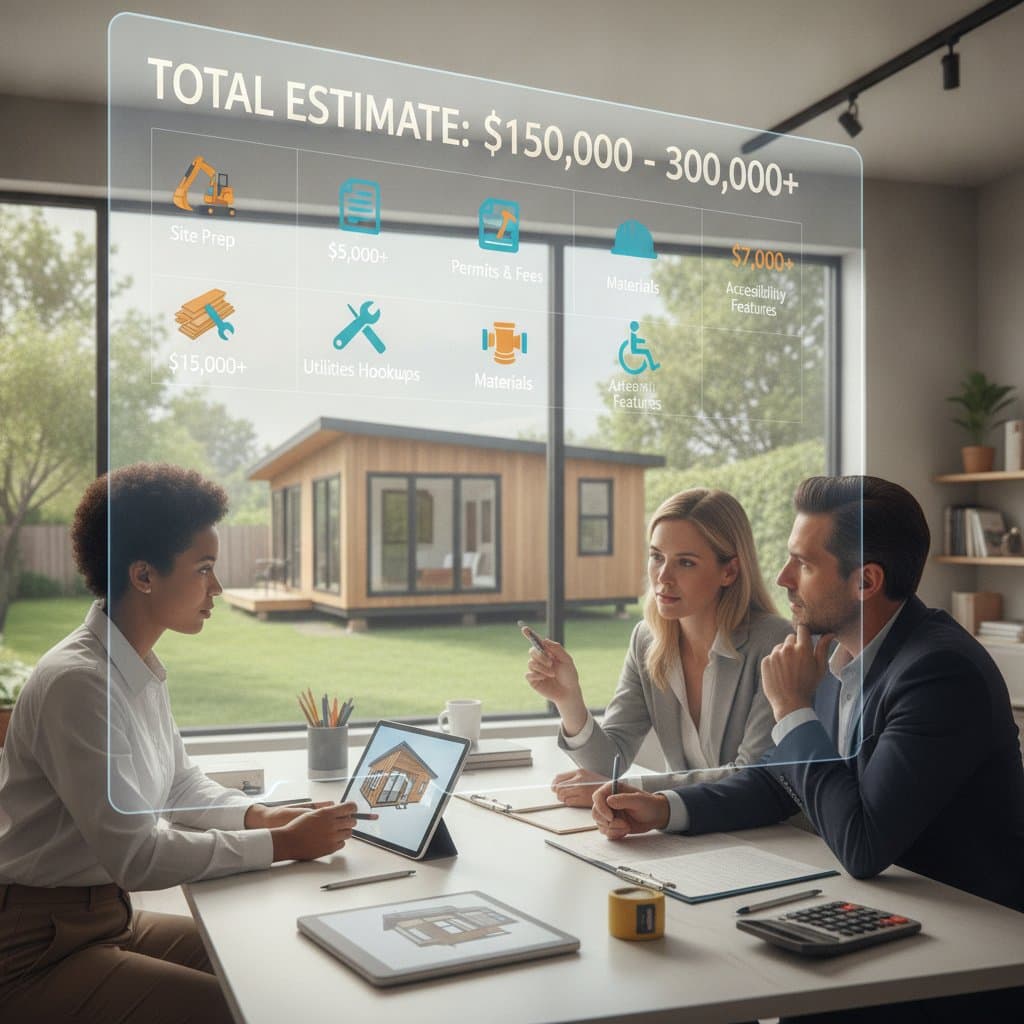
Expenses for accessibility enhancements depend on scope and selections. Budget-friendly options include hardware swaps, lighting retrofits, or minor reinforcements. Comprehensive projects like full bathroom overhauls or layout expansions demand detailed budgeting.
Tackle simple tasks such as painting or device installations independently. Engage certified professionals for load-bearing alterations or system integrations to guarantee compliance and performance.
Sustaining Your Accessible Home
With accessibility embedded, upkeep simplifies daily life. Regularly clear routes, recalibrate lighting for visual needs, and inspect fixtures for reliability.
Universal design empowers enduring confidence without sacrificing appeal. It transforms living spaces into supportive allies for every phase.
Invest in purposeful adaptations to secure a residence that nurtures freedom, security, and serenity within familiar surroundings.