2026 Trends for Aging Gracefully at Home
Aging in place prioritizes comfort, safety, and sustained independence within familiar surroundings. Homeowners increasingly choose remodels that delay relocation needs and adapt to evolving lifestyles. Current trends emphasize universal design principles, seamless accessibility, and flexible layouts suitable for every life stage.
Quick Cost Summary
A comprehensive aging-in-place remodel generally spans $20,000 to $150,000, centering on an average of $70,000. Targeted updates, like a single bathroom conversion, fall between $8,000 and $25,000. Primary expenses stem from structural adjustments, accessibility enhancements, and custom fixtures, with labor comprising roughly half the budget and the balance covering materials, planning, and regulatory approvals.
Highlights and Key Insights
- Universal design evolves from optional to essential for inclusive living spaces.
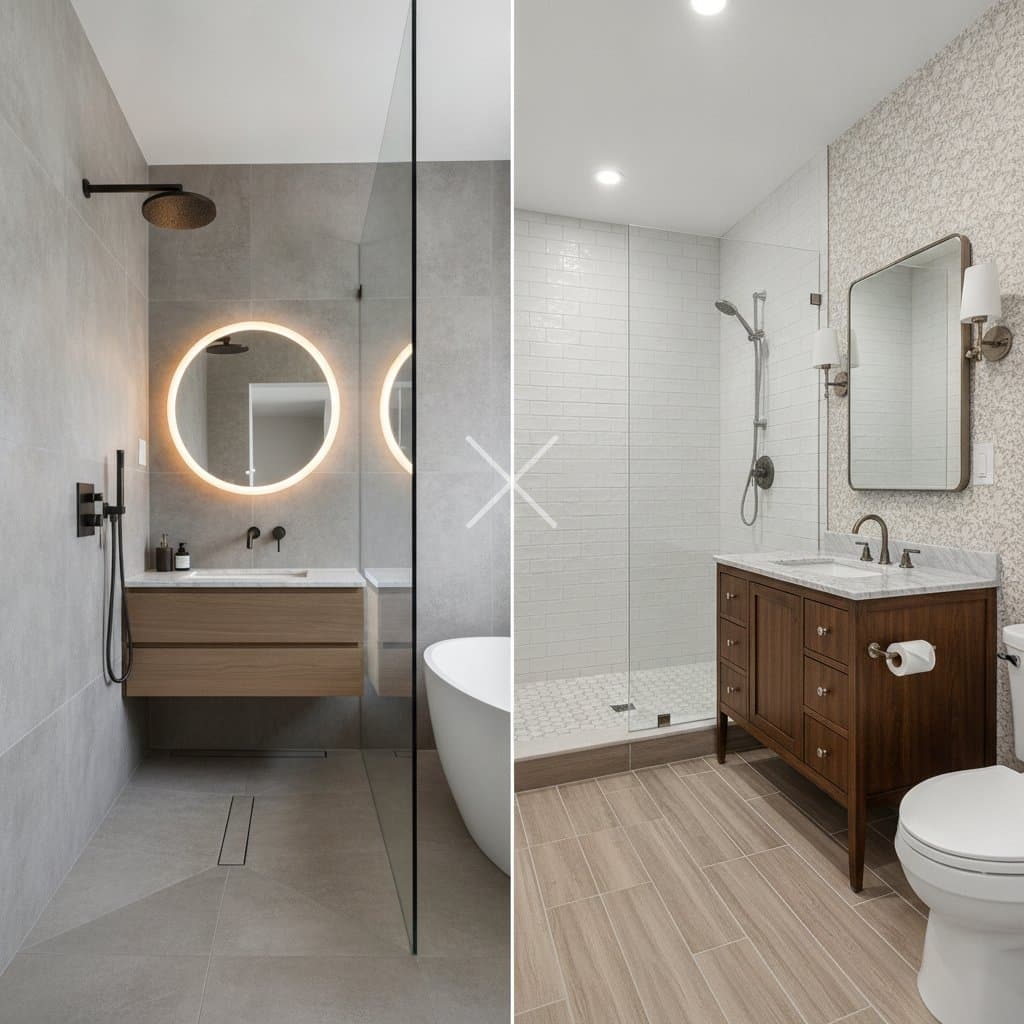
- Barrier-free bathrooms with curbless showers rank among top priorities for daily ease.
- Smart home systems enable remote monitoring and automated safety alerts.
- Strategic lighting upgrades minimize shadows and lower fall risks effectively.
- Expanded doorways paired with non-slip surfaces enhance mobility and market appeal.
- Expert planning anticipates needs, curbing expenses through proactive foresight.
Cost Breakdown by Room or Project
Bathroom Remodels
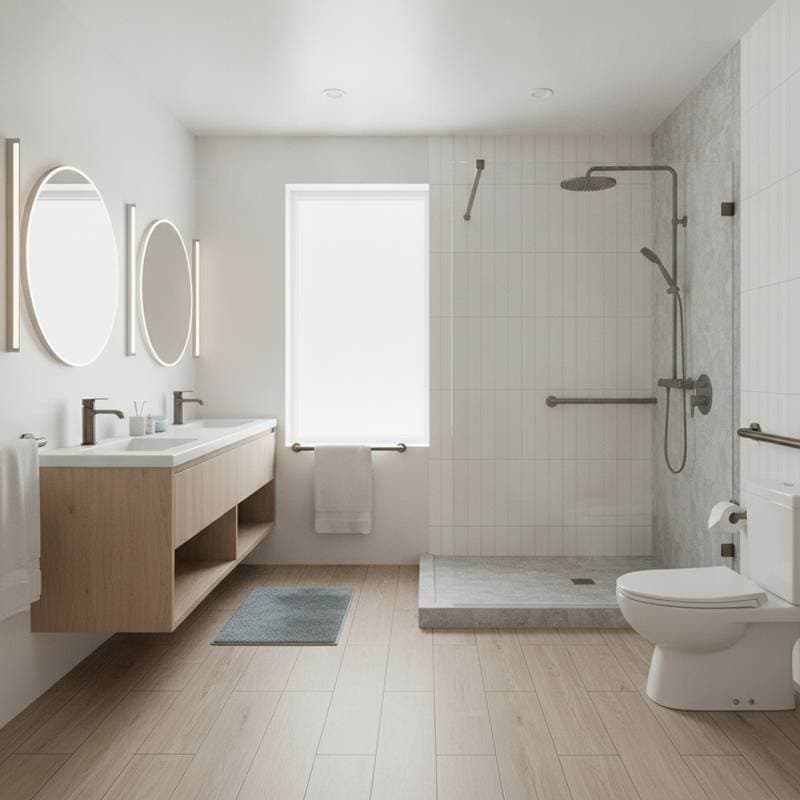
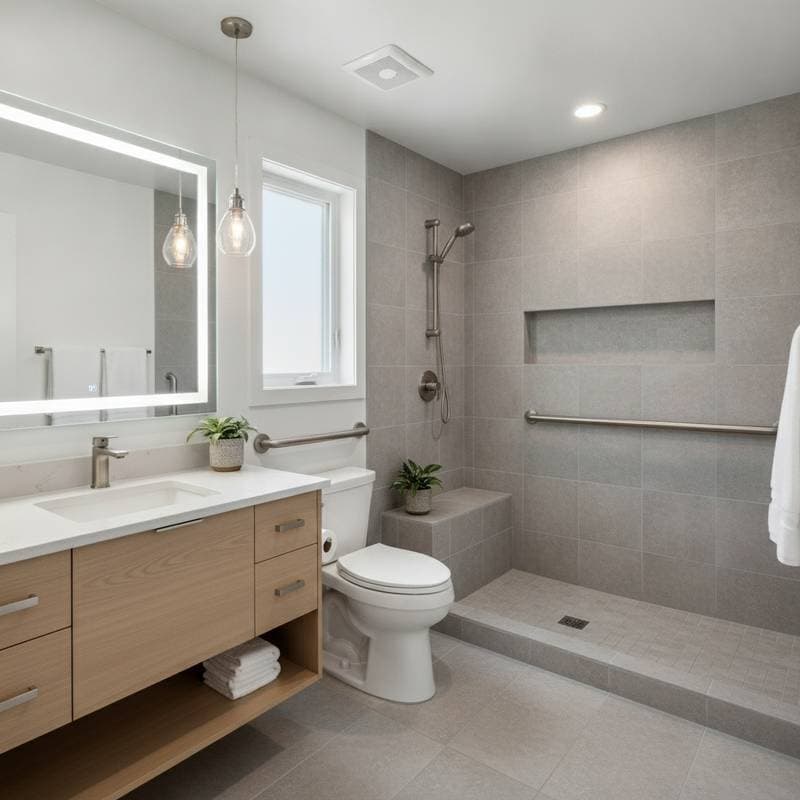
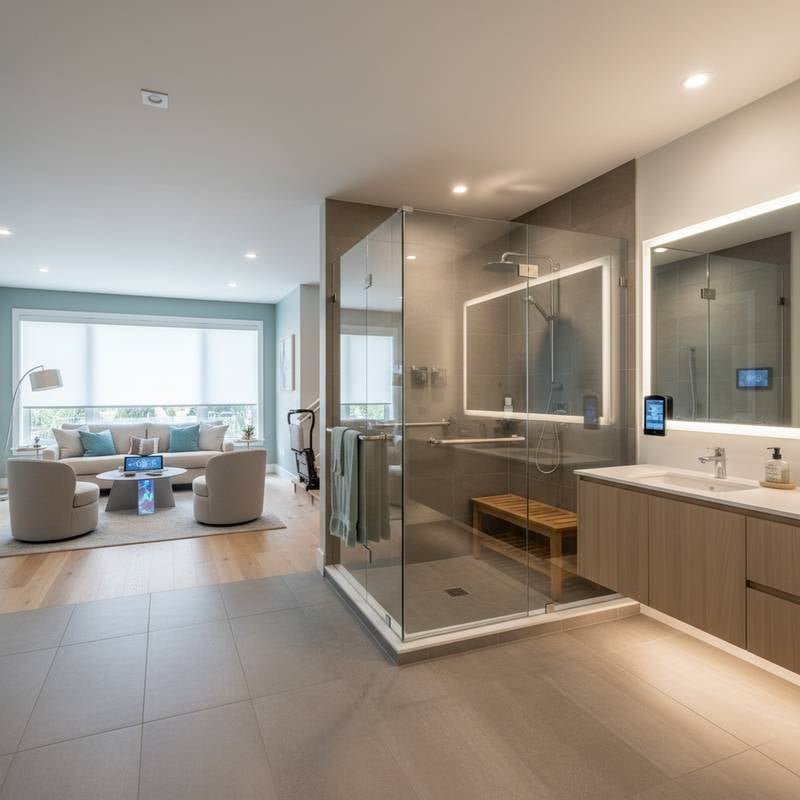
Bathrooms serve as primary focus areas for initial accessibility upgrades. A standard remodel incorporating essential features costs $10,000 to $25,000, whereas expansive redesigns with luxury elements exceed $40,000. Essential additions encompass walk-in showers with built-in seating, reinforced grab bars, elevated toilets for easier use, adjustable showerheads, and textured flooring to prevent slips.
Kitchen Upgrades
Kitchens demand ergonomic adjustments that merge aesthetics with utility. Budgets range from $15,000 to $60,000 based on scope and selections. Install lower counters at 34 inches for seated access, incorporate pull-out drawers in base cabinets, and position upper storage within arm's reach. Opt for sensor-operated faucets and smooth-top ranges to streamline tasks while safeguarding against burns.
Whole-Home Retrofits
Enterprise-level remodels averaging $70,000 to $150,000 transform entire properties for lifelong usability. These often feature ground-level primary suites, hallways broadened to 36 inches, ambient lighting throughout, and integrated automation. Multi-story homes might integrate platform lifts or compact elevators, incurring additional $5,000 to $30,000 depending on travel distance and capacity.
Professional Guidance and Cost Management
Engage certified contractors to guarantee compliance with safety codes and durability standards. Labor constitutes 40 to 60 percent of expenses, yet specialists in universal design uncover efficiencies, such as optimizing plumbing routes or reinforcing joists without excess disruption.
For minor tweaks, like mounting grab bars or retrofitting cabinet pulls, capable individuals can handle DIY to trim 10 to 20 percent from budgets. Reserve complex elements involving wiring, pipes, or load-bearing alterations for experts, as errors invite costly corrections and potential liability issues.
Additional Cost Influences
Material Selection
Invest in resilient options such as porcelain tiles with high friction ratings, seamless counter surfaces, and ergonomic lever sets. These choices demand higher initial outlay but yield savings via reduced upkeep and sustained performance.
Design Intricacies
Intricate configurations, integrated millwork, or partition relocations inflate budgets. Straightforward interventions, including doorway expansions or fixture additions, prove more economical. Develop a staged approach to distribute investments across years, aligning with financial capacity.
Regulatory and Tech Expenses
Permits and evaluations typically total $500 to $2,000, scaled to project magnitude; contractors streamline this process to evade setbacks. Integrate intelligent features like voice-responsive controls, sensor-triggered illumination, and alert systems for $2,000 to $10,000, amplifying autonomy for those with mobility constraints.
Strategies to Optimize Your Budget
- Initiate planning ahead of necessity to sidestep premium rushed services.
- Target frequent zones like bathrooms, kitchens, and thresholds first.
- Repurpose current elements, such as refinishing cabinets or salvaging tiles.
- Combine multiple enhancements to leverage shared labor efficiencies.
- Pursue available subsidies or incentives for adaptive modifications.
- Select functional mid-tier products that rival high-end durability.
Forward-thinking expenditures on robust infrastructure avert incidents and upkeep demands, potentially offsetting medical outlays while fostering self-reliance.
Investment Recovery and Benefits
Aging-in-place enhancements recoup 50 to 80 percent upon sale, particularly in kitchens and baths featuring inclusive elements that widen buyer pools. Beyond financial returns, residents secure enhanced daily living, hazard mitigation, and adaptive freedom without upheaval.
Properties boasting level entrances, ample corridors, and intelligent illumination draw multigenerational interest. As these adaptations gain prevalence, they elevate overall market worth irrespective of occupant age.
Cost Basis
Estimates derive from nationwide benchmarks, specialist bids, and resident feedback. Rates incorporate moderate professional fees and conventional materials, excluding bespoke extravagances. Adjust for locale, where urban premiums may elevate figures by 20 to 30 percent.
Forward-Looking Universal Design Innovations
Adaptable Multi-Generational Spaces
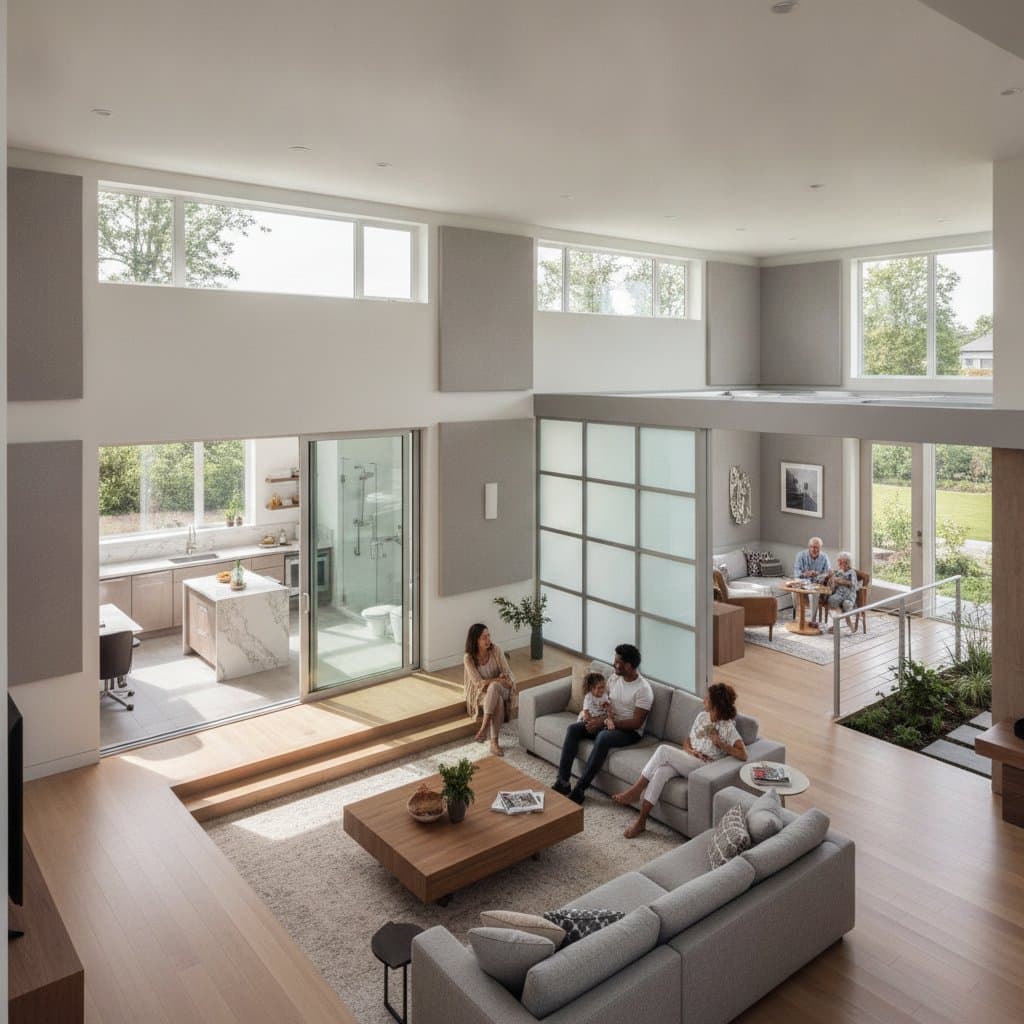
Residences now incorporate versatile areas accommodating diverse needs, such as modular bedrooms doubling as care suites and corridors widened for wheelchair passage. These setups facilitate family support without subsequent overhauls.
Intelligent Accessibility Solutions
Advancements include app-controlled thresholds, wearable fall detectors, and caregiver-linked networks. Such integrations provide reassurance through effortless operation and distant oversight.
Enhanced Illumination Techniques
Employ multi-tiered setups with dimmable LEDs and pathway guides to eliminate hazards. Tunable hues support eye health, adapting from energizing daylight to soothing evenings.
Exterior Adaptations
Paved routes without inclines, durable plantings, and sheltered portals prolong outdoor enjoyment. Stylish ramps and subtle supports preserve architectural harmony.
Aesthetic Integration
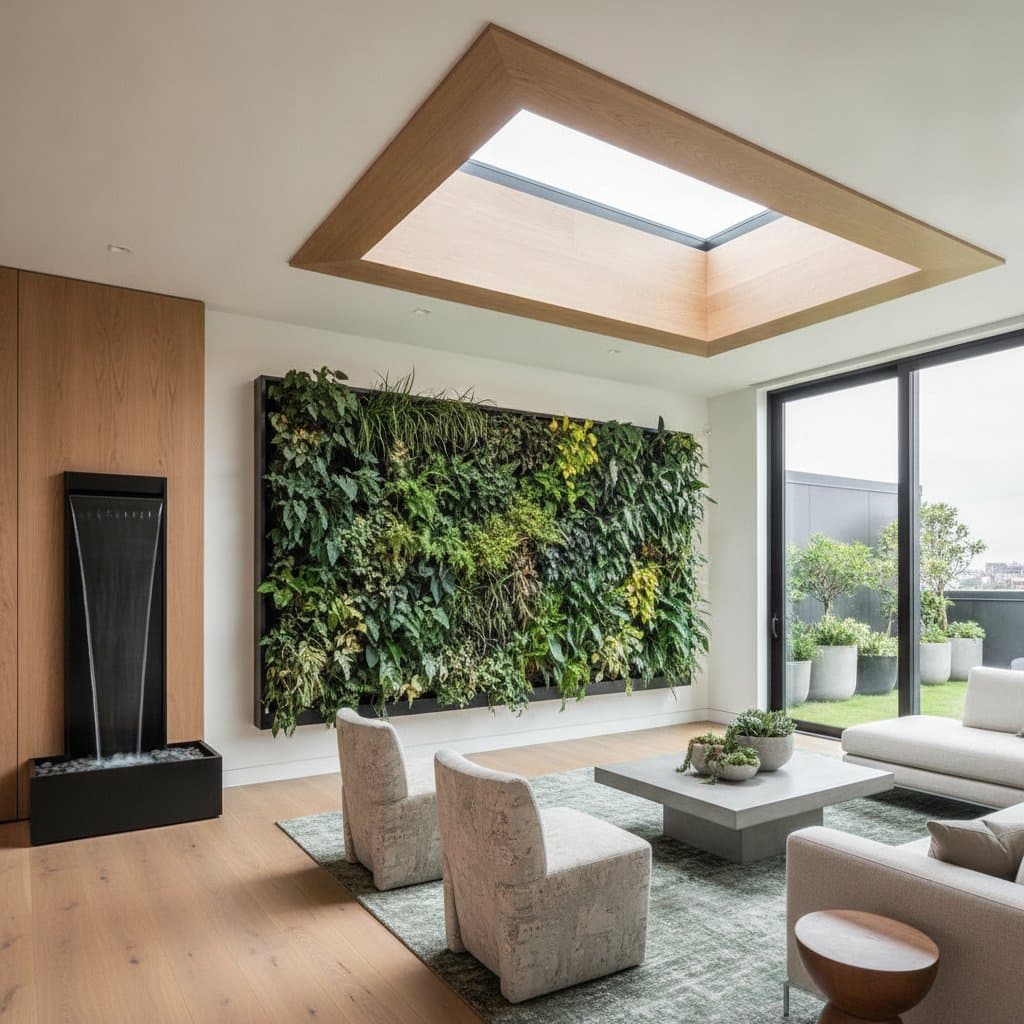
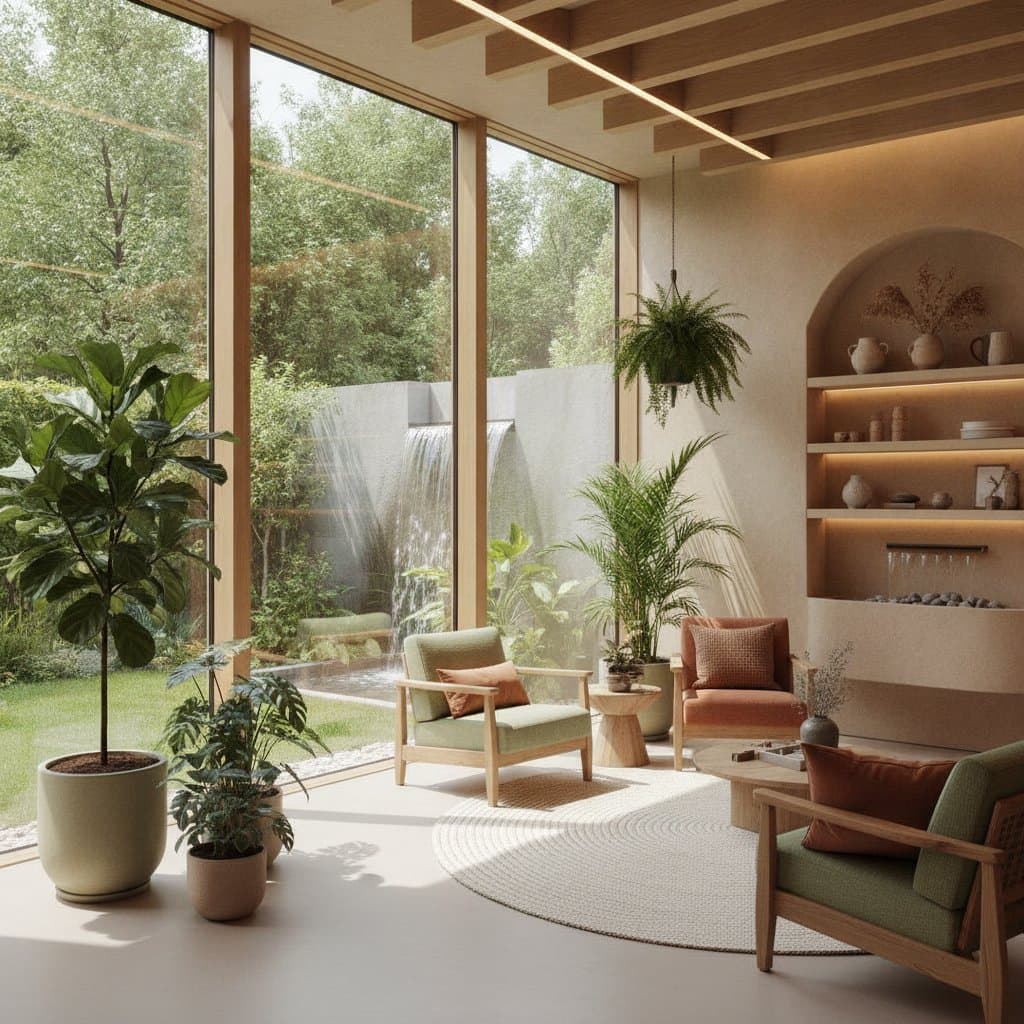
Contemporary projects infuse warmth via wood accents, soft palettes, and elegant hardware, ensuring spaces feel inviting rather than institutional. This harmony sustains emotional well-being across generations.
Sustaining Your Remodel's Effectiveness
Preserve accessibility through routine evaluations of supports, illuminants, and surfaces to maintain integrity. Clear circulation paths and refresh gadgets periodically to align with progressions. Address minor wear, like securing fittings or updating gaskets, to forestall extensive interventions.
Vigilant upkeep safeguards usability and allure, enabling prolonged self-sufficiency. A thoughtfully evolved home responds to life's shifts, delivering enduring security and satisfaction.