Mass Timber 2026: Costs, Benefits and Sustainability
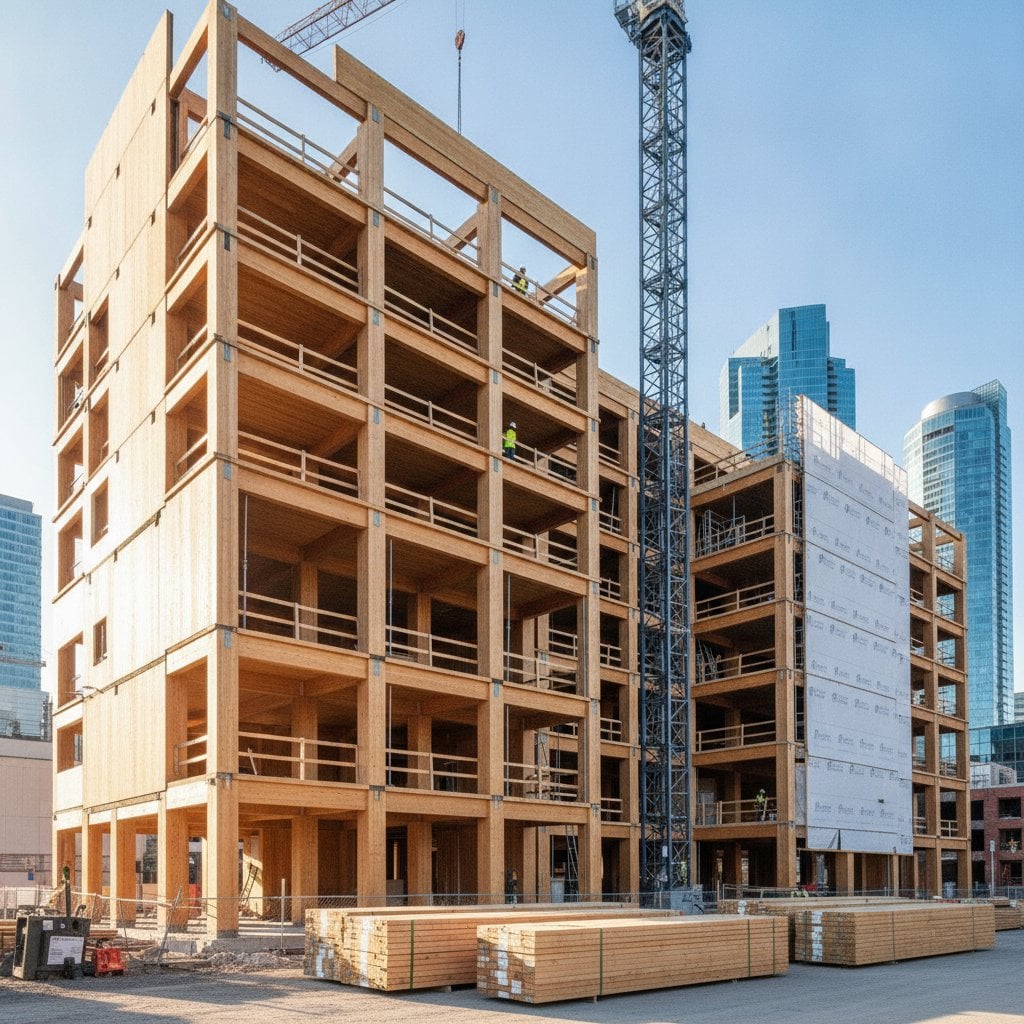
Mass timber construction has moved from niche applications to mainstream use in commercial, residential, and institutional projects. Homeowners, developers, and architects view it as a strong alternative to steel and concrete because it combines speed, strength, and sustainability. Cost questions remain central to project decisions. Understanding current pricing, influencing factors, and long term performance supports confident planning.
Key Project Insights
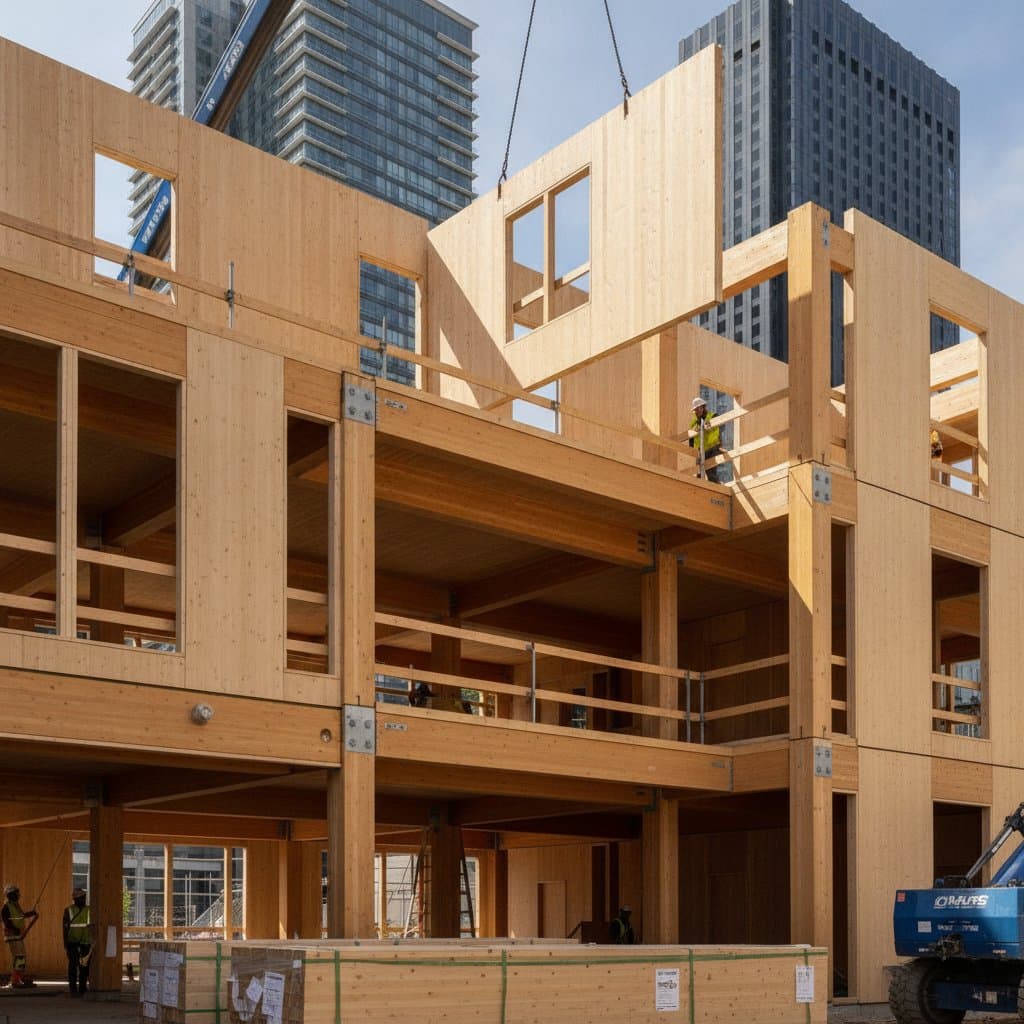
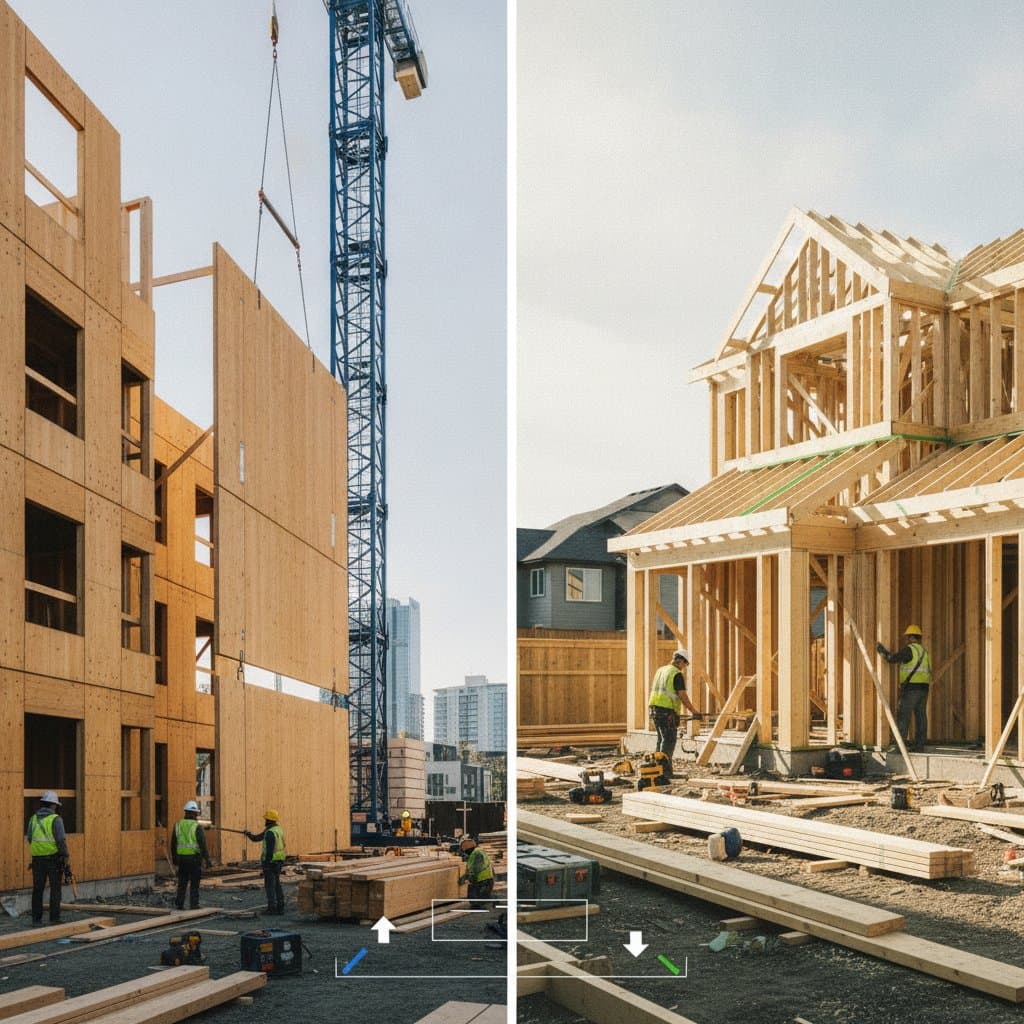
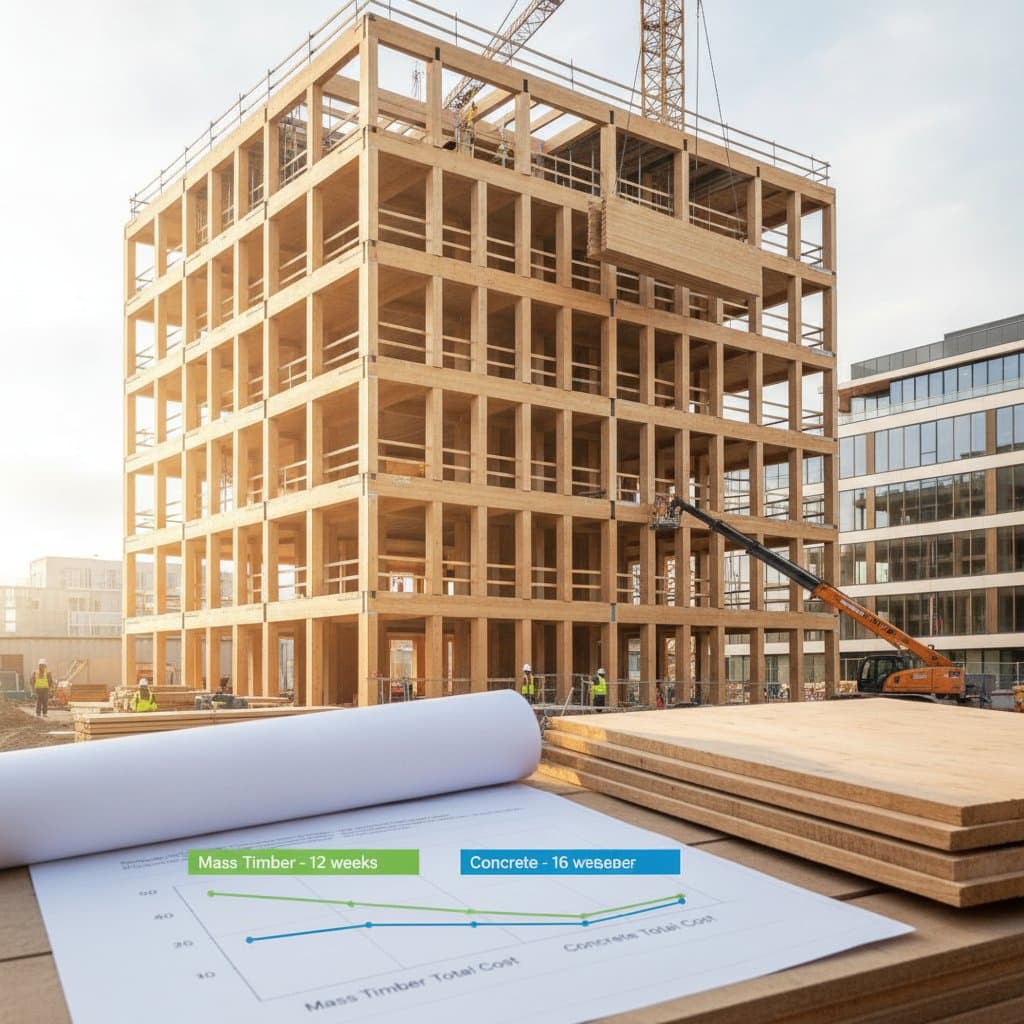
- Prefabricated cross laminated timber panels shorten construction schedules by 20 to 30 percent.
- Labor savings offset premium material costs in many mid rise projects.
- Mass timber buildings weigh about one fifth the weight of concrete structures, which reduces foundation expenses.
- Sustainability benefits include carbon storage and renewable material sourcing.
- Fire and acoustic performance meet current building code requirements.
Labor and Contractor Expenses
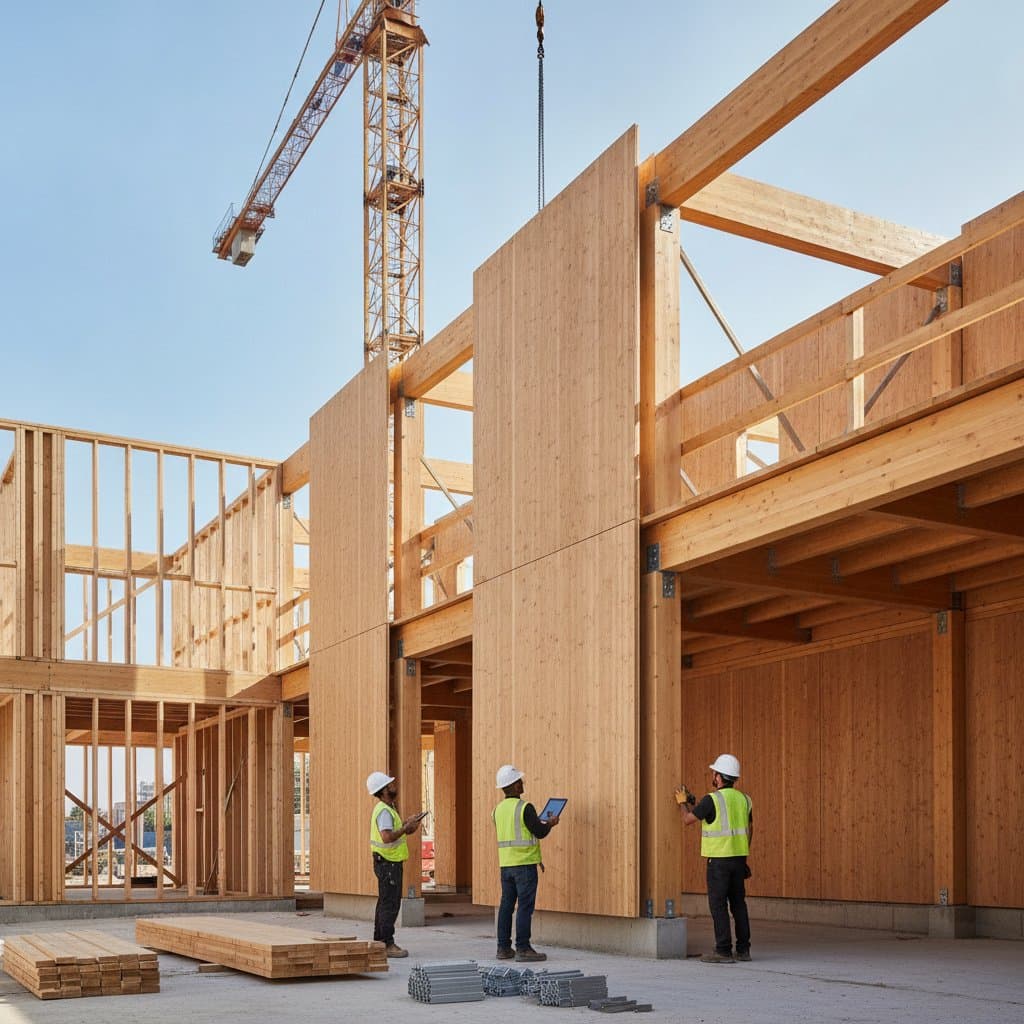
Labor costs vary by region and typically represent 25 to 35 percent of a mass timber project budget. Prefabrication allows crews to install large sections quickly, which reduces time on site and limits weather related delays. Contractors often charge a premium for specialized timber erection crews and equipment such as cranes capable of placing large panels. Reduced construction time nevertheless lowers overhead and financing costs.
A typical contractor cost breakdown includes timber fabrication and delivery at 45 percent, on site assembly and labor at 30 percent, engineering design and permits at 15 percent, and finishes fixtures and mechanical systems at 10 percent.
Strategies to Control Expenses
Project teams manage costs through careful planning and deliberate design choices.
- Standardize panel dimensions to reduce fabrication time through repeated layouts.
- Limit custom cuts and connections to preserve both material and labor resources.
- Combine systems wisely by using concrete or steel only where structurally necessary.
- Engage the manufacturer early to prevent design changes that increase cost.
- Plan for modular installation to shorten schedules and reduce crane rental expenses.
Continuous coordination among designers, engineers, and contractors prevents costly rework.
Environmental Advantages
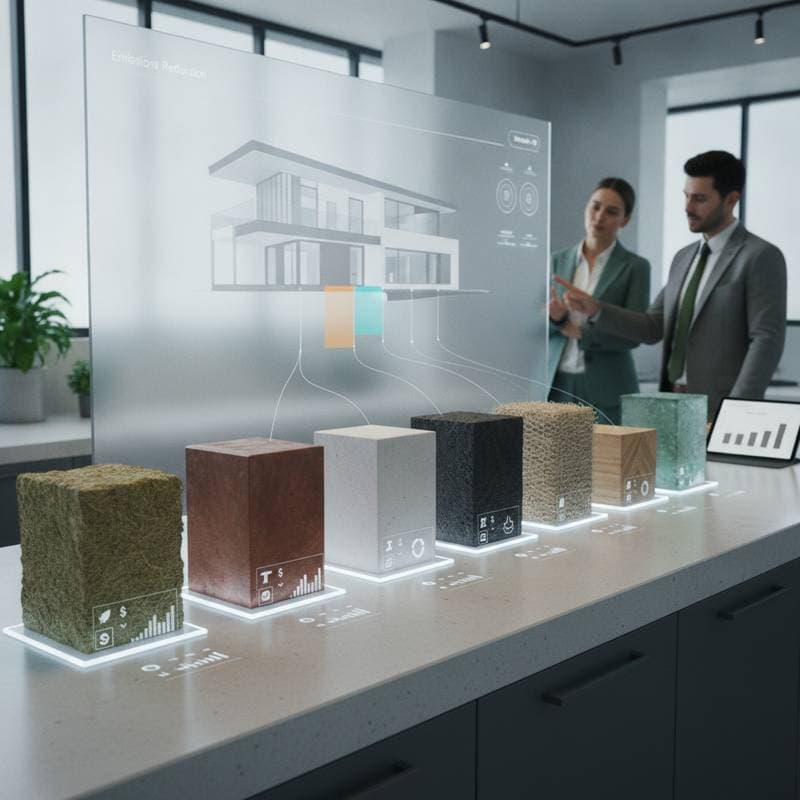
Mass timber delivers environmental benefits that extend through the full life cycle of a building. Each cubic meter of wood stores approximately one ton of carbon dioxide. Most cross laminated timber and glulam panels come from responsibly managed forests with active replanting programs. Timber production generates fewer greenhouse gases than concrete or steel manufacturing. Exposed wood surfaces also help regulate humidity and reduce exposure to certain volatile compounds. By replacing carbon intensive materials, mass timber buildings can lower total embodied carbon emissions by up to 60 percent compared with traditional construction.
How Costs Are Determined
Cost ranges in this guide reflect averages drawn from recent project data, supplier quotes, and contractor estimates across multiple regions. Prices cover materials, labor, engineering, and general conditions but exclude land acquisition and interior furnishings. Local variations depend on timber supply chains, labor rates, and code requirements.
Common Questions
How much does a mass timber building cost compared to concrete?
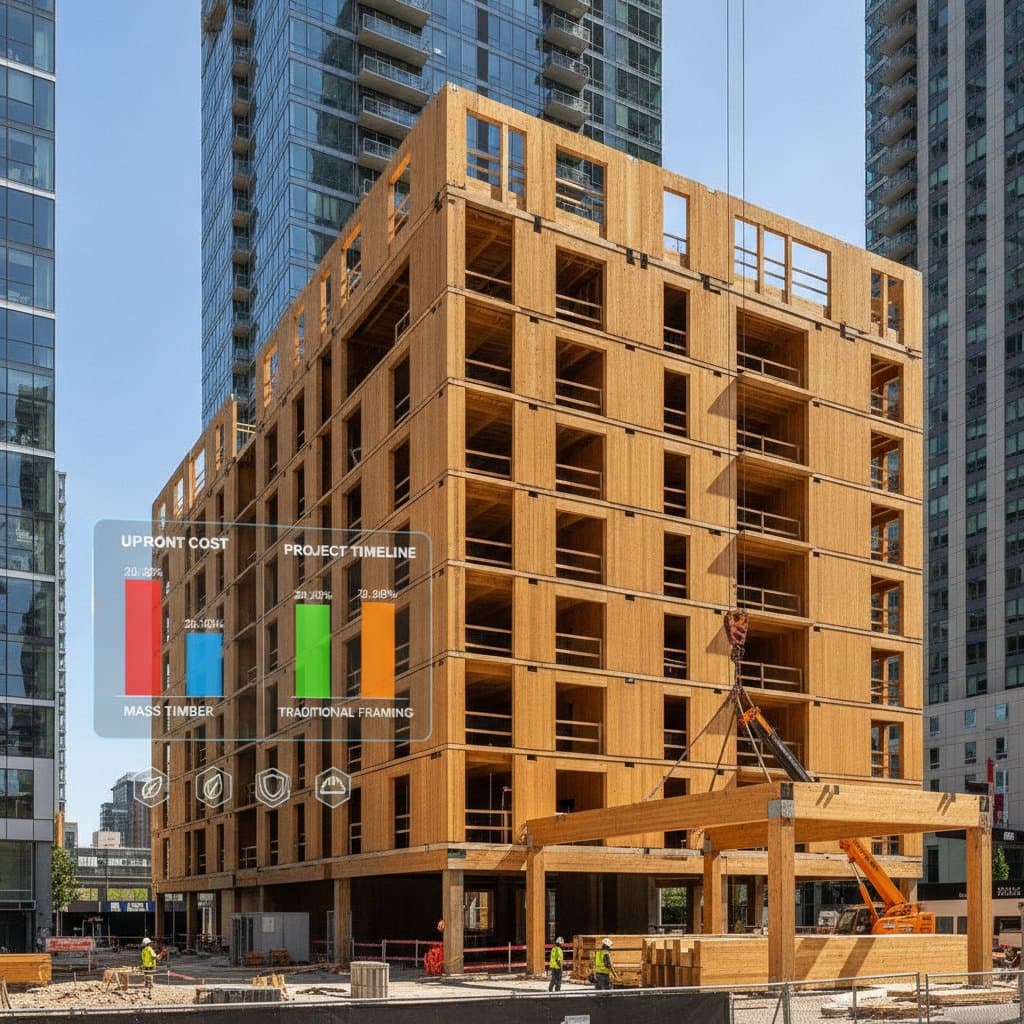
Mass timber is usually 5 to 15 percent more expensive per square foot, yet shorter build times and lighter foundations often offset the premium.
Is mass timber safe in a fire?
Yes. Thick cross laminated timber panels char on the surface, which insulates inner layers and maintains structural integrity for required fire ratings.
Can mass timber be used for tall buildings?
Yes. Modern codes allow mid rise and high rise construction with proper engineering and fire protection.
How long does a mass timber building last?
When properly designed and maintained, a mass timber structure can last as long as concrete or steel, often exceeding 100 years.
Does mass timber require special maintenance?
Routine inspection for moisture and proper ventilation remain essential, yet maintenance requirements stay relatively low compared with exposed steel.
Is mass timber sustainable if it uses trees?
Yes. Panels are made from rapidly renewable species, and certified forests ensure replanting along with biodiversity protection.
Planning Your Mass Timber Project
Mass timber provides a practical route to faster, cleaner, and more sustainable construction. For homeowners it supports a distinctive residence with a reduced environmental footprint. For developers it supplies modern aesthetics and strong market value while meeting sustainability targets. Begin with clear cost targets and engage a design team experienced in timber systems. Early coordination with engineers and manufacturers produces accurate budgets and fewer surprises during construction. Evaluate life cycle savings together with upfront cost, because reduced labor, faster schedules, and lower long term energy use can make mass timber a financially sound selection.