Prefabricated ADUs Offer Significant Savings Compared to Traditional Construction
Accessory Dwelling Units (ADUs) grow in popularity as versatile additions that expand living space and increase property value. Prefabricated ADUs deliver a quicker and more reliable building process than site-built alternatives. Homeowners focused on timelines and finances benefit from evaluating cost variations, quality factors, and enduring benefits prior to deciding.
This analysis contrasts prefabricated ADUs with traditional construction to guide selection based on property needs, daily routines, and financial aims.
What Are Prefabricated ADUs?
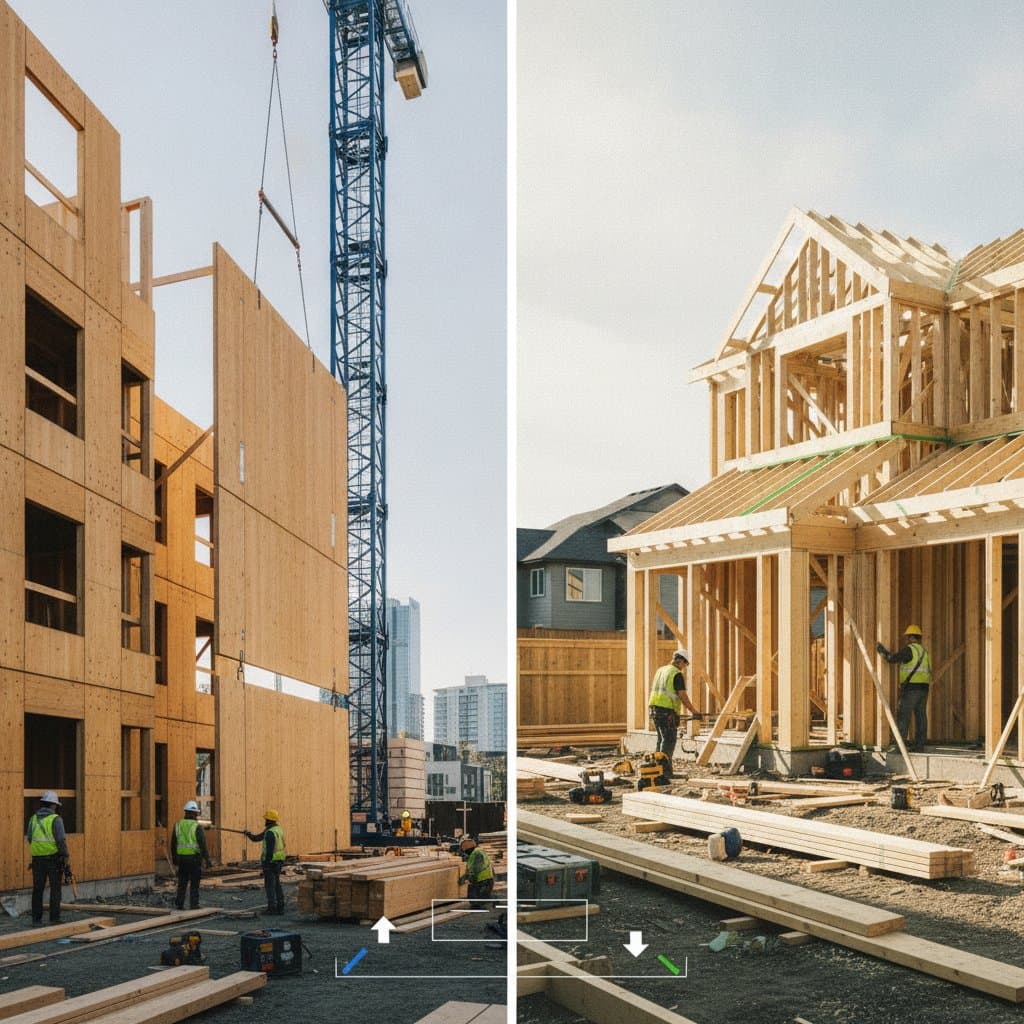
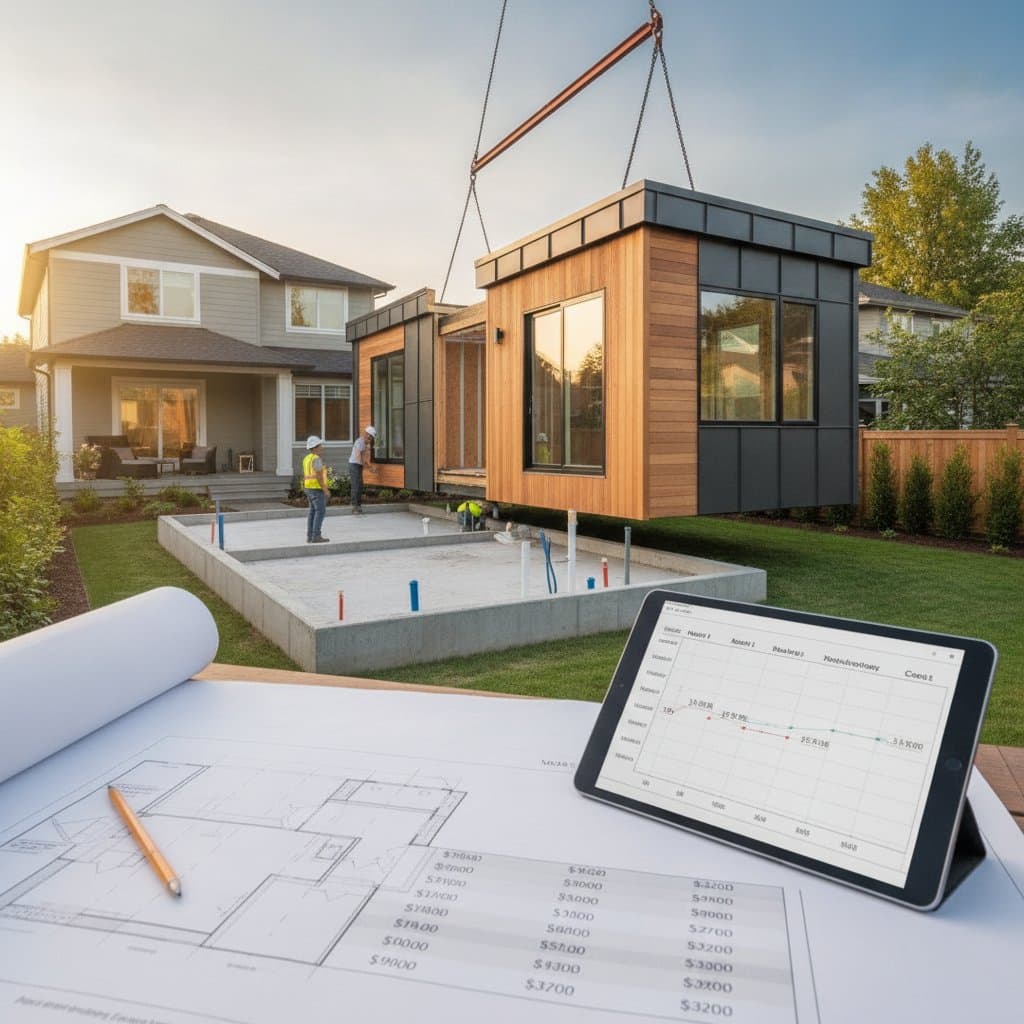
Prefabricated ADUs consist of factory-assembled modules or panels transported to the site for final assembly by local contractors. These professionals handle utility hookups and completion. This approach minimizes uncertainties from weather conditions, workforce availability, and supply chain issues.
Reasons Homeowners Select Prefabricated Options
- Efficiency in Time: Production in a controlled factory environment often halves the overall project duration.
- Stable Expenses: Fixed designs and materials limit unexpected modifications.
- Superior Quality Oversight: Assembly indoors protects against environmental damage like humidity or storms.
- Minimal Site Impact: On-site work generates less disturbance, including reduced noise, debris, and foot traffic.
Prefabricated ADUs suit those seeking a straightforward process while accepting predefined layouts and material choices. For instance, select from models featuring open-plan kitchens or compact bedrooms to match family requirements.
Cost Comparison
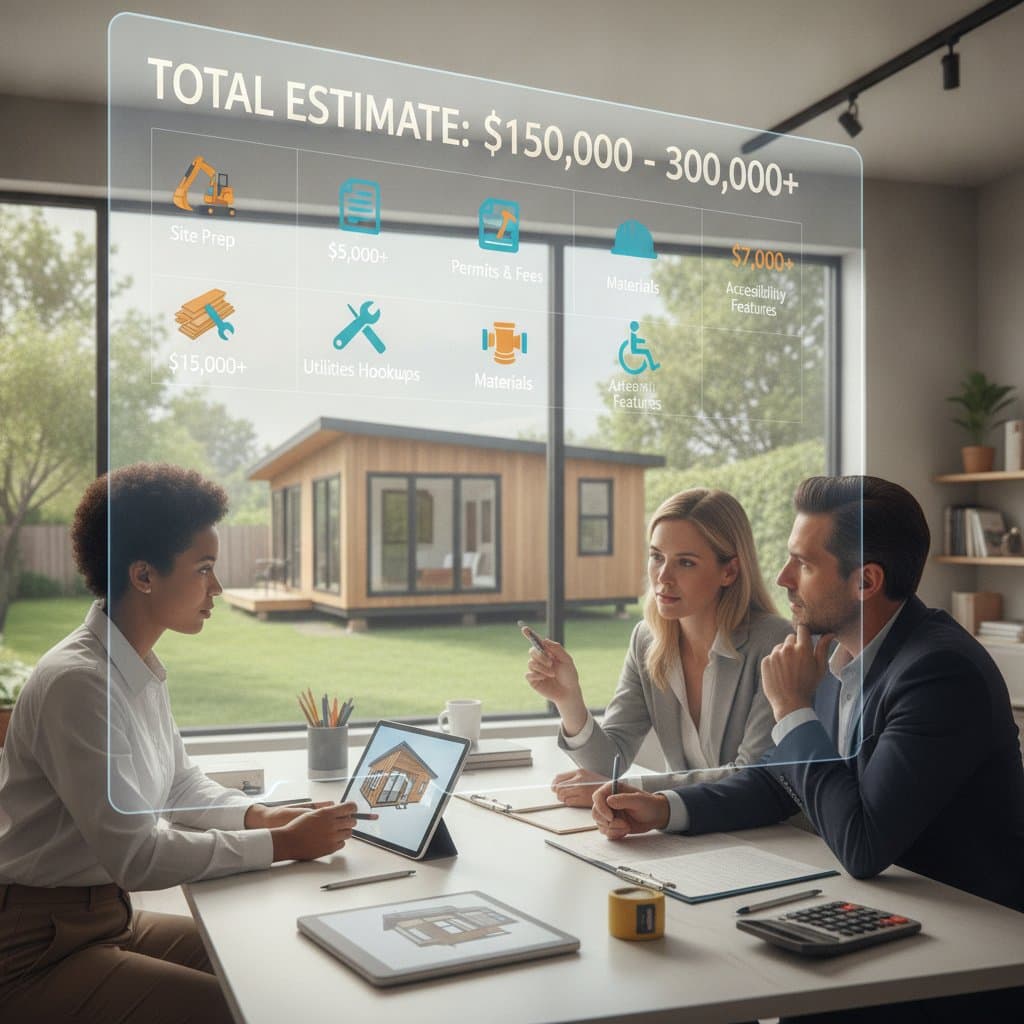
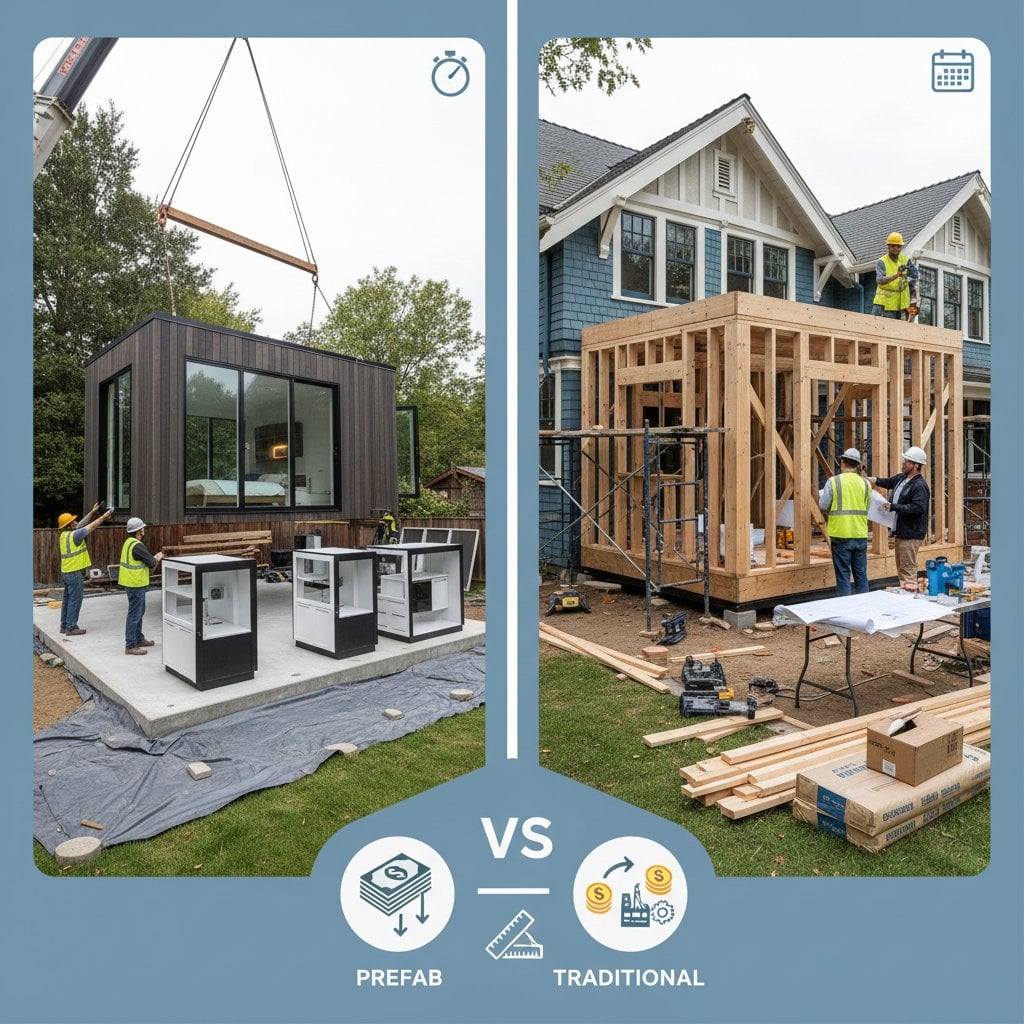
ADU expenses vary by dimensions, materials, and location specifics, yet prefabricated versions typically prove more economical overall. Bulk procurement in factories lowers material prices, while streamlined labor cuts hours. Traditional projects demand extended on-site efforts, coordination among specialists, and resolutions for unforeseen obstacles.
| Type | Average Cost per Square Foot | Total Project Range | Typical Timeline |
|---|---|---|---|
| Prefabricated ADU | $250–$400 | $150,000–$250,000 | 3–6 months |
| Traditional ADU | $350–$600 | $200,000–$400,000 | 8–12 months |
Key Factors Influencing Costs
- Site Readiness: Uneven terrain or unstable ground necessitates additional excavation or foundational reinforcements.
- Utility Integration: Extended distances for water lines or wiring elevate charges.
- Regulatory and Planning Expenses: Traditional designs frequently incur higher architect or engineer fees.
- Modifications: Alterations to prefabricated plans introduce fees and potential delays.
Although transportation and equipment rental add to prefabricated projects, the total remains lower for many properties. Consider a 600-square-foot unit: prefabricated installation might total $180,000, versus $240,000 for traditional, yielding substantial savings.
Flexibility in Design and Appearance
Early prefabricated ADUs faced criticism for rigid, modular aesthetics, but advancements now include diverse styles such as contemporary, rustic, or colonial. Customization remains constrained relative to traditional builds, where architects tailor every element.
Features of Prefabricated Designs
- Efficient configurations reaching 1,200 square feet, ideal for guest suites or home offices.
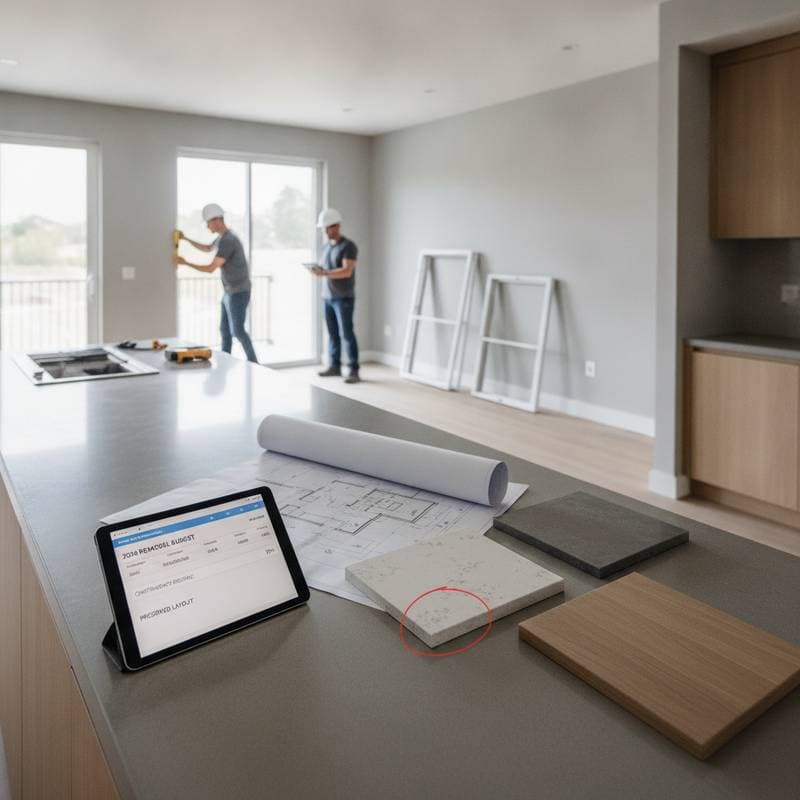
- Bundled selections for surfaces, storage, and accents to simplify choices.
- Built-in sustainable features like insulated walls and low-flow fixtures.
- Add-ons such as roof windows or renewable energy integrations for enhanced appeal.
Features of Traditional Designs
- Full authority over spatial arrangements, exterior profiles, and interior details.
- Simpler alignment with the primary residence's architecture and materials.
- Adaptations for irregular lots, such as stepped foundations or angled roofs.
When aesthetic harmony with the main house matters most, traditional construction justifies the investment. Prefabricated choices excel in delivering modern, functional spaces with fewer decisions and disruptions. Homeowners often appreciate how these units incorporate smart home wiring from the factory stage.
Navigating Permits, Regulations, and Safety Standards
All ADUs comply with municipal zoning rules, distance requirements, and construction codes. Prefabricated units undergo pre-shipment certifications to meet state standards, easing local reviews.
Prior to agreements, confirm the following:
- Property zoning permits ADU placement.
- Existing utilities accommodate increased usage without upgrades.
- Entry paths support heavy transport vehicles or lifting machinery.
- Authorities recognize factory-certified prefabricated components.
Partner with contractors versed in ADU regulations to expedite approvals and avoid redesign expenses. For example, in urban areas, verify height limits to ensure the unit fits neighborhood guidelines.
Strategies to Minimize Expenses
Strategic decisions lower costs for both prefabricated and traditional ADUs. Focus on essentials to avoid premium features that inflate budgets.
- Opt for Basic Geometry: Straight lines and simple roofs reduce material and labor needs.
- Select Compact Sizes: Units between 400 and 800 square feet offer practicality without excess space.
- Integrate Utilities Efficiently: Align the ADU near main lines to shorten pipe and wire runs.
- Adhere to Standard Selections: Manufacturers provide discounts on core packages for exteriors and interiors.
- Schedule During Low-Demand Periods: Contractors may negotiate rates in slower seasons like winter.
Advance preparation, including soil tests and neighbor consultations, prevents surprises. These steps can trim 10 to 20 percent from totals, preserving funds for quality enhancements.
Return on Investment Considerations
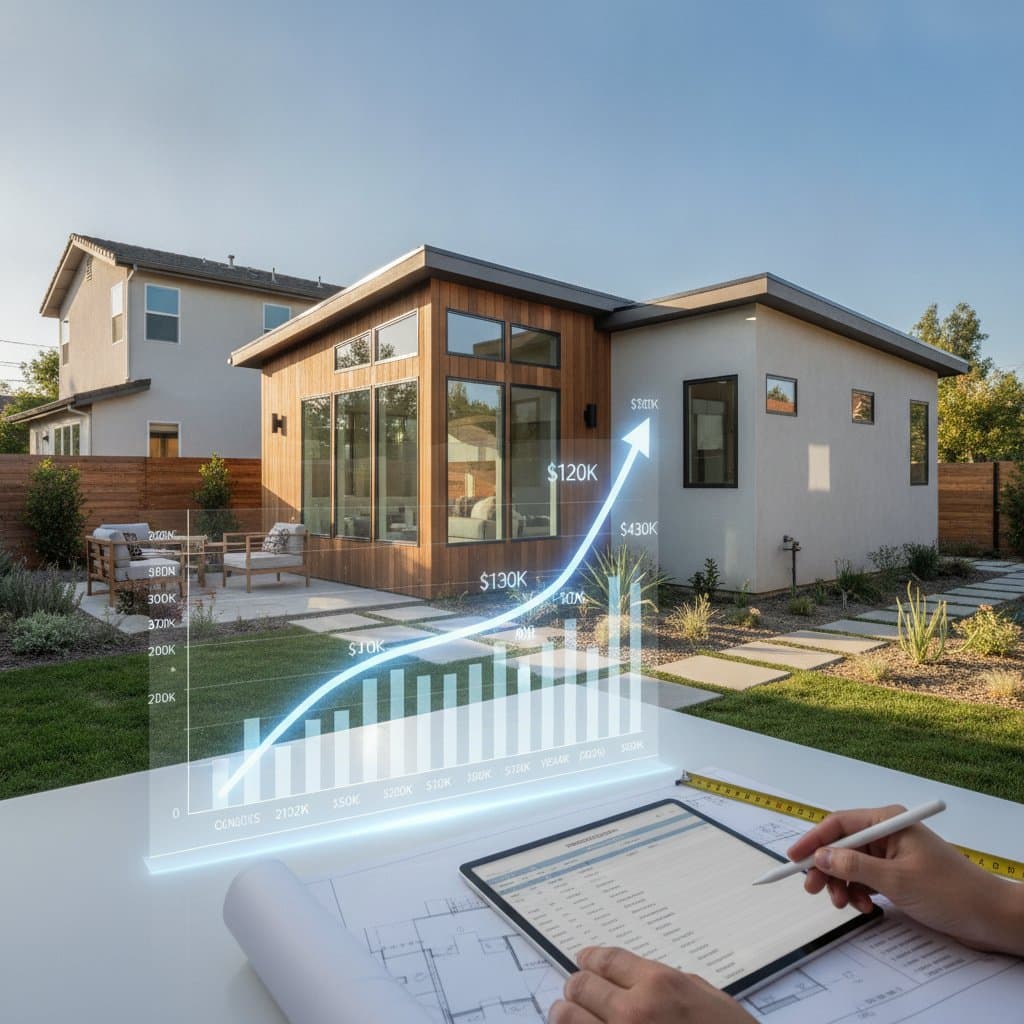
Both ADU types enhance property worth, often recouping 70 to 90 percent of costs upon sale. Prefabricated units appeal to buyers valuing modernity and efficiency, while traditional ones attract those seeking bespoke charm.
Evaluate rental potential: A prefabricated ADU might generate $1,500 monthly income in suburban markets, offsetting construction quickly. Traditional builds could yield higher rents through premium finishes but require longer to break even. Factor in energy savings—prefabricated models often qualify for rebates due to superior insulation.
Frequently Asked Questions on Prefabricated ADUs
How long does construction take for a prefabricated ADU?
Projects typically span three to six months after approvals and groundwork.
Do prefabricated ADUs compromise on quality relative to traditional ones?
Factory processes enhance uniformity and safeguard against on-site wear.
Is customization possible with prefabricated ADUs?
Options exist within approved parameters for colors, fixtures, and minor layouts.
What permits apply to prefabricated ADUs?
Full local zoning and code adherence remains mandatory, similar to traditional builds.
Which option boosts resale value more?
Both contribute positively if compliant and well-kept; traditional may add a premium for tailored integration.
Can prefabricated ADUs support family living?
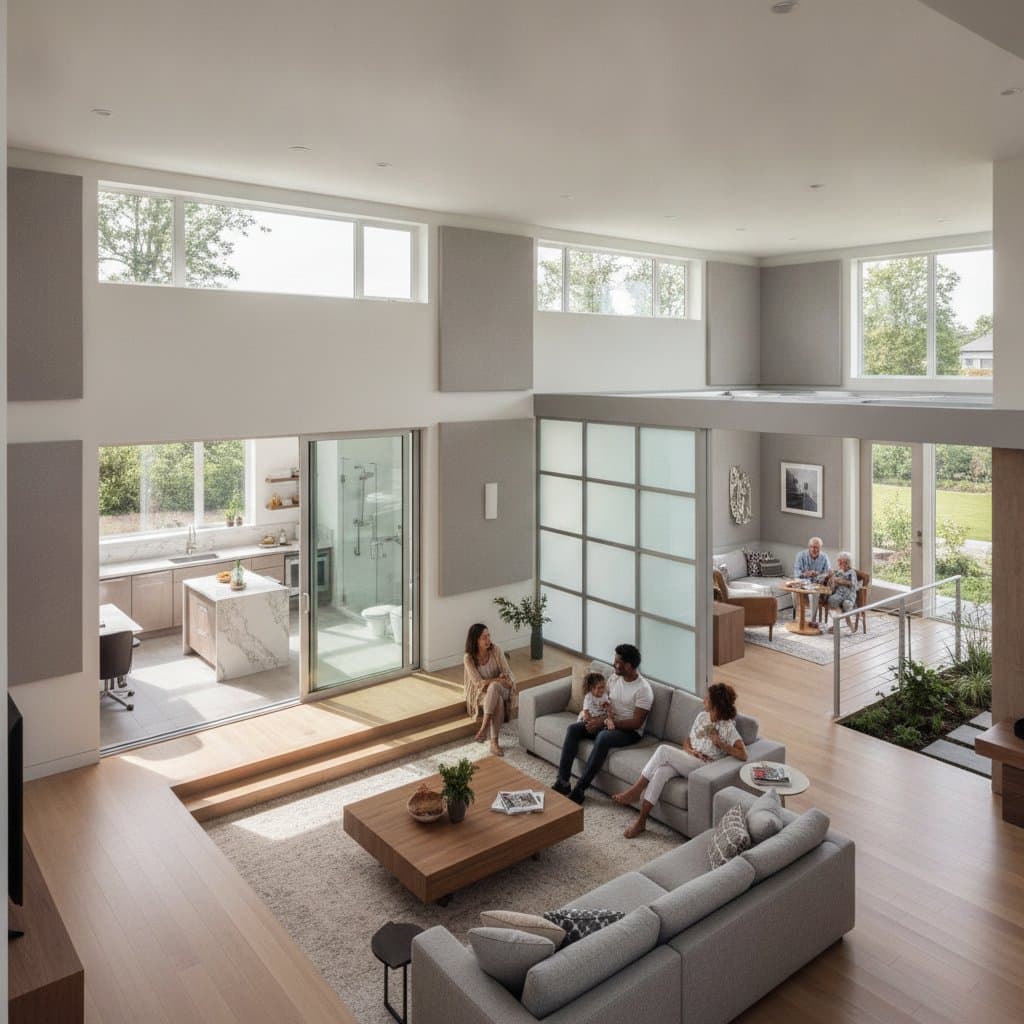
Many models include full kitchens and baths, suitable for multigenerational households or aging in place.
Choosing Your ADU Path Forward
Prefabricated ADUs achieve notable efficiencies in time and budget while upholding standards. Traditional methods grant unparalleled personalization at greater expense and duration. Align your selection with specific needs, terrain challenges, and project oversight preferences.
Outline priorities early, such as speed or style, to narrow options. Engage professionals for site assessments and quotes. The result yields a valuable addition that elevates living quality and financial returns for years ahead.