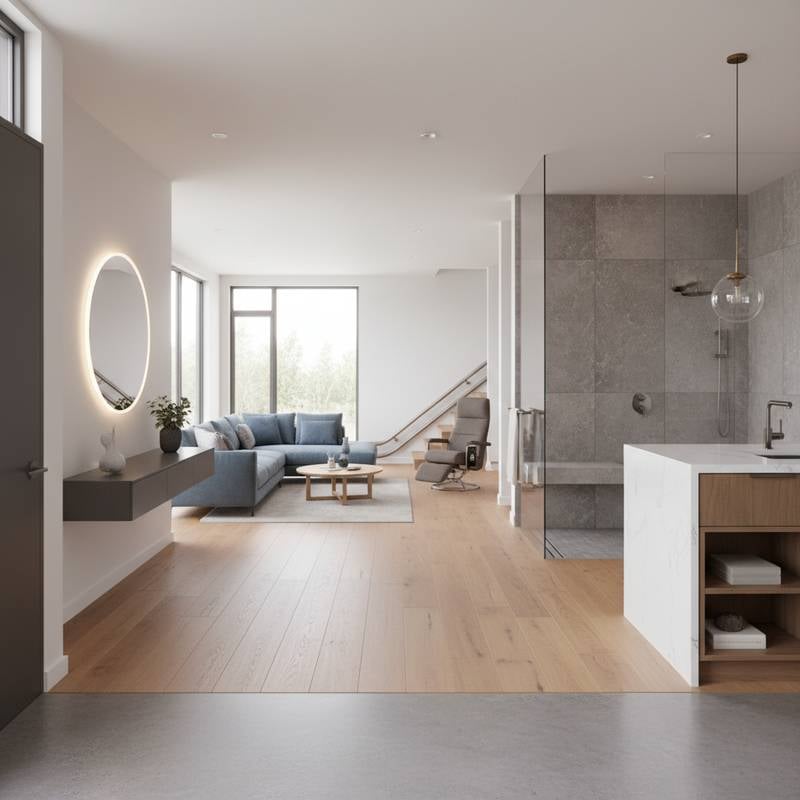
Universal Design Costs for Aging-in-Place
Creating a home that supports aging-in-place represents one of the most valuable long-term investments available to homeowners. Universal design principles enable individuals to maintain safety, comfort, and independence without compromising aesthetic appeal. This guide details budgeting expectations for a universal design remodel, identifies priority investment areas, and provides strategies for achieving enduring functionality and value.
What This Guide Covers
- Average costs and ranges for essential universal design upgrades
- Specific design features that enhance accessibility and safety
- Guidance on hiring professionals versus completing tasks independently
- Techniques to manage expenses and maximize return on investment
- Practical advice for sustaining comfort and independence within the home
Average Costs by Area of the Home
Each home presents unique challenges, yet the ranges below provide a reliable overview of anticipated expenses. These figures encompass materials and labor for professional installation.
Entry and Exterior Access
- Zero-step entry or ramp installation: $2,500 to $7,500
- Widening exterior doorways: $800 to $2,500 per door
- Lever-style door handles: $40 to $100 each installed
A seamless, step-free entry facilitates mobility for users of walkers or wheelchairs and minimizes fall risks. Opt for concrete or composite ramps over wood options, as they offer superior durability and demand minimal upkeep.
Kitchens
- Adjustable-height countertops or islands: $2,000 to $5,000
- Pull-down shelving systems: $600 to $1,200 per cabinet
- Side-opening wall ovens and drawer dishwashers: $1,500 to $3,500 each
Effective kitchen accessibility emphasizes reachable surfaces, adequate illumination, and unobstructed pathways. Incorporate lower counter segments alongside pull-out storage solutions to simplify meal preparation while preserving a tailored appearance.
Bathrooms
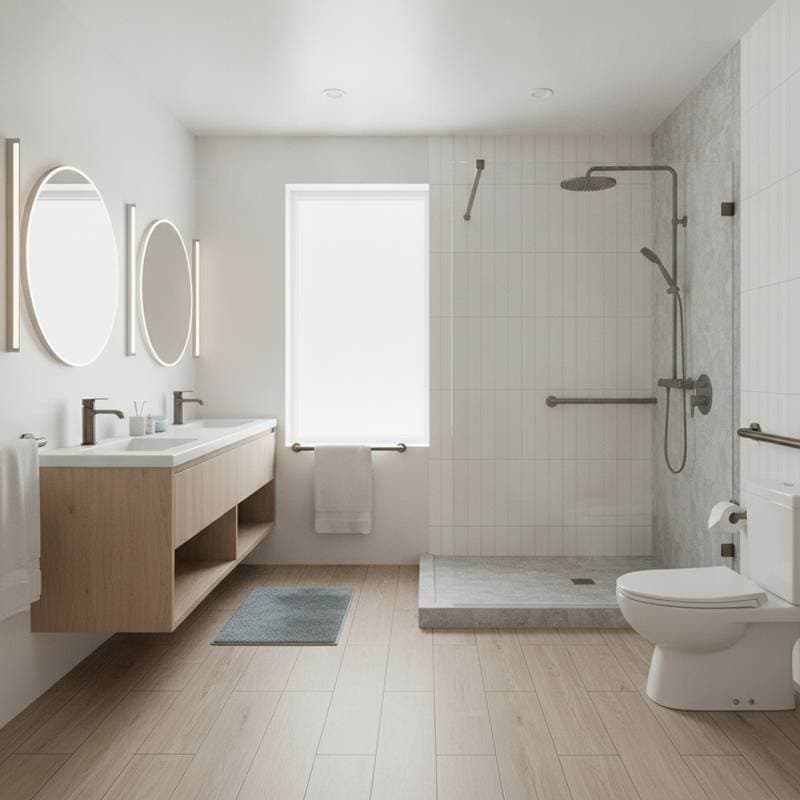
- Curbless shower conversion: $5,000 to $10,000
- Grab bar installation: $150 to $400 each
- Comfort-height toilet: $400 to $800 installed
- Non-slip flooring: $6 to $10 per square foot
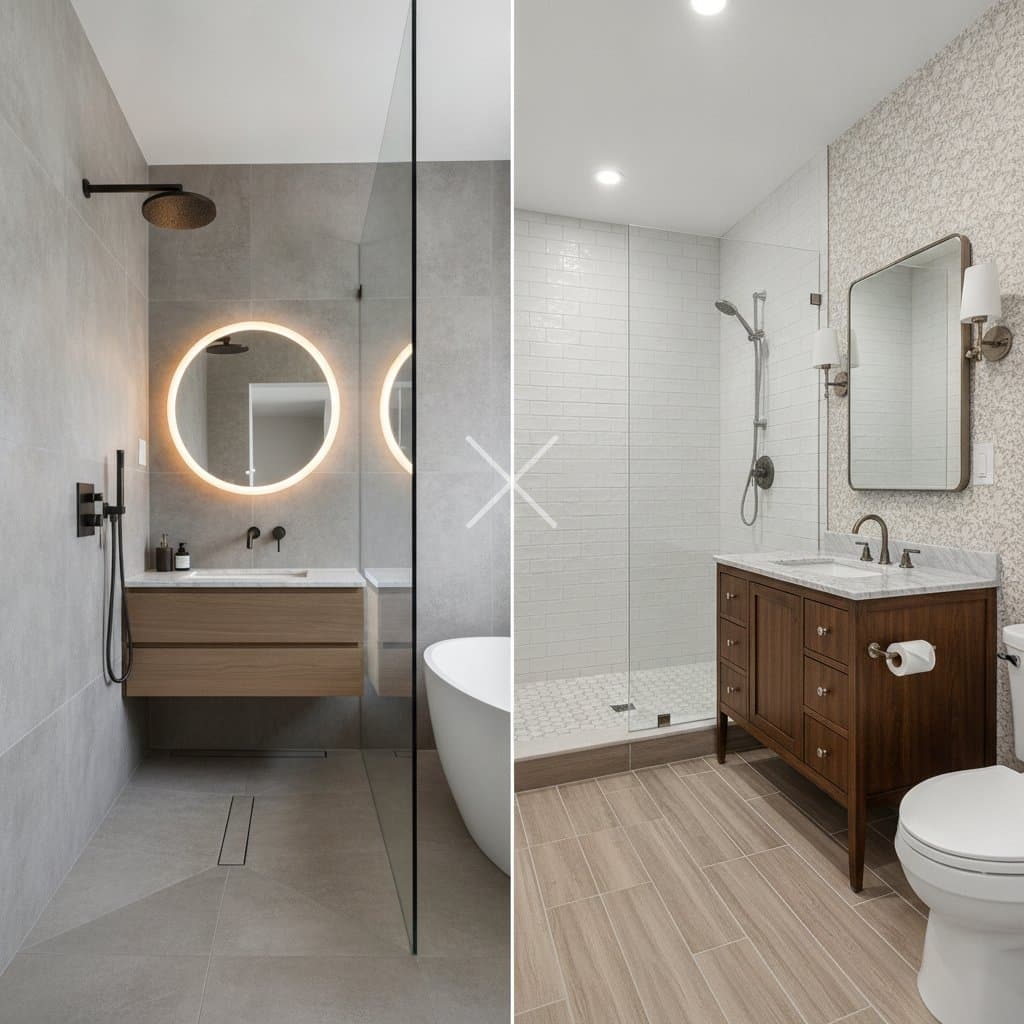
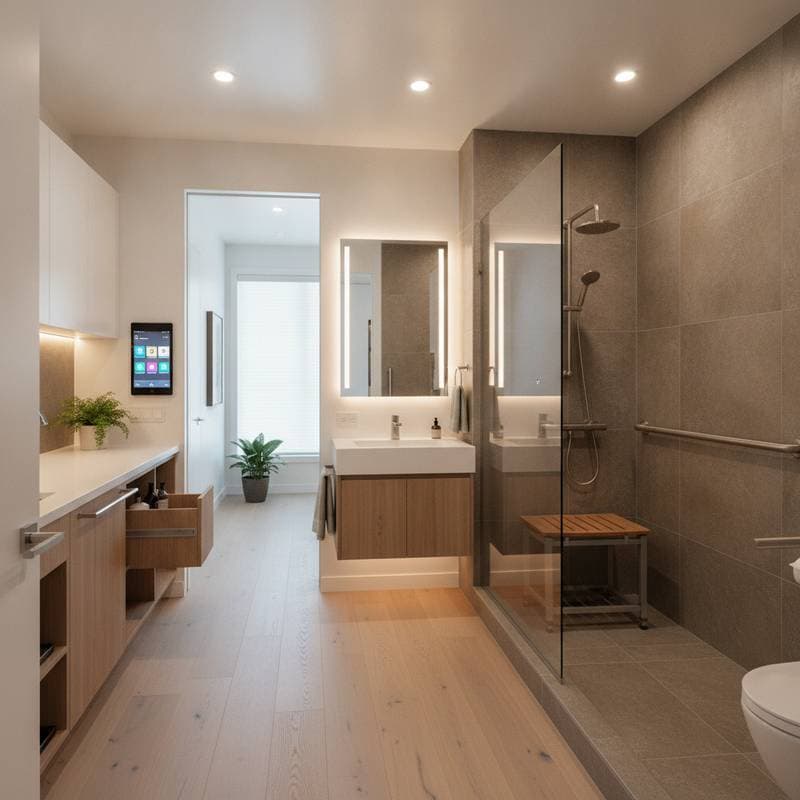
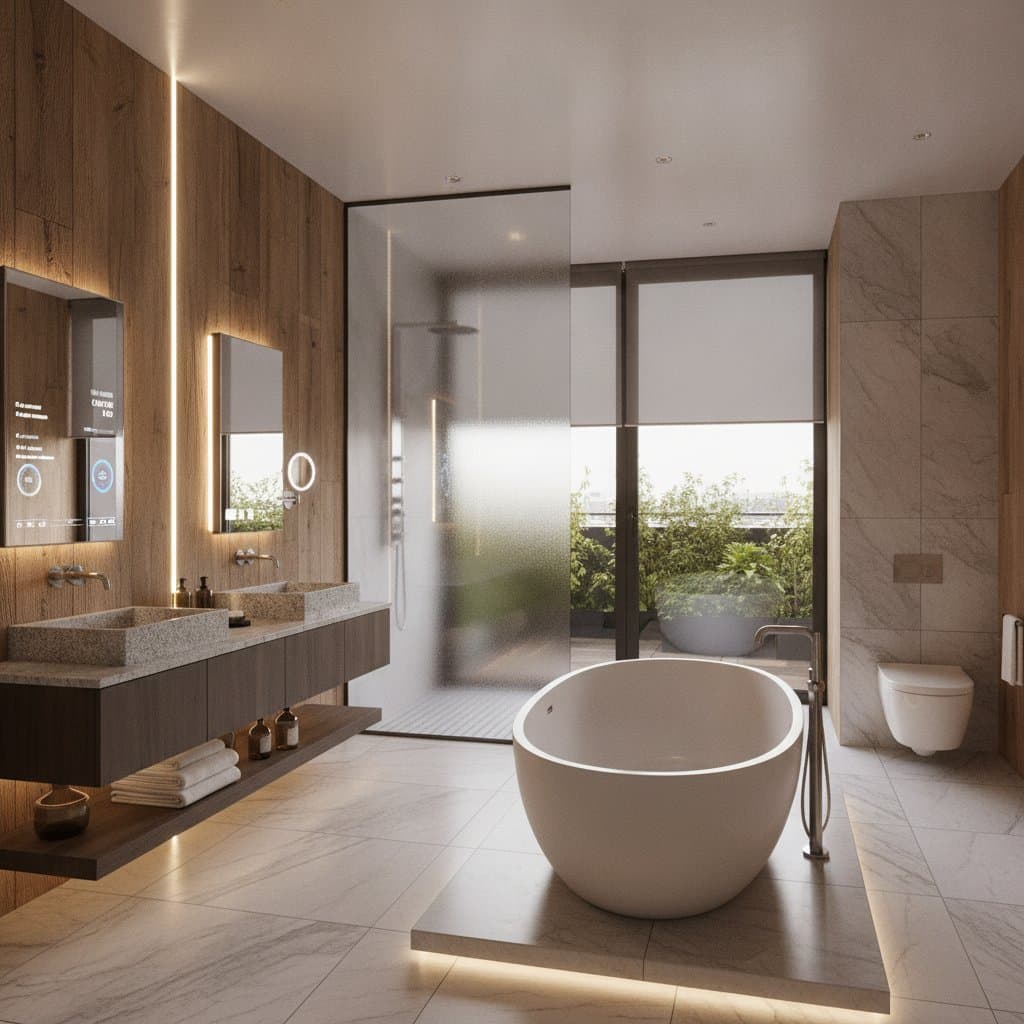
Bathroom modifications frequently yield the strongest returns by merging safety with everyday convenience. Install a barrier-free shower equipped with an integrated bench and handheld showerhead to address evolving mobility requirements without an institutional feel.
Interior Circulation and Living Areas
- Widening doorways to 36 inches: $700 to $2,000 each
- Smooth, slip-resistant flooring: $3 to $8 per square foot
- Smart lighting or motion-activated fixtures: $200 to $600 per room
Open floor plans paired with uniform flooring surfaces eliminate tripping obstacles and support smoother navigation for wheelchairs or walkers.
Design and Material Considerations
Universal design elements must integrate harmoniously with the home's overall style. Selections in materials directly affect both performance and lifespan.
Flooring: Select smooth, slip-resistant options like luxury vinyl plank, cork, or textured porcelain tile. Steer clear of plush area rugs or abrupt surface changes between spaces.
Lighting: Employ a combination of ambient, task-oriented, and accent illumination. Position switches at 42 inches above the floor to accommodate varied reach capabilities.
Cabinetry and Storage: Integrate pull-out drawers and rotating lazy Susans to access concealed areas effortlessly. Favor D-shaped pulls over traditional knobs for superior grasp.
Colors and Contrast: Apply high-contrast hues between countertops, floors, and wall perimeters to aid visual depth perception and spatial orientation.
Maximizing Return on Investment
Aging-in-place renovations might not generate instant resale premiums, yet they build substantial value via enhanced safety, daily ease, and lower ongoing maintenance demands. Follow these steps to optimize expenses against benefits:
-
Prioritize Safety Improvements First
Address bathrooms, entrances, and flooring prior to cosmetic enhancements. -
Plan for Flexibility
Select adaptable components, such as detachable cabinet bases or modular ramp systems. -
Use Durable Materials
Allocate budget toward resilient finishes that withstand abrasion and humidity. -
Bundle Projects
Pair universal design elements with concurrent home upgrades to streamline labor expenses. -
Seek Rebates or Tax Incentives
Explore regional programs providing credits for accessibility modifications that adhere to established criteria.
Common Questions About Universal Design Costs
What is the average cost of a full aging-in-place remodel?
Anticipate $20,000 to $60,000 for a comprehensive home project, influenced by square footage, material quality, and structural intricacies.
Do universal design features lower resale value?
No. Well-executed integrations typically broaden market appeal to purchasers prioritizing sustained livability and accessibility.
Are permits required for accessibility modifications?
Yes. Structural alterations or plumbing adjustments generally necessitate permits and inspections. Contractors manage the necessary paperwork.
Can I use my existing bathroom layout for accessibility upgrades?
In many cases, yes. Curbless shower adaptations and elevated toilets often align with conventional footprints through subtle modifications only.
What maintenance does a universal design home need?
Conduct routine inspections of grab bar anchors, light fixtures, and flooring joints to uphold safety and efficacy.
Sustaining Long-Term Home Adaptability
A universal design remodel fosters independence across decades while elevating routine living standards. Consistent upkeep preserves the integrity and visual allure of these features. Examine flooring for signs of deterioration, evaluate illumination adequacy, and recalibrate elements in response to shifting requirements. Minor interventions, such as hardware replacements or paint renewals, prolong the system's relevance.
Approach upgrades with foresight toward evolving needs. Prioritize adaptable materials and configurations that accommodate future mobility shifts without necessitating extensive overhauls. Collaborate with seasoned experts and deliberate on design selections to craft a residence that embraces all life phases through assured safety, refined aesthetics, and unwavering assurance.