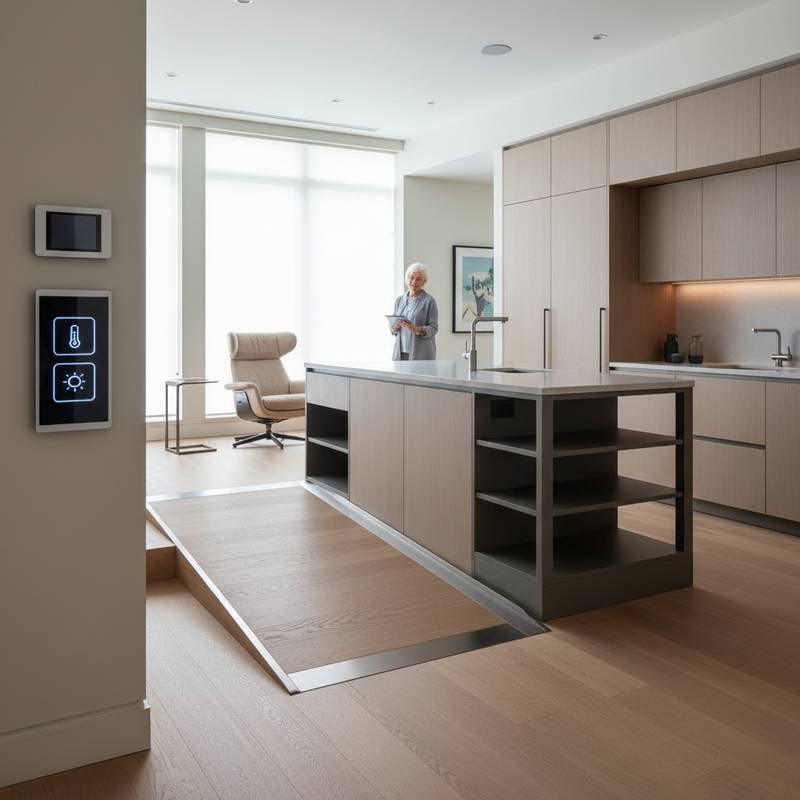
Essential Costs for Aging-in-Place Upgrades
Home modifications for aging in place promote safety, comfort, and independence. These upgrades minimize injury risks and allow residents to stay in familiar surroundings longer. This guide provides detailed cost estimates, project comparisons, and planning advice to inform your decisions.
What This Guide Covers
- Major upgrade categories with realistic price ranges
- Guidance on DIY options versus professional services
- Investment returns for accessibility improvements
- Key safety and upkeep factors
- Practical expert recommendations for project execution
1. Entryway and Ramp Modifications
Why It Matters
Entryways often present the first mobility challenge. Ramps and widened doors facilitate easy access and reduce fall risks for those using mobility aids.
Typical Costs
- Wheelchair Ramp Installation: $1,500 to $5,000, depending on length and material such as concrete or modular aluminum.
- Door Widening: $800 to $2,000 per entry, including frame adjustments and hardware upgrades.
- Threshold Removal: $300 to $800 to create smooth transitions.
DIY vs. Professional
Homeowners can handle minor threshold smoothing with basic tools. Ramps and structural door changes demand professional expertise to ensure stability and compliance with building codes.
Tips for Style and Function
Opt for ramps with gentle slopes of 1:12 for usability. Integrate landscaping around exterior ramps to maintain curb appeal while enhancing accessibility.
ROI and Maintenance
These modifications recover 50 to 65 percent of costs upon resale. Regular inspections prevent wear on ramps, and sealing materials like concrete extends durability.
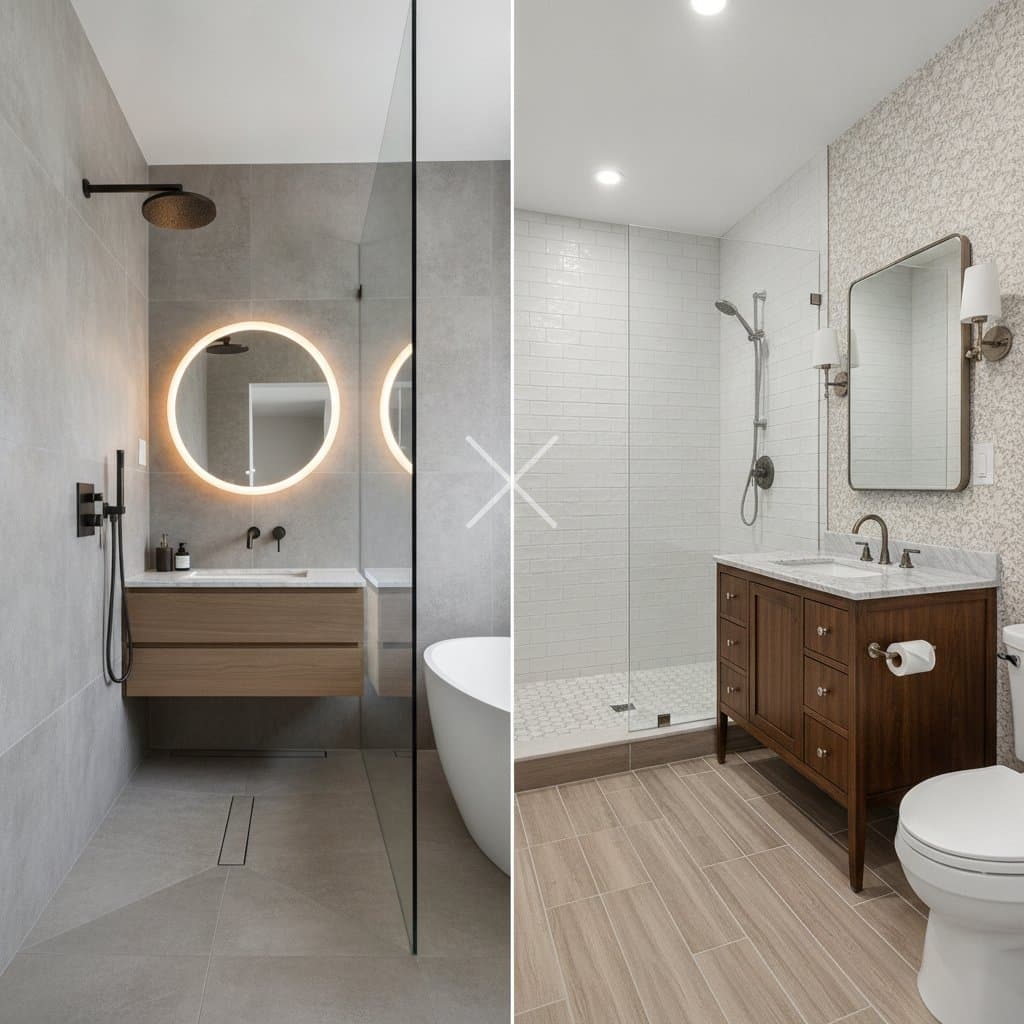
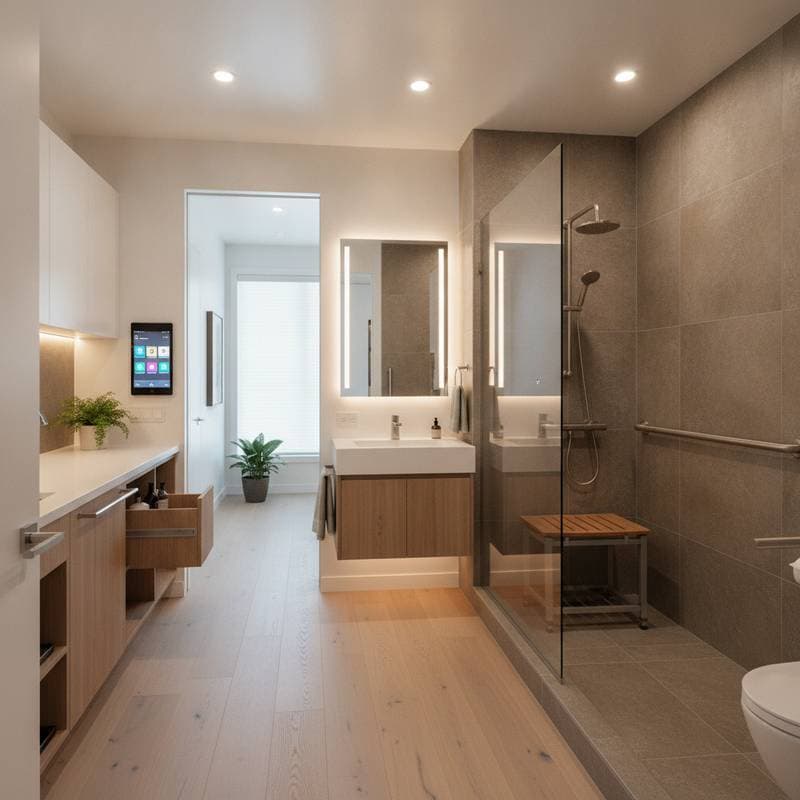
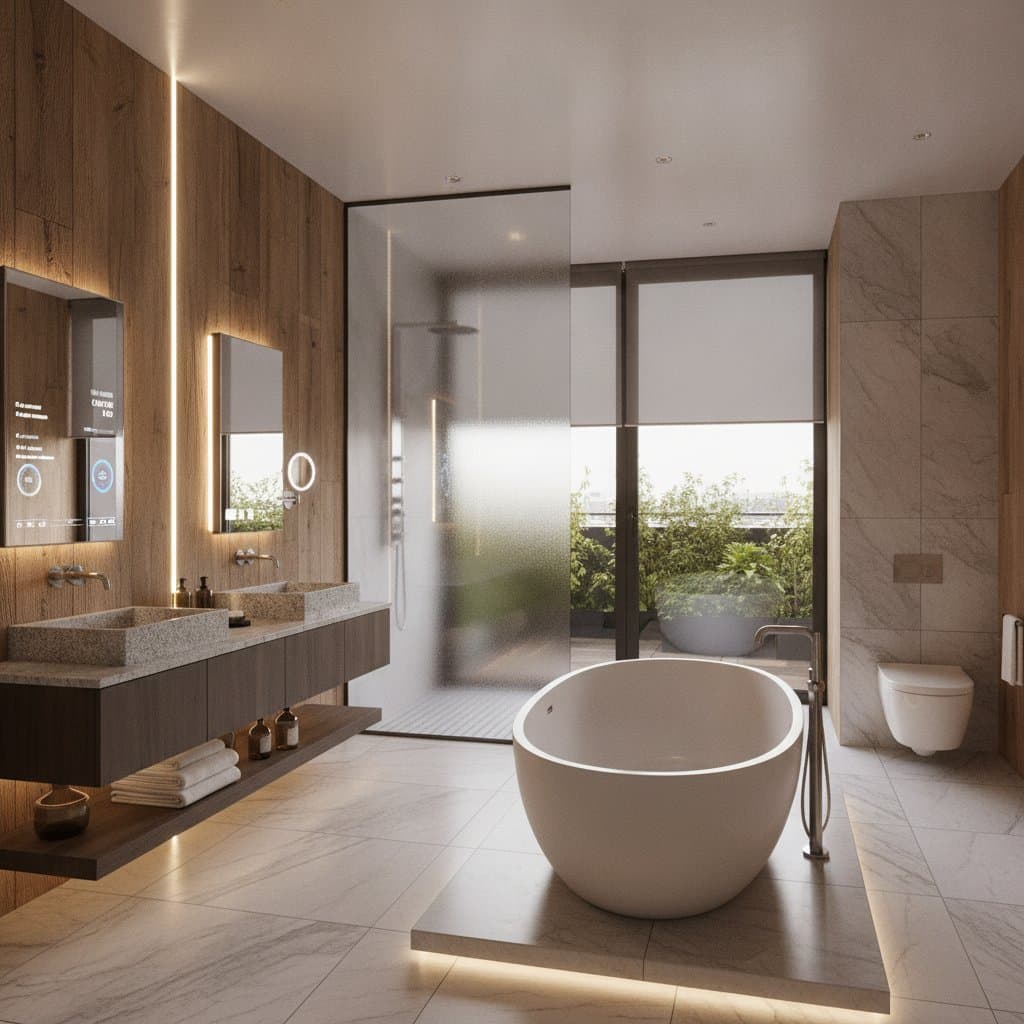
2. Bathroom Accessibility Upgrades
Why It Matters
Bathrooms rank as high-risk areas for slips and falls. Thoughtful designs incorporate safety features without sacrificing style or functionality.
Typical Costs
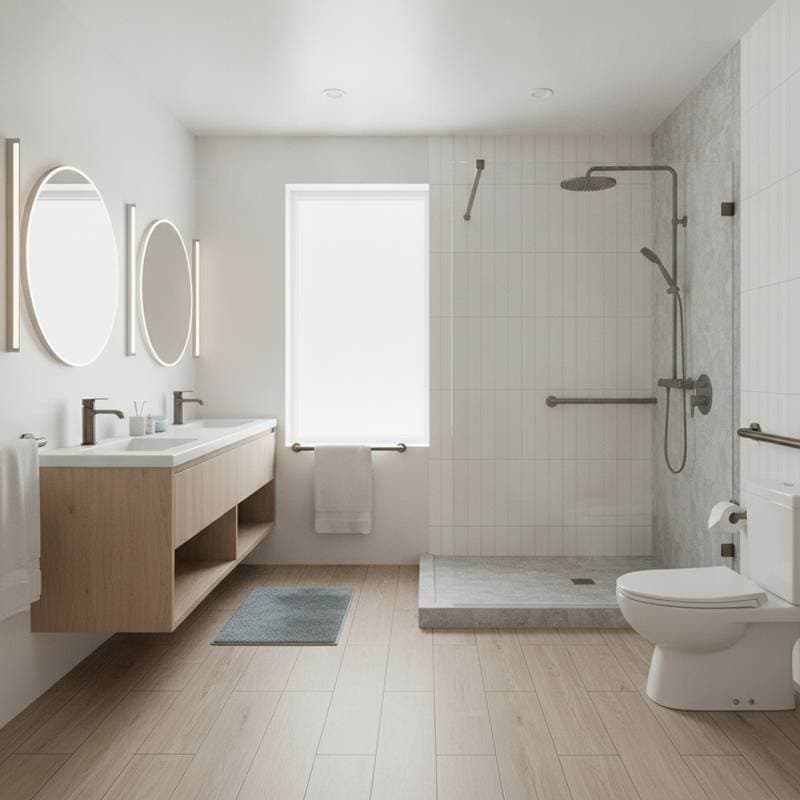
- Walk-In Shower Conversion: $6,000 to $12,000, covering curbless entries, slip-resistant tiles, and proper drainage.
- Walk-In Tub: $3,000 to $8,000, including installation and therapeutic features like hydro jets.
- Grab Bars: $150 to $400 each, with reinforced mounting for secure support.
- Comfort-Height Toilet: $400 to $1,000, factoring in model selection and any plumbing adjustments.
DIY vs. Professional
Grab bars and non-slip mats suit DIY efforts with proper anchoring. Complex tasks like shower conversions require professionals for waterproofing, tiling, and slope accuracy.
Tips for Style and Function
Select tiles in contrasting colors to improve visibility for those with low vision. Wall-mounted sinks provide knee space for wheelchair users and contribute to a spacious appearance.
ROI and Maintenance
Investments in bathrooms yield 60 to 70 percent resale value recovery. Clean surfaces with mild solutions to preserve non-slip properties and prevent mold buildup.
3. Kitchen Accessibility Enhancements
Why It Matters
Kitchens demand frequent use, making reach and maneuverability critical. Adjustments lower counters and improve storage to support daily tasks independently.
Typical Costs
- Countertop Height Reduction: $1,000 to $3,500, involving cabinet modifications or pull-out bases.
- Pull-Out Shelves and Lazy Susans: $200 to $600 per unit for easier access to cabinets.
- Lever-Handle Faucets and Touchless Options: $150 to $400, enhancing usability without strain.
DIY vs. Professional
Installing pull-out shelves works well for handy individuals. Counter alterations and plumbing updates necessitate professional skills to maintain structural integrity.
Tips for Style and Function
Position appliances at accessible heights, around 30 to 34 inches for base units. Use matte hardware finishes to reduce glare and fingerprints.
ROI and Maintenance
Kitchen upgrades return 55 to 70 percent on investment. Wipe down surfaces regularly and lubricate moving parts to ensure smooth operation over time.
4. Lighting and Electrical Adjustments
Why It Matters
Adequate illumination prevents accidents and eases navigation. Strategic lighting layers support vision changes common with age.
Typical Costs
- Motion-Activated Fixtures: $150 to $400 per room, automating light activation.
- Rewiring or Additional Circuits: $1,200 to $3,000, essential for older electrical systems.
- Under-Cabinet or Task Lighting: $200 to $800, providing focused illumination for tasks.
DIY vs. Professional
Swap bulbs or add plug-in lamps as DIY projects. Wiring, circuit additions, and code compliance require a licensed electrician.
Tips for Best Results
Employ LED bulbs in neutral tones for consistent brightness. Place switches at 36 to 40 inches high to accommodate seated or standing users.
ROI and Maintenance
These changes boost home value by 50 to 60 percent. Replace bulbs annually and test motion sensors to sustain reliability.
5. Flooring and Hallway Improvements
Why It Matters
Slippery or uneven floors increase trip hazards. Smooth, firm surfaces with good traction promote safe movement throughout the home.
Typical Costs
- Non-Slip Flooring Replacement: $3 to $10 per square foot for vinyl or cork options.
- Hallway Widening: $2,000 to $5,000, including wall adjustments for wheelchair passage.
- Handrail Additions Along Walls: $200 to $500 per 8-foot section.
DIY vs. Professional
Apply area rugs with non-slip backing as a simple fix. Full flooring installs or structural widening call for professional handling to avoid subfloor damage.
Tips for Style and Function
Choose low-pile carpets or seamless vinyl for minimal seams. Ensure hallways measure at least 36 inches wide for comfortable navigation.
ROI and Maintenance
Flooring updates recoup 60 percent of expenses. Vacuum regularly and address spills promptly to maintain grip and appearance.
6. Smart Home and Safety Technology
Why It Matters
Integrated tech enables monitoring and automation, fostering confidence in daily routines. These systems alert to potential issues before they escalate.
Typical Costs
- Voice-Activated Assistants or Hubs: $100 to $400 for central control setups.
- Smart Door Locks or Video Doorbells: $150 to $500 each, with remote access features.
- Fall Detection or Monitoring Systems: $300 to $1,200 per year for subscription-based services.
DIY vs. Professional
Many devices connect via apps with minimal setup. Custom integrations for whole-home security benefit from professional configuration.
Expert Insight
Select compatible ecosystems like Google Home or Amazon Alexa for seamless operation. Remote access reassures family members while preserving privacy.
ROI and Maintenance
Tech investments enhance appeal, recovering 40 to 55 percent. Update software regularly and charge devices to keep systems operational.
7. Stair and Railing Solutions
Why It Matters
Stairs pose significant challenges for mobility. Sturdy railings and stairlifts provide secure alternatives to relocation.
Typical Costs
- Stairlift Installation: $2,500 to $6,000, customized to staircase curvature.
- Full-Length Handrails: $300 to $700 per flight, with extended wall returns.
- Stair Tread Modifications: $500 to $1,500 for non-slip surfacing and edge contrasting.
DIY vs. Professional
Install temporary handrail extensions if secure. Permanent lifts and railings require certified installers for safety and warranty.
Tips for Style and Function
Use rounded railings at 34 to 38 inches height for comfortable grip. Contrast stair edges with paint or tape to highlight steps.
ROI and Maintenance
These features return 50 to 65 percent in value. Inspect rails monthly and service lifts per manufacturer guidelines.
8. When to Hire a Professional
Engage experts for projects that include:
- Structural alterations or load-bearing elements
- Plumbing, electrical, or HVAC modifications
- Adherence to accessibility regulations
- Extensive demolition or waterproofing
How to Choose the Right Professional
Seek contractors with Certified Aging-in-Place Specialist (CAPS) certification. Obtain detailed written proposals outlining timelines and materials. Review local references, licenses, and insurance coverage.
A professional versed in universal design principles ensures upgrades blend safety with aesthetic harmony and budget constraints.
Planning Your Accessibility Project
Evaluate your home's layout to pinpoint mobility obstacles. Focus initial efforts on high-impact areas like bathrooms and entryways. Collect bids from at least three contractors, evaluate material quality, and confirm how designs align with accessibility needs.
These enhancements extend beyond hazard prevention. They evolve with your requirements, safeguard independence, and preserve property worth. Begin with targeted changes to build toward a fully supportive living environment.