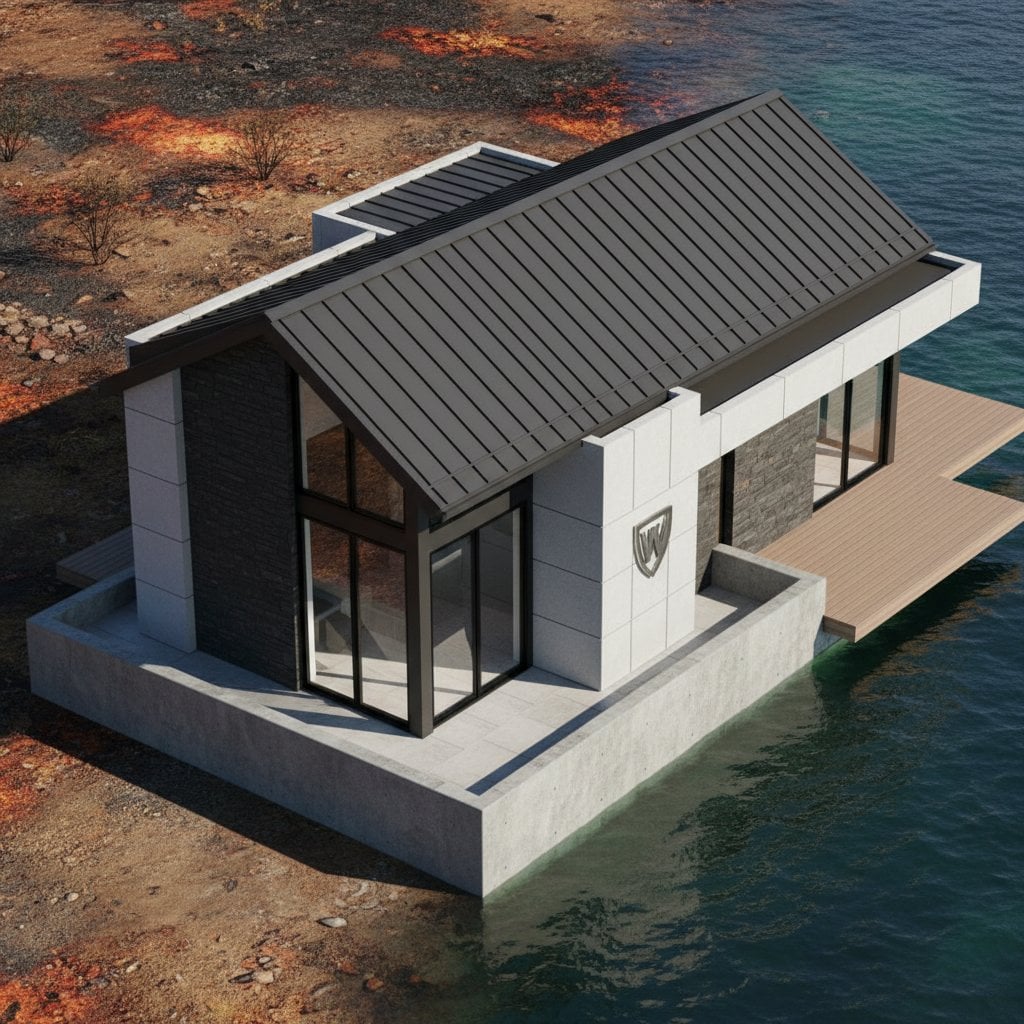
Essential Materials to Protect Against Wildfires and Floods
Homeowners in wildfire- and flood-prone areas encounter increasing dangers from natural disasters. Selecting appropriate building materials diminishes potential damage, enhances occupant safety, and sustains property worth. Durable, non-combustible, and water-resistant options enable structures to endure severe events while decreasing future repair expenses. This guide details proven materials for shielding homes from fire and water threats.
Key Areas to Protect
- Roof and exterior walls
- Foundation and basement
- Doors, windows, and vents
- Decks, patios, and fences
Targeted materials in these zones counter heat, moisture, and physical strain during intense weather.
Fire-Resistant Building Materials
Roofing Materials
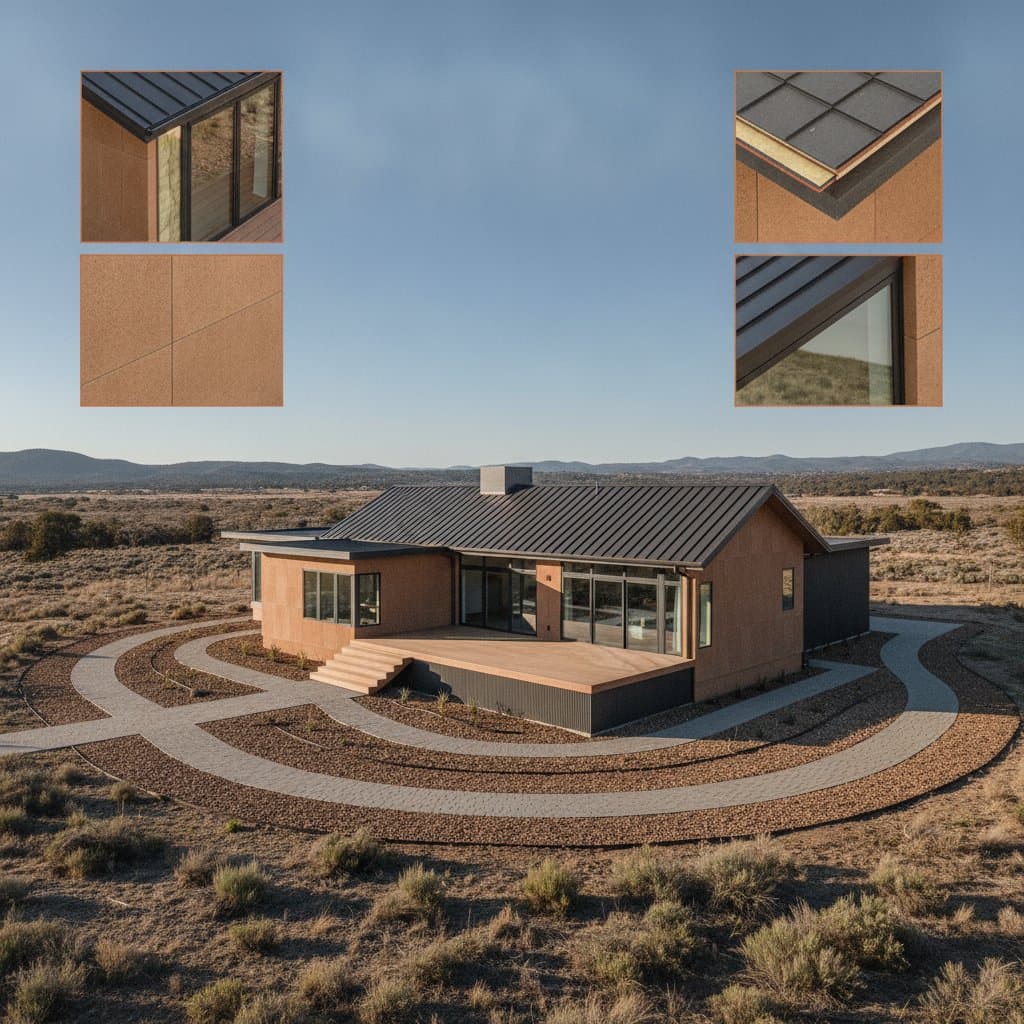
Roofs serve as the initial barrier against flying embers in wildfires. Opt for Class A fire-rated coverings, including metal panels, concrete tiles, and asphalt fiberglass shingles, to achieve superior defense.
- Metal roofing panels resist ignition from direct flames and embers, offering a lifespan of up to 50 years with routine inspections rather than frequent upkeep.
- Clay or concrete tiles deliver outstanding thermal resistance, though their substantial weight necessitates sturdy roof framing for secure installation.
- Asphalt fiberglass shingles provide an economical choice, meeting Class A standards when properly installed and available at most building suppliers.
Installing a Class A roof not only complies with stringent fire regulations but also qualifies homeowners for reduced insurance rates in vulnerable regions.
Exterior Walls
Siding made from non-combustible substances halts fire progression to underlying wooden frames.
- Fiber cement siding, composed of cement, sand, and cellulose fibers, withstands flames, decay, and pests without warping under heat.
- Stucco, layered over metal lath, forms a robust shield impervious to fire spread and incidental water exposure.
- Brick or stone veneer imparts thermal mass that absorbs and dissipates heat slowly, while elevating aesthetic appeal.
Combine these with fire-rated sheathing beneath the siding, and apply non-combustible caulk to all seams for comprehensive perimeter protection.
Windows and Doors
Heat from nearby fires causes standard windows to fracture, permitting ember entry.
- Tempered glass endures elevated temperatures up to 500 degrees Fahrenheit before breaking, reducing shatter risk compared to annealed glass.
- Frames constructed from metal alloys like aluminum or steel conduct heat away effectively, outperforming wood or vinyl in fire scenarios.
- Exterior doors rated for fire resistance, typically steel or solid-core fiberglass models, seal entryways against smoke and flames for at least 20 minutes.
Install fine metal mesh over vents and soffits to exclude embers while preserving necessary ventilation for attics and crawl spaces.
Flood-Resistant Materials
Foundation and Walls
Water penetration compromises foundations through absorbent surfaces, leading to erosion and instability.
- Poured concrete or reinforced masonry units repel water ingress and retain structural integrity following short-term inundation up to 48 hours.
- Closed-cell spray foam insulation expands to form a vapor-impermeable layer, blocking moisture migration and inhibiting mold proliferation in walls.
- Cement board sheathing replaces traditional drywall in basements, remaining rigid post-flood and allowing simple hosing and drying.
Raise the foundation on piers or pilings where feasible, or incorporate flood vents in walls to equalize pressure and prevent collapse during surges.
Flooring Materials
Select surfaces that repel water, dry rapidly, and resist microbial growth after exposure.
- Ceramic or porcelain tiles feature non-porous glazes that prevent absorption, facilitating quick cleanup with mild detergents.
- Luxury vinyl tile mimics wood or stone appearances while providing waterproof interlocking seams for seamless flood recovery.
- Epoxy resin coatings over concrete slabs create a monolithic barrier, suitable for high-traffic areas like garages and utility rooms.
Steer clear of carpeting and solid hardwood floors in susceptible locations, as these materials retain moisture and foster mold within days.
Exterior Finishes and Landscaping
Strategic site features divert water and lessen saturation around the home.
- Permeable pavers in driveways and walkways infiltrate rainwater into the soil, avoiding surface accumulation near foundations.
- Precast concrete retaining walls channel stormwater away from building perimeters, often integrated with drainage pipes.
- Exterior paints formulated with acrylic binders on masonry or siding repel humidity and frequent downpours without peeling.
Ensure gutters extend at least five feet from the house, and grade soil to slope one inch per foot for optimal runoff.
When to Hire a Professional
Projects involving full roof overhauls or foundation elevations demand certified specialists familiar with regional building codes. Engage contractors holding licenses in disaster-resilient builds, and review their portfolios for similar installations. Verify that proposed materials carry certifications from bodies like the International Code Council for fire and flood performance. While individuals manage tasks such as caulking gaps or fitting vent guards, structural modifications require oversight to avoid compromising safety.
Maximizing Safety and Value
Upgrades with resilient components yield returns via diminished premiums, fewer repairs, and elevated market prices. Research from the Insurance Institute for Business and Home Safety indicates that properties featuring fire-retardant roofs and siding experience wildfire damage reductions of up to 50 percent. Similarly, flood-adapted designs like elevated bases and impermeable barriers slash restoration expenses by thousands per occurrence, enhancing overall financial security.
Maintenance and Long-Term Care
Conduct yearly examinations of roofs, walls, and seals to detect fissures or deterioration early. Clear debris from gutters and extend downspouts biannually to facilitate efficient drainage. Refresh sealants on exteriors every three to five years, depending on exposure, to sustain barrier efficacy. Promptly repair or replace compromised screens and insulation to uphold protective capabilities over time.
Building for Resilience
Fortifying a home against wildfires and floods involves integrating robust materials, thoughtful site planning, and ongoing vigilance. Assess local hazard maps to pinpoint dominant threats, then select dual-purpose options that address fire and water simultaneously. Collaborate with qualified builders to execute modifications compliant with codes, ensuring longevity and reliability. These measures transform vulnerability into strength, allowing homes to thrive amid environmental extremes.