2026 Universal Design: Age in Place Without Moving
Quick Overview
Universal design principles transform homes into spaces that support independence across all life stages. These remodels prioritize accessibility, safety, and comfort without sacrificing style. This guide covers essential features, cost breakdowns, and implementation strategies to help plan effectively.
Cost and Time Estimates
Full universal design remodels typically range from $20,000 to $80,000, influenced by home size, room count, and material selections. Basic enhancements, such as grab bars or lever handles, cost less than $500. Comprehensive bathroom or kitchen renovations may exceed $30,000.
- Labor: Accounts for 40 to 60 percent of the total budget.
- Materials: Include flooring, cabinetry, and fixtures, with prices varying by brand and finish quality.
- Permits: Range from $100 to $1,000 based on local building codes.
- Timeline: Small projects require one to two weeks; extensive remodels span several months.
- Difficulty: Ranges from moderate for basic tasks to advanced for structural modifications.
DIY vs Professional Guidance
When to Handle Tasks Yourself
Certain low-risk updates require no permits and suit DIY efforts. These include:
- Swapping round knobs for lever handles on doors and faucets.
- Securing grab bars with anchors supporting at least 250 pounds.
- Applying non-slip adhesive strips to tub or shower bases.
- Repositioning light switches to 42 inches or installing motion-activated sensors.
When to Engage Professionals
Licensed contractors handle complex work to ensure compliance and safety. Delegate projects involving:
- Structural alterations like doorway widening or wall adjustments.
- Plumbing or electrical modifications subject to code requirements.
- Installation of walk-in tubs, roll-in showers, or stair lifts.
- Custom cabinetry or complete flooring overhauls.
Cost Comparison: DIY efforts often total under $2,000. Professional projects with permits range from $15,000 to $80,000, scaled to project scope.
Step-by-Step Instructions for a Universal Design Remodel
1. Assess Accessibility Needs
Conduct a thorough home walkthrough to pinpoint barriers like narrow hallways, steep stairs, or elevated cabinets. Verify door widths meet a minimum of 36 inches for mobility aid passage. Evaluate counter heights and plan reductions to 34 inches for improved reach.
Success Check: Navigation occurs freely in each room, free from tight maneuvers or obstructions.
2. Plan Key Zones
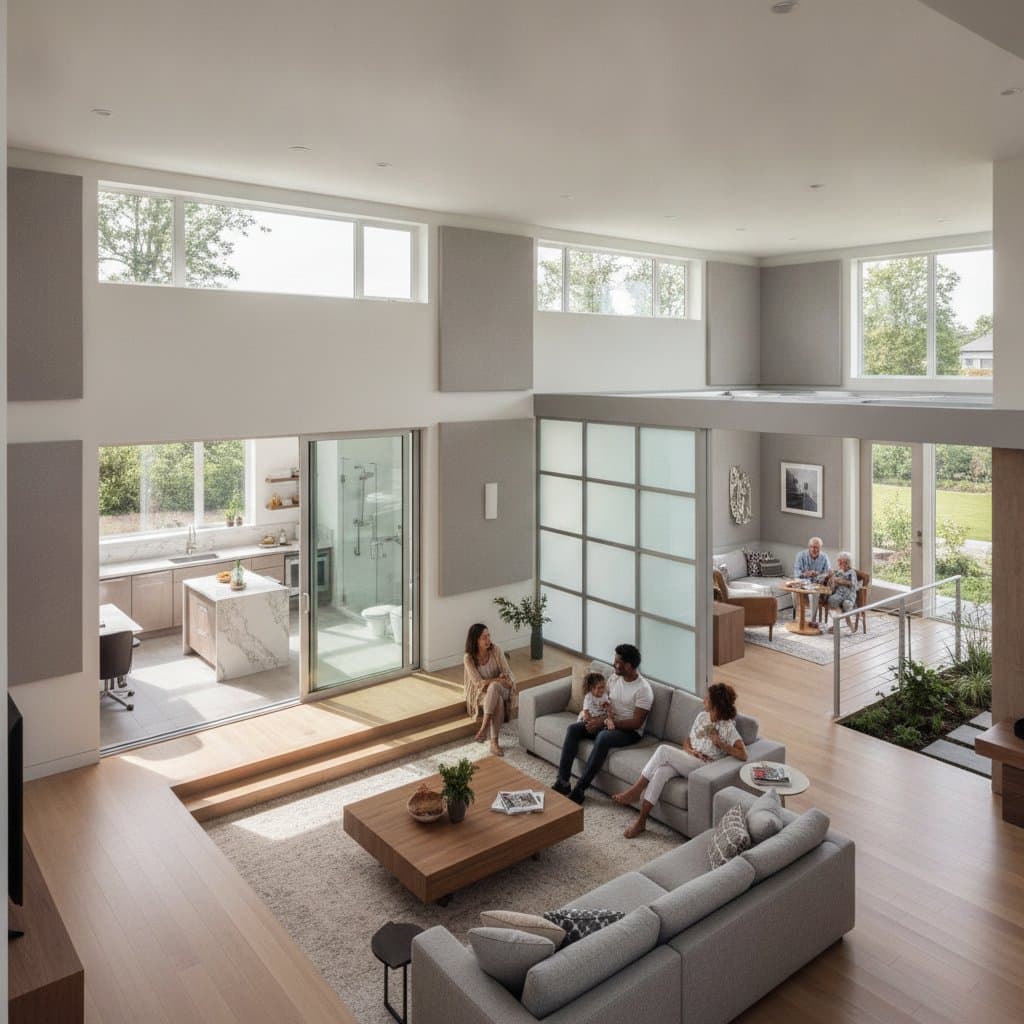
Prioritize entryways, bathrooms, and kitchens for initial focus. Design layouts supporting single-level living or seamless access to primary areas. Maintain clear pathways of at least 42 inches in high-traffic zones.
Success Check: Transition between main rooms happens without stairs or furniture navigation.
3. Update Flooring
Select slip-resistant options like textured vinyl, rubber flooring, or low-pile carpet. Eliminate transitions exceeding 1/2 inch in height. Anchor area rugs firmly with non-slip backing.
Success Check: Surfaces provide stable footing, eliminating trip risks.
4. Modify Doorways and Hardware
Expand narrow openings via offset hinges or wall reframing. Install lever-style handles for simplified operation. Incorporate smooth, low-profile thresholds compatible with wheelchairs and walkers.
Success Check: All doors operate effortlessly and support mobility devices.
5. Remodel Bathrooms for Safety
Warning: Slip and Fall Hazard
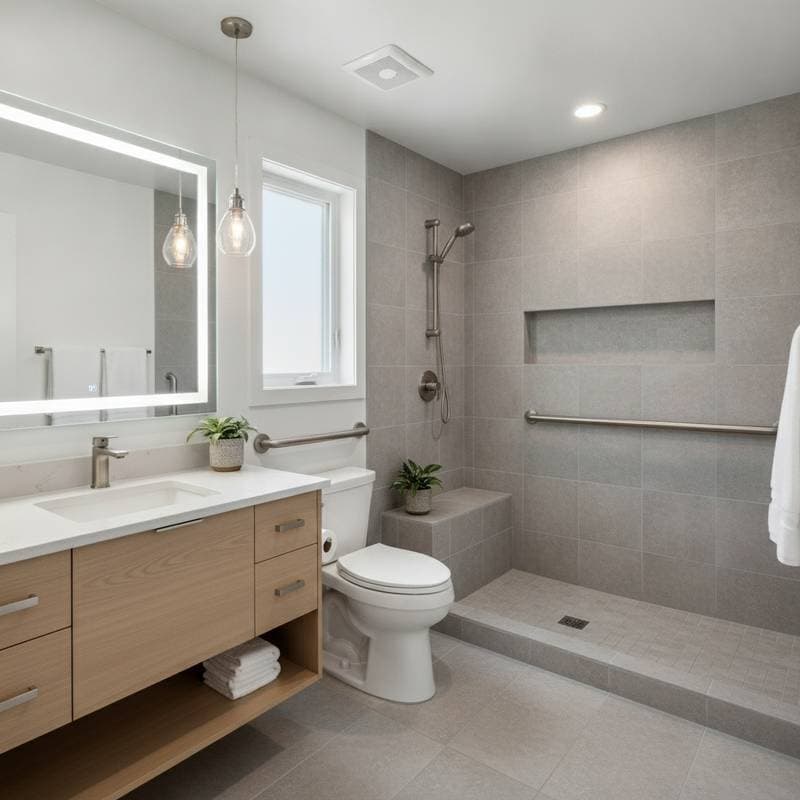
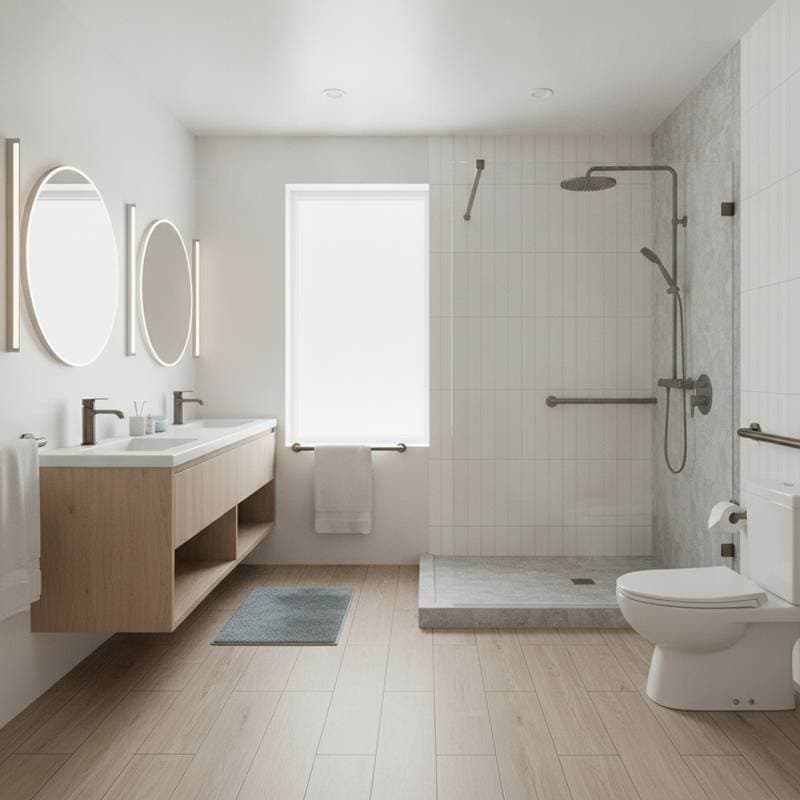
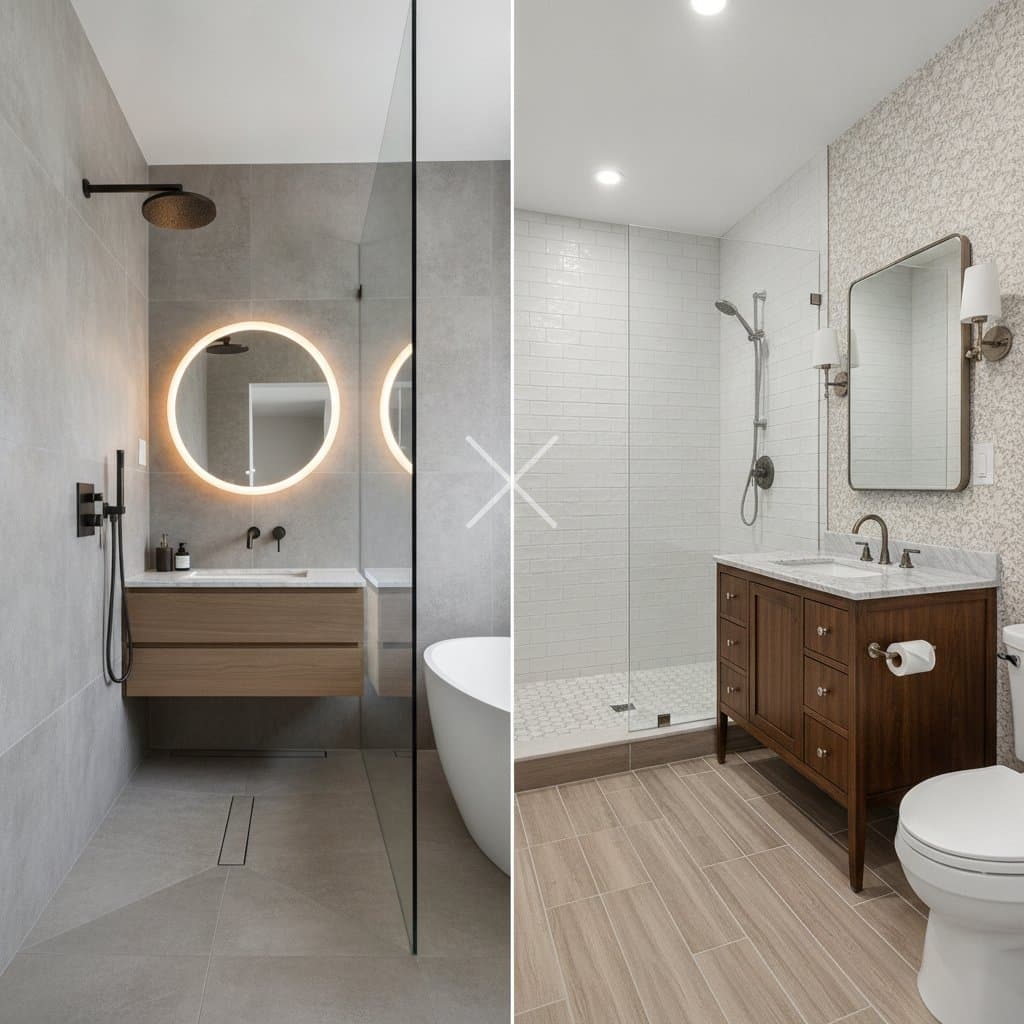
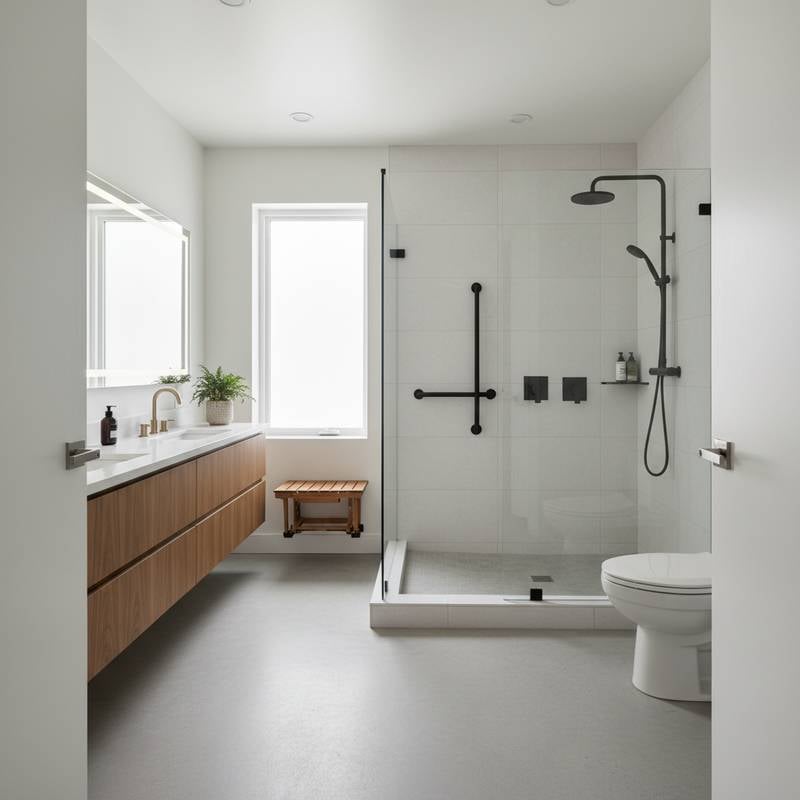
Position grab bars adjacent to toilets, tubs, and showers for support. Opt for curbless showers featuring slip-resistant tiling and handheld showerheads. Install sinks offering 27 inches of knee clearance below. Add task lighting at mirrors and entrances.
Success Check: Shower entry and exit proceed without threshold steps, ensuring secure footing.
6. Improve Lighting and Visibility
Layer lighting sources to boost overall illumination. Mount rocker switches between 36 and 42 inches from the floor. Place automatic night lights in hallways and bathrooms.
Success Check: Spaces receive uniform lighting, with controls easily accessible.
7. Adapt the Kitchen
Reduce countertop heights to 34 inches, incorporating dedicated seated work areas. Equip cabinets with pull-out shelves and full-extension glides. Select side-opening ovens and front-control cooktops. Integrate under-cabinet lighting for precise task visibility.
Success Check: Cooking, cleaning, and storage functions accommodate standing or seated positions comfortably.
8. Adjust Entryways and Exterior Paths
Caution: Fall Risk
Substitute steps with ramps maintaining a 1:12 slope ratio. Install continuous handrails on both sides for guidance. Illuminate exterior approaches with motion-sensor fixtures.
Success Check: Home entry succeeds independently, even in dim conditions.
Safety Warnings and Tips
- Electrical Hazard: Disconnect power sources prior to outlet or fixture replacements.
- Slip Hazard: Maintain dry conditions on floors throughout construction.
- Tool Safety: Don protective gloves, goggles, and ear protection during cutting or drilling operations.
- Display emergency contact numbers prominently near communication devices.
- Verify the stability of grab bars and railings through load testing before reliance.
Troubleshooting and Quality Checks
Address uneven flooring by inspecting underlayment and transitions; apply shims or sand elevated areas. For stiff doors, realign hinges or install broader panels. In showers with water accumulation, confirm drain-directed slopes. Mitigate lighting glare using diffused bulbs or adjusted fixture placements.
Ensure modifications align with local accessibility standards prior to inspections.
Cleanup and Disposal
Clear debris daily to avoid hazards. Recycle metals from fixtures and flatten cardboard for processing. Follow municipal guidelines for disposing of flooring remnants or drywall. Conclude with thorough vacuuming and mopping to eliminate residual dust.
Maintenance and Lifespan
Examine grab bars, railings, and flooring semiannually; secure loose fasteners and refresh grips as needed. Reapply caulk in moisture-prone areas annually to preserve seals. Upgrade to LED bulbs for extended efficiency. Quality ramps, flooring, and cabinetry endure 15 to 25 years under routine care.
When to Call a Professional
Seek contractor assistance for signs of issues like:
- Leaks surrounding showers or sinks.
- Fractured tiles or spongy flooring indicating water intrusion.
- Compromised structures such as unstable ramps or detached railings.
- Frequent circuit interruptions during electrical enhancements.
Professional Costs:
- Bathroom remodels: $15,000 to $35,000
- Kitchen remodels: $25,000 to $60,000
- Whole-home upgrades: $50,000 to $80,000
Contractor Checklist
- Confirm valid licensing and insurance coverage.
- Verify expertise in universal or accessible design projects.
- Obtain detailed written estimates outlining scope and materials.
- Request client references for review.
- Secure warranties covering labor and materials.
Pro Tips for Success
Begin modifications in frequently used areas; bathroom or entryway updates yield substantial improvements. Select neutral, style-cohesive finishes to integrate seamlessly. Blend functionality with ergonomic elements like soft lighting and open configurations for broad appeal. Consult local codes early regarding ramp specifications or handrail requirements. Anticipate evolving needs by reserving space for future installations like stair lifts.
FAQ
What is universal design?
Universal design approaches home construction or renovation to accommodate individuals of varying ages and abilities, promoting usability for all.
Do I need permits for accessibility remodeling?
Permits apply to structural, plumbing, or electrical alterations. Cosmetic additions like grab bars typically bypass permitting.
Can I make these changes gradually?
Incremental implementation works well; many proceed with minor projects before advancing to larger scopes as requirements evolve.
Sustaining Long-Term Accessibility
Universal design fosters enduring safety and adaptability, preserving independence within cherished surroundings. Strategic investments ensure homes evolve alongside residents, enhancing quality of life over decades.