Introduction to Mass Timber in Modern Construction
Mass timber represents a pivotal shift in building practices, combining the renewability of wood with the structural prowess of engineered materials. Products like cross-laminated timber (CLT) enable taller, more resilient structures while slashing construction timelines and environmental impact. As demand grows, industry experts predict significant cost reductions ahead.
Traditional wood framing remains a staple for its affordability, but mass timber offers superior fire resistance, seismic performance, and aesthetic appeal. Builders increasingly select it for projects ranging from mid-rise offices to residential complexes. With global production ramping up, the material edges closer to mainstream adoption.
Current Cost Landscape and Future Projections
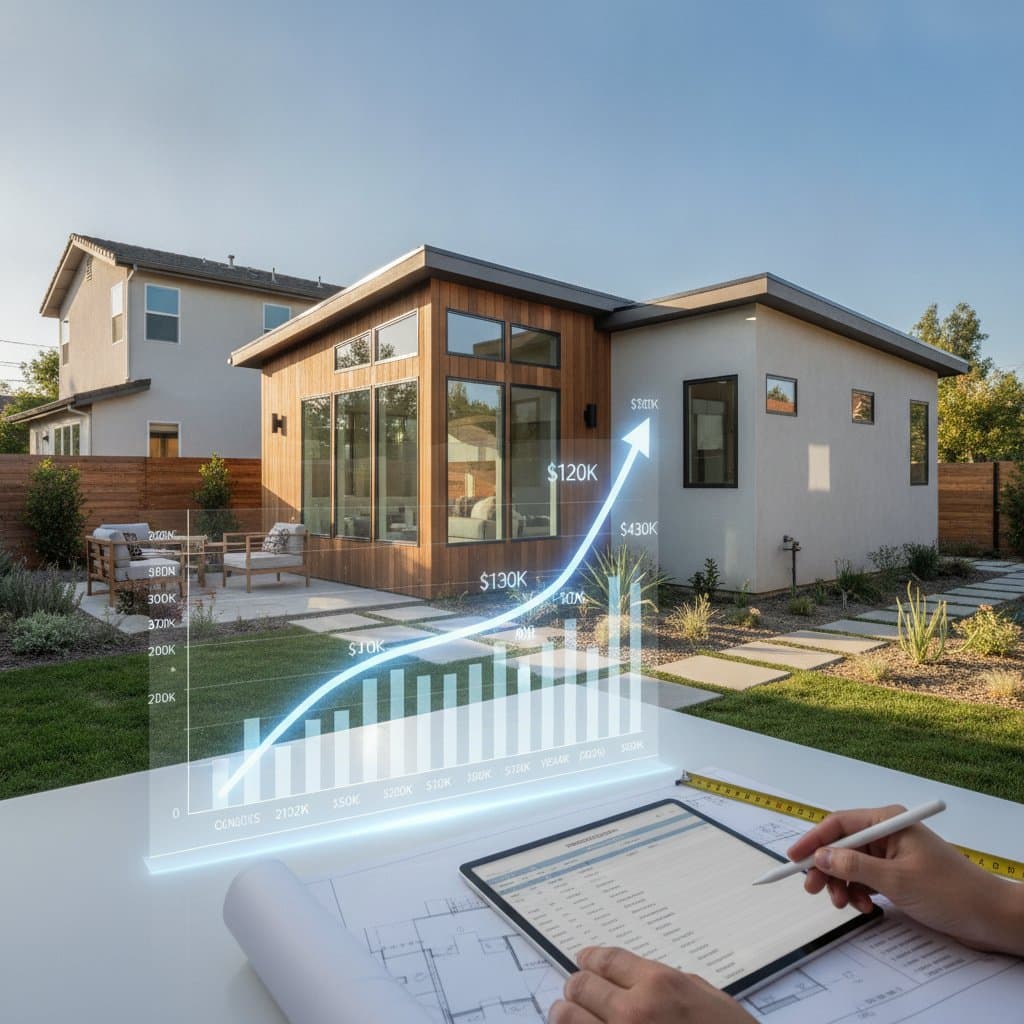
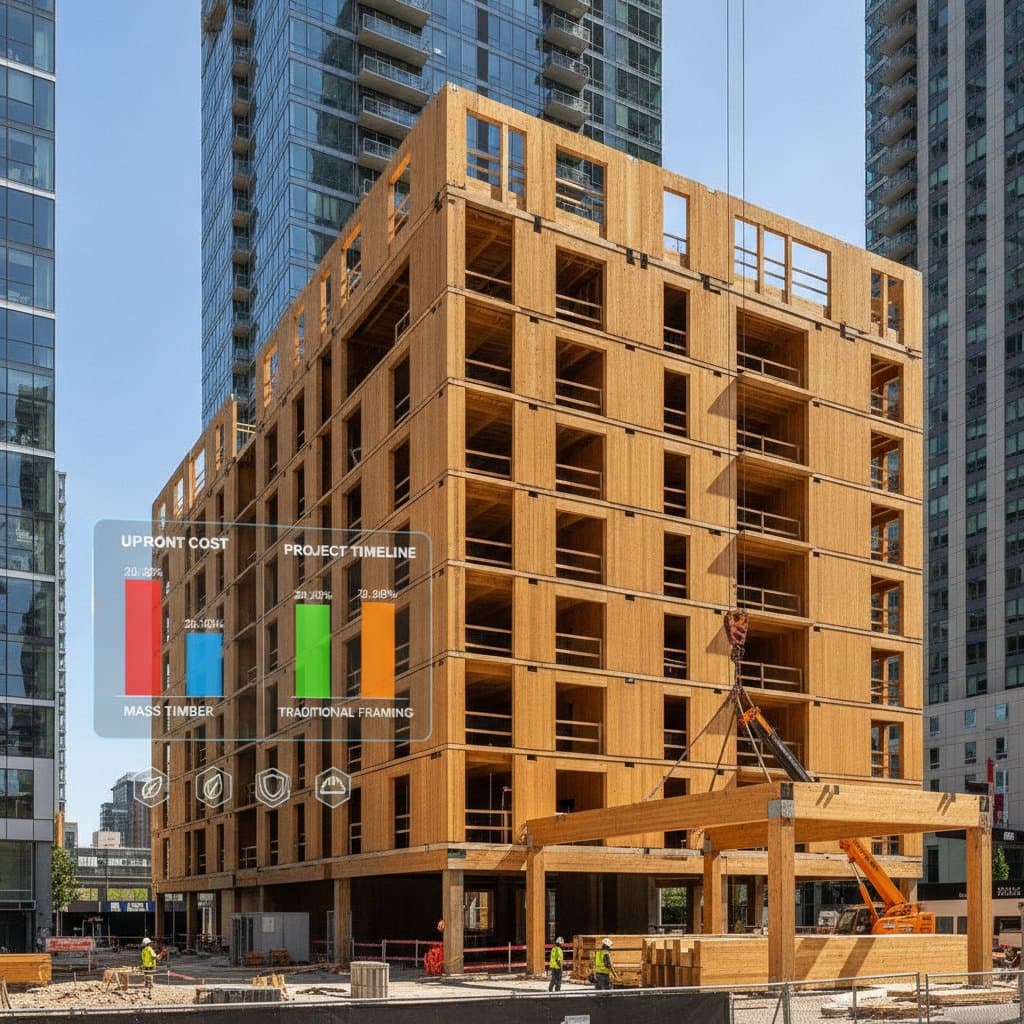
At present, mass timber projects incur costs of $250 to $400 per square foot, influenced by factors such as design complexity and location. This premium stems from specialized fabrication and transportation. In contrast, standard wood framing averages $150 to $250 per square foot, while steel alternatives often exceed $300.
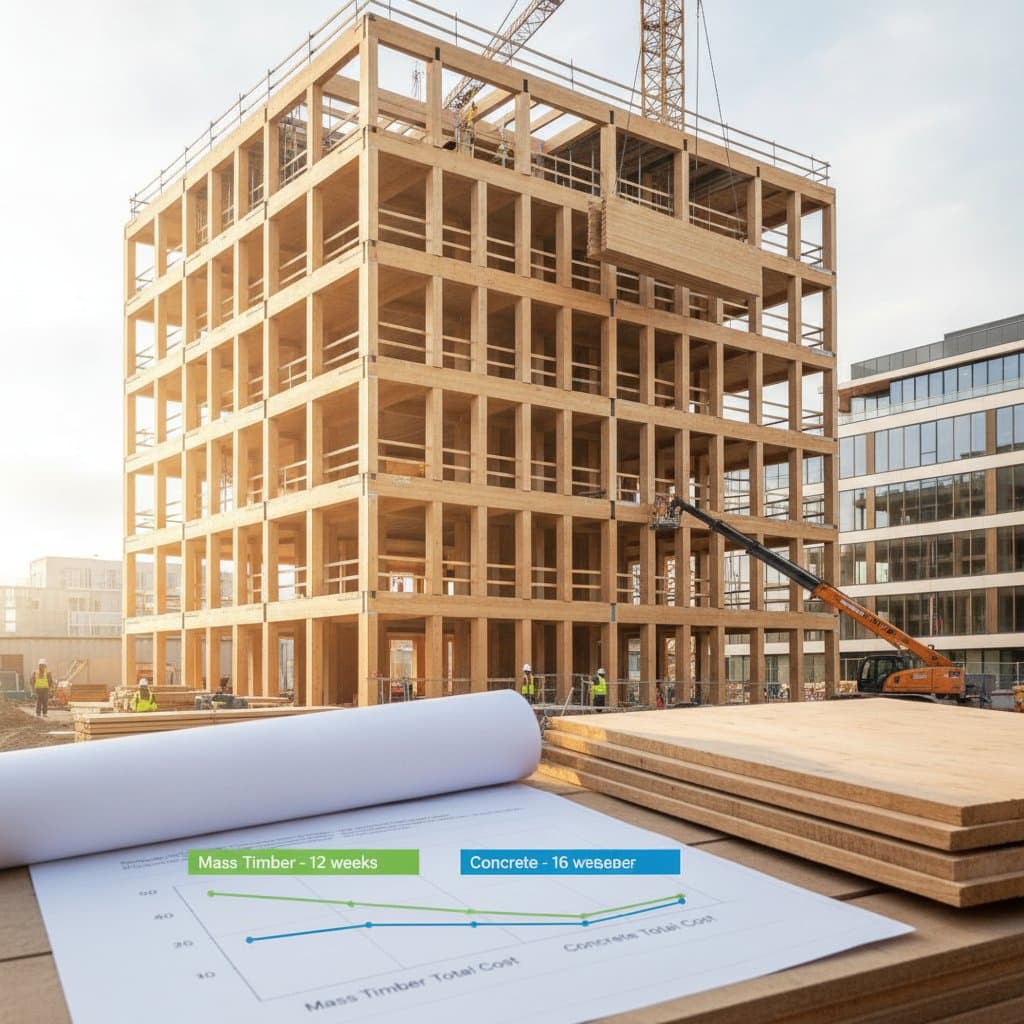
Engaging a certified mass timber contractor adds 10 to 15 percent to the overall budget, yet this investment secures code compliance, quality warranties, and long-term savings through faster erection. Projections indicate that by 2026, economies of scale will narrow the gap. Enhanced supply chains and automated mills could drop mass timber prices to within 5 percent of traditional wood, making it viable for broader applications.
Step-by-Step Guide to a Mass Timber Project
Constructing with mass timber demands precision at every stage, from initial planning to final touches. This process leverages factory-controlled elements for efficiency and reliability. Follow these steps to execute a successful build.
1. Design and Engineering
Collaborate with an architect and structural engineer to determine the dimensions of CLT panels and their interconnections. Ensure the blueprint adheres to local fire safety and seismic regulations. Verify that the panel supplier holds necessary certifications for quality and sustainability.
The final design documents must detail all load-bearing paths and fastening specifications. This phase sets the foundation for structural integrity and regulatory approval.
2. Procurement and Fabrication
Source panels pre-cut to precise specifications in a factory environment, minimizing on-site errors. Examine shop drawings thoroughly prior to manufacturing commencement. Confirm that production aligns with the approved plans.
Each fabricated panel arrives labeled to correspond with the digital model, facilitating seamless assembly. This controlled process reduces waste and accelerates timelines.
3. Site Preparation
Prepare the site by leveling the foundation and positioning anchors accurately. Exercise caution around heavy machinery, maintaining safe distances from crane operations. Alignment of anchors to layout marks should stay within one inch for stability.
Proper groundwork prevents costly adjustments later and ensures the structure's base supports the timber framework effectively.
4. Panel Installation
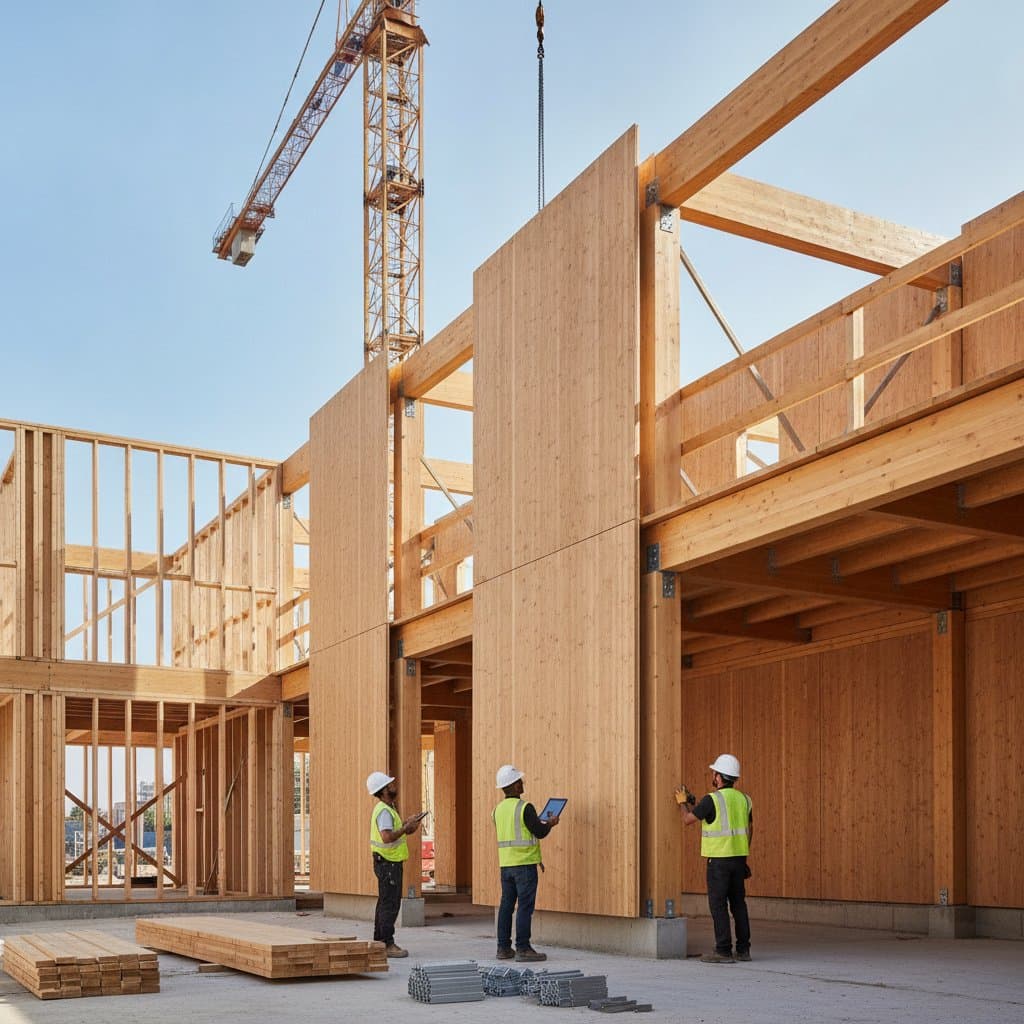
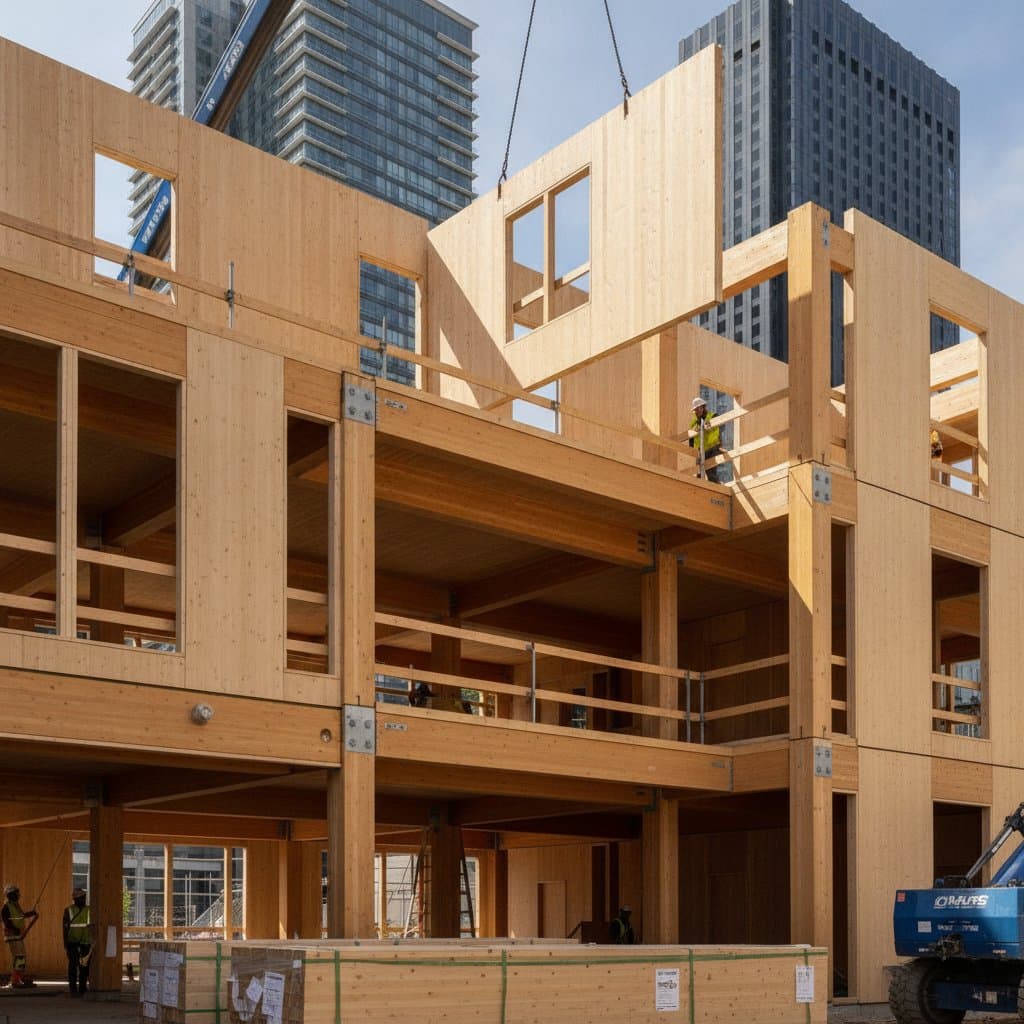
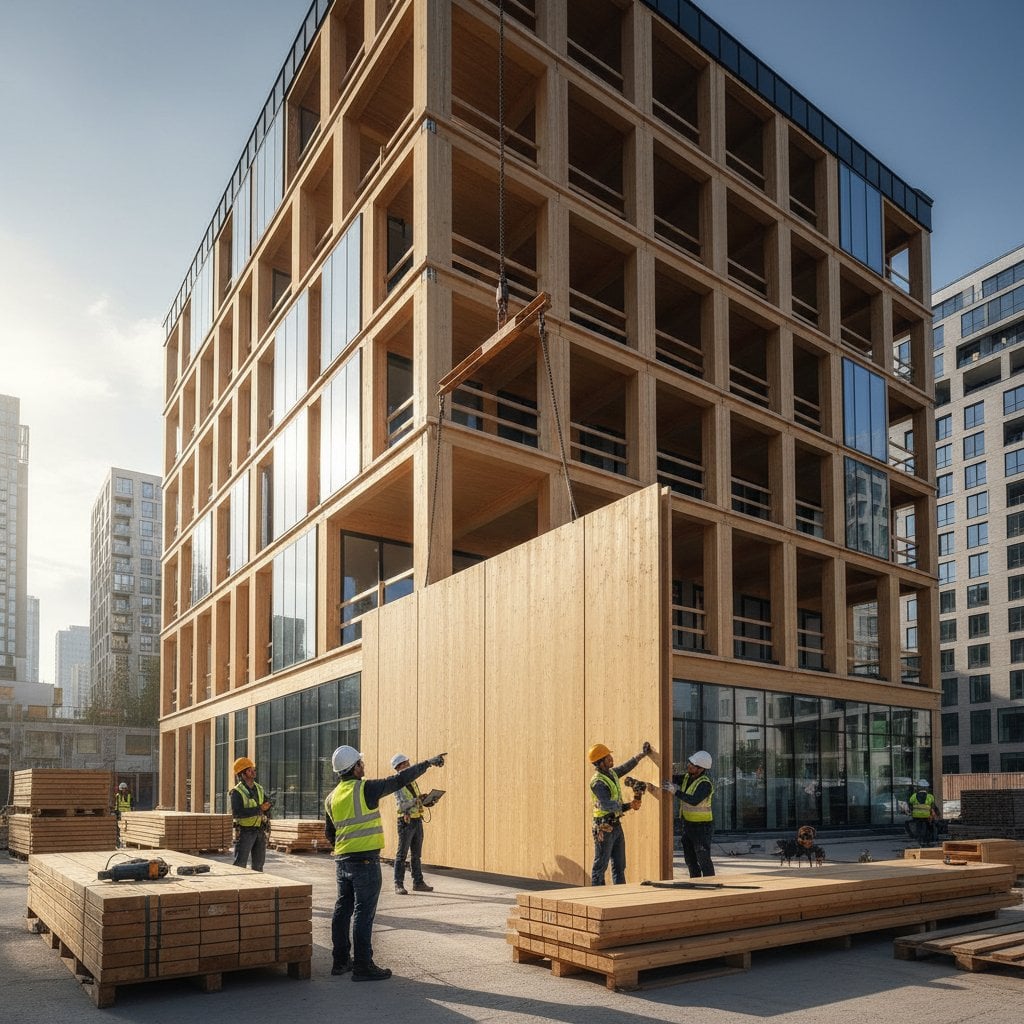
Employ cranes to hoist and position panels sequentially, incorporating temporary bracing for support. Secure joints with self-tapping screws or hidden connectors as specified. Panels must align flush, with gaps limited to manufacturer tolerances.
This erection phase typically completes in weeks, far quicker than conventional methods, allowing crews to focus on interior work sooner.
5. Sealing and Finishing
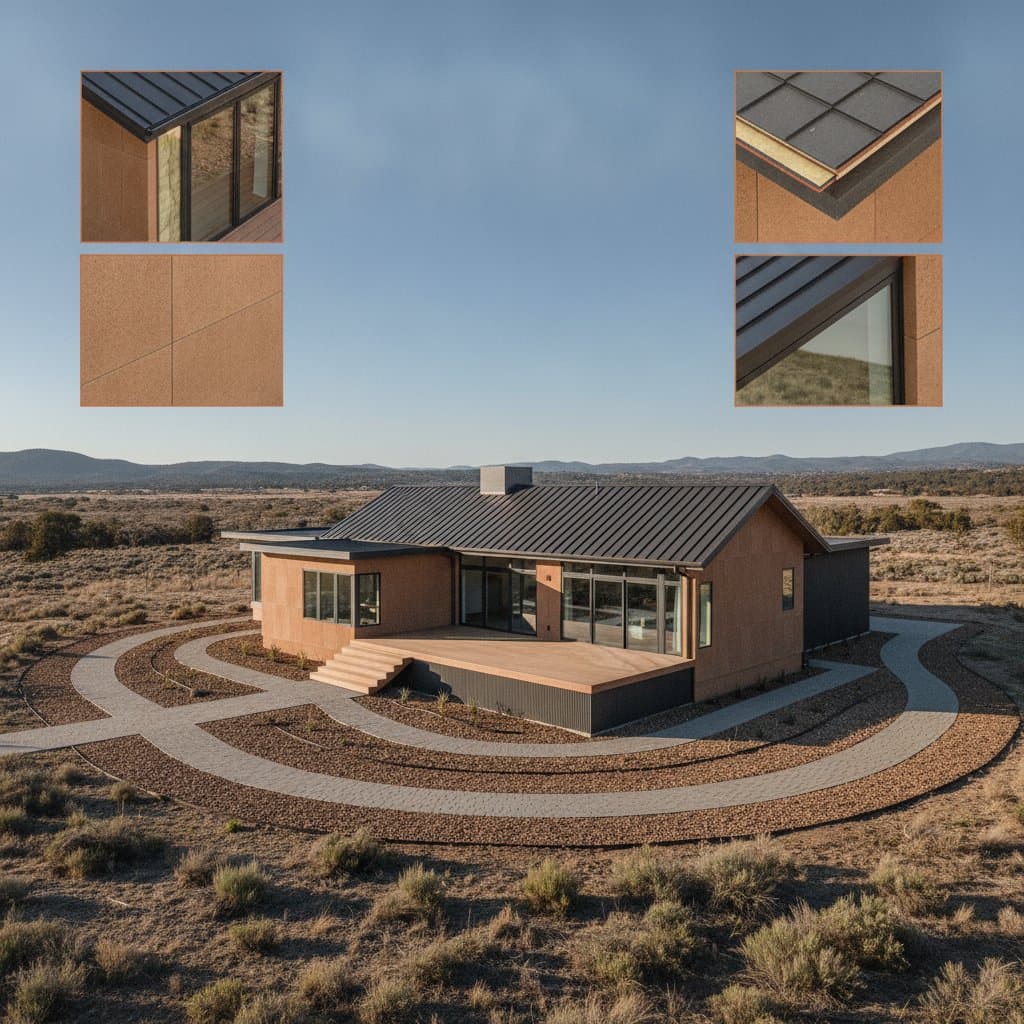
Protect the timber by applying moisture barriers and sealants to all exposed edges and surfaces. Inspect for any cracks or unsealed areas that could invite water ingress. These treatments enhance longevity and maintain the material's natural beauty.
Finishing not only safeguards against environmental factors but also contributes to the building's energy efficiency.
Essential Safety Protocols
Safety forms the cornerstone of any mass timber project, given the involvement of heavy lifting and elevated work. Workers must don personal protective equipment, including gloves, safety glasses, and steel-toed boots, at all times. Harness systems prove essential for tasks at height to mitigate fall risks.
Avoid positioning beneath lifted panels to prevent injuries from potential load shifts. Maintain panels in dry conditions prior to installation, as moisture can cause swelling and compromise fit. Regular training on equipment handling reinforces these measures, fostering a secure worksite.
Troubleshooting Common Issues
Even with meticulous planning, challenges may arise during a mass timber build. Warped panels often result from improper storage; measure moisture content with a meter before integration. Loose connections require re-torquing of fasteners to exact manufacturer guidelines.
Surface stains yield to light sanding followed by sealing, restoring uniformity. Employ a laser level for verifying plumb and level across walls and floors during inspections. Addressing these promptly preserves project quality and avoids escalation.
Post-Construction Cleanup and Disposal
Efficient cleanup sustains site organization and environmental responsibility. Direct offcuts and sawdust to local wood recycling facilities, which repurpose them into mulch or composite products. Refrain from burning any treated remnants to minimize air pollution.
Store unused sealants and adhesives per their safety data sheets, ensuring proper ventilation and labeling. This approach not only complies with regulations but also supports sustainable practices integral to mass timber's appeal.
Long-Term Maintenance Strategies
Mass timber structures endure for decades when maintained diligently. Conduct annual inspections for signs of leaks, joint shifts, or surface degradation. Reapply protective coatings to exterior elements every three to five years, depending on exposure.
Control indoor humidity levels between 30 and 50 percent to avert wood expansion or contraction. These routines extend the material's service life and preserve its performance characteristics.
Engaging Professional Expertise
Certain projects necessitate professional involvement, particularly those involving complex structural elements, fireproofing assessments, or extensive installations. Labor costs for qualified contractors range from $30 to $50 per square foot.
Select providers with a valid structural or general contracting license, comprehensive insurance for lifting operations, proven references in mass timber, and detailed warranties. Such partnerships deliver peace of mind and superior outcomes.
Maximizing Benefits with Mass Timber
Mass timber stands as a robust, replenishable substitute for steel and concrete, promoting quicker builds and greener footprints. As manufacturing expands and logistics refine, its pricing aligns ever closer to familiar wood options. Projects incorporating this material not only meet rigorous standards but also inspire innovation in sustainable architecture.