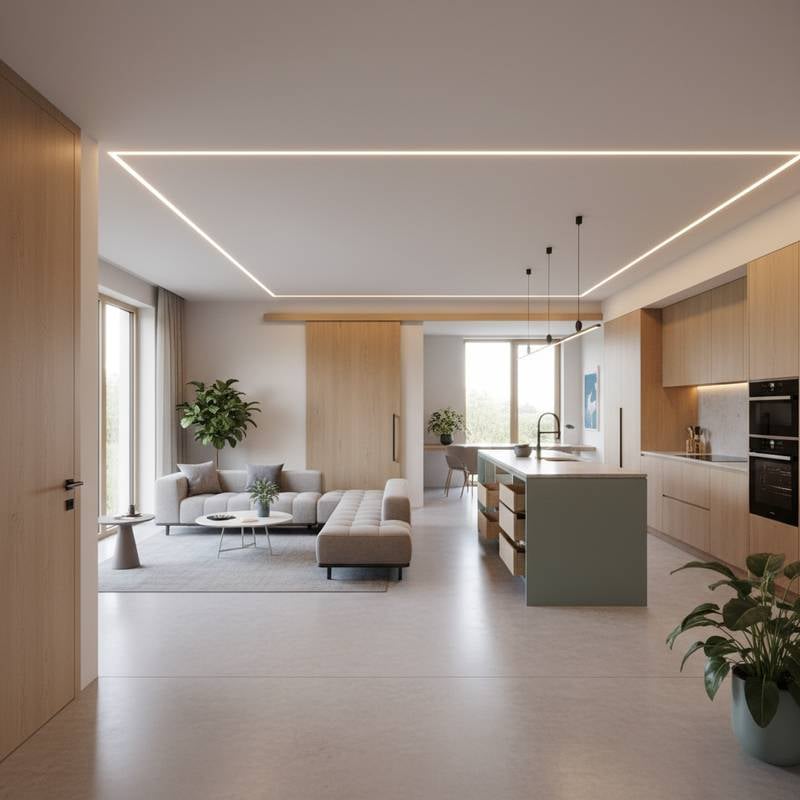
Universal Design: Age in Place Without Compromise
A well-designed home adapts to the needs of its occupants throughout life. Universal design principles create living spaces that prioritize comfort, safety, and style at every stage. By incorporating accessibility features early, homeowners ensure long-term enjoyment of their property without the need for disruptive changes later.
What This Guide Covers
- Core principles of universal design
- Essential home features that enhance accessibility and comfort
- Typical cost ranges and the value of these investments
- Indicators for engaging a professional remodeler
- Practical tips from experts for durable design decisions
The Foundation of Universal Design
Universal design emphasizes usability for individuals of all ages and abilities. This approach eliminates physical barriers while preserving the aesthetic and functional integrity of a space. The primary objective is to foster independence and security for residents and visitors alike.
Essential elements encompass:
- Step-free entrances and hallways at least 36 inches wide to accommodate wheelchairs and mobility aids
- Lever-style door handles that require less grip strength than traditional knobs
- Adjustable lighting fixtures and switches positioned between 15 and 48 inches from the floor for easy access
- Non-slip flooring materials and barrier-free showers with gradual slopes to prevent water accumulation
These features simplify routine activities, benefiting everyone from young families to older adults recovering from surgery or managing chronic conditions.
High-Value Upgrades for Aging in Place
Strategic modifications transform everyday spaces into supportive environments. Focus on areas prone to challenges, such as bathrooms, kitchens, and entryways, to maximize daily ease and long-term satisfaction.
Accessible Bathrooms
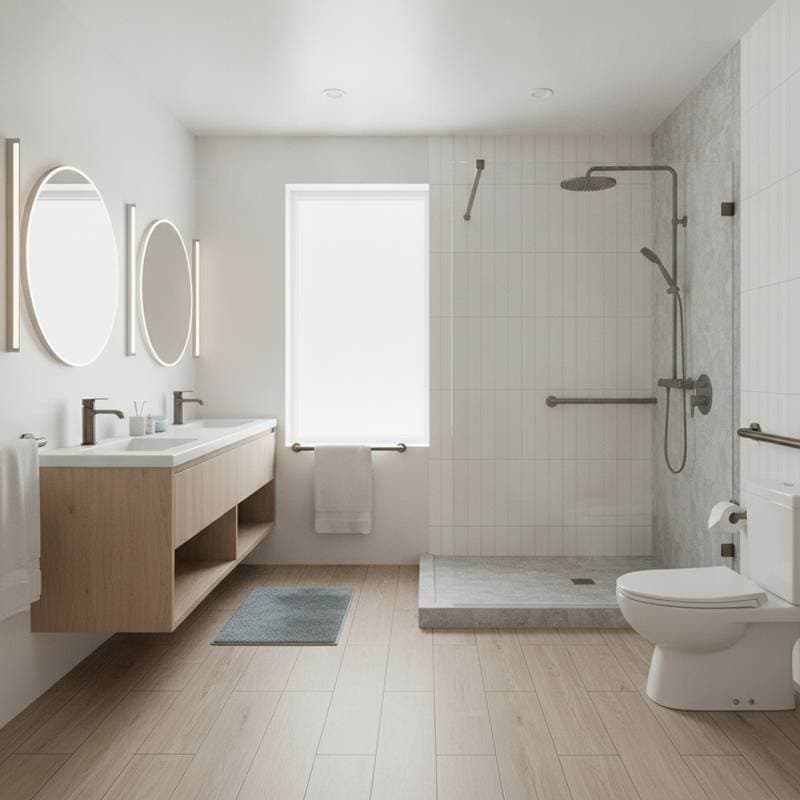
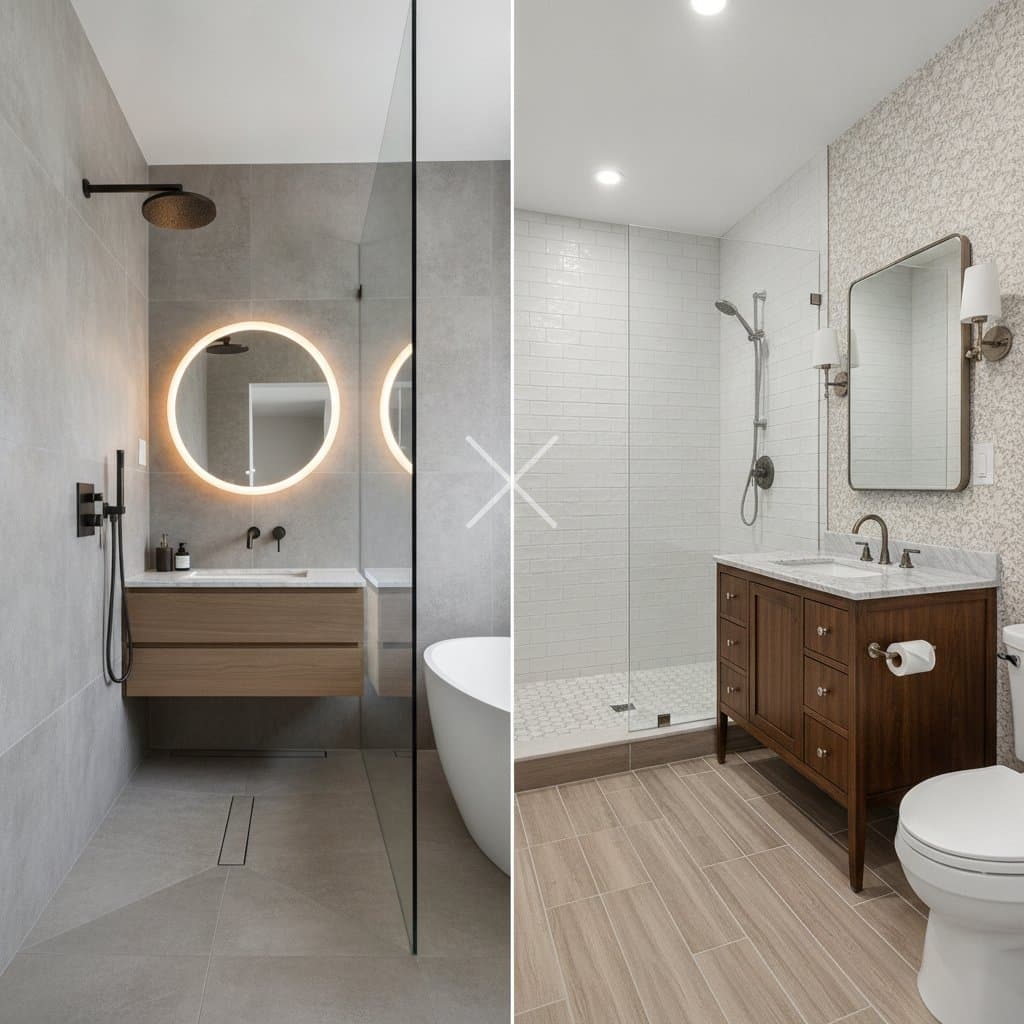
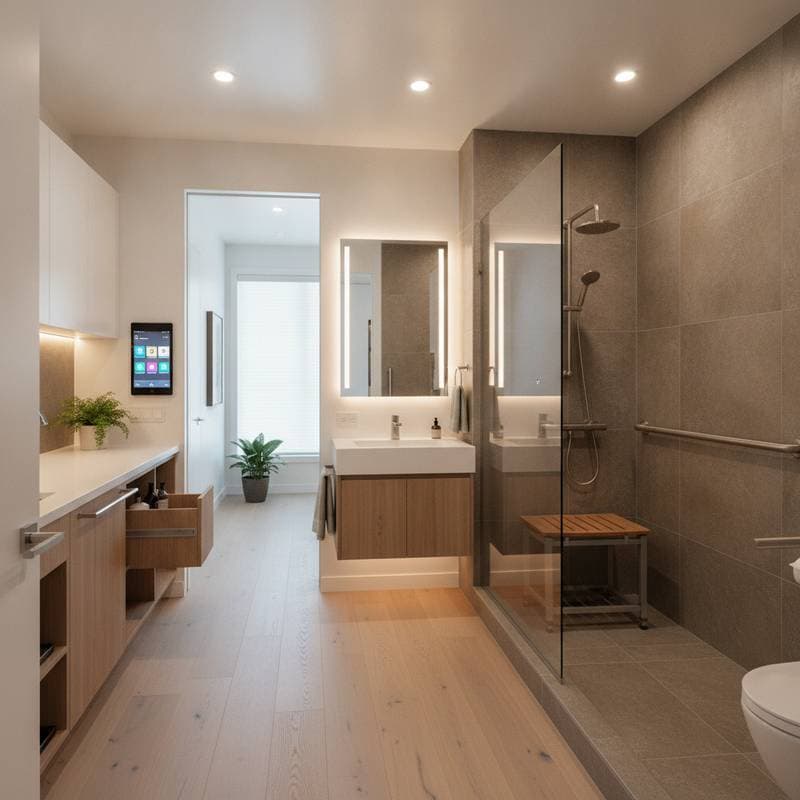
Bathrooms rank as high-risk areas for slips and falls, making thoughtful updates essential. Install a curbless shower with a fold-down bench and a handheld showerhead to facilitate safe bathing. Reinforce walls for grab bars installed at 33 to 36 inches high, selecting finishes like satin stainless steel to integrate seamlessly with contemporary decor.
Cost: Renovations typically range from $8,000 to $20,000, influenced by bathroom size, fixture quality, and labor rates in the region.
Return on Investment: These enhancements often recoup 60 to 70 percent of costs upon resale, appealing to a wide buyer demographic seeking low-maintenance homes.
Consider adding a comfort-height toilet at 17 to 19 inches for reduced strain during use. Pair it with a wall-mounted sink to create open floor space beneath, easing movement for those using walkers.
Open-Concept Kitchens
An open kitchen layout promotes fluid navigation and reduces congestion during meal preparation. Opt for countertops at 34 inches high with overhangs for seated work, alongside pull-out cabinets and lazy Susans for accessible storage. Integrate touchless faucets and induction cooktops that respond to gestures, minimizing physical effort.
For visibility, select countertops in high-contrast colors against cabinetry, aiding those with visual impairments. Incorporate under-cabinet lighting to illuminate workspaces without casting shadows.
Cost: Comprehensive updates fall between $25,000 and $60,000, varying by square footage, appliance selections, and customization level.
DIY vs. Professional: Simple additions like drawer organizers suit DIY efforts, yet layout alterations demand a licensed contractor to handle plumbing and ventilation rerouting safely.
Safer Entryways
A level entryway eliminates thresholds that cause trips, streamlining access for carrying items or maneuvering assistive devices. Regrade the approach to achieve a smooth transition, and install a portico or awning for weather protection. Motion-activated LED lights along pathways enhance nighttime visibility and deter intruders.
Cost: Projects range from $2,500 to $8,000, depending on site preparation needs like concrete pouring or ramp fabrication.
Practical Tip: Select weather-resistant materials such as composite decking for the entry platform to withstand moisture and foot traffic over time.
Maximizing Value and Comfort
Investing in universal design yields savings by preempting costly adaptations in the future. Features like LED lighting with dimmers, cork or vinyl plank flooring with textured surfaces, and programmable thermostats not only heighten safety but also cut energy expenses by up to 20 percent annually.
These improvements broaden market appeal, drawing interest from multigenerational families and remote workers who value flexible spaces. To optimize returns:
- Select timeless materials like quartz surfaces and solid-core doors that resist wear
- Layer lighting schemes, combining ambient, task, and accent options for versatile illumination
- Install fixtures at ergonomic heights, such as vanities at 30 to 34 inches, to support users of varying statures
Regular maintenance, including annual inspections of grab bars and seals, preserves functionality and appearance.
When to Hire a Professional
Engage a licensed contractor for any project involving load-bearing walls, water lines, or wiring. Professionals guarantee adherence to local codes, such as the International Residential Code's accessibility provisions, minimizing liability risks. Request portfolios showcasing universal design work, along with proof of bonding and liability coverage.
For specialized input, collaborate with a Certified Aging-in-Place Specialist certified by the National Association of Home Builders. These experts assess spatial flow, recommend compliant hardware, and ensure designs harmonize form with function, often through 3D modeling previews.
Common Questions
How can universal design maintain a stylish appearance?
Incorporate sleek hardware, uniform flooring transitions, and warm-toned LEDs to craft an inviting atmosphere that prioritizes elegance alongside utility.
Are permits necessary for accessibility renovations?
Most jurisdictions mandate permits for alterations affecting structure, utilities, or egress. Consult your local building department early to outline requirements and timelines.
Which flooring options suit aging in place best?
Materials like luxury vinyl tile with embossed patterns, natural cork underlayment, or porcelain tiles with matte glazes provide traction and cushioning while simplifying cleaning.
Does universal design boost resale value?
Absolutely. Properties with these elements command premiums of 5 to 10 percent and attract diverse buyers, often closing 20 percent quicker than unmodified homes.
Sustaining Independence Through Smart Design
Universal design empowers homeowners to navigate life changes with confidence in a familiar setting. Early integration of these principles safeguards well-being, enhances daily routines, and elevates property worth. Consult experts to tailor solutions that align with personal visions, ensuring a residence that nurtures independence for years ahead.