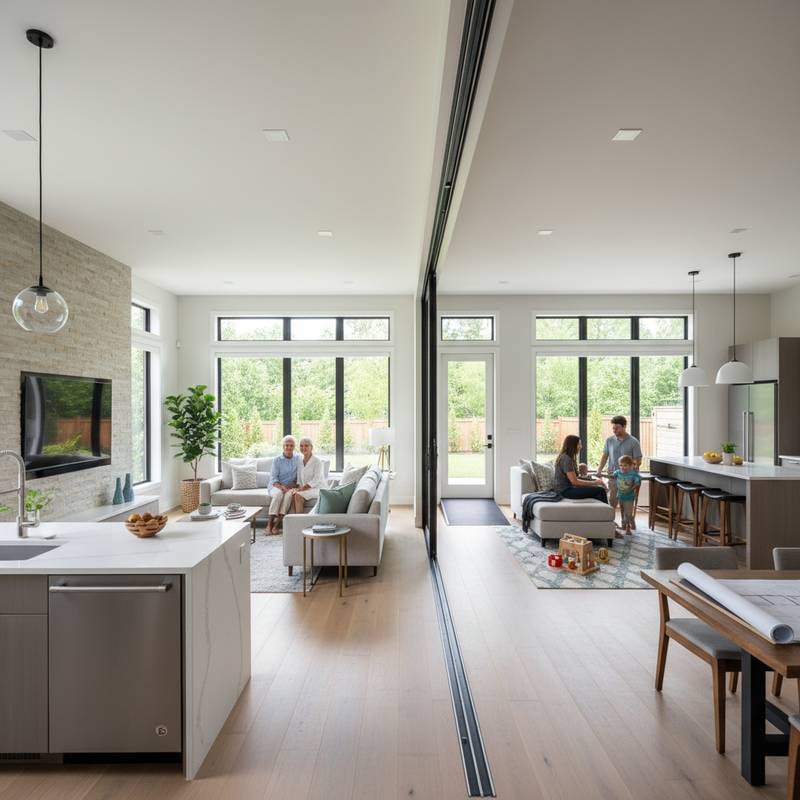
The Rise of Multigenerational Remodels: Understanding Costs and Designs
Homeowners increasingly seek ways to adapt their properties to support extended family living. Factors such as escalating housing expenses, the need for elder care, and economic pressures on younger adults contribute to this trend. Multigenerational remodels enable families to share resources while preserving individual autonomy within a single residence.
This resource provides an overview of why these remodels gain popularity, along with detailed cost breakdowns and design principles. Readers gain insights into spatial planning, privacy enhancements, and the benefits of engaging specialists to ensure project success.
Defining a Multigenerational Remodel
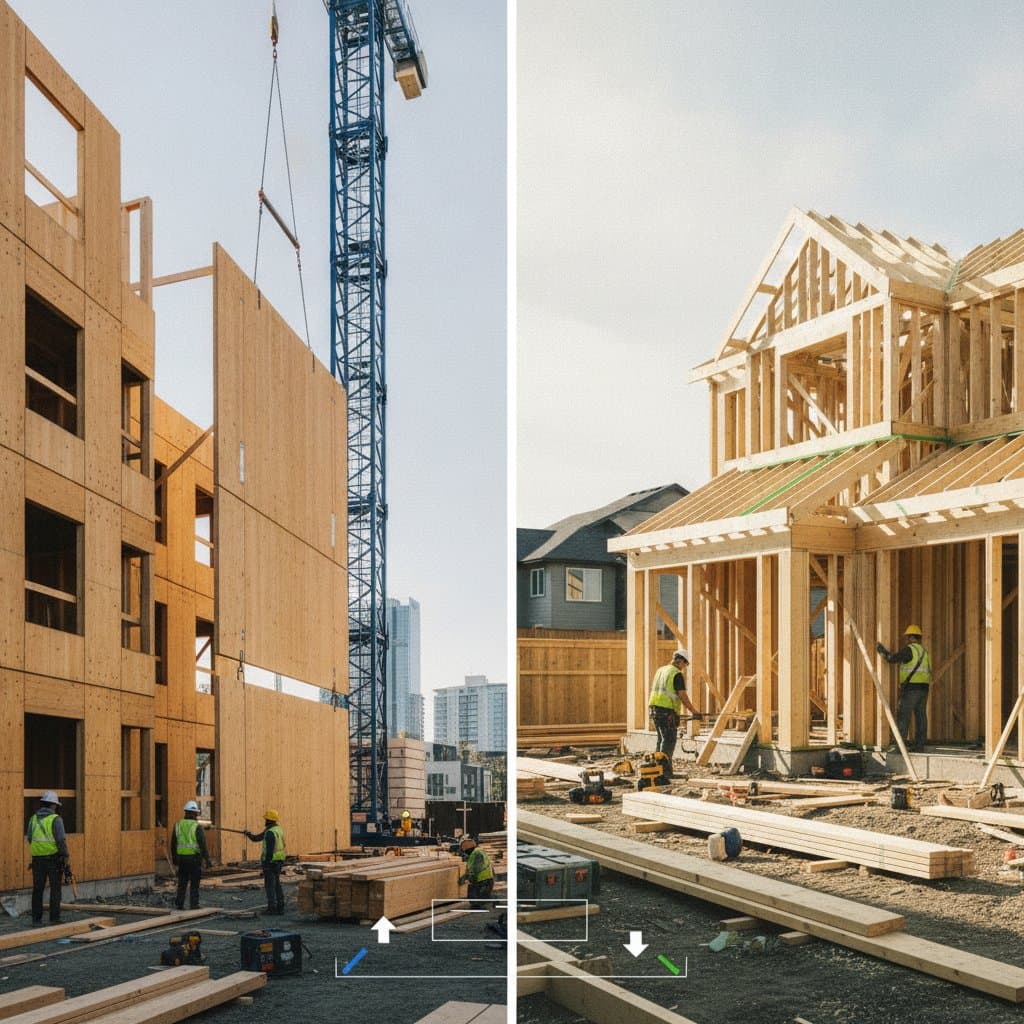
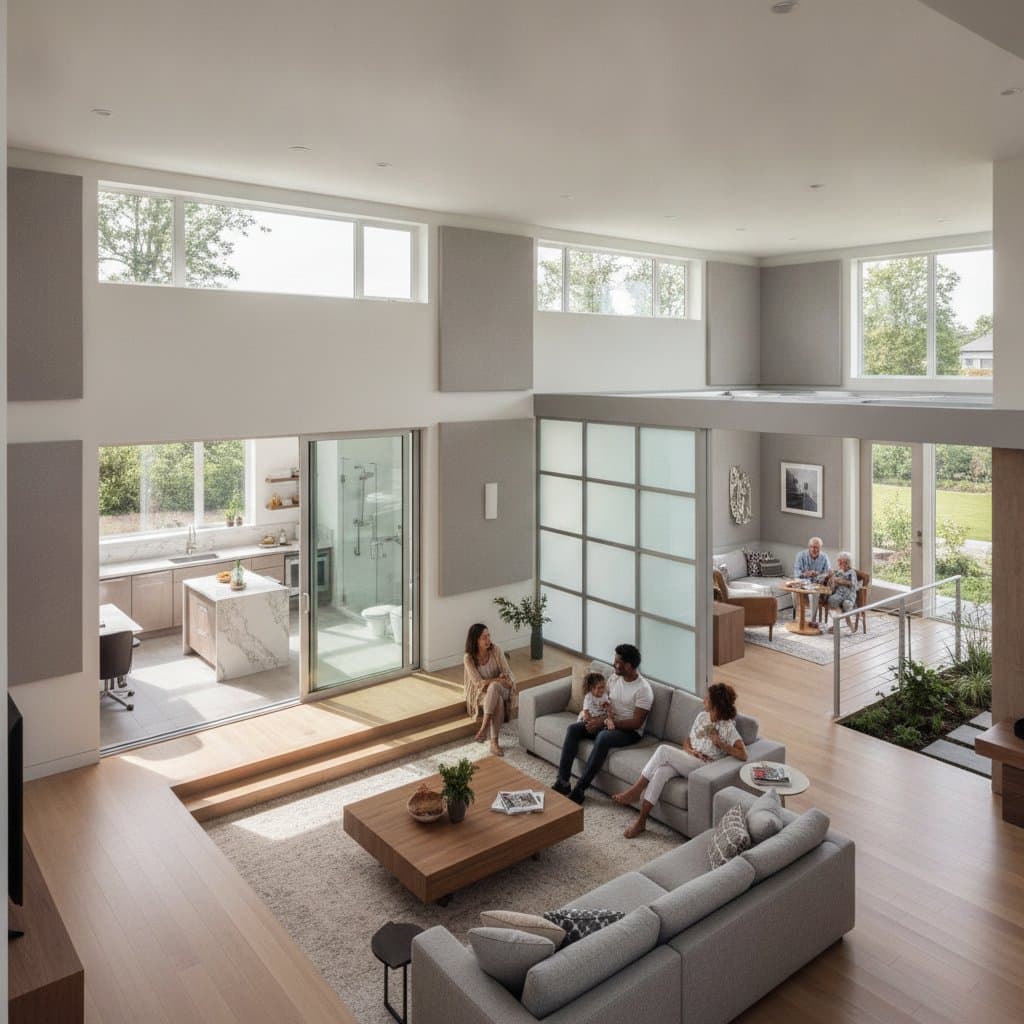
A multigenerational remodel modifies an existing structure or incorporates additions to accommodate two or more adult generations. Common configurations include constructing an accessory dwelling unit, converting a basement into a self-contained apartment, transforming an attic into a private suite, or attaching a new wing with communal areas.
The primary objective involves harmonizing personal space with family interaction. Each generation requires dedicated sleeping quarters, private bathrooms, and potentially a compact kitchenette or seating area. Collective spaces like main kitchens, utility rooms, and patios foster relationships without compromising comfort.
Many families pursue these changes to assist aging relatives who desire self-sufficiency alongside support. Other motivations encompass adult children relocating temporarily to reduce expenses or grandparents providing daily childcare. This adaptable framework suits diverse life phases, from early career stages to retirement.
Breaking Down Costs and Potential Returns
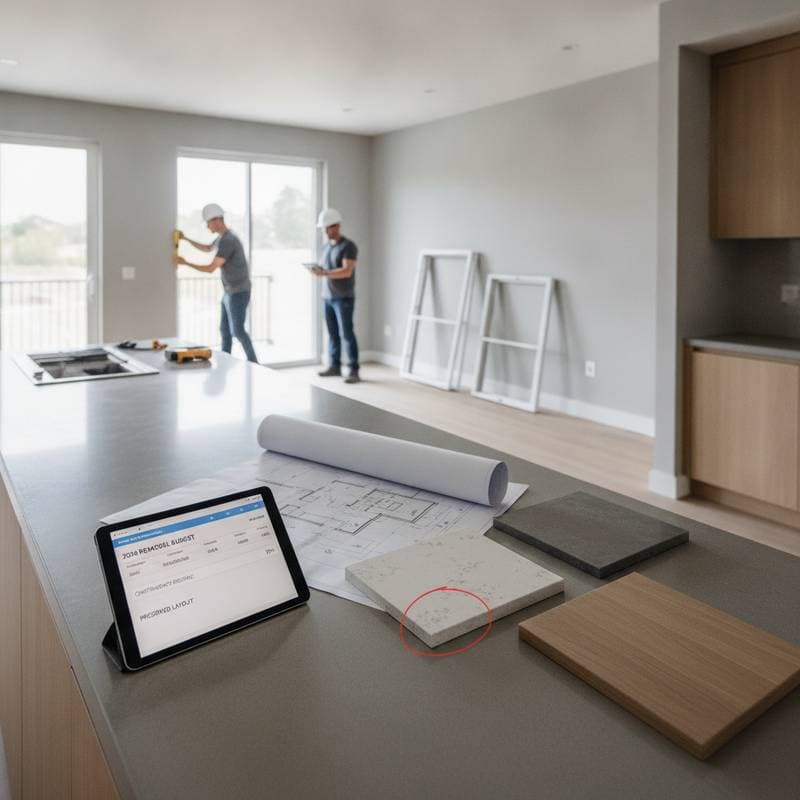
Project expenses vary based on scale, regional factors, and the home's current condition. The following outlines typical ranges for prevalent remodel types:
- Accessory Dwelling Unit or Detached Addition: Expect $200,000 to $400,000 for 500 to 800 square feet, covering foundation, framing, and utility installations.
- Garage Conversion: Budget $90,000 to $160,000, accounting for plumbing lines, insulation upgrades, and egress windows.
- Basement or Attic Conversion: Allocate $80,000 to $150,000 to incorporate a full bathroom, basic cooking facilities, and proper ventilation.
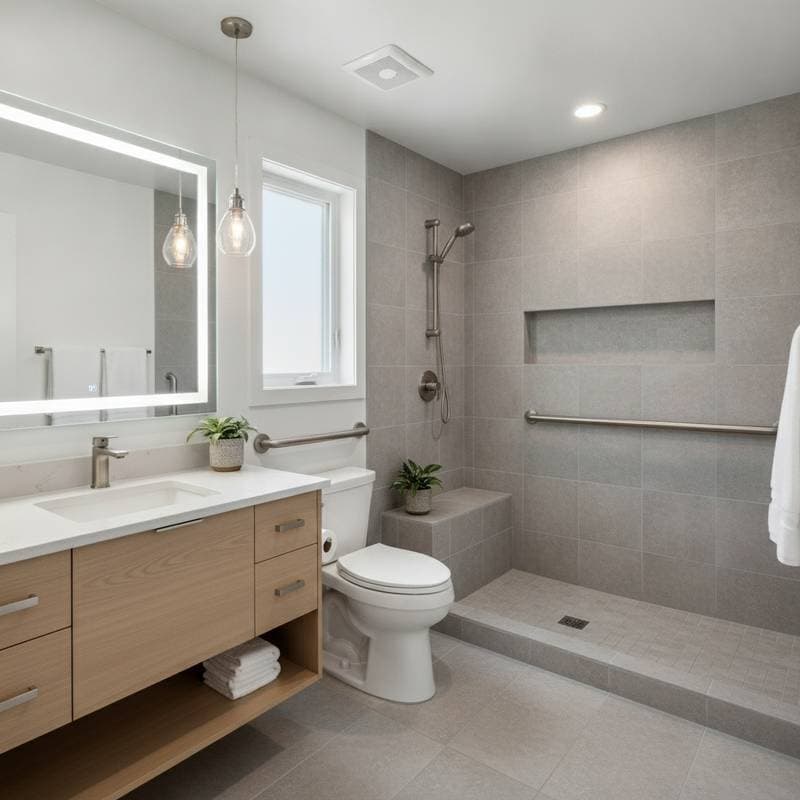
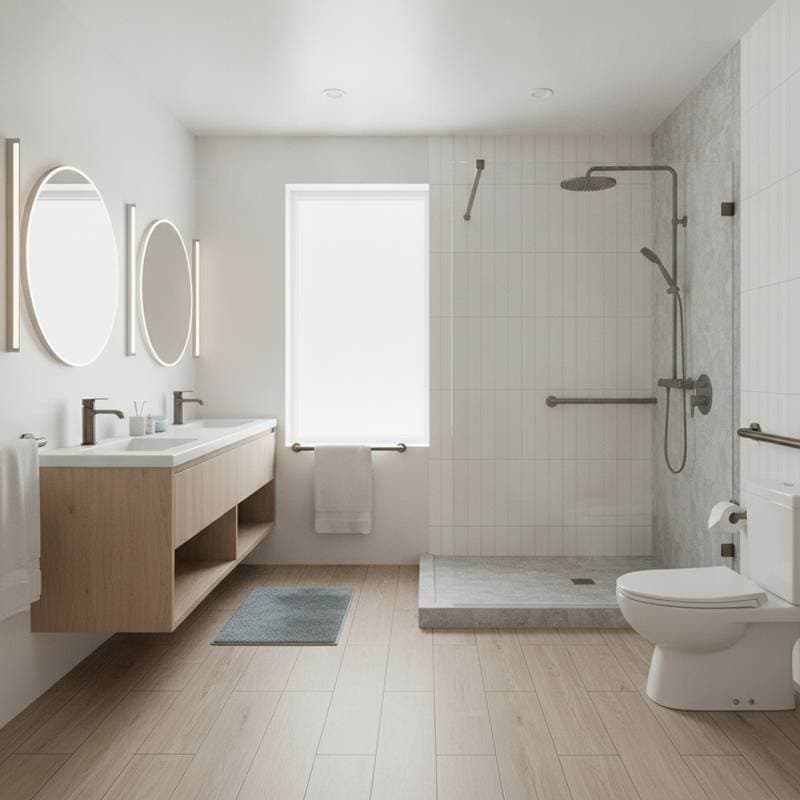
- Internal Layout Adjustments: Plan for $40,000 to $100,000 to reposition walls, install wide doorways, and add ramps or grab bars for accessibility.
Investment recovery differs by market and execution quality. Full additions or ADUs frequently recover 70 to 90 percent of costs via elevated home appraisals. Properties featuring versatile zones appeal to broader buyer pools, accelerating sales and commanding premium prices.
Labor accounts for 50 to 60 percent of budgets, with materials, regulatory approvals, and planning services comprising the balance. Incorporating insulated glass windows, resilient hardwood alternatives, and centralized climate control minimizes ongoing operational costs.
Balancing DIY Efforts with Professional Expertise
Choices between self-managed tasks and expert involvement hinge on personal capabilities and project complexity.
Suitable for DIY:
- Applying fresh coats to walls and moldings in neutral tones that unify spaces.
- Laying durable flooring options like luxury vinyl tiles that mimic wood grain.
- Enhancing outdoor areas with gravel paths and solar-powered fixtures for safe navigation.
- Setting up prefabricated cabinetry or shelving to optimize storage in compact zones.
Essential Professional Services:
- Modifying load-bearing elements or erecting new frameworks.
- Routing electrical circuits, piping water supplies, or integrating heating systems.
- Preparing stable bases for expansions or secondary units.
- Navigating permit processes and ensuring adherence to building standards.
Regardless of cosmetic intentions, initiate with an expert review from an architect. Such consultations reveal potential challenges in flow or compliance, preventing expensive revisions down the line.
Key Indicators for Engaging Professionals
Involve licensed specialists for any endeavor touching structural integrity, water systems, or power distribution. Extensive modifications demand approvals from local authorities, including zoning evaluations and periodic inspections to uphold safety protocols.
A seasoned general contractor oversees timelines, coordinates tradespeople, and maintains workmanship standards. Prioritize firms experienced in secondary dwellings or family-oriented expansions. Verify credentials through client testimonials, past projects, and proof of comprehensive insurance coverage.
For intricate spatial designs, architects excel at delineating private retreats and streamlined pathways. Interior specialists select harmonious palettes and textures that delineate areas while promoting overall unity.
Frequently Asked Questions
How does a multigenerational remodel differ from an accessory dwelling unit?
An accessory dwelling unit functions as a standalone residence, possibly separate from the primary home or atop a structure like a garage. In contrast, a multigenerational remodel might integrate such a unit or merely adapt the core house for cooperative occupancy.
What square footage should each generation receive?
Allocate 350 to 500 square feet per adult group to support essential functions comfortably. Additional area proves beneficial for dedicated cooking or washing facilities within individual units.
Are permits required for an in-law suite?
Local regulations typically mandate approvals for installing kitchens, bathrooms, or altering structures. Verify restrictions on land use and maximum occupants prior to commencement.
Does a multigenerational remodel affect property taxes?
Additions of space or new units generally elevate the home's taxable valuation. However, enhanced market worth often compensates for elevated fiscal obligations over time.
Is renting portions of the home feasible afterward?
Numerous jurisdictions permit leasing ADUs or auxiliary spaces that satisfy criteria for emergency exits, thermal barriers, and independent access points.
Sustaining and Adapting Your Investment
Beyond immediate housing needs, a multigenerational remodel represents a strategic asset in adaptability and relational strength. Spaces engineered for evolution safeguard equity and prolong utility across years.
Select robust surfaces and efficient appliances to simplify upkeep. Conduct biennial assessments of security elements to uphold mobility standards. Should household compositions shift, repurposing occurs seamlessly for visitors, income generation, or professional use.
Success depends on deliberate foresight and open dialogue among inhabitants. Prioritizing autonomy alongside communal benefits renders cohabitation viable and enriching. Strategic designs convert a single address into an enduring sanctuary that evolves with familial journeys.