Mass Timber Homes: 2026 Costs You Need to Know
Mass timber homes redefine residential construction through a unique combination of sustainability, structural integrity, and contemporary aesthetics. Homeowners increasingly seek environmentally responsible and efficient building methods, and mass timber meets these demands effectively. This guide explores construction processes, pricing details, comparisons with traditional methods, and the importance of professional involvement to determine suitability for your project.
Readers gain insights into design elements, maintenance requirements, and budgeting strategies that support informed choices for mass timber construction.
Reasons Homeowners Select Mass Timber
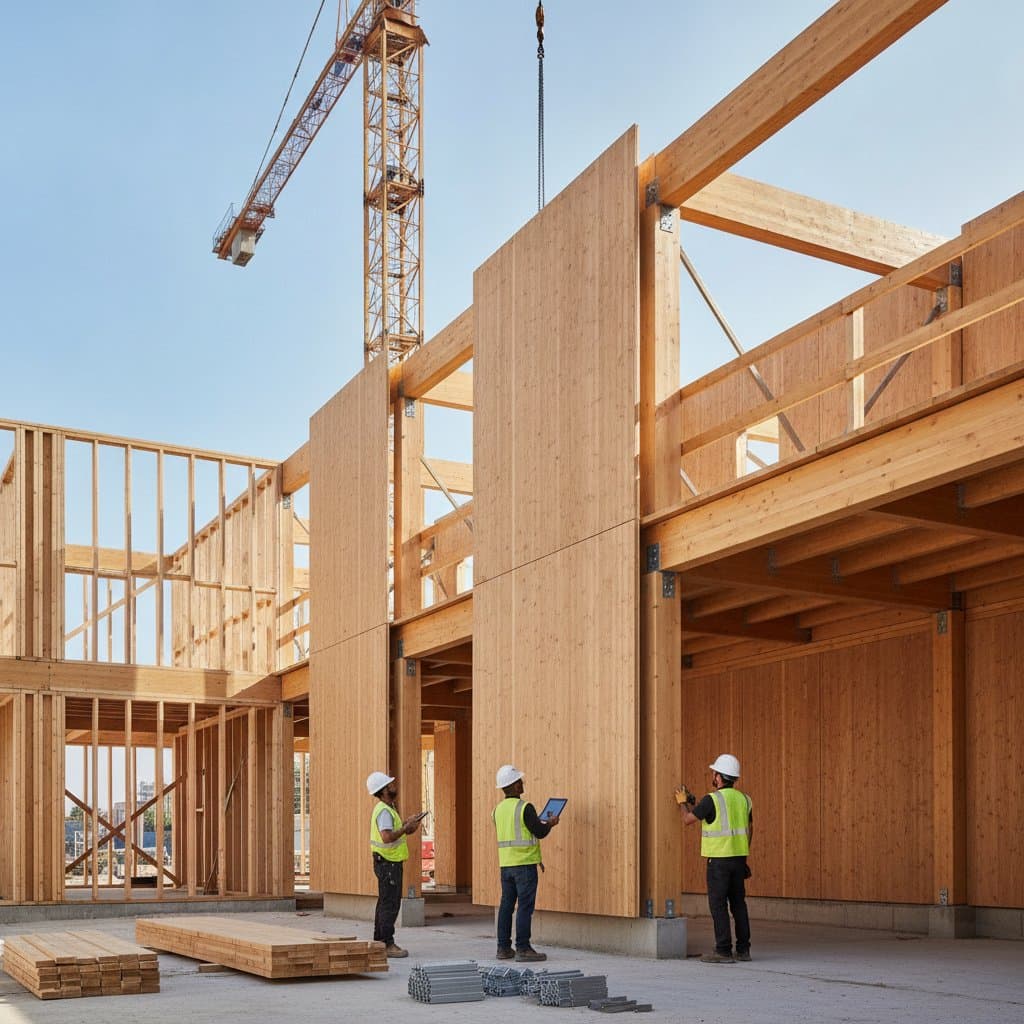
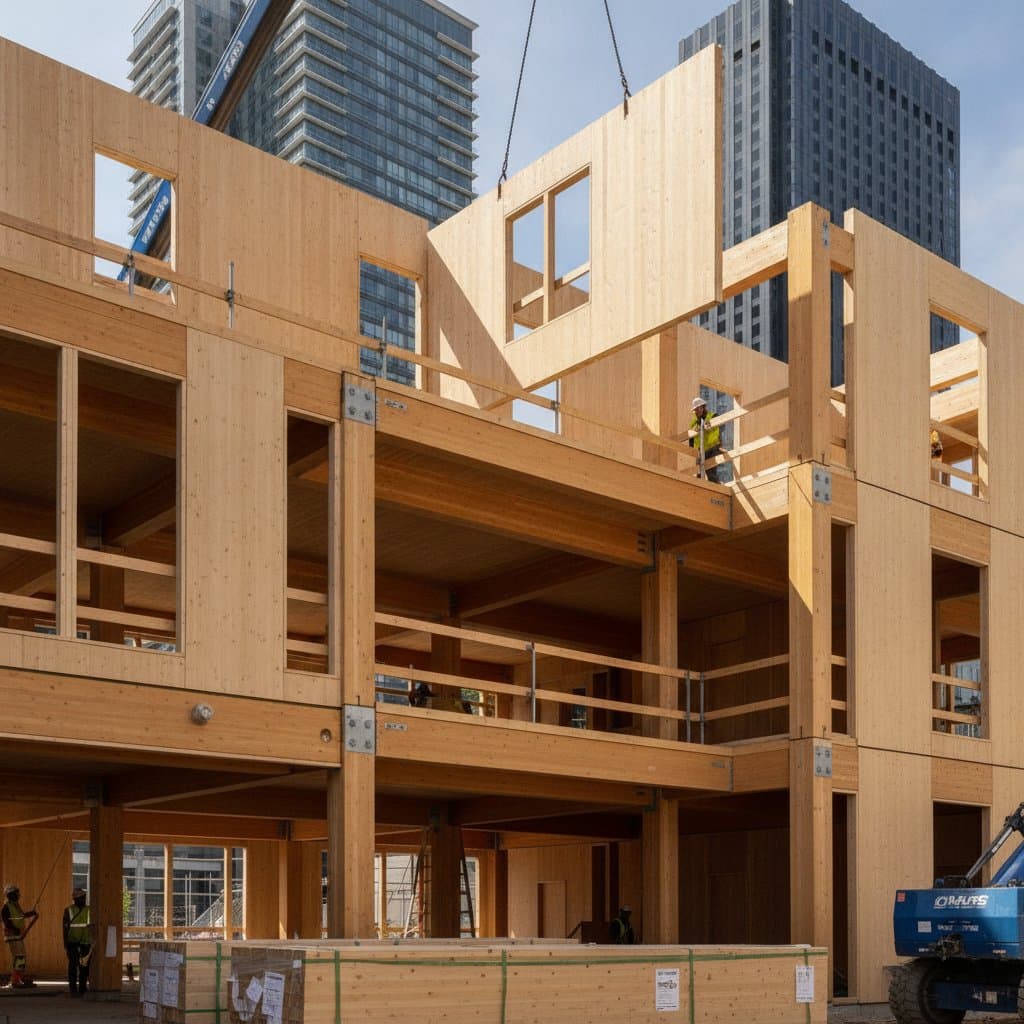
Homeowners drawn to mass timber prioritize environmental benefits, rapid construction timelines, and distinctive visual appeal. The material sequesters carbon during growth, minimizes construction waste, and demands lower energy input for production compared to concrete or steel alternatives. Prefabricated components accelerate on-site assembly, which reduces overall labor expenses and project duration.
Exposed timber elements create warm, organic interiors that enhance architectural interest. Mass timber also provides superior thermal insulation, contributing to lower heating and cooling costs. Integration with advanced glazing and sealed envelopes elevates energy performance to meet stringent efficiency standards.
Cost Comparisons with Traditional Wood Framing
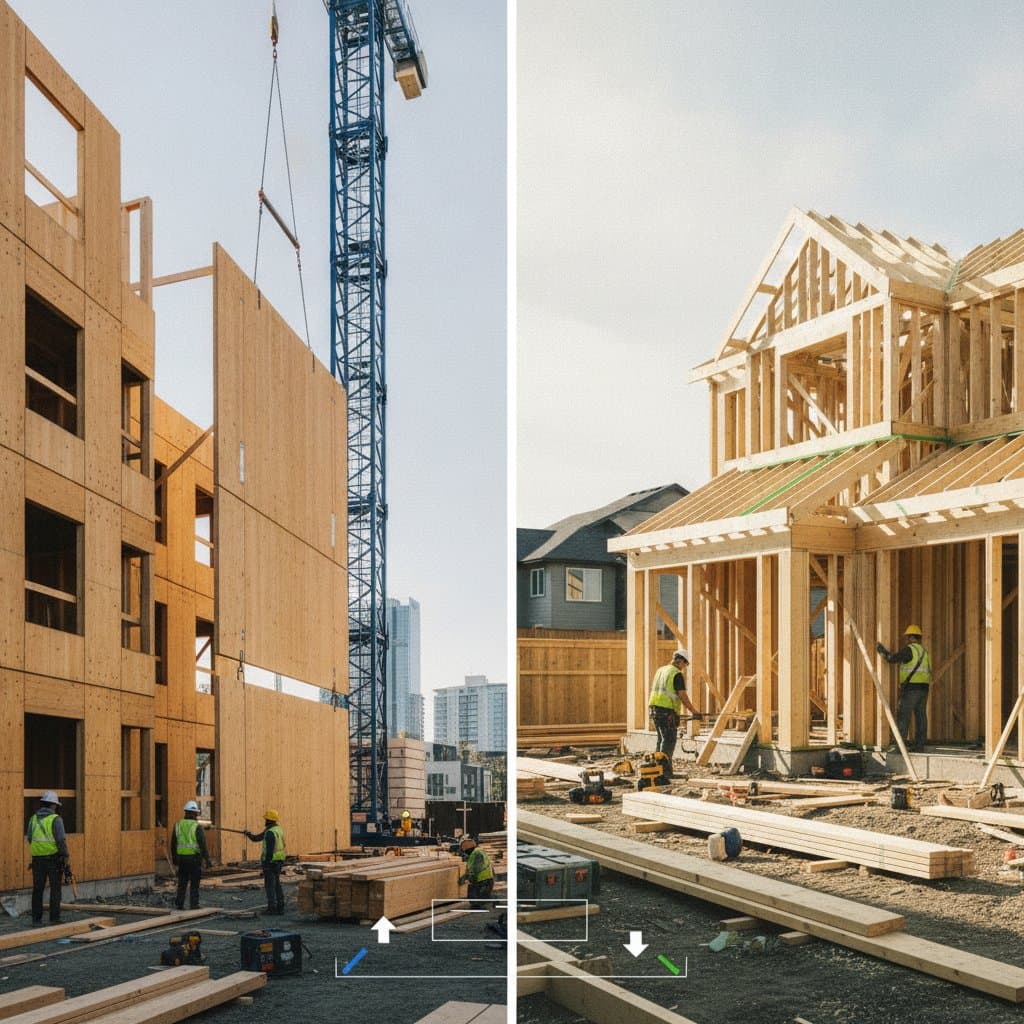
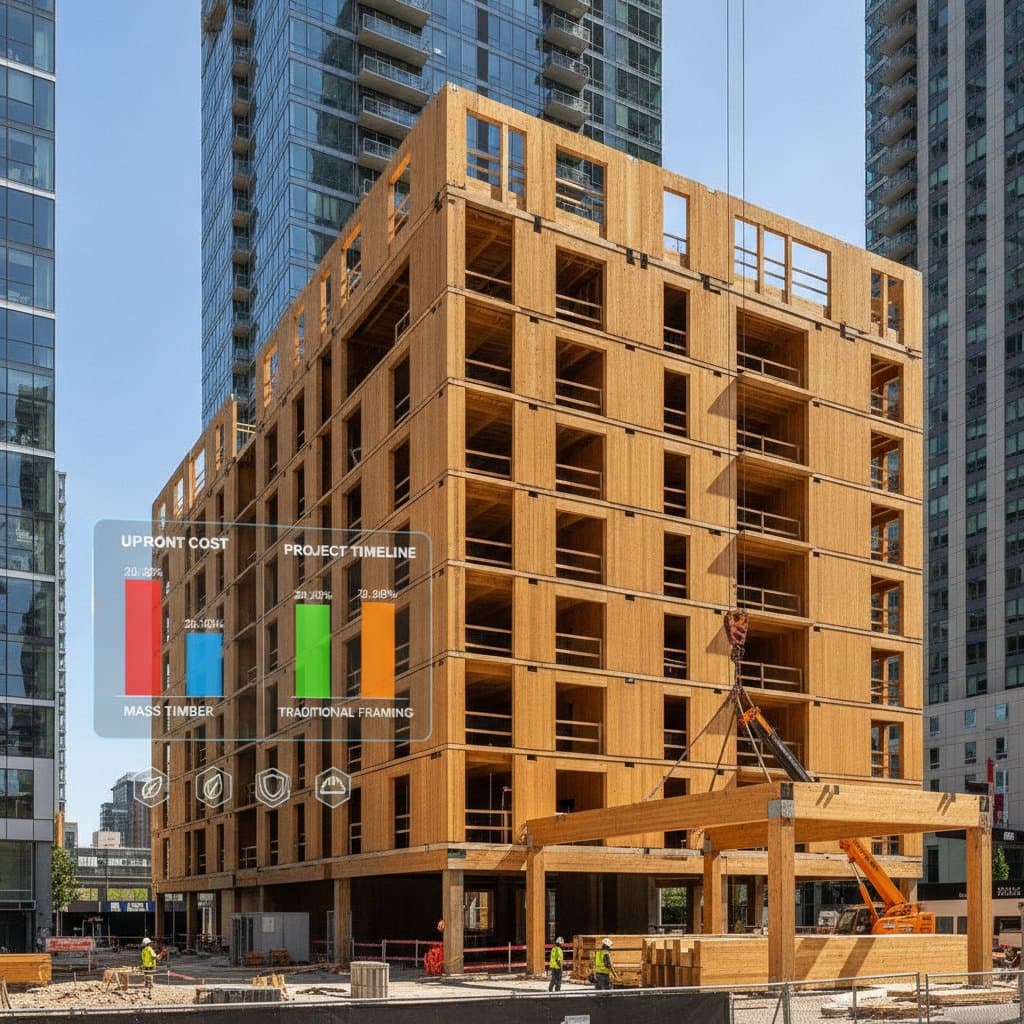
Stick-built homes typically cost between $200 and $300 per square foot. Initial pricing for mass timber appears higher, often ranging from $250 to $400 per square foot in 2026 projections, yet long-term advantages alter this perspective.
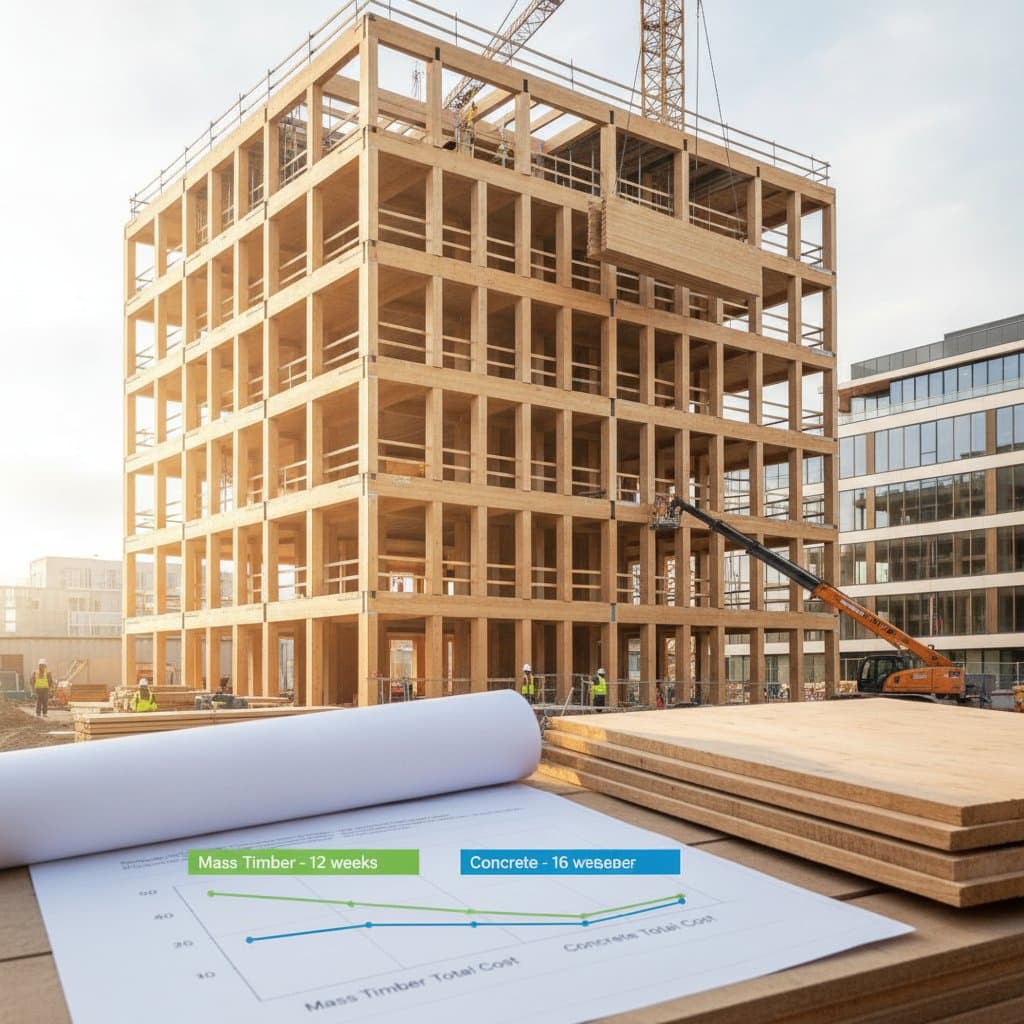
Off-site fabrication of mass timber components enables quicker erection and mitigates weather-related delays. Such efficiencies can compress timelines by four to six weeks, thereby decreasing interest accrual on construction loans and on-site labor fees. The inherent precision of prefabricated assemblies also enhances air tightness, which translates to reduced utility expenses over the home's lifespan.
Investment Returns and Market Value
The novelty of mass timber residences distinguishes them in competitive housing markets. These properties often yield a return on investment between 70 and 80 percent, influenced by regional preferences for sustainable features. Enhanced energy savings and minimal upkeep further bolster financial appeal.
Prospective buyers favor low-impact builds, positioning mass timber homes to command premiums among environmentally aware purchasers. Strategic design choices amplify resale potential by aligning with evolving consumer values.
Design and Aesthetic Elements
Visual Characteristics
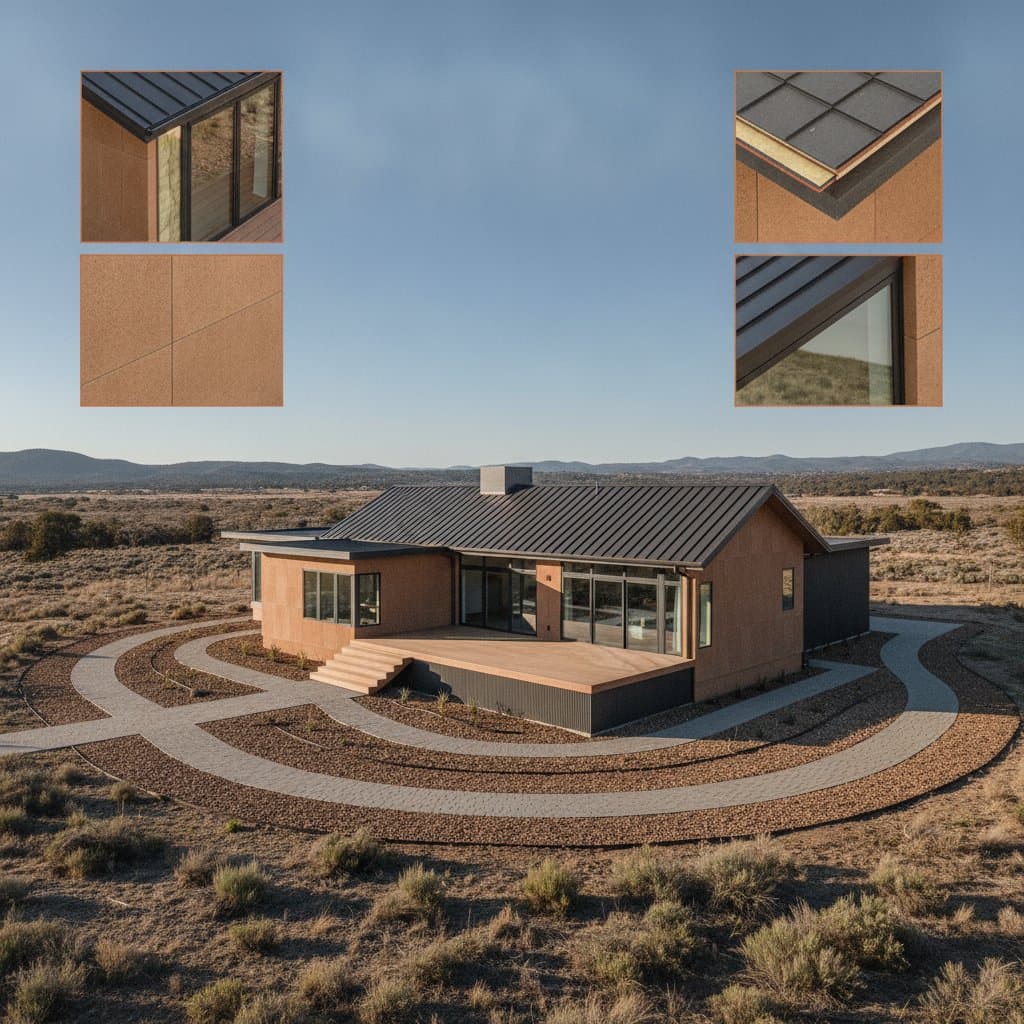
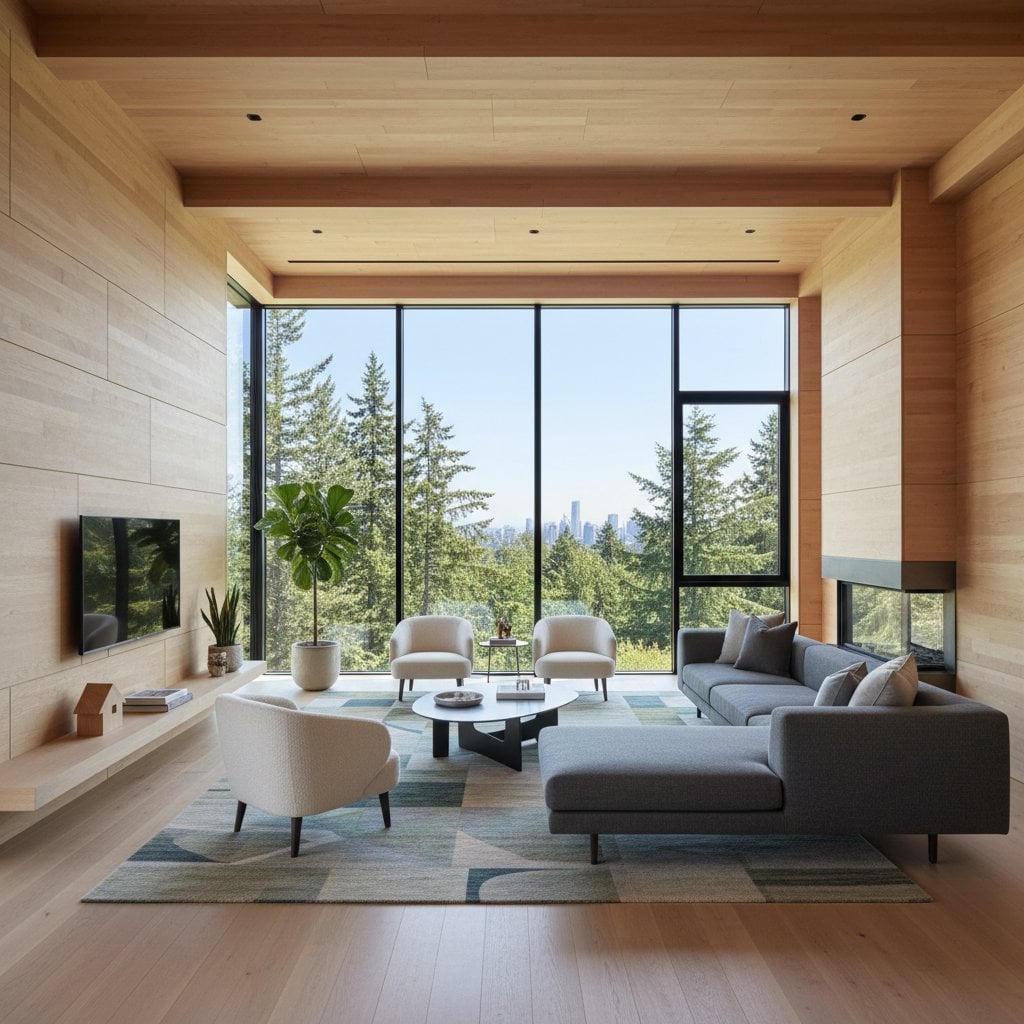
Mass timber structures emphasize the inherent beauty of wood via visible beams, ceilings, and wall panels. These elements may stay untreated for a raw finish or receive protective clear coatings to guard against sunlight and humidity. Architects commonly integrate timber with expansive glazing and metal accents to foster airy, illuminated interiors.
Spatial Adaptability
Cross-laminated timber (CLT) panels and glued-laminated (glulam) beams support substantial weights, permitting expansive layouts free from intermediate supports. This capability suits contemporary configurations, such as seamless living areas and oversized fenestration.
Environmental and Location Influences
Moisture control proves critical in damp climates; features like extended eaves, robust flashing, and permeable membranes safeguard against infiltration and material degradation. In temperate zones, the insulating qualities of mass timber excel, though joint treatments must eliminate heat loss pathways.
Strategies to Optimize Expenses
-
Streamline architectural features. Opt for rectilinear forms and uncomplicated roofing to cut material surplus and streamline manufacturing.
-
Incorporate mixed construction techniques. Employ mass timber for primary frameworks while using standard lumber for non-critical sections.
-
Procure materials regionally. Shorter shipping routes decrease logistics expenses.
-
Initiate planning promptly. Detailed blueprints facilitate prefabrication, avoiding expensive mid-project adjustments.
-
Evaluate multiple vendors. Supplier pricing fluctuates; volume orders or modular options often yield savings.
-
Leverage incentives. Explore rebates for green building practices to offset upfront investments.
Frequently Asked Questions on Mass Timber Residences
How durable are mass timber homes compared to conventional builds?
Engineered correctly and preserved adequately, mass timber structures endure for generations, rivaling the longevity of reinforced concrete or metal-framed edifices.
Does mass timber offer greater sustainability than concrete?
Timber naturally captures atmospheric carbon, whereas concrete production releases substantial emissions. Responsibly harvested wood from managed forests amplifies these eco-advantages.
Is mass timber construction feasible in all locations?
Most jurisdictions permit it, though certain building regulations necessitate specialized assessments. Compliance with local standards ensures viability for residential applications.
What maintenance does mass timber demand?
Periodic checks and renewal of protective finishes suffice for exterior exposures. Internal components generally require no ongoing interventions.
Can mass timber withstand seismic activity or extreme winds?
Affirmative; its ductility and robustness enable strong performance in dynamic conditions when designed by qualified engineers.
Preserving Long-Term Performance
Effective stewardship of a mass timber home involves proactive measures to maintain dryness and structural health. Ensure adequate airflow, secure weatherproofing, and roof integrity to avert issues. Regularly assess coatings on visible timber to sustain protection.
With diligent care, these homes preserve their inviting ambiance, efficiency, and unique style across decades. They deliver enduring comfort, reduced ecological impact, and standout design that enhances quality of life.
Collaborate with seasoned builders from the outset to realize a mass timber project that balances innovation with practicality, securing both aesthetic satisfaction and fiscal prudence.