Mass Timber vs. Traditional Wood Framing: Cost Comparison for 2026 Projects
Mass timber construction gains momentum in commercial and residential developments. Traditional wood framing holds its position as the benchmark for low- to mid-rise structures. As material prices fluctuate and labor dynamics evolve, the rivalry between these approaches intensifies. Builders benefit from a clear analysis of costs, performance metrics, and overall value to inform project choices.
Cost Overview
Typical Cost Ranges:
- Mass Timber (Cross-Laminated Timber, Glued-Laminated Timber, Laminated Veneer Lumber): $250 to $400 per square foot, averaging $325 per square foot.
- Traditional Wood Framing: $150 to $250 per square foot, averaging $200 per square foot.
Primary Cost Influences:
- Pricing and availability of structural materials
- Requirements for skilled labor
- Complexity of design and building height
- Logistics for transportation and installation
- Treatments for finishing and fire protection
Essential Insights
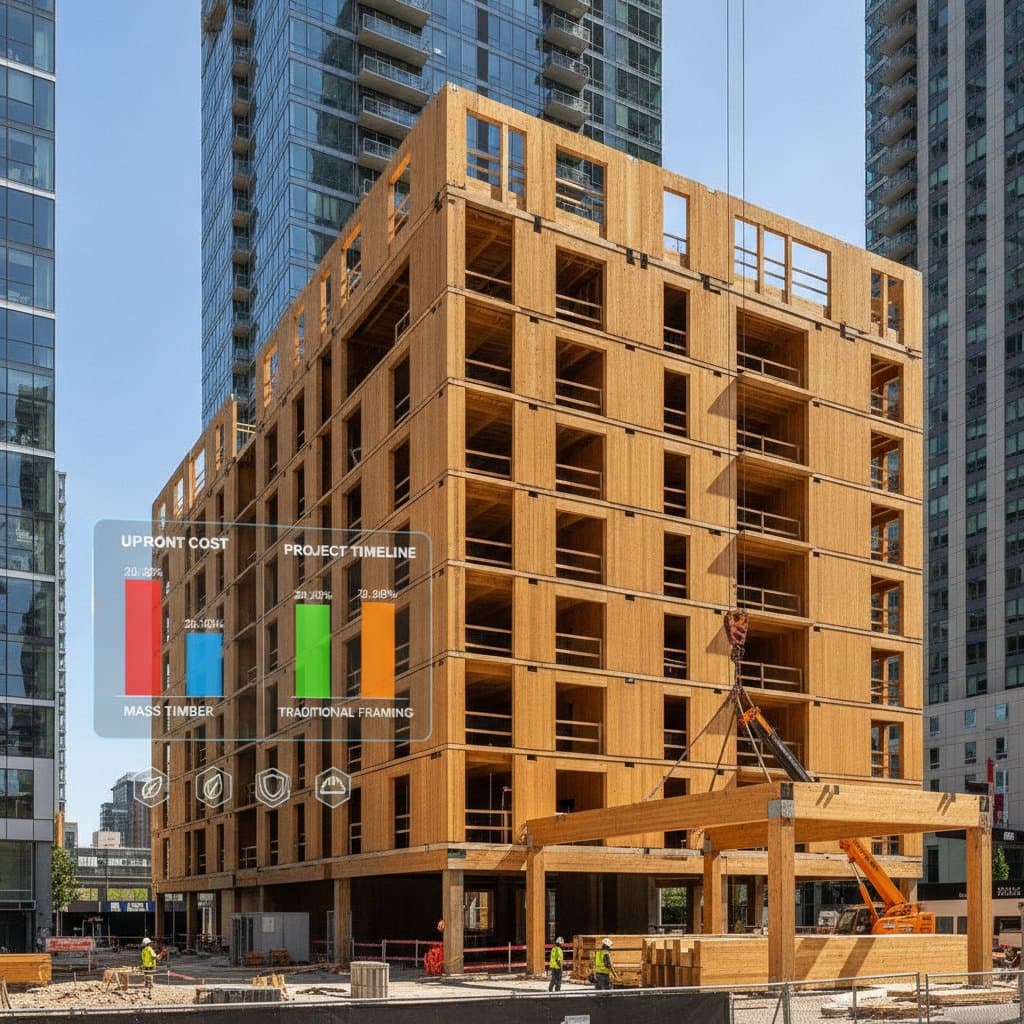
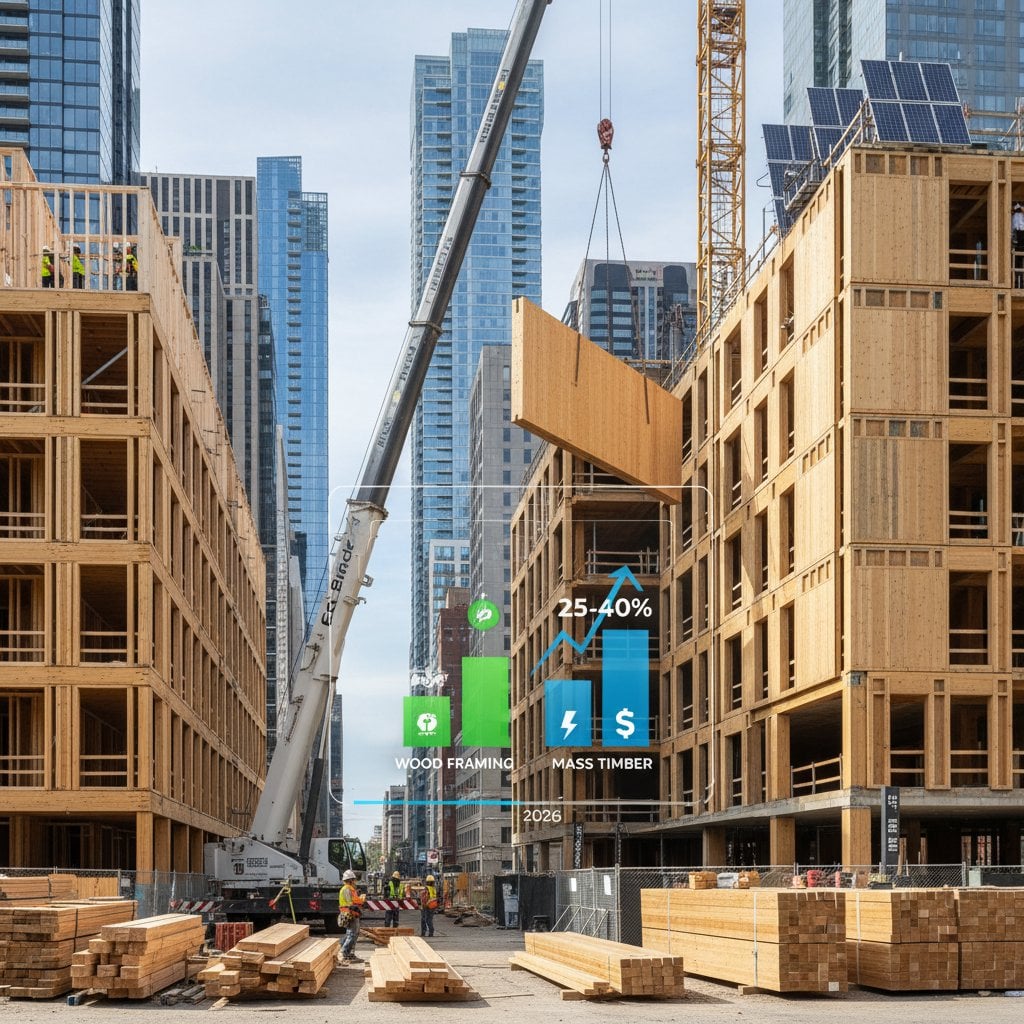
Mass timber installations incur 25 to 40 percent higher costs per square foot compared to conventional framing. Accelerated assembly and minimized waste on site offset portions of these material expenses. Conditions in local supply chains exert the greatest impact on pricing. Mass timber structures lower ongoing operational expenses through lighter foundations and superior insulation. Processes for insurance and permitting introduce distinct budget considerations for each method.
Costs by Project Scale and Type
Light wood framing proves most economical for smaller residential structures. A single-family home constructed with this method typically ranges from $150 to $220 per square foot. Mass timber equivalents climb to $300 per square foot, driven by prefabrication demands and specialized engineering.
Commercial endeavors reveal mass timber's edge at larger scales. Mid-rise offices or apartments employing cross-laminated timber panels fall between $280 and $380 per square foot. Concrete or steel options in comparable categories surpass $400 per square foot, positioning mass timber favorably for multi-story designs.
Labor and Contractor Expenses
Labor expenses differ significantly across systems. Crews proficient in traditional framing abound, with hourly rates from $35 to $65. These professionals manage stud placement, sheathing, and bracing with familiar tools and techniques.
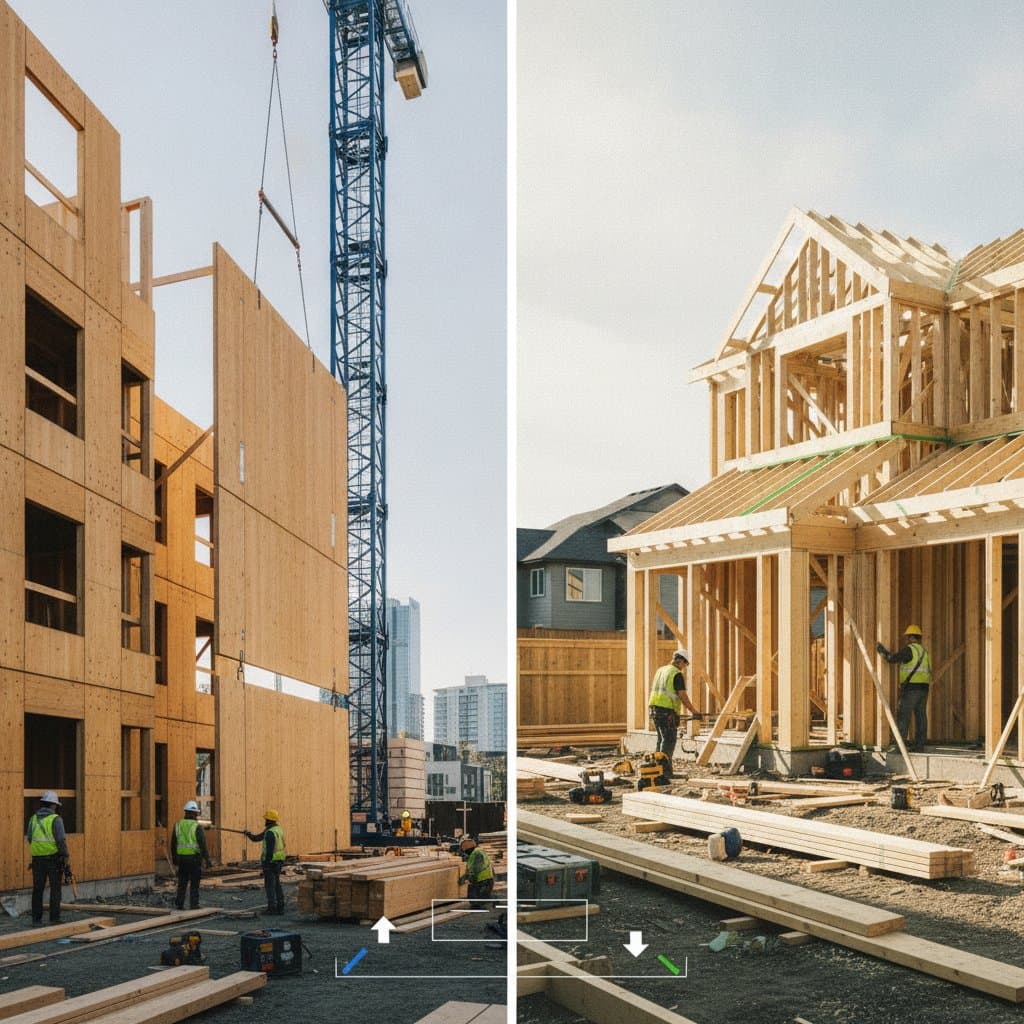
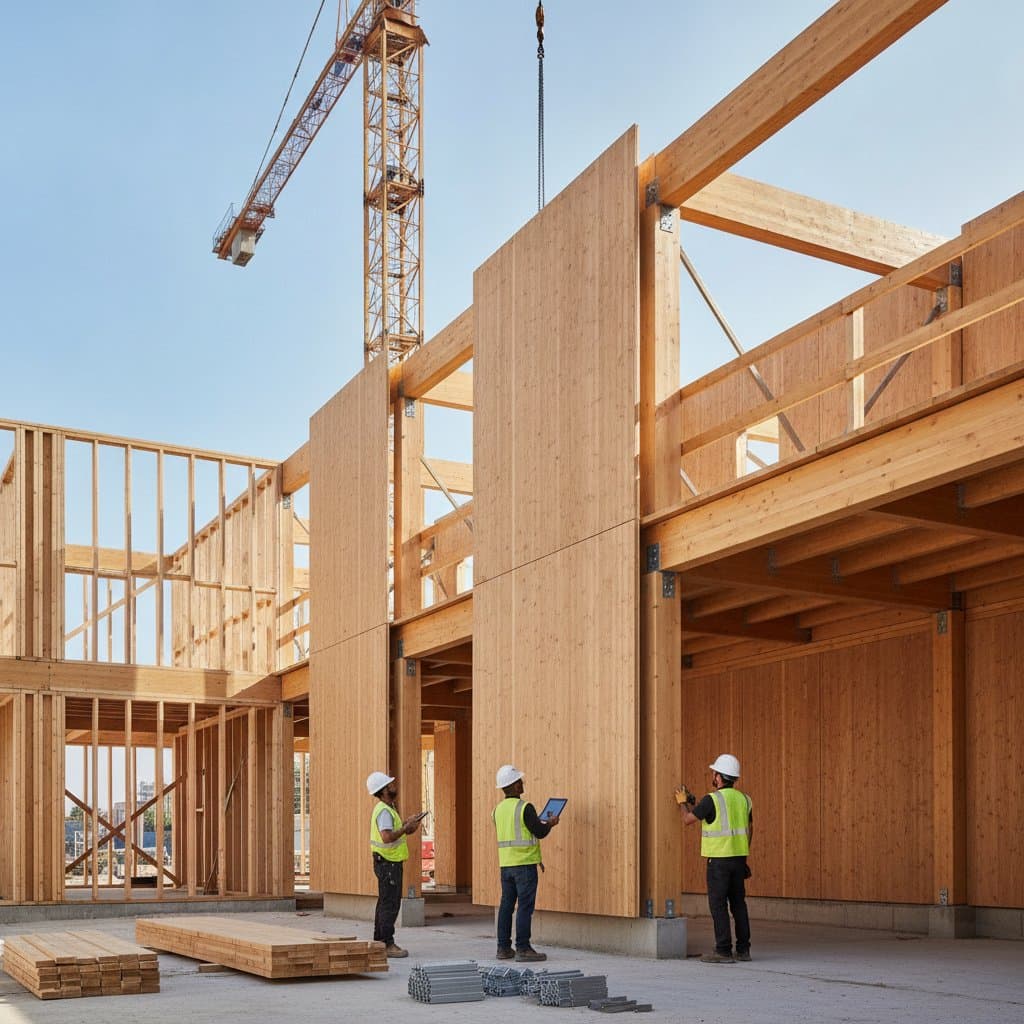
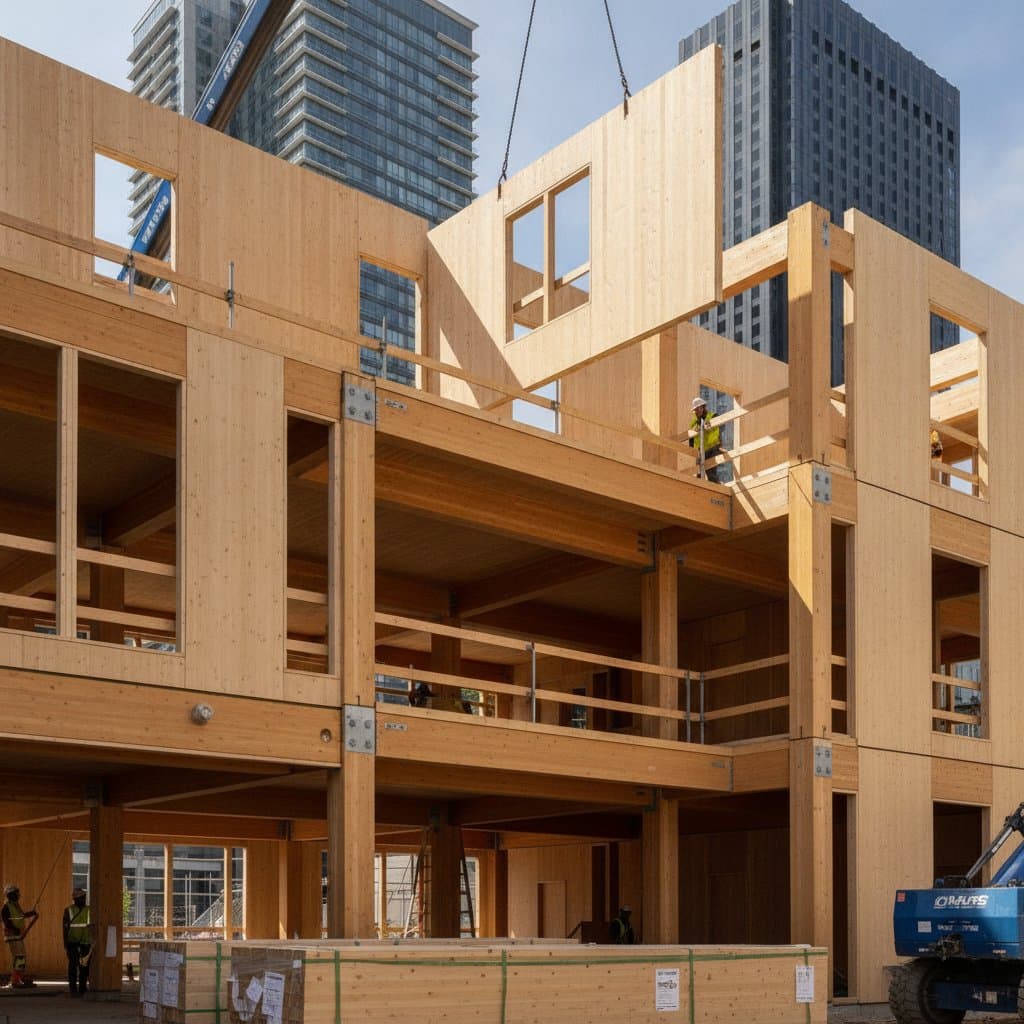
Mass timber work features oversized prefabricated components hoisted by cranes and fastened with exact hardware. Teams need advanced training and collaboration with structural engineers. Hourly rates for such specialists span $75 to $100. Installation proceeds more rapidly, often shortening on-site duration by 20 to 30 percent. This pace advantage diminishes the cost disparity in expansive undertakings.
Influential Cost Elements
Multiple factors shape total expenses beyond core materials and labor.
1. Permits and Building Codes
Regulations increasingly accommodate mass timber, yet certain areas demand extra engineering assessments or fire safety records. These requirements elevate preconstruction outlays by thousands of dollars.
2. Transportation and Logistics
Off-site fabrication of cross-laminated timber and glued-laminated timber panels necessitates delivery to the site. Long-haul transport of substantial panels adds $5 to $15 per square foot. Procurement from regional producers curbs these charges.
3. Fire Protection and Finishing
Compliance with fire standards applies to both approaches. Mass timber frequently incorporates surface treatments or encasements that raise material and labor investments. Traditional framing relies on drywall and insulation, incurring parallel costs.
4. Design Intricacies
Elements like curves, cantilevers, or exposed timber escalate engineering and production demands. Basic rectangular or modular configurations prove less expensive for either system.
Strategies for Cost Reduction
Effective budgeting hinges on proactive planning and material choices. Implement these tactics to align with financial targets:
- Select suppliers in close proximity to cut transportation fees.
- Integrate hybrid configurations, such as mass timber flooring paired with light framing walls or steel elements.
- Opt for uncomplicated layouts to streamline fabrication and erection.
- Secure bids promptly to fix material rates amid market volatility.
- Collaborate with designers versed in both methodologies to prevent expensive alterations.
Such measures trim total costs by 10 to 15 percent while upholding durability and aesthetic standards.
Investment Returns
Mass timber demands greater initial outlay yet yields enduring benefits via energy savings and expedited timelines. Reduced construction periods enable quicker occupancy and revenue streams for commercial ventures. The visual allure of visible timber enhances marketability and leasing potential.
Residential mass timber properties command premium resale values, bolstered by eco-friendly credentials and contemporary aesthetics. Traditional framing offers reliable returns through accessible upfront pricing and contractor networks. Mass timber typically recoups its premium in 10 to 15 years via diminished utilities and elevated asset worth.
Professional Installation versus Self-Build
Traditional framing suits incremental or complete self-directed efforts. Experienced homeowners frame modest additions or outbuildings with routine equipment. Self-build framing expenses range from $50 to $80 per square foot, factoring in materials and detailing.
Mass timber demands heavy machinery, certified fasteners, and meticulous positioning. Self-installation limits to minor ornamental or interior elements. Expert crews guarantee safety, precision, and regulatory adherence. Engaging mass timber specialists elevates startup costs but mitigates hazards and setbacks.
Data Sources for Costs
Ranges derive from compiled builder quotations, contractor projections, and regional market analyses. Estimates encompass materials, labor, and site conditions, omitting land costs and extensive groundwork. Disparities stem from regional wages, vendor access, design breadth, and project magnitude.
Frequently Asked Questions
How much additional expense does mass timber impose over standard framing?
Anticipate a 25 to 40 percent uplift on average, varying by specifications and components.
Does mass timber outperform traditional framing in strength?
Affirmative; engineered panels like cross-laminated timber deliver superior load-bearing and rigidity relative to stud-based framing.
Is integration of mass timber with conventional framing feasible?
Indeed, hybrid applications prevail and temper expenses while retaining timber's design merits.
Do insurance rates vary between systems?
Mass timber structures encounter elevated premiums in select locales from sparse claims history, though familiarity grows with wider use.
What upkeep does mass timber entail?
Periodic checks and humidity management prove essential. Sealing coatings safeguard visible areas.
Which method accelerates construction?
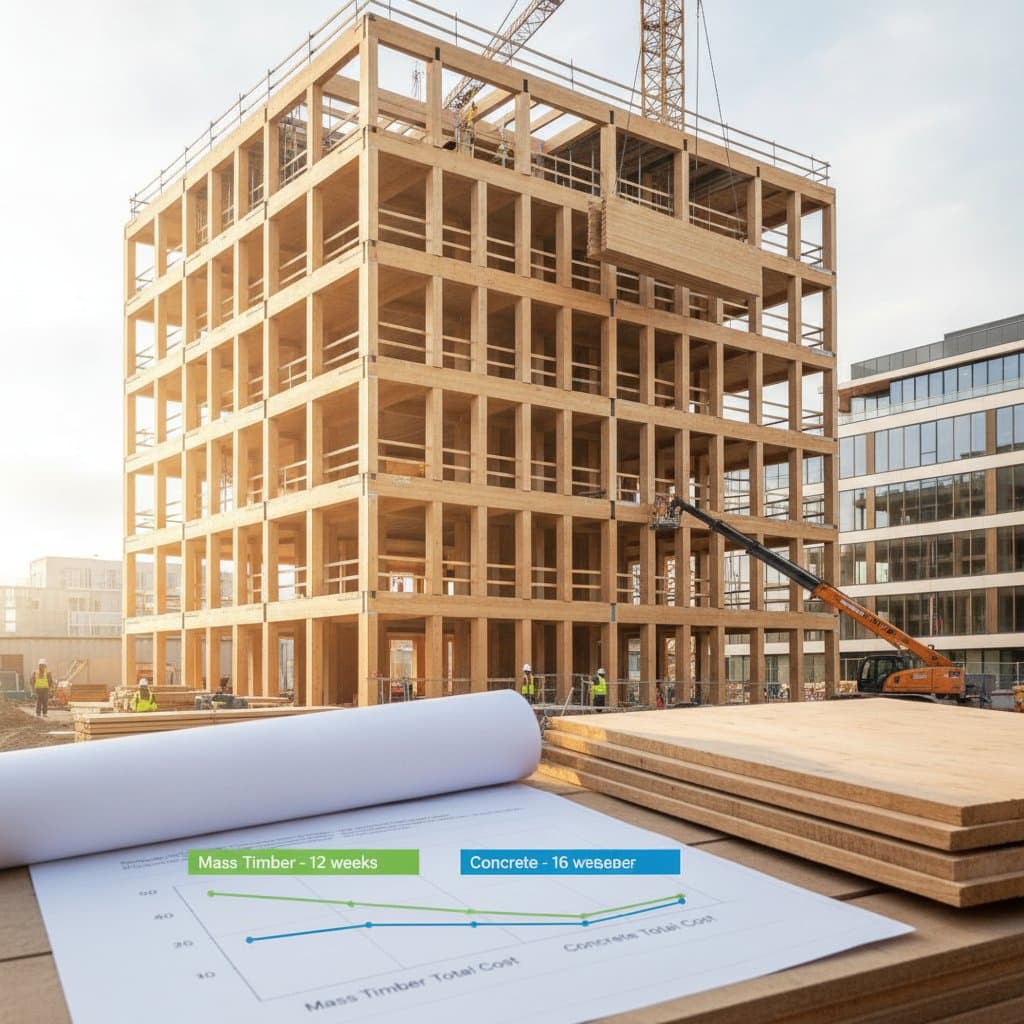
Mass timber advances 20 to 30 percent quicker through preassembled parts and streamlined site activities.
Securing Long-Term Value
Project objectives, fiscal constraints, and timelines guide the selection between mass timber and traditional framing. Light framing excels in economical, compact constructions. Mass timber offers distinctive architecture, environmental advantages, and prospective economies for ambitious builds. Focus on initial collaboration with designers, dependable vendors, and proficient builders to optimize cost-effectiveness.