2026 Breakdown: Prefab ADU Savings Versus Traditional Builds
Quick Overview
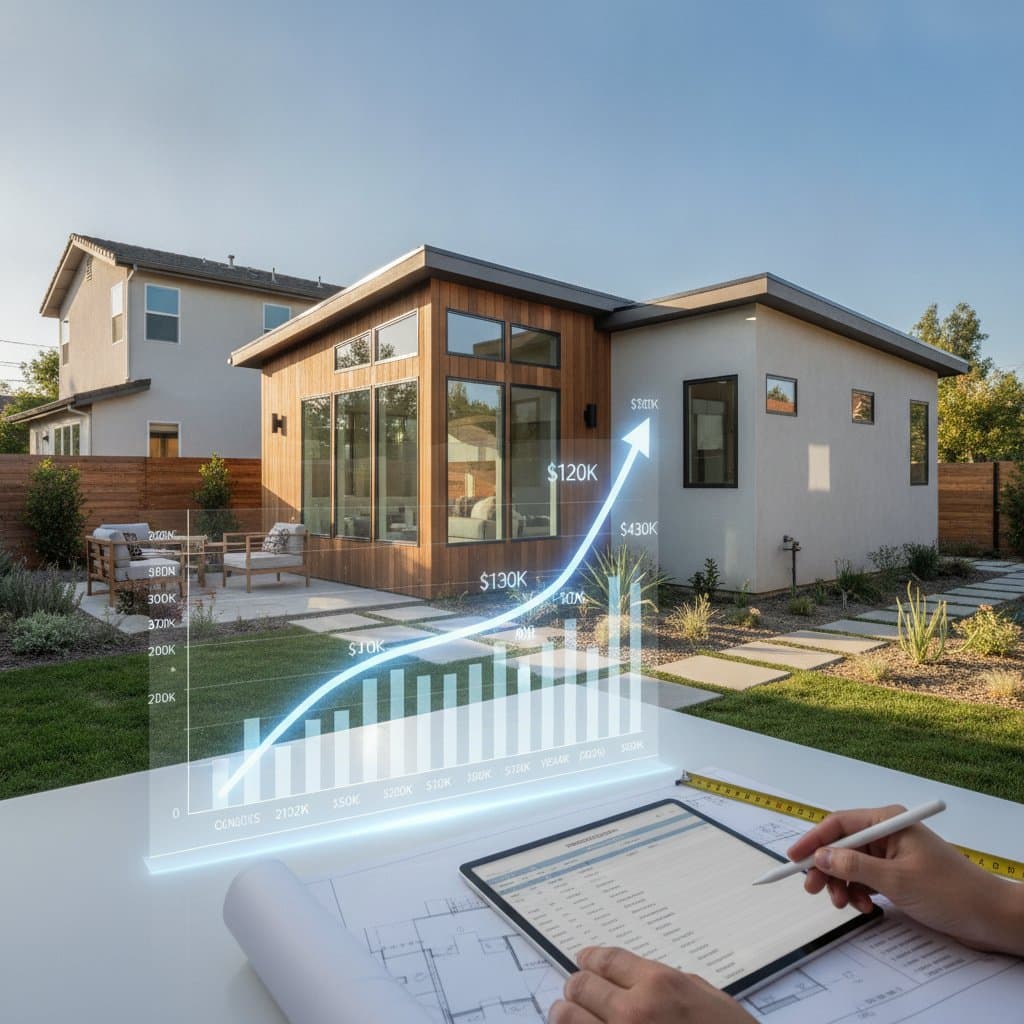
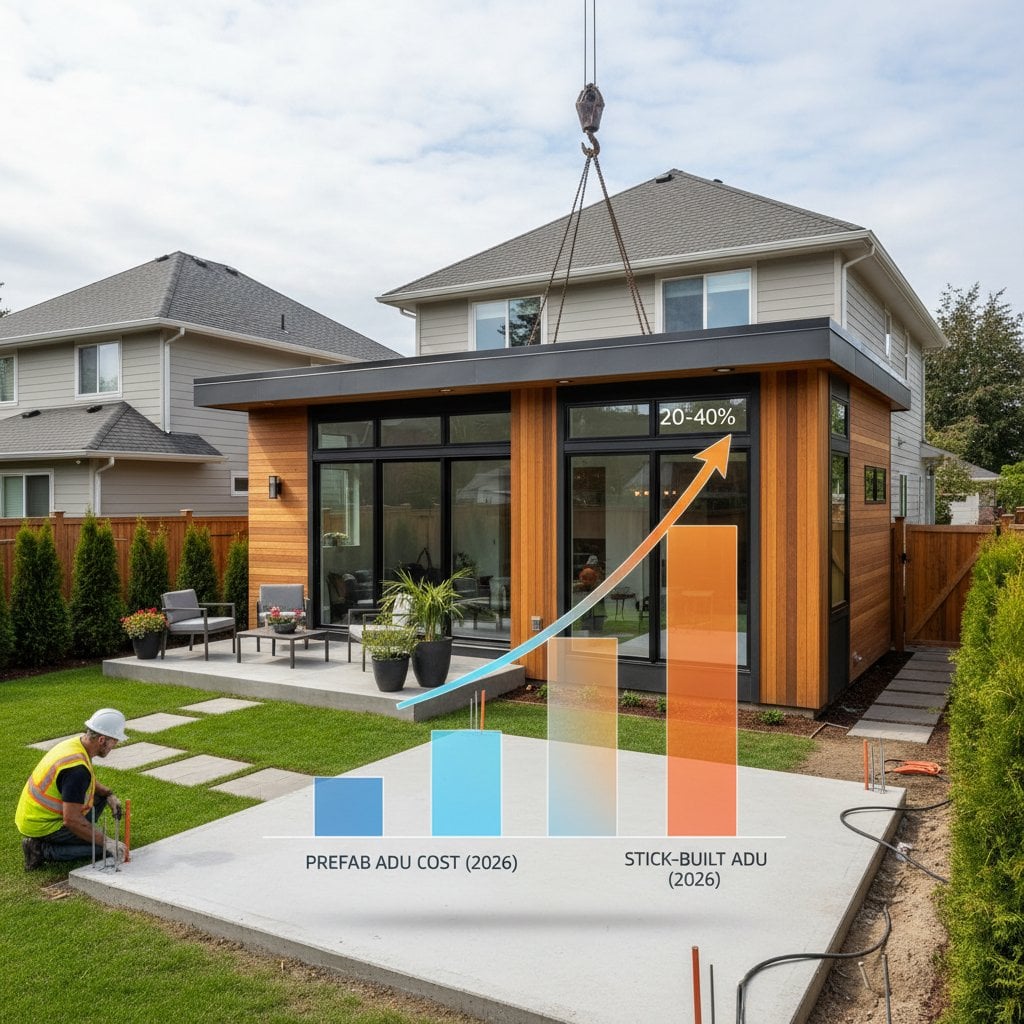
An accessory dwelling unit, or ADU, extends living space or generates rental revenue. Prefabricated ADUs arrive pre-assembled in sections, enabling quicker installation than site-constructed stick-built alternatives. In 2026, expect prefab models to range from 20 to 40 percent below comparable traditional costs. Completion typically spans several months for prefab projects, whereas stick-built efforts often extend to six months or longer. Key challenges include foundation inaccuracies, permitting setbacks, and utility integration complications. Limit do-it-yourself efforts to superficial finishing tasks; engage licensed specialists for structural, electrical, or plumbing components.
Step-by-Step Guide to Prefab ADU Installation
1. Verify Zoning and Dimensional Restrictions
Consult the local planning department or online portal to ascertain permissible ADU dimensions, setback requirements, and maximum heights.
Verification Point: Obtain documented confirmation or a permit identifier to affirm regulatory adherence.
2. Evaluate Costs for Prefab and Traditional Options
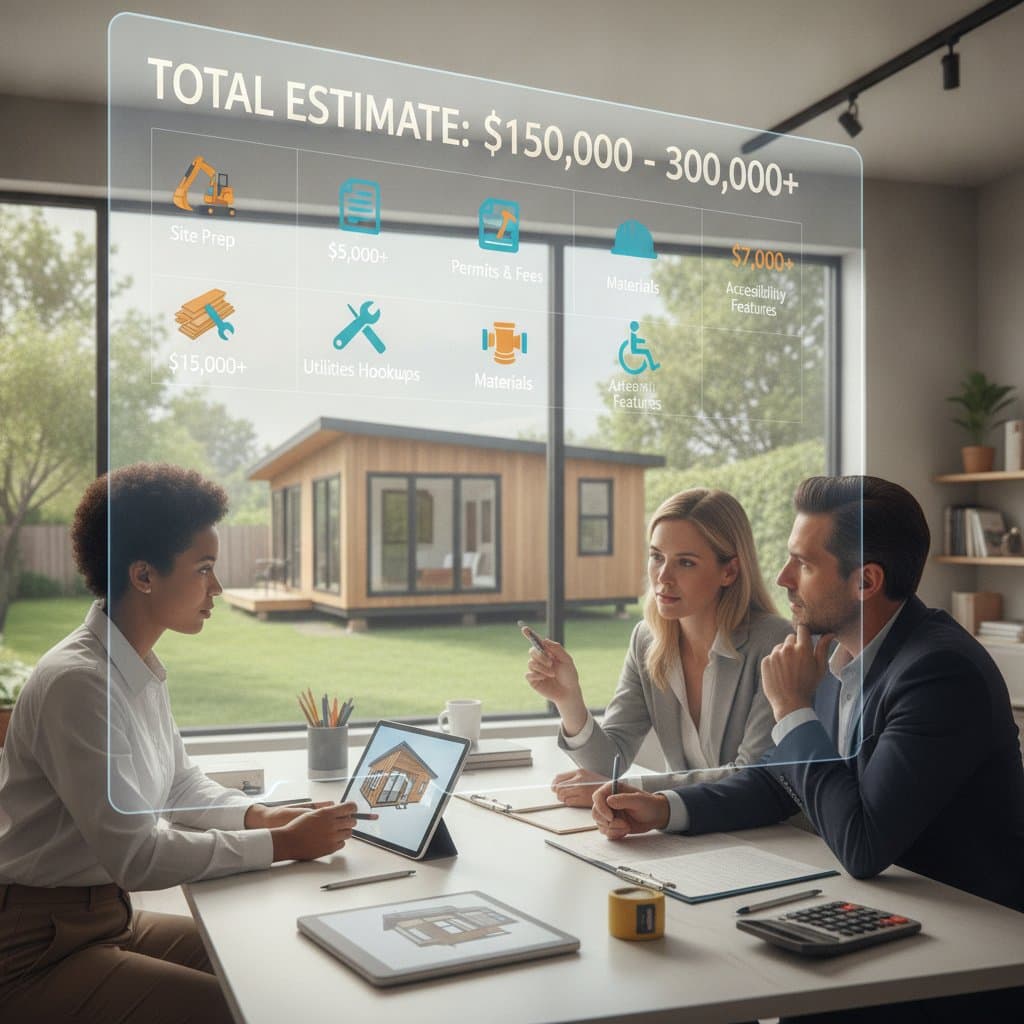
Solicit at least three detailed bids from prefabrication providers and regional builders. Incorporate expenses for utility connections and foundational work.
Verification Point: Confirm that every bid specifies materials, labor charges, and inspection expenditures explicitly.
3. Site Preparation Essentials
Remove plants, rubble, and obstructions. Establish grading with a minimum two percent incline directed away from existing buildings to facilitate drainage.
Verification Point: Ensure the terrain remains even and stable, free from pooled moisture.
4. Foundation Construction
Many prefab ADUs rely on concrete slabs, pier foundations, or perimeter stem walls. Adhere strictly to the supplier's foundational blueprint. Engage a certified concrete specialist for forming and finishing if experience lacks.
Verification Point: Measure foundation elements against approved schematics, allowing no more than one-quarter-inch deviation.
5. Utility Line Coordination
Arrange plumbing, electrical, and sewage connections prior to unit delivery. Maintain trenching depths per municipal standards, typically 18 to 24 inches for electrical conduits and at least 12 inches for water supply lines.
Verification Point: Conduct pressure tests or inspections on all lines before covering with soil.
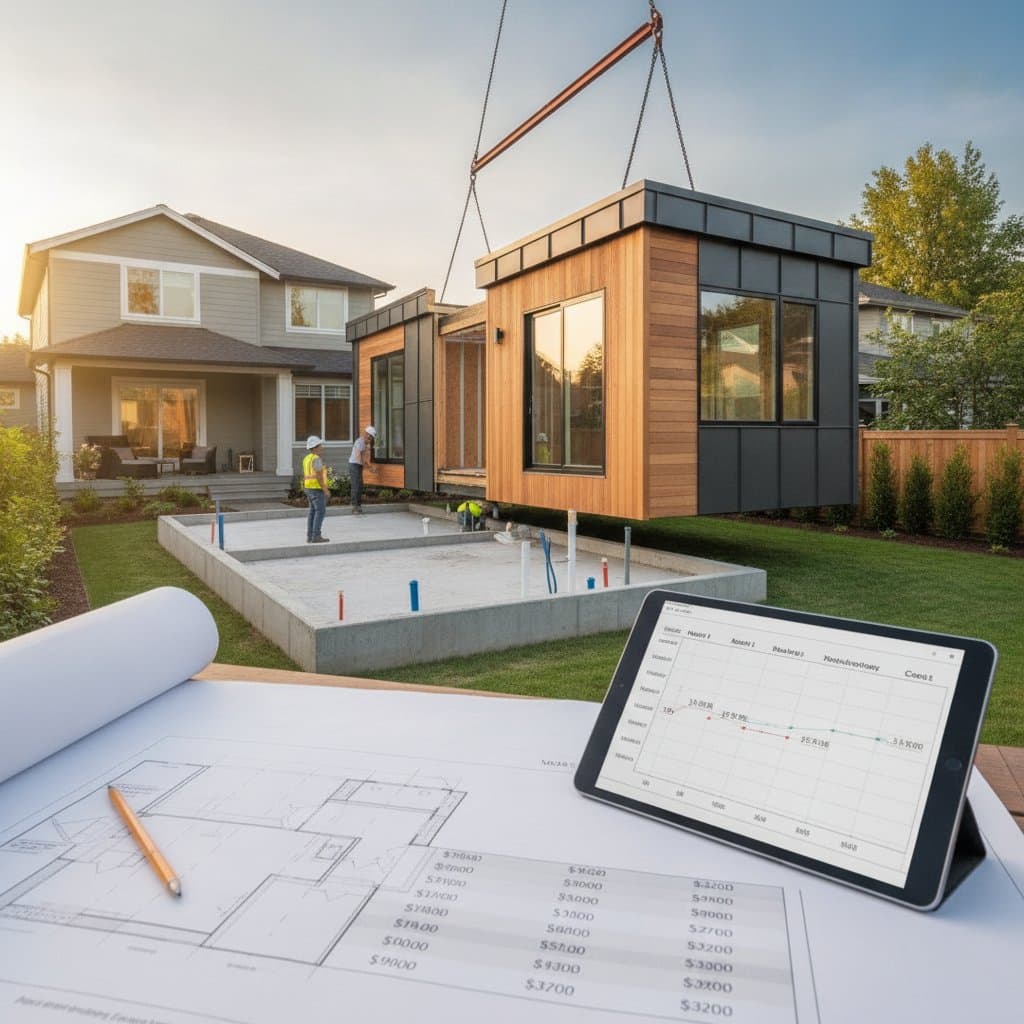
6. Delivery and On-Site Positioning
Trucks transport prefab components, which cranes then position precisely. Maintain unobstructed pathways for access. Assess the unit for level alignment and vertical stability upon the foundation.
Verification Point: Secure a complete seal along the base edges against the foundation, eliminating any voids.
7. Utility System Integrations
Certified electricians and plumbers handle connections to primary infrastructure. Refrain from personal involvement in these procedures.
Verification Point: Validate that electrical, water, and waste systems receive clearance through conclusive inspections.
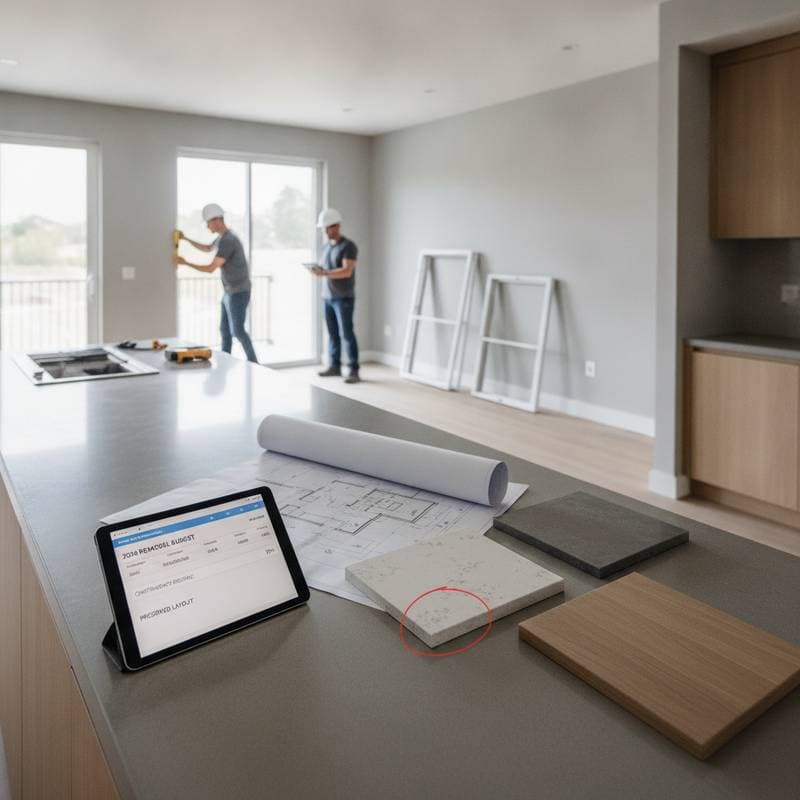
8. Interior Completion Tasks
Apply final paint coats, affix trim elements, secure lighting installations, and position appliances. Comply with producer specifications for all finishing materials.
Verification Point: Confirm smooth surface textures, functional switch mechanisms, and energized outlet responses.
9. Final Inspection Arrangement
The municipal building authority evaluates the assembly, utility setups, and drainage configurations. Present comprehensive paperwork on request.
Verification Point: Obtain the inspector's endorsement for occupancy certification.
Essential Quality Assessments and Resolutions
Frequent Issues and Interventions
- Irregular Foundation Levels: These lead to misaligned doors and audible floor shifts. Correct through shim insertions or expert hydraulic leveling.
- Circuit Interruptions: Moisture infiltration in exterior receptacles often triggers these. Install protective enclosures designed for outdoor conditions.
- Drainage Obstructions: Reexamine inclines and clear sediment from fixtures. Steer clear of corrosive cleaners that degrade PEX or PVC materials.
- Draft Infiltrations: Examine seals around windows and doors yearly. Renew weatherproof barriers as wear appears.
Straightforward Maintenance Actions
- Secure any loosened fasteners following shipment or structural settling.
- Apply fresh silicone sealant to joints near plumbing installations.
- Apply lubricant to hinge and lock components biannually.
Indicators for Professional Intervention
Summon a qualified builder or structural expert when facing:
- Foundation subsidence exceeding one inch.
- Anomalies in electrical distribution near the main panel.
- Persistent sewage overflows or conduit failures.
- Water intrusions from roofing that extend past isolated spots.
Associated Expenses:
- Foundational restorations: $2,000 to $10,000, scaled by severity.
- Electrical system adjustments: $1,000 to $3,000.
- Plumbing modifications: $1,500 to $5,000.
- Full roof overhauls: $5,000 to $15,000, influenced by dimensions and slope.
Prioritize contractors with valid credentials and coverage. Demand three client endorsements alongside a formal cost projection prior to commitment.
Strategies for Optimal Outcomes
- Initiate Planning Promptly: Obtain approvals before committing to a prefab order, as production queues advance rapidly.
- Account for Connection Expenditures: Trenching and linkage fees frequently escape initial estimates.
- Assess Delivery Pathways: Accommodate minimum 12-foot widths and unobstructed vertical clearances for transport vehicles.
- Conduct Thorough Delivery Reviews: Document surface imperfections, impacts, or absent elements prior to acceptance.
- Maintain Comprehensive Documentation: Retain operational guides, guarantee documents, and evaluation records for future transactions or claims.
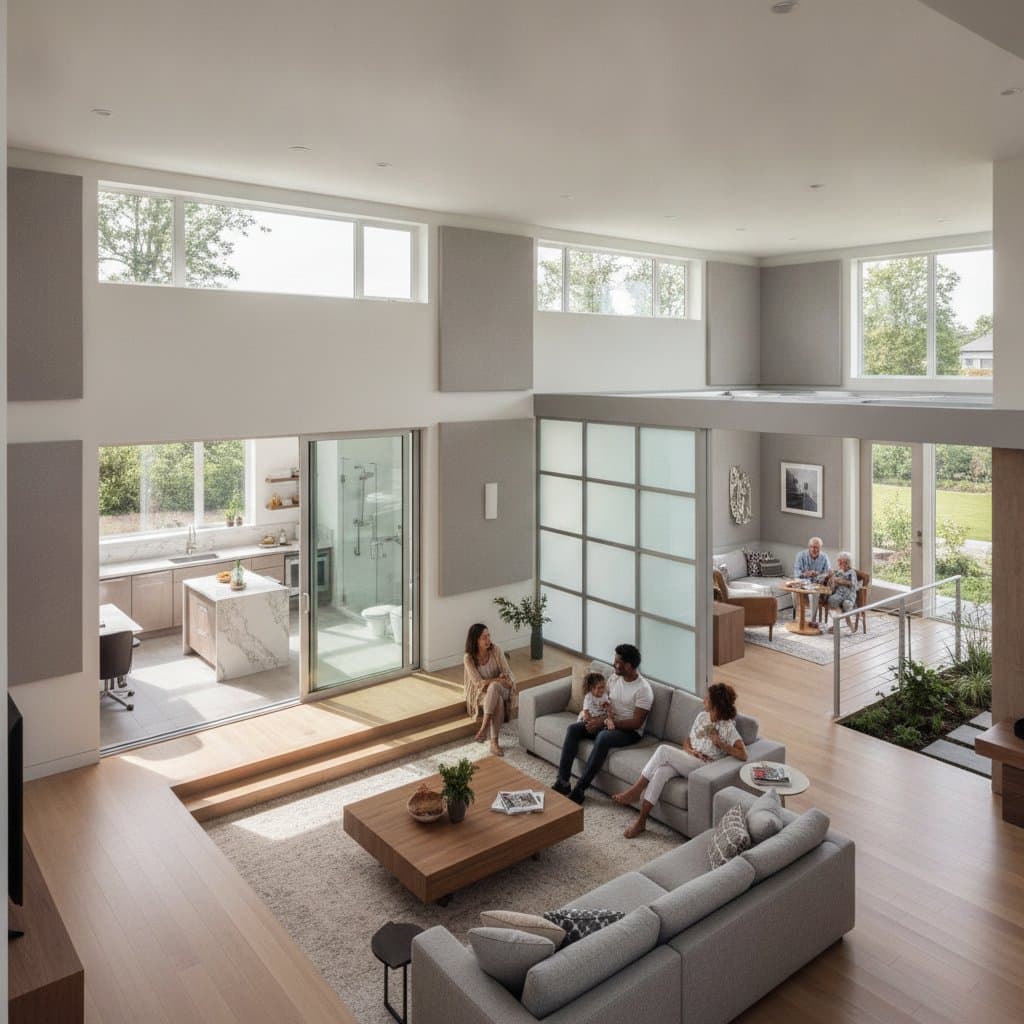
Prefab ADUs furnish a structured approach to space expansion, minimizing fiscal uncertainties. Traditional methods permit greater customization yet demand extended durations and elevated budgets. Selection hinges on site configuration, financial parameters, and oversight proficiency.
Through deliberate preparation, code conformity, and targeted expert assistance, an ADU emerges as a resilient solution for leasing, hospitality, or scaled residency over extended periods.