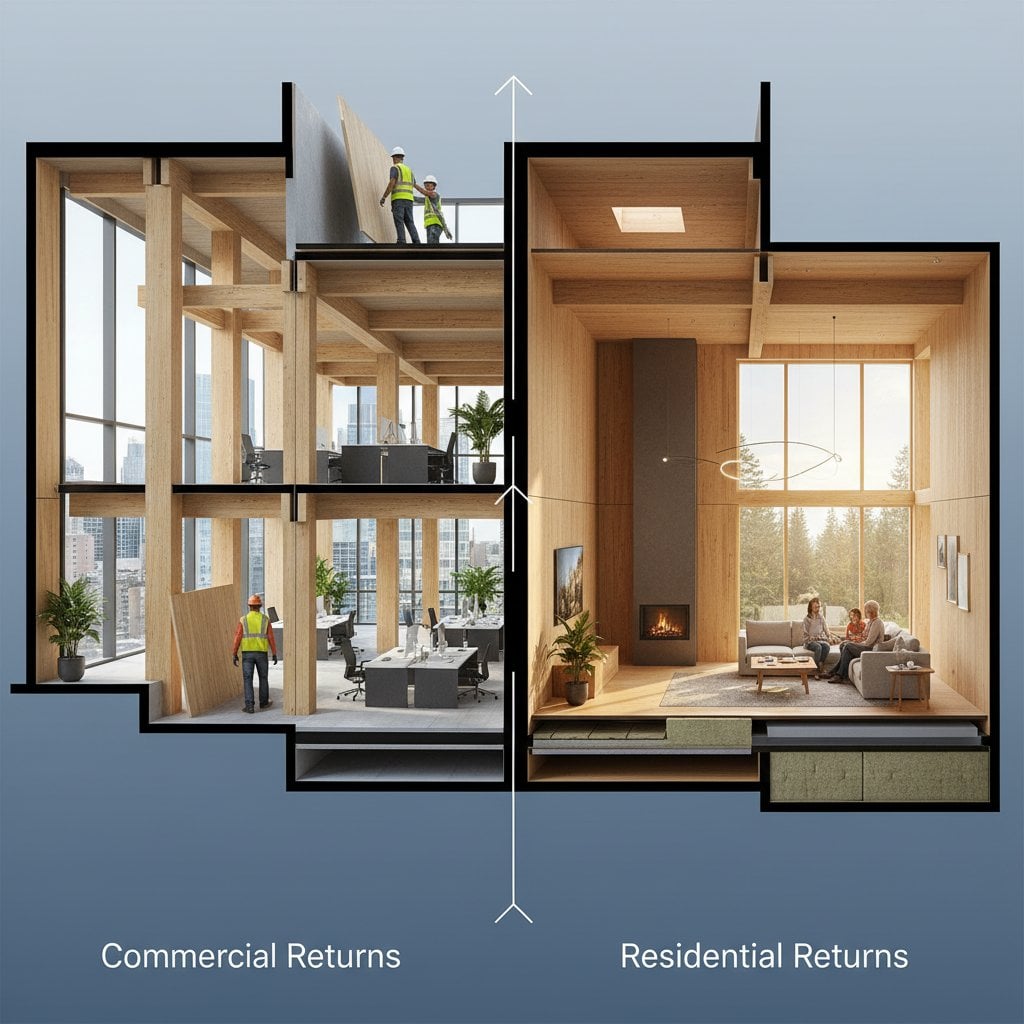
Is Mass Timber ROI Better for Commercial or Residential?
Mass timber construction attracts developers, builders, and homeowners with its strength, sustainability, and aesthetic warmth. Cross laminated timber (CLT) and other engineered wood systems offer renewable materials and rapid installation. Builders frequently ask whether mass timber provides superior return on investment in commercial or residential projects.
This analysis examines project costs, timelines, and long-term value in both sectors. Readers gain insights to identify the building type that maximizes benefits from this material.
Understanding Mass Timber and ROI
Mass timber includes structural wood products like CLT, nail laminated timber (NLT), and glue laminated timber (glulam). These combine wood layers into panels or beams that match steel or concrete in strength. Return on investment (ROI) assesses value gained relative to costs incurred. Builders evaluate upfront expenses alongside long-term performance, maintenance, and market value.
Key ROI Drivers for Mass Timber
Several factors shape financial outcomes when comparing commercial and residential applications:
- Material and fabrication costs: Prefabricated components cut labor needs but elevate material prices.
- Construction speed: Quicker assembly lowers carrying costs and shortens financing periods.
- Operating efficiency: Wood insulation reduces energy consumption.
- Market perception: Sustainable features enhance property appeal and value.
- Maintenance and durability: Sealed timber endures for decades with limited care.
These elements interact to determine where returns prove most robust.
Commercial Mass Timber: Speed and Scale Advantages
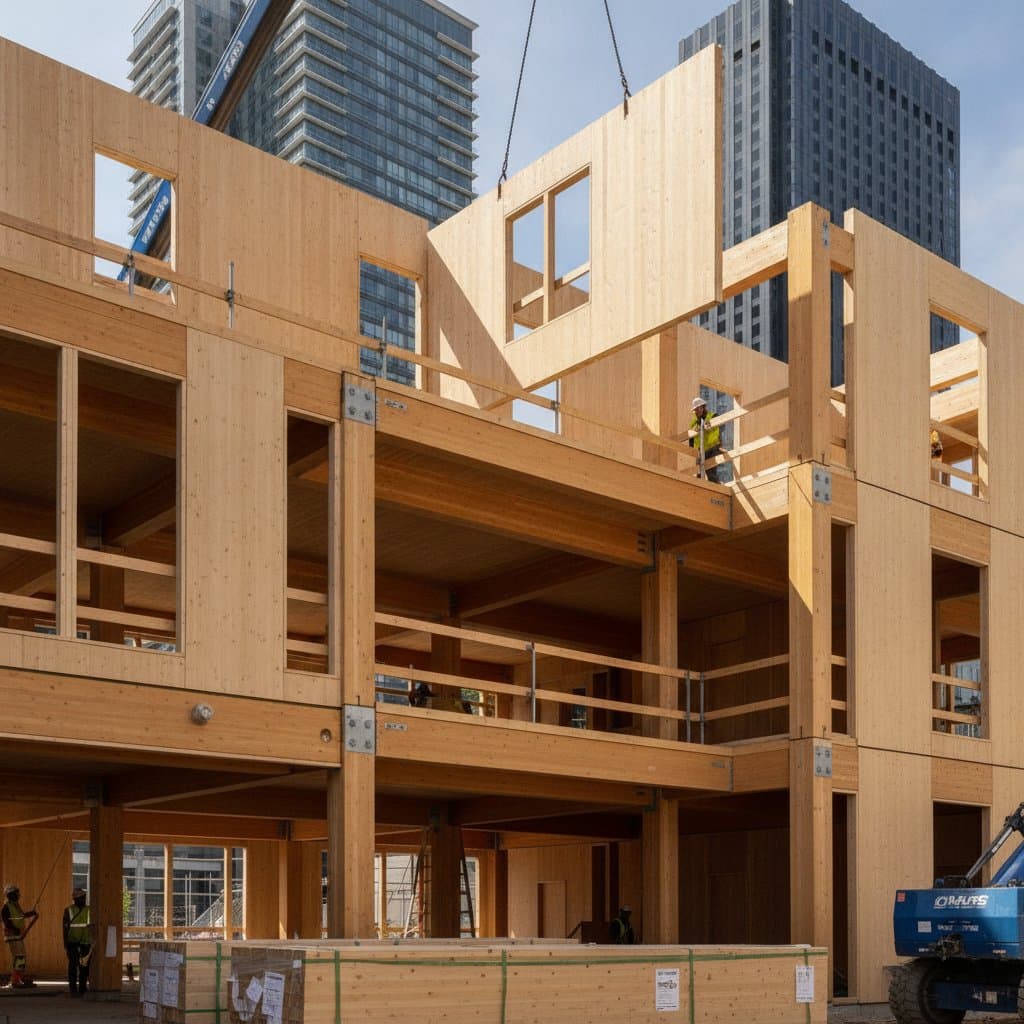
Commercial projects demonstrate robust ROI through large-scale efficiency and rapid execution. Office buildings, schools, and mixed-use developments benefit from condensed timelines and lighter foundations.
1. Faster Construction Timelines
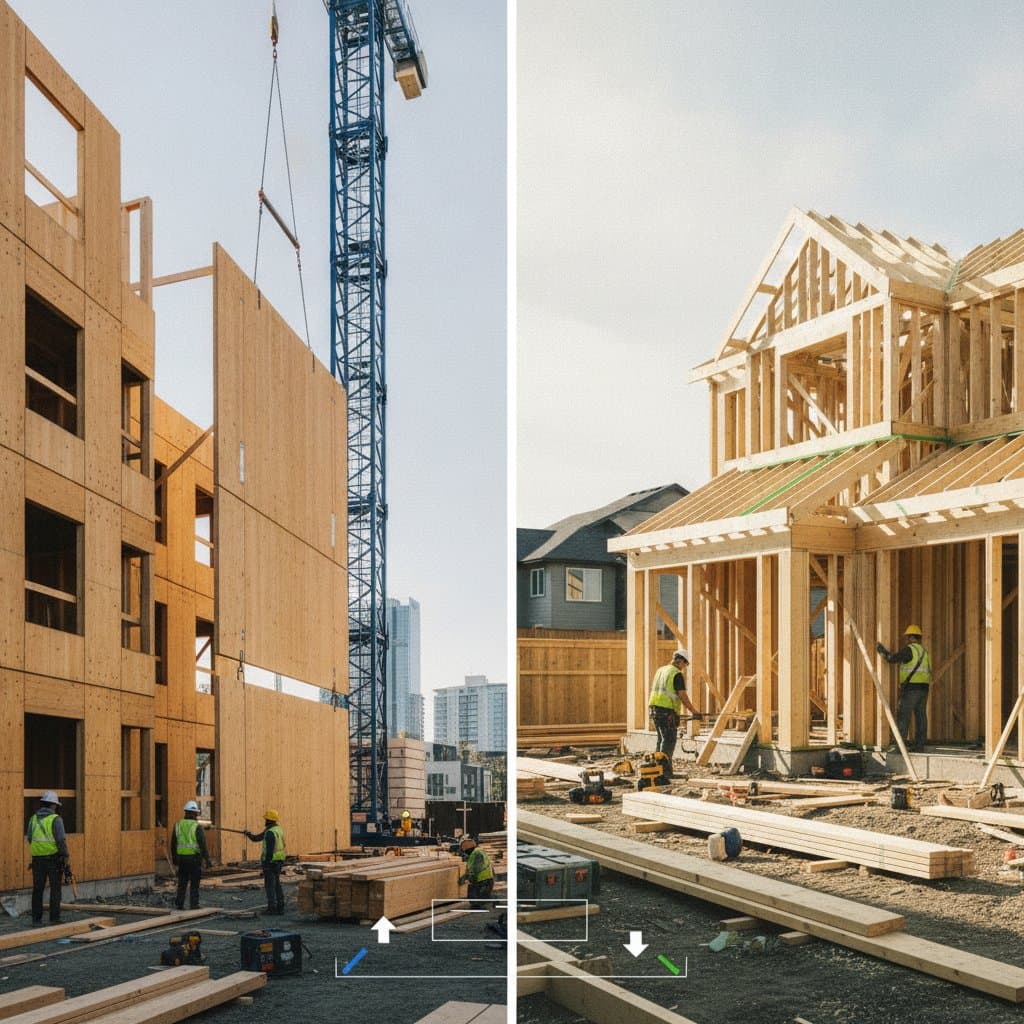
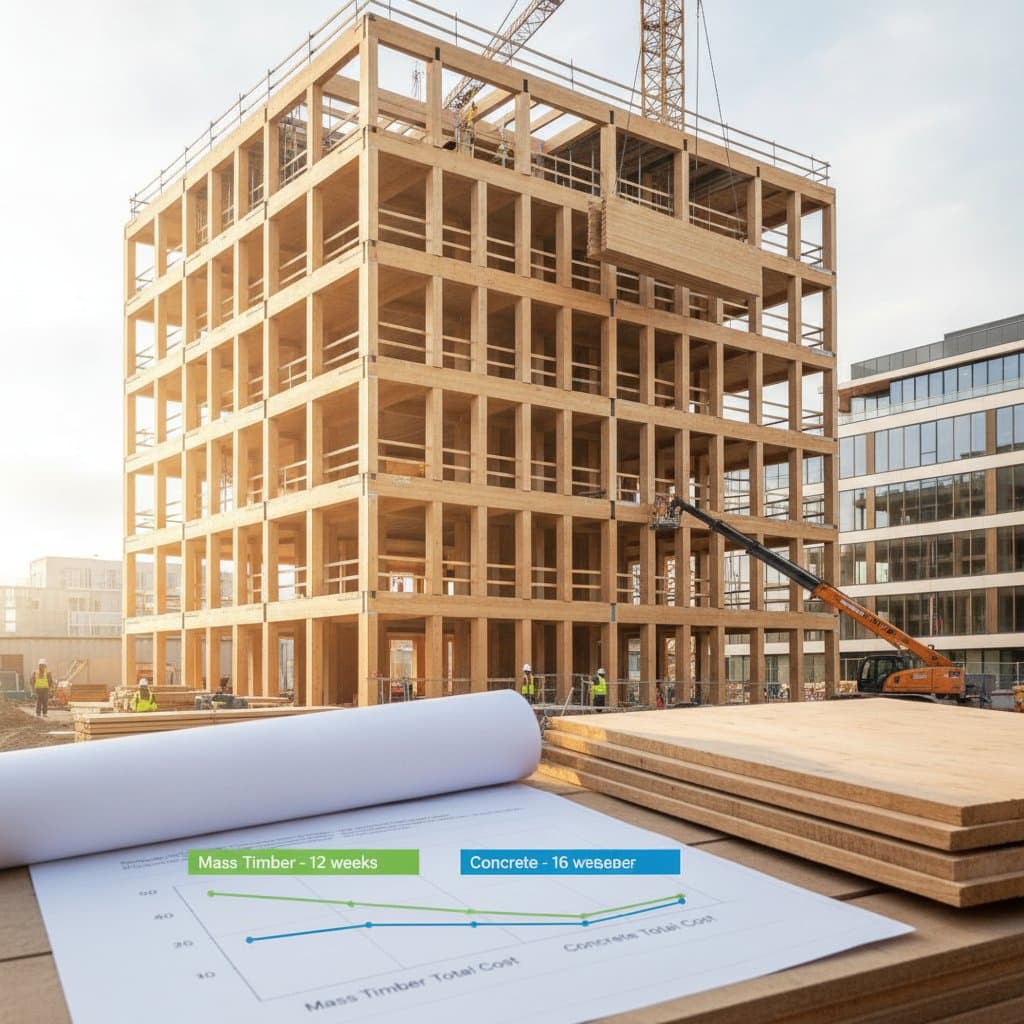
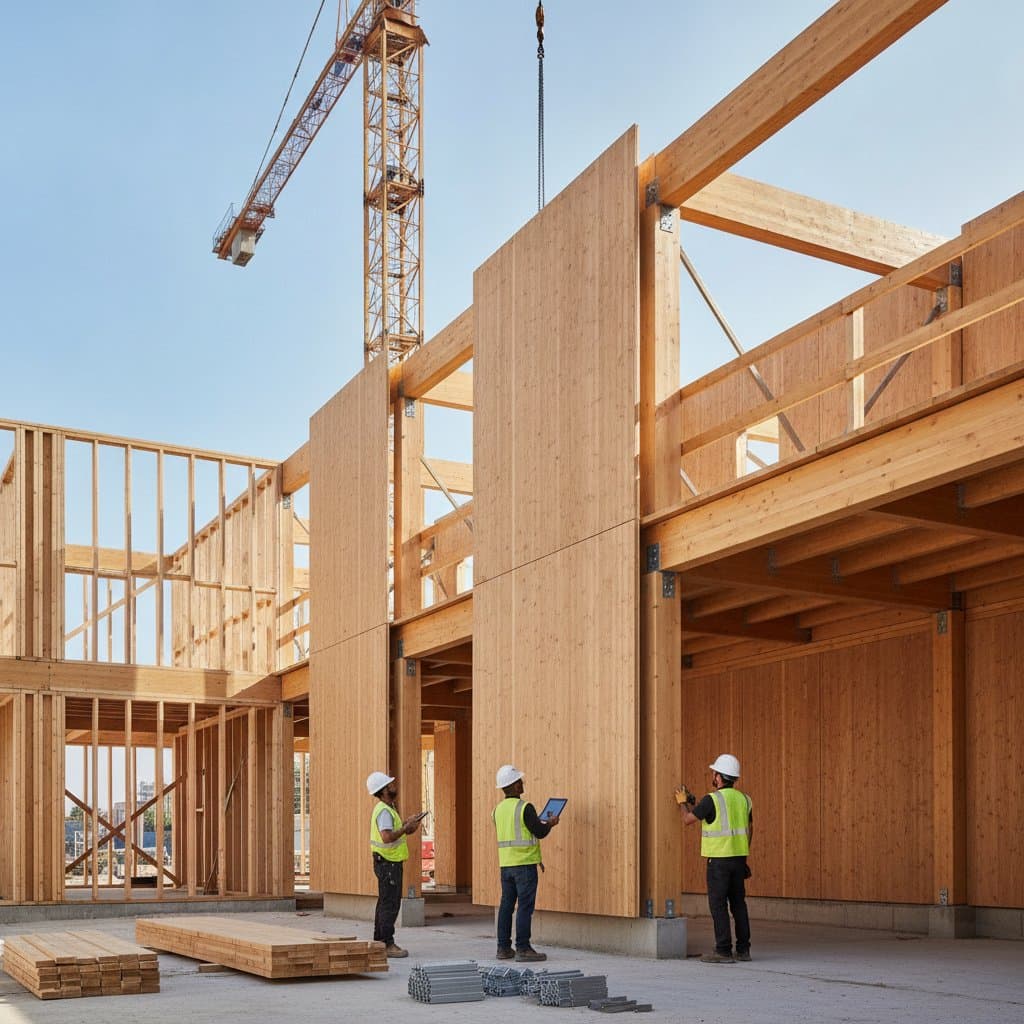
Pre-cut mass timber panels arrive ready for assembly. Smaller crews install them swiftly, minimizing labor and time expenses. Developers achieve earlier occupancy, accelerating rent revenue. Such efficiency frequently compensates for elevated material costs.
2. Lighter Structural Weight
Mass timber weighs far less than concrete. Foundations require less reinforcement, and site handling simplifies. In high-rise commercial structures, reduced weight eases demands on support systems, improving overall building resilience.
3. Tenant Appeal and Market Value
Tenants prioritize environmentally responsible spaces. Exposed timber provides natural warmth and beauty, aligning with sustainable branding. Research indicates tenants pay higher rents for wood-featured buildings with green certifications. This premium sustains ROI throughout ownership.
4. Maintenance and Longevity
Properly sealed CLT and glulam withstand moisture, pests, and fire. Commercial properties experience fewer maintenance intervals than those with conventional materials. Wood's enduring aesthetics preserve attractiveness across multiple lease cycles.
Residential Mass Timber: Beauty and Comfort with Selective ROI Gains
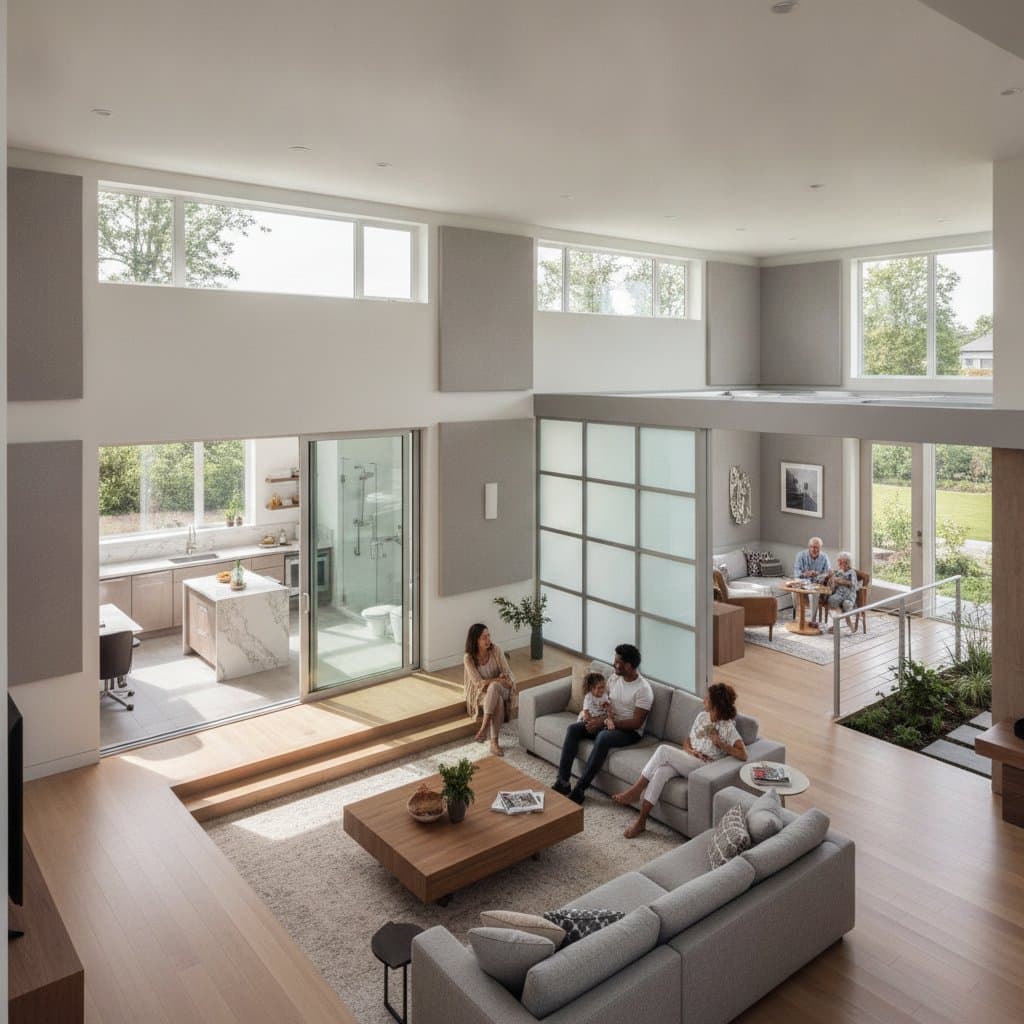
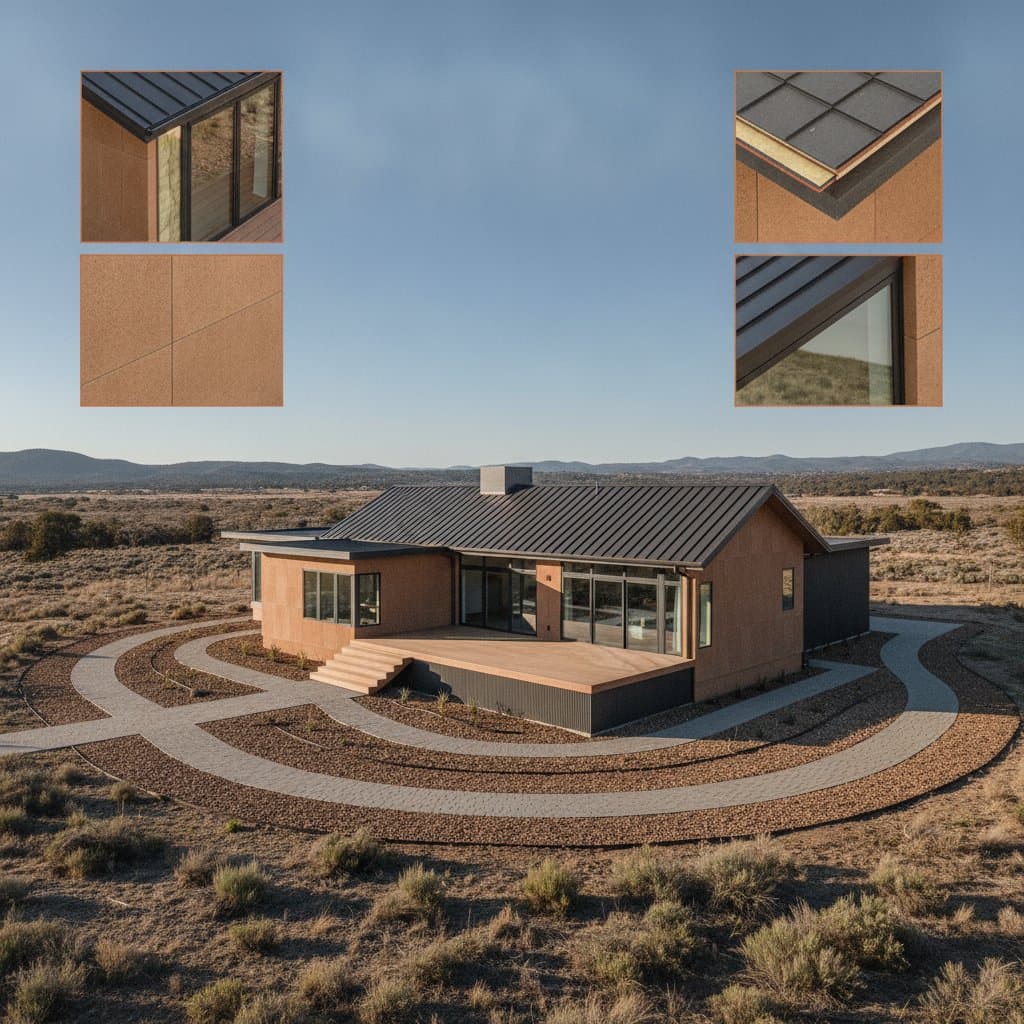
Residential mass timber delivers comfort, warmth, and unique character. ROI varies from commercial applications due to smaller scales, financing structures, and resale factors.
1. Material Cost vs. Project Size
Single-family homes or modest multifamily units miss the scale efficiencies of commercial work. Prefabrication, shipping, and expert installation costs may exceed assembly savings. ROI improves in smaller projects through standardized panels or modular designs that optimize material use.
2. Energy Efficiency and Comfort
Natural wood insulation enhances thermal stability in walls and floors. Interior temperatures remain consistent, cutting energy demands. Homeowners enjoy reduced utility expenses and superior living conditions, benefits that accumulate despite higher upfront investments.
3. Aesthetic and Emotional Value
Timber's grain and texture foster serene, organic interiors. In bespoke homes, this quality elevates resale potential. Buyers link wood finishes to superior craftsmanship and eco-friendliness. Though less quantifiable than commercial lease gains, it bolsters sustained market demand.
4. Durability and Maintenance
Residential settings expose timber to weather and humidity variations. Effective finishes and precise detailing prevent warping or water damage. Well-planned envelopes keep maintenance low, safeguarding structural integrity and financial returns.
Comparing ROI Between Commercial and Residential
Commercial projects generally produce superior financial returns via scale, leasing opportunities, and accelerated builds. Residential efforts emphasize personal and visual benefits, with ROI fluctuating based on locale, design choices, and buyer preferences.
Commercial ROI Strengths
- Accelerated timelines minimize financing burdens.
- Eco-branding draws premium tenants.
- Durability curbs ongoing costs.
- Volume production amplifies prefabrication savings.
Residential ROI Strengths
- Superior insulation yields energy cost reductions.
- Organic designs command resale premiums in niche markets.
- Green attributes appeal to conscious purchasers.
ROI Challenges
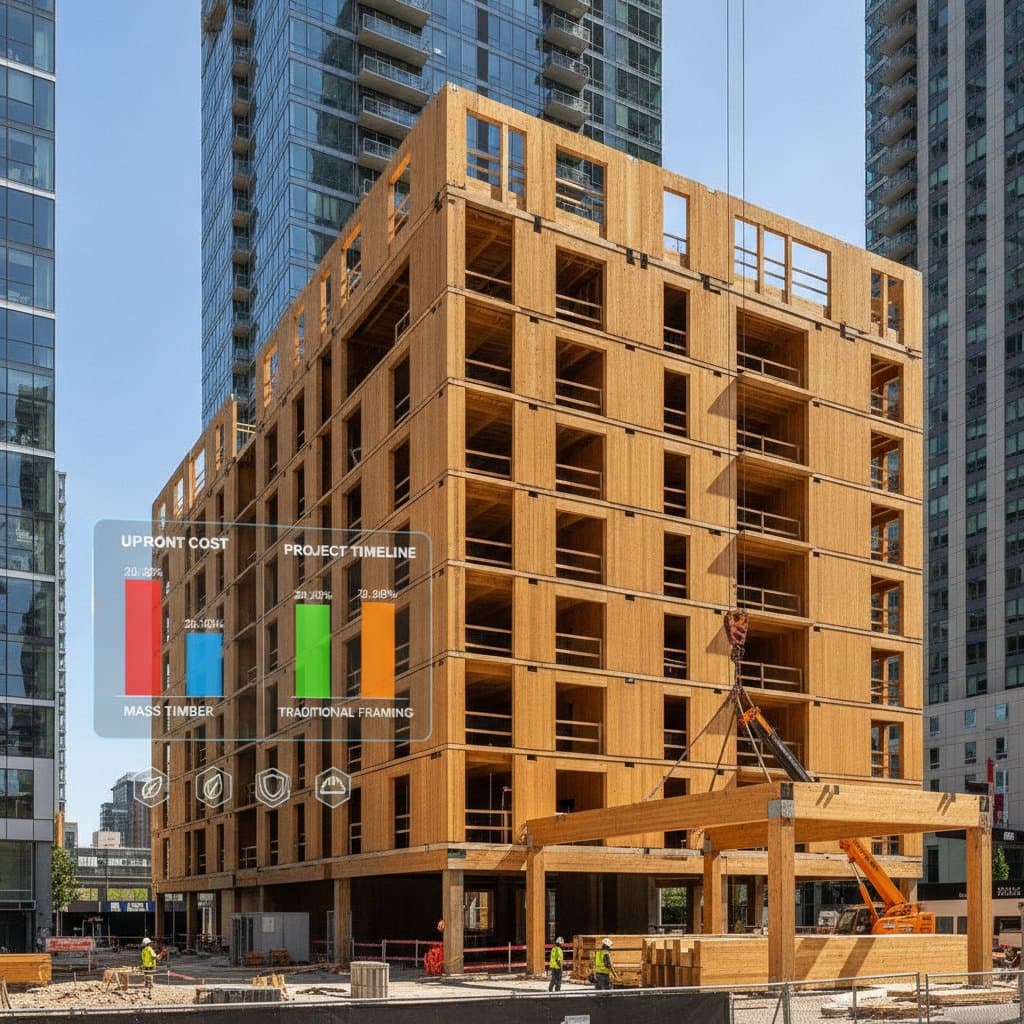
Higher material prices exceed traditional framing in both areas. Builder expertise levels differ, and complexities in design, moisture control, and permits affect margins. Collaboration with seasoned mass timber specialists mitigates these hurdles.
Making the Right Choice for Your Project
Project goals and scope dictate mass timber's ROI fit. Developers targeting swift commercial returns through rentals or sales leverage its pace and allure.
Practical Tips for Evaluating ROI
- Develop comprehensive cost models that account for materials, labor, and timeline efficiencies.
- Engage structural engineers versed in CLT and glulam to refine designs for cost savings.
- Incorporate energy modeling and certification pursuits to elevate resale or rental appeal.
- Select protective finishes during planning to minimize future upkeep.
- Analyze regional market shifts, as demand for sustainable builds varies geographically.
Advancing Your Build with Mass Timber Insights
Mass timber elevates construction through unmatched sustainability and performance. Developers and builders who integrate its strengths secure enduring value in commercial or residential endeavors.