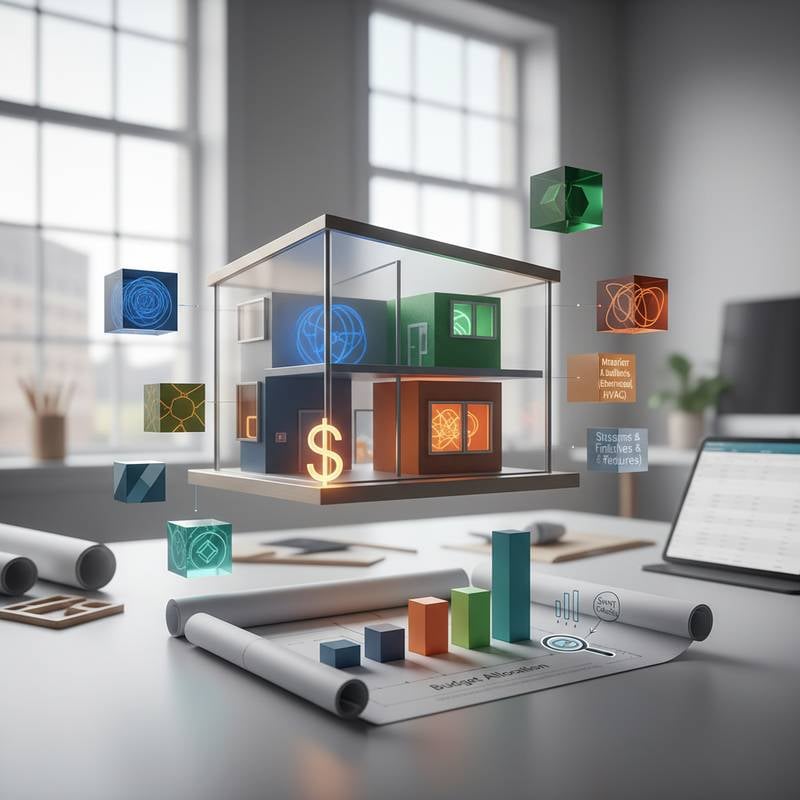
Unraveling the Costs of ADU Construction
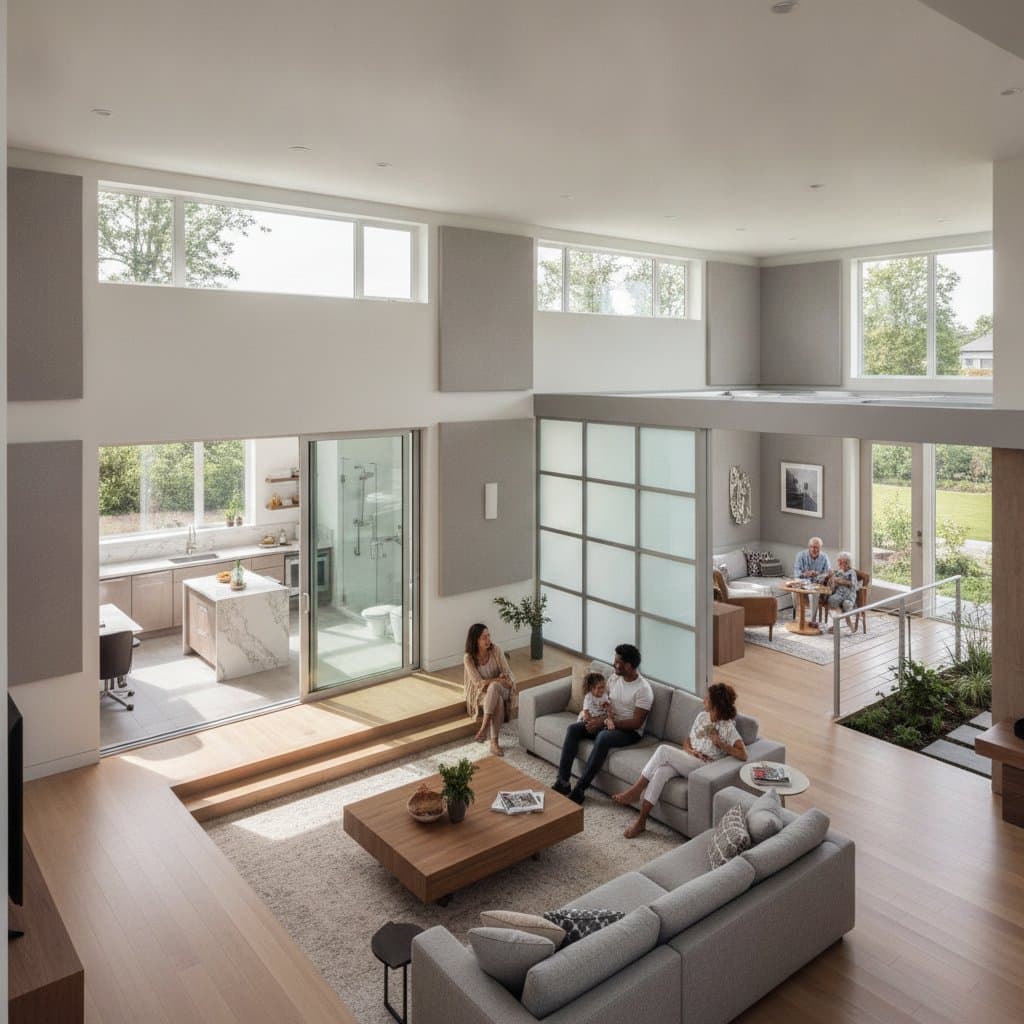
Constructing an accessory dwelling unit (ADU) offers a practical expansion to your property, boosting both utility and market value. Envision a backyard retreat, a revenue-generating rental, or a dedicated family haven; grasping the cost components empowers informed decision-making. This overview dissects the expenses involved, highlights influencing variables, and provides strategies for effective financial management.
Core Elements of ADU Expenses
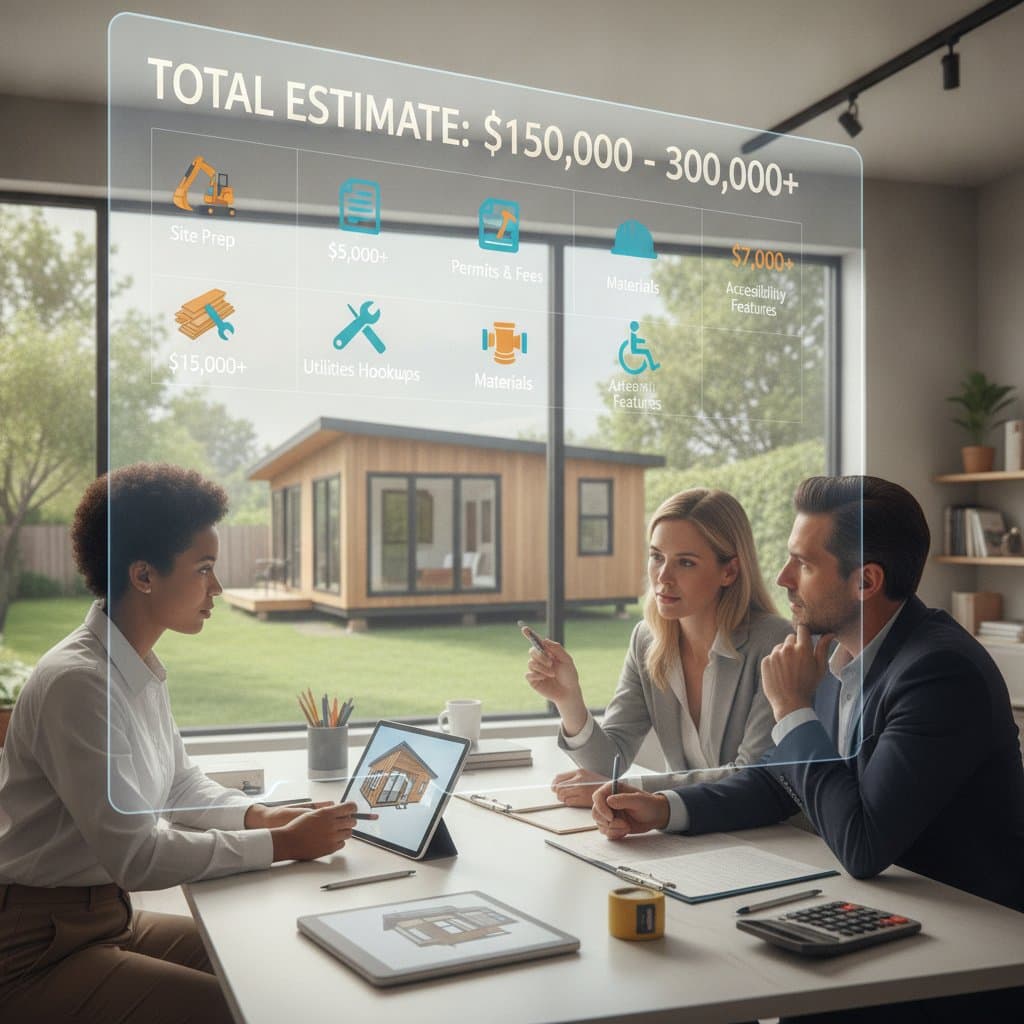
ADU project costs hinge on dimensions, architectural intricacy, and terrain specifics. Labor and raw materials dominate the budget, yet preparatory work, regulatory approvals, and finishing touches contribute significantly. Identifying these areas allows targeted allocation of resources, balancing quality with fiscal restraint.
Primary Expense Categories
-
Design and Permitting
Architectural renderings, engineering assessments, and municipal clearances form the initial phase. Professional design services typically account for 5 to 10 percent of the overall budget, or a fixed fee starting at $5,000 for straightforward plans. Permitting charges fluctuate by jurisdiction, often ranging from $1,000 to $5,000, depending on zoning compliance and environmental reviews. -
Site Preparation
This stage involves land clearing, soil grading, and utility integrations, establishing the project's base. Expenses escalate on uneven terrain requiring retaining walls or in areas with restricted access demanding equipment mobilization. Properties with level ground and proximate utility lines incur lower costs, potentially under $10,000, versus $20,000 or more for complex sites. -
Foundation and Framing
A solid concrete foundation, whether slab-on-grade or elevated, ensures longevity. Framing employs lumber, engineered wood, or metal studs to erect walls and roofs. Opt for pressure-treated lumber in damp climates to prevent rot; anticipate $15,000 to $30,000 for a 600-square-foot unit, influenced by height specifications and seismic reinforcements. -
Exterior Finishes
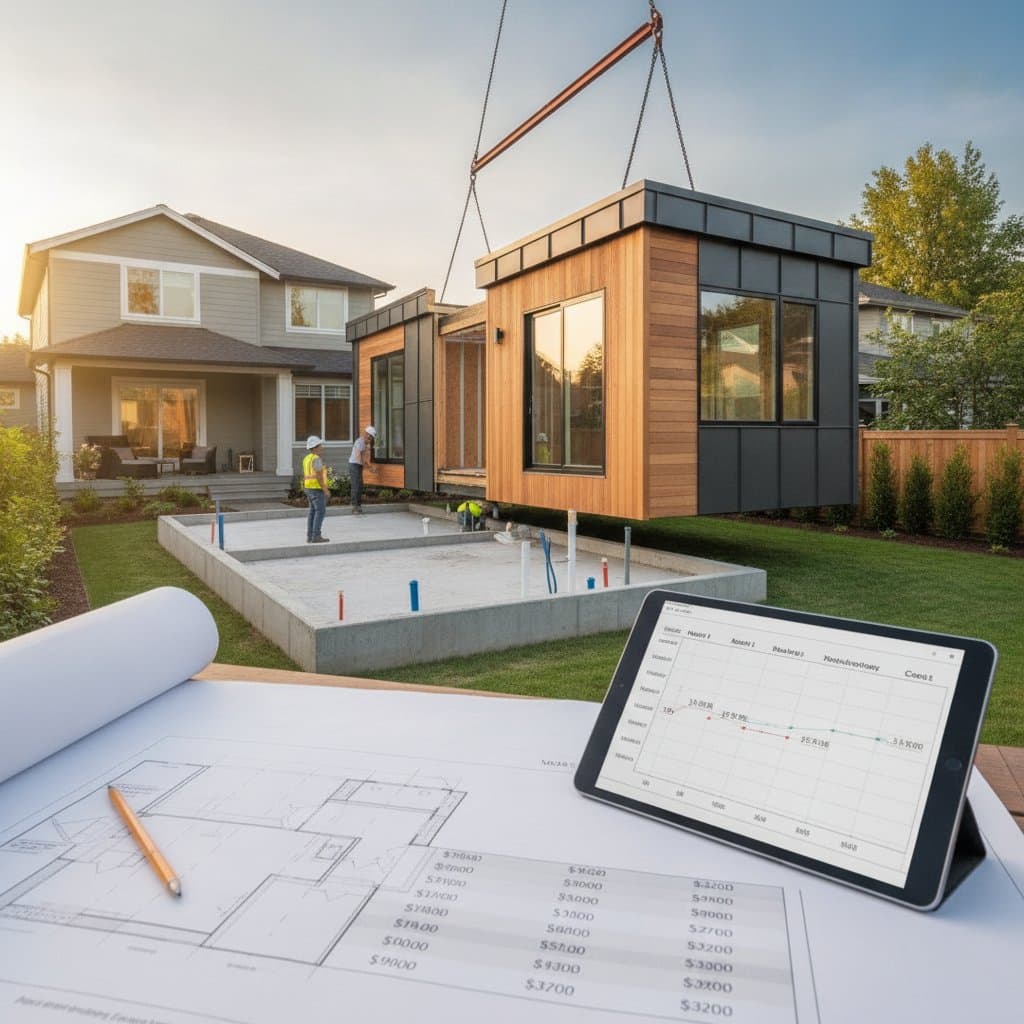
These elements, including cladding, roofing, and fenestration, determine aesthetic and weather resistance. Durable options like fiber-cement siding cost $8 to $12 per square foot installed, outperforming vinyl in longevity. Select gable roofs over complex pitches to save 10 to 20 percent, and energy-efficient windows to qualify for rebates while curbing long-term energy bills. -
Interior Finishes
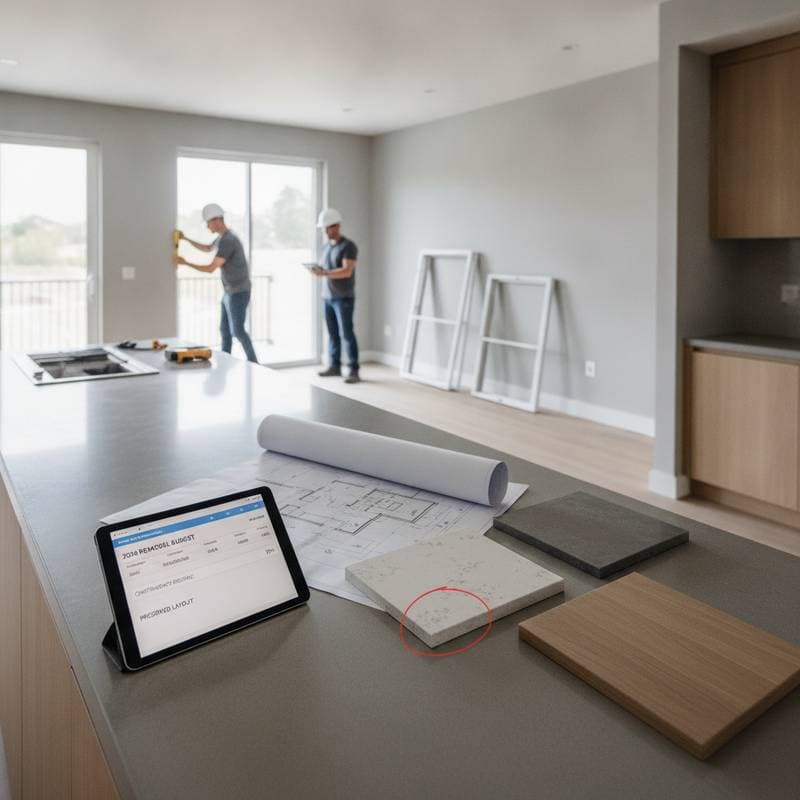
Selections in flooring, millwork, wall treatments, and appliances drive variability. Mid-tier vinyl plank flooring at $3 to $5 per square foot emulates oak's warmth affordably. Kitchen counters in engineered quartz, priced at $50 to $80 per square foot, deliver granite-like elegance without the premium upkeep. -
Systems and Utilities
Mechanical, electrical, and plumbing installations guarantee habitability. Mini-split HVAC systems for compact ADUs run $3,000 to $6,000, promoting efficiency in zones under 800 square feet. Integrate smart thermostats and LED lighting from the outset to slash operational costs by up to 30 percent annually.
Key Influences on Overall Costs
- Dimensions and Configuration: Compact units under 500 square feet total less than larger ones, though per-square-foot rates climb due to indispensable fixtures like full bathrooms.
- Attachment Style: Standalone ADUs demand extensive groundwork and separate metering, adding $10,000 to $25,000; conversions of garages or attachments leverage shared infrastructure for savings.
- Material Selections: High-end choices, such as cedar siding or slate roofs, elevate upfront outlays by 20 to 40 percent, yet yield superior resale appeal and reduced repairs.
- Regulatory Framework: Local codes on occupancy, fire safety, and setbacks may necessitate modifications, inflating permitting by $2,000 to $10,000 in stringent districts.
Strategies for Cost Optimization
- Adopt rectangular footprints and straightforward roofing to minimize material waste and labor hours.
- Specify off-the-shelf windows and doors in common dimensions to avoid custom fabrication fees.
- Evaluate modular or kit-based ADUs, which can cut construction time and costs by 15 to 25 percent compared to site-built customs.
- Undertake non-structural tasks, like painting interiors or planting perimeter greenery, personally to reclaim 5 to 10 percent of the budget.
- Partner with a certified contractor experienced in local codes to streamline approvals and vendor coordination, averting delays that accrue interest on financing.
Maximizing the Value of Your ADU
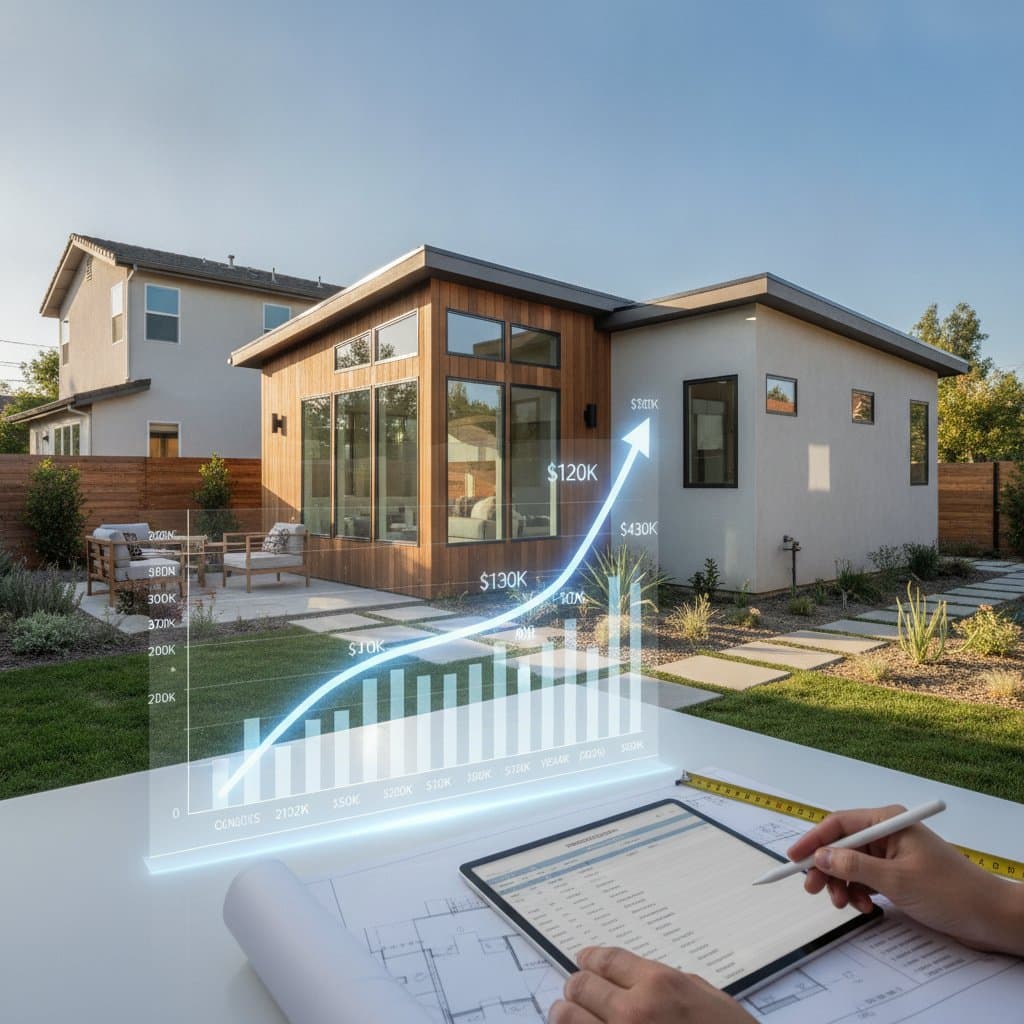
Your completed ADU adapts seamlessly to evolving needs, from income-producing lodging to an in-law suite or home office. Prioritize resilient, efficient components to minimize ongoing expenses; for instance, insulated walls and solar-ready wiring lower utility demands over decades. Routine care, including annual inspections of seals and drainage, preserves integrity and sustains property enhancement.
Armed with this cost analysis, approach your ADU project with precision and foresight. Thoughtful planning transforms potential challenges into opportunities, yielding a versatile addition that elevates your lifestyle and asset worth.