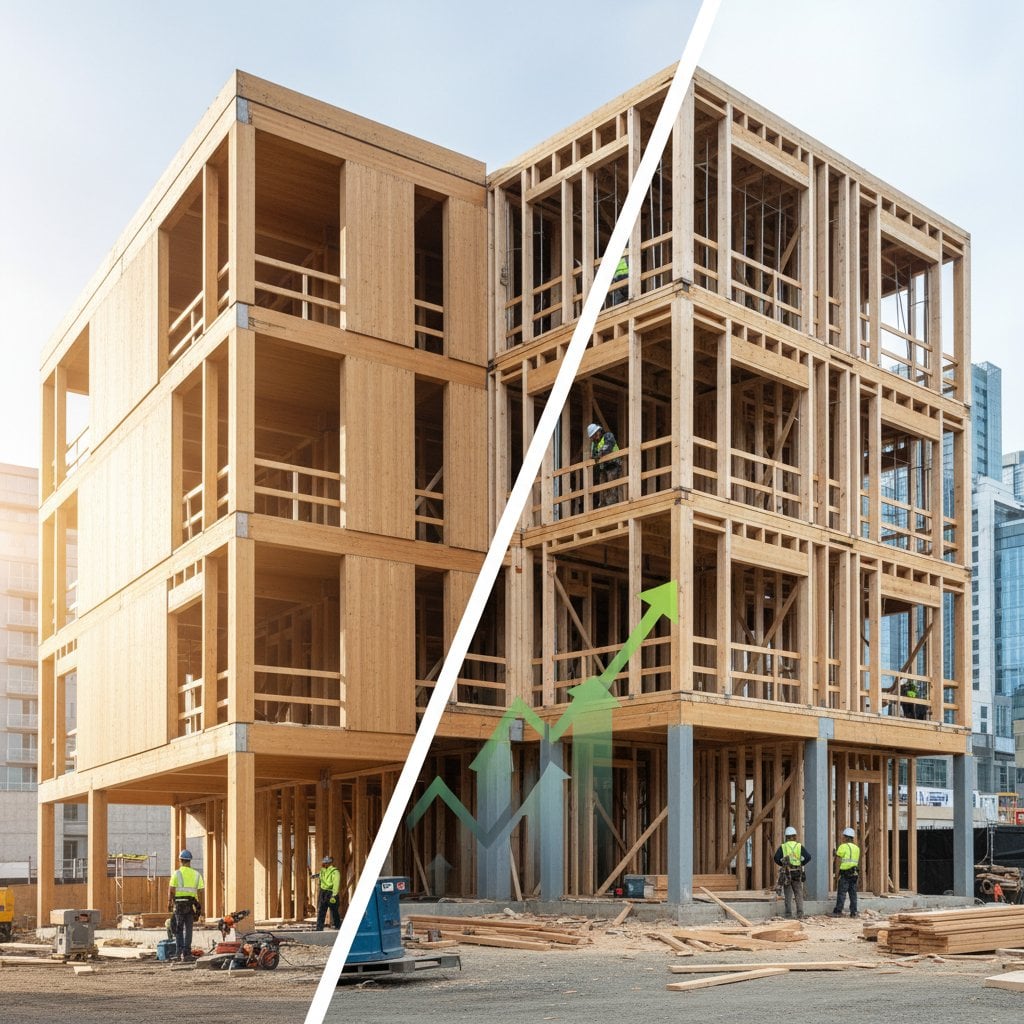
Mass Timber vs Traditional Framing: Real Cost Analysis
Mass timber construction represents a shift in building practices, utilizing large, engineered wood panels and beams like cross-laminated timber (CLT) and glued-laminated timber (glulam). Traditional framing, often stick-built with dimensional lumber, remains the standard for many residential and commercial projects. This analysis examines the real costs involved, including materials, labor, and long-term value, to determine when mass timber offers financial advantages.
Understanding the Basics
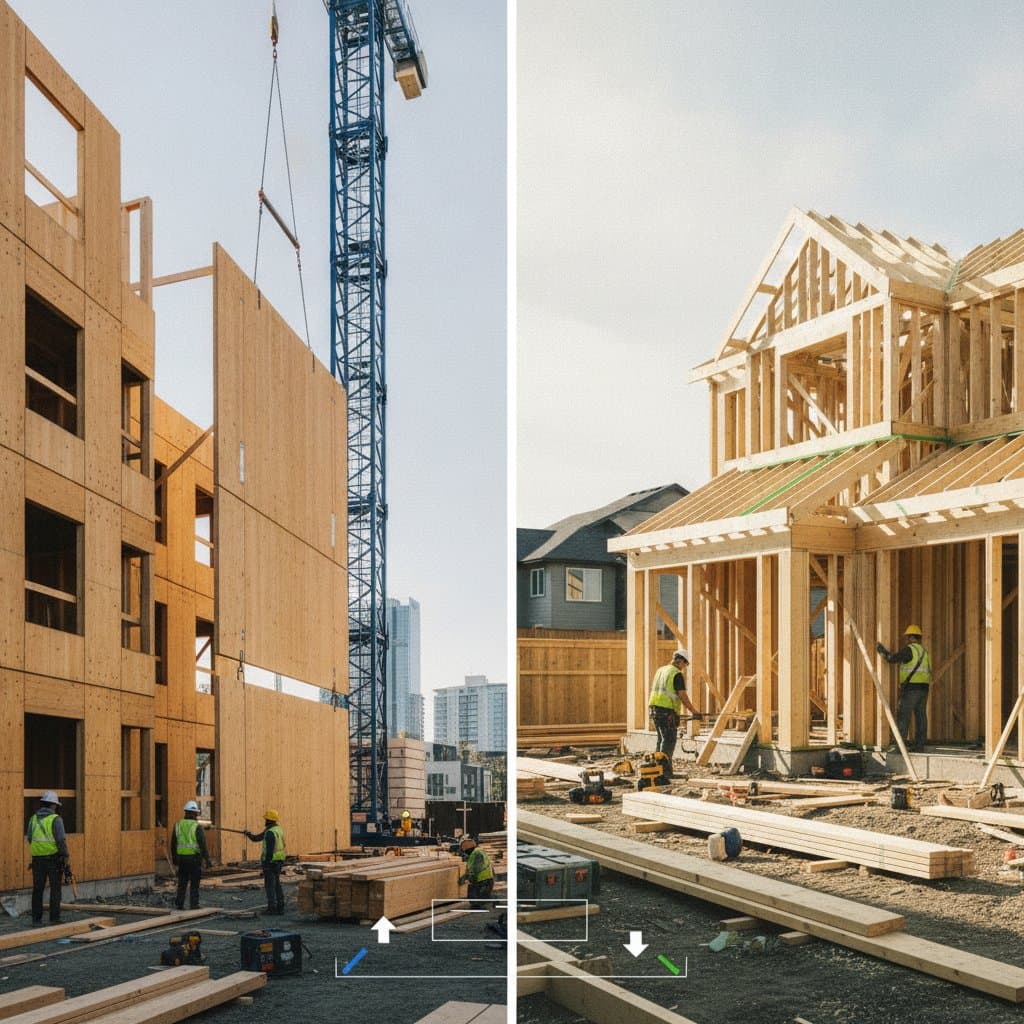
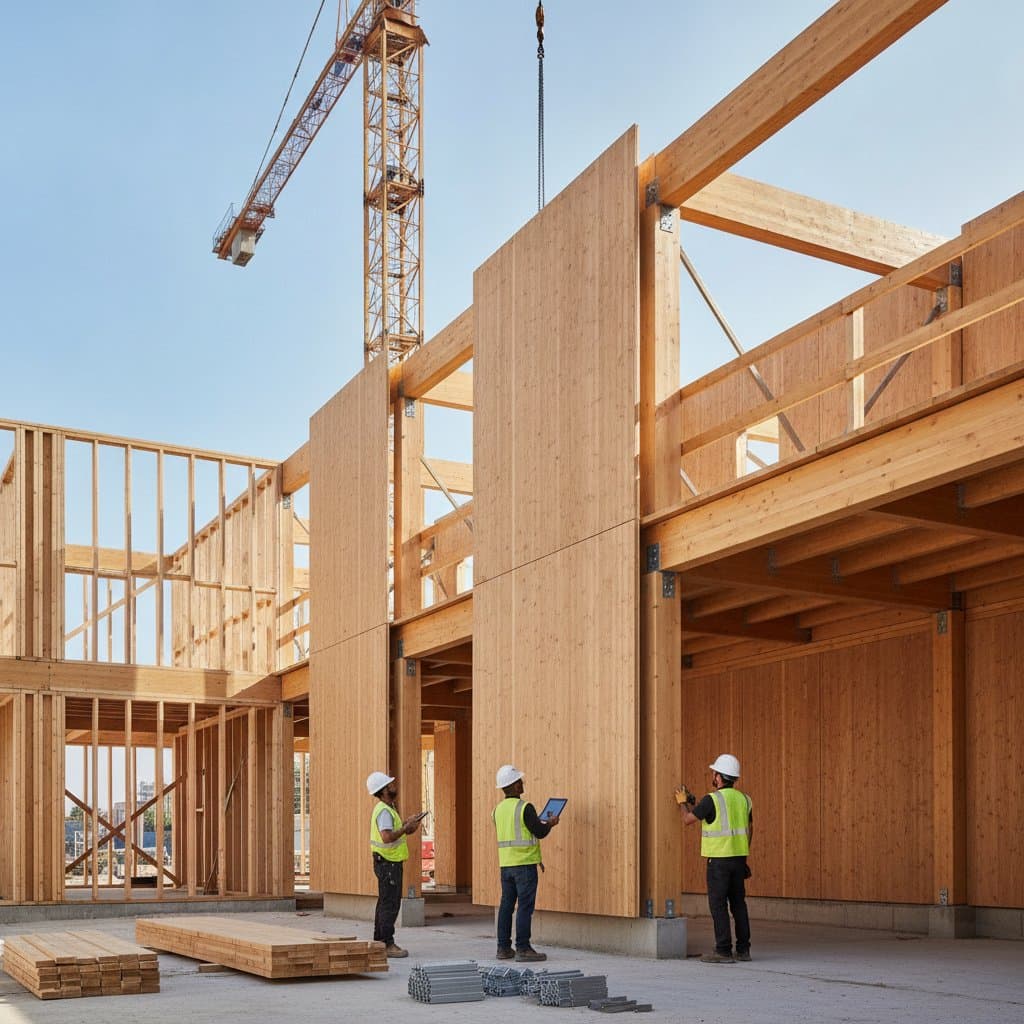
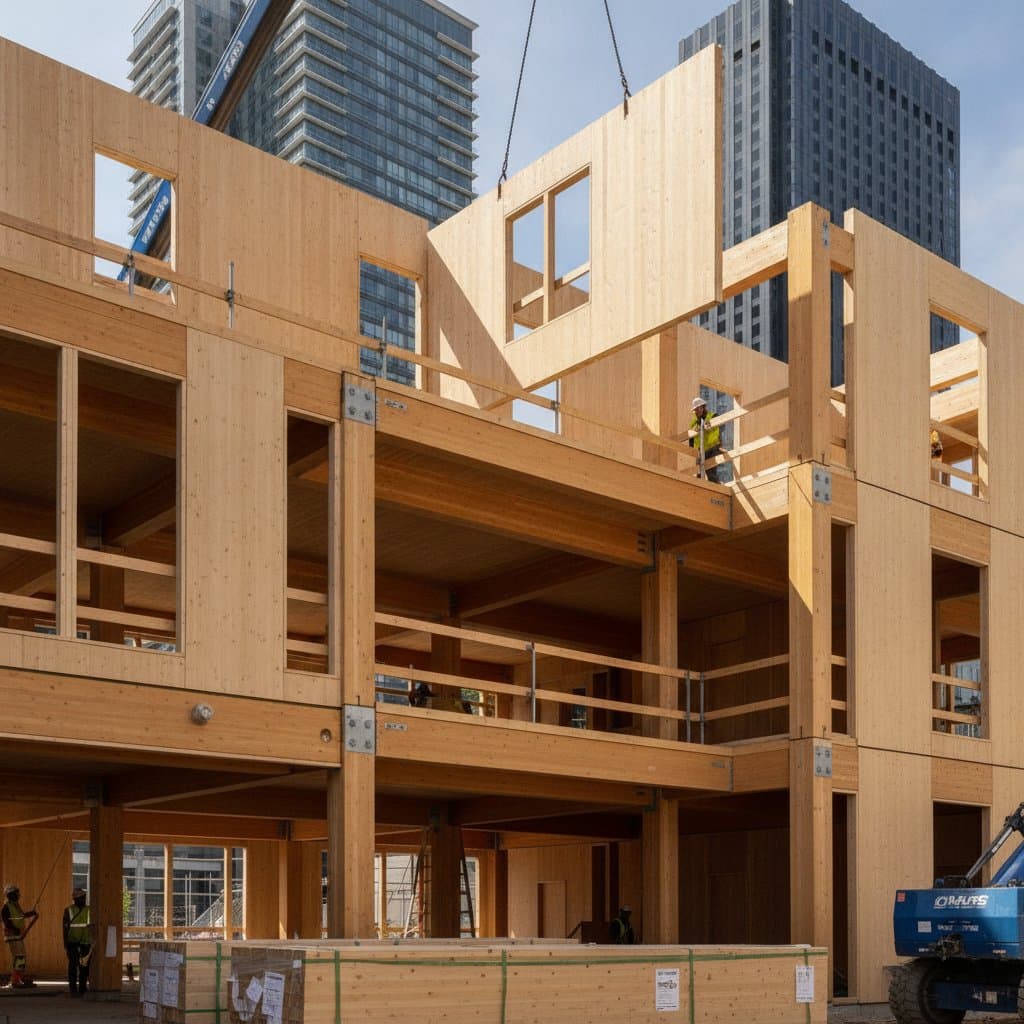
Mass timber involves prefabricating large structural elements off-site, which assemble quickly on location. These components derive from sustainable forestry sources and provide fire resistance through charring mechanisms. Traditional framing relies on smaller lumber pieces nailed or screwed together on-site, a method familiar to most builders but labor-intensive.
The choice between these approaches influences project timelines and budgets significantly. Mass timber suits mid-rise buildings and complex designs, while traditional framing excels in low-rise, straightforward structures. Initial perceptions suggest mass timber costs more upfront, yet deeper evaluation reveals nuances.
Material Costs Breakdown
Material expenses form the foundation of any construction budget. For traditional framing, dimensional lumber like 2x4s and 2x6s typically costs between $0.50 and $1.50 per board foot, depending on market fluctuations and species such as Douglas fir or spruce-pine-fir. A standard single-family home might require 10,000 to 15,000 board feet, leading to material costs of $5,000 to $22,500.
Mass timber materials, including CLT panels, range from $2 to $5 per square foot for basic grades, escalating for custom finishes or thicknesses. A comparable project could demand 5,000 to 10,000 square feet of panels, resulting in $10,000 to $50,000. However, mass timber reduces waste by up to 20 percent compared to traditional methods, where offcuts accumulate on-site.
Sourcing plays a role too. Traditional lumber often faces supply chain volatility from tariffs or shortages, as seen in recent years. Mass timber, produced in controlled facilities, offers more predictable pricing, especially when local mills supply the wood.
Labor and Installation Expenses
Labor constitutes a major portion of framing costs, often 40 to 60 percent of the total. Traditional framing demands skilled carpenters for on-site assembly, with rates averaging $25 to $50 per hour. A team of four might take 4 to 6 weeks for a 2,000-square-foot home, totaling $20,000 to $48,000 in wages, plus tools and safety equipment.
In contrast, mass timber installation requires fewer workers due to prefabrication. Cranes and specialized crews handle erection, which completes in 1 to 2 weeks for similar projects. Labor costs drop to $10,000 to $24,000, reflecting reduced hours and on-site complexity. Training for mass timber handling adds minimal upfront investment but pays off through efficiency.
Site-specific factors influence these figures. Urban areas with high union wages amplify traditional framing expenses, while mass timber's speed mitigates delays from weather or permitting.
Time Savings and Indirect Costs
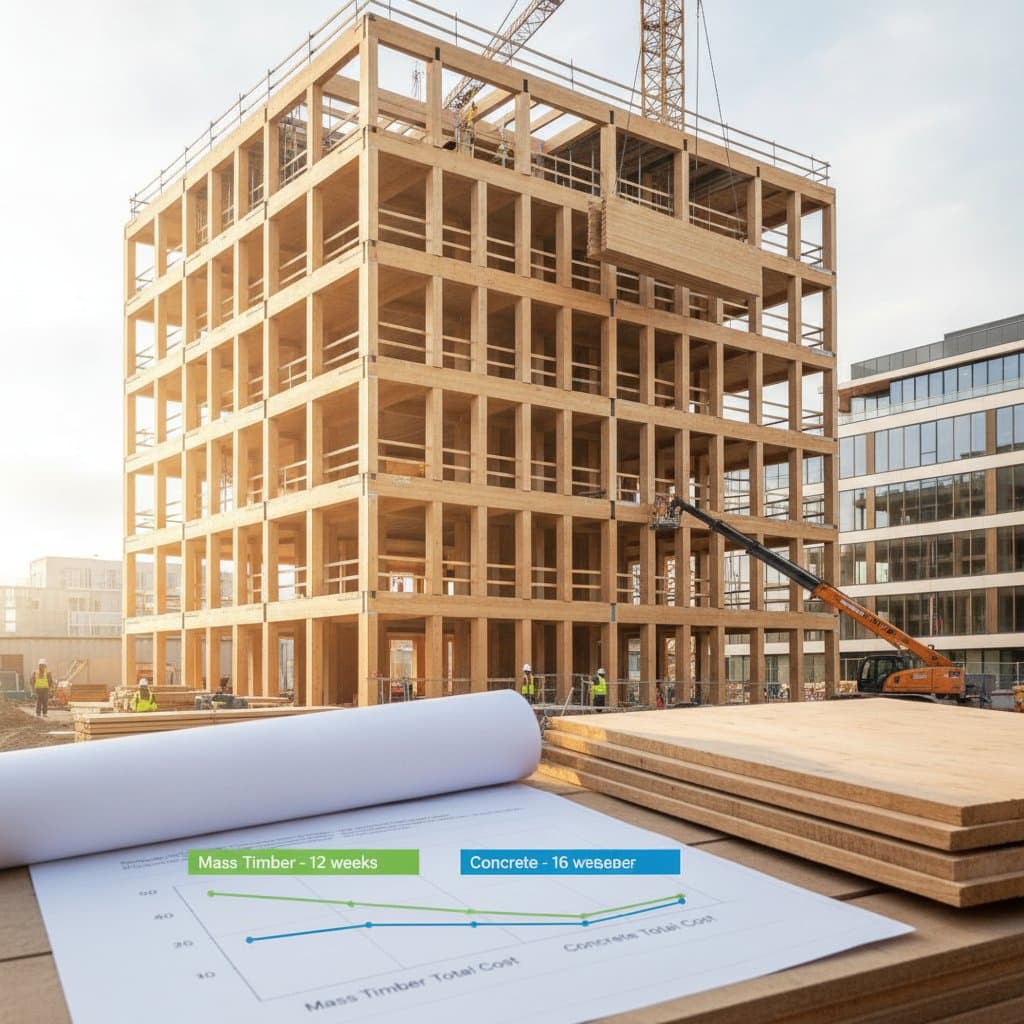
Construction timelines directly impact holding costs like interest on loans and lost revenue for commercial builds. Traditional framing projects span 3 to 6 months for the framing phase alone, exposing sites to extended weather risks and coordination challenges with other trades.
Mass timber accelerates this to 1 to 3 months, enabling earlier occupancy or leasing. For a $1 million project with 10 percent annual financing, each month saved equates to $8,333 in interest. Over multiple months, these savings accumulate substantially.
Indirect costs, such as scaffolding and temporary bracing, also favor mass timber. Traditional methods require extensive temporary supports, adding $5,000 to $15,000, whereas mass timber's inherent stability minimizes such needs.
Long-Term Value and Sustainability Benefits
Beyond initial outlays, consider lifecycle costs. Mass timber buildings demonstrate durability, with engineered wood resisting pests and moisture better than untreated lumber in traditional frames. Maintenance over 50 years might total 10 to 20 percent less for mass timber due to fewer joints and superior sealing.
Sustainability enhances value through certifications like LEED, which boost property appraisals by 5 to 10 percent in green-conscious markets. Mass timber sequesters carbon during growth and use, appealing to eco-focused buyers or tenants. Traditional framing, while renewable, generates higher embodied carbon from processing and transport.
Insurance premiums reflect these attributes. Mass timber's fire performance, validated by codes like the International Building Code, often secures rates comparable to or lower than steel-framed structures, unlike traditional wood's higher perceived risk.
When Mass Timber Saves Money
Mass timber proves cost-effective for projects exceeding three stories or incorporating open spans, where traditional framing demands additional engineering. In regions with abundant timber resources, like the Pacific Northwest, material proximity cuts transport fees by 15 to 25 percent.
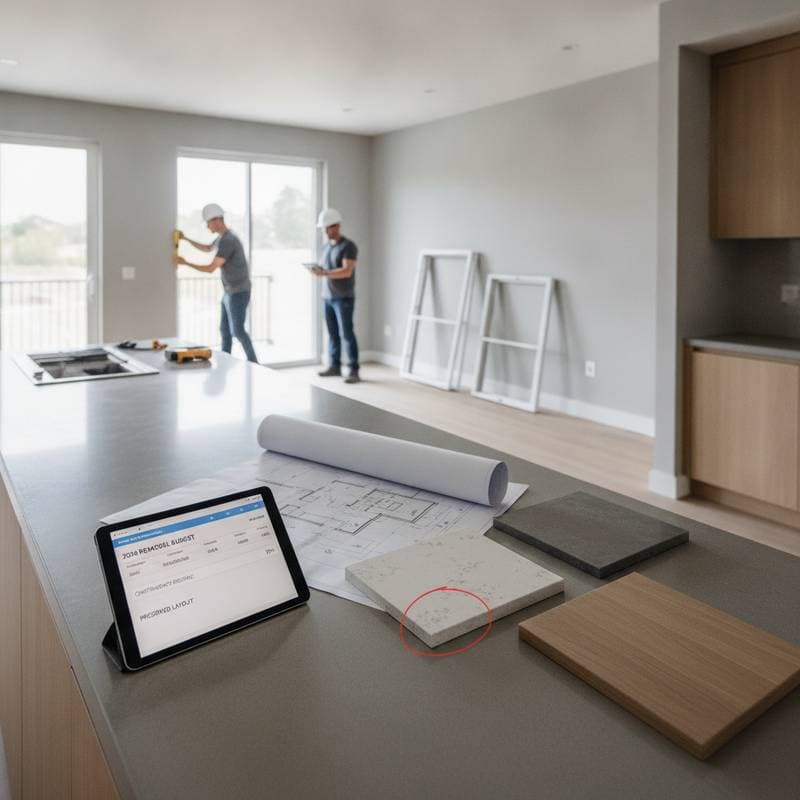
For budget-conscious builders, hybrid approaches blend mass timber floors with traditional walls, balancing costs. Evaluate based on scale: small renovations favor traditional methods, while larger developments benefit from mass timber's scalability.
Consult local codes and suppliers early. Pilot projects or cost-modeling software can quantify savings specific to your site.
Key Takeaways for Your Build
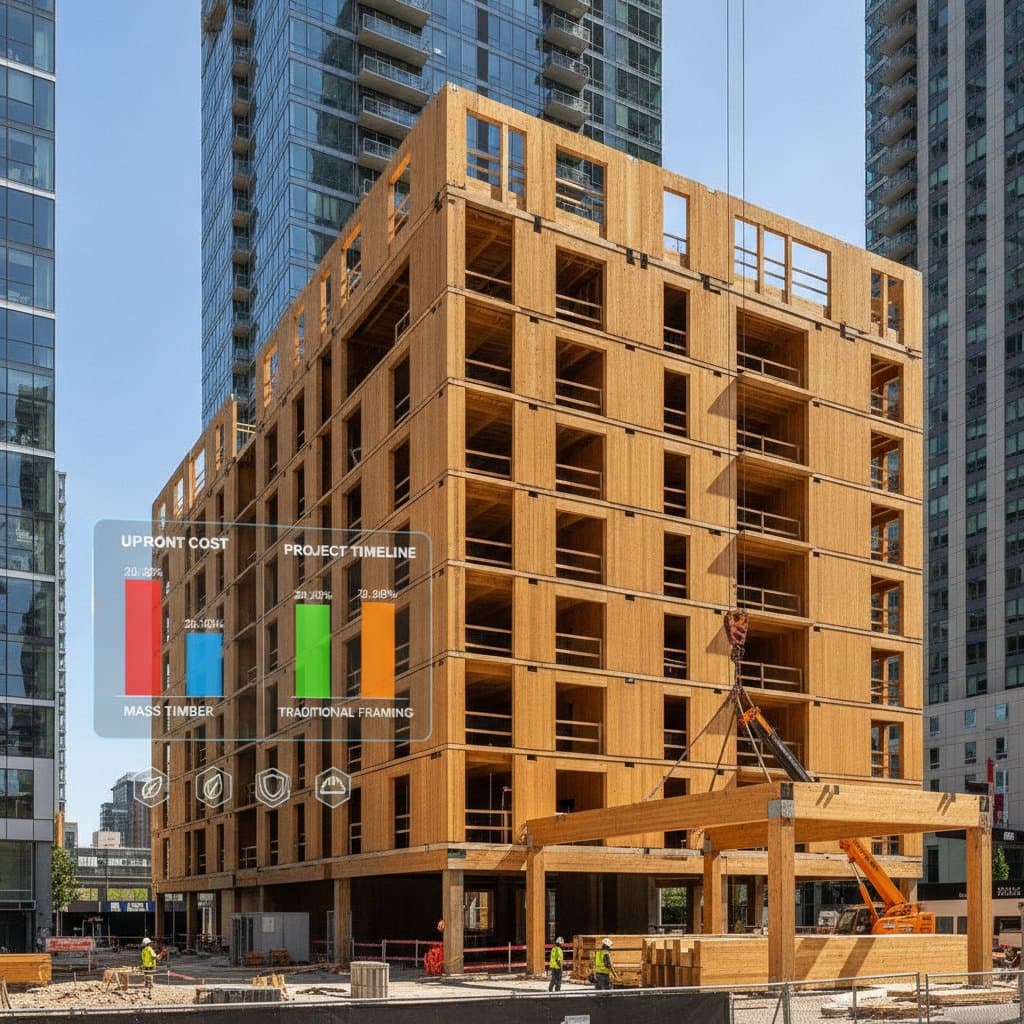
This comparison highlights mass timber's potential to lower overall costs through efficiency and durability, despite higher material prices. Traditional framing suits simple, budget-driven jobs but lags in speed and sustainability. Assess your project's scope, location, and goals to select the optimal path.
By prioritizing these factors, builders achieve not only financial prudence but also forward-thinking designs that endure.