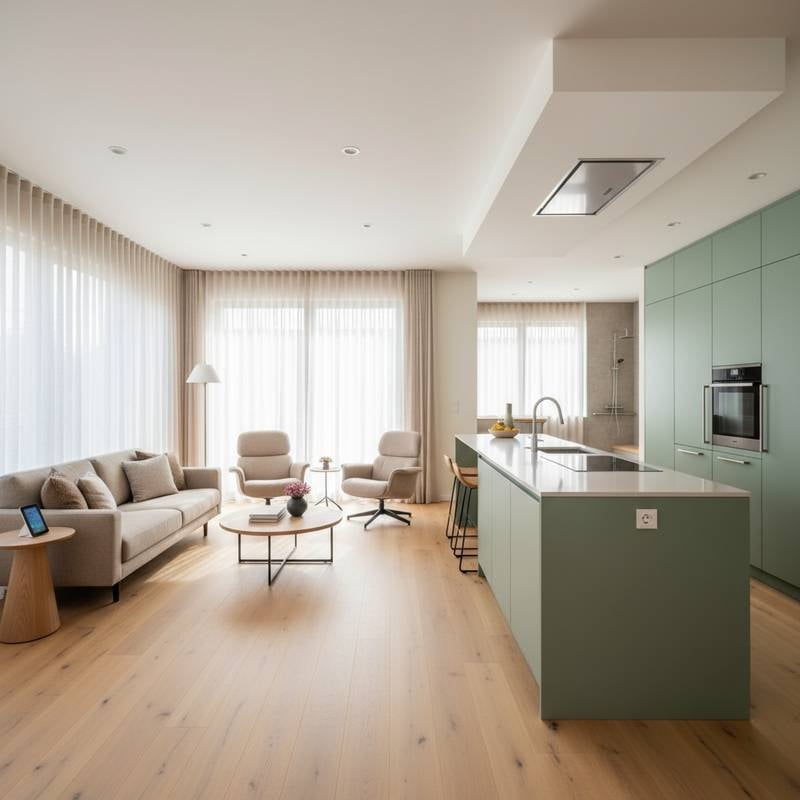
Introduction to Universal Design
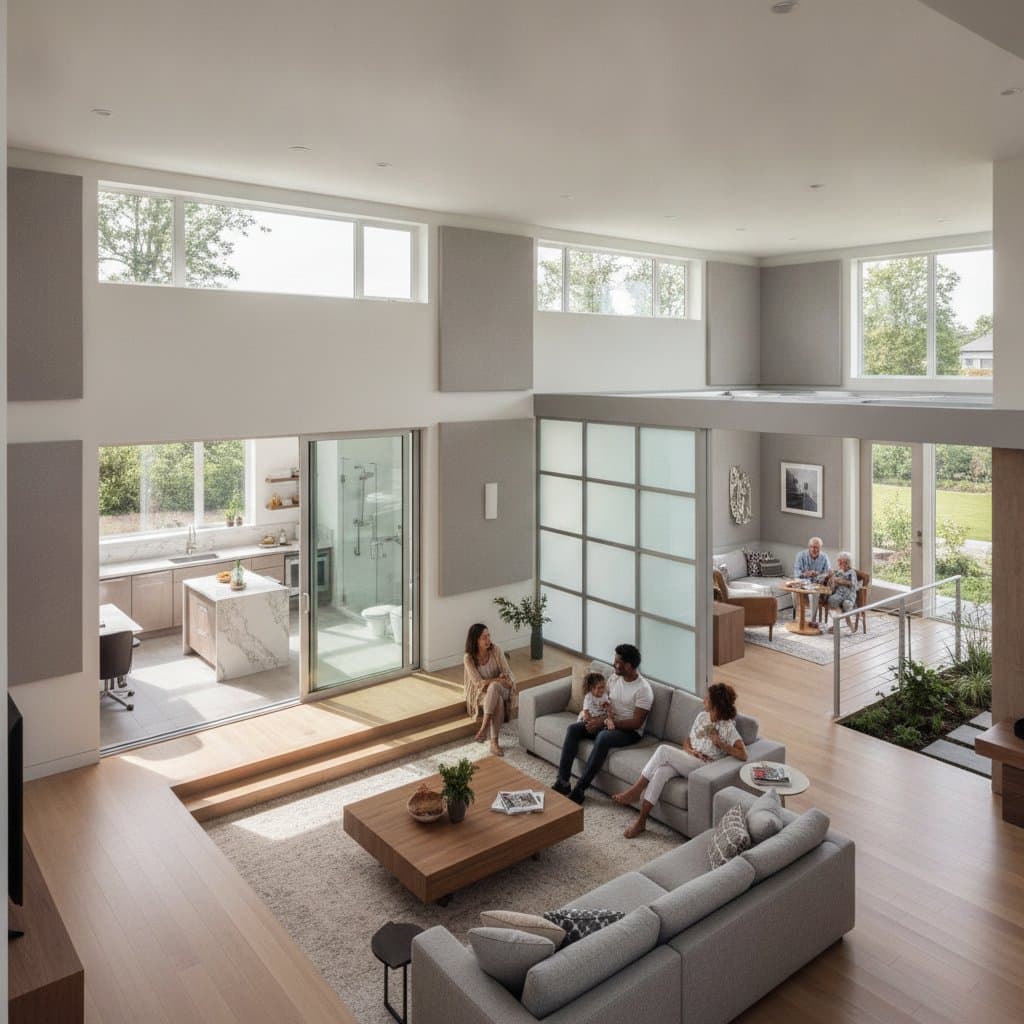
Universal design focuses on creating environments that accommodate people of all ages, abilities, and sizes. These principles ensure homes remain functional and welcoming without sacrificing style. By incorporating thoughtful features early, homeowners avoid costly retrofits later and enhance daily living.
This approach emphasizes flexibility, simplicity, and intuitive use. Key benefits include improved safety, reduced physical strain, and increased resale appeal. Below, explore five essential features that help you stay in your home longer.
1. Wide Doorways and Hallways
Why it matters: Narrow passages create obstacles for mobility aids like wheelchairs or walkers. Wider openings, at least 32 inches clear width, allow easy movement and reduce fall risks.
Implementation tips: Measure existing doorways and plan for pocket doors or swinging doors with 90-degree openings. Pair with lever-style handles for effortless operation.
Cost range: $500 to $2,000 per doorway, depending on materials and structural adjustments.
DIY vs Pro: Simple handle replacements suit DIY, but wall modifications require a contractor to ensure code compliance.
2. Lever Handles and Easy-Grip Fixtures
Why it matters: Traditional knobs demand pinching strength, which becomes challenging with arthritis or weakened hands. Lever handles pivot easily, promoting independence in high-traffic areas.
Implementation tips: Install single-lever faucets in kitchens and bathrooms, along with pull-out shelves for reach without stretching. Opt for matte finishes to minimize fingerprints and enhance grip.
Cost range: $100 to $500 for fixtures across multiple rooms.
DIY vs Pro: Most replacements involve basic tools, making them ideal for DIY. Consult a plumber for sink integrations.
3. Zero-Step Entries and Ramped Access
Why it matters: Steps at entrances pose significant barriers, especially for those with limited mobility. A level entry eliminates thresholds and integrates seamlessly with the landscape.
Implementation tips: Create a gradual ramp with a 1:12 slope ratio or redesign porches for flush access. Use durable, weather-resistant materials like composite decking.
Cost range: $2,000 to $10,000, influenced by site grading and length of ramp.
DIY vs Pro: Site preparation and concrete work demand professional expertise to meet safety standards.
4. Accessible Bathrooms with Curbless Showers
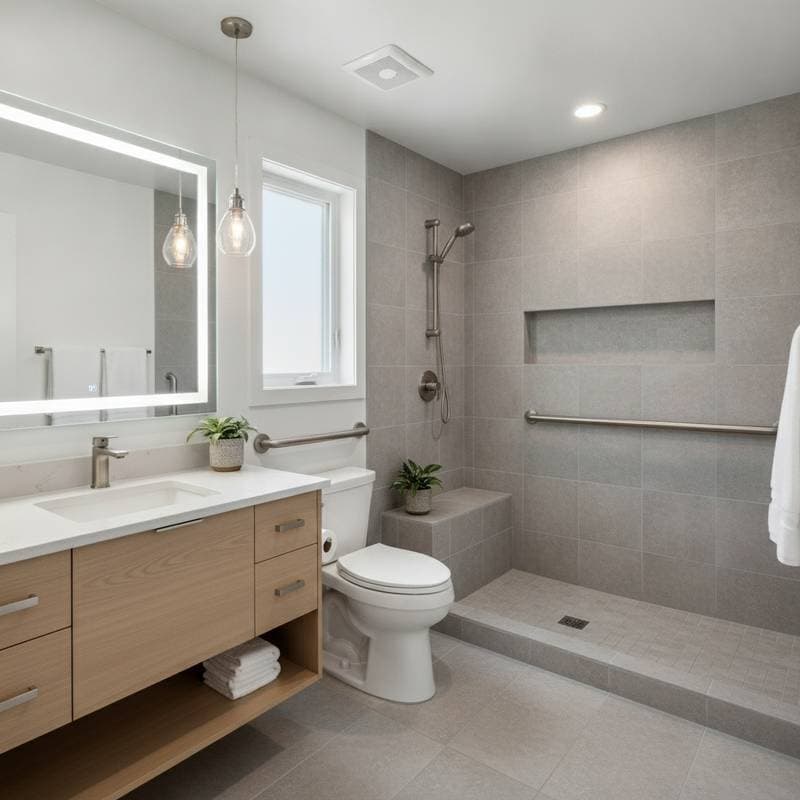
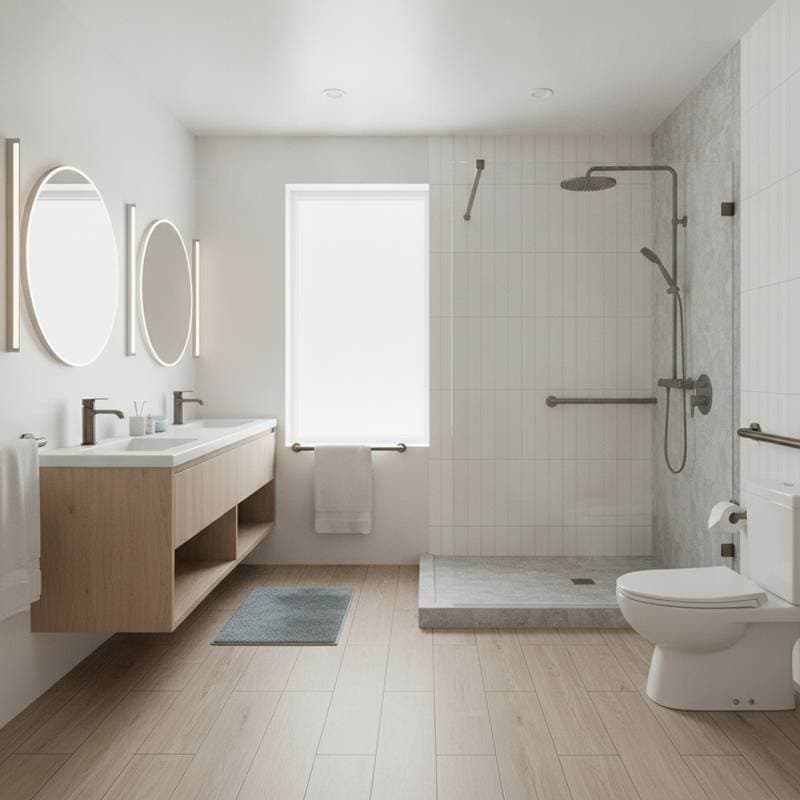
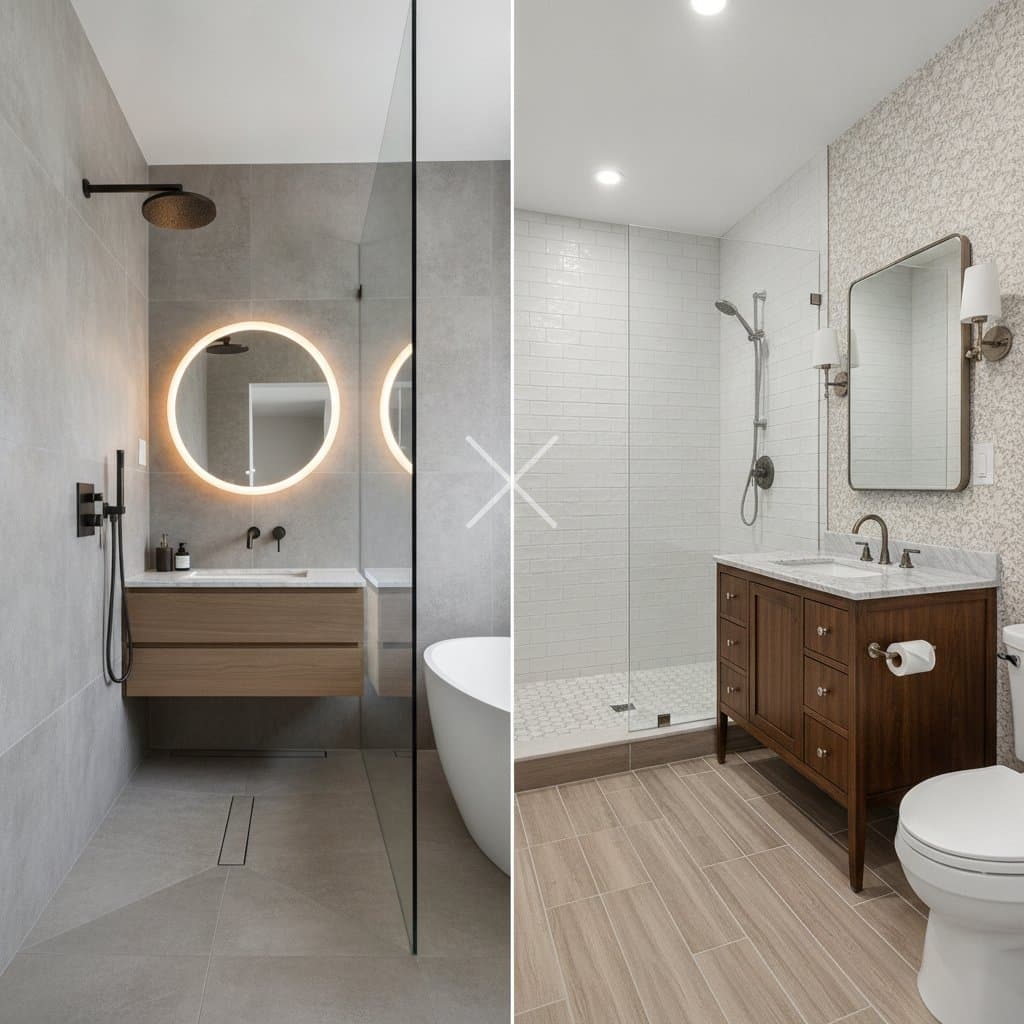
Why it matters: Standard tubs increase slip hazards and entry difficulties. Walk-in showers with grab bars provide secure, spa-like spaces that adapt to changing needs.
Implementation tips: Install fold-down benches, handheld showerheads, and non-slip tiles. Position controls within arm's reach and add contrasting colors for visual cues.
Cost range: $5,000 to $15,000 for a full bathroom overhaul.
DIY vs Pro: Plumbing and waterproofing require licensed professionals to prevent leaks and ensure durability.
5. Smart Lighting and Controls
Why it matters: Adequate illumination prevents accidents and eases navigation, particularly in low-light conditions. Smart systems enable hands-free adjustments via voice or app, conserving energy while enhancing usability.
Implementation tips: Integrate motion-activated sensors in hallways and dimmable LEDs in living areas. Choose warm color temperatures for evenings to promote relaxation.
Cost range: $1,000 to $3,000 for a comprehensive setup, including hubs and compatible devices.
DIY vs Pro: Screw-in smart bulbs offer straightforward DIY installation. Hardwired fixtures or automated circuits necessitate an electrician.
Enhancing Overall Value and Comfort
Universal design extends beyond accessibility to improve energy efficiency and daily enjoyment. Consider energy-efficient windows that reduce drafts and utility bills, paired with non-slip flooring materials like cork or textured tile for secure footing. Low-maintenance surfaces, such as quartz countertops, simplify cleaning and withstand heavy use.
These elements often deliver a 60 to 80 percent return on investment, especially in kitchens, bathrooms, and entryways. Focus on these high-impact zones first to maximize both immediate benefits and long-term marketability. Thoughtful choices ensure the home evolves without frequent overhauls.
Guidance on Hiring Professionals
Engage a professional for projects involving structural changes, electrical systems, or plumbing rerouting. Seek out certified aging-in-place specialists through organizations like the National Association of Home Builders. They evaluate your layout, identify pain points, and propose tailored solutions.
Request itemized quotes, verify credentials including licensing and insurance, and review portfolios of comparable work. Professionals adhere to local codes, guaranteeing safe and compliant results.
Reserve DIY for surface-level tasks like painting walls in neutral tones or swapping out cabinet hardware. For any safety-critical modifications, prioritize experienced contractors familiar with universal design standards.
Frequently Asked Questions on Universal Remodeling
What flooring options best support accessibility?
Luxury vinyl plank flooring offers waterproof durability and realistic wood looks with superior traction. Low-pile carpet adds softness underfoot while minimizing snag risks; avoid thick shag styles.
Does universal remodeling cost more than traditional updates?
Upfront expenses run 10 to 20 percent higher due to specialized materials and planning. However, these investments lower future maintenance needs and enhance home equity through improved functionality.
Is it possible to implement changes in phases?
Absolutely. Begin with foundational adjustments like widening doorways or installing grab bars. Follow with aesthetic and tech upgrades, such as lighting and cabinetry, to spread costs over time.
Sustaining Independence Through Smart Home Design
Investing in universal design equips your home to nurture well-being across decades. These features foster security and ease, allowing you to cherish familiar surroundings without compromise. Plan ahead to craft a residence that aligns with your lifestyle today and tomorrow.