The 2026 Price Tag for ADUs: Permits and Profit
Accessory dwelling units, or ADUs, continue to attract interest as versatile housing solutions. Homeowners refer to them as backyard cottages, in-law suites, or secondary units. These additions provide extra living space and the potential for rental income. Before starting construction, gain a thorough understanding of the associated costs for building and permitting.
Quick Cost Summary
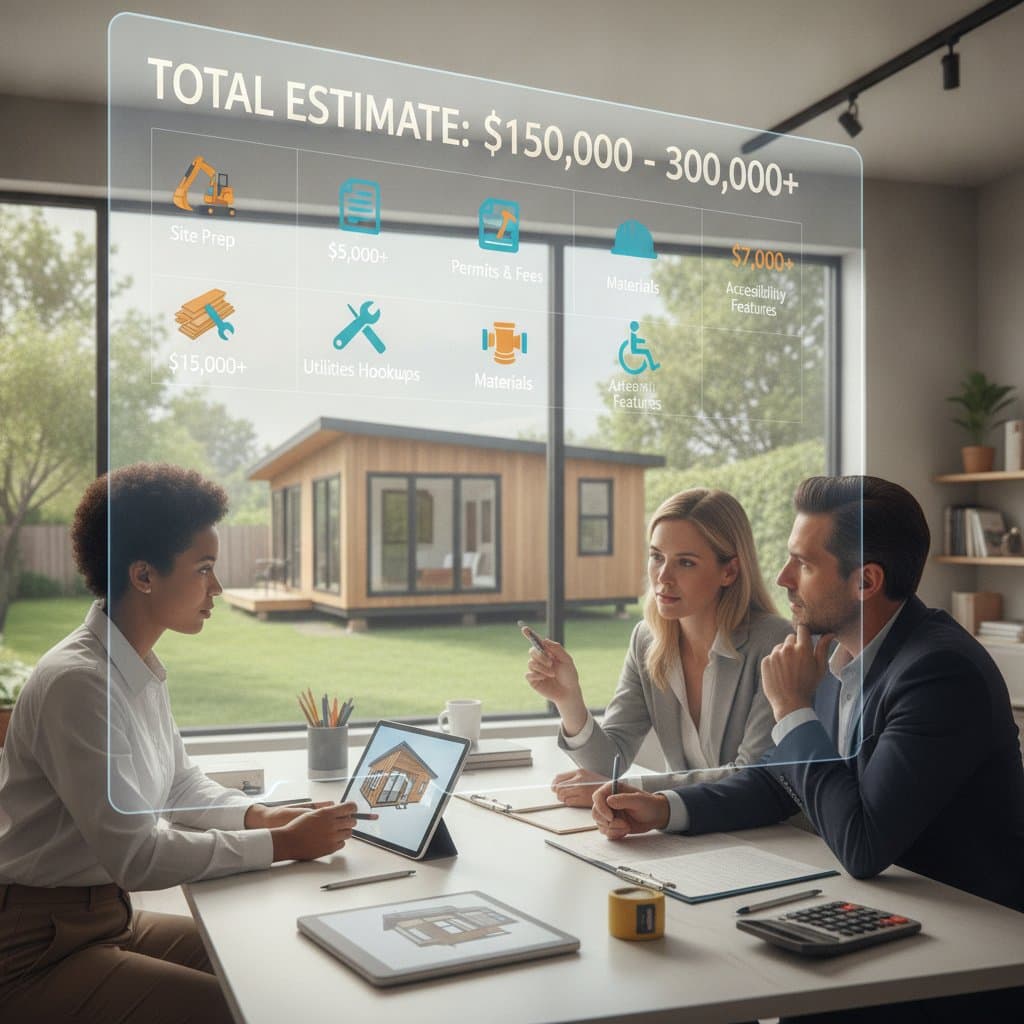
The average cost to construct an ADU falls between $150,000 and $350,000, with many projects averaging around $250,000. Smaller options, such as garage conversions or prefabricated units, begin at approximately $100,000. Larger detached units featuring premium finishes may surpass $400,000.
Major factors driving these costs include the following:
- Size and layout of the unit
- Type of construction, whether a conversion, attached addition, or detached structure
- Fees for permits and utility connections
- Quality of materials and finishes
- Labor expenses
- Site preparation and design intricacies
Highlights and Key Insights
Detached ADUs command the highest prices yet deliver superior privacy for occupants. Permit expenses vary from $5,000 to $25,000 based on local ordinances. Projects involving conversions of existing structures prove 25 to 40 percent more economical than ground-up builds.
Rental revenue often recoups investments within a decade in competitive markets. Efficient designs and proactive planning minimize unexpected expenses. Consider these elements to align your project with financial goals.
Cost by Size or Type
Expenses for ADUs differ significantly according to square footage and construction approach.
By Size
- Small units (250 to 400 square feet): $100,000 to $180,000
- Medium units (400 to 800 square feet): $180,000 to $280,000
- Large units (800 to 1,200 square feet): $280,000 to $400,000
By Type
- Garage conversion: $100,000 to $160,000
- Attached ADU: $160,000 to $260,000
- Detached new build: $200,000 to $350,000 or higher
Conversions incur lower costs since foundational elements already exist. New detached builds demand complete foundations, roofing systems, and utility integrations, which elevate the overall budget.
Contractor Costs and Professional vs DIY
Labor constitutes 40 to 60 percent of the total project expenditure. Engage a licensed contractor to guarantee adherence to building codes and avoid expensive corrections. Professionals typically bill $150 to $400 per square foot, influenced by material selections and project demands.
A design-build firm oversees permitting, planning, and execution, streamlining operations at the expense of 10 to 20 percent management fees. For those adept at oversight, coordinating separate tradespeople may lower costs, though it demands substantial time and organization.
DIY efforts suit individuals with construction expertise and can reduce labor outlays. However, tasks involving electrical systems, plumbing, and structural integrity necessitate certified experts. Errors often result in inspection failures or hazards, incurring remediation fees that exceed initial professional hires.
Permit and Regulatory Costs
ADU development requires various permits, such as those for building, electrical installations, plumbing, and occasional zoning evaluations. Expenses hinge on municipal and county policies.
Typical Permit Costs
- Building permit: $2,000 to $10,000
- Utility connection fees: $3,000 to $10,000
- Impact or school fees: $1,000 to $5,000
- Plan review and design fees: $500 to $3,000
Certain areas expedite ADU approvals or waive select fees to promote development. Confirm prevailing rules prior to drafting plans, as requirements for setbacks, maximum heights, and occupancy levels directly impact feasibility and finances.
Additional Cost Factors
Numerous overlooked or fluctuating elements affect the final ADU price tag.
1. Site Conditions
Lots with slopes or suboptimal soil demand extra grading or reinforced foundations. Budget an additional 10 to 20 percent for such terrains.
2. Utility Access
Extending sewer, water, or electrical lines incurs $5,000 to $20,000. Distances from current infrastructure amplify these charges.
3. Design Complexity
Bespoke architectural blueprints extend labor time and scrutiny periods. Employ straightforward configurations with conventional measurements to curb inefficiencies.
4. Material Selection
Luxury elements like tiled bathrooms, granite surfaces, or solid wood flooring escalate expenses rapidly. Select moderate-quality options to achieve 10 to 15 percent savings while preserving longevity.
5. Local Labor Rates
Regions with robust construction activity inflate hourly wages. Solicit bids from several providers to evaluate pricing and schedules.
Ways to Save on ADU Costs
Implement strategic decisions at the outset to control expenditures without compromising quality.
- Opt for a compact design; each additional 100 square feet contributes $20,000 to $30,000.
- Adopt prefabricated or modular formats to diminish planning and assembly costs.
- Employ simple roof designs, such as gabled or shed styles, over elaborate configurations.
- Repurpose standing buildings, like garages, to bypass foundational expenses.
- Develop layouts that maximize shared walls and aligned utilities for material and labor efficiencies.
- Restrain upscale features; resilient standard materials deliver enduring benefits affordably.
Collaborate with contractors and authorities during initial phases to avert budget disruptions.
Return on Investment (ROI)
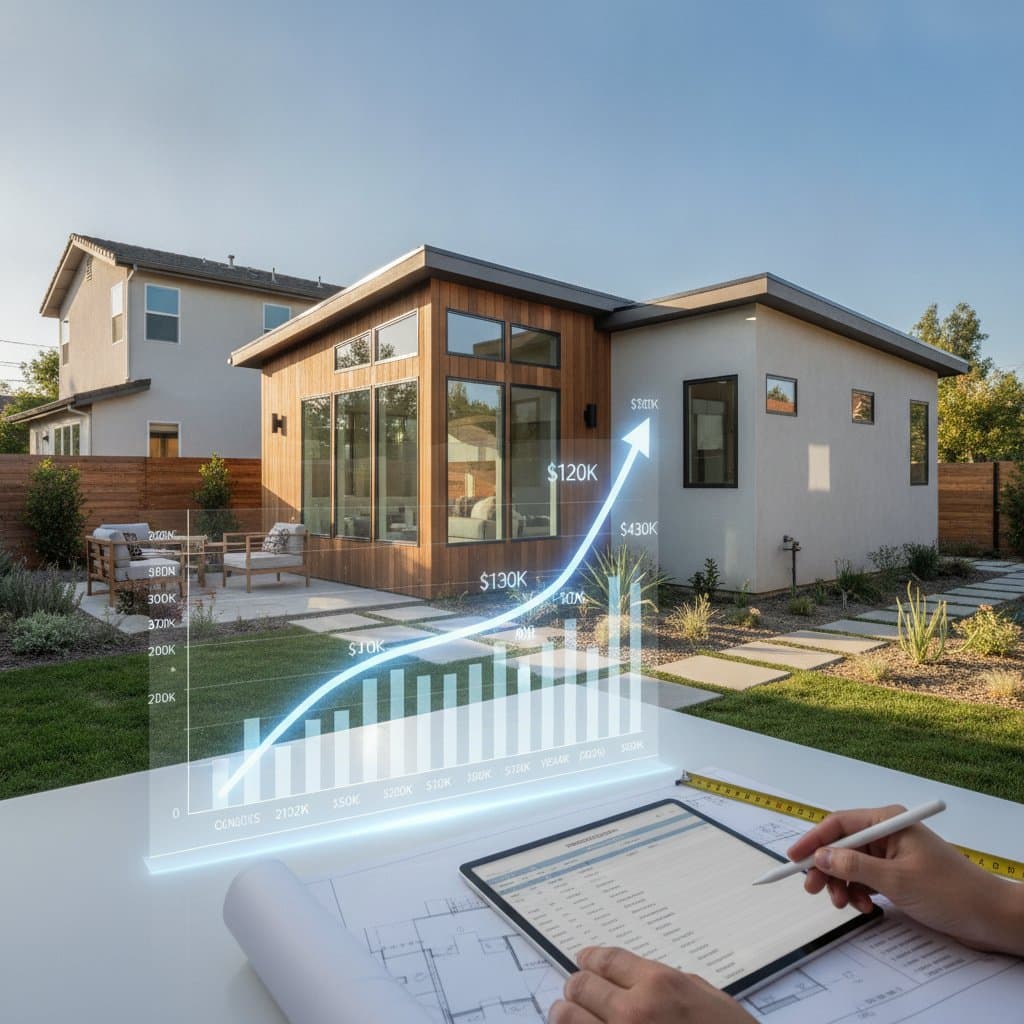
ADUs yield rental proceeds or elevate property appraisals. Monthly rents for one-bedroom configurations span $1,200 to $2,000, varying by locale. Such income facilitates cost recovery in eight to twelve years for numerous owners.
Property values may rise 20 to 35 percent post-ADU addition, particularly in supply-constrained areas. Owner-use scenarios accommodate relatives or facilitate later lifestyle adjustments.
ROI hinges on market dynamics, construction standards, and funding terms. Prioritize units with independent access, complete kitchens, and secluded yards to secure premium tenants and rates.
DIY vs Hiring a Pro
ADU projects demand rigorous code observance and safety protocols. Suitable DIY activities include painting interiors, installing floors, enhancing landscapes, and fitting cabinets or fixtures.
Mandatory professional services encompass foundation work, framing and roofing, plumbing and wiring, plus HVAC and insulation installations.
Safe, proficient DIY contributions can trim costs by 10 to 25 percent. Professionals ensure timely progress, precise permitting, and reliability, though at higher upfront costs. Many opt for combined strategies, handling cosmetics personally while delegating core systems to specialists.
Cost Methodology
These estimates derive from aggregated contractor proposals, official fee structures, and authenticated owner experiences. Projections incorporate conventional materials, balanced finishes, and expert workmanship. Local variations may alter figures; secure three comprehensive bids prior to proceeding.
FAQs
How much does an ADU cost per square foot?
Anticipate $200 to $400 per square foot, contingent on dimensions, supplies, and workforce rates.
Do I need a permit for a backyard ADU?
Yes. Virtually every locality mandates building permits, often alongside utility and zoning assessments.
Can I build an ADU myself?
Certain elements allow personal involvement, yet structural, plumbing, and electrical components require certified personnel.
How long does it take to build an ADU?
Construction spans six to twelve months from conceptualization to inspection clearance, influenced by scope and approvals.
Do ADUs increase property taxes?
Yes, generally limited to the incremental value of the addition rather than the full estate.
What type of ADU gives the best return?
Standalone one-bedroom models equipped with kitchens and privacy elements typically command top rents and appraisals.
Protecting Your ADU Investment
Post-completion, routine upkeep safeguards value and sustains functionality. Conduct yearly checks on roofs, exteriors, and pipes. Clear gutters and manage drainage to avert water issues. Refresh interiors periodically to uphold attractiveness and compliance.
ADUs fulfill diverse needs, from hospitality to revenue generation. Master the essentials of budgeting, approvals, and selections upfront. With deliberate strategy and expert input, transform your property into a versatile, rewarding extension.