2026 Mass Timber: Costs and Permits Demystified
Quick Cost Summary
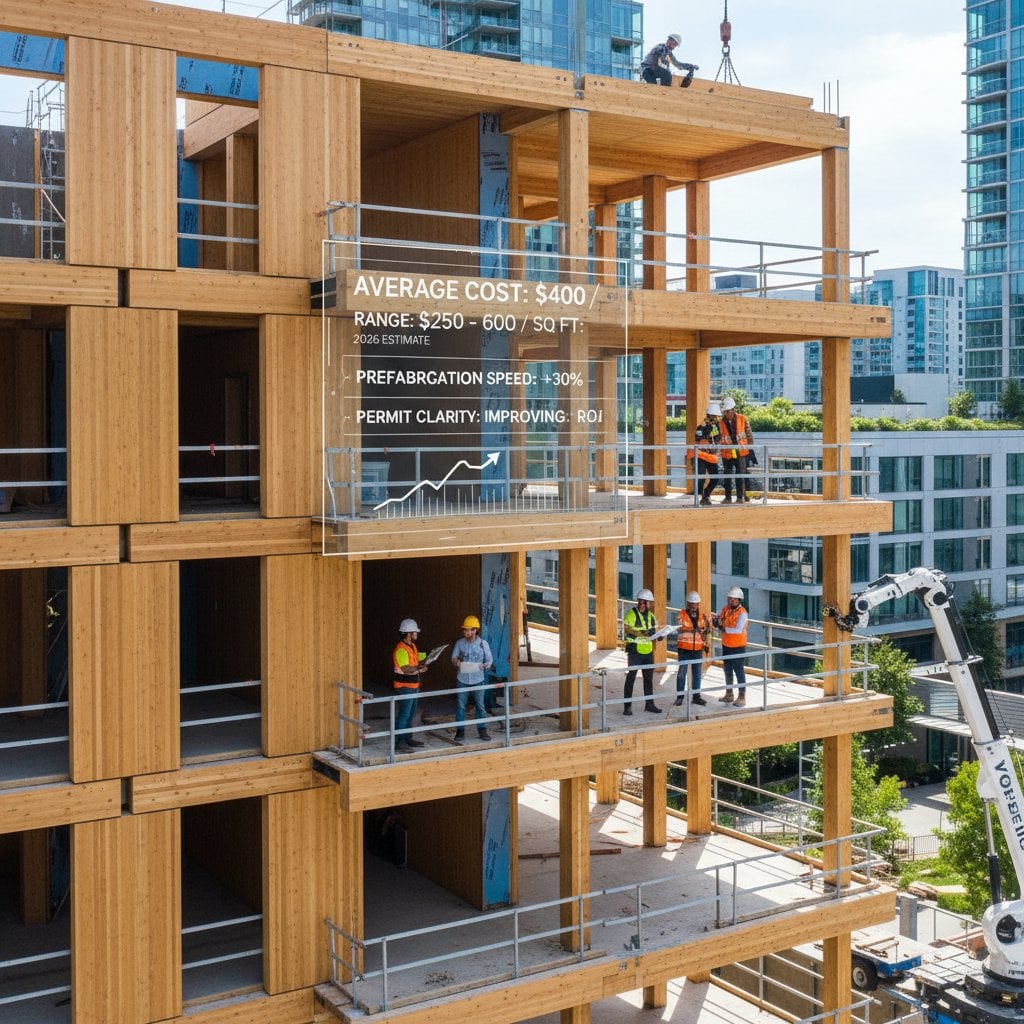
Mass timber construction costs range from $250 to $600 per square foot, with an average of $400 per square foot. These figures vary based on building type, design complexity, regional labor rates, and the engineered wood products selected. Cross-laminated timber panels cost $8 to $20 per square foot of panel surface, whereas complete structural systems, including materials, manufacturing, and assembly, range from $120 to $180 per square foot.
Major cost drivers encompass material selection like cross-laminated timber, glulam, or nail-laminated timber; building height and load requirements; labor skill levels and availability; design and engineering demands; and permit plus inspection expenses. Mass timber often matches steel and concrete in overall project expenses, particularly for initiatives prioritizing speed, sustainability, or visual appeal.
Highlights and Key Insights
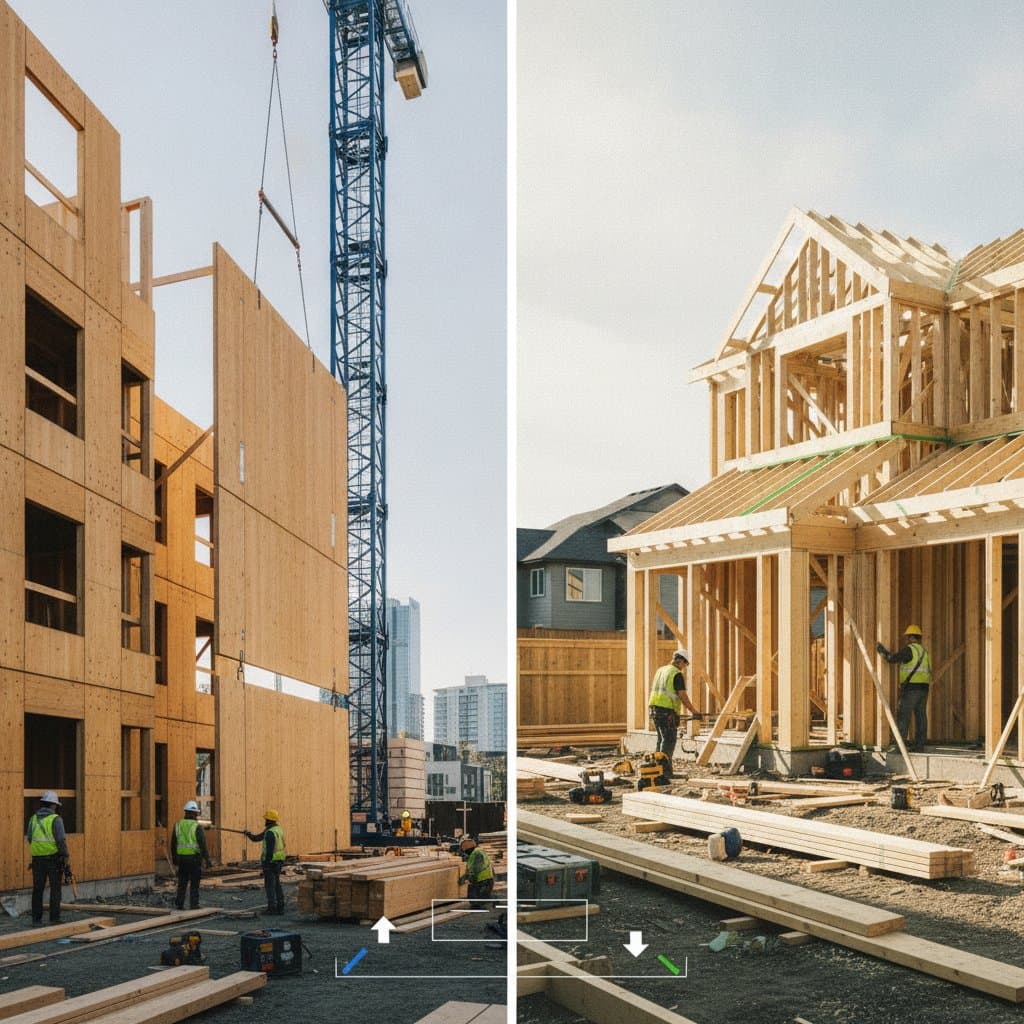
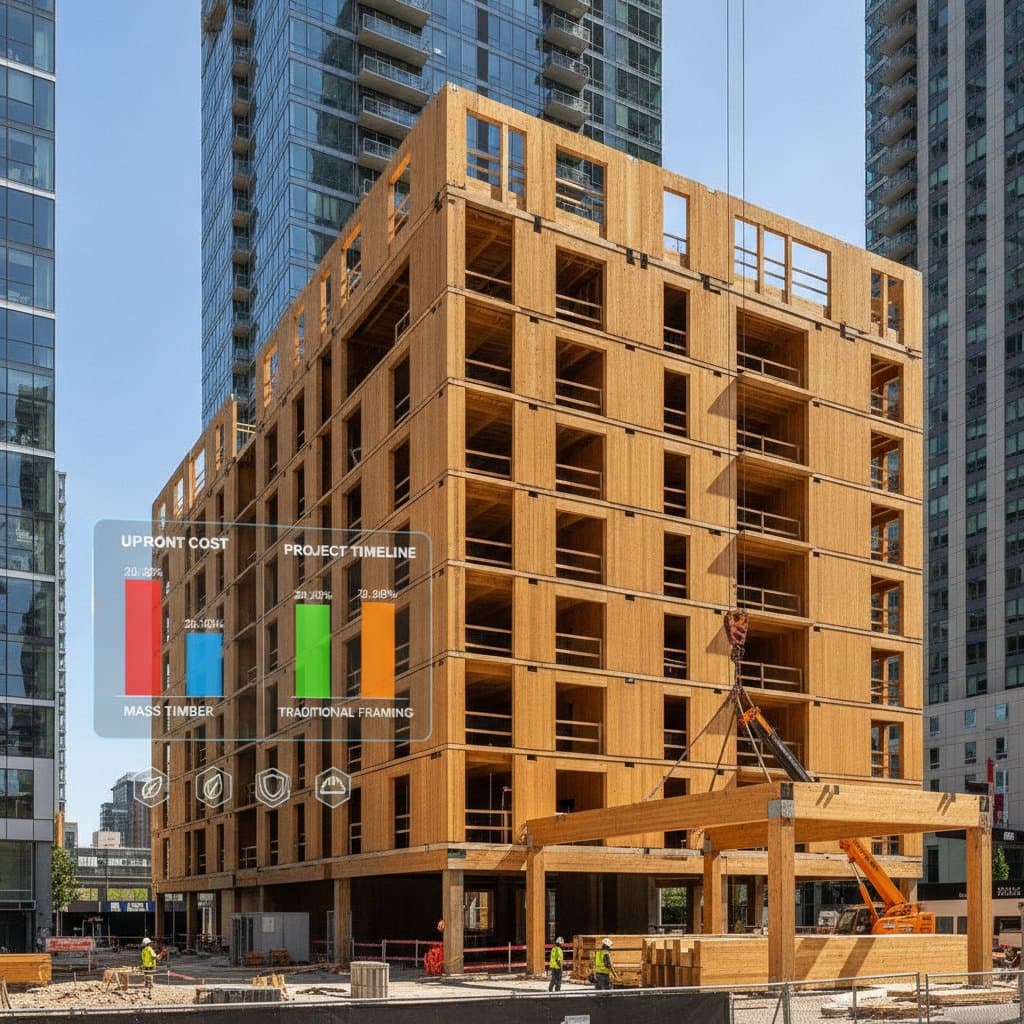
Prefabrication cuts onsite labor needs, although precision manufacturing raises initial expenses. Structural performance enhances through early integration of timber systems in design phases. Permitting differs across jurisdictions and frequently demands extra documentation on fire safety, acoustics, and seismic resilience.
Insurance and financing options improve steadily, which lowers long-term project costs. The lightweight nature of timber reduces foundation requirements and transportation expenses.
Cost by Size or Type
Smaller commercial buildings, including offices, schools, or mid-rise apartments, typically cost $250 to $400 per square foot. Larger structures or those with architectural complexities, such as unique spans or exposed timber elements, may reach $500 to $600 per square foot.
Residential Mass Timber
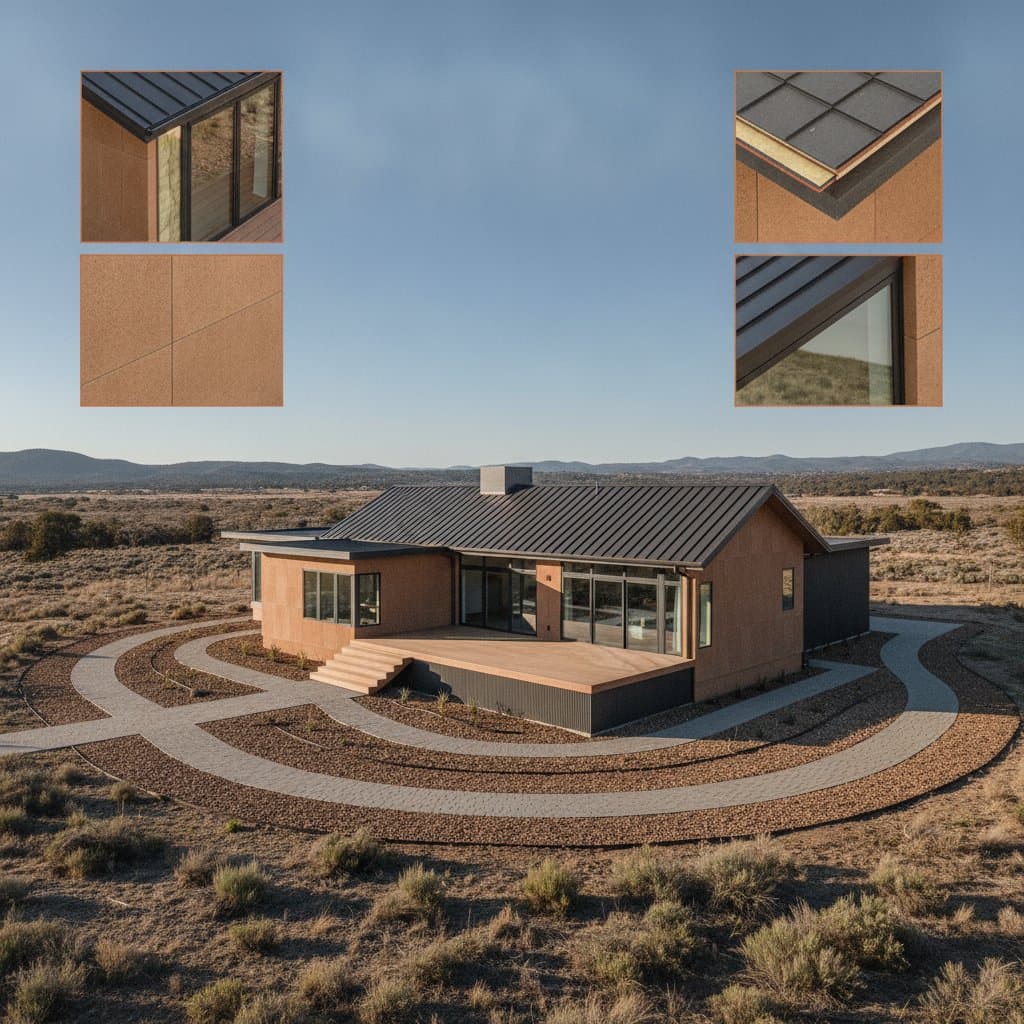
Single-family homes with cross-laminated timber or glulam framing average $275 to $350 per square foot for complete construction. Modular or panelized approaches lower costs to $250 per square foot through repeated designs and efficient fabrication.
Commercial Mass Timber
Office buildings, mixed-use developments, and institutional projects average $350 to $450 per square foot, influenced by mechanical systems and finishes. Economies of scale in manufacturing and shipping benefit larger projects.
High-Rise or Complex Structures
Mass timber towers or hybrid systems with steel or concrete cores can exceed $600 per square foot, especially with advanced fire protection or acoustic isolation. These designs demand rigorous engineering to meet safety standards.
Contractor Costs and Labor Considerations
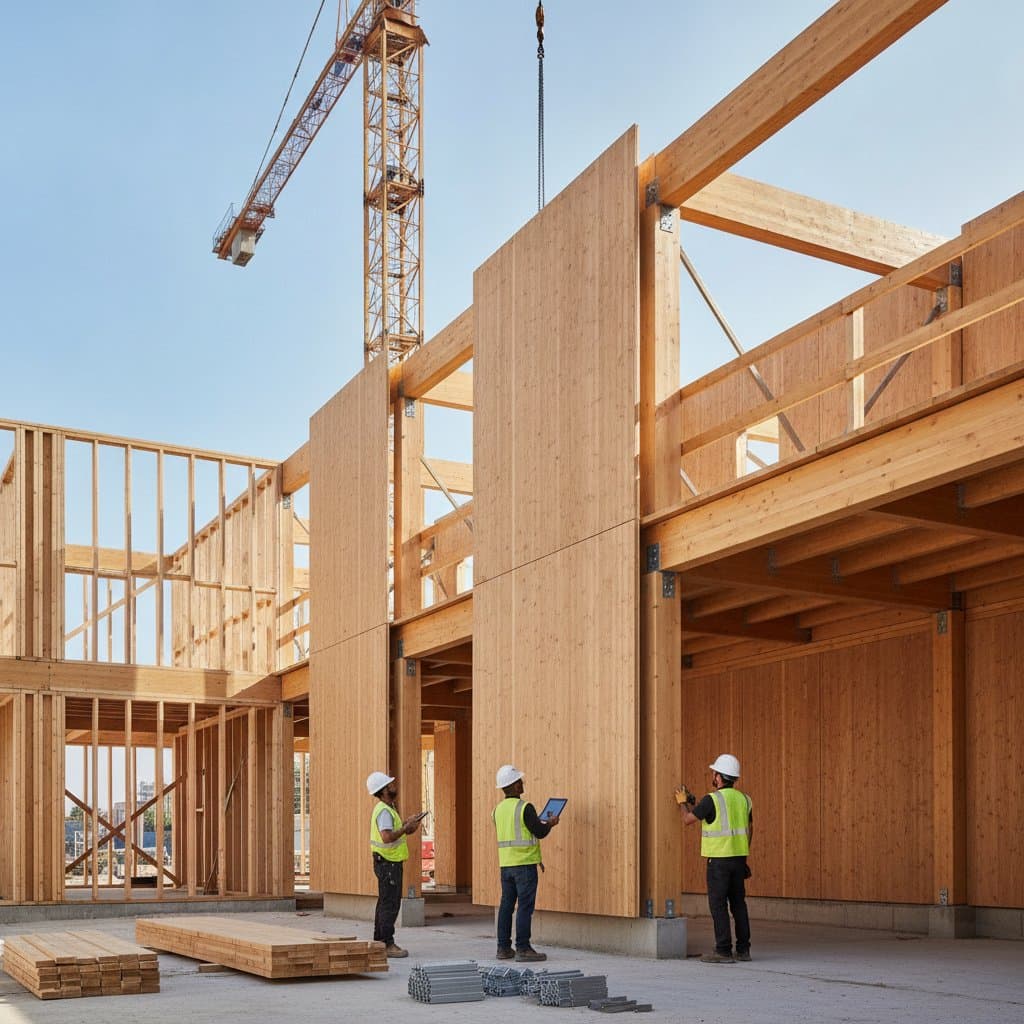
Labor constitutes 30 to 50 percent of total mass timber project expenses. Teams skilled in cross-laminated timber or glulam installation complete assembly quickly, which minimizes time-based costs like equipment rentals or site overhead.
Key Labor Cost Influences
- Prefabrication precision: Digital modeling limits waste but extends pre-construction coordination.
- Crew training: Experienced installers operate efficiently with minimal adjustments.
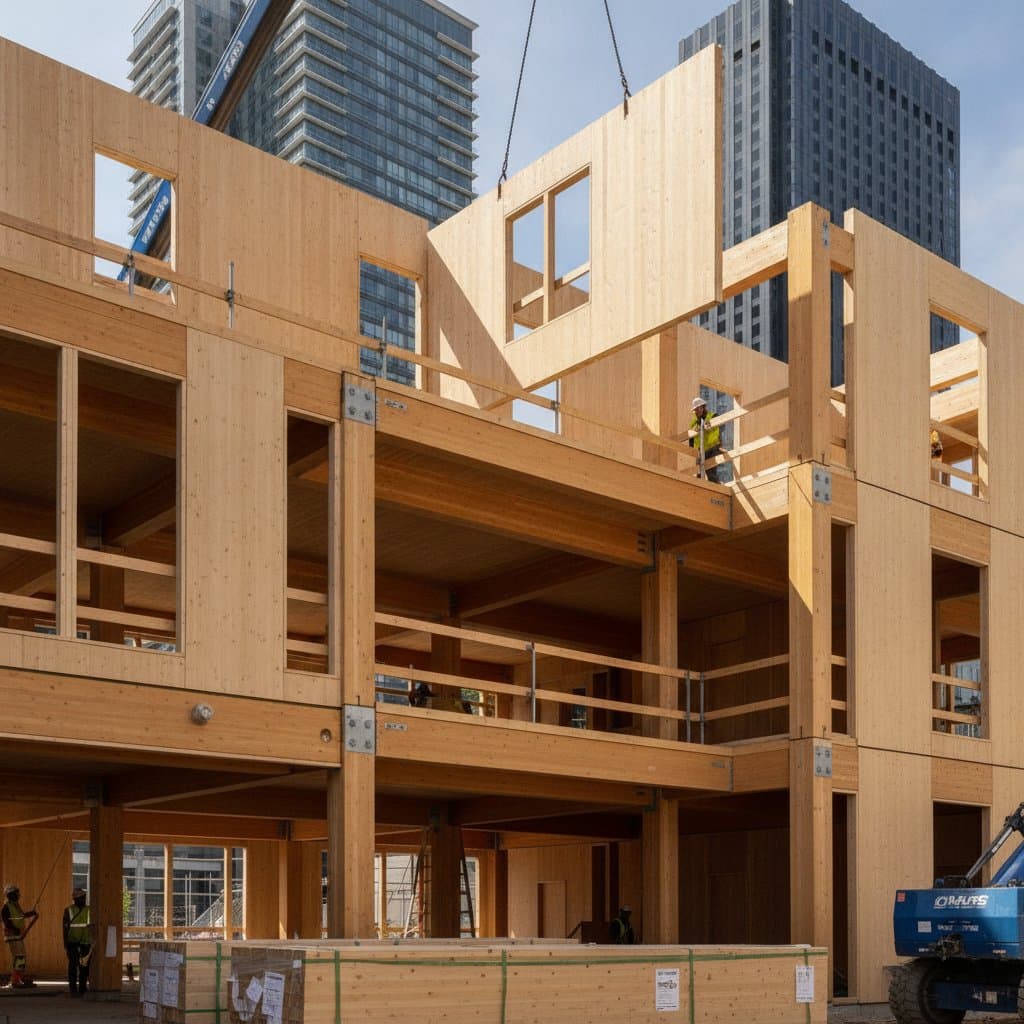
- Craning and logistics: Specialized equipment handles large panels, requiring detailed planning.
General contractors apply higher fees to initial timber projects due to limited familiarity, but rates decrease with accumulated expertise. Collaboration among architects, engineers, and builders from the outset controls these expenses effectively.
Additional Cost Factors
Permits and Inspections
Permitting expenses range from 1 to 3 percent of total construction value, varying by region. Local authorities often seek detailed records on structural performance, fire ratings, and environmental standards.
Standard permit elements include structural approvals for load capacity and seismic resistance; fire safety evaluations for height and occupancy limits; acoustic and vibration assessments for multi-unit or commercial spaces; and reviews of sustainability features like low-carbon materials. Projects in areas with little timber history face extended scrutiny. Code consultants engaged early expedite the approval process.
Material Availability
Manufacturing facilities for cross-laminated timber and glulam expand, but regional shortages affect prices and timelines. Imported panels incur $2 to $6 per square foot in shipping, based on distance and logistics. Local sourcing cuts costs and environmental impact.
Design Complexity
Custom shapes, exposed surfaces, or hybrid materials extend engineering efforts and coordination. Factors like structural modeling, moisture barriers, and joint designs influence budgets. Standard grids and uniform panels reduce fabrication demands.
Fire Protection and Finishes
Coatings, encapsulations, and sprinklers ensure code adherence, adding $5 to $15 per square foot depending on the building. Exposed timber often substitutes for drywall or ceilings, balancing some added costs.
DIY vs Hiring a Pro
Mass timber demands precise engineering and equipment, making full DIY impractical for most beyond minor structures.
When DIY May Work
- Cabins or sheds under 1,000 square feet with prefabricated panels.
- Simple post-and-beam glulam frames.
- Non-permitted personal projects without commercial codes.
When to Hire a Pro
Professionals handle multi-story or commercial builds requiring certification; integrations of mechanical, fire, and acoustic elements; and engineered connections or load tests. Experts guarantee integrity and compliance, avoiding expensive corrections. Limited DIY savings arise from manufacturing standards and oversight needs.
Ways to Save on Mass Timber Construction
Optimize Design Early
Efficiency starts with design: Select architects and engineers versed in mass timber to standardize panels and connections. Avoid custom cuts or irregular spans to cut production expenses.
Combine Materials Strategically
Hybrid approaches, such as concrete cores with timber floors, optimize cost and function. Limit timber to areas enhancing visuals or ecology.
Source Locally
Regional mills deliver competitive prices and prompt service. Reduced transport minimizes damage and fees.
Prefabricate for Efficiency
Factory work cuts waste and accelerates onsite progress. Initial investments yield savings in labor and timelines.
Reuse and Recycling
Repurpose offcuts for interiors or furnishings to limit waste. Supplier programs recycle unused panels for credits.
Return on Investment (ROI)
Mass timber structures yield 5 to 10 percent higher resale values from sustainability, aesthetics, and comfort. Lifecycle benefits include shorter builds, lighter foundations, and superior energy use.
Value Drivers
- Construction speed: Reduced timelines lower financing and enable quick occupancy.
- Energy savings: Insulation properties decrease operational demands.
- Market appeal: Natural finishes draw premium tenants.
- Environmental gains: Carbon storage aids green certifications and attractiveness.
Upfront expenses may surpass conventional methods, yet overall value recovers the difference promptly.
Cost Methodology
Data derives from national averages, trade estimates, and case studies across building categories. Figures cover materials, labor, design, and permits, excluding land or furnishings. Local labor and supply variations adjust pricing. Estimates reflect mid-market norms with standard finishes and moderate complexity.
FAQs
How much does a mass timber building cost per square foot?
Projects range from $250 to $600 per square foot, shaped by design, height, and materials.
Are mass timber buildings cheaper than concrete?
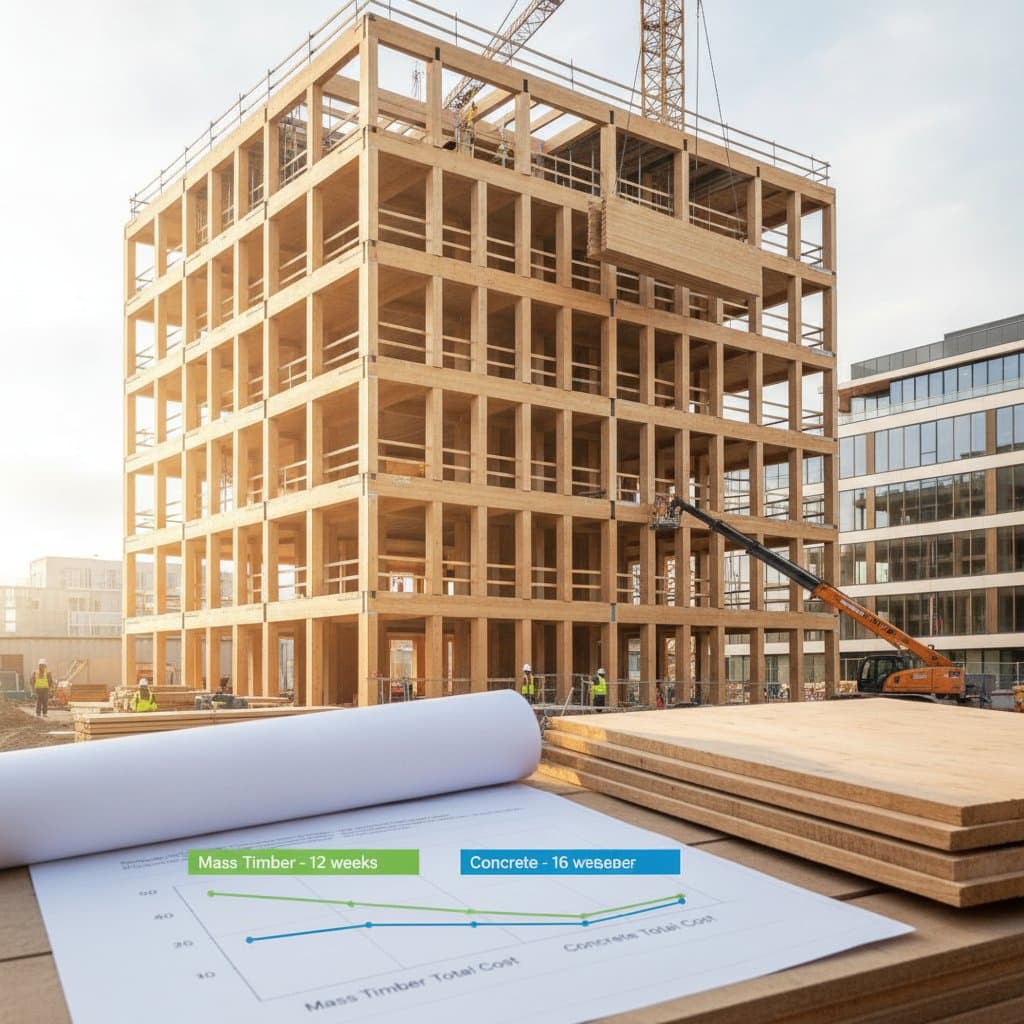
Comparisons show parity or advantages in labor and foundations, though unit material costs exceed those of concrete.
How long does construction take?
Prefabrication shortens timelines to 60 to 75 percent of concrete or steel equivalents.
Are there extra permits for mass timber?
Certain areas mandate added structural or fire documents, with processes standardizing over time.
How sustainable is mass timber?
Renewable sourcing and carbon sequestration lower impacts versus concrete or steel.
Can mass timber be used for high-rise buildings?
Hybrid designs support tall builds with appropriate fire and structural measures.
What maintenance does mass timber require?
Annual checks for moisture and coatings maintain strength and looks.
Is insurance more expensive?
Rates normalize with data growth, though they remain elevated in untested regions.
Ensuring Long-Term Performance
Post-construction care preserves mass timber's benefits. Seal elements against water, particularly at joints and exteriors. Regulate humidity via HVAC maintenance. Annual inspections of connections detect issues early.
Forward-thinking owners secure extended durability and stronger market positions. As expertise spreads, expenses even out and approvals accelerate. Mass timber delivers efficiency, accuracy, and eco-friendliness for commercial and residential needs alike.
Strategic investment in mass timber aligns properties with evolving standards and enduring worth. Thorough planning, teamwork, and budgeting yield projects that fulfill structural, visual, and ecological objectives seamlessly.