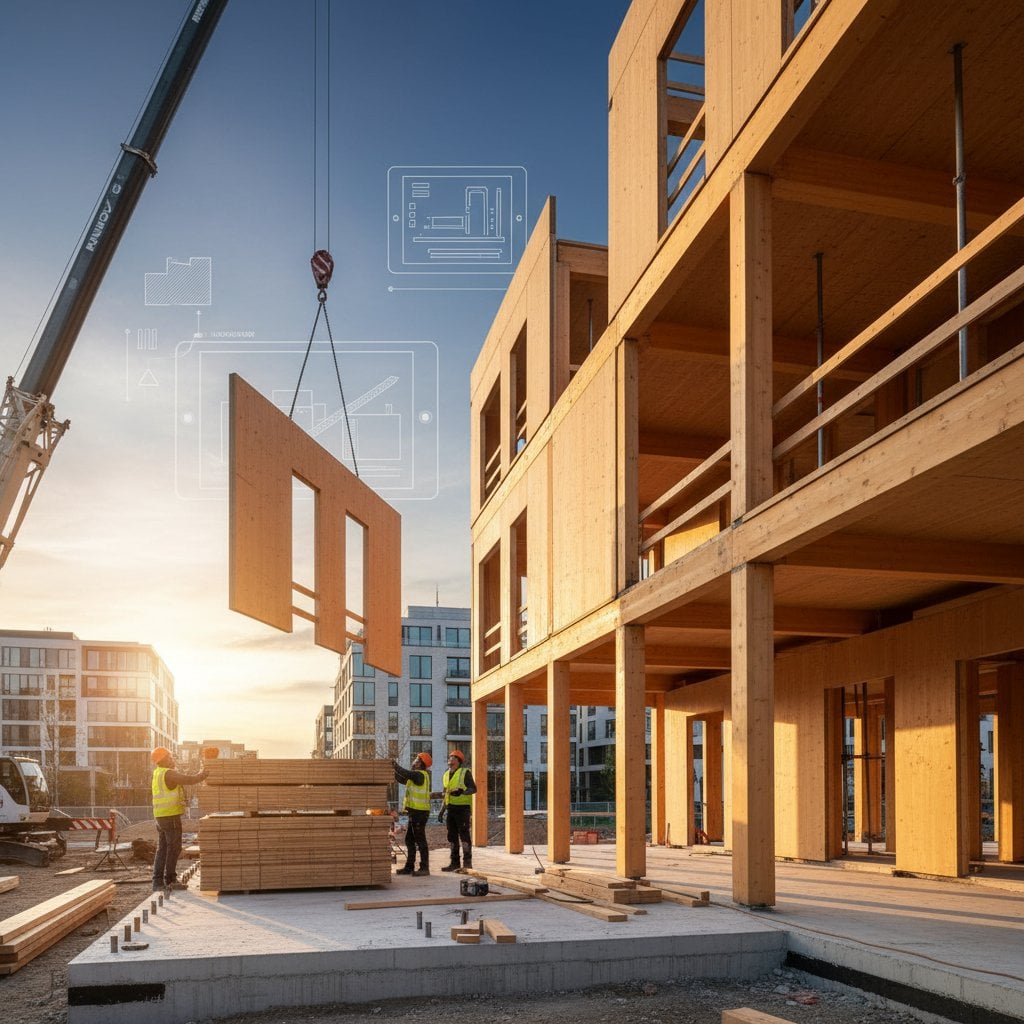
Is Mass Timber More Cost-Effective Than Traditional Framing?
Mass timber construction attracts interest for its robust structural capabilities, environmental benefits, and adaptable design possibilities. Builders and developers often question whether this approach can lower expenses relative to conventional steel or concrete frameworks. The outcome hinges on elements like labor productivity, material procurement strategies, and the scope of the project.
This analysis details the cost and value comparisons between mass timber and traditional methods. It highlights opportunities for financial gains and identifies potential compromises to inform decision-making.
Fundamentals of Mass Timber Construction
Mass timber relies on engineered wood components, such as panels and beams, constructed through layered and adhered assemblies to achieve superior strength. Prominent variants include:
- Cross-Laminated Timber (CLT): Composed of lumber boards stacked and adhesively joined with fibers oriented perpendicularly across layers, providing exceptional rigidity and load-bearing capacity.
- Glue-Laminated Timber (Glulam): Formed by bonding multiple wood laminates under pressure, resulting in curved or straight beams and columns suitable for expansive spans.
- Nail-Laminated Timber (NLT): Assembled by nailing or screwing solid lumber boards edge-to-edge, yielding panels ideal for floor and wall systems with straightforward fabrication.
These techniques produce assemblies that rival the performance of steel or concrete in supporting substantial weights. They excel in construction speed, dimensional accuracy, and reduced ecological impact, making them viable for residential, commercial, and mid-rise applications.
Cost Breakdown: Materials Versus Labor
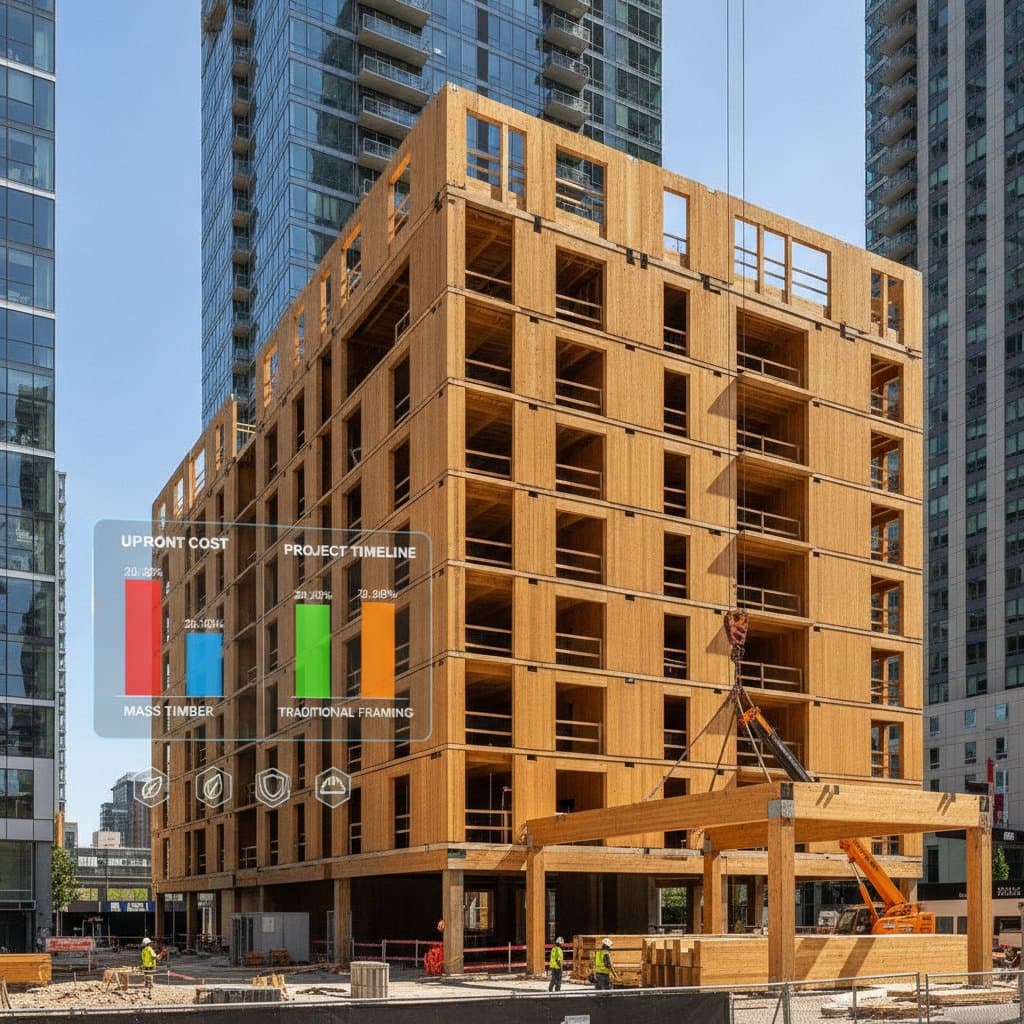
Initial evaluations might suggest that mass timber components carry a premium price per unit compared to basic lumber, steel, or concrete. For instance, CLT panels often command higher rates owing to intricate production processes and logistics. However, a comprehensive assessment reveals that material expenses represent just one facet of the equation.
Key areas where mass timber generates savings:
-
Accelerated Build Schedules
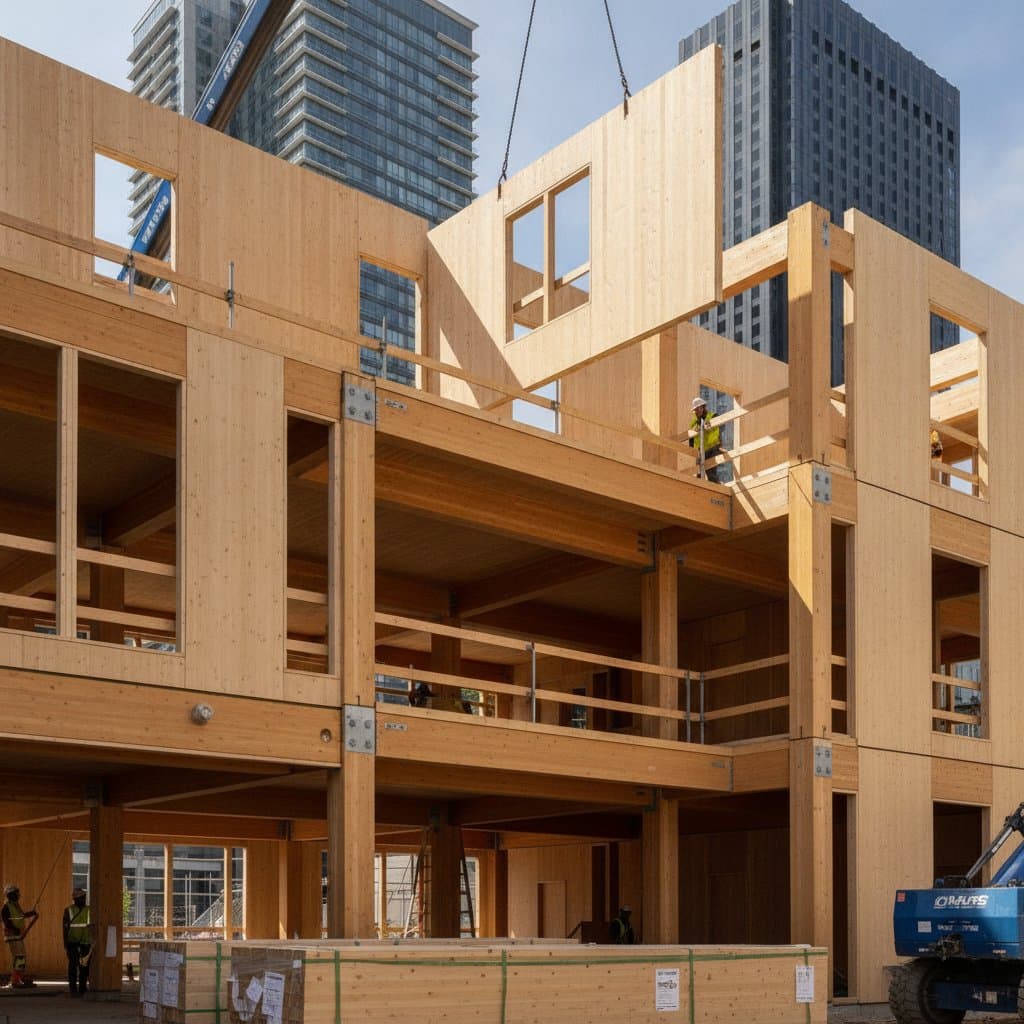
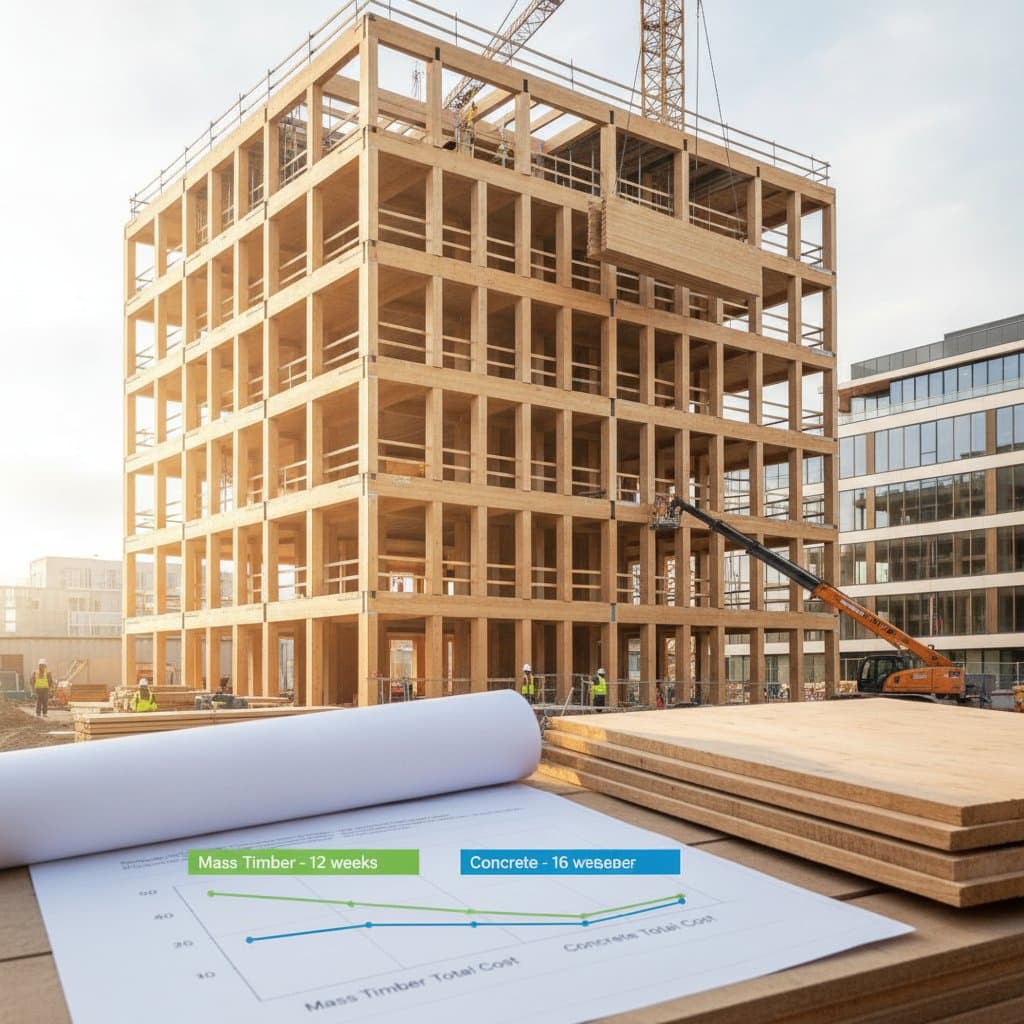
Prefabricated elements ship to the site in modular form, enabling teams to erect floors, walls, and roofs with minimal on-site preparation. This efficiency can compress timelines by 20 to 30 percent in many projects, thereby curtailing labor hours and associated overhead. -
Diminished Foundation Demands
The reduced weight of timber structures—typically 50 to 70 percent lighter than equivalent concrete or steel—permits shallower footings and less extensive groundwork. Such adjustments cut expenditures on earthmoving, concrete pouring, and steel reinforcement by optimizing soil utilization and structural engineering. -
Streamlined On-Site Assembly
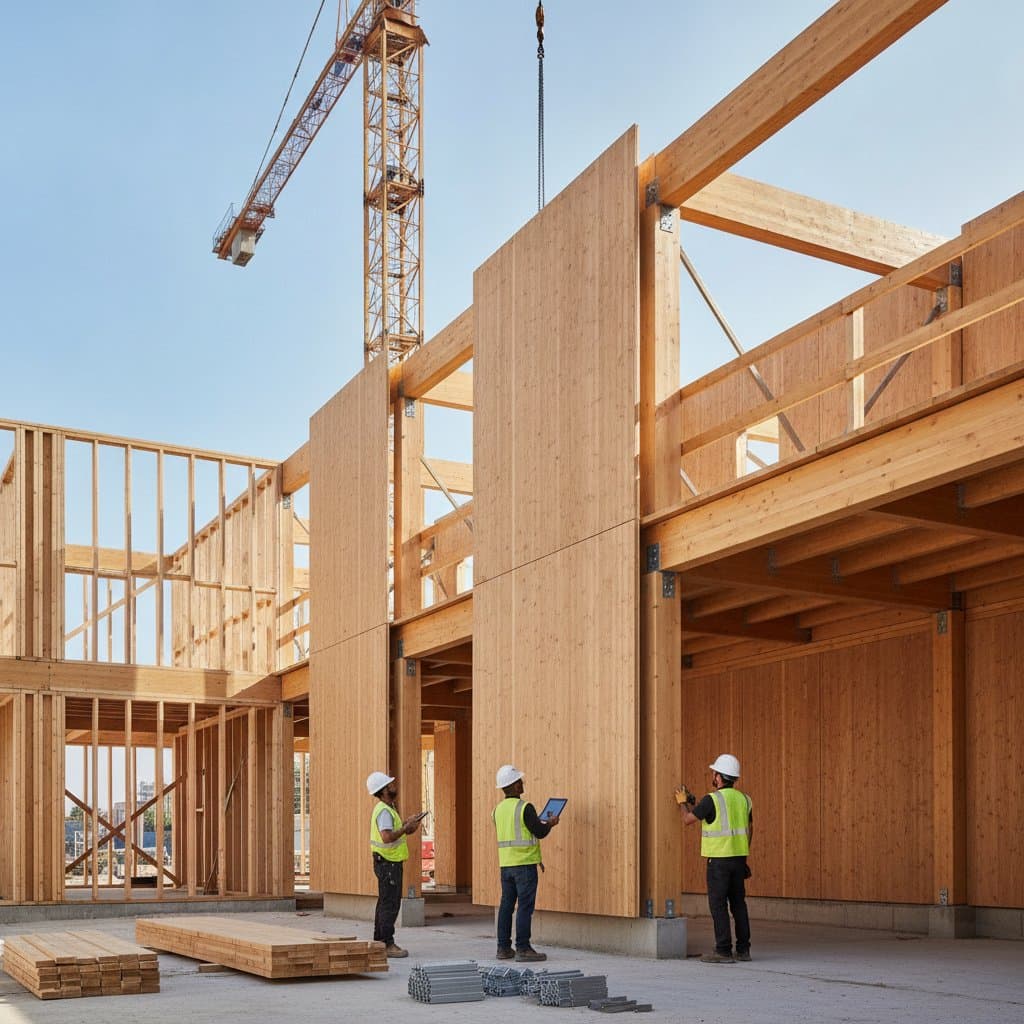
Factory-controlled precision ensures components interlock seamlessly, limiting the need for custom adjustments or error corrections. This precision reduces material waste to under 5 percent in optimized workflows and accelerates installation phases. -
Minimized Site Impacts
Requirements for heavy machinery decrease, along with noise levels and debris generation. In dense urban settings or near active facilities, these factors lower logistical costs, permit fees, and disruption-related delays.
Scenarios Where Expenses Escalate
Certain conditions can elevate the overall budget for mass timber projects. Long-haul shipping from production hubs increases freight costs, particularly in regions distant from manufacturing centers like the Pacific Northwest or Europe. Limited local suppliers may necessitate imports, compounding expenses.
Additionally, projects demanding certified installers or advanced fireproofing treatments incur extra training and compliance fees. Regulatory hurdles, such as enhanced seismic or acoustic certifications, can inflate engineering budgets by 10 to 15 percent.
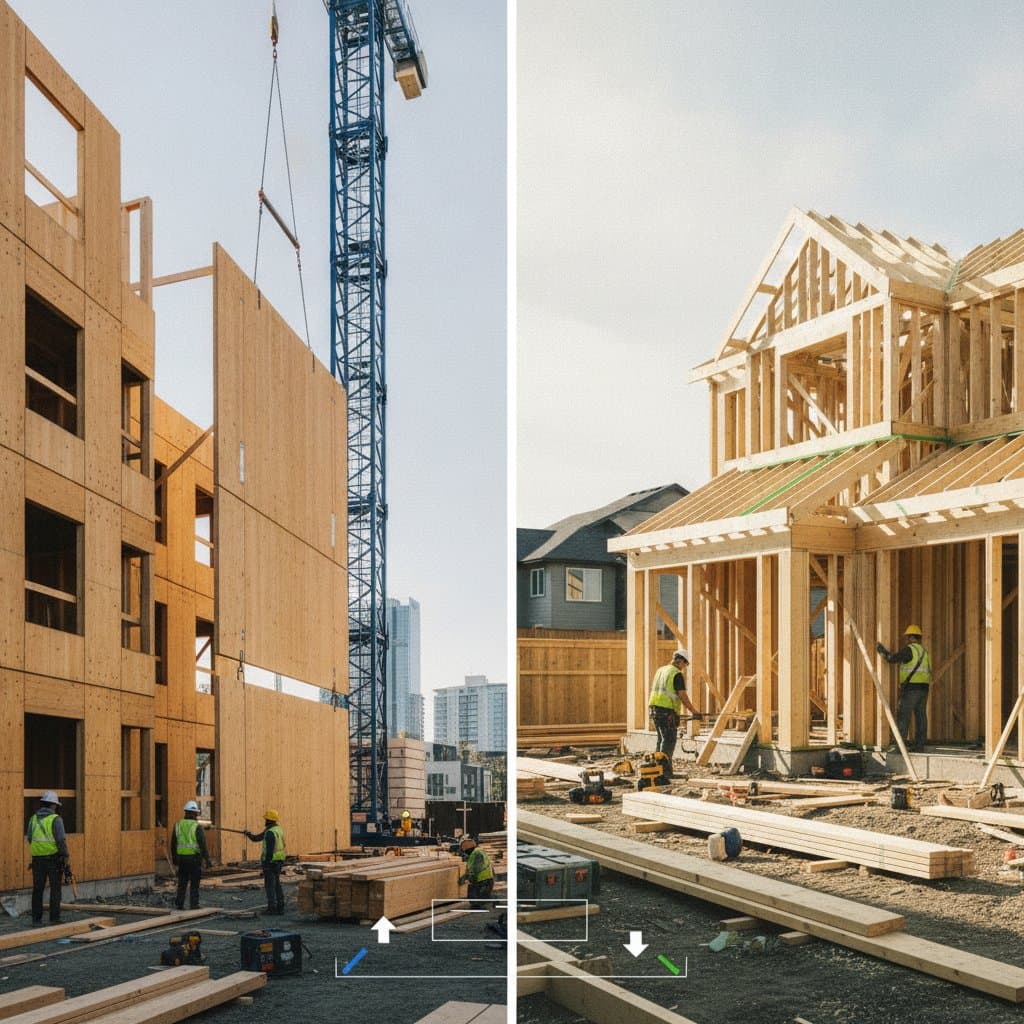
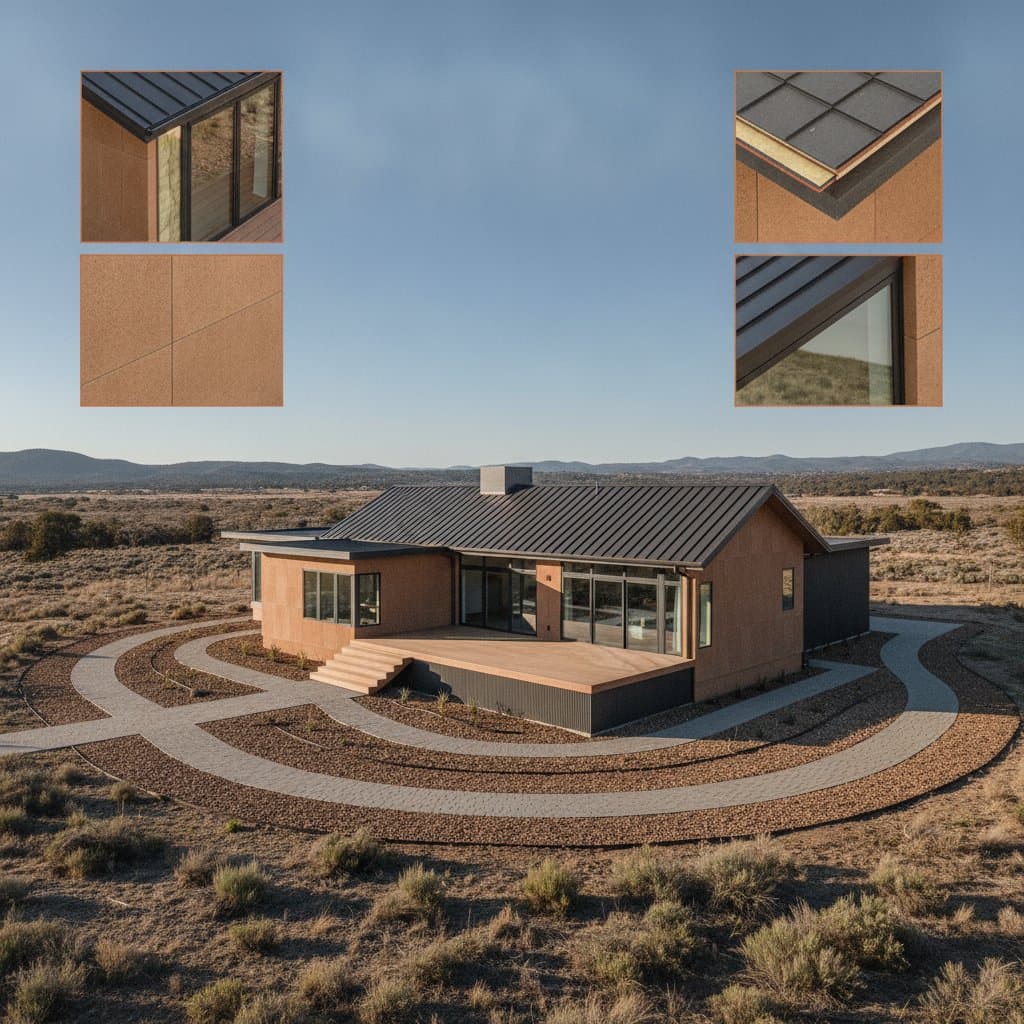
Small-scale endeavors, like single-family homes, frequently favor traditional framing due to economies of scale. Mass timber shines in mid- to high-rise developments, where prefabrication efficiencies yield substantial returns on investment.
Enduring Benefits and Sustainability Advantages
Mass timber extends value well beyond initial outlays, enhancing long-term project viability:
- Superior Thermal Performance: The inherent insulation of wood lowers heating and cooling demands, potentially reducing energy costs by 15 to 25 percent over the building's lifespan.
- Carbon Sequestration: Each cubic meter of timber stores approximately one ton of CO2, offsetting emissions from production and contributing to net-zero goals.
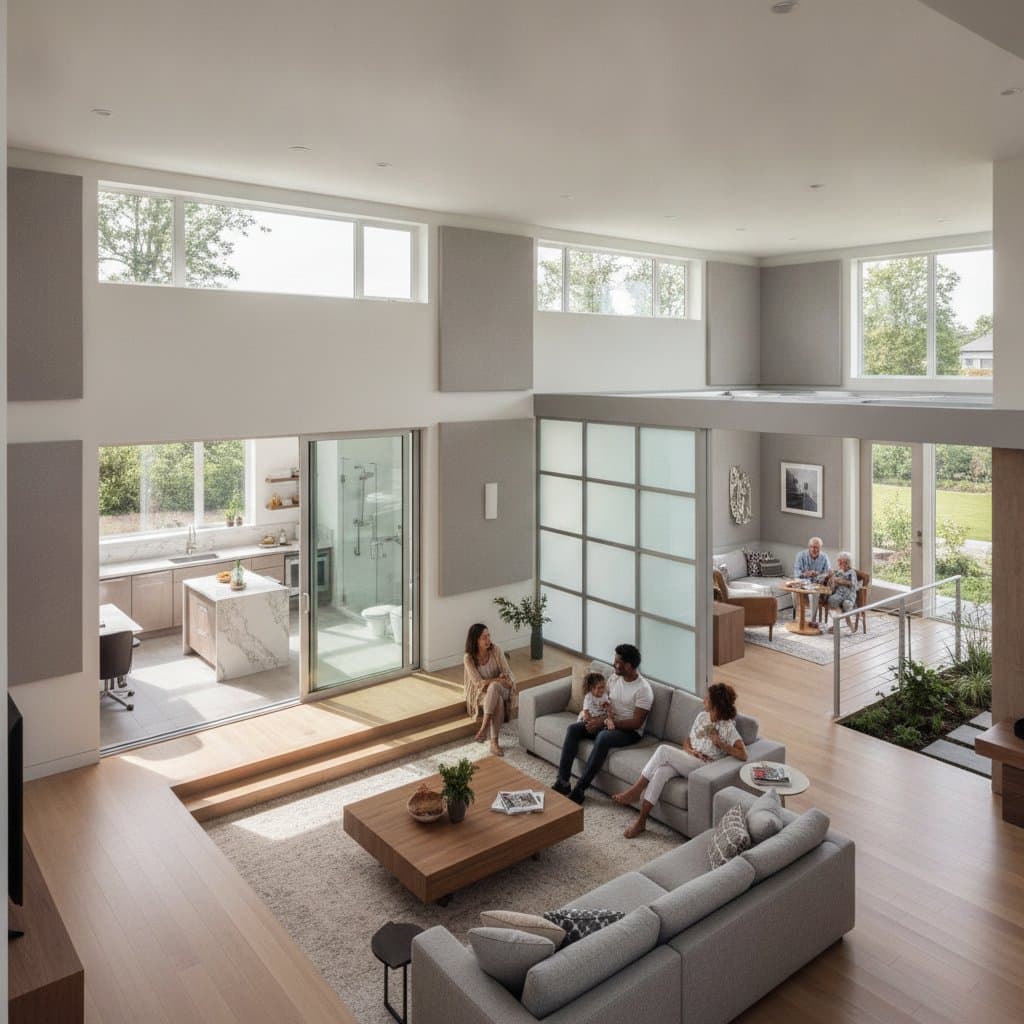
- Enhanced User Experience: Natural wood finishes foster biophilic design elements, boosting productivity and well-being while commanding premium rental or sale values in eco-conscious markets.
Proper detailing, including moisture barriers and coatings, aligns maintenance needs with those of steel or concrete, ensuring durability without disproportionate upkeep.
Assessing Suitability for Your Project
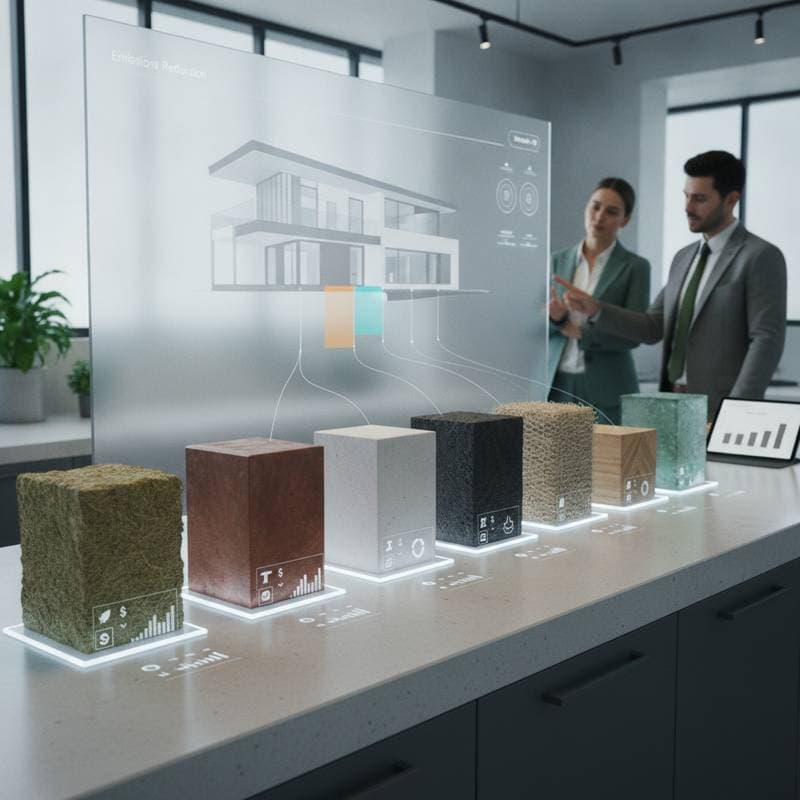
To gauge cost implications, conduct a holistic economic analysis that incorporates labor projections, timelines, and lifecycle expenses rather than isolating material bids. Engage multidisciplinary teams early to model scenarios using tools like value engineering assessments.
Hybrid configurations, such as integrating CLT slabs with steel bracing, allow customization for height restrictions or load variances. These blends optimize performance while distributing costs across familiar and innovative elements.
Implementing Mass Timber Strategically
Embark on a detailed feasibility review with architects and contractors to pinpoint sourcing efficiencies and logistical pathways. Factor in regional incentives, such as tax credits for sustainable materials, to amplify returns.
As production scales globally, mass timber's accessibility improves, bridging gaps with traditional options. Through meticulous design and reliable collaboration, projects realize fiscal prudence alongside ecological stewardship, positioning mass timber as a forward-thinking choice in evolving construction landscapes.