2026 Mass Timber: Costs, Codes, and Sustainability Advantages
Quick Cost Overview
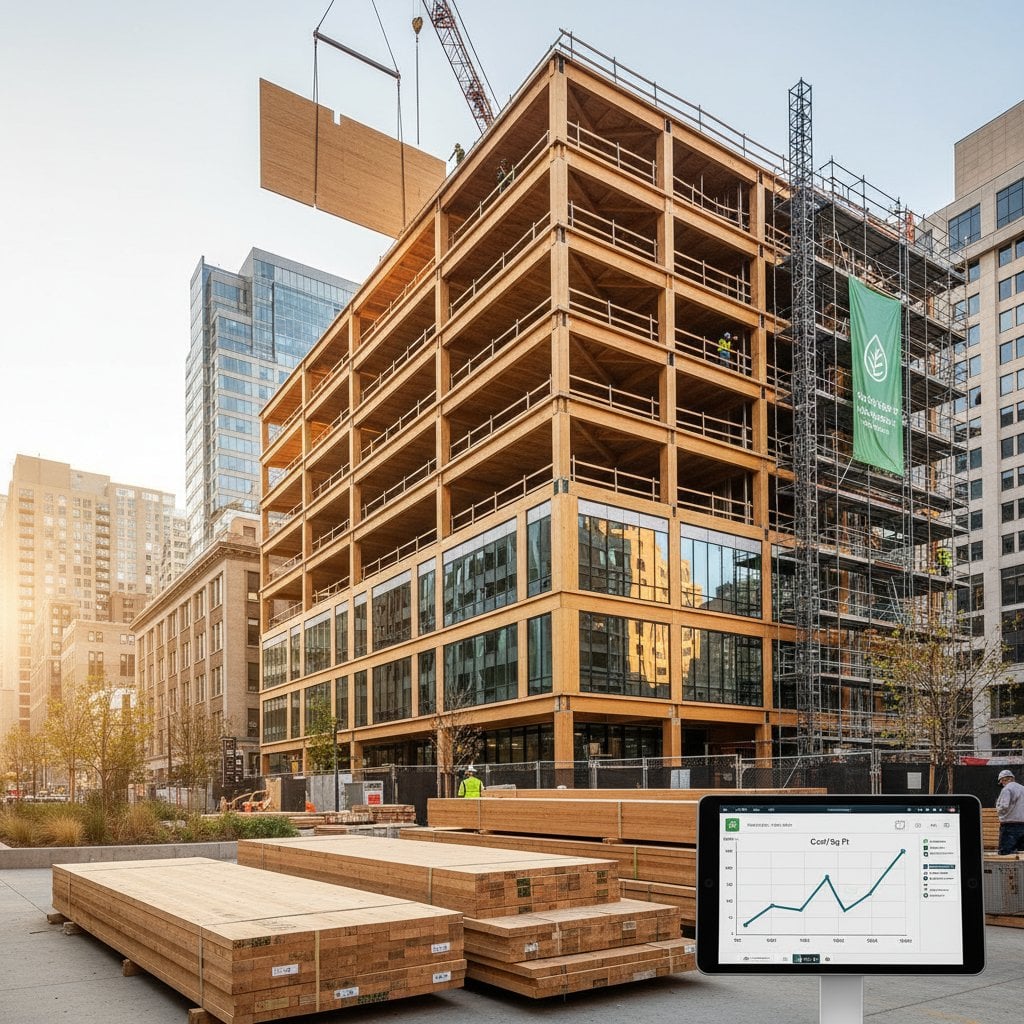
Mass timber construction expenses range from $250 to $600 per square foot, influenced by project scale and design intricacies. For mid-rise commercial or multifamily structures, the average cost approximates $400 per square foot. Key factors include material choices, structural configurations, and regional labor rates.
Essential Insights
- Material expenses for cross-laminated timber (CLT) panels comprise 25 to 40 percent of overall project budgets.
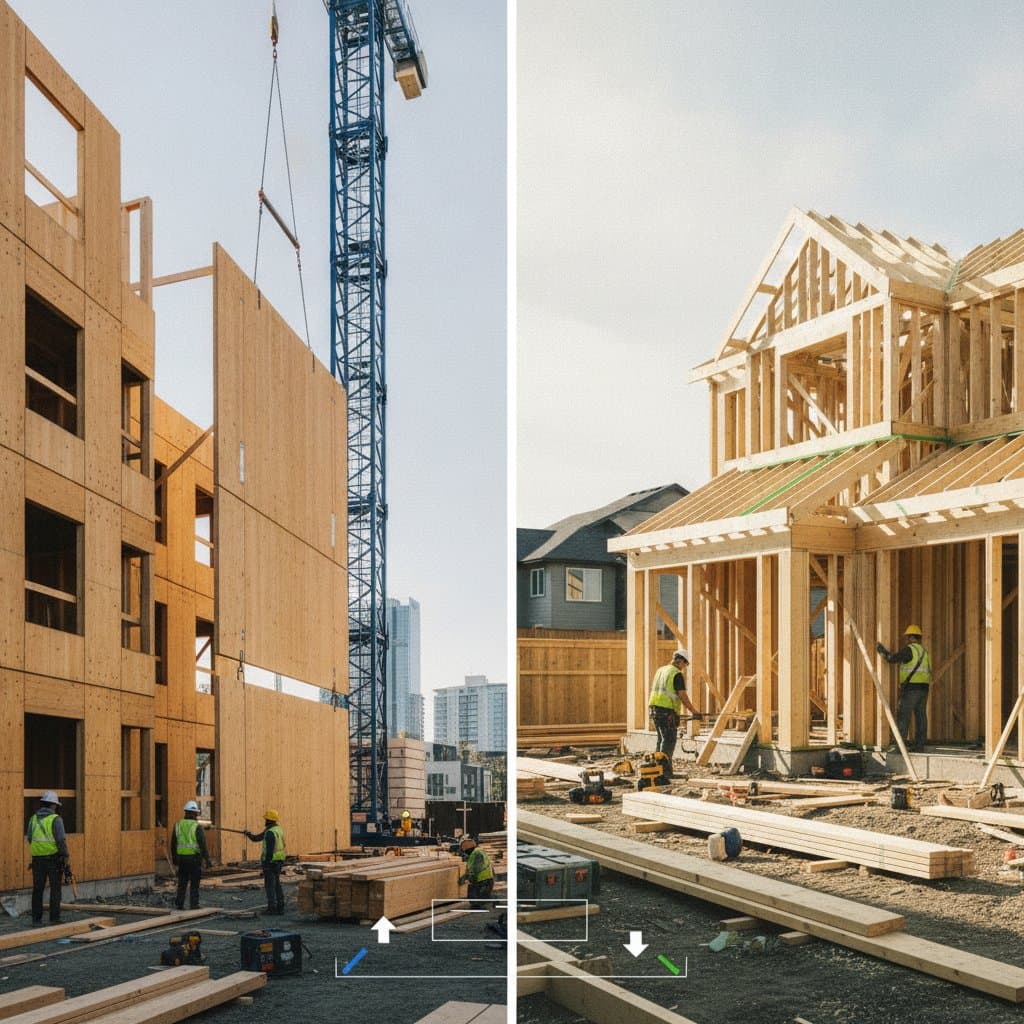
- Labor efficiency achieves 20 to 35 percent faster framing compared to steel or concrete methods.
- Building code expansions permit taller wood structures and simplify approvals in numerous regions.
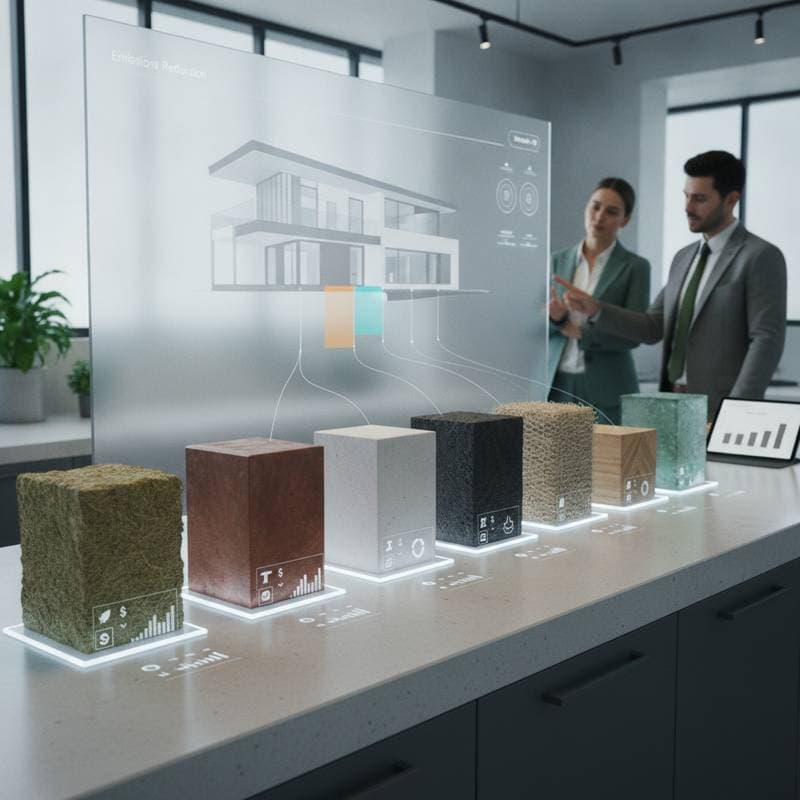
- Sustainability advantages encompass reduced embodied carbon emissions and accelerated on-site assembly.
- Lumber market fluctuations can substantially elevate or diminish total project expenses.
Costs by Project Size and Type
For smaller commercial buildings, such as offices below 20,000 square feet, costs typically span $275 to $350 per square foot. Mid-rise mixed-use developments range from $350 to $500 per square foot. Large-scale institutional or high-rise projects may surpass $600 per square foot when incorporating advanced engineering, fire protection measures, and acoustic enhancements.
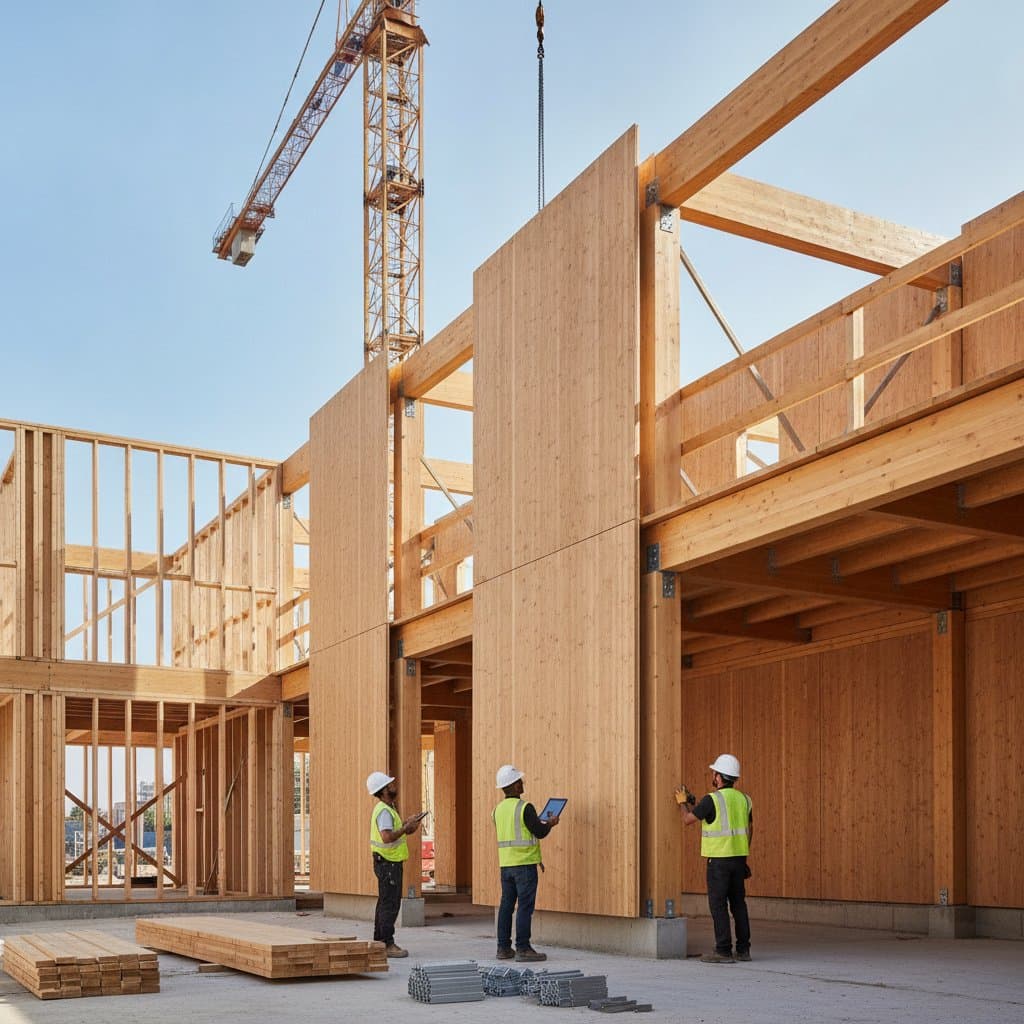
Custom residential constructions employing CLT or glulam framing begin around $300 per square foot, with premium designs exceeding $450 per square foot. Prefabricated panels enhance efficiency by minimizing on-site labor, although transportation and crane operations may counteract certain economies.
Contractor Expenses and Labor Considerations
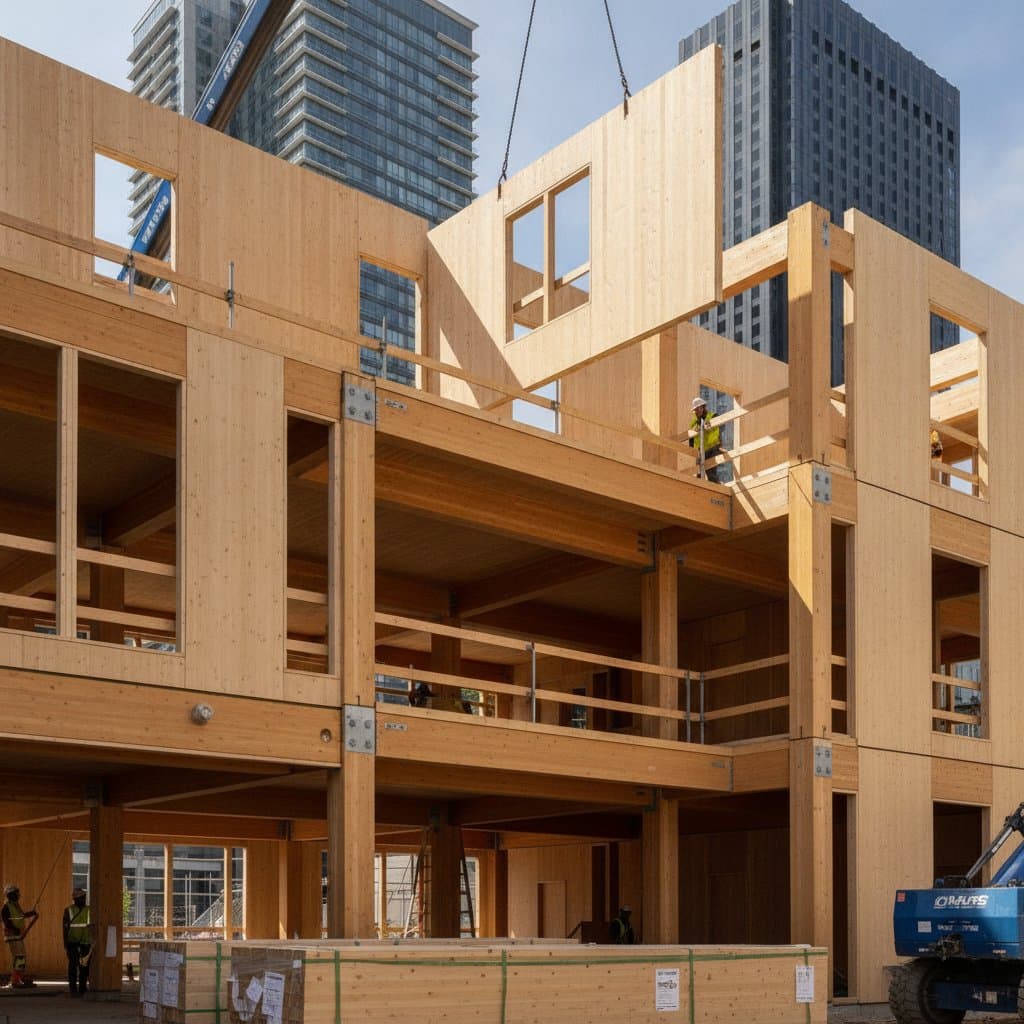
Engaging a seasoned mass timber contractor minimizes assembly errors and delivers substantial value. Labor typically accounts for 20 to 30 percent of total expenditures. Teams proficient in prefabricated wood panels execute erection more rapidly than conventional framing, thereby reducing time and equipment rental costs. Effective collaboration among fabricators, engineers, and installers maintains cost predictability.
Influential Cost Variables
Multiple elements shape ultimate pricing:
- Design complexity: Curved or non-standard shapes escalate cutting and joint fabrication expenses.
- Fire protection: Exposed timber necessitates supplementary coatings or encasements.
- Permitting and inspections: Certain jurisdictions require enhanced documentation for innovative timber applications.
- Transportation: Extended delivery distances inflate shipping fees.
- Moisture control: Provisional enclosures or regulated storage prove necessary during construction phases.
Strategies for Cost Reduction
- Adopt uniform panel dimensions to curtail bespoke manufacturing.
- Employ straightforward structural grids to limit material waste.
- Integrate mechanical and electrical pathways during initial panel design stages.
- Partner with regional suppliers to diminish transportation expenditures.
- Evaluate hybrid configurations blending timber with steel or concrete to achieve balanced economics.
Implementing these approaches can decrease overall project costs by 5 to 15 percent while preserving structural integrity.
Investment Returns
Mass timber edifices frequently command premium rents and expedite occupancy thanks to their inherent aesthetics and eco-friendly profiles. Enhanced thermal efficiency yields ongoing energy cost reductions, bolstering long-term returns. Lighter structural loads also lessen foundation requirements, and pursuing green certifications elevates property valuations.
Professional Installation Versus Self-Build
Self-directed application of CLT or glulam suits minor outbuildings or non-structural interiors exclusively. Full-scale mass timber projects demand meticulous engineering, substantial lifting machinery, and rigorous fire safety protocols. Professional involvement guarantees adherence to local regulations and adequate moisture safeguards during assembly. Although initial self-build costs appear lower, potential rework or inspection failures often negate such advantages.
Estimation Methodology
These projections draw from established construction cost repositories, nationwide bidding data, and industry contractor feedback. Values mirror prevailing market dynamics and encompass materials, labor, and overhead, excluding site acquisition or architectural services.
Frequently Asked Questions
How long does mass timber construction require?
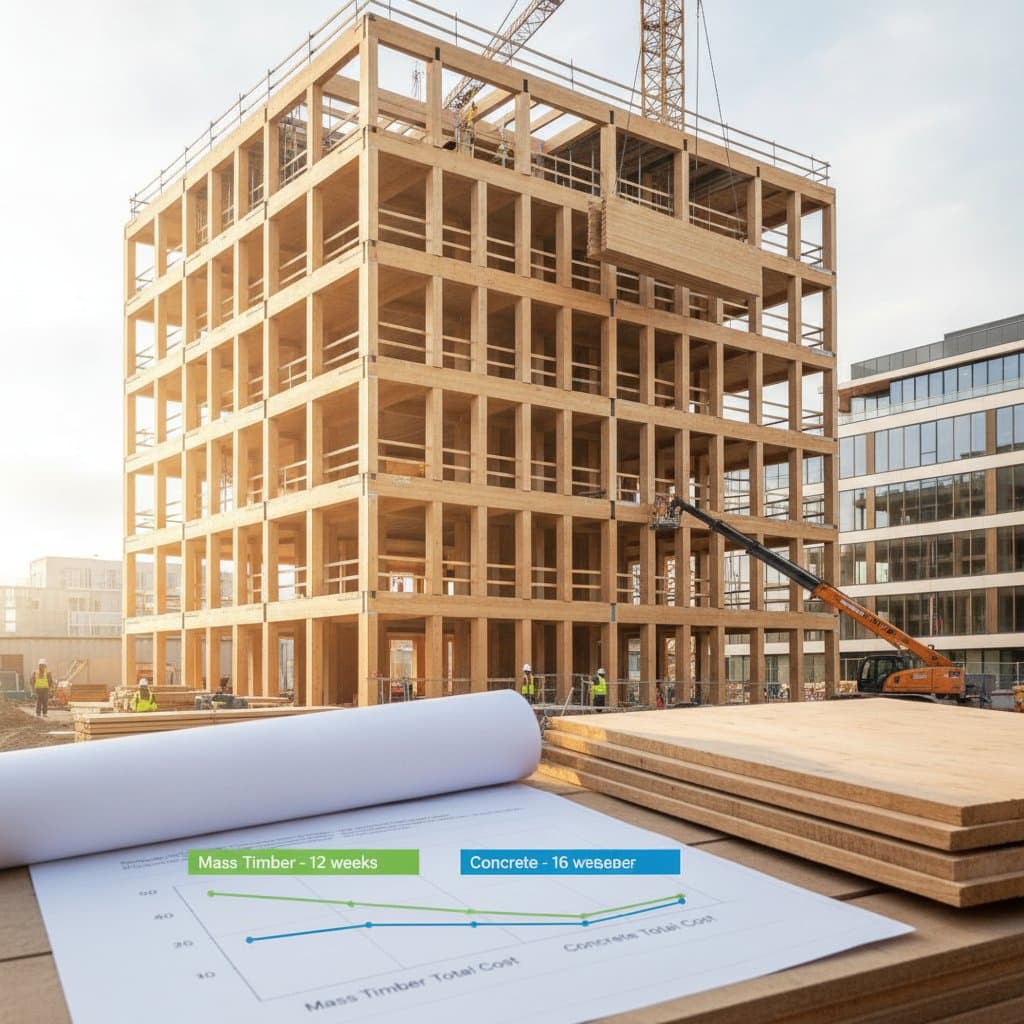
Prefabrication compresses timelines by multiple weeks relative to concrete alternatives.
Does mass timber exceed steel in expense?
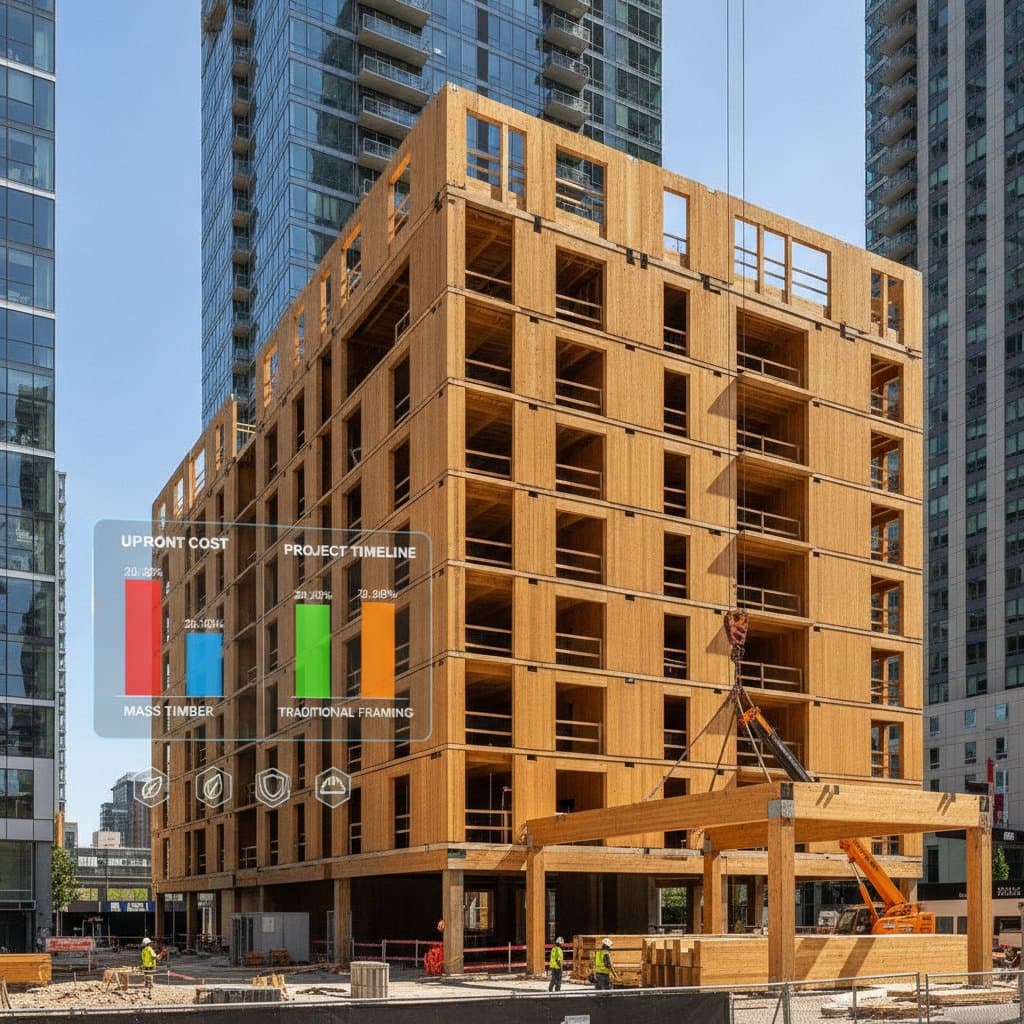
Initial material prices surpass those of steel, yet expedited assembly and reduced foundation needs frequently offset the difference.
Do building codes authorize elevated timber structures?
Affirmative. Numerous locales now endorse wood constructions beyond conventional height thresholds, provided fire-rated configurations comply.
Is mass timber recyclable or reusable?
Panels facilitate disassembly and repurposing when maintained appropriately throughout their service life.
Preserving Structural Longevity
Routine upkeep prolongs the durability of mass timber constructions. Shield structural components from moisture via regular examinations of seals and exterior finishes. Renew protective treatments as required. Through vigilant maintenance and consideration of exposure conditions, these buildings sustain efficiency, resilience, and aesthetic appeal across decades.