Introduction to Mass Timber and Steel in Modern Construction
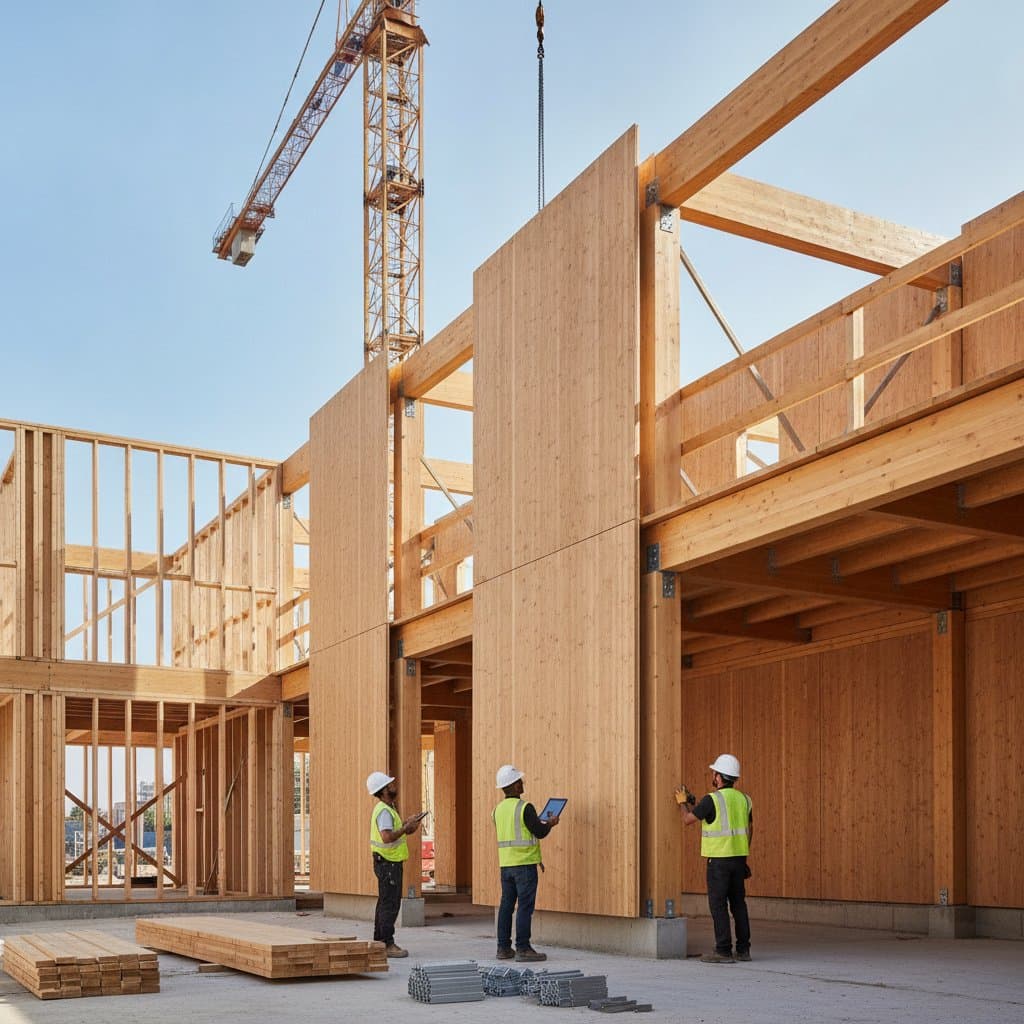
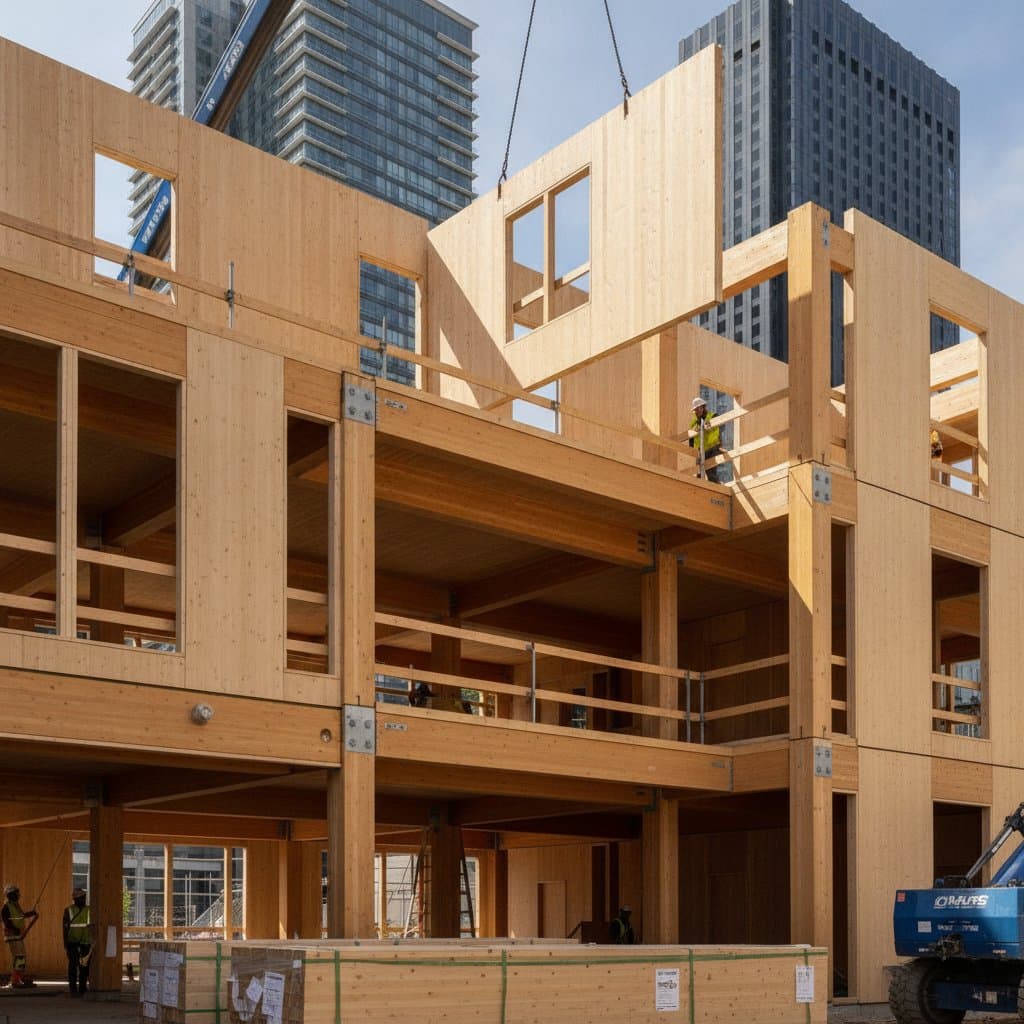
Mass timber represents a innovative approach to building that utilizes large, engineered wood panels and beams. This material gains popularity for its sustainability and structural strength in mid-rise and high-rise projects. Steel, a longstanding choice, offers durability and flexibility but often incurs higher costs in fabrication and erection.
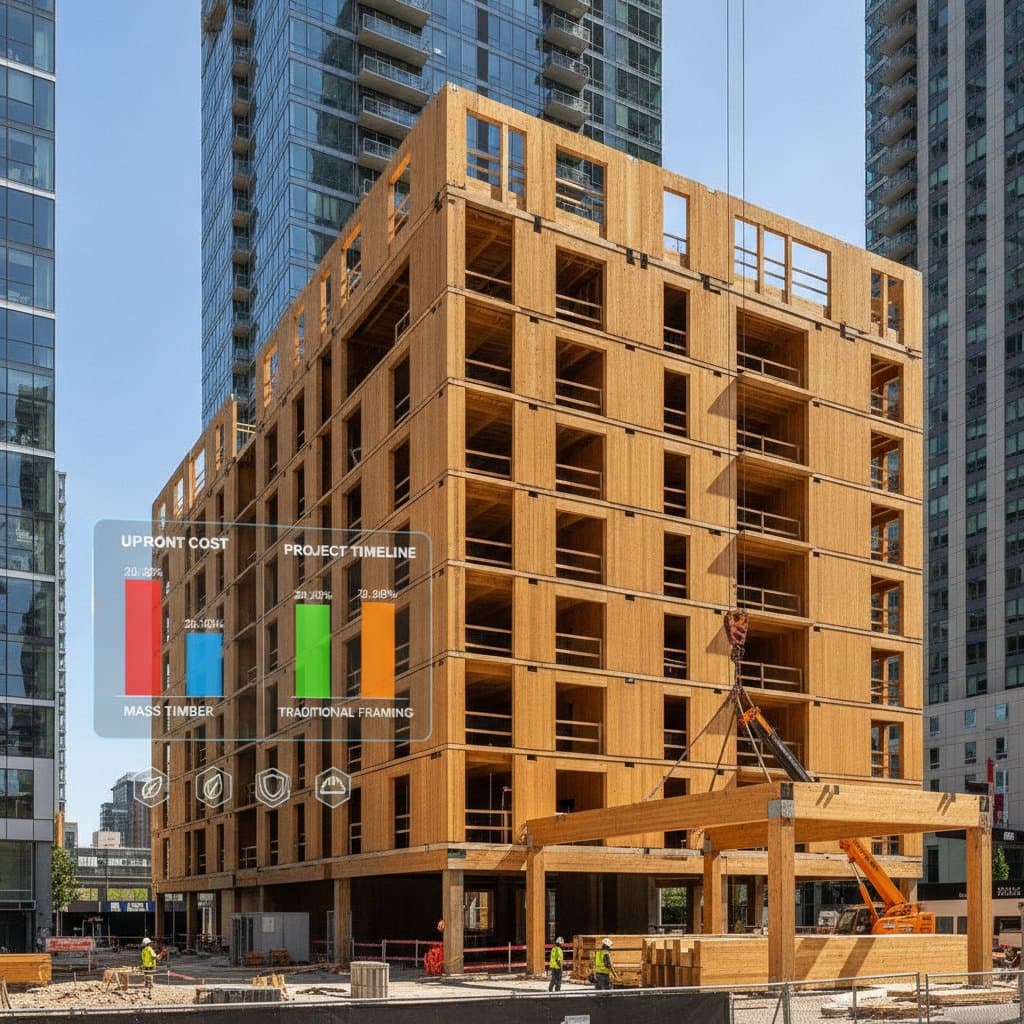
When comparing these materials, builders must examine beyond surface-level prices. Factors such as installation speed, weight impacts on foundations, and lifecycle expenses reveal the true economic picture. Mass timber frequently delivers advantages in these areas, leading to overall savings that enhance project viability.
Cost Comparison: Upfront and Long-Term Factors
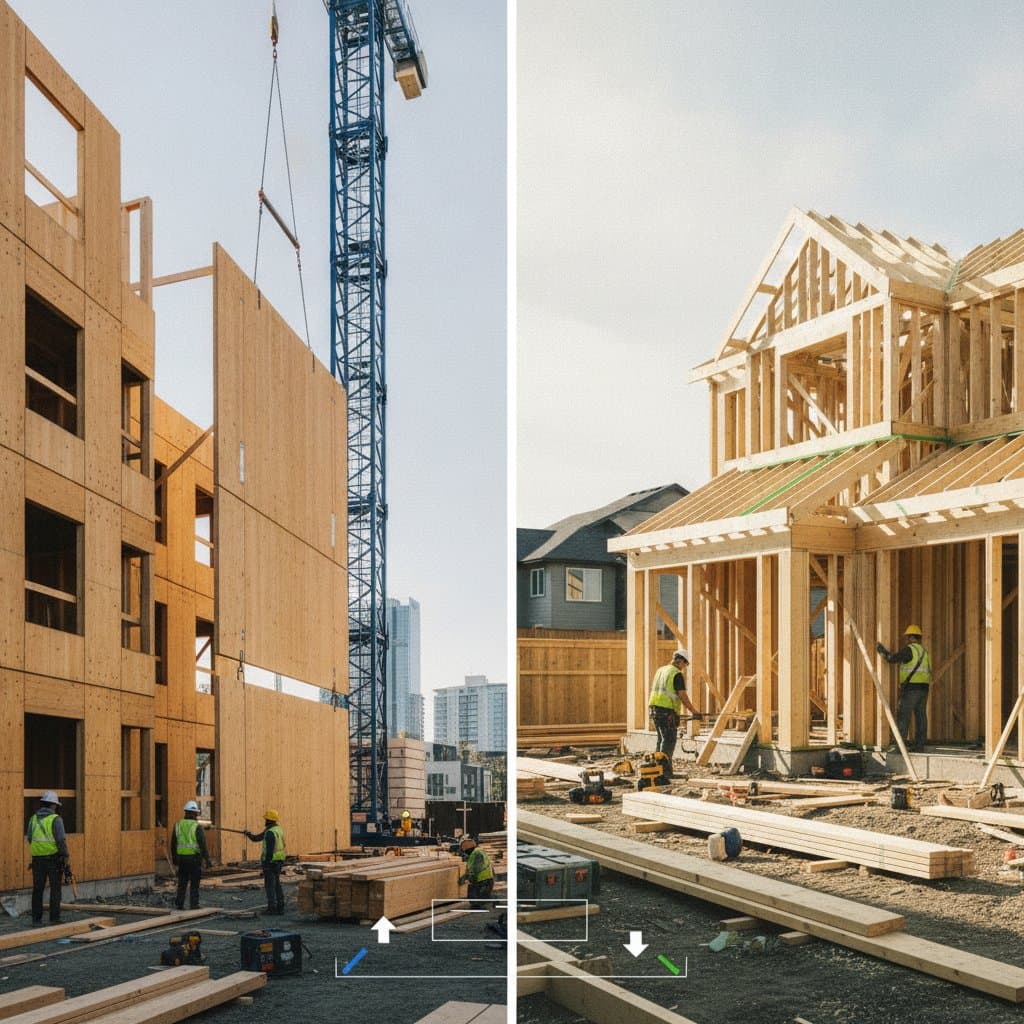
Initial material costs for mass timber and steel tend to converge, depending on project scale and location. Mass timber requires investment in prefabricated components, while steel demands extensive welding and bolting on site. Builders report that timber's modular nature reduces on-site labor by up to 30 percent compared to steel frameworks.
Long-term savings with mass timber stem from its thermal properties, which lower heating and cooling demands in completed buildings. Steel structures often necessitate additional insulation to mitigate heat loss. Furthermore, timber's lighter weight decreases foundation requirements, potentially cutting concrete usage by 20 percent or more in suitable designs.
Environmental credits also factor into economics. Many regions offer incentives for low-carbon materials like mass timber, offsetting initial outlays. Steel production, reliant on energy-intensive processes, rarely qualifies for such benefits, increasing its embedded costs over time.
- Labor Efficiency: Mass timber assembles like large-scale Legos, enabling crews to erect floors in days rather than weeks for steel.
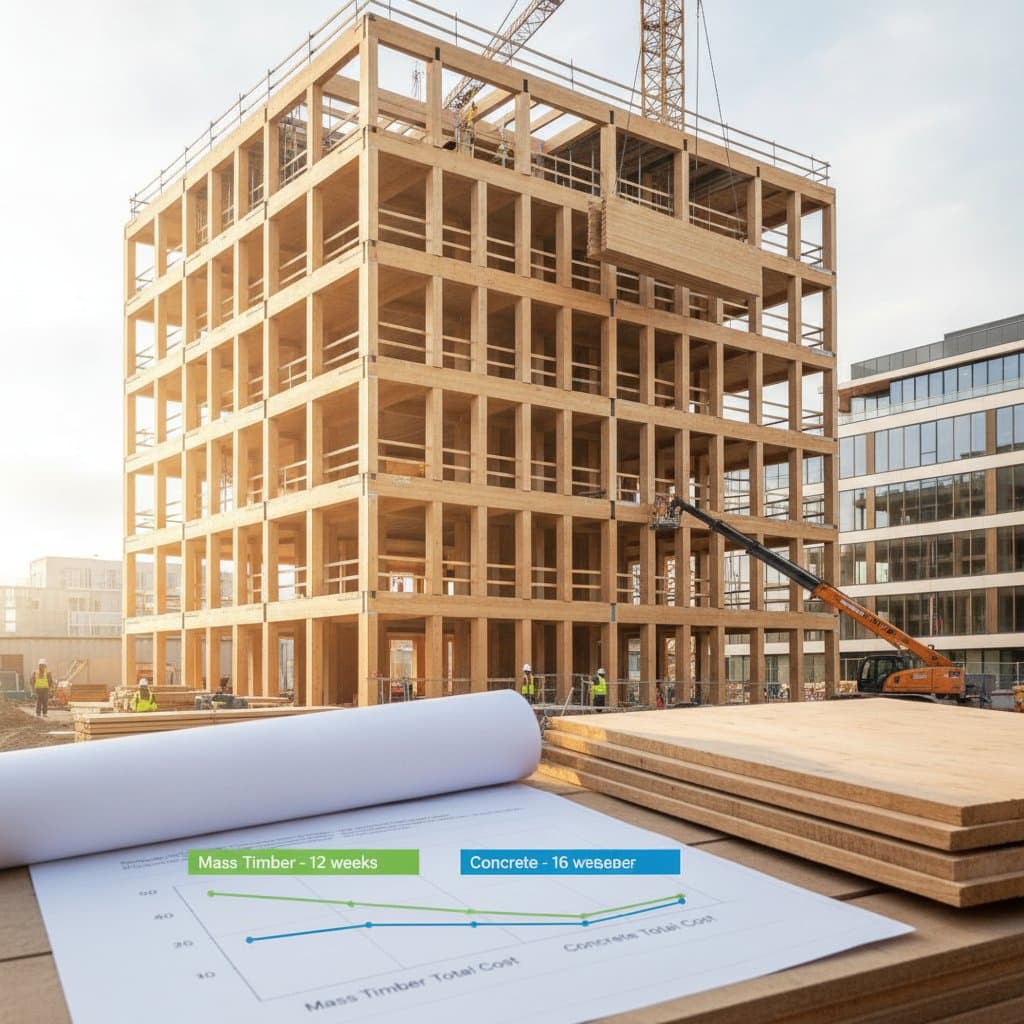
- Schedule Acceleration: Shorter construction periods minimize financing costs and allow earlier occupancy, generating revenue sooner.
- Maintenance Reduction: Timber's natural resistance to pests, when properly treated, contrasts with steel's vulnerability to corrosion in humid climates.
Navigating Building Codes and Permitting
Regulatory landscapes influence the adoption of mass timber significantly. In areas with established codes for wood construction, such as parts of North America and Europe, permitting processes streamline and expenses drop. Local authorities familiar with timber's performance issue approvals within weeks, avoiding the delays common in steel projects requiring specialized reviews.
Builders encounter challenges in regions slow to update standards. For instance, height restrictions on wood buildings persist in some jurisdictions, limiting mass timber to lower stories. Engaging early with code officials and providing engineering data can expedite compliance and reduce consultant fees.
As international bodies revise guidelines, mass timber gains broader acceptance. Projects demonstrating fire safety and seismic resilience through testing accelerate policy shifts. Owners benefit from these evolutions by accessing faster paths to construction starts.
Practical Considerations for Builders and Owners
Evaluating mass timber demands a strategic approach to maximize its advantages over steel. Begin by assembling a team versed in wood engineering from the project's inception. This integration prevents costly redesigns and ensures structural harmony.
Focus on supply chain logistics to control expenses. Sourcing timber from certified forests not only aligns with sustainability goals but also stabilizes pricing against steel's market volatility. Local mills reduce transport emissions and delivery times, further enhancing cost predictability.
Address environmental controls during erection. Enclose construction sites with protective sheeting to shield timber from rain, preserving material integrity and avoiding replacement costs. Steel, less sensitive to moisture, still requires rust prevention measures that add to budgets.
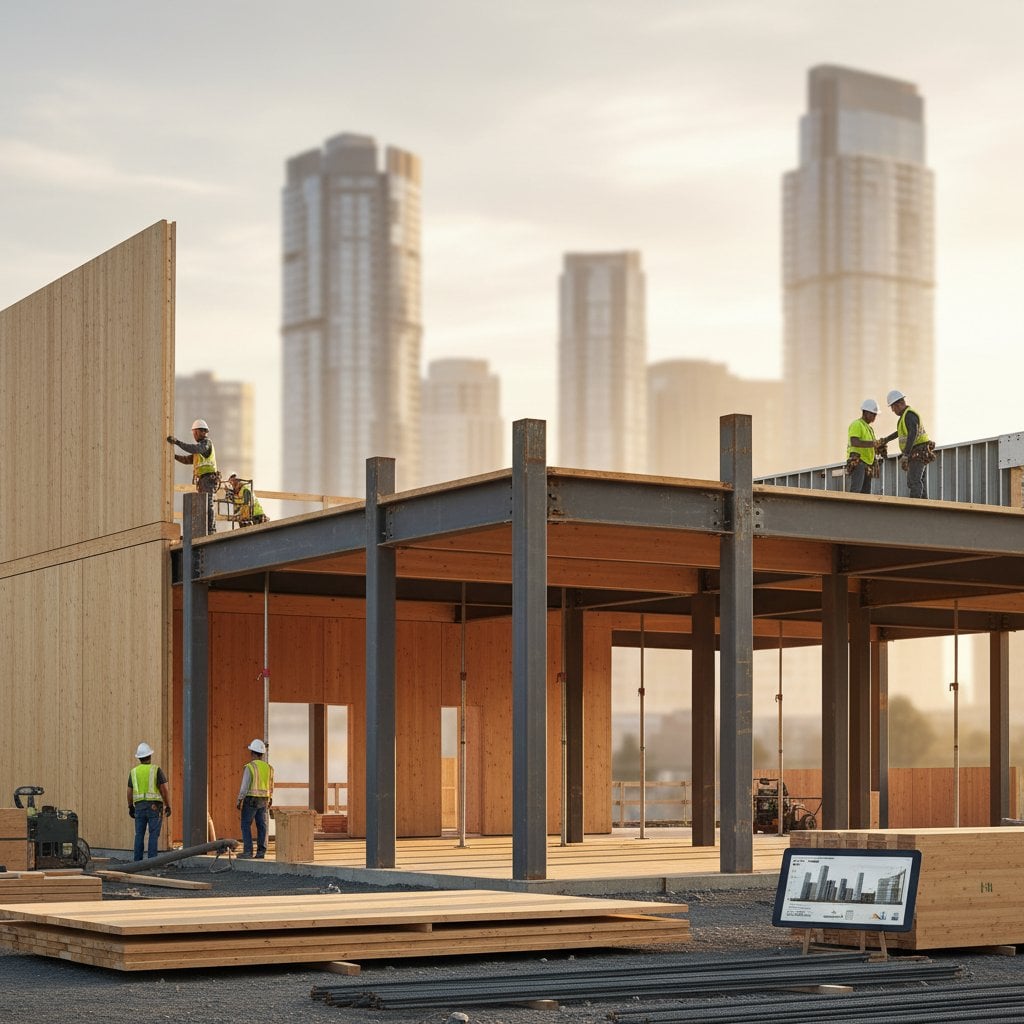
If fire safety concerns arise, explore hybrid systems combining timber with concrete elements. These configurations leverage wood's speed while satisfying stringent codes in high-risk areas. Early decisions on exposed versus concealed timber influence finishing budgets and aesthetic outcomes.
- Engage Specialists: Collaborate with architects experienced in cross-laminated timber to optimize load paths and minimize material overuse.
- Conduct Value Engineering: Analyze alternatives like glulam beams versus steel I-beams to identify savings in weight and assembly.
- Monitor Lifecycle Costs: Use tools to project energy savings and resale value, often favoring timber in green building certifications.
Market Trends and Future Outlook
The mass timber sector experiences rapid growth, driven by demand for sustainable alternatives to steel. Manufacturers invest in automation, boosting output and driving down per-unit costs by 15 to 20 percent annually in mature markets. Domestic production hubs emerge, shortening supply lines and mitigating global disruptions that affect steel imports.
Building codes evolve to embrace timber's capabilities, with updates allowing taller structures and wider applications. This shift reduces design conservatism, enabling lighter, more efficient frames. Architects report fewer iterations in permitting, translating to time and cost savings.
Technological progress enhances timber's appeal. Fire-retardant treatments now meet or exceed steel's performance without compromising aesthetics. Acoustic innovations dampen sound in multifamily units, rivaling concrete's isolation properties. Connection hardware advances simplify assembly, cutting labor further.
Looking ahead, mass timber positions itself for diverse uses, from commercial offices to residential towers. As economies prioritize carbon reduction, incentives multiply, tilting financial scales toward wood. Steel remains relevant for specific high-load scenarios, but timber's versatility broadens its competitive edge.
Capturing Value in Your Next Project
Transitioning to mass timber requires viewing costs holistically, beyond material invoices. Accelerated timelines free capital for other investments, while reduced environmental impacts appeal to eco-conscious stakeholders. Steel's reliability endures, yet timber's efficiencies often yield superior returns.
Consult experts to tailor comparisons to your site's unique demands. By prioritizing design integration and regulatory foresight, projects unlock savings that enhance profitability and sustainability. Embrace these strategies to build smarter, not harder.