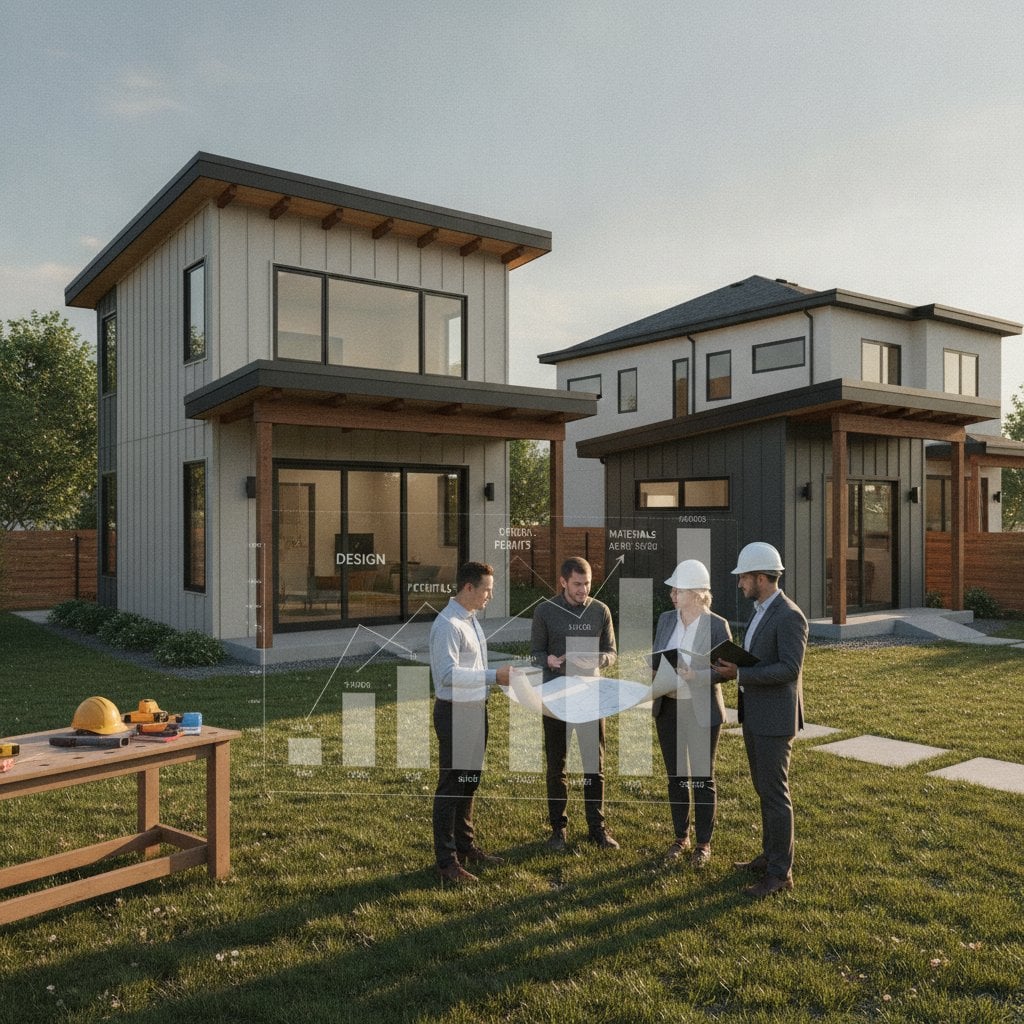
Real Costs for ADU and Granny Pod Construction
Accessory dwelling units, known as ADUs, and granny pods offer practical solutions for expanding living space or generating rental income. Homeowners use these structures to accommodate family members, lower housing expenses, or increase property value. Accurate cost knowledge supports effective budgeting and prevents unexpected expenses.
This guide details the elements that shape ADU and granny pod pricing, expected cost ranges, and situations that call for professional assistance.
Understanding ADU and Granny Pod Basics
An accessory dwelling unit functions as a small, independent living area on the same property as the main residence. A granny pod represents a specialized ADU tailored for aging relatives who require both closeness and personal space. Each unit incorporates essential features including a kitchen, bathroom, and sleeping quarters.
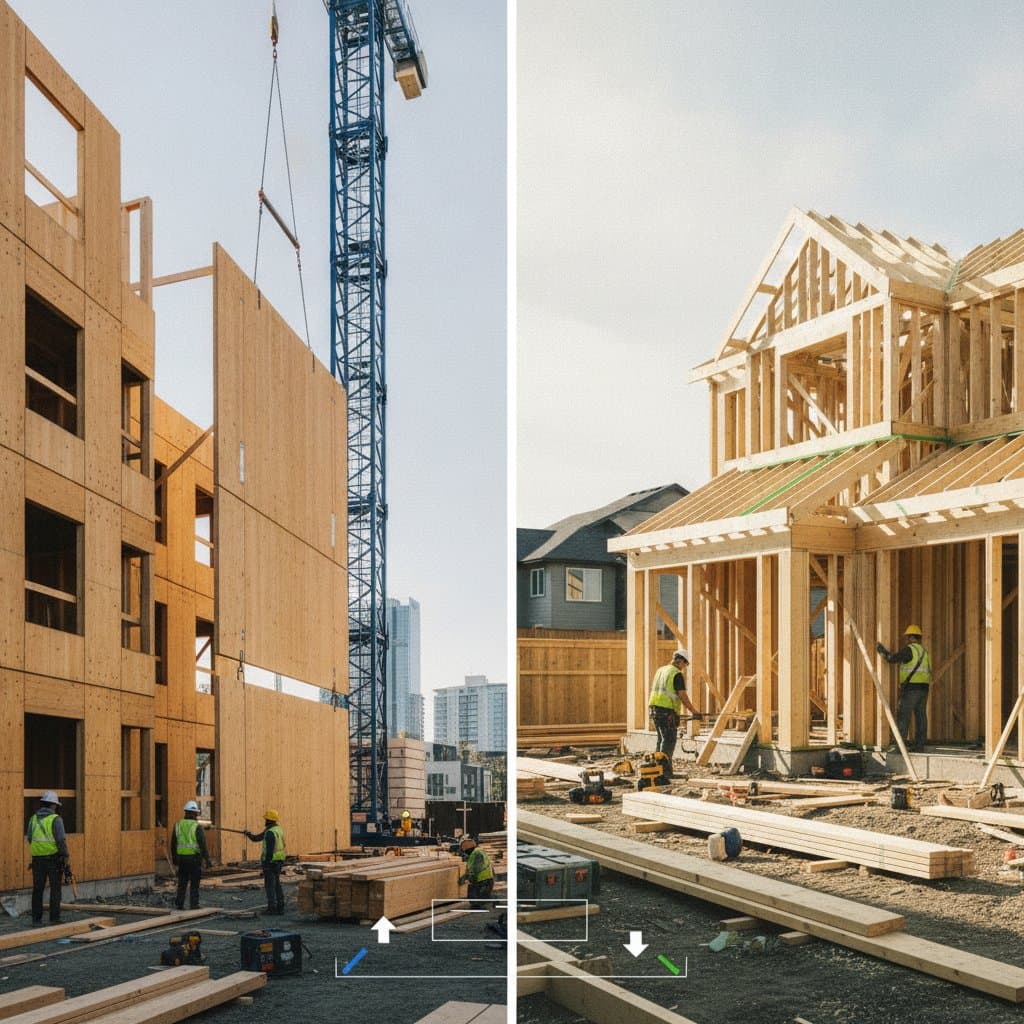
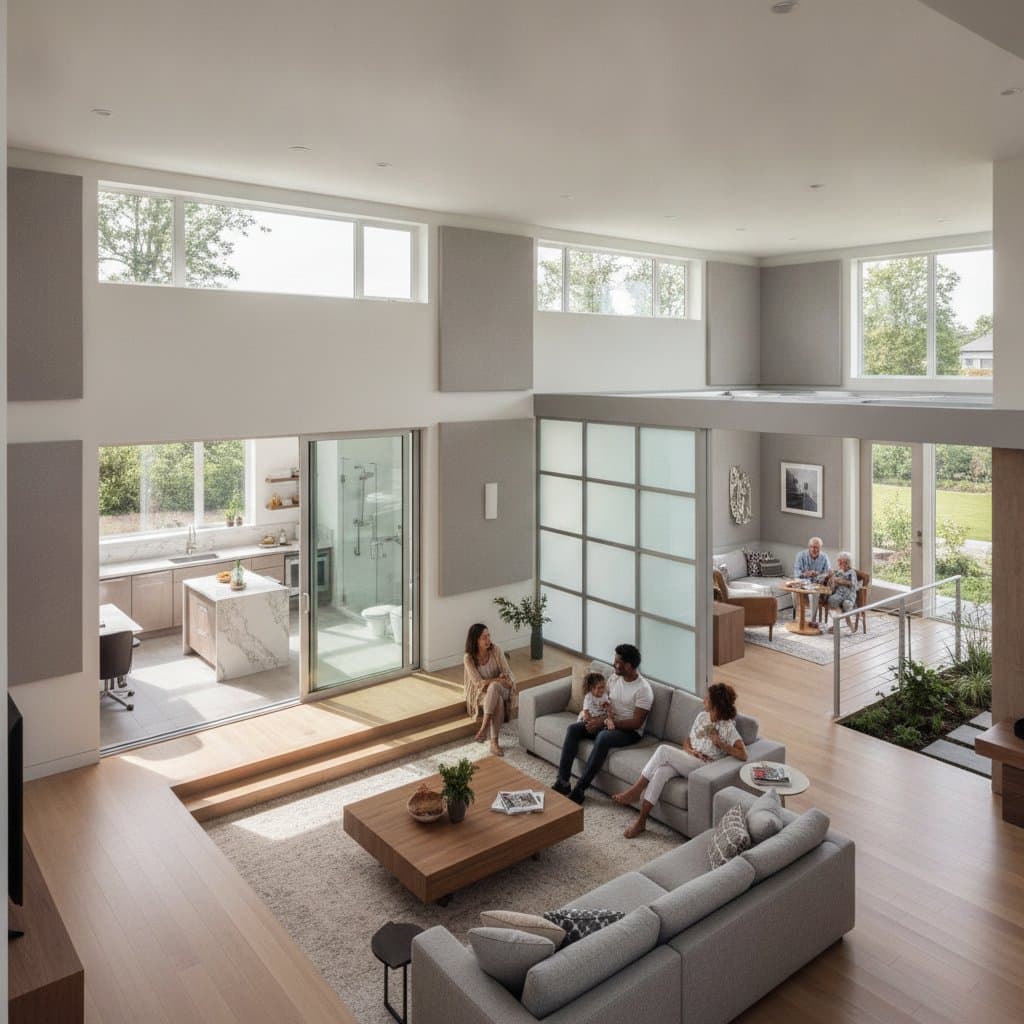
ADUs may attach to the primary house, arise from garage conversions, or exist as separate buildings. Granny pods usually stand alone and incorporate accessible features such as wider doorways, slip resistant flooring, and single level designs.
Factors That Influence Cost
Size and Layout
A compact 300 square foot studio reduces overall project expenses yet raises the cost per square foot compared with larger options. Inclusion of a full kitchen, private bedroom, or additional storage raises material and labor outlays.
Location and Access
Urban zones with rigorous zoning rules or elevated labor rates increase expenses. Restricted vehicle access to the site may necessitate extra preparation work.
Utilities and Infrastructure
Installation of new water, sewer, or electrical connections ranks among the largest cost variables. Sites with nearby utility access avoid substantial trenching and connection charges.
Finishes and Materials
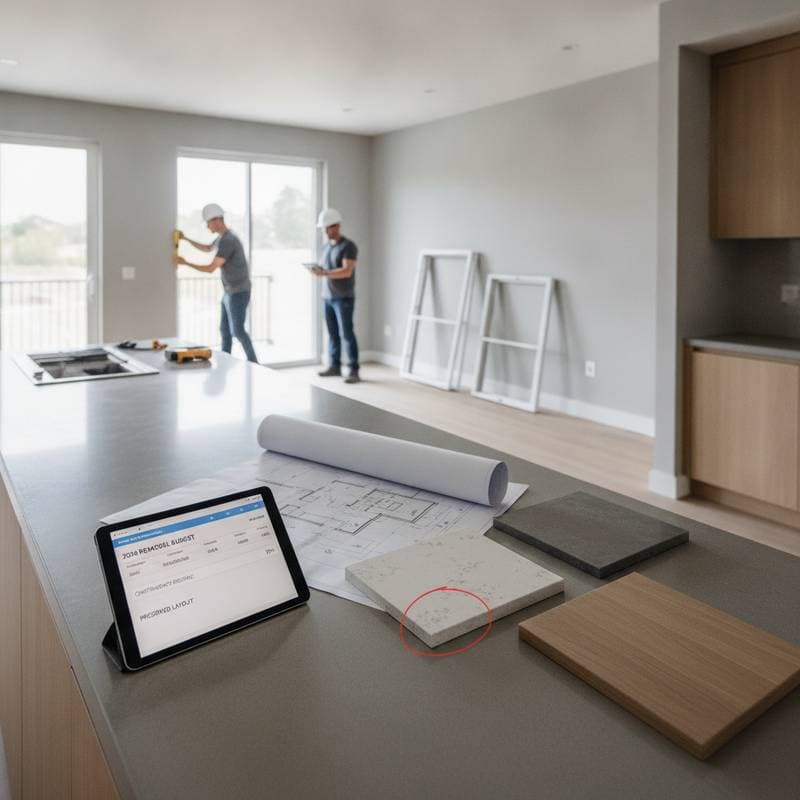
Selection of mid range finishes instead of luxury options reduces expenses by 15 to 25 percent. Durable materials like fiber cement siding or luxury vinyl flooring deliver lasting value without high initial costs.
Permits and Fees
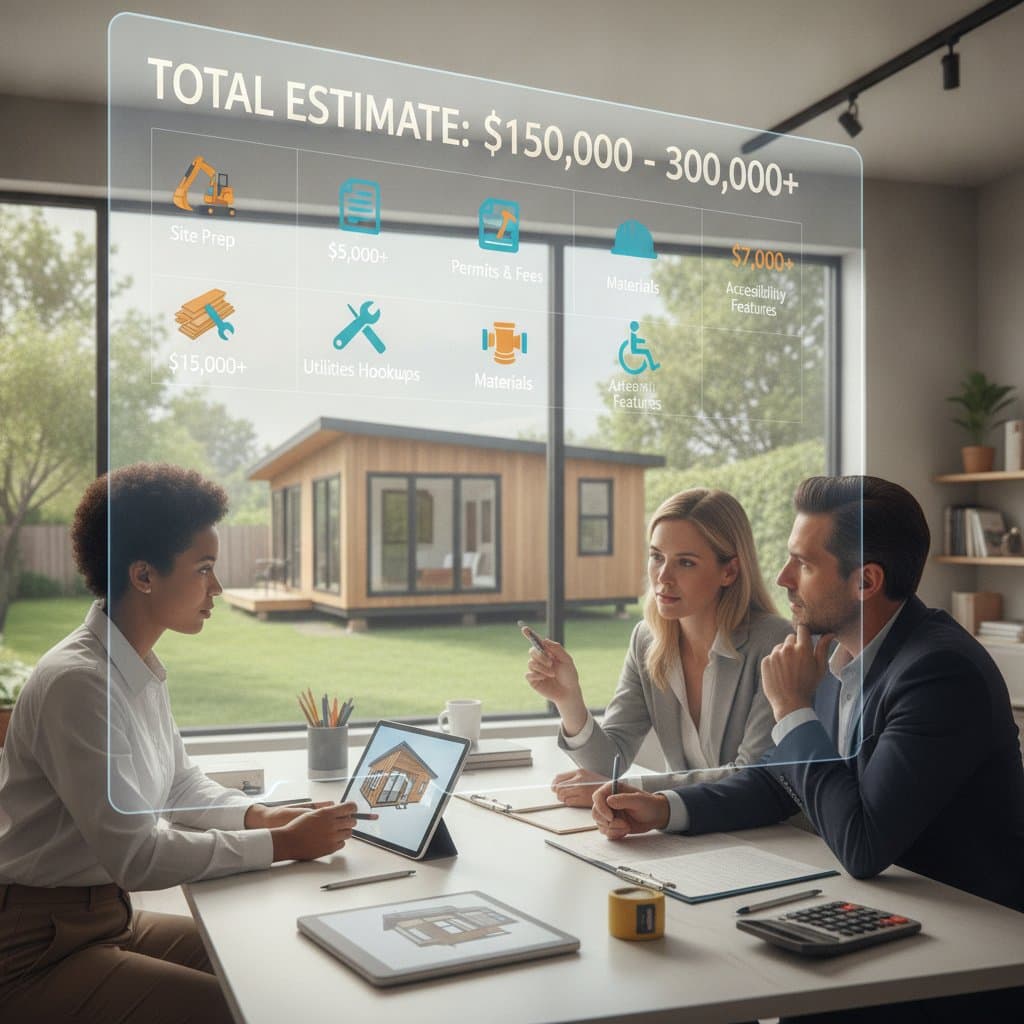
Permitting processes add between 2000 dollars and 15000 dollars based on local rules. Certain municipalities provide fee reductions for units intended for family use or long term rental.
Maximizing Return on Investment
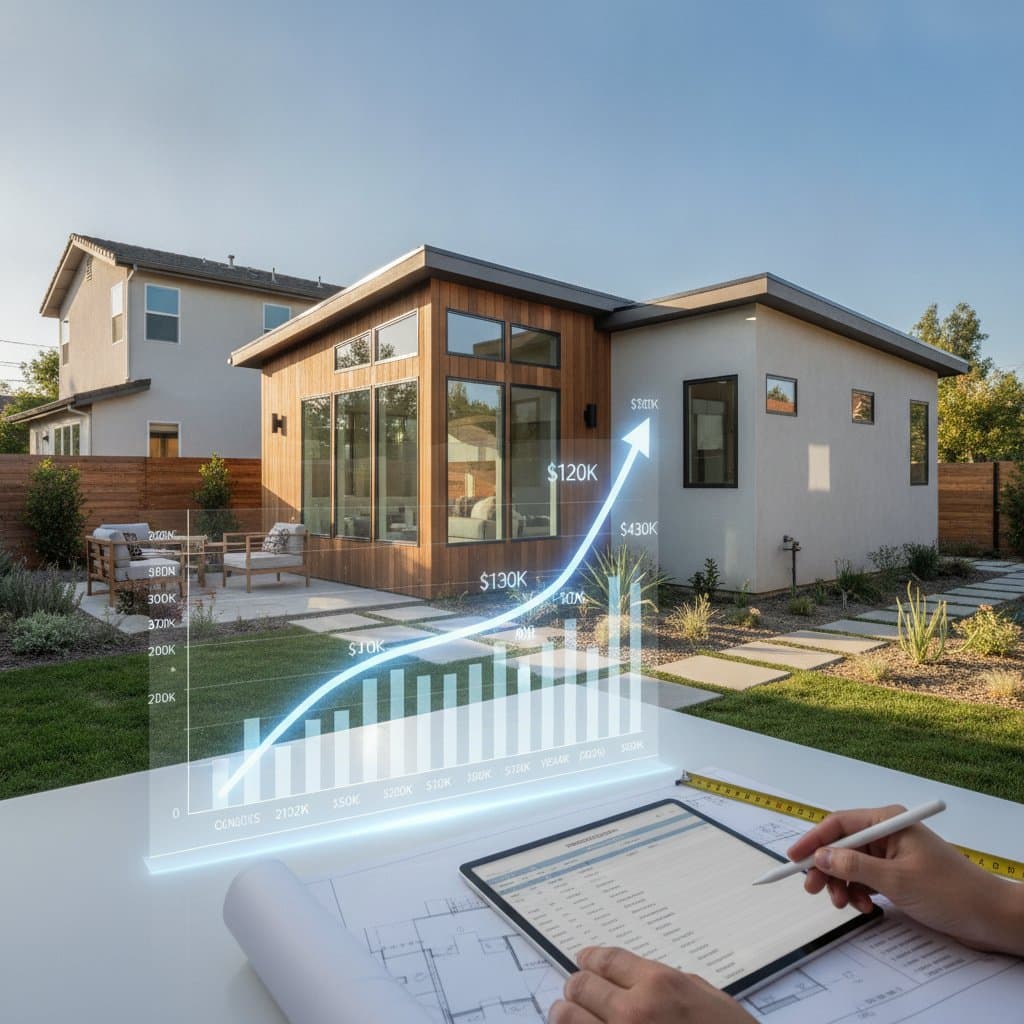
An ADU raises property value by 20 to 30 percent according to location and design quality. Granny pods may not produce rental revenue yet spare families significant assisted living expenses.
To strengthen return on investment consider these approaches. Install energy efficient systems such as LED lighting, tankless water heaters, and thorough wall insulation to cut ongoing utility costs. Design for adaptability so the space shifts readily from family quarters to a rental unit and attracts future buyers. Align exterior finishes and rooflines with the main residence to improve curb appeal and resale potential.
Permits, Safety, and Code Compliance
Confirm zoning regulations prior to design development. Some localities limit ADU dimensions or mandate off street parking. A precise site plan accelerates permit acquisition.
Inspections examine foundation, framing, electrical systems, plumbing, and final occupancy approval. Omission of these reviews risks approval delays and safety issues. Experienced contractors who know local building departments expedite the process and avoid repeated work.
Common Questions
- How large can an ADU or granny pod be? Most local codes cap detached units at 600 to 1000 square feet, though limits differ by region.
- Do I need a separate utility meter? Some jurisdictions permit shared meters while others require separate meters for rental units. Consult your utility provider for specifics.
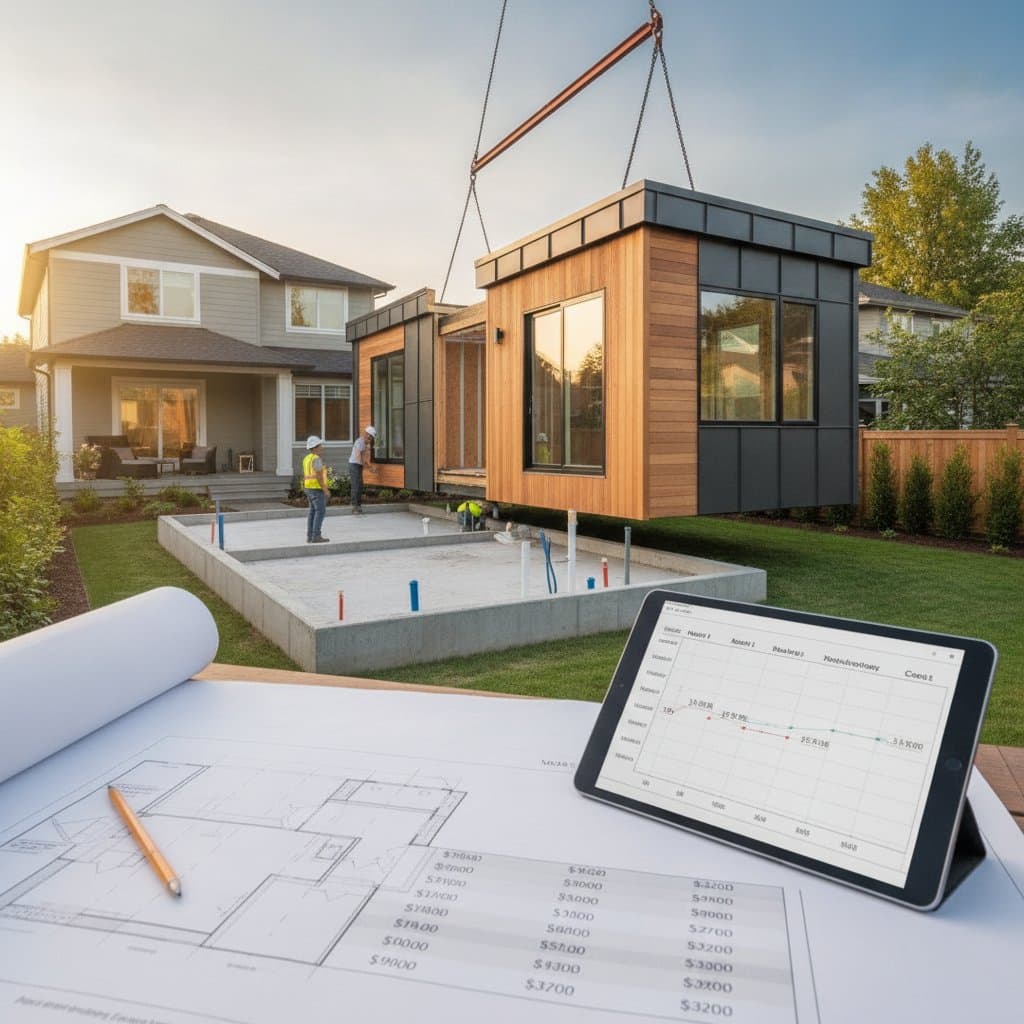
- Are prefabricated units cheaper? Prefabricated models often cost 10 to 20 percent less yet still demand foundation work, utility connections, and permits.
- Can I rent out a granny pod? Rental is possible when zoning permits short term or long term arrangements. Verify all local regulations before advertising the space.
Planning Your Construction Project
Construction of an ADU or granny pod provides a versatile method to enhance property function and value. Begin with a defined budget and a thorough assessment of site conditions. Engage qualified professionals early to align design choices with regulatory requirements and cost targets.