Why Builders Choose Biophilic Design for Wellness Homes
Biophilic design has become a central element in modern residential construction. Builders adopt this nature-focused approach to create homes that support physical health, emotional balance, and sustainable living. A wellness home built with these principles connects occupants with nature through materials, light, air, and spatial flow. The result is a living environment that feels calm, restorative, and efficient.
Project Cost Overview
Homeowners investing in biophilic design can expect average costs to range between $220 and $400 per square foot. A moderate wellness-focused remodel might cost $75,000 to $150,000. New construction designed entirely with biophilic features can reach $500,000 or more. Major cost drivers include natural materials, energy-efficient systems, and specialized design work.
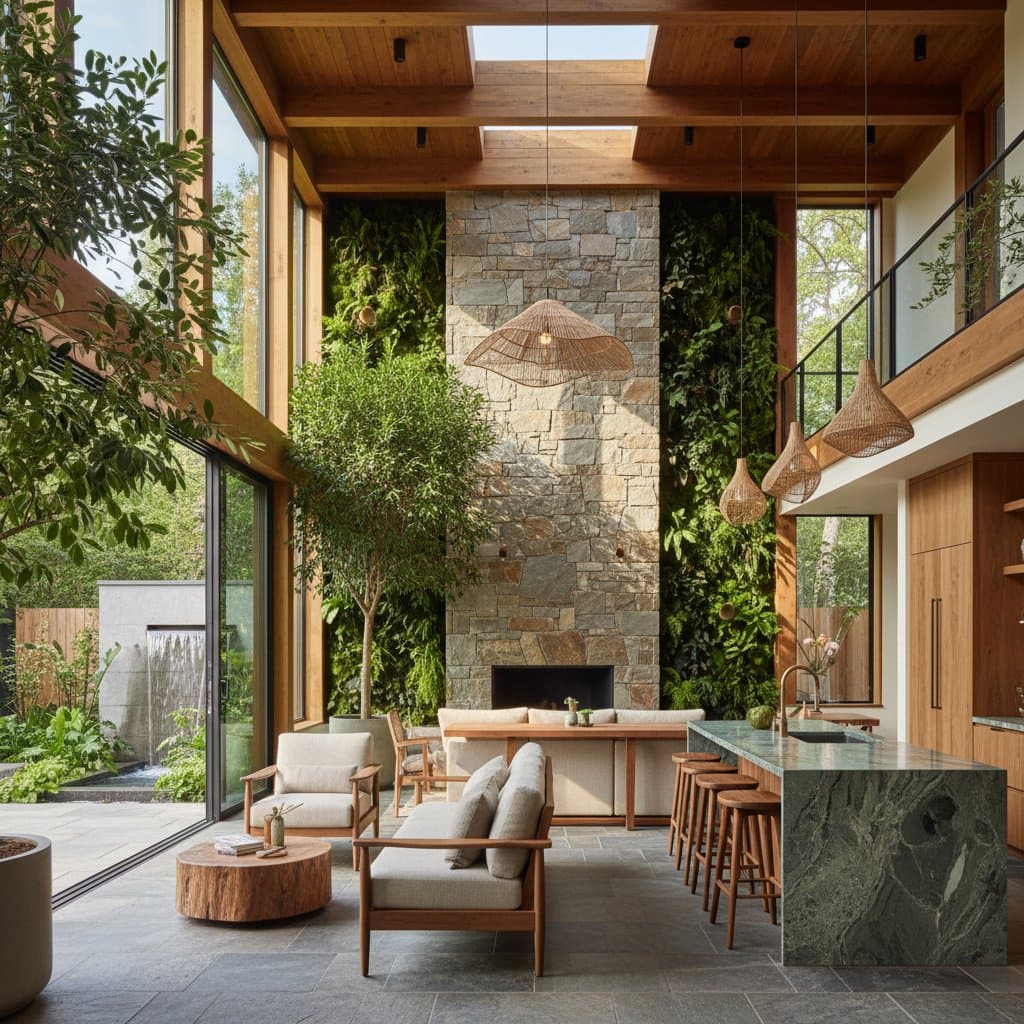
Natural materials such as wood, stone, and clay can raise costs by 10 to 15 percent. Passive ventilation, daylighting, and water features add comfort but require precise planning. Landscaping integration and large windows increase construction complexity. Homeowners often recover part of the investment through lower utility bills and higher resale value.
Core Principles for Builders
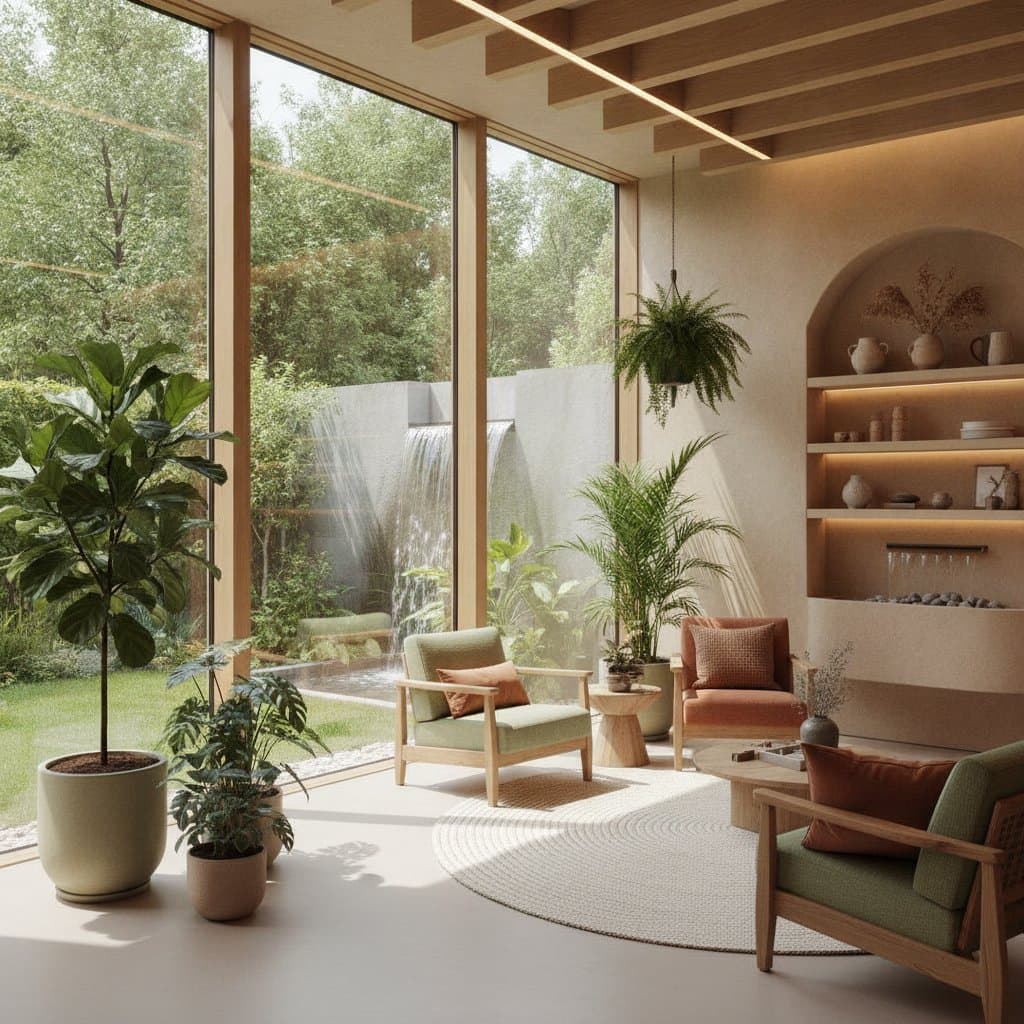
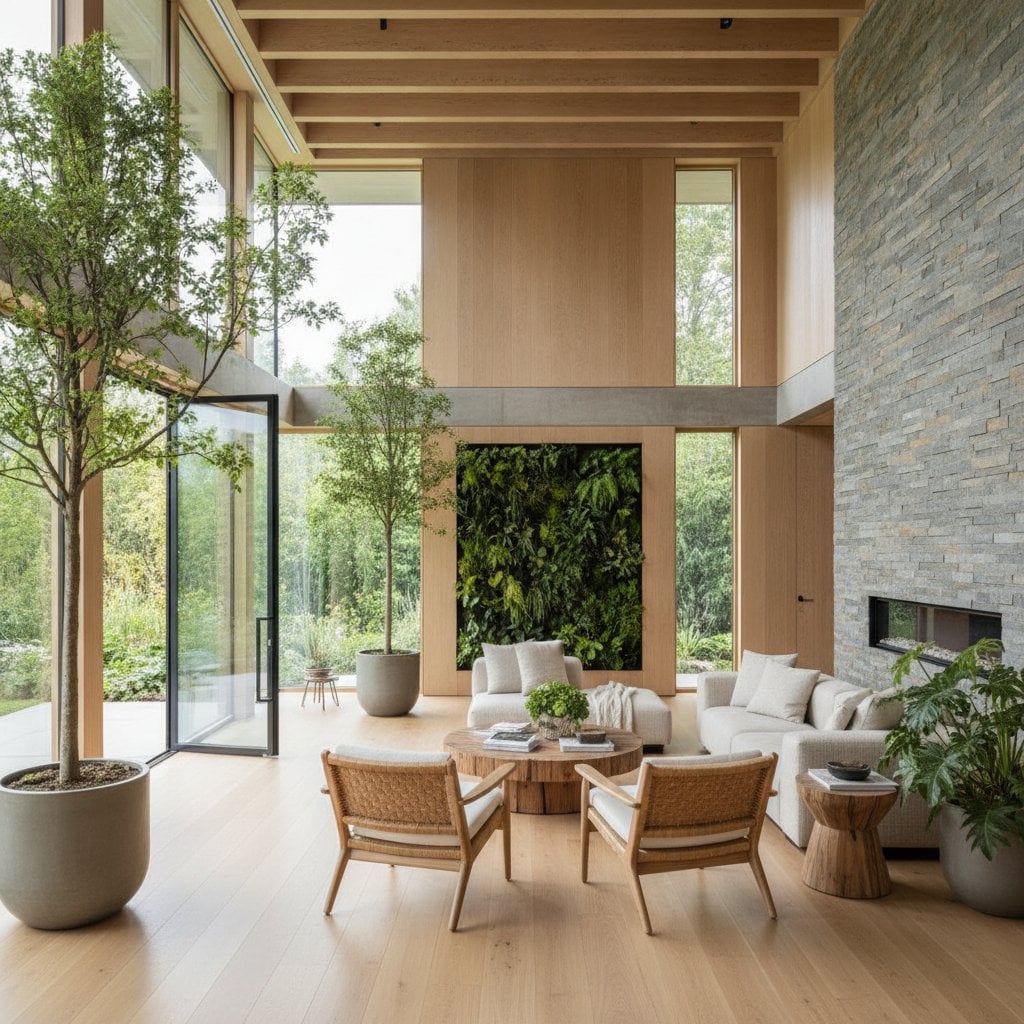
Biophilic design strengthens the connection between humans and nature. Builders use this approach to encourage natural light, airflow, and organic textures. The goal extends beyond visual beauty to improved indoor air quality and occupant well-being. A biophilic home typically features open layouts, natural color palettes, and materials with low chemical emissions.
Architects and contractors find that these choices also improve long-term building performance. Energy-efficient windows and green roofs reduce heat gain and cooling costs. Natural ventilation systems minimize mechanical use and maintenance needs.
Costs by Project Type
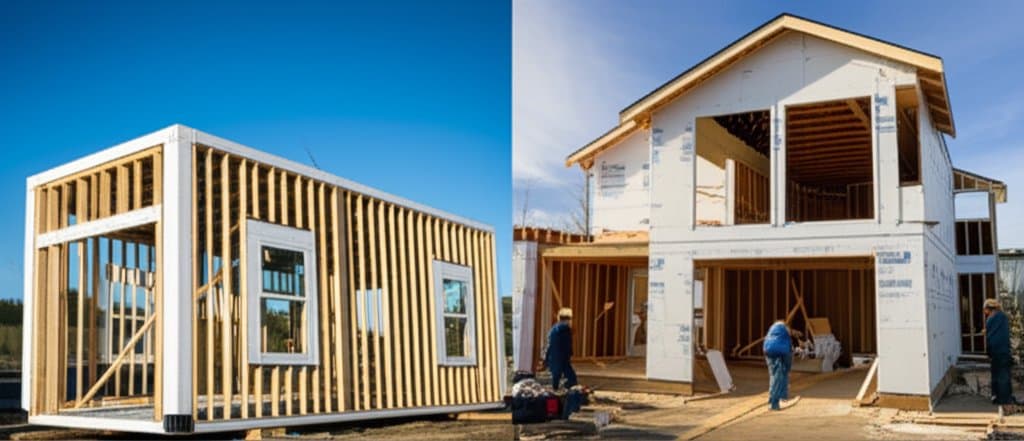
New construction allows full control of orientation, materials, and landscape integration. Costs average $300 to $400 per square foot depending on local labor rates and specifications.
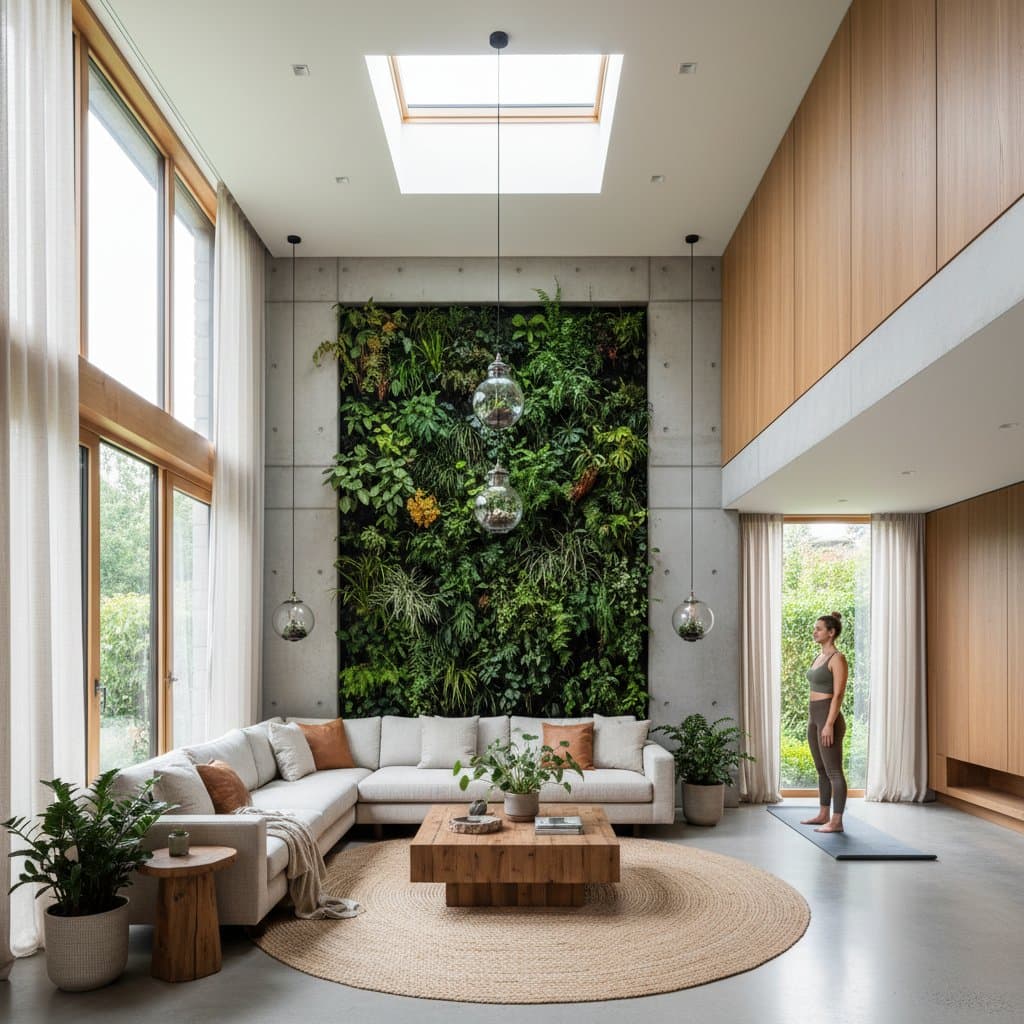
Renovation or retrofit projects that add biophilic features to an existing home cost $150 to $250 per square foot. Common upgrades include skylights, living walls, or reclaimed wood finishes. Older structures may require additional reinforcement or insulation adjustments.
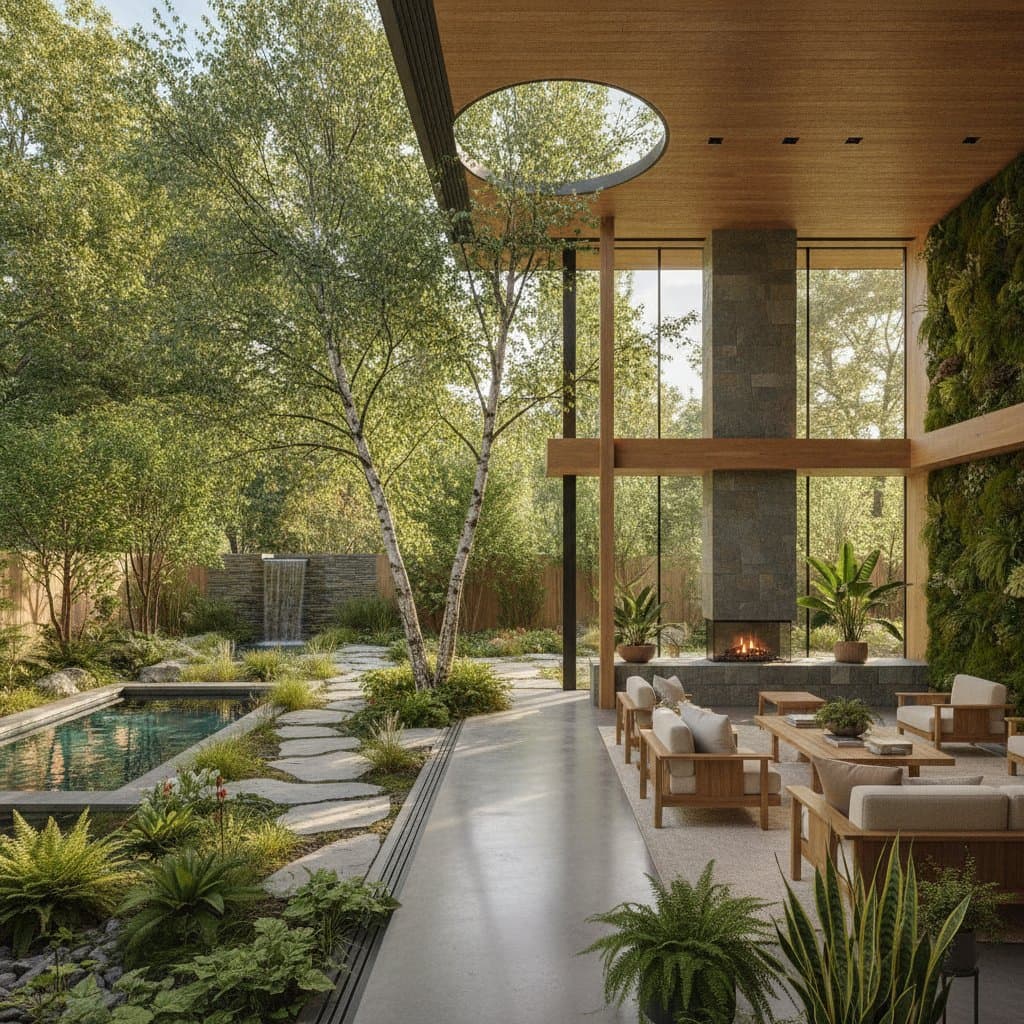
Outdoor integration elements such as green roofs, water gardens, or outdoor living zones cost $20,000 to $60,000 on average. These features extend the indoor experience into natural surroundings.
Planning and Labor Expenses
Labor expenses represent roughly 40 to 60 percent of a biophilic project budget. Skilled contractors familiar with sustainable materials and precision installation remain essential. Builders often collaborate with designers who specialize in natural-light modeling or indoor plant systems. Design planning fees usually add 8 to 15 percent to total project cost.
Permit and inspection fees may increase slightly because some biophilic elements require additional review. Builders factor these into early estimates to prevent budget surprises.
Key Factors That Affect Total Cost
Material sourcing plays a major role. Locally sourced wood and stone reduce transport costs and environmental impact. Energy systems such as solar panels, geothermal heating, and natural ventilation add upfront costs but reduce long-term expenses. Water management features like rainwater collection support landscaping and lower utility bills. Smart home sensors for air quality and lighting improve wellness features yet raise electrical design costs.
Practical Ways to Manage Budget
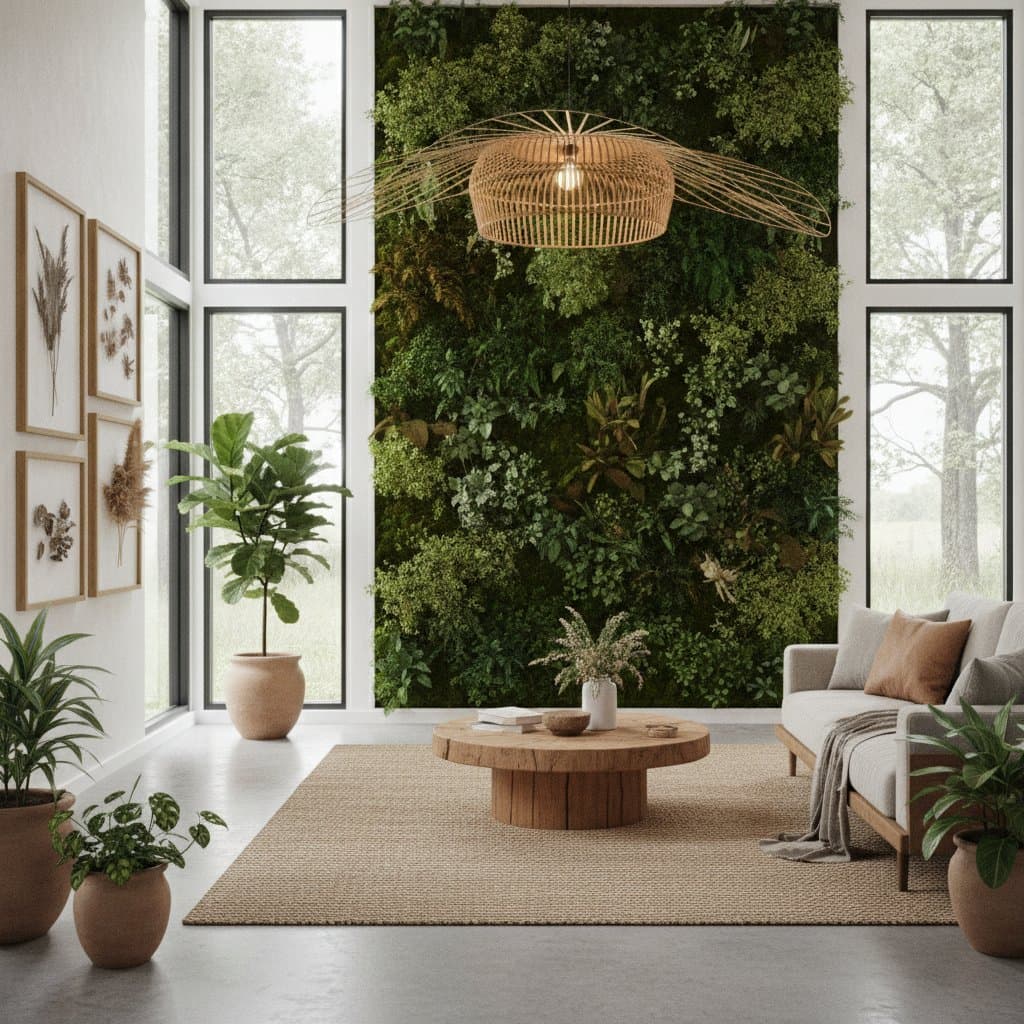
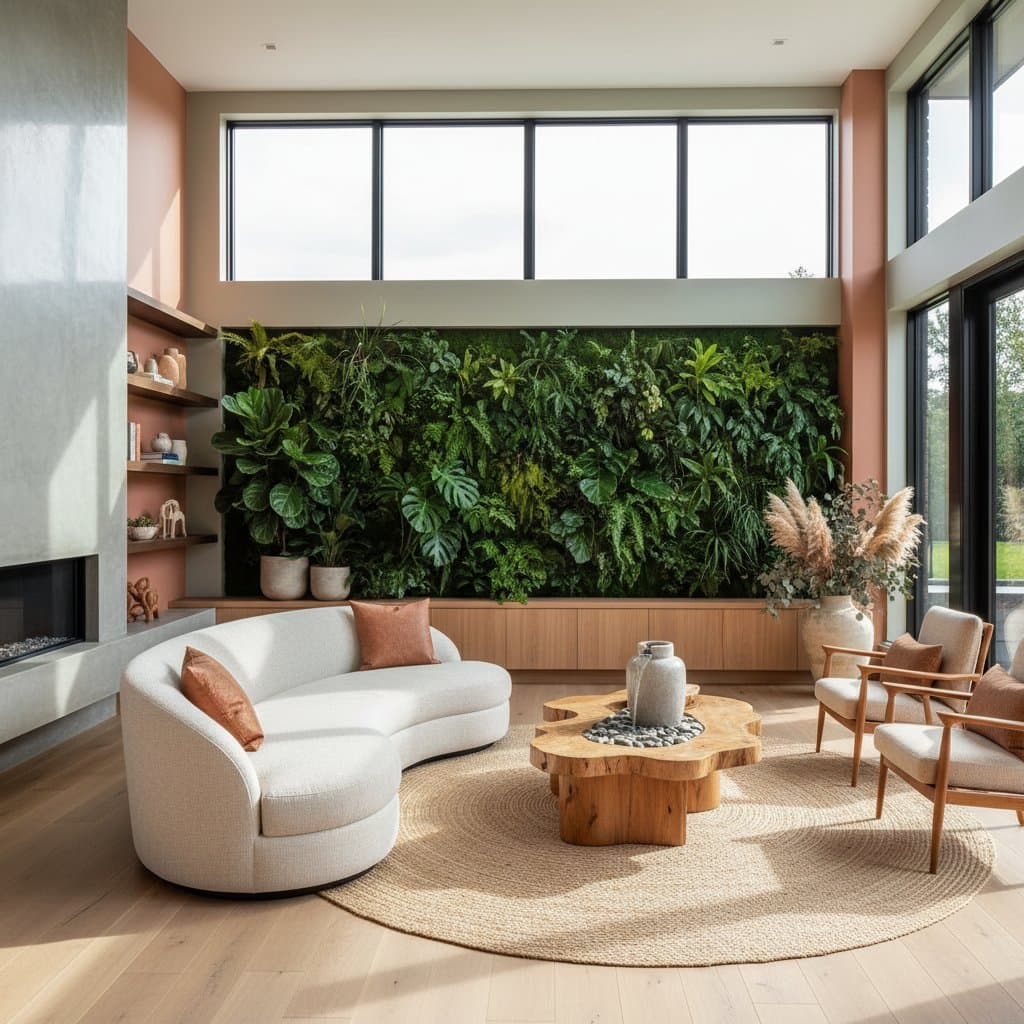
Homeowners can create a biophilic atmosphere without exceeding budget limits. Install large, energy-efficient windows instead of full glass walls. Use reclaimed wood or bamboo flooring for natural texture at a lower cost. Add indoor plants or vertical gardens instead of custom-built green walls. Choose paint colors and finishes that mimic natural tones. Incorporate natural ventilation before investing in mechanical air systems.
Long-Term Value and Returns
A wellness home with biophilic design typically yields a 5 to 15 percent higher resale value. Buyers seek spaces that feel healthy and sustainable. Energy-efficient features cut utility bills by 20 to 30 percent. Natural materials often require less long-term maintenance. These savings balance the initial investment over time. Owners also report improved comfort and reduced stress.
Professional Installation Versus Limited DIY
DIY efforts suit small features such as adding indoor plants, repainting walls with natural tones, or installing minor wood accents. Larger elements like skylights, living walls, or water systems require professional installation to ensure safety and performance. Hiring a builder or architect with biophilic experience ensures proper structural integration, moisture control, and lighting balance. Professional oversight protects overall design intent and property value.
How Cost Data Was Developed
The cost data presented here reflects averages from builder quotes, supplier pricing, and national remodeling cost databases. Estimates include labor, materials, design, and permitting where applicable. Regional variations, contractor expertise, and material availability can shift final pricing.
Ongoing Care for Lasting Performance
A wellness home requires simple but consistent maintenance. Keep natural materials sealed and clean. Monitor humidity levels to protect wood and indoor plants. Replace or prune greenery as needed to maintain air quality and balance. These steps preserve both the health benefits and financial value of the investment.