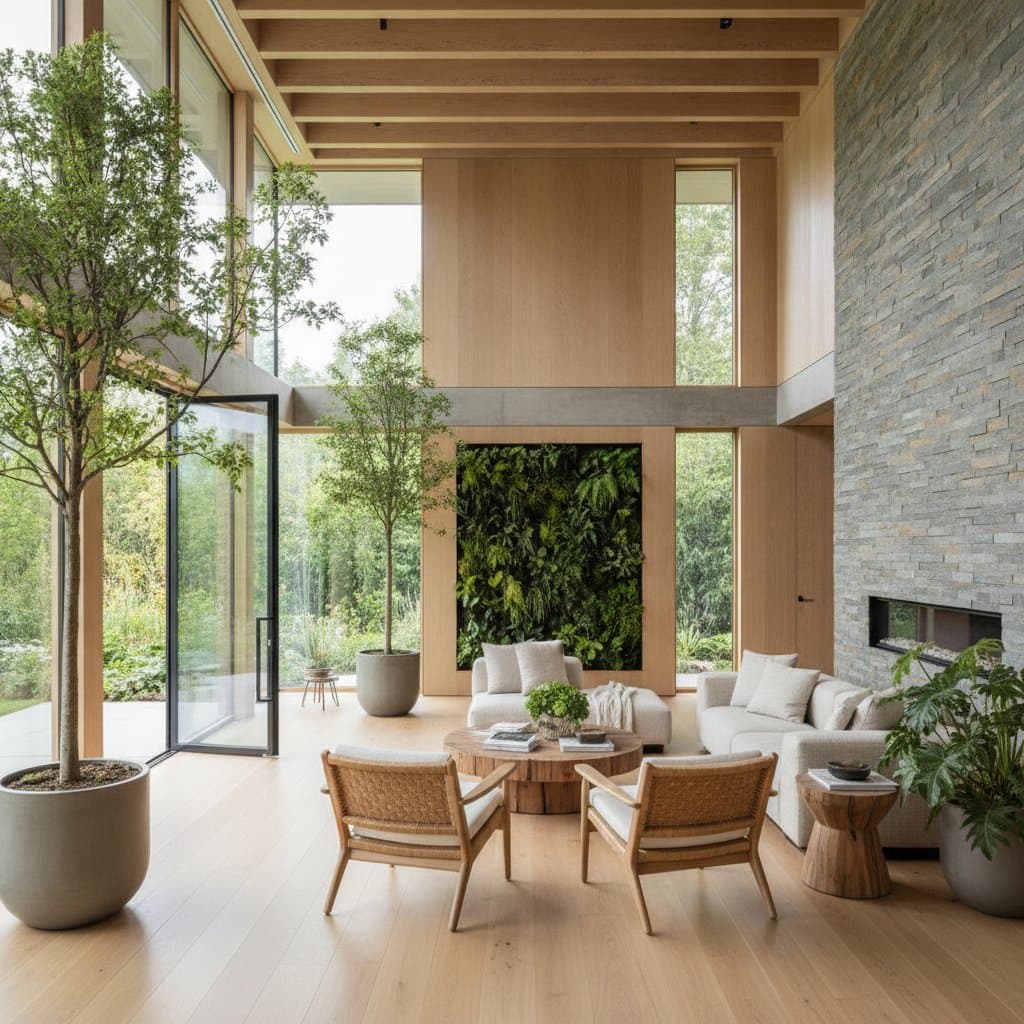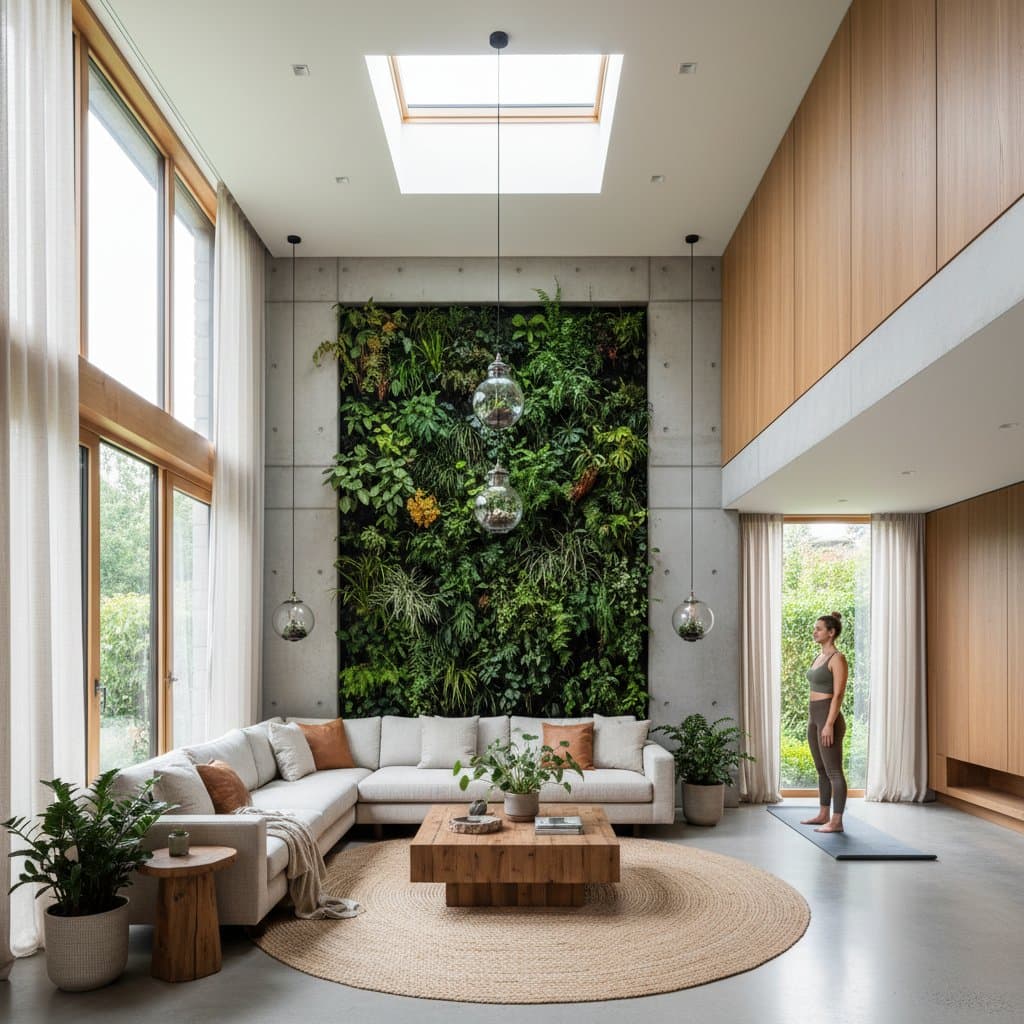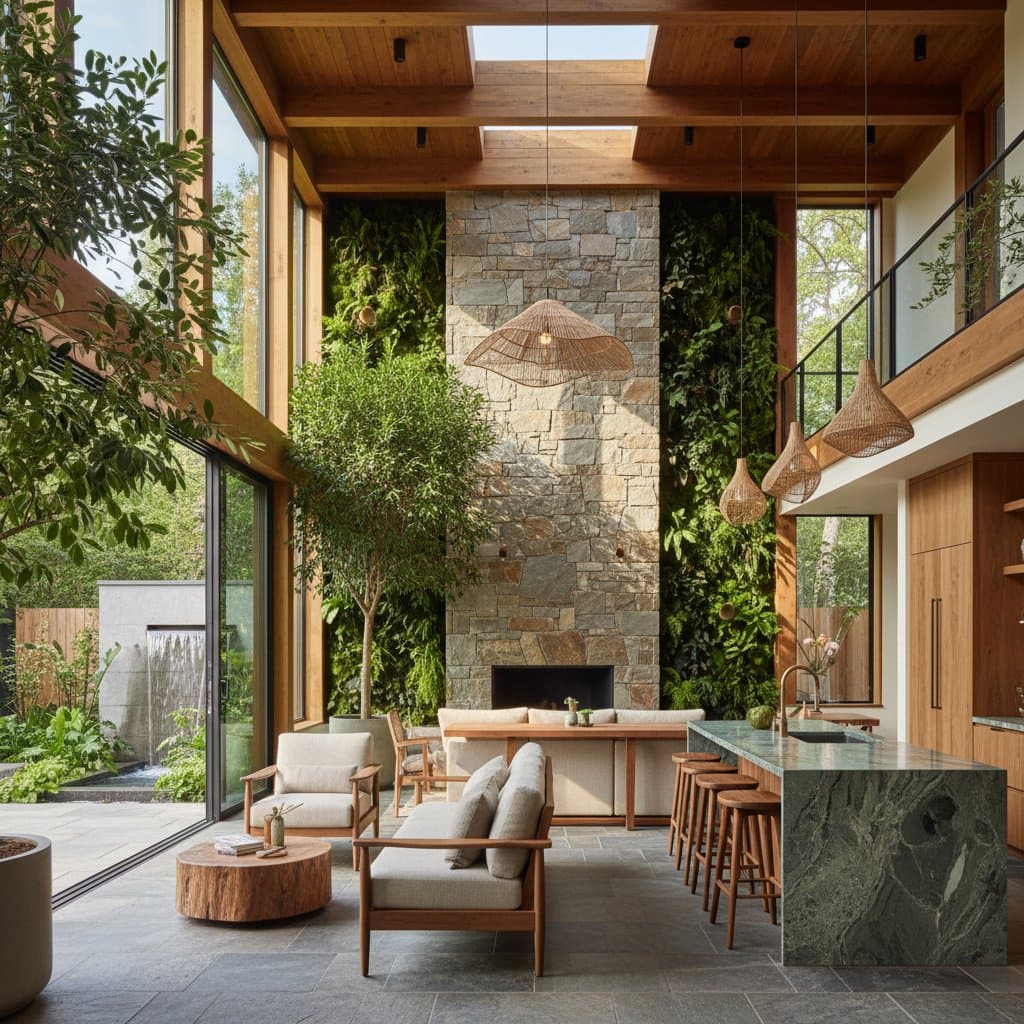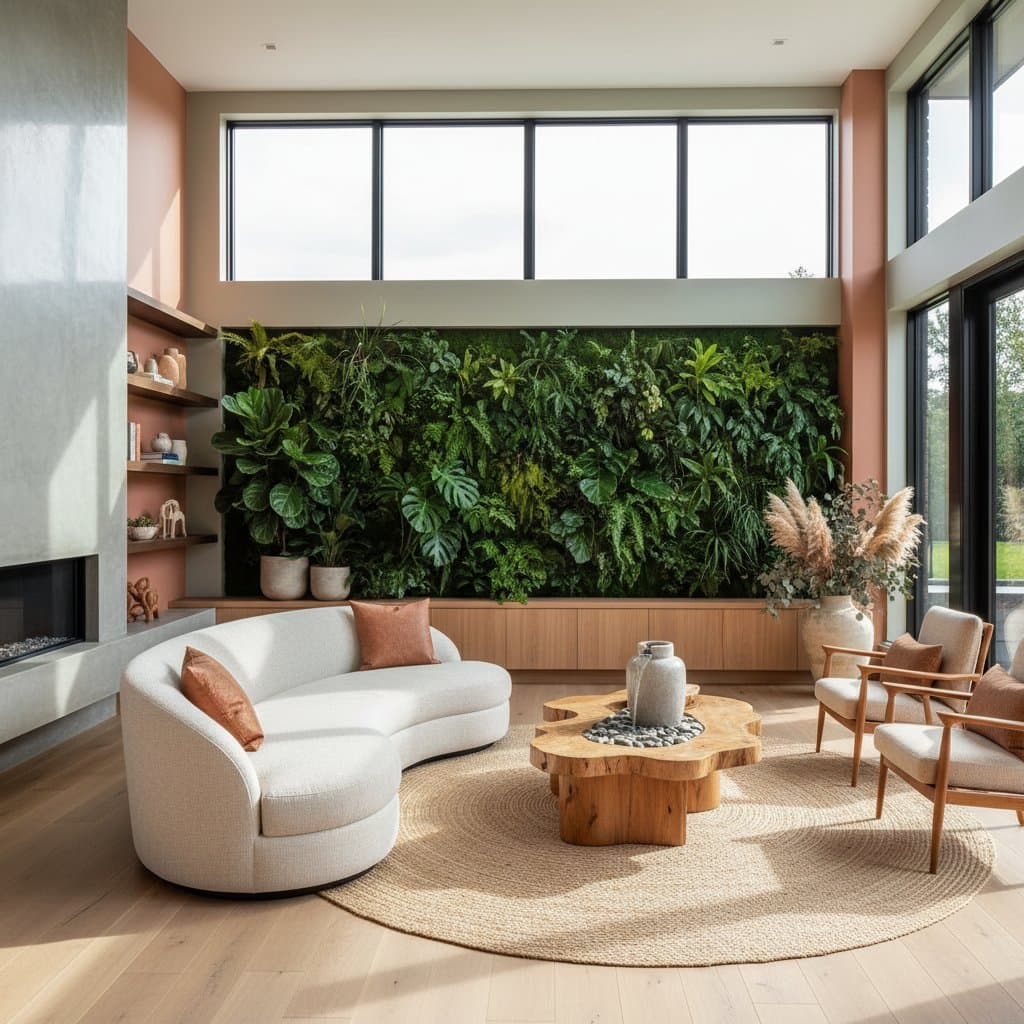
Biophilic Design That Fits Your 2026 Budget
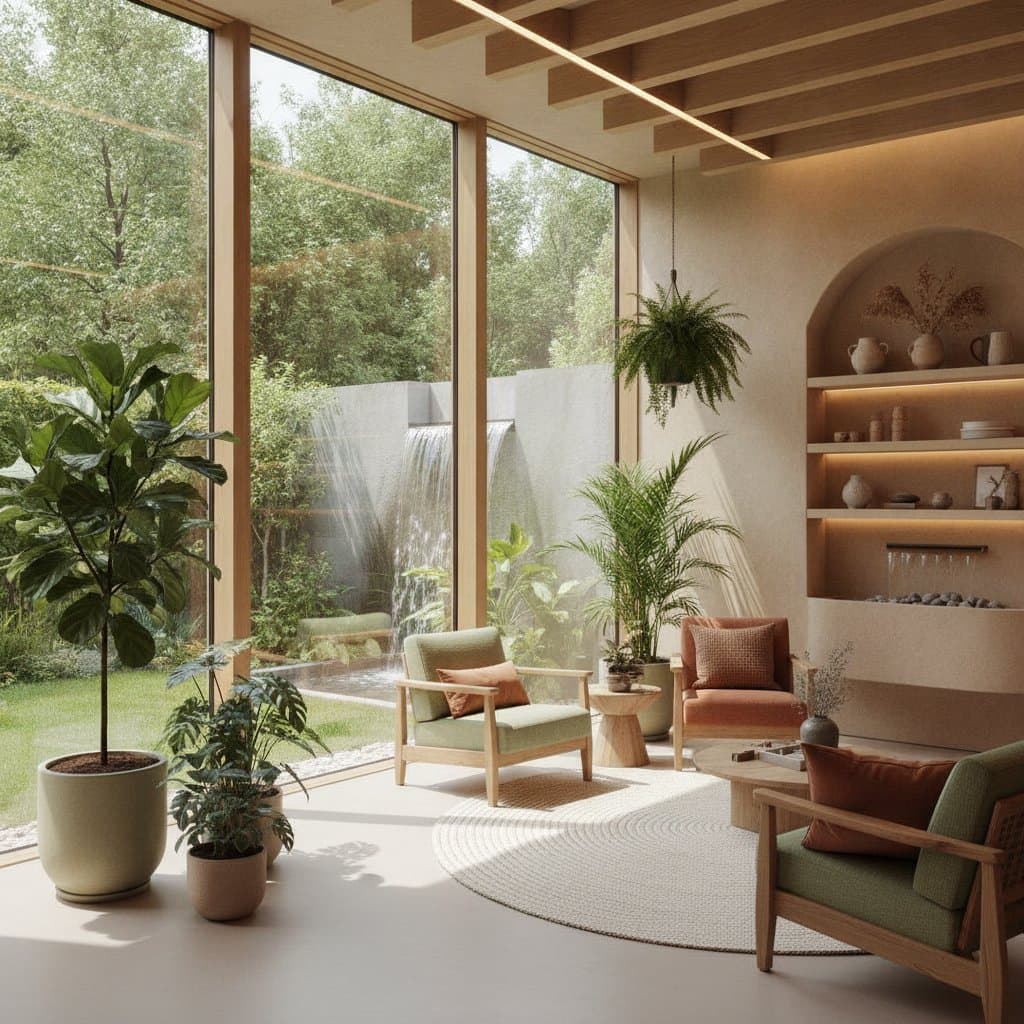
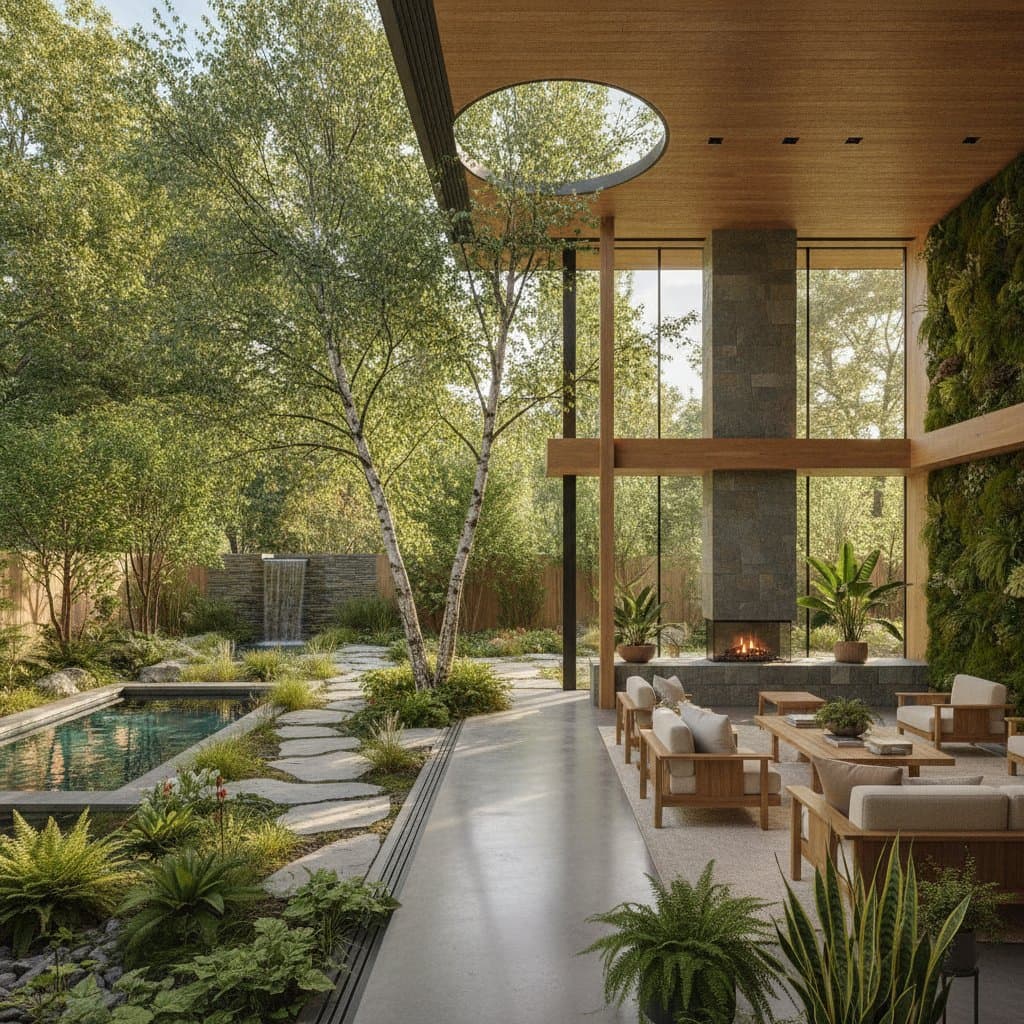
Biophilic design connects buildings with nature through materials, light, air, and living elements. It enhances wellness, comfort, and productivity while creating spaces that feel calm and restorative. Many homeowners want to bring this natural connection indoors but worry about cost. With smart planning it is possible to achieve a biophilic environment that fits your budget and lifestyle.
This guide explains what drives the cost of biophilic design, where you can save, when to hire a professional, and the measurable benefits that make it worth the investment.
What This Guide Covers
- Core elements of biophilic design
- Budget breakdowns and cost ranges
- DIY opportunities and professional guidance
- ROI and wellness benefits
- Maintenance and long-term considerations
Budget Realities: What to Expect
The cost of biophilic design depends on project scope, material selection, and whether you integrate it during new construction or retrofit an existing home.
Average Cost Ranges
- Minor interior upgrades such as plant installations, natural fiber rugs, or lighting adjustments usually run between $10 to $45 per square foot.
- Moderate renovations that include new flooring, stone accents, or window expansion can reach $75 to $150 per square foot.
- Full-scale remodels with structural changes, skylights, or integrated ventilation systems can exceed $250 per square foot.
Factors That Influence Cost
- Material Choice: Locally sourced wood or recycled stone often costs less than imported materials.
- Energy Efficiency Goals: Double-glazed windows and vented skylights add upfront cost but reduce utility bills over time.
- Location and Climate: Regions with high humidity or temperature extremes may require specialized finishes or mechanical systems to maintain indoor comfort.
- Labor Complexity: Living walls, water features, or custom carpentry require professional installation and ongoing maintenance.
A useful way to stay within budget is to start small. Focus on one or two natural focal points that make a strong visual and sensory difference.
DIY vs Professional Installation
Some biophilic elements are perfect for homeowners who enjoy hands-on projects. Others require professional oversight to ensure safety and durability.
DIY-Friendly Projects
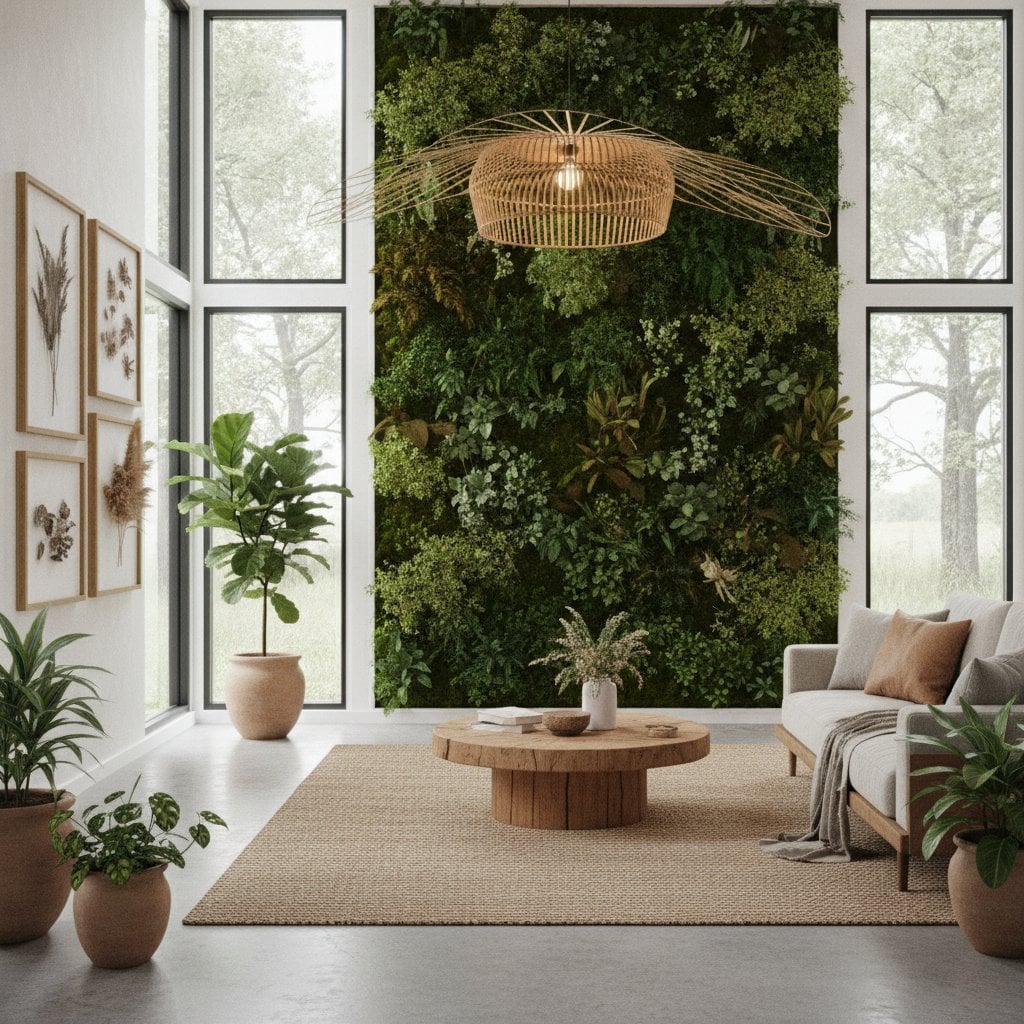
- Plant Displays: Hanging planters, shelving gardens, and small vertical gardens are easy to maintain.
- Natural Finishes: Limewash, clay plaster, or natural oil wood treatments can be applied with basic tools.
- Light and Color Adjustments: Repainting with natural tones or using mirrors to amplify daylight.
When to Hire a Professional
- Structural Modifications: Expanding windows, adding skylights, or installing living walls often require permits and engineering checks.
- Water Features: Proper sealing and pump installation prevent leaks and mold.
- HVAC Integration: Systems that manage humidity and air quality need professional calibration.
Professionals can also ensure that materials meet indoor air quality standards and code requirements.
Maintenance and Longevity
While biophilic elements are durable, they do require attention to preserve their benefits.
Material Care
- Wood: Apply oil or wax every one to two seasons to prevent drying or discoloration.
- Stone: Seal porous materials like limestone or marble to resist stains.
- Plants: Use self-watering systems or low-maintenance species such as snake plants or peace lilies.
System Upkeep
For features like living walls or water installations, schedule regular inspections to check for leaks or algae buildup. Proper maintenance ensures that these elements remain healthy and visually appealing for years.
Selecting the Right Professional
Large-scale biophilic renovations demand expertise in structural design, plumbing, and electrical systems. A professional designer or architect can help integrate natural elements without compromising safety or efficiency.
Choosing the Right Expert
- Review portfolios to confirm experience with sustainable or green projects.
- Ask about sourcing to verify that materials are certified and responsibly harvested.
- Request detailed cost breakdowns before work begins.
- Confirm code compliance and warranty coverage for all structural work.
Working with an experienced contractor ensures that your investment performs as intended and that each element functions safely within your home design.
Common Questions About Biophilic Design
What are the easiest ways to start? Begin with plants, natural light, and organic materials like wood or bamboo. These create an immediate connection to nature with minimal cost.
Does biophilic design increase energy bills? No, it often reduces them. Natural lighting and ventilation lower dependence on artificial systems.
How long do living walls last? With proper care and irrigation, they can thrive for many years. Routine pruning and nutrient management keep them healthy.
Can biophilic design fit a small home? Yes. Even compact spaces benefit from natural finishes, vertical gardens, and window views that broaden perception.
What colors support a biophilic look? Earth tones, greens, warm neutrals, and soft blues mimic outdoor environments and promote calm.
Sustaining Your Natural Home Environment
Once your biophilic features are in place, the key is to enjoy and maintain them. Keep plants healthy, adjust lighting seasonally, and continue using natural or recycled materials for future updates. Over time, the space will deepen in character and comfort.
Biophilic design is not only about aesthetics. It is about creating a living environment that supports wellness, efficiency, and genuine connection to the natural world. Whether you invest in a full remodel or add thoughtful details, the result is a home that feels alive, balanced, and restorative.