Understanding Universal Design Remodeling
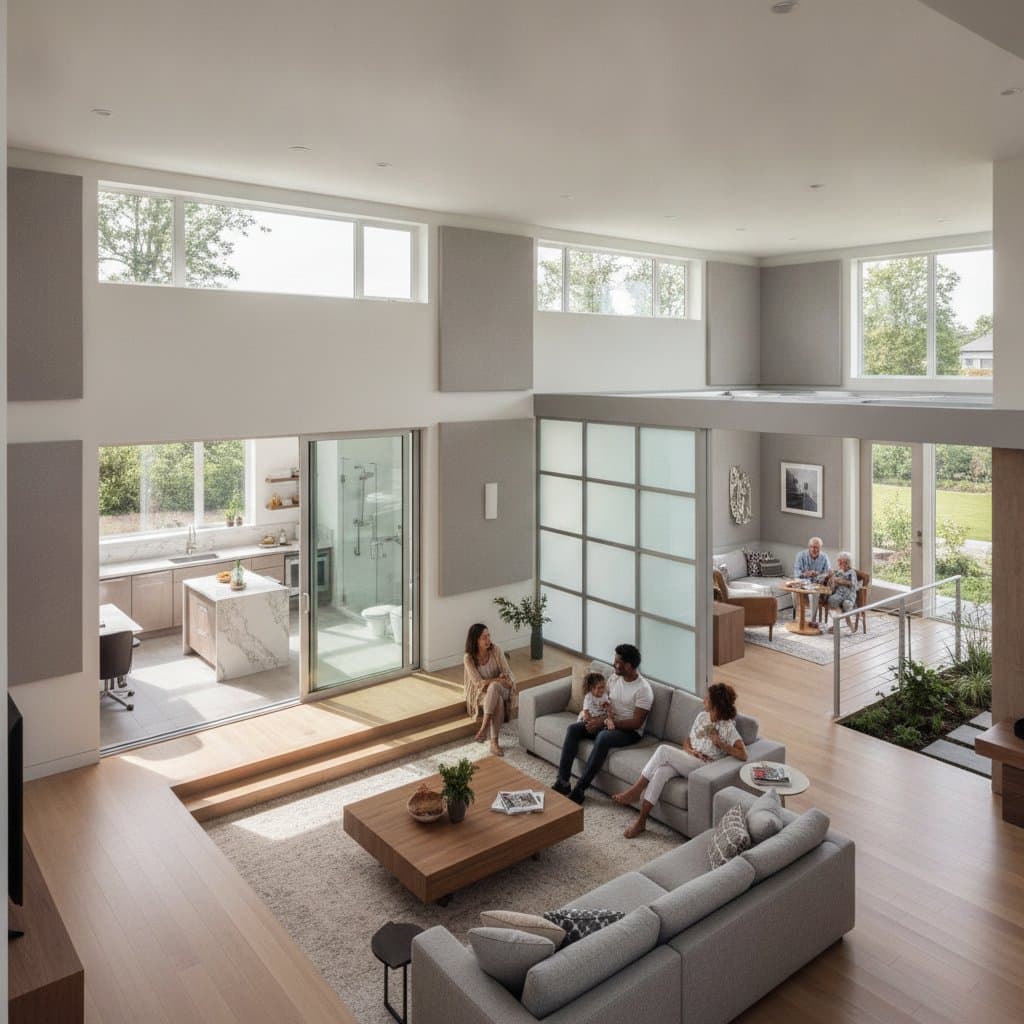
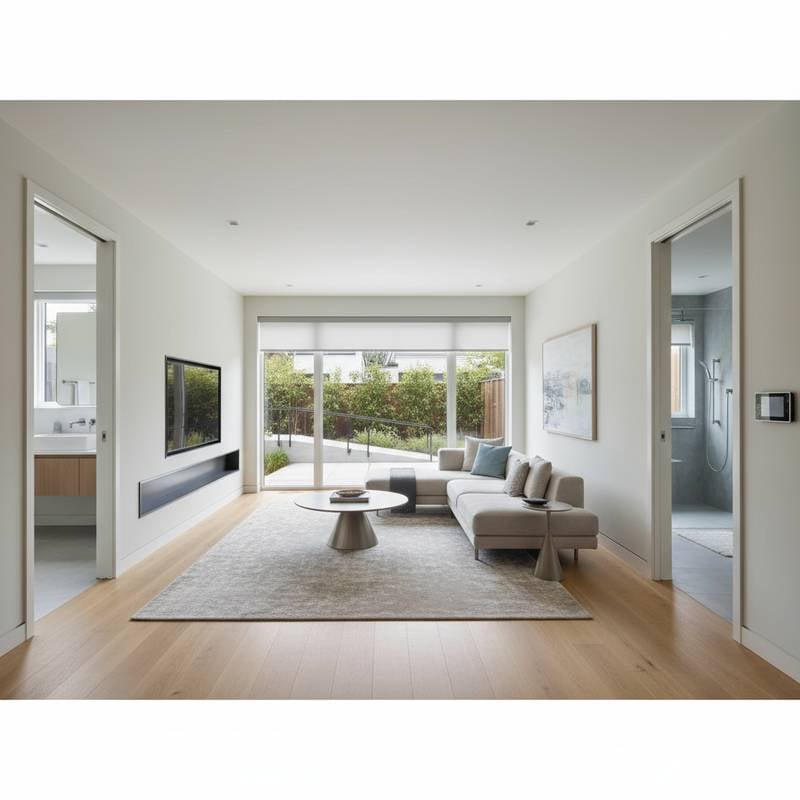
Universal design focuses on creating spaces that accommodate people of all ages, abilities, and sizes. This approach integrates accessibility features seamlessly into home environments, promoting independence and safety without compromising aesthetics. Homeowners increasingly choose universal design to support aging in place, ensuring their living spaces evolve with their needs.
The principles of universal design emphasize flexibility, simplicity, and intuitive use. For instance, wider doorways and lever handles allow easy navigation for everyone, from young children to those using mobility aids. These elements not only enhance daily living but also future-proof properties against changing requirements.
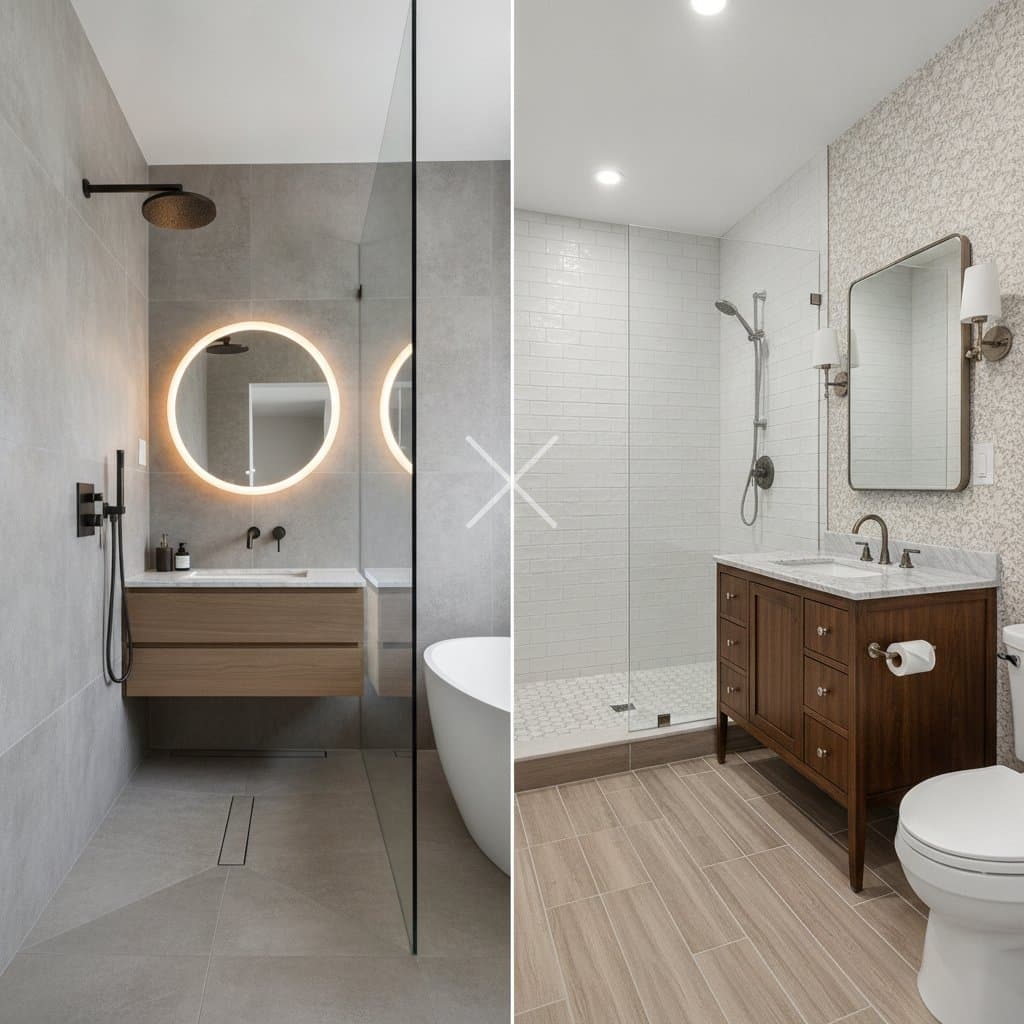
In 2026, the demand for such remodels continues to rise due to an aging population and greater awareness of inclusive living. Professional contractors specialize in blending these features with modern design trends, resulting in homes that feel welcoming and functional for all occupants.
Core Elements of Universal Design
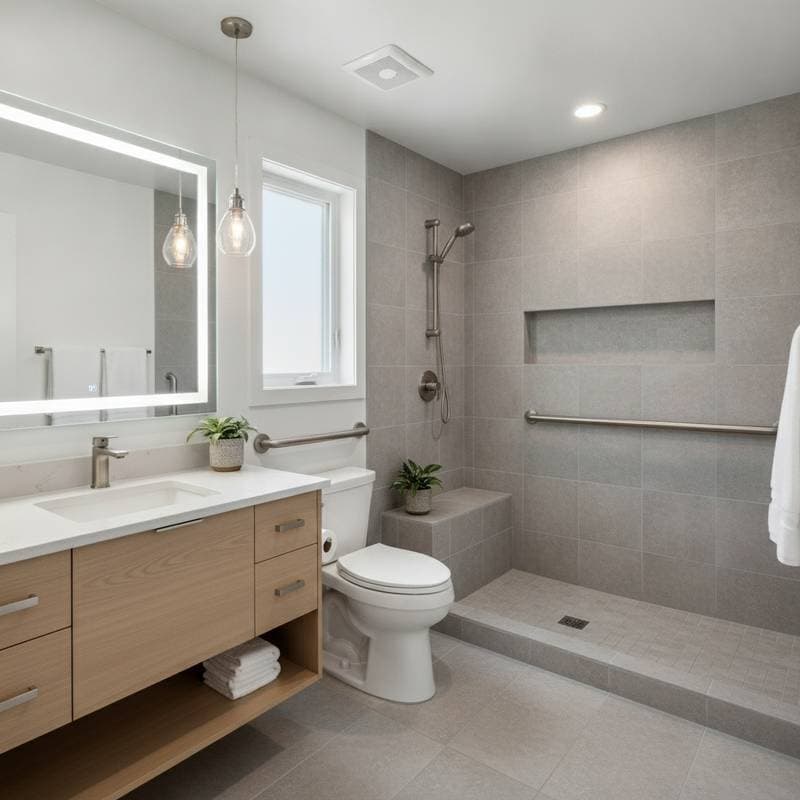
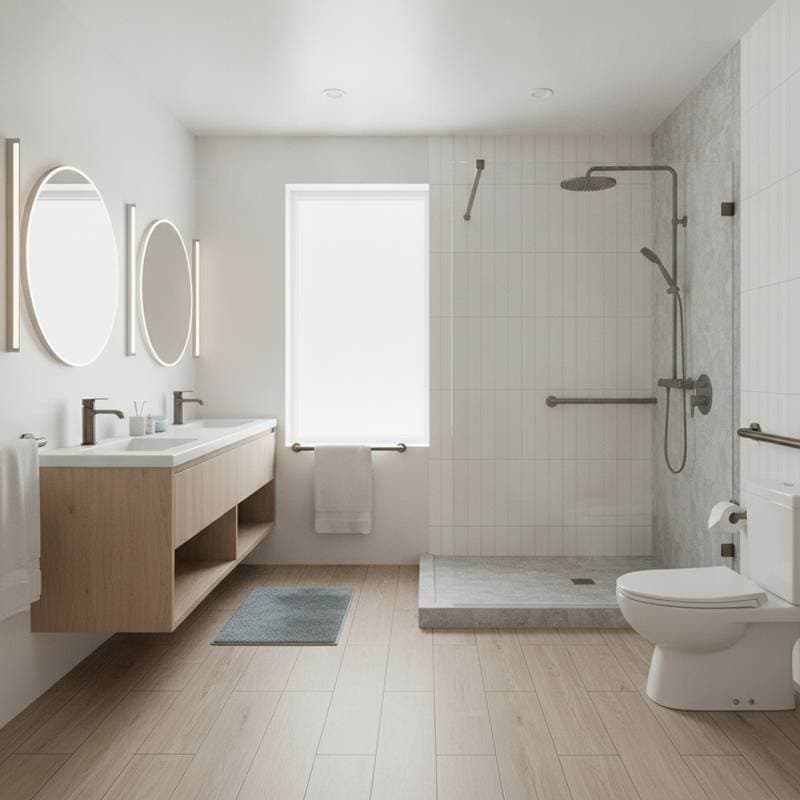
Key components include adjustable countertops in kitchens that lower for wheelchair use or raise for standing preparation. Bathrooms benefit from zero-threshold showers and grab bars installed at strategic heights. These modifications eliminate barriers while maintaining an open, spacious feel.
Lighting plays a crucial role, with layered options that provide ample illumination without glare. Smart controls allow voice or motion-activated adjustments, reducing the need for physical switches. Flooring choices prioritize non-slip surfaces and smooth transitions to prevent trips and falls.
Entryways often feature ramps or gradual slopes instead of steps, paired with keyless entry systems. Throughout the home, electrical outlets and controls position at accessible heights, typically between 15 and 48 inches from the floor. These details ensure equitable access without altering the home's overall character.
Cost Ranges for 2026 Remodels
Universal design projects vary widely in scope and expense. Minor updates, such as installing grab bars and lever handles, start at around $15,000. These targeted changes address immediate safety concerns and require minimal disruption to daily routines.
Mid-level remodels, focusing on one or two rooms like a bathroom or kitchen, typically fall between $30,000 and $60,000. This range covers structural adjustments, such as widening doorways or adding reinforced walls for future grab bar installations. Homeowners see noticeable improvements in usability with these investments.
Full-home renovations reach $100,000 or more, incorporating universal design across multiple areas. Such projects involve rewiring for smart home integration, flooring replacements, and exterior modifications like ramp additions. The comprehensive nature justifies the higher cost through enhanced longevity and resale value.
Regional differences influence these figures. Urban areas with higher labor rates may add 20 percent to estimates, while rural locations offer savings on materials. Inflation and supply chain factors in 2026 could adjust baseline costs by five to ten percent from current projections.
Factors Influencing Universal Design Costs
Material selections significantly impact budgets. High-end, durable options like quartz countertops or vinyl plank flooring with superior slip resistance increase expenses but offer better performance. Opting for mid-range alternatives maintains quality while controlling outlays.
Labor constitutes 40 to 60 percent of total costs, depending on project complexity. Experienced contractors charge premium rates for their expertise in code-compliant installations. Hiring certified professionals ensures adherence to accessibility standards, avoiding costly revisions later.
Home size and existing layout play key roles. Older homes may require extensive structural work to accommodate wider hallways or reinforced framing, elevating prices. Newer constructions adapt more easily, potentially reducing overall expenditures by 15 to 25 percent.
Permitting and inspections add ancillary fees, often $1,000 to $5,000. Local building codes vary, with some regions mandating specific universal design elements for renovations. Factoring these in from the outset prevents delays and unexpected charges.
Energy-efficient upgrades, such as LED lighting and insulated windows, integrate well with universal design. While they raise initial costs, rebates and long-term savings on utilities offset the investment. Homeowners should evaluate these synergies during planning.
Planning Your Universal Design Budget
Start by assessing current home needs through a professional evaluation. Architects or designers specializing in accessibility identify priority areas and provide detailed cost estimates. This step clarifies the scope and aligns expectations with financial realities.
- Define project phases: Break remodels into stages, such as bathroom first, then kitchen, to spread costs over time.
- Research financing options: Explore home equity loans or grants for aging-in-place modifications available in 2026.
- Solicit multiple quotes: Compare at least three contractors to ensure competitive pricing without sacrificing quality.
- Allocate contingency funds: Reserve 10 to 20 percent of the budget for unforeseen issues like hidden structural problems.
- Track expenses meticulously: Use spreadsheets or apps to monitor spending and adjust as work progresses.
Incorporate future-proofing by selecting adaptable features. For example, install blocking in walls during initial phases for easy grab bar additions later. This foresight minimizes disruption and additional costs down the line.
Consult with occupational therapists for personalized recommendations. They offer insights into specific mobility challenges, ensuring the design truly supports independence. Collaboration among stakeholders refines the plan for optimal results.
Realizing Long-Term Benefits
Universal design remodels extend beyond immediate comfort. Enhanced safety features reduce accident risks, potentially lowering medical expenses. Properties with these upgrades appeal to broader markets, often commanding five to ten percent higher resale values.
Independence remains a primary advantage. Homeowners maintain autonomy in familiar surroundings, delaying or avoiding institutional care. Family members gain peace of mind knowing loved ones navigate spaces safely.
Sustainability integrates naturally, with durable materials and efficient systems promoting environmental responsibility. In 2026, these homes align with evolving societal values, fostering inclusive communities. Investing now positions properties for enduring functionality and appeal.