2026 Universal Design Costs for Aging in Place Remodels
Creating a home that supports residents through every life stage requires intentional design and strategic planning. Universal design emphasizes accessibility, comfort, and enduring usability. For those preparing a remodel to facilitate aging in place, grasping potential costs enables informed decisions and effective budgeting. This guide details expected expenses for universal design remodels, highlights elements that deliver value, and assists in setting priorities aligned with individual lifestyles.
Understanding Universal Design
Universal design involves constructing or modifying spaces to accommodate individuals of all ages and abilities with ease and security. This approach extends beyond basic accessibility regulations to prioritize convenience, safety, and adaptability. The core concept ensures a single design serves diverse users, from young children to adults with mobility challenges or seniors opting to remain in their homes.
Key principles encompass:
- Ease of access: Wider doorways measuring at least 36 inches, zero-threshold entries, and seamless flooring transitions.
- Comfort and safety: Lever-operated door handles, non-slip flooring materials, and strategically positioned lighting to minimize shadows.
- Flexibility: Height-adjustable countertops, detachable showerheads, and modular cabinet systems that permit wheelchair navigation.
Incorporating these principles into a remodel equips the home for evolving requirements while preserving aesthetic appeal and daily comfort.
What Affects the Cost of Universal Design Remodels
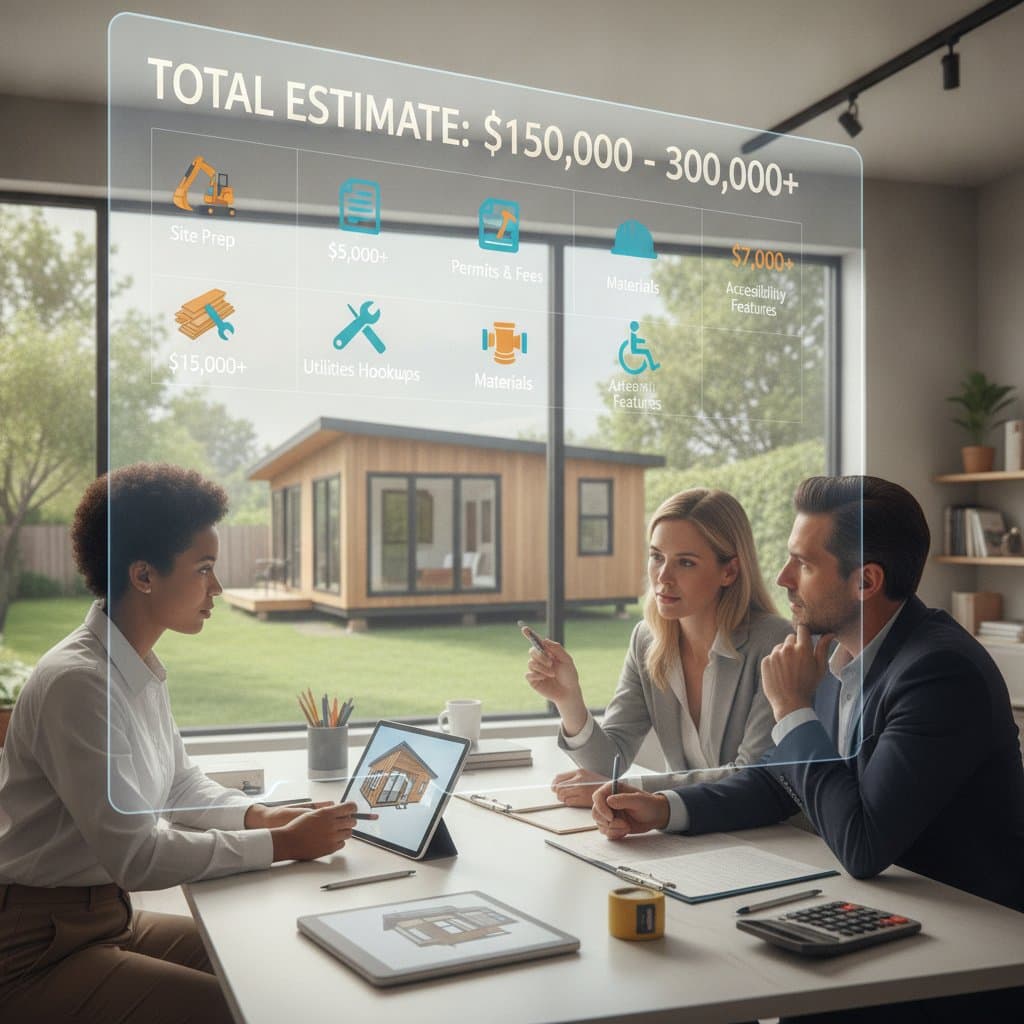
Costs for universal design remodels fluctuate according to home size, project scope, material selections, and customization degree. Basic enhancements, like updating hardware or installing lighting, remain relatively affordable. More involved efforts, such as expanding doorways or reconfiguring bathrooms, demand greater investment. Key influences on the overall budget include:
-
Scope of Work
Comprehensive remodels incorporating universal design across the entire residence exceed the expense of targeting isolated rooms. Kitchens and bathrooms typically represent the bulk of costs due to necessary plumbing alterations, custom cabinetry, and specialized fixtures. -
Existing Home Layout
Properties featuring tight corridors, multi-story configurations, or compact bathrooms often necessitate substantial modifications. Conversely, open-concept or single-story designs generally involve fewer structural adjustments. -
Quality of Finishes and Materials
Resilient, low-upkeep options elevate initial outlays yet diminish ongoing maintenance demands. Examples include textured non-slip tiles, solid-surface countertops resistant to scratches, and resilient flooring that withstands heavy use. -
Labor and Permits
Expertise in accessibility modifications proves vital. Contractors licensed in universal design and versed in regional building codes guarantee compliance and structural integrity. Fees for permits and inspections further contribute to the total. -
Technology Integration
Features like automated lighting, sensor-activated faucets, and voice-controlled entry systems boost convenience and security. Although they raise project expenses, such integrations promote sustained functionality.
Typical Cost Ranges by Area
These estimates outline anticipated expenses for specific home zones. Variations occur by location, material choices, and labor rates, yet they serve as a solid foundation for planning.
1. Entryways and Doorways
- Estimated range: $5,000 to $15,000, scaling with structural modifications
- Why it matters: Eliminating steps and thresholds facilitates secure entry for all users.
- Common updates: Installation of portable ramps, expansion to 36-inch doors, lever-style hardware, and pathway illumination.
- Pairing advice: Integrate high-contrast flooring patterns to visually cue transitions and prevent missteps.
2. Bathrooms
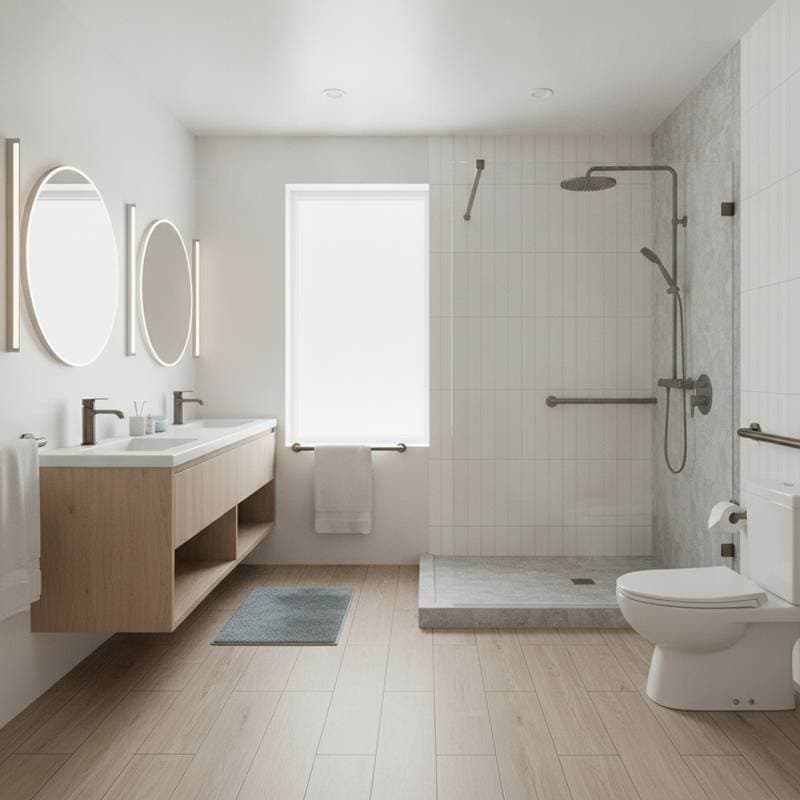
- Estimated range: $10,000 to $30,000, depending on plumbing involvement
- Why it matters: These areas present elevated fall risks; enhancements prioritize stability and ease.
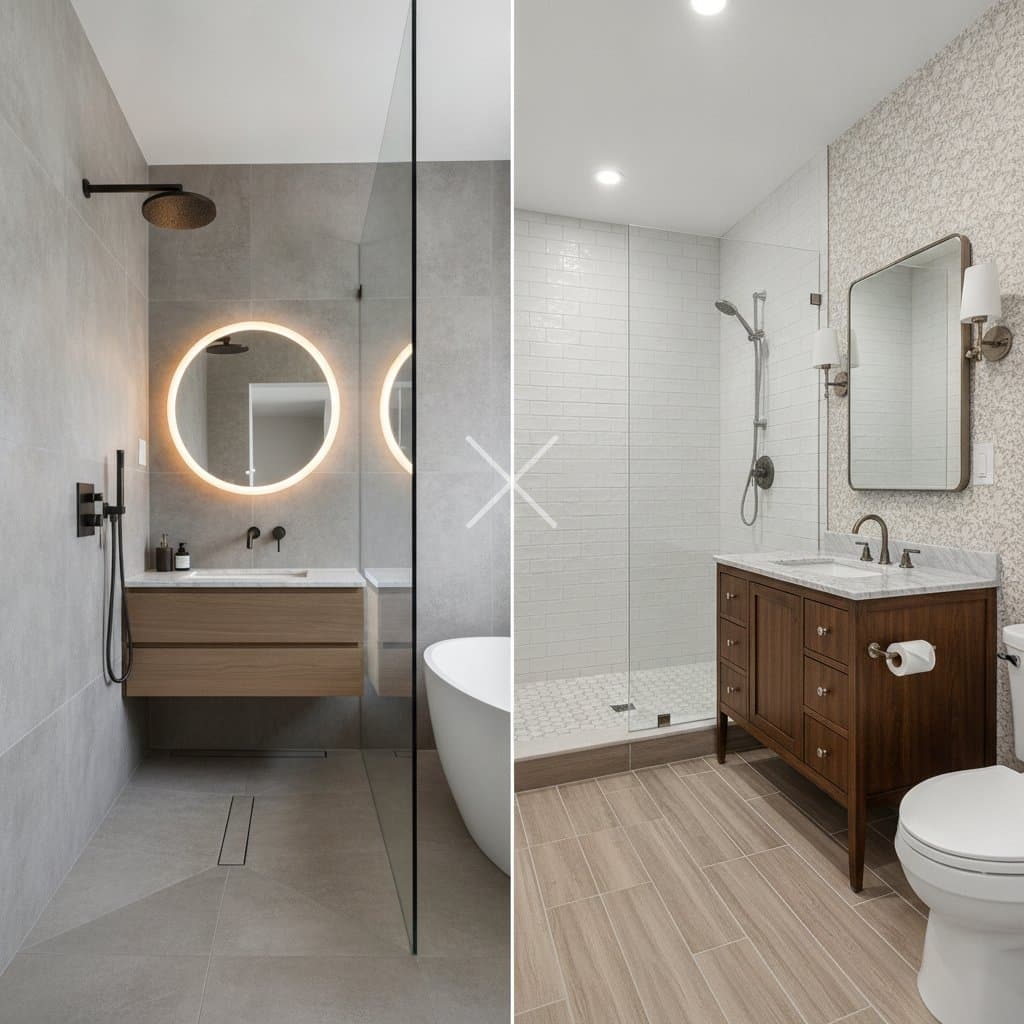
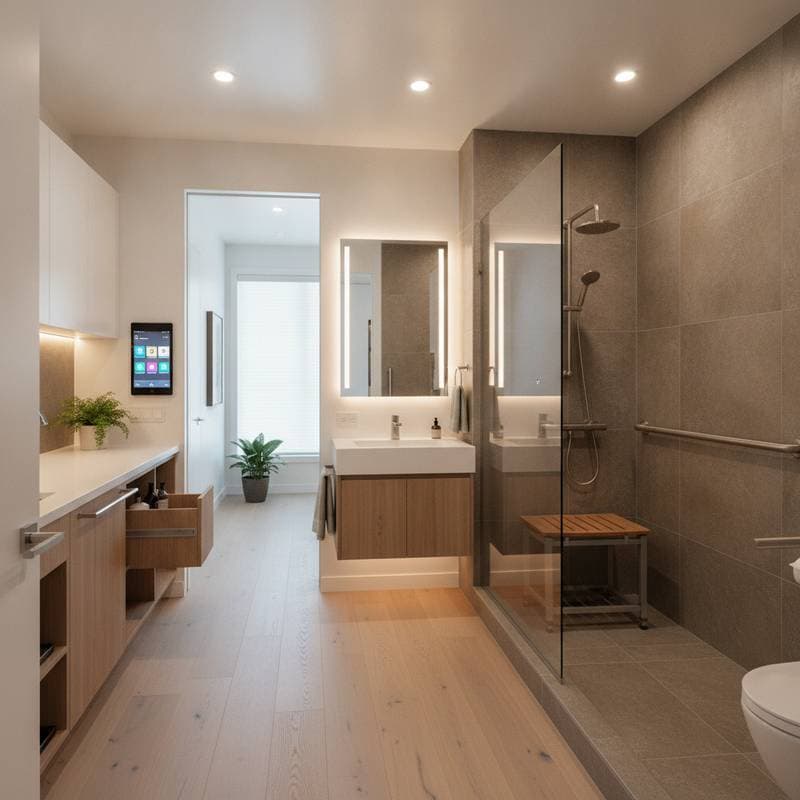
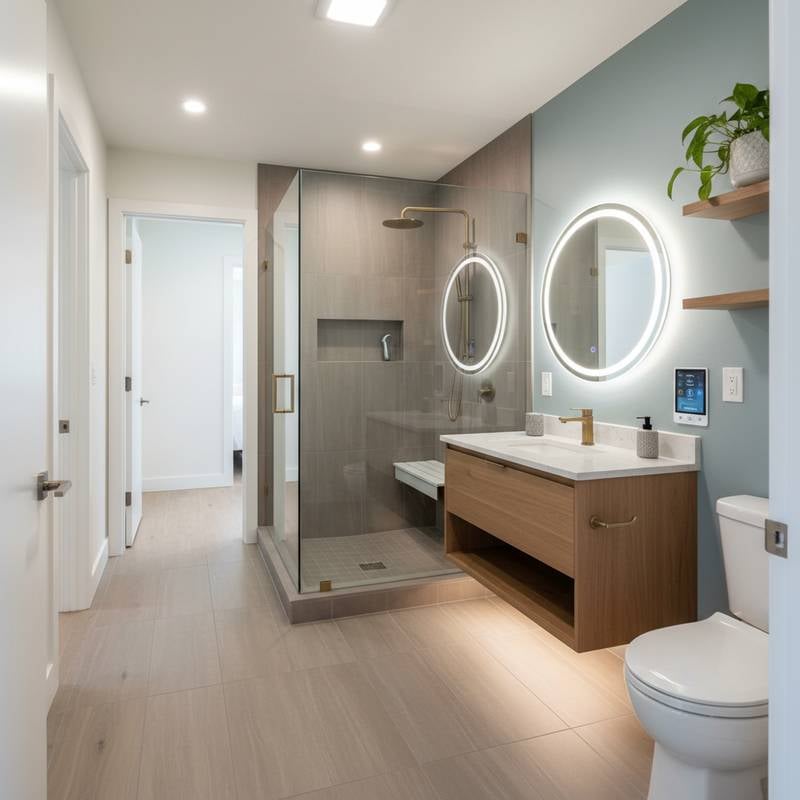
- Common updates: Roll-in showers without curbs, reinforced grab bars rated for 250 pounds, textured slip-resistant tiles, and 17- to 19-inch comfort-height toilets.
- Pairing advice: Select pale wall finishes to amplify natural light, complemented by brushed-nickel fixtures that minimize reflective glare.
3. Kitchens
- Estimated range: $15,000 to $40,000, influenced by appliance integrations
- Why it matters: As hubs of activity, accessible kitchens streamline meal preparation and cleanup.
- Common updates: Pull-down counter sections adjustable from 28 to 42 inches, full-extension drawers, base-level dishwashers, and wall ovens with side-hinged doors.
- Pairing advice: Incorporate touch-latch cabinets with integrated LED strips beneath counters for enhanced task illumination and reduced noise.
4. Flooring and Transitions
- Estimated range: $3,000 to $10,000 for primary areas
- Why it matters: Uniform surfaces eliminate obstacles and accommodate walkers or wheelchairs.
- Common updates: Luxury vinyl planks with 0.020-inch wear layers, cushioned cork underfoot, or low-profile Berber carpet with high-density padding.
- Pairing advice: Opt for earthy beige tones that harmonize with surrounding decor and maximize light diffusion.
5. Lighting and Electrical
- Estimated range: $2,000 to $8,000, based on fixture count
- Why it matters: Adequate illumination counters age-related vision decline and highlights hazards.
- Common updates: PIR motion detectors, task-oriented under-cabinet strips, 48-inch-high rocker switches, and dimmable LED bulbs with 2700K warmth.
- Pairing advice: Layer 3000K daylight bulbs for workspaces with 2500K accents in relaxation zones to control ambiance.
6. Bedrooms and Living Areas
- Estimated range: $4,000 to $12,000 for clearance expansions
- Why it matters: These zones demand adaptable layouts for rest and social interaction.
- Common updates: 36-inch pathways around furniture, outlets at 15-inch heights, and plywood backing in walls for future grab bar mounts.
- Pairing advice: Apply soothing taupe paints alongside oak accents to foster tranquility and warmth.
7. Exterior and Landscape Adjustments
- Estimated range: $5,000 to $20,000, varying by site size
- Why it matters: Accessible outdoors encourages outdoor engagement without barriers.
- Common updates: Poured concrete paths with 1:12 slopes, drought-tolerant perennials, 24-inch elevated planters, and solar-powered path lights.
- Pairing advice: Align stone pavers with the home's facade materials for seamless indoor-outdoor flow.
How to Prioritize Your Universal Design Budget
Within budget constraints, target safety and navigation enhancements first. Prioritize bathrooms for fall prevention, entryways for access, and lighting for visibility. Subsequently, incorporate convenience upgrades like adaptive kitchen elements or home automation.
Tips for prioritizing:
- Concentrate on high-traffic zones to yield immediate benefits.
- Select modifications that mitigate injury risks, such as reinforced supports.
- Favor durable surfaces requiring minimal upkeep to extend value.
- Design for scalability, installing preparatory framing for later additions.
The Long-Term Value of Universal Design
Initial investments in universal design surpass traditional remodels, yet enduring advantages justify the outlay. Homeowners sidestep relocation expenses, curtail repair needs, and elevate property marketability. Such homes appeal to diverse buyers, including families planning for generational needs.
Beyond finances, these adaptations foster autonomy. Subtle elements like ergonomic hardware and expansive corridors simplify routines while integrating seamlessly into the design.
Cost Comparison: Partial vs. Whole-Home Remodels
Targeting select zones, like a single bathroom paired with kitchen tweaks, keeps expenditures manageable at $20,000 to $50,000. Comprehensive overhauls involving layout shifts, uniform flooring, and tech infusions range from $75,000 to $150,000 but ensure holistic accessibility.
Homeowners frequently adopt phased implementations, addressing urgent areas initially and expanding as resources allow.
Partial remodels typically cover:
- Bathroom safety reinforcements
- Entry modifications
- Electrical and lighting overhauls
Whole-home remodels extend to:
- Wall relocations
- Complete surface renewals
- Culinary space redesigns
- Automation ecosystems
Consulting a universal design specialist refines choices to optimize expenditure and utility.
When to Hire a Professional
Certain tasks suit DIY efforts, including mounting grab bars or swapping switches. However, plumbing reroutes, doorway enlargements, or ramp constructions demand expert assessment and regulatory approvals.
Engage certified professionals adept in accessibility standards to align modifications with safety protocols and personal objectives. Collaborations with occupational therapists often yield tailored recommendations suited to specific health and activity profiles.
Cost Management Strategies
Universal design projects test financial limits despite meticulous preparation. Implement these approaches to rein in spending while upholding standards:
- Phase the project: Distribute tasks over 6 to 24 months to manage cash flow.
- Use adaptable materials: Install reversible components like height-variable sinks or expandable storage.
- Repurpose existing fixtures: Restore vintage hardware or resurface counters instead of full replacements.
- Seek incentives: Explore municipal rebates or federal programs for age-friendly upgrades.
- Plan for aging technology: Prioritize scalable systems, such as Wi-Fi-enabled hubs compatible with future devices.
Keeping Style and Comfort in Balance
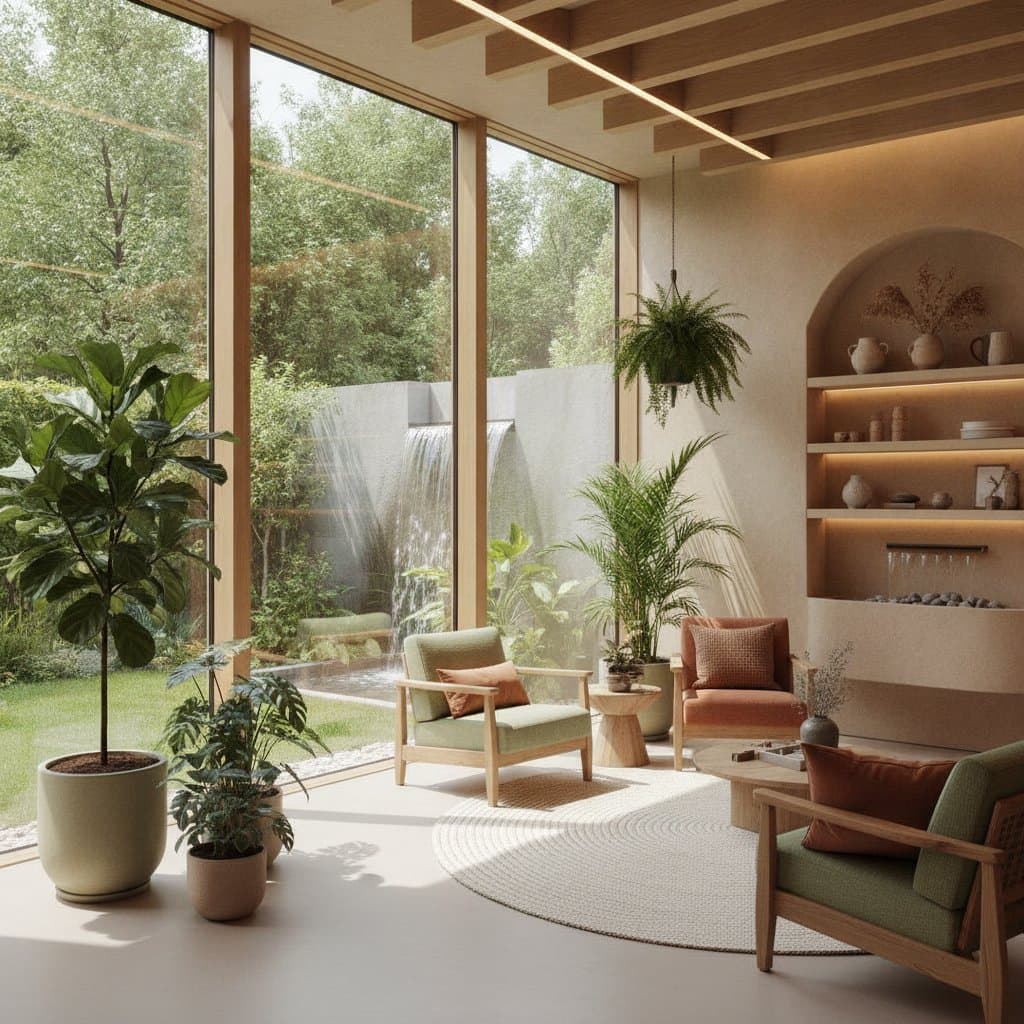
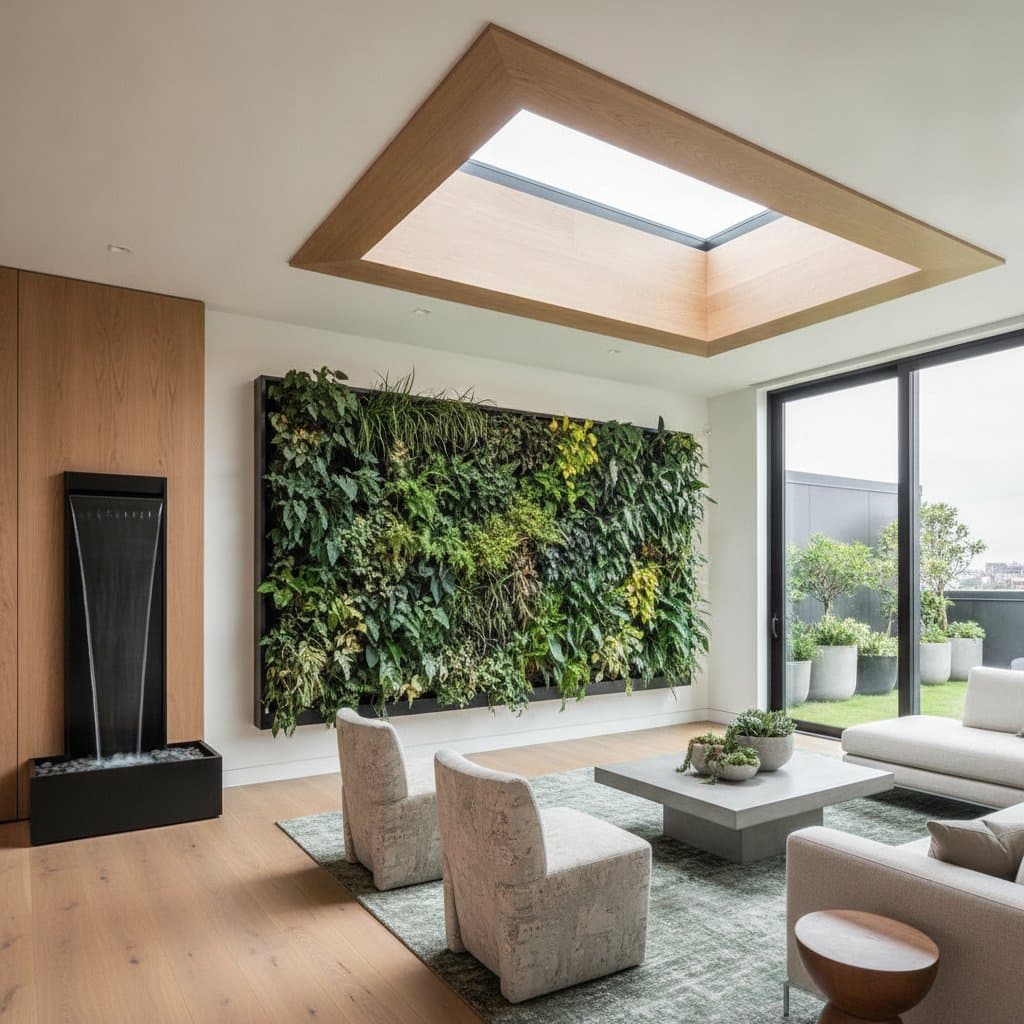
Universal design integrates functionality without compromising sophistication. Contemporary textures, muted palettes, and refined hardware merge utility with refinement. Subdued metallics, soft earth tones, and tactile contrasts yield polished, hospitable interiors adaptable to varied aesthetics, from colonial revivals to sleek contemporaries.
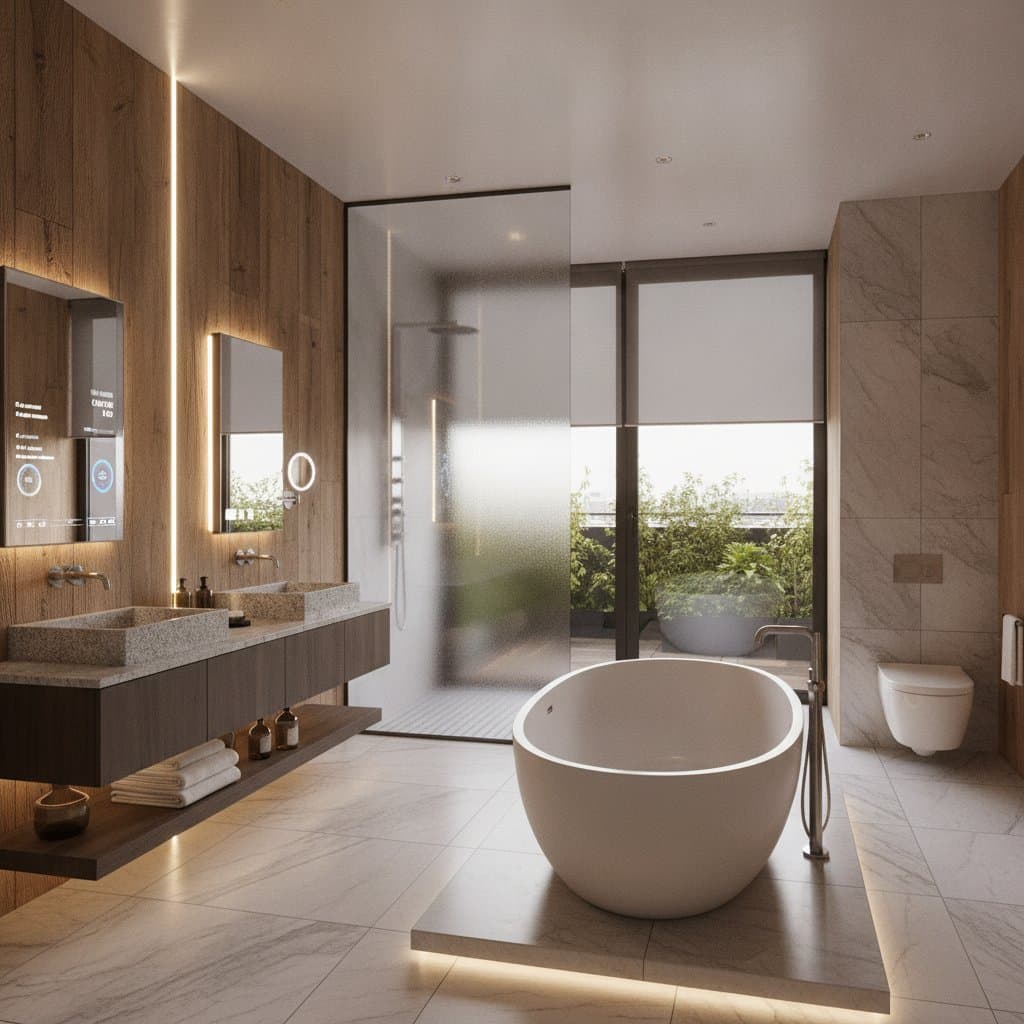
Harmonizing form and purpose sustains appeal. A barrier-free shower clad in limestone evokes serenity, while broad corridors illuminated by cove lighting blend practicality with poise.
Living Comfortably with Universal Design
Post-remodel, subtle enhancements streamline existence. Ergonomic grips ease joint stress, optimized illumination averts mishaps, and generous passages promote fluid navigation. These elements operate unobtrusively, bolstering ease and self-reliance.
Ongoing adjustments remain feasible. Introduce stair railings, recalibrate work surfaces, or deploy app-based controls as circumstances shift, preserving the residence's essence amid evolution.
Maintaining Your Investment
Sustain universal design features through routine care to maximize longevity. Schedule annual inspections of grab bars and flooring for wear. Clean sensors and fixtures monthly to ensure reliability. Update software for smart systems biannually. These practices preserve safety and efficiency, protecting your remodel's benefits over decades.