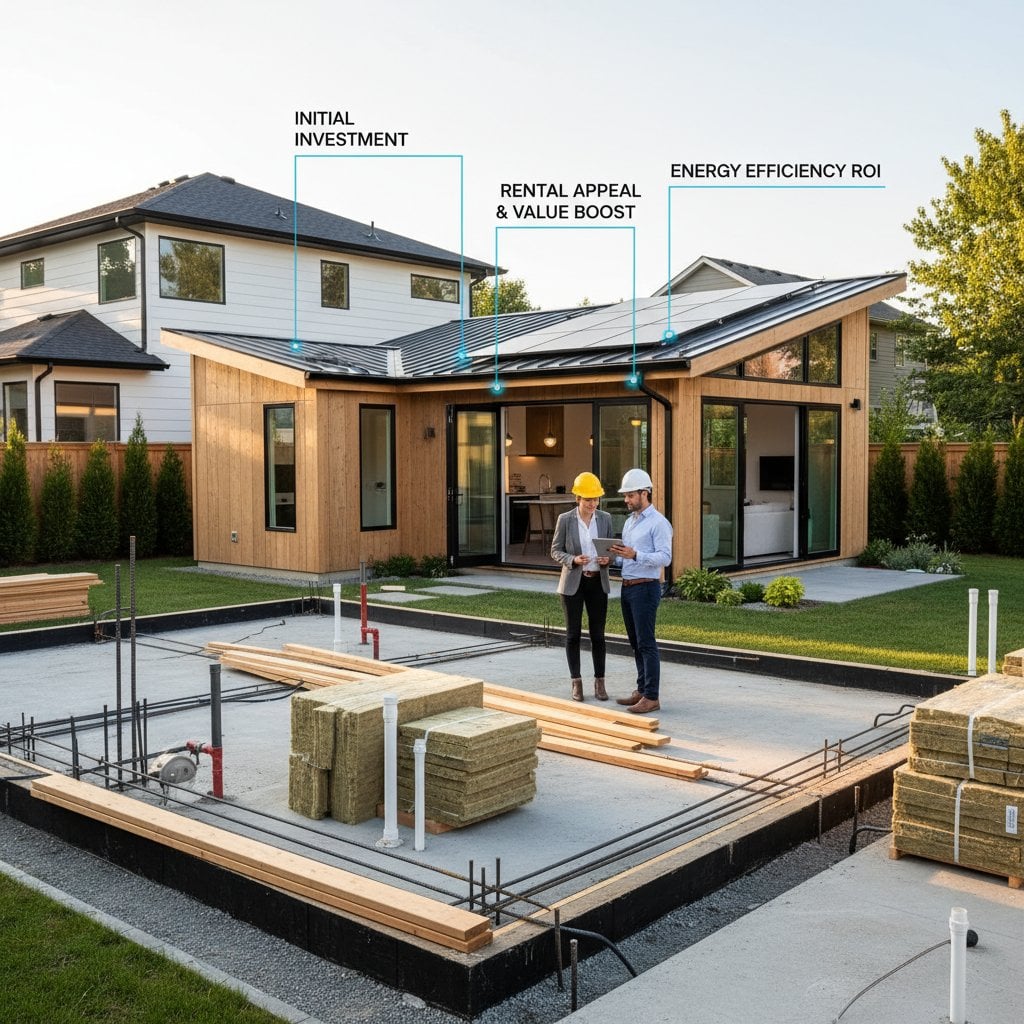
Anticipating 2026 Costs for Profitable Granny Flat Projects
Granny flats, known formally as accessory dwelling units, offer homeowners a pathway to enhanced property value and versatile living arrangements. These structures support additional income streams, accommodate extended family, or provide dedicated workspaces. To navigate this investment effectively, homeowners must grasp the elements that determine expenses and the strategies that maximize returns. This article details the cost components, investment potential, and practical recommendations for constructing a granny flat that aligns with future market trends.
Breaking Down the Cost Components of a Granny Flat
A granny flat merges essential residential features into a compact form, balancing livability with efficiency. Expenses fluctuate according to the unit's dimensions, selected materials, and the property's existing conditions. Despite these variables, certain expense categories remain central to every build.
Key factors influencing costs include:
- Dimensions and configuration. Compact studio layouts require fewer resources than expansive two-bedroom setups equipped with complete kitchens and bathrooms.
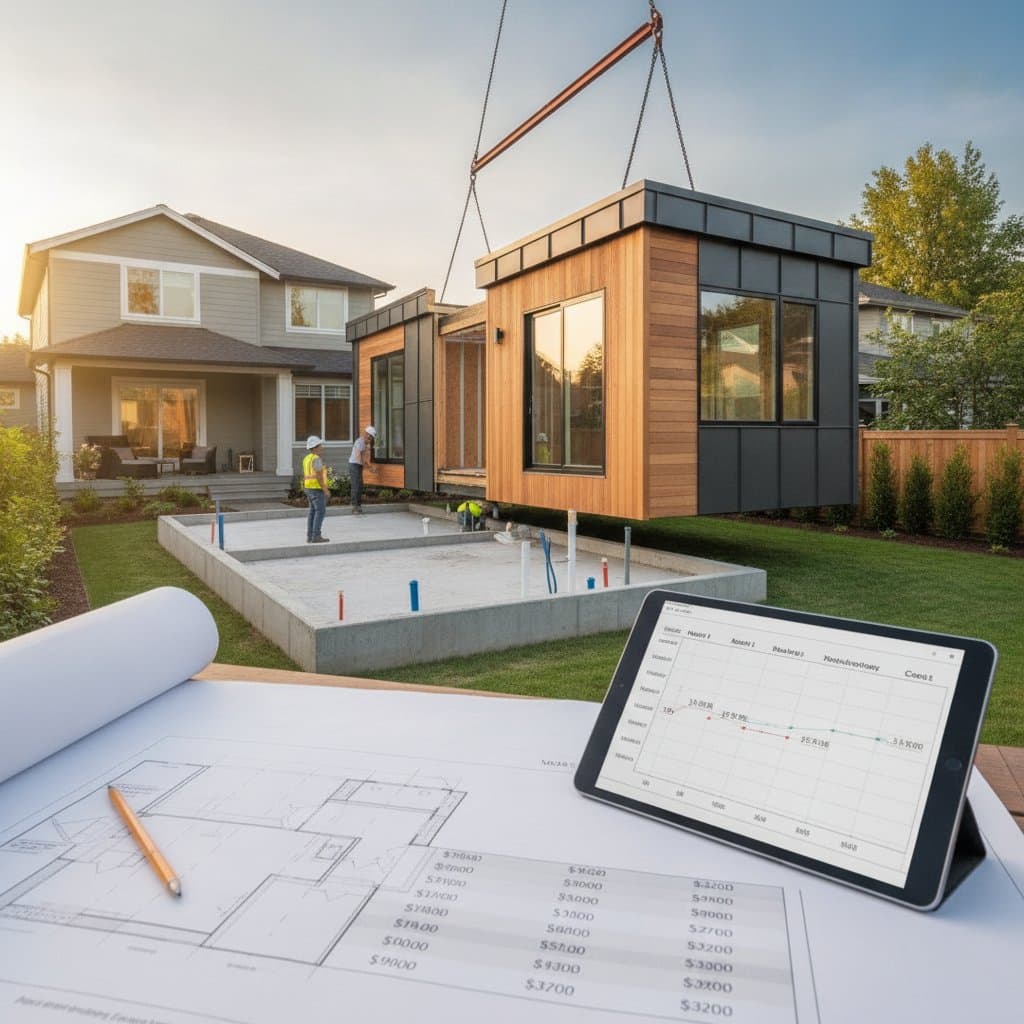
- Site preparation and foundation. Tasks such as land grading, utility trenching, and foundational pouring frequently consume a significant portion of the budget, often surprising initial estimates.
- Building materials and interior finishes. Opting for resilient exterior cladding, premium roofing systems, and energy-conserving glazing elevates initial outlays yet minimizes ongoing repair needs.
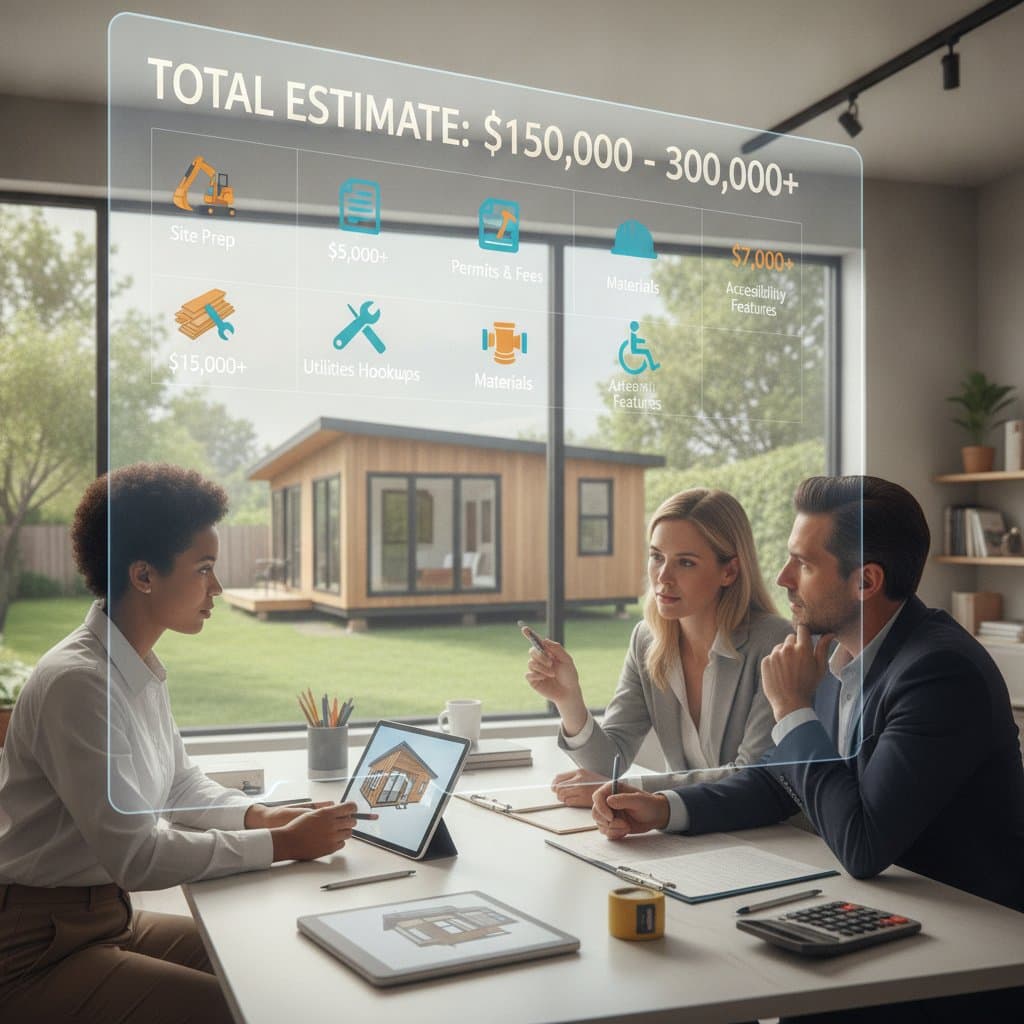
- Workforce and regulatory approvals. Skilled labor guarantees adherence to safety standards and building regulations. Fees for permits, along with mandatory inspections, contribute to the overall expense while safeguarding the project's longevity.
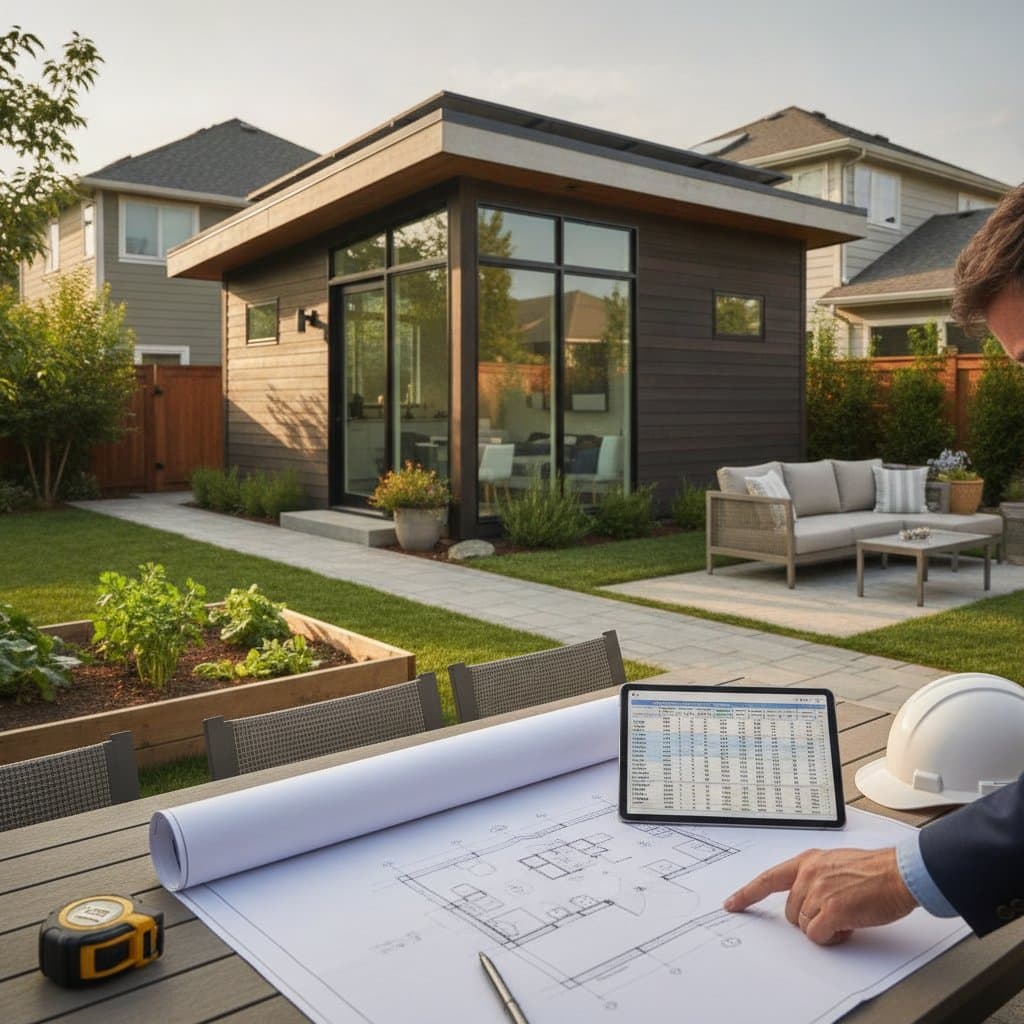
In typical regional markets, the construction cost per square foot for a standalone granny flat mirrors that of a modest custom residence, ranging from $150 to $300 depending on location and specifications. Prefabricated or modular options might reduce material expenses by 10 to 20 percent, though preparatory site work and on-site assembly incur comparable charges. For a standard 400-square-foot unit, total costs could span $60,000 to $120,000, encompassing all phases from planning to completion.
Calculating Potential Returns on Your Granny Flat Investment
Granny flats generate reliable returns by expanding usable space without altering the primary residence's structure. Properties featuring a completed accessory unit command premium prices upon sale and support consistent revenue from rentals.
Primary elements driving return on investment encompass:
- Income from rentals. Secure long-term occupants, short-term visitors, or relatives can cover financing costs or yield net profits, with average monthly rents for a one-bedroom unit projected at $1,200 to $2,000 by 2026 in urban areas.
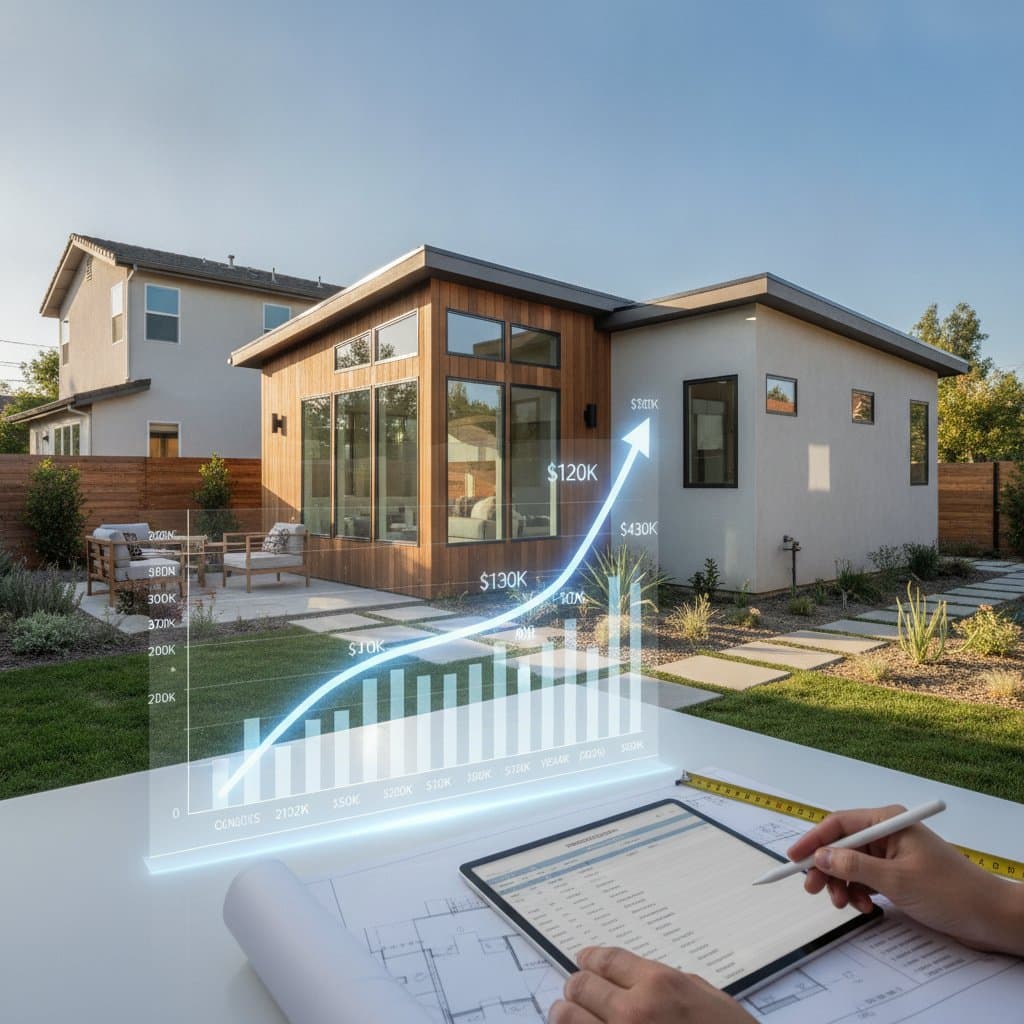
- Elevation in property appraisal. Prospective purchasers value the presence of revenue-generating features, potentially increasing home worth by 15 to 30 percent.
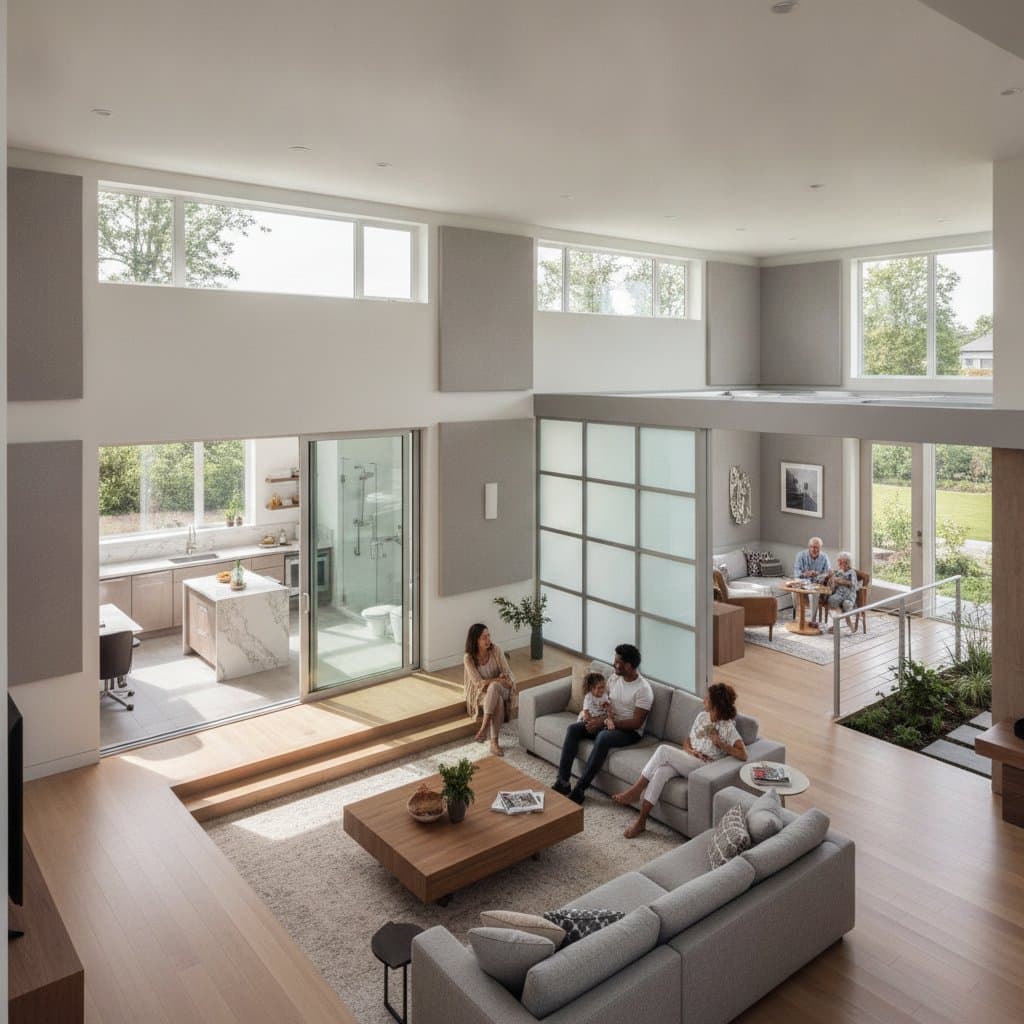
- Adaptability to changing circumstances. The unit serves multiple roles over time, from professional office to guest accommodations or barrier-free housing for aging residents.
Prioritizing superior craftsmanship over sheer scale often proves more lucrative. A modestly sized granny flat incorporating advanced insulation, solar-compatible roofing, and automated lighting systems may achieve payback periods of five to seven years, surpassing returns from oversized, energy-intensive designs. Market analyses suggest that energy-efficient builds retain 20 percent higher resale values in eco-conscious communities.
Strategies for Reducing Costs Through Thoughtful Design and Building Practices
Effective planning controls expenditures without compromising durability or appeal.
- Streamline architectural forms. Rectangular footprints and simple gable roofs simplify framing and thermal barriers, potentially trimming labor costs by 15 percent.
- Select weather-resistant components. Materials like fiber-cement panels for walls, metal seam roofs for coverage, and synthetic composites for outdoor areas withstand environmental stresses and limit future interventions.
- Leverage existing infrastructure. Connecting to the property's current water, electricity, and sewage systems avoids new line installations, provided regulations permit such integrations.
- Prioritize thermal performance. High R-value insulation in walls and ceilings curtails heating and cooling demands, yielding annual savings of $300 to $500 on utility statements.
- Incorporate seclusion features. Thoughtful positioning of operable windows, along with boundary screening like native hedging or low partitions, maintains independence from the main dwelling at minimal additional expense.
Engage a certified builder specializing in accessory units to secure precise projections and regulatory adherence. While homeowners might handle cosmetic tasks such as painting or fixture installation, core elements like load-bearing frameworks, wiring networks, and pipe systems demand expert oversight to prevent costly errors.
Steps to Launch Your Granny Flat Initiative
Constructing a granny flat represents an enhancement to daily living and a prudent financial move. Thorough financial planning, grounded projections, and deliberate aesthetic choices harmonize immediate costs with enduring benefits.
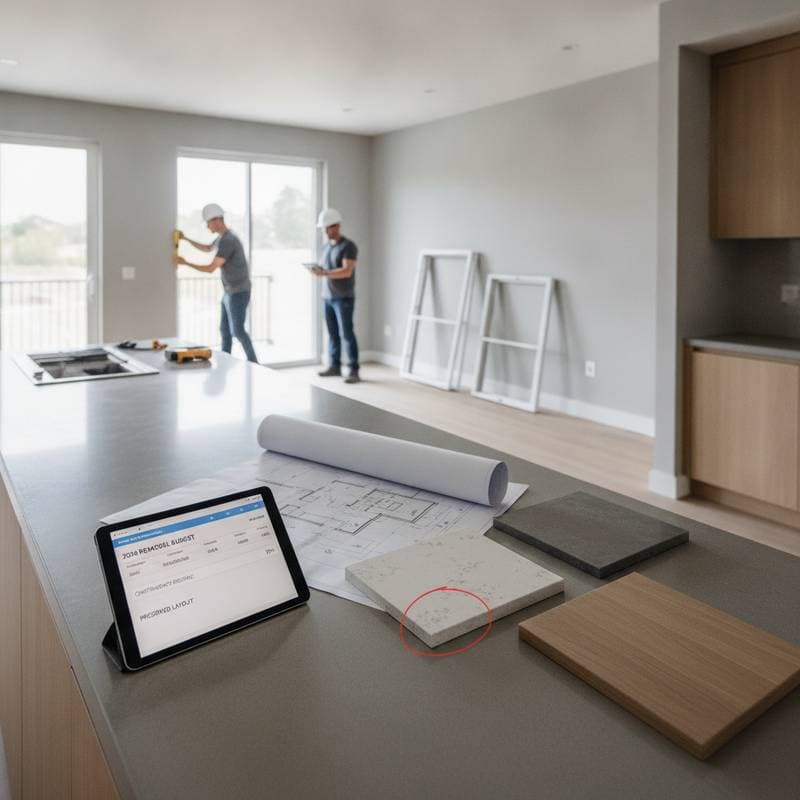
Begin by clarifying objectives. For revenue-focused projects, integrate robust flooring and acoustic barriers to appeal to renters. For familial purposes, incorporate ramp access and wide doorways to promote ease of movement. Solicit bids from at least three reputable firms, review their licensing and past portfolios, and consult municipal planners regarding allowable setbacks and occupancy limits prior to commencing excavation.
Strategic execution transforms a granny flat into a enduring asset that elevates property utility and market position for years ahead. Approach budgeting as an opportunity to forge sustainable wealth and responsive home environments.