Understanding Biophilic Design for Home Wellness
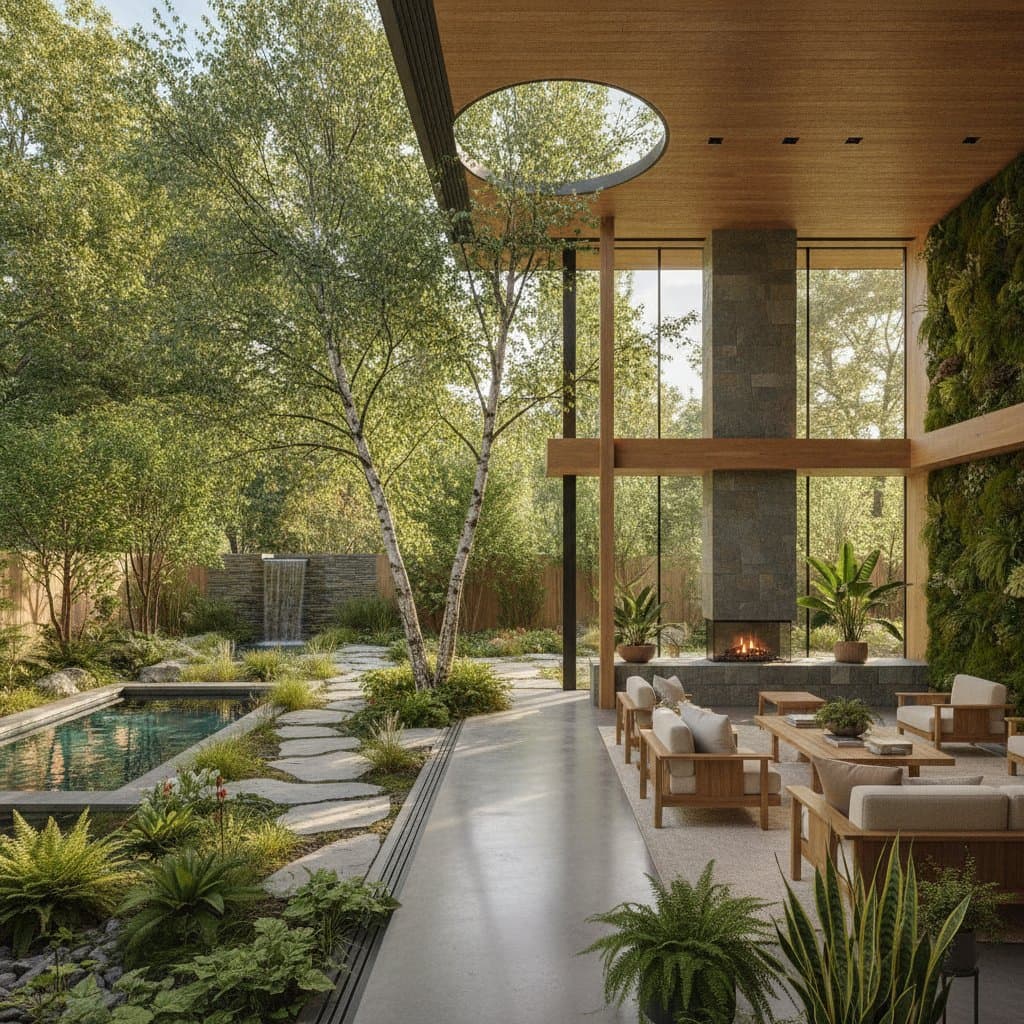
Biophilic design integrates natural elements into indoor spaces to promote health and harmony. Elements such as light, plants, and organic textures reduce stress and enhance focus. These features deliver wellness benefits without requiring extensive renovations or high costs.
Homeowners achieve these improvements through targeted, budget-conscious changes. The approach suits various living spaces, from apartments to houses. Results include better sleep, improved air quality, and a sense of calm.
Project Overview and Cost Breakdown
Biophilic upgrades range from simple additions to more involved modifications. Focus on low-cost options to stay under $500. This guide covers essential steps, timelines, and considerations for effective implementation.
Key cost categories include:
- Under $500 options: Indoor plants ($20–$100), mirrors for light reflection ($30–$80), natural paints ($50–$150), and air-purifying setups ($40–$200).
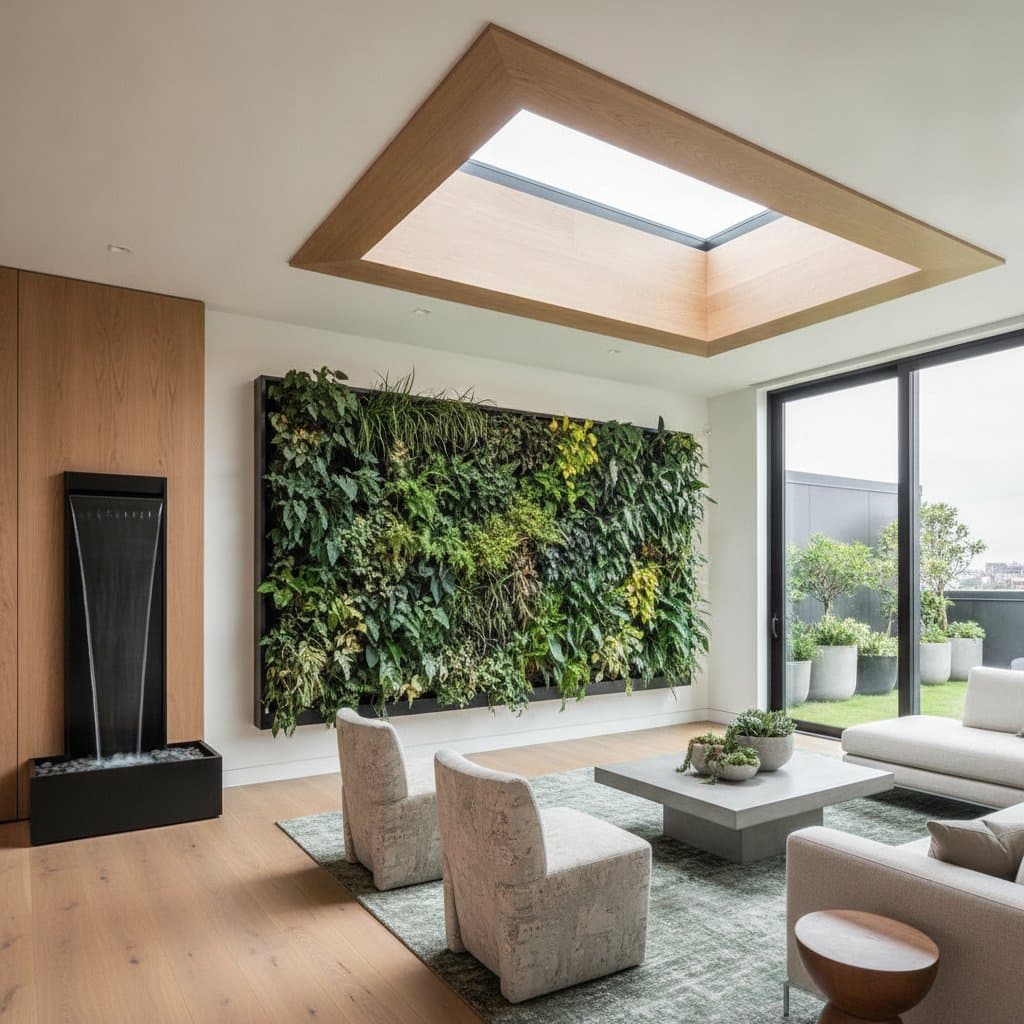
- $1,000–$5,000 range: Skylights ($800–$2,500), small water features ($200–$1,000), or wood accents ($500–$3,000).
- Over $10,000: Comprehensive room redesigns with structural changes.
Timelines vary: DIY projects take 1–3 days, while professional work spans 1–3 weeks. Difficulty levels range from easy (plant placement) to advanced (window installations). Regional labor rates and material choices influence total expenses.
DIY Projects Versus Professional Assistance
Many biophilic enhancements suit DIY efforts, saving time and money. These tasks require basic tools and minimal expertise. Professional help ensures safety for complex alterations.
Suitable for DIY:
- Positioning plants or creating vertical gardens.
- Painting walls in earth-toned hues with low-VOC formulas.
- Applying peel-and-stick wallpaper featuring natural motifs.
- Placing mirrors to amplify daylight.
- Assembling compact water fountains.
Require professionals:
- Skylight or window installations.
- HVAC adjustments for ventilation.
- Custom installations of wood or stone elements.
- Plumbing for integrated water systems.
DIY costs remain below $500, often under $200 with household supplies. Professional fees start at $2,000 for intricate work. Consult experts for any electrical, plumbing, or structural modifications to meet building codes.
Step-by-Step Guide to Biophilic Upgrades
Follow these steps to infuse nature into your home affordably. Each phase builds on the previous for a cohesive result. Aim for gradual implementation to observe impacts.
Step 1: Assess Natural Light Sources
Observe light flow in rooms throughout the day. Note shaded areas or obstructed views. Ensure primary spaces receive daylight for at least four hours daily.
Step 2: Select an Earth-Inspired Color Scheme
Opt for paints evoking sand, forest greens, or sky blues. Choose matte sheens to soften reflections. Test samples in natural light to confirm calming effects.
Step 3: Incorporate Greenery
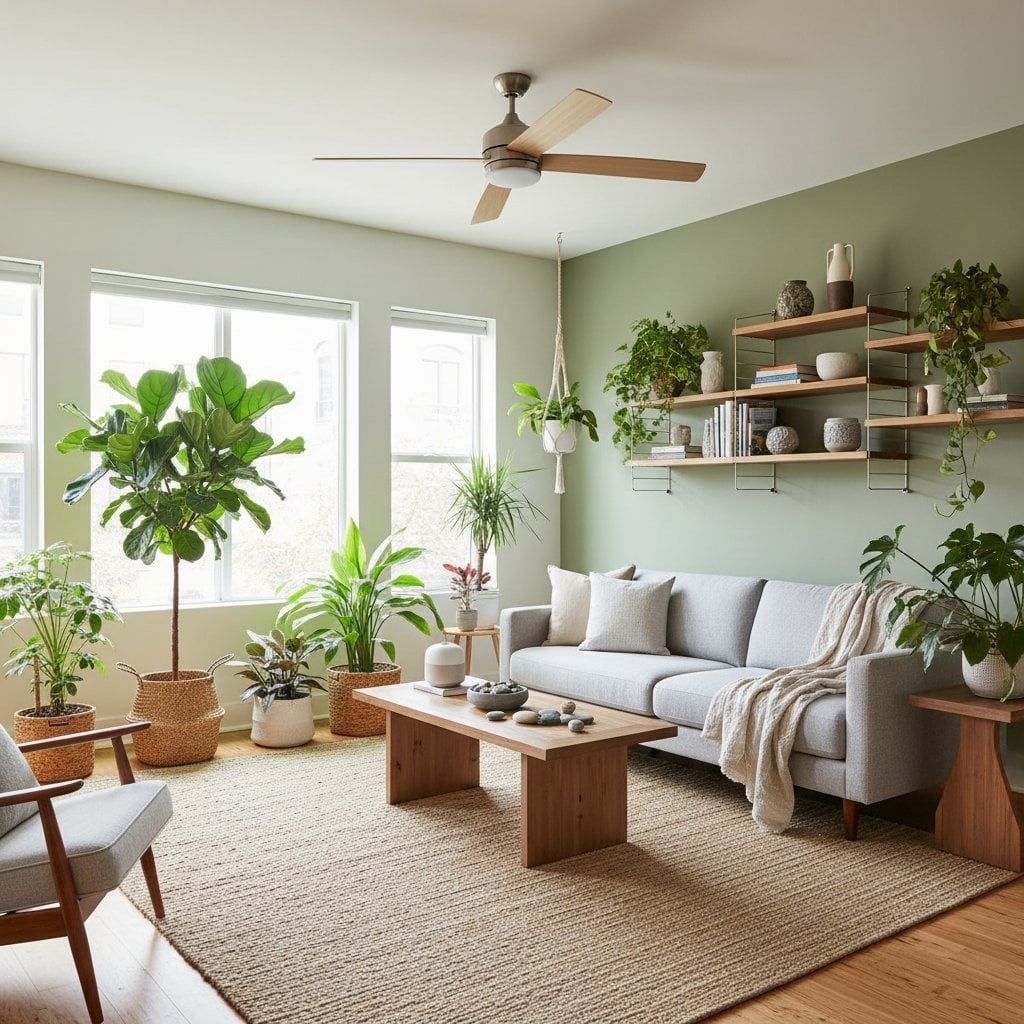
Select resilient plants like pothos for low light or snake plants for air purification. Pair with terracotta pots for authenticity. Position for optimal growth and circulation.
Step 4: Integrate Organic Textures
Introduce bamboo rugs, linen curtains, or cork coasters. Consider peel-and-stick wood panels for walls. These additions provide tactile warmth without overwhelming budgets.
Step 5: Enhance Air Circulation
Ventilate by opening windows regularly. Supplement with HEPA filters in plant-heavy areas. Monitor for freshness to confirm improved quality.
Step 6: Add Subtle Water Elements
Install a battery-operated fountain on a stable surface. Select models under 12 inches for discreet placement. The gentle trickle promotes relaxation.
Step 7: Balance Lighting Layers
Install warm-toned LED strips (2700K) with dimmer switches. Combine with sheer curtains to diffuse sunlight. Avoid harsh overhead lights for a natural ambiance.
Step 8: Use Flowing Forms in Decor
Select rounded vases or leaf-patterned throws. Incorporate wavy wall art or pebble trays. These elements soften straight lines for visual ease.
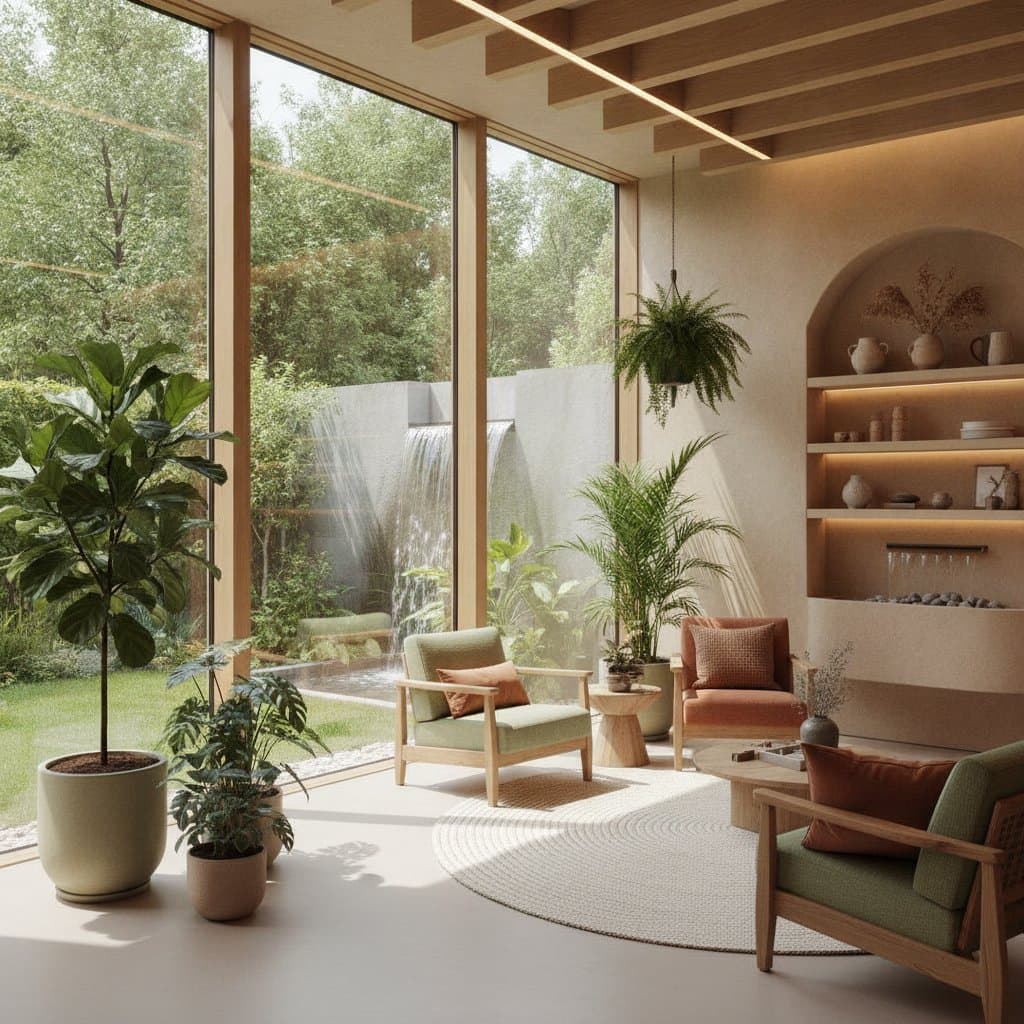
Step 9: Optimize Views to Outdoors
Arrange seating toward gardens or horizons. Use sheer blinds to filter light. Clear pathways to patios if applicable.
Step 10: Harmonize Sensory Inputs
Blend lavender diffusers with soft wool blankets. Ensure scents remain mild. Test the overall feel for multisensory comfort.
Essential Safety Measures
Prioritize precautions during upgrades. Electrical work demands power shutoff and tester use. Stable ladders prevent falls when reaching high areas.
Water placements require waterproof mats to avoid floor damage. Wear gloves for soil handling, masks for dust, and goggles for cutting. Inspect installations regularly for stability.
Common Issues and Solutions
Wilting plants often stem from improper watering or light exposure. Relocate to brighter spots and prune affected leaves. For dim rooms, add metallic accents to bounce light.
Stale air improves with ceiling fans or dehumidifiers. Swap synthetic fabrics for breathable alternatives like jute. Perform weekly checks: sit in the space, evaluate light distribution, and test fixture security.
Post-Project Care and Sustainability
Maintain plants with weekly watering and leaf wiping. Refinish wood annually to preserve appearance. Dust lights and vents monthly for sustained performance.
Natural elements endure 10–20 years with care. Compost clippings and recycle paints locally. This routine keeps the space vibrant and eco-friendly.
Signs You Need Professional Input
Engage contractors for window expansions or wiring reroutes. Budget $300–$2,000 for electrical tasks, $1,500–$4,000 for skylights. Verify credentials, obtain detailed quotes, and secure warranties.
Professionals handle multi-room plans efficiently. Their expertise prevents costly errors in ventilation or structural work.
Sustaining Wellness Through Biophilic Living
These upgrades foster daily tranquility and productivity. Natural connections lower cortisol and aid recovery. Expand gradually, starting with high-traffic areas.
Seasonal tweaks, like rotating plants, refresh the environment. Journal mood shifts to quantify benefits. Thoughtful biophilic choices yield enduring health gains.
Practical Strategies for Lasting Impact
Begin with greenery and lighting for quick wins. Prioritize sustainable sources like FSC-certified wood. Multifunctional pieces, such as plant stands with storage, maximize utility.
Maintain clear sightlines to nature. Photograph progress to inspire further refinements. Consistent application transforms ordinary spaces into restorative retreats.
Frequently Asked Questions
What defines biophilic design? It emphasizes natural integrations like light, flora, and textures to mimic outdoor environments.
Is a full remodel necessary? Simple changes like repainting and adding plants suffice for noticeable effects.
How does it aid wellness? Exposure to these elements regulates circadian rhythms and purifies air.
Are faux natural materials effective? They work short-term, but authentic options offer superior sensory benefits.
What maintenance is involved? Basic tasks like dusting and watering keep elements thriving.
How to pick suitable plants? Match to room conditions; opt for forgiving varieties in low-light settings.