Understanding Universal Design
Universal design refers to the creation of environments that accommodate people of all ages, sizes, and abilities. This approach ensures that homes remain functional and comfortable throughout life changes, such as aging or family growth. By incorporating these principles early, homeowners avoid the need for costly modifications later.
The concept originated in architecture and product design to promote inclusivity. In residential settings, it focuses on features like wide doorways and lever handles. These elements enhance daily living without drawing attention to specific needs.
Key Principles of Universal Design
Several core principles guide universal design in home construction and renovation. Equitable use means spaces serve everyone equally. Flexibility in use allows for multiple methods of operation.
Simple and intuitive design ensures controls are straightforward. Perceptible information provides clear cues through vision, sound, or touch. Tolerance for error minimizes hazards from accidental actions.
Low physical effort and size for approach make interactions effortless. These principles form the foundation for durable, adaptable homes.
Benefits for Homeowners
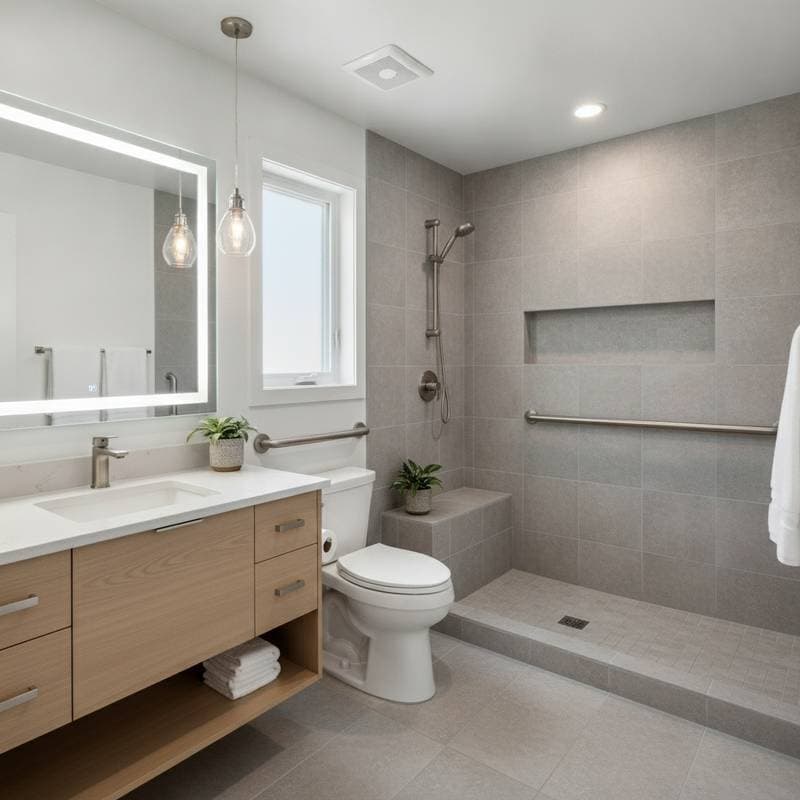
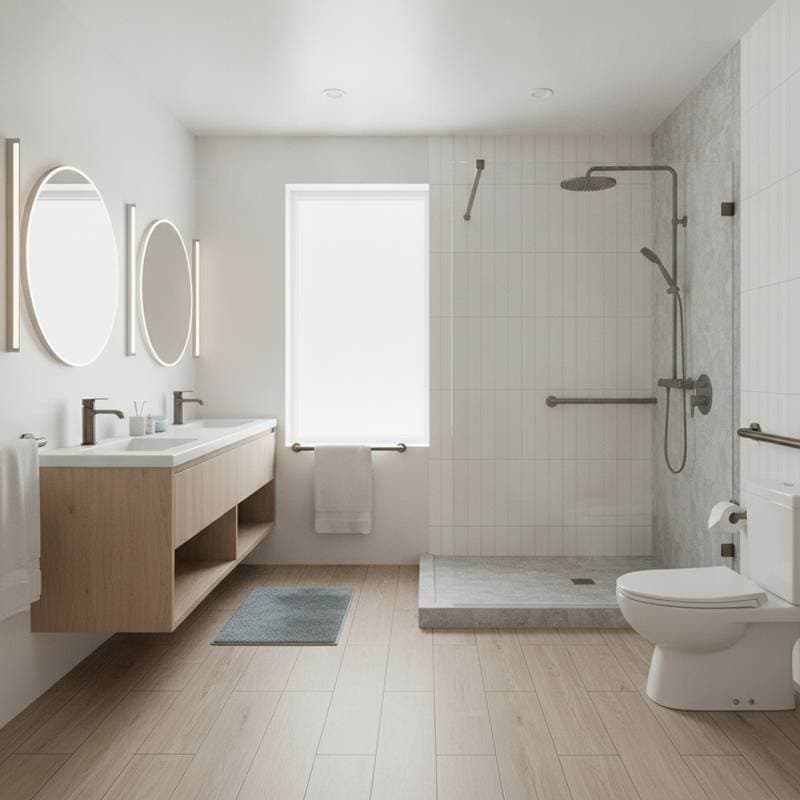
Universal design improves safety by reducing fall risks with features like grab bars and non-slip flooring. It boosts comfort through adjustable lighting and climate controls. Accessibility supports independent living for all occupants.
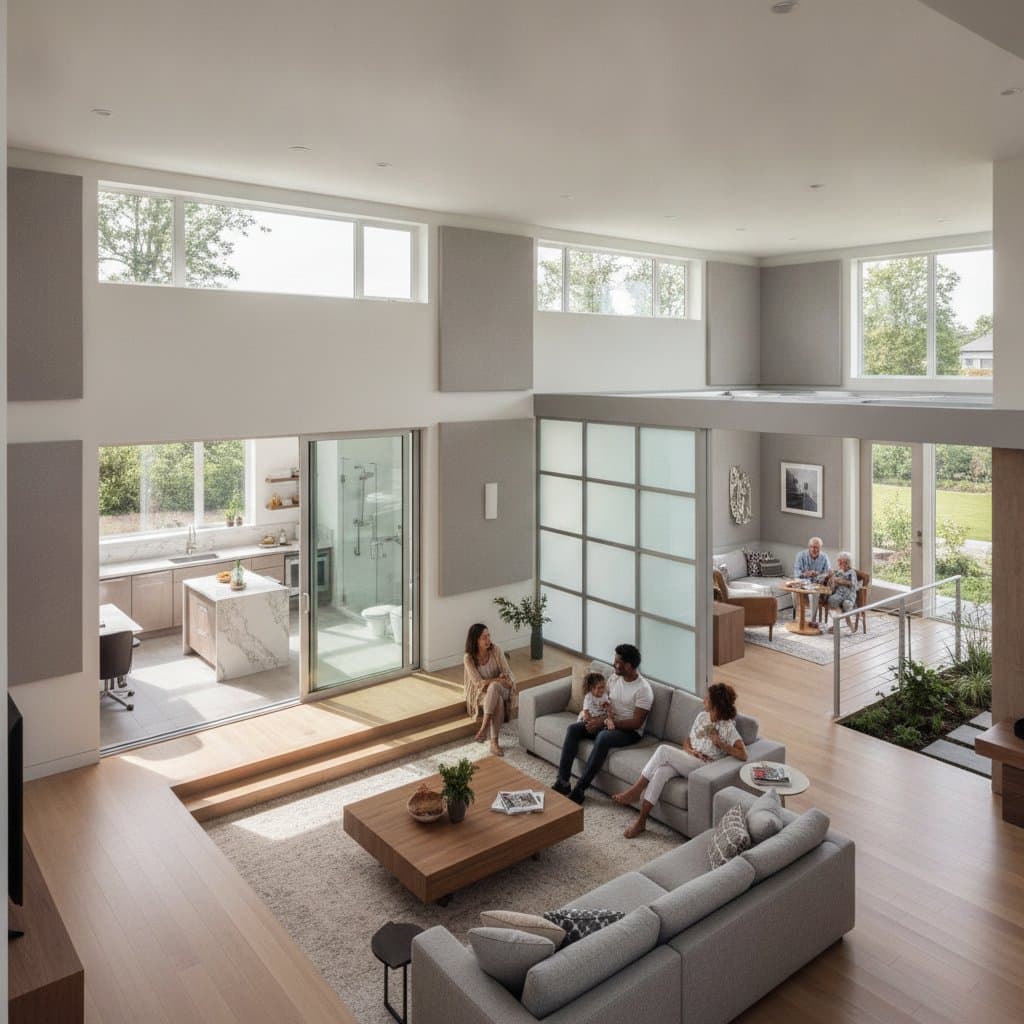
Families benefit from spaces that adapt to children, adults, and seniors. The design promotes social interaction with open layouts. Overall, it creates a welcoming environment that evolves with needs.
Cost Savings Through Proactive Planning
Implementing universal design during initial builds or remodels cuts future expenses significantly. Studies indicate that such features can reduce later renovation costs by up to fifty percent. The upfront investment pays off by avoiding reactive changes.
For example, installing wider hallways now prevents the need to expand them later, which could cost thousands. Reinforced walls for future grab bars add minimal expense during construction. These strategies extend the home's usable life.
Average costs for universal design elements range from five thousand to twenty thousand dollars, depending on scope. Small upgrades, like lever faucets, start at two hundred dollars. Full kitchen remodels with these features average fifteen thousand dollars.
Actionable Steps to Incorporate Universal Design
Start with an assessment of your current home. Identify areas like bathrooms and entrances that benefit from changes. Consult professionals for tailored advice.
- Widen doorways to at least thirty-two inches for easy passage.
- Install zero-threshold entries to eliminate tripping hazards.
- Choose cabinetry with pull-out shelves and lower counters.
- Add motion-sensor lighting in key areas.
- Select flooring materials that provide good traction.
Budget for these updates in phases if full renovation is not feasible. Prioritize high-impact areas like the main floor.
Partnering with Experts
Working with experienced contractors ensures proper execution. Firms like Critchfield Construction specialize in universal design integrations. They provide guidance on materials and compliance with building codes.
Professionals assess long-term needs and recommend cost-effective solutions. Their expertise maximizes return on investment. Early collaboration leads to smoother projects and better outcomes.
Long-Term Value and Independence
Universal design fosters lifelong independence by anticipating future requirements. Homes become assets that support health and well-being. The approach appeals to broader markets if selling occurs.
Savings extend beyond finances to time and stress. Families enjoy worry-free living in adaptable spaces. Embrace these principles for a home that serves generations.