Future-Proof Your Home for Graceful Aging in Place
Aging in place allows individuals to remain in their homes as physical needs evolve. This approach emphasizes safety, comfort, and independence through targeted modifications. The following sections detail essential upgrades, associated costs, and implementation strategies.
Quick Overview
This guide explores remodeling strategies for long-term accessibility. It addresses design adjustments, safety enhancements, and financial planning to support sustained independence. Readers gain insights into practical changes that align with evolving mobility requirements.
Cost and Time Estimates
Aging-in-place renovations typically range from $2,000 to $80,000. Factors influencing this spectrum include home size, project scope, and material selections.
Typical costs include:
- Basic accessibility updates, such as grab bars, lever handles, and enhanced lighting: $2,000 to $5,000
- Bathroom remodel featuring a walk-in shower and non-slip flooring: $8,000 to $25,000
- Kitchen modifications with reachable cabinets and counters: $10,000 to $30,000
- Whole-home accessibility remodel, incorporating wider doors and ramps: $40,000 to $80,000
Timeline:
- Small projects: 2 to 5 days
- Medium remodels: 1 to 3 weeks
- Full-home renovations: 4 to 8 weeks
Difficulty rating: Moderate to advanced. Small updates often suit DIY efforts, while structural alterations demand licensed professionals.
DIY vs Professional Guidance
Suitable for DIY:
- Installation of lever-style door handles and faucets
- Replacement of light switches with rocker-style controls
- Addition of properly anchored grab bars
- Enhancement of lighting through brighter bulbs
Require professional expertise:
- Modifications to plumbing or electrical systems
- Removal of walls or widening of doorways
- Installation of curbless showers or walk-in tubs
- Addition of ramps, lifts, or stair adaptations
Cost comparison:
- DIY safety upgrades: $200 to $1,000
- Professional installation of accessibility features: $2,000 to $15,000
- Full design and remodel service: $30,000 and up
Engaging a certified aging-in-place contractor guarantees compliance with local building codes and accessibility standards.
Step-by-Step Instructions for Key Upgrades
1. Assess Your Current Home
Walk through each room to identify hazards like uneven floors, narrow doors, or inadequate lighting. Focus on areas where mobility or balance may pose challenges. Prioritize high-use spaces: entryways, kitchen, bathroom, and bedroom.
Success check: A documented list of problem areas and safety priorities exists.
2. Improve Lighting and Visibility
Replace dim bulbs with LED options that deliver bright, uniform illumination. Incorporate task lighting in kitchens, hallways, and bathrooms. Install motion-activated lights at entrances and stairs.
Success check: Major walkways and task areas receive ample light without dark spots.
3. Upgrade Flooring
Remove loose rugs or mats that present tripping risks. Select slip-resistant materials like vinyl, rubber, or textured tile. Ensure level transitions between rooms or employ beveled thresholds.
Success check: Movement through the home occurs without tripping or slipping hazards.
4. Modify Entryways and Doors
Replace round knobs with lever handles for improved grip. Widen doorways to a minimum of 32 inches to accommodate wheelchairs or walkers. Add a zero-step entry or ramp at the primary entrance.
Success check: Entry and exit proceed without threshold obstacles or handle difficulties.
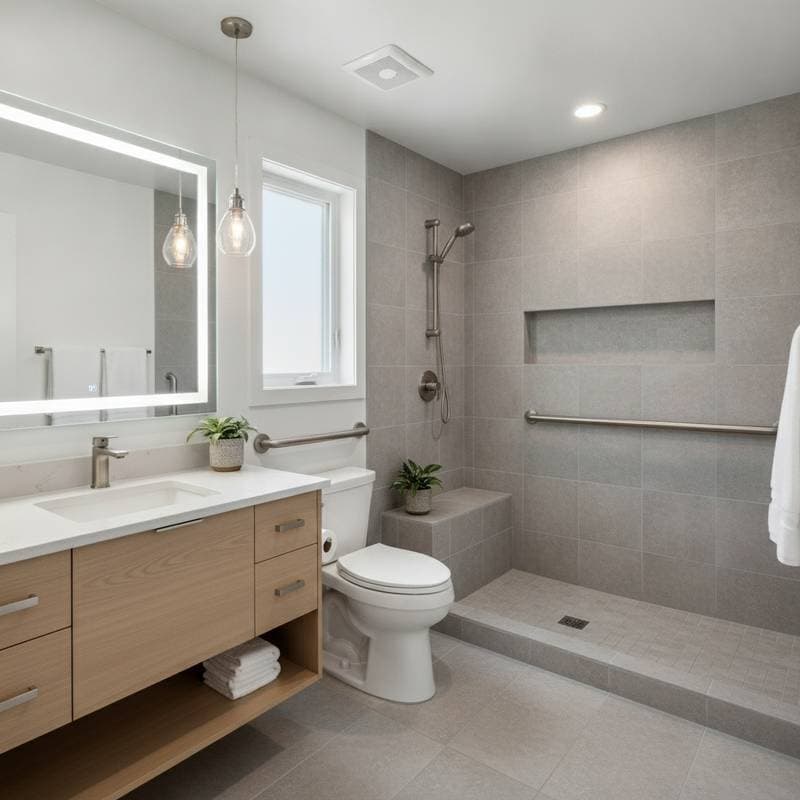
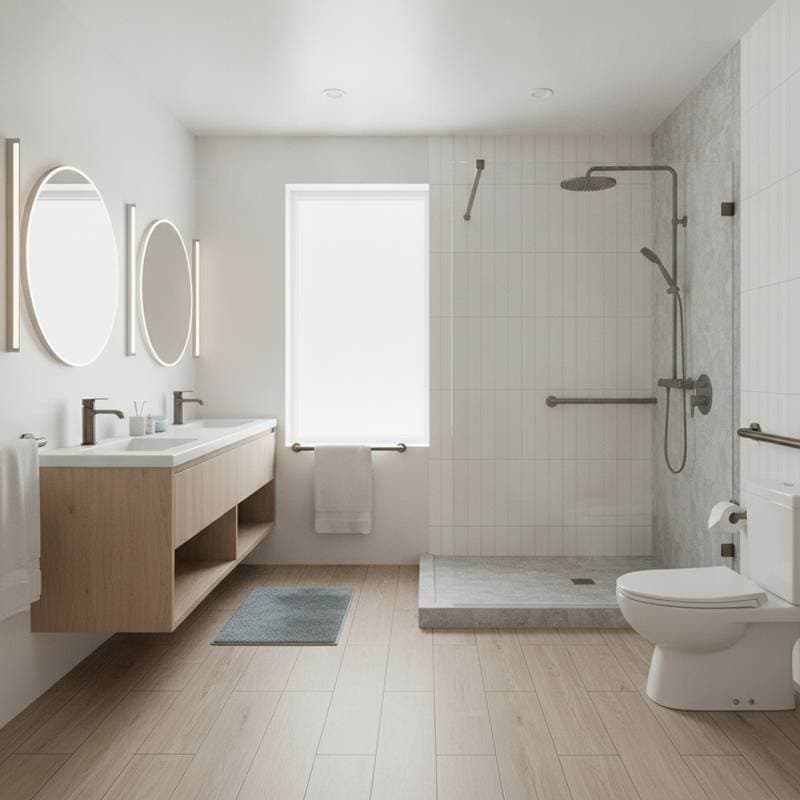
5. Remodel the Bathroom for Accessibility
Warning: Slippery Surface Hazard
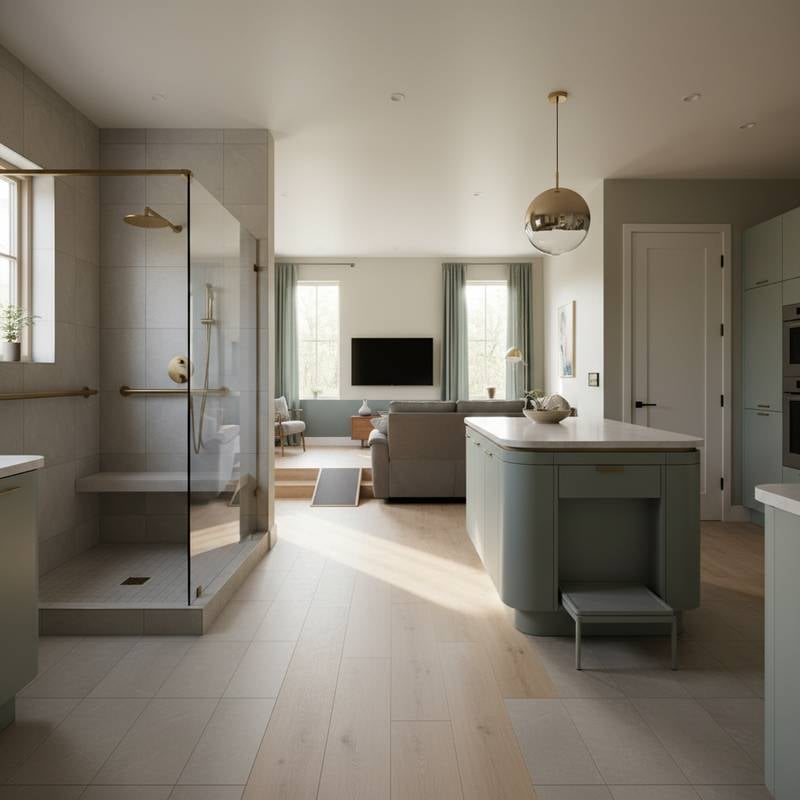
Install a walk-in or curbless shower equipped with a handheld showerhead. Include a fold-down seat and non-slip flooring. Position grab bars near the shower, toilet, and sink. Adjust vanity height to support seated use.
Success check: Bathing and bathroom use occur safely without assistance.
6. Adapt the Kitchen for Comfort and Reach
Lower countertops or opt for adjustable models. Swap cabinet knobs for easy-grasp pulls. Add pull-out shelves to facilitate storage access. Choose side-opening ovens and drawer dishwashers to minimize reaching efforts.
Success check: Cooking and cleaning tasks avoid excessive bending, stretching, or heavy lifting.
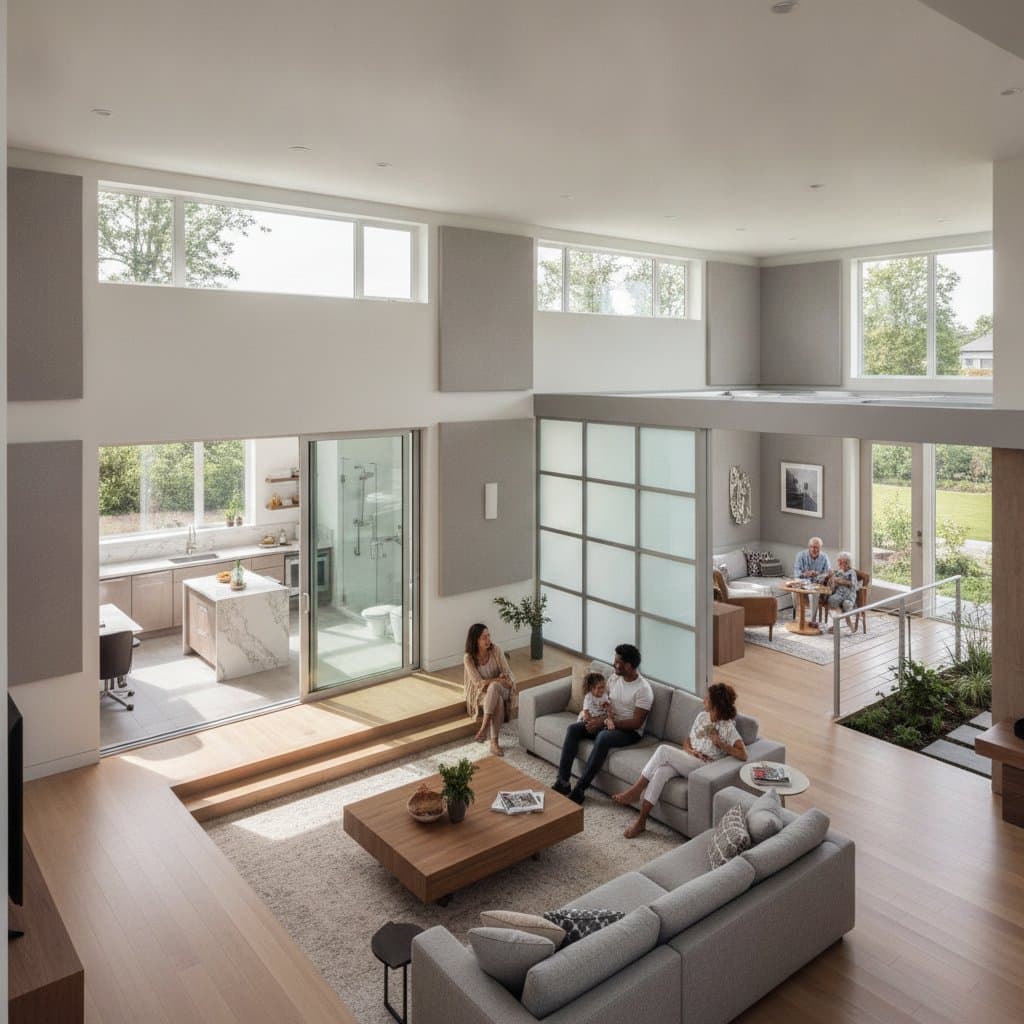
7. Create a Main-Level Living Space
Relocate the bedroom, laundry, and full bathroom to the main floor. Maintain pathways at least 36 inches wide. Eliminate stairs from daily routines where feasible.
Success check: Single-level living eliminates the need for stair navigation.
8. Improve Safety Systems
Install smoke detectors and carbon monoxide alarms featuring strobe lights and voice alerts. Integrate smart home systems for lighting, thermostats, and security. Select cordless blinds to avoid entanglement risks.
Success check: Safety systems provide reliable alerts and straightforward control.
Safety Warnings and Tips
Warning: Electrical Hazard
Deactivate power at the breaker before working on switches or outlets.
Caution: Fall Risk
Employ non-slip mats and footwear with secure soles during installations.
Protective Gear: Wear gloves, safety glasses, and sturdy shoes when operating tools or handling materials.
Display emergency contacts prominently and place phones or alert devices in essential rooms.
Troubleshooting and Quality Checks
Common problems and fixes:
- Loose grab bar: Secure with wall anchors supporting at least 250 pounds.
- Poor lighting: Upgrade to higher-lumen LEDs and add fixtures to eliminate shadows.
- Uneven threshold: Apply transition strips to level floor changes.
- Water on bathroom floor: Confirm shower base drainage slopes correctly toward the drain.
Quality checks:
- Test modifications by walking through each space.
- Ensure doors, handles, and switches function smoothly.
- Verify uniform, glare-free lighting levels throughout.
- Evaluate comfort and balance while sitting, standing, and moving in every area.
Cleanup and Disposal
Transport old fixtures, flooring, and debris to a local construction recycling center. Donate viable items like cabinets or doors to reuse organizations. Vacuum and wipe surfaces post-installation to clear dust and debris. Label and store excess paint, caulk, or sealants for future applications.
Maintenance and Lifespan
Examine grab bars, railings, and flooring semiannually for stability. Renew non-slip coatings or mats upon wear. Clean lighting fixtures and replace bulbs to sustain brightness. High-quality accessibility elements, including lever handles and grab bars, endure 10 to 20 years under regular maintenance. Annually test smart home systems for battery and connection integrity.
When to Call a Professional
Advanced skills or permits apply to specific modifications. Seek professional assistance for:
- Plumbing or electrical alterations.
- Structural wall removal or doorway expansions.
- Custom cabinetry or integrated accessibility features.
- Compliance with local accessibility codes and inspections.
Professional costs:
- Certified occupational therapist home assessment: $300 to $800
- Accessibility contractor consultation: $500 to $1,500
- Full remodeling project with design services: $20,000 to $60,000
Checklist for choosing a contractor:
- Verify state license and liability insurance.
- Request references from comparable projects.
- Obtain a written estimate and timeline.
- Examine warranty terms for products and labor.
Pro Tips for Success
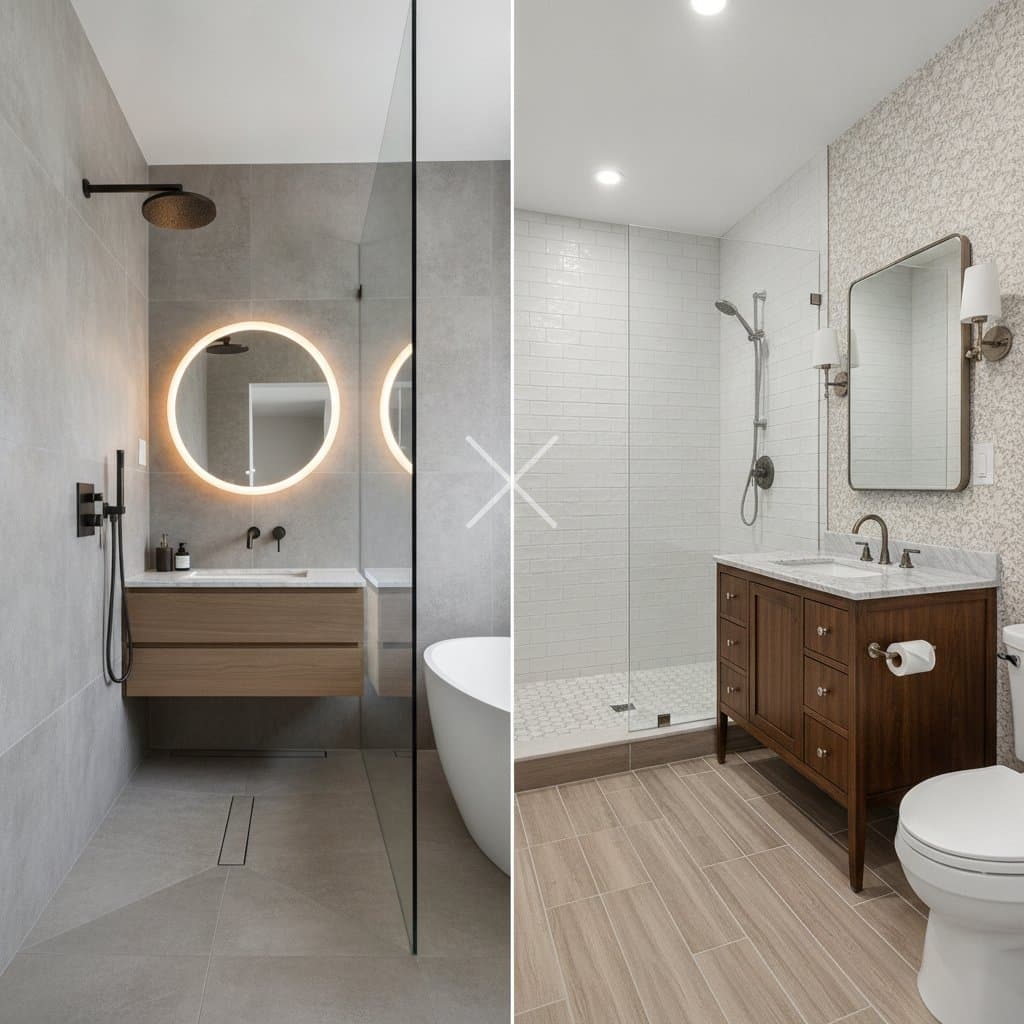
Initiate with minor adjustments to evaluate effectiveness prior to extensive renovations. Anticipate future mobility demands by incorporating wider doors or internal wall supports. Blend safety with aesthetics through universal design products in contemporary finishes. Consult family or caregivers during planning to address present and prospective needs. Maintain uniform accessibility features across the home to minimize transition risks and enhance navigation.
Integrating Upgrades into Daily Life
After remodeling, observe how the space performs in routine activities. Rearrange furniture to preserve unobstructed pathways. Incorporate adjustable lighting in zones where vision may decline. Position essential items within easy reach.
Periodically review emerging tools and technologies. Options like smart thermostats, automatic door openers, or voice-activated controls enhance safety and ease. Conduct annual evaluations to incorporate innovations suited to individual lifestyles.
FAQ
What is aging in place?
The practice of residing in one's home safely and independently during later years, supported by modifications that promote mobility, comfort, and security.
Do I need a permit for accessibility upgrades?
Permits generally apply to plumbing, electrical, or structural modifications. Consult local building codes prior to commencement.
Can I make my home accessible without major remodeling?
Affirmative. Incremental changes such as grab bars, lever handles, enhanced lighting, and slip-resistant mats yield significant improvements.
How do I find a qualified contractor?
Seek specialists certified in aging-in-place or universal design remodeling. Confirm licensing, insurance, and references from recent endeavors.
Are aging-in-place upgrades worth the cost?
Indeed. Such investments bolster safety, mitigate health risks, and elevate home resale value by attracting diverse buyers.